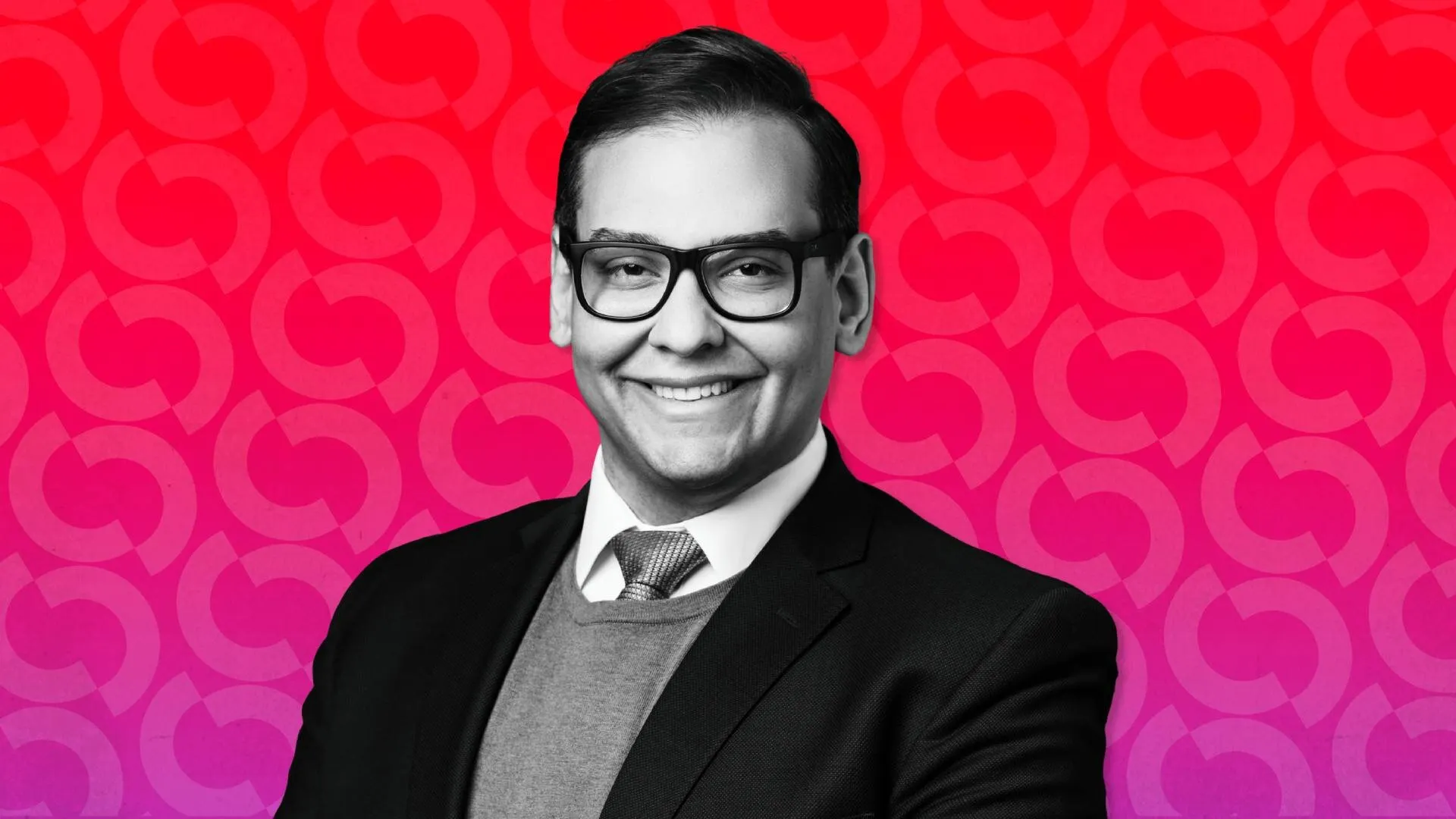
Federal Agencies Investigate George Santos’ Alleged Prediction Market Trades
Two federal agencies are reportedly examining trades that former Congressman George Santos allegedly made on the prediction market Kalshi, betting against his own attendance at President Donald Trump’s State of the Union address, even as he publicly stated his intention to be present.
NPR reported that Kalshi identified the activity, suspended Santos’ account, and subsequently referred the case to both the Commodity Futures Trading Commission (CFTC) and the Department of Justice. Two individuals familiar with the exchange’s internal review shared this information with the outlet.
According to NPR, which cited three individuals with direct knowledge of the trades who were not authorized to speak publicly, Santos profited tens of thousands of dollars by misleading bettors about his plans for the February event.
The allegations against Santos emerge amid increasing scrutiny of prediction markets nationwide. Concerns about insider trading have already led to criminal charges and calls for enhanced regulatory oversight.
The day before President Trump’s State of the Union address, Santos tweeted, “I’m going to be there for the State of Union in the gallery, guys,” which would have increased the perceived likelihood of his attendance. However, during the speech, he posted, “Watching SOTU from an airport tv was not part of the plan! FML,” as sources told NPR that he had already placed a wager against his own appearance.
When questioned about the probe, Santos told NPR, “Well, that’s news to me,” and declined to confirm or deny possessing a Kalshi account, stating, “I’m not saying yes, I’m not saying no.”
George Santos, the CFTC, the DOJ, and Kalshi did not immediately respond to requests for comment.
This development follows recent legal actions in the prediction market sector. Last month, federal prosecutors charged Google engineer Michele Spagnuolo with commodities fraud, wire fraud, and money laundering in connection with approximately $2.75 million in Polymarket bets that allegedly yielded about $1.2 million. The bets were reportedly placed using confidential internal “Year in Search” data. This marked the second federal prosecution linked to the sector, following Army Master Sergeant Gannon Ken Van Dyke, who pleaded not guilty to charges of using classified intelligence to win Polymarket bets on the capture of Venezuelan leader Nicolás Maduro.
Lawmakers have also taken action, with House Oversight Chair James Comer (R-KY) initiating an insider trading investigation into Kalshi and Polymarket. The committee has demanded records concerning their Know Your Customer (KYC) controls and war-related markets, following a New York Times review that flagged over 80 suspicious Polymarket trades.
Yuriy Brisov, a partner at Digital & Analogue Partners, suggested to Decrypt that the allegations against Santos might not fit neatly into traditional insider trading frameworks. Brisov explained that, unlike recent prosecutions, Santos allegedly “misappropriated nothing.” Instead, he characterized the case as appearing “closer to manipulation: move a price with a false signal, then trade against it.”
“Trading on your own conduct is a category that the inherited rulebook never anticipated,” Brisov stated, noting that existing securities and commodities laws were designed around the misuse of confidential information, not wagers tied to an individual’s own actions.
Brisov emphasized that prediction markets themselves are not inherently problematic. He suggested that platforms should focus on restricting participants who have the ability to influence outcomes, pointing out that “recent safeguards adopted by Kalshi and Polymarket are ‘why Santos was caught.’”
In February, Kalshi disclosed that it had fined and suspended an employee of MrBeast and a California political candidate for betting on outcomes they could influence, referring both cases to the CFTC.
“The lesson here is not that prediction markets are lawless,” Brisov added. “It is that the platforms are the fastest regulators in the room.”
The former lawmaker has had prior dealings with the cryptocurrency space. Executives from the collapsed exchange FTX, including former co-CEO Ryan Salame, were among the top donors to his 2022 congressional campaign. Two years later, Santos briefly backed a Solana meme coin before abruptly distancing himself from the project.
The New York Republican was sworn into Congress in January 2023, following a campaign that was later found to contain numerous fabrications about his personal and professional history. Federal prosecutors indicted him in May 2023 on charges including wire fraud, money laundering, and theft from campaign donors. He was expelled from Congress in December 2023 and later sentenced to more than seven years in federal prison.
President Trump commuted Santos’ sentence last October, leading to his release after four months of incarceration.
Leave a Reply