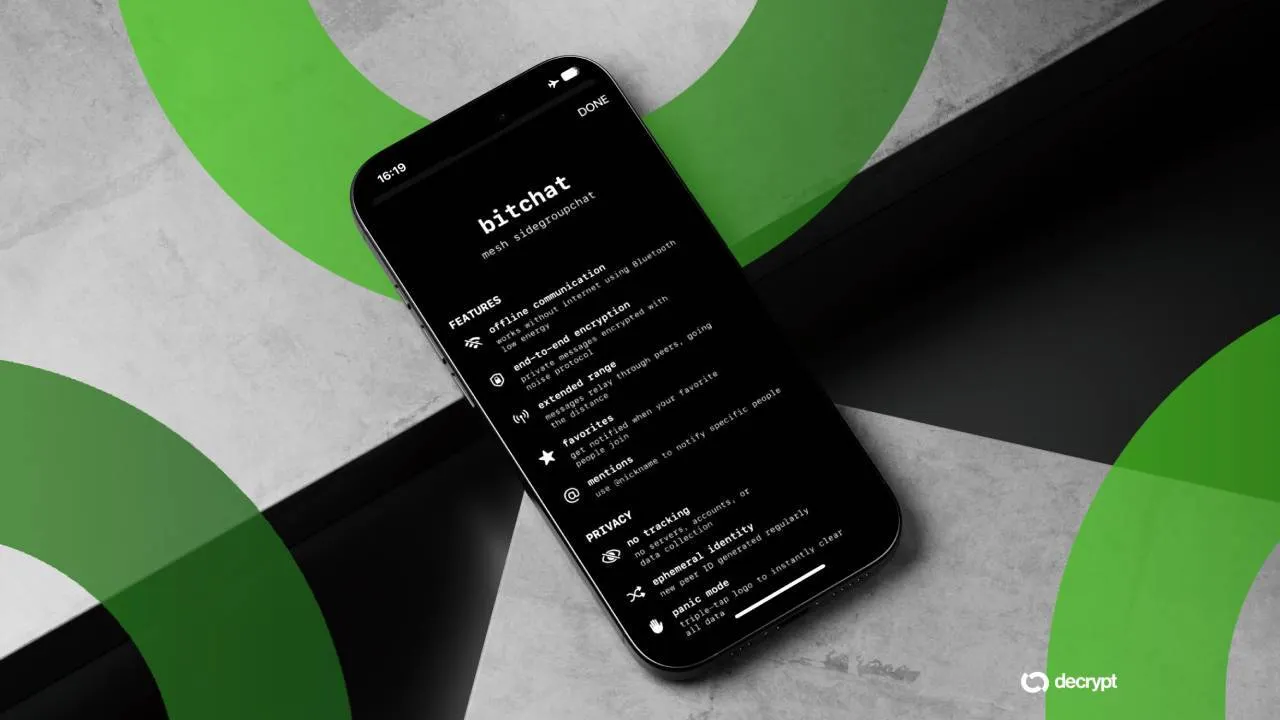
India’s cybercrime agency has directed GitHub to remove the source code for the decentralized messaging application Bitchat, citing concerns that its design impedes lawful interception and could be exploited during public disorder. The Indian Cyber Crime Coordination Centre (I4C), operating under the Ministry of Home Affairs, issued the order on Thursday, July 24, 2026, demanding the removal of three specific code repositories within a three-hour deadline.
The Regulatory Mandate
The targeted repositories are associated with the “permissionlesstech” account and include the main Bitchat project, its Android build, and the Android releases page. The order invoked Section 79(3)(b) of the IT Act, 2000, and Rule 3(1)(d) of the 2021 IT Rules, instructing GitHub to “remove and disable access” to the code without vitiating any evidence.
Bitchat’s Design and Government Concerns
Bitchat operates by routing messages directly between nearby phones using Bluetooth mesh networks, a system that does not require internet connectivity, servers, phone numbers, or user accounts. According to the I4C, this architecture “significantly impedes lawful interception, attribution, and investigation.” The agency warned that the app could be exploited during events such as “public disorder, riots, terrorism, organized crime, or internet shutdowns.”
Broader Implications for Decentralized Technology
This regulatory action comes as India grapples with a youth-led movement concerning exam-paper leaks. Demonstrations have occurred in Delhi, with protestors reportedly using offline tools like Bitchat when mobile internet services were restricted. Jack Dorsey, co-founder of Twitter and CEO of Block, shared the notice on X (formerly Twitter), commenting that “the government of india does not like technologies like bitchat.” The Bitchat Community account echoed this sentiment, stating, “Governments that fear people talking without permission will always go after the tools that make it possible.”
The Internet Freedom Foundation condemned the order, arguing it was “unconstitutional and authoritarian” because it named no specific unlawful content and bypassed established blocking procedures. This action by India follows a similar move by China in April, which ordered Bitchat’s removal from the Apple App Store.
Removing source code from a platform like GitHub aims to halt a project’s development, though open-source code can be copied and mirrored. Indeed, Bitchat repositories were reportedly mirrored to the decentralized code collaboration platform GitLawb hours after India’s order. This event also occurs shortly after Jack Dorsey’s Block launched Buzz, a decentralized platform designed to reduce reliance on services like GitHub.
It remains uncertain whether GitHub complied with the three-hour deadline set by the I4C. The situation highlights a growing global tension between governments seeking to regulate digital communication and the rise of decentralized, censorship-resistant technologies. The implications for open-source development and user privacy are significant, as such actions by one nation can influence regulatory approaches elsewhere.
Broader Context
India’s cybercrime agency has ordered GitHub to take down the code for Bitchat, the decentralized messaging app built by Jack Dorsey, giving the Microsoft-owned platform three hours to comply. The order comes amidst protests in India related to exam-paper leaks, where some demonstrators reportedly turned to offline communication tools like Bitchat when mobile internet services were restricted.
Leave a Reply