Author: Admin_Up

  • هک‌های ارز دیجیتال در سپتامبر ۷۶۶ میلیون دلار خسارت زدند؛ بیت‌گت و لیکویید در صدر زیان‌دیدگان

    هک‌های ارز دیجیتال در سپتامبر ۷۶۶ میلیون دلار خسارت زدند؛ بیت‌گت و لیکویید در صدر زیان‌دیدگان

    هک‌های ارز دیجیتال در ماه سپتامبر به ۷۶۶ میلیون دلار رسید؛ بیت‌گت و لیکوئید در صدر زیان‌دیدگان

    شرکت امنیتی PeckShield اعلام کرد که در ماه سپتامبر، ۵۵ مورد هک بزرگ در حوزه ارزهای دیجیتال رخ داده که مجموع زیان‌های ناشی از آن به ۷۶۶.۴۹ میلیون دلار رسیده است. این رقم حدود ۴۶۲ درصد بیشتر از رقم ۱۳۶.۳ میلیون دلاری ماه اوت است و دو حادثه سهم عمده‌ای از این زیان‌ها را به خود اختصاص داده‌اند.

    هک‌های بزرگ سپتامبر

    بر اساس گزارش PeckShield، حادثه مربوط به صرافی Bitget با زیان حدود ۳۸۷ میلیون دلاری و سرقت از شبکه Liquid با حدود ۳۲۰ میلیون دلار (که ۲۸۵ میلیون دلار از آن بازگردانده شد)، اکنون به بزرگترین و دومین سرقت‌های ارز دیجیتال سال تا به امروز تبدیل شده‌اند و از هک‌های Drift و KelpDAO/LayerZero پیشی گرفته‌اند. با کسر این دو حادثه، ۵۳ هک دیگر مجموعاً حدود ۵۹ میلیون دلار زیان به بار آورده‌اند که کمتر از نصف مجموع زیان‌های ماه اوت است.

    جزئیات حادثه Bitget

    همانطور که CryptoPotato پیشتر گزارش داده بود، Bitget اعلام کرد که سیستم‌های امنیتی این صرافی در تاریخ ۲۴ سپتامبر ساعت ۱۸:۳۱ UTC هشدارهایی مبنی بر انتقال‌های غیرمجاز از بخش‌هایی از کیف پول‌های گرم (hot wallets) دریافت کرده‌اند. Gracy Chen، مدیرعامل Bitget، توضیح داد که مهاجم به یک سیستم پشتیبان در زیرساخت کیف پول دسترسی پیدا کرده، داده‌های تراکنش را جعل کرده و فرآیند احراز هویت را فریب داده تا وجوه را آزاد کند. مدیرعامل این صرافی هرگونه نفوذ به کلیدهای خصوصی را رد کرد و خاطرنشان ساخت که کیف پول‌های سرد (cold wallets) که بخش عمده دارایی‌های صرافی در آن‌ها نگهداری می‌شود، دست نخورده باقی مانده‌اند. این صرافی قصد دارد این زیان را از صندوق حفاظت از کاربران خود که بیش از ۴۶۴ میلیون دلار دارایی دارد، جبران کند. Chen در پلتفرم X نوشت: «ما از این موضوع شانه خالی نخواهیم کرد و هر دلار حسابرسی خواهد شد.»

    حادثه Liquid Network

    زیان شبکه Liquid زودتر، در تاریخ ۶ سپتامبر رخ داد، زمانی که هکرهایی که گمان می‌رود کلاه سفید بوده‌اند، حدود ۴۰۰۰ بیت‌کوین را از کیف پول Liquid Federation برداشتند. این برداشت با استفاده از کلید احراز هویت SideSwap peg-out انجام شده بود، هرچند Liquid اعلام کرد که خود کلید مورد نفوذ قرار نگرفته است. هکر در پیام‌هایی در بلاک‌چین به Blockstream قول داد که پول را پس از وصله شدن تمام نودها بازخواهد گرداند. Charles Guillemet، مدیر ارشد فناوری Ledger، نسبت به این ادعا ابراز تردید کرد و اشاره داشت که محققان امنیتی مشروع معمولاً یک پل (bridge) را تخلیه نمی‌کنند و سپس درخواست تماس در بلاک‌چین را مطرح نمی‌کنند.

    پولشویی وجوه سرقتی

    شرکت SlowMist در به‌روزرسانی مورخ ۲۹ سپتامبر خود نوشت که هکرهای مرتبط با کره شمالی در حال پولشویی وجوه سرقتی Bitget از طریق جفت کردن سفارشات CoW Protocol با آدرس‌های واریز Chainflip، تبدیل عواید به بیت‌کوین و سپس استفاده از CoinJoin برای پنهان کردن تراکنش‌ها هستند. Cos، بنیانگذار SlowMist، استدلال کرد که بررسی‌های ضد پولشویی از اسکریپت‌های خودکار عقب مانده‌اند. Chainflip در تلاش است تا این جریان‌ها را مسدود کند و حداقل یک واریز را رد کرده، اما به جای مسدود کردن پول، آن را بازگردانده است.

    سایر هک‌ها

    هشت مورد دیگر در ۱۰ هک برتر PeckShield، از ۳.۱۵ میلیون دلار تا ۷.۸۱ میلیون دلار متغیر بوده‌اند. بزرگترین آن‌ها یک حمله front-run بود که شامل ربات MEV با نام “yoink” می‌شد و وجوه آن بازگردانده شد. قرارداد LimitBreak در Payment Processor V2 که در مرکز یک عملیات نجات کلاه سفید در ۲۵ سپتامبر قرار داشت، ۶.۶ میلیون دلار زیان داشت که ۳.۴ میلیون دلار از آن بازگردانده شد. در آن عملیات، Quit، محقق امنیتی، ۲۳,۱۵۵ توکن NFT به ارزش نزدیک به ۶ میلیون دلار را از کیف پول‌های در معرض خطر خارج کرد، در حالی که یک مسیر اکسپلویت جداگانه ۶۶۰ واحد WETH را بدون بازیابی باقی گذاشت.


  • برزیل: لوئیز ایناسیو لولا دا سیلوا در برابر رویکرد غیرقابل پیش‌بینی ژائیر بولسونارو در حوزه رمزارزها

    برزیل: لوئیز ایناسیو لولا دا سیلوا در برابر رویکرد غیرقابل پیش‌بینی ژائیر بولسونارو در حوزه رمزارزها

    انتخابات برزیل در آستانه برگزاری است و سیاست‌های این کشور در حوزه ارزهای دیجیتال، که در پذیرش رمزارزها رتبه نخست را دارد، ممکن است در نتیجه این انتخابات دستخوش تغییر شود. در این گزارش، به بررسی پیامدهای احتمالی پیروزی لوئیز ایناسیو لولا دا سیلوا، رئیس‌جمهور کنونی، و یا فلاویو بولسونارو، رقیب او، بر دنیای ارزهای دیجیتال می‌پردازیم.

    چشم‌انداز ارزهای دیجیتال در صورت پیروزی لولا

    در صورت پیروزی مجدد لوئیز ایناسیو لولا دا سیلوا، انتظار می‌رود سیاست‌های حمایتی از نوآوری در حوزه ارزهای دیجیتال ادامه یابد. دولت او پیش از این رویکردی نسبتاً مثبت به فناوری بلاکچین و رمزارزها داشته و بر لزوم ایجاد چارچوب‌های نظارتی شفاف و در عین حال تسهیل‌کننده برای این صنعت تأکید کرده است. احتمالاً شاهد تلاش‌هایی برای ادغام بیشتر رمزارزها در سیستم مالی سنتی و همچنین حمایت از پروژه‌های نوآورانه داخلی خواهیم بود. تمرکز بر آموزش و افزایش آگاهی عمومی در مورد پتانسیل‌های ارزهای دیجیتال نیز می‌تواند از اولویت‌های دولت لولا باشد.

    سناریوی پیروزی فلاویو بولسونارو

    از سوی دیگر، در صورت پیروزی فلاویو بولسونارو، ممکن است شاهد رویکردی محتاطانه‌تر یا حتی محدودکننده‌تر نسبت به ارزهای دیجیتال باشیم. دولت‌های محافظه‌کارتر معمولاً تمایل بیشتری به کنترل و نظارت شدیدتر بر بازارهای مالی دارند. این امر می‌تواند منجر به وضع قوانین سخت‌گیرانه‌تر برای صرافی‌ها، سرمایه‌گذاران و توسعه‌دهندگان رمزارز شود. همچنین، احتمال دارد تمرکز بیشتری بر ارزهای دیجیتال بانک مرکزی (CBDC) و کاهش ریسک‌های مرتبط با رمزارزهای غیرمتمرکز صورت گیرد. با این حال، ماهیت پویا و جهانی بازار ارزهای دیجیتال، هرگونه تغییر سیاستی را با چالش‌هایی مواجه خواهد کرد.

    تأثیر بر پذیرش جهانی و منطقه‌ای

    انتخابات برزیل نه تنها برای این کشور، بلکه برای کل منطقه آمریکای لاتین و حتی جهان از اهمیت بالایی برخوردار است. برزیل به عنوان یکی از بزرگترین اقتصادهای منطقه و کشوری با نرخ بالای پذیرش رمزارز، می‌تواند الگویی برای سایر کشورها باشد. هرگونه تغییر در سیاست‌های این کشور می‌تواند بر روند پذیرش و توسعه ارزهای دیجیتال در سطح جهانی تأثیرگذار باشد. سرمایه‌گذاران و فعالان حوزه رمزارز با دقت تحولات انتخاباتی برزیل را دنبال می‌کنند تا بتوانند استراتژی‌های خود را بر اساس نتایج آن تنظیم کنند.

  • Brazil Election Looms, Potential for Cryptocurrency Policy Shifts

    Brazil Election Looms, Potential for Cryptocurrency Policy Shifts

    Brazil’s upcoming presidential election introduces uncertainty regarding the future direction of the country’s cryptocurrency policies. As a global leader in crypto adoption, any shifts in policy following the election could significantly impact its market and users.

    The approaching electoral contest places a spotlight on the potential for changes in Brazil’s approach to cryptocurrencies. Depending on the outcome between President Lula and contender Flavio Bolsonaro, the nation’s crypto policies could evolve, though the specific directions each candidate might pursue remain uncertain.

    Brazil’s current standing as a top nation in cryptocurrency adoption underscores the significance of these potential policy adjustments. This high level of engagement means that electoral results could have a notable influence on the crypto landscape and its participants.

    While the election signals a period of potential evolution for Brazil’s crypto sector, definitive outcomes are yet to be determined. The specific cryptocurrency policies each candidate might enact, and the precise impact on Brazil’s adoption ranking, are currently unknown. Readers should monitor post-election developments for clarity on these evolving matters.

    Broader Context

    Source materials place the factual news in this context: Brazil is ranked as the number one in crypto adoption.

  • Crypto Hacks Top $766M in September Amid Bitget, Liquid Losses

    Crypto Hacks Top $766M in September Amid Bitget, Liquid Losses

    Crypto Hacks Surge in September, Reaching $766 Million in Losses

    September witnessed a dramatic spike in cryptocurrency hacks, with 55 major incidents resulting in a staggering $766.49 million in losses, according to data compiled by PeckShield. This figure represents a colossal 462% increase compared to August’s losses of $136.3 million, with two significant breaches accounting for the vast majority of the September total.

    Bitget and Liquid Network Dominate September’s Losses

    The Bitget incident, with losses estimated at approximately $387 million, and the Liquid Network theft of around $320 million (of which $285 million has since been recovered), have emerged as the largest and second-largest crypto thefts of the year to date. These events have surpassed previous major exploits such as those involving Drift and KelpDAO/LayerZero. When these two major incidents are excluded, the remaining 53 hacks from September collectively amounted to approximately $59 million, less than half of the total losses recorded in August.

    Bitget Details Security Breach

    Bitget confirmed that its security systems detected unauthorized transfers from portions of its hot wallets on September 24 at 18:31 UTC. CEO Gracy Chen explained that an attacker gained access to a backend system within the wallet infrastructure, manipulated transaction data, and deceived the authorization process to release funds. Chen clarified that a compromise of private keys was ruled out and that the exchange’s cold wallets, which hold the majority of its assets, remained unaffected. Bitget intends to cover the losses from its User Protection Fund, which currently holds over $464 million. “We will not run away from this, and every dollar will be accounted for,” Chen stated on X.

    Liquid Network Suffers Major BTC Withdrawal

    The loss at Liquid Network occurred earlier in the month, on September 6, when individuals identified as purported white-hat hackers withdrew approximately 4,000 BTC from the Liquid Federation wallet. The withdrawal utilized the SideSwap peg-out authorization key, although Liquid emphasized that the key itself was not compromised. In communications with Blockstream, the hacker indicated a willingness to return the funds once all nodes were patched. However, Ledger CTO Charles Guillemet expressed skepticism, noting that legitimate security researchers typically do not drain a bridge and then request on-chain contact.

    North Korea-Linked Hackers Suspected in Laundering Efforts

    In an update on September 29, SlowMist reported that hackers believed to be linked to North Korea are laundering the stolen Bitget funds. Their alleged method involves pairing CoW Protocol orders with Chainflip deposit addresses, converting the proceeds to Bitcoin, and then employing CoinJoin to obscure transaction trails. Cos, SlowMist’s founder, argued that anti-money laundering checks are struggling to keep pace with automated scripts. Chainflip is reportedly attempting to block these fund flows and has rejected at least one deposit, though it refunded the money rather than freezing it.

    Other Notable September Exploits

    The remaining eight entries in PeckShield’s top 10 hacks for September ranged from $3.15 million to $7.81 million. The largest of these was a front-running incident involving the MEV bot “yoink,” which resulted in the return of the stolen assets. The Payment Processor V2, specifically the LimitBreak contract at the center of a white-hat rescue on September 25, accounted for $6.6 million in losses, with $3.4 million recovered. In that operation, security researcher Quit successfully moved 23,155 NFTs valued at nearly $6 million out of exposed wallets, though a separate exploit path left 660 WETH unrecovered.

  • پورشه باشگاه NFT خود را پس از آزمایش ۲٠ میلیون دلاری 911 دیجیتال تعطیل کرد

    پورشه باشگاه NFT خود را پس از آزمایش ۲٠ میلیون دلاری 911 دیجیتال تعطیل کرد

    پورشه پروژه Web3 و PIONEERS CIRCLE خود را پس از نزدیک به چهار سال از رونمایی مجموعه ۷۵۰۰ عددی NFT با محوریت مدل ۹۱۱، متوقف کرد. این خروج با نکته‌ای عجیب همراه است. دارندگان NFTهای PORSCHE 911 همچنان مالکیت آن‌ها را به صورت آن‌چین حفظ خواهند کرد، اما جامعه دیسکورد به بایگانی تبدیل شده و حساب X این پروژه نیز غیرفعال می‌شود. این مجموعه […]

  • بیت‌کوین ۸۵ هزار دلاری؛ چشم‌انداز ۱۰۰ هزار دلاری و پیش‌بینی ۹۴ هزار دلاری چت‌جی‌پی‌تی

    بیت‌کوین ۸۵ هزار دلاری؛ چشم‌انداز ۱۰۰ هزار دلاری و پیش‌بینی ۹۴ هزار دلاری چت‌جی‌پی‌تی

    قیمت بیت‌کوین روز شنبه در نزدیکی ۸۵ هزار دلار باقی ماند، پس از آنکه جهش روز جمعه به بالای ۸۷ هزار دلار فرو ریخت. با این حال، پیش‌بینی‌ها پیرامون آن به هیچ وجه آرام نبود. معامله‌گران پلتفرم Polymarket شانس لمس ۱۰۰ هزار دلار توسط بیت‌کوین را تا پیش از سال ۲۰۲۷، ۳۹ درصد ارزیابی می‌کنند. پیش‌بینی پایان سال Kalshi رقم ۸۶ هزار و ۲۴۰ دلار را نشان می‌دهد، در حالی که Claude Opus 5.5 رقم ۹۱ هزار و ۵۰۰ دلار را پیش‌بینی کرده است و ChatGPT-6 Astra با رقم ۹۴ هزار دلار، پیش‌بینی بالاتری ارائه می‌دهد. قیمت بیت‌کوین […]

  • صف برداشت اتریوم ۳۹۲ درصد افزایش یافت

    صف برداشت اتریوم ۳۹۲ درصد افزایش یافت

    افزایش ۳۹۲ درصدی خروج اتریوم از شبکه؛ نگرانی‌ها از نفوذ به زیرساخت متامسک

    داده‌های منتشر شده در شبکه اجتماعی X نشان می‌دهد که از ابتدای ماه اکتبر، خروج اتریوم (ETH) از شبکه استیکینگ با افزایش ۳۹۲ درصدی مواجه شده است. تا تاریخ ۲ اکتبر، حدود ۸۵۰ هزار اتریوم در صف خروج از مجموعه اعتبارسنج‌های شبکه قرار گرفته بود. این طولانی‌ترین صف خروجی است که اتریوم در طول سال جاری تجربه کرده است. این اتفاق همزمان با اعلام متامسک استیکینگ مبنی بر به خطر افتادن بخشی از زیرساخت‌هایش رخ داد.

    صف خروج طولانی‌تر از همیشه

    تا تاریخ ۲ اکتبر، زمان انتظار تخمینی برای خروج از شبکه به حدود ۱۴.۷۷ روز رسیده بود. در اواخر ماه سپتامبر، حجم خروجی‌ها در محدوده ۱۰۰ تا ۱۵۰ هزار اتریوم قرار داشت. در اوج خود، این صف به حدود ۸۵۰ هزار تا ۸۵۰,۷۳۶ اتریوم رسید. در مجموع، حدود ۴۳.۶ میلیون اتریوم در حدود ۸۷۸ هزار اعتبارسنج فعال استیک شده بود و خروجی‌های در انتظار، نزدیک به ۲ درصد از کل عرضه استیک شده را تشکیل می‌دادند.

    نفوذ به زیرساخت متامسک

    در تاریخ ۳۰ سپتامبر، متامسک استیکینگ از نفوذ به زیرساخت‌های خود خبر داد. پاداش‌های بلاک به ارزش حدود ۰.۳۶ اتریوم در ۱۸ بلاک به طور موقت منحرف شده بود. متامسک اعلام کرد که هیچ کیف پول کاربری یا داده حساسی تحت تأثیر قرار نگرفته است. متامسک اقدام به خروج نزدیک به ۱۷ هزار اعتبارسنج با حدود ۵۲۳ هزار اتریوم کرد که سهم قابل توجهی از آن به عملیات Lido مرتبط بود. این خروج‌ها به عنوان یک اقدام احتیاطی صورت گرفت و انتظار می‌رفت تا ۷ اکتبر به پایان برسد.

    دلایل احتمالی افزایش خروج

    حدود ۵۲۳ هزار اتریوم از مجموع ۸۵۰ هزار اتریوم در انتظار خروج، متعلق به اعتبارسنج‌های متامسک بود. جیانگ ژوئر، بنیانگذار یک استخر استخراج لایت‌کوین (LTC)، معتقد است که افزایش صف خروج نشان‌دهنده آن است که برخی از دارندگان از قیمت‌های فعلی برای قفل کردن سود خود استفاده می‌کنند. اتریوم در بازه ۳۰ سپتامبر تا ۲ اکتبر در محدوده‌ای باریک بین ۲۶۸۶ تا ۲۷۲۵ دلار معامله می‌شد. با زمان انتظار نزدیک به ۱۴.۷۷ روز، هرگونه فروش در طول زمان پخش می‌شود و به جای یکباره، بازار را تحت تأثیر قرار می‌دهد.

    تأثیر شرکای زیرساختی

    انتظار می‌رفت خروج‌های متامسک تا ۷ اکتبر به پایان برسد. پس از تکمیل این خروج‌ها، صف انتظار باید به طور قابل توجهی کاهش یابد، مگر اینکه خروجی‌های جدید جایگزین آن‌ها شوند. با توجه به اینکه بخش قابل توجهی از اتریوم در حال خروج به عملیات Lido مرتبط است، این رویداد نشان می‌دهد که تصمیمات یک شریک زیرساختی چگونه می‌تواند بر مجموعه بزرگ‌تری از اتریوم استیک شده تأثیر بگذارد. در حال حاضر، حدود ۴۳.۶ میلیون اتریوم همچنان در حدود ۸۷۸ هزار اعتبارسنج استیک شده است و حتی در اوج خود، صف خروج بخش کوچکی از این مجموع را تشکیل می‌داد.

  • ICBA Sues OCC Over Crypto Bank Charters, Citing Regulatory Concerns

    ICBA Sues OCC Over Crypto Bank Charters, Citing Regulatory Concerns

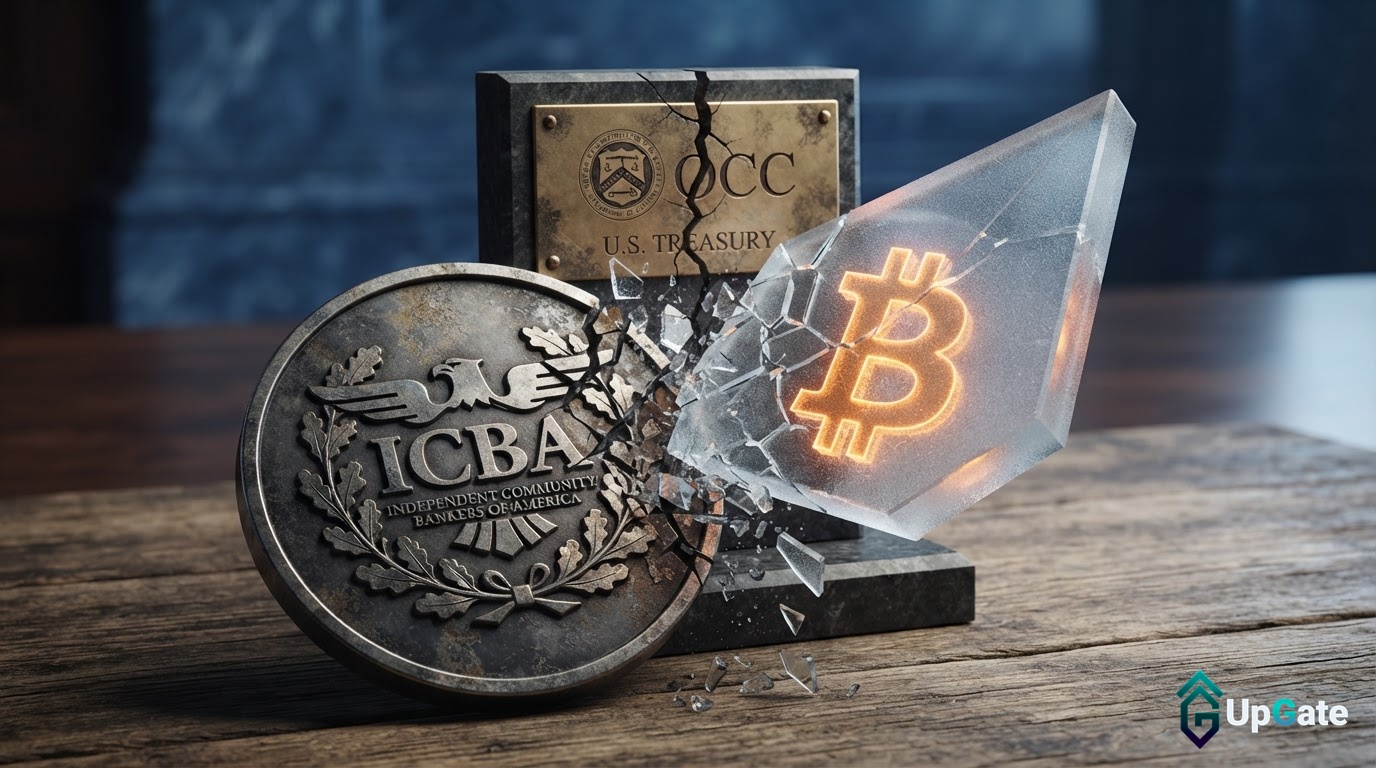
    The Independent Community Bankers of America (ICBA) has filed a lawsuit against the Office of the Comptroller of the Currency (OCC) in the US District Court for the District of Columbia. The lawsuit challenges the OCC’s rules and an interpretive letter that permit cryptocurrency-focused firms to obtain national trust bank charters. The ICBA alleges that these rules allow crypto companies to gain federal bank charter credibility without adhering to the same regulatory requirements as traditional banks, such as FDIC insurance and Community Reinvestment Act (CRA) obligations.

    The core of the ICBA’s argument, according to the lawsuit, is that Congress never intended the national trust charter to serve as a “side door” for crypto firms to receive the benefits of federal banking supervision while potentially avoiding established regulatory frameworks. The ICBA argues that the OCC’s actions may be creating a pathway for digital asset firms to benefit from federal banking oversight without being regulated in the same manner as insured depository institutions.

    This legal challenge comes at a time when several crypto-focused firms have recently secured final approval for their own federally supervised trust bank charters. Notably, Circle received authorization to establish First National Digital Currency Bank, N.A. (Circle National Trust), and Ripple previously secured approval to establish Ripple National Trust Bank. BitGo and Paxos have also been involved in the OCC’s process for approving such charters.

    The OCC’s final rule, published in March 2026, clarified that national banks limited to trust-company operations could also conduct related non-fiduciary activities. The regulator noted at the time that the rule neither expanded nor contracted its existing chartering authority. However, the ICBA contends that this framework, coupled with the interpretive letter, facilitates a regulatory disparity.

    The lawsuit seeks to invalidate the OCC’s final rule and the related interpretive letter. The outcome of this legal action remains uncertain and could have significant implications for the growing number of digital asset entities pursuing similar federal banking licenses. The ICBA’s challenge highlights ongoing tensions between traditional banking groups and the evolving digital asset sector regarding regulatory oversight and market access.

    This development introduces regulatory uncertainty into the crypto banking sector, as traditional banking groups actively oppose regulatory pathways for crypto firms seeking federal charters. The ICBA’s concerns center on the potential for these firms to avoid FDIC insurance, CRA obligations, and the capital and liquidity frameworks applicable to insured institutions. The full implications for the broader digital asset industry and the future of federal banking charters for crypto firms are yet to be determined.

    Broader Context

    Source materials place the factual news in this context: This comes just as a few of those companies secured final approval for their own federally supervised trust bank charters and could have broader implications for the growing number of digital asset entities pursuing similar licenses.

  • تحلیلگر: داده‌های ضعیف شغلی، بیت‌کوین را به ۹۷ هزار دلار می‌رساند و احتمال تغییر سیاست فدرال رزرو را افزایش می‌دهد

    تحلیلگر: داده‌های ضعیف شغلی، بیت‌کوین را به ۹۷ هزار دلار می‌رساند و احتمال تغییر سیاست فدرال رزرو را افزایش می‌دهد

    ریکاوری بیت‌کوین با داده‌های اشتغال ضعیف‌تر و تقاضای سرمایه‌گذاری مجدد تقویت می‌شود

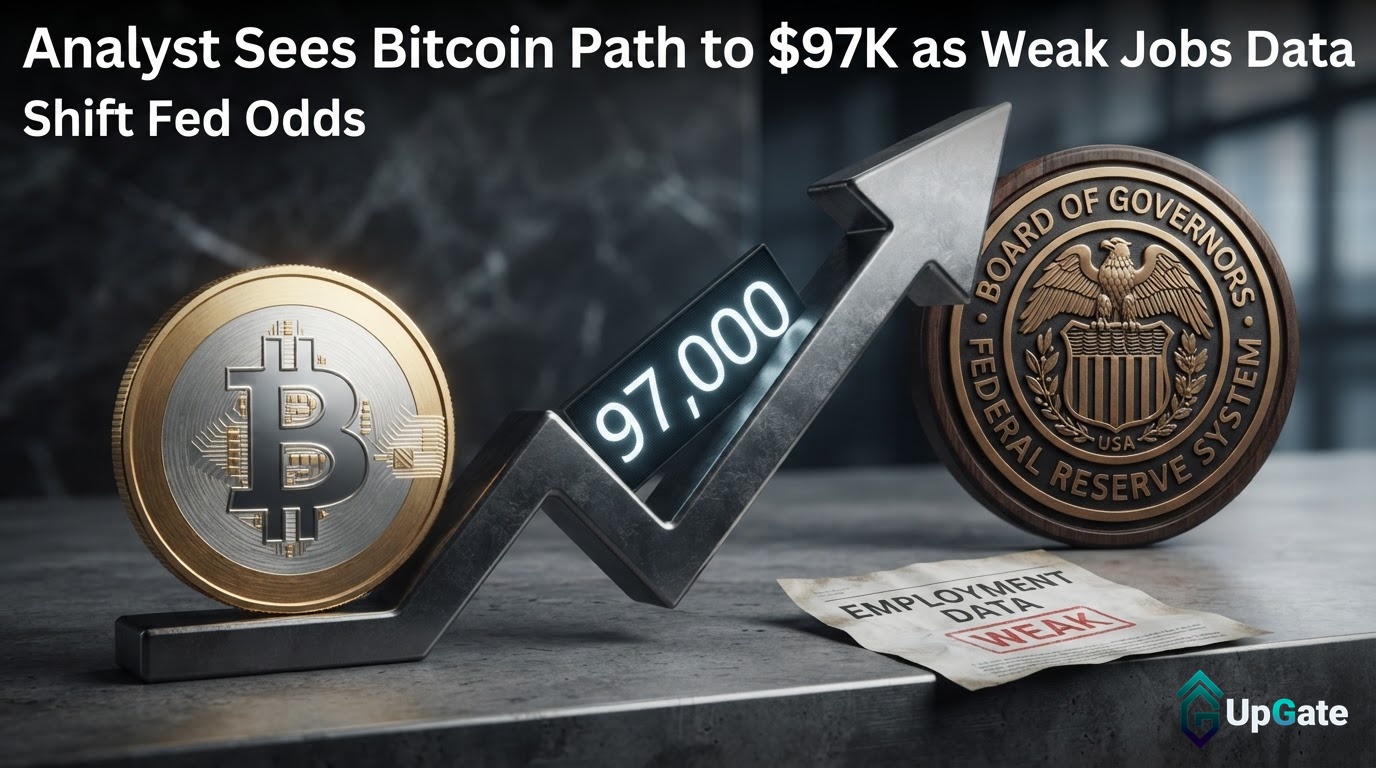
    به گزارش ۲۱shares، ریکاوری بیت‌کوین از حمایت داده‌های اشتغال ضعیف‌تر و تقاضای سرمایه‌گذاری مجدد برخوردار شده است. استراتژیست این شرکت معتقد است کاهش انتظارات برای تشدید بیشتر سیاست‌های پولی، به نفع ارزهای دیجیتال در آستانه فصل پایانی سال است.

    داده‌های اشتغال ضعیف‌تر، سد ۸۷ هزار دلاری بیت‌کوین را در کانون توجه قرار می‌دهد

    بیت‌کوین در طول شب از مرز ۸۵ تا ۸۶ هزار دلار عبور کرد و در روز [تاریخ نامشخص] در حال آزمایش سطح ۸۷ هزار دلار بود. این تحولات همزمان با انتشار داده‌های اشتغال ایالات متحده صورت گرفته که نشان‌دهنده کندی در بازار کار است. این موضوع انتظارات برای ادامه افزایش نرخ بهره توسط فدرال رزرو را کاهش داده و به عنوان یک عامل مثبت برای دارایی‌های پرریسک مانند بیت‌کوین تلقی می‌شود.

    تحلیلگران ۲۱shares بر این باورند که با توجه به کاهش احتمالی فشارهای تورمی و توقف چرخه افزایش نرخ بهره، سرمایه‌گذاران ممکن است بار دیگر به سمت دارایی‌های جایگزین مانند ارزهای دیجیتال روی آورند. این تغییر در انتظارات سیاست‌گذاران پولی می‌تواند محرک مهمی برای رشد قیمت بیت‌کوین در ماه‌های آینده باشد.

    در حالی که جزئیات بیشتری از این گزارش و تحلیل‌ها در دسترس نیست، اما تمرکز بر سد ۸۷ هزار دلاری نشان‌دهنده اهمیت این سطح قیمتی به عنوان یک نقطه مقاومت کلیدی برای بیت‌کوین در کوتاه‌مدت است. موفقیت در عبور از این مانع می‌تواند راه را برای صعودهای بیشتر هموار کند.

  • XRP Consolidates Near Key Levels Amidst Technical Uncertainty

    XRP Consolidates Near Key Levels Amidst Technical Uncertainty

    XRP is currently consolidating within a defined range, presenting a complex picture where technical signals are tempered by significant resistance and short-term trends that introduce uncertainty. The cryptocurrency has recovered from the $1.00 support zone and is trading above key moving averages, indicating a structural improvement. However, it faces immediate obstacles that introduce considerable uncertainty regarding its next significant price move.

    According to the analysis, XRP has shown resilience by moving back above the 100-day and 200-day moving averages, which are situated around the $1.30 mark. This recovery from the $1.00 support area signifies a notable improvement in its broader structure. As long as XRP maintains its position above this $1.30 region, the overall recovery structure remains intact. The daily Relative Strength Index (RSI) has also normalized, cooling from recent overbought conditions and now resting near the middle of its range, suggesting that momentum has stabilized.

    The charts show a more cautious picture on the 4-hour timeframe. XRP has formed a series of lower highs beneath a descending trendline, which acts as a short-term obstacle. The asset is currently trading around $1.49, with immediate support identified at the $1.45 level. This area has seen repeated consolidation, making it a critical point for the short-term structure. A decisive loss of this $1.45 support could potentially expose the broader demand zone located between $1.20 and $1.30.

    Conversely, a notable move above the descending trendline on the 4-hour chart would likely disrupt the current corrective structure. To suggest a stronger continuation of the recent recovery, XRP would then need to reclaim the main resistance zone, which lies between $1.60 and $1.70. A sustained move through this resistance area could open the door for further upside targets, with the next major resistance anticipated around $1.80-$2.00, followed by a more critical supply zone near $2.40.

    The prevailing uncertainty lies in whether XRP can overcome these immediate technical hurdles. The recovery structure remains constructive above the $1.20-$1.30 zone, but the path forward is contingent on breaking through the $1.60-$1.70 resistance. Conversely, a break below the $1.45 support level would increase the risk of another move towards the lower support zone. The exact timing of any potential notable move or notable move remains uncertain, requiring careful observation of price action against these key technical levels. The analysis does not suggest price direction.

    Why This Matters

    The materials describe a narrow update: XRP has recovered from the $1.00 support zone and is consolidating. The primary uncertainties are whether XRP will break through the $1.60-$1.70 resistance zone or break below the $1.45 support level, with the exact timing of any potential notable move or notable move remaining uncertain.

    Broader Context

    Source materials place the market analysis in this context: The article is a price analysis of XRP.