Author: Admin_Up

  • XRP Whales Accumulate as Ripple Hints at BlackRock Partnership

    XRP Whales Accumulate as Ripple Hints at BlackRock Partnership

    Ripple Partners with Securitize for New Stablecoin Integration

    Ripple has announced a new smart contract developed in a joint venture with Securitize, designed to enable holders of BlackRock’s BUIDL and VanEck’s VBILL tokenized short-term treasury funds to exchange their shares for Ripple’s stablecoin, RLUSD. This marks the first official integration of Ripple’s stablecoin onto the Securitize platform.

    Enhanced Utility for Tokenized Assets

    The new smart contract provides an additional stablecoin off-ramp for BUIDL and VBILL, which are the first tokenized products from these TradFi giants to be launched on public blockchains. Ripple stated that the smart contract will allow BUIDL and VBILL holders to instantly exchange their shares for RLUSD around the clock. This functionality is expected to facilitate more stable, on-chain transfers, offering investors continuous exposure to RLUSD while maintaining access to on-chain yield and a wider array of DeFi strategies. This aims to boost utility, flexibility, and interoperability for tokenized assets.

    Institutional Focus for RLUSD

    Jack McDonald, Ripple’s SVP of Stablecoins, emphasized the institutional focus of RLUSD, highlighting its regulatory clarity, stability, and practical utility. He noted that partnerships with trusted platforms like Securitize are crucial for unlocking new liquidity and enterprise-grade use cases as adoption grows. Both Ripple and Securitize have indicated plans for future collaborations, with Securitize also intending to integrate with the XRP Ledger to broaden access and introduce new utility to its ecosystem.

    XRP Whales Accumulate Amidst Volatility

    Coinciding with this announcement, popular analyst Ali Martinez observed a significant buying spree among XRP whales. Over the past five days, these large market participants have acquired more than 470 million XRP tokens, valued at over $720 million. This follows a report from the previous week detailing their purchase of over 1.5 billion tokens within a 96-hour period.

    Technical Outlook for XRP

    Martinez’s analysis suggests that XRP has completed the right shoulder of a major inverse head-and-shoulders pattern on the daily chart. He believes a bullish breakout could be imminent, provided the token can overcome the critical resistance level at $1.60. A successful breach of this level could pave the way for XRP to target $2.00.

    The XRP token has experienced considerable volatility recently, surging to $1.65 before experiencing a sharp decline to below $1.50. However, the price has since recovered, reaching $1.56 on Friday and currently trading around $1.55. Despite the fluctuations, Martinez maintains a bullish outlook on XRP’s future price performance.

  • Federal Reserve Seeks Public Comment on Proposed Stablecoin Regulations Under GENIUS Act

    Federal Reserve Seeks Public Comment on Proposed Stablecoin Regulations Under GENIUS Act

    The US Federal Reserve Board is seeking public comment on two proposed rules for regulating supervised payment stablecoin issuers under the GENIUS Act. These proposals, released on Thursday, aim to establish a federal regulatory framework for stablecoins, a year after the GENIUS Act was signed into law.

    The first proposed rule requires stablecoin issuers to fully back their stablecoins with high-quality liquid assets, such as short-term Treasury bills. It also standardizes capital requirements to address credit and operational risks and sets risk-management standards.

    The second proposal outlines an application process for banks seeking to issue payment stablecoins, requiring them to submit business plans and financial information. This proposal also includes provisions for appeals, hearings, and final determinations.

    Following publication in the Federal Register, the public will have 60 days to submit comments. The GENIUS Act, signed into law by President Donald Trump on July 18, 2025, established the first comprehensive federal regulatory framework for stablecoins in the US.

    While regulatory agencies have been developing rules related to the GENIUS Act, the Federal Reserve’s proposals represent a significant step toward concrete regulations. The timeline for finalizing these rules depends on the public comment period and subsequent review, with uncertainties remaining regarding the specific details of the final framework and the issuance of final regulations.

    Why This Matters

    The materials describe a narrow update: The Federal Reserve has proposed two frameworks for stablecoin issuers under the GENIUS Act. Whether final regulations will be issued before the next deadline.

    Broader Context

    Source materials place the factual news in this context: US regulatory agencies missed a rule-making deadline under the GENIUS Act, a year after the law was signed.

  • Bitget Restarts BTC, ETH, XRP Withdrawals, Offers 10% Bounty

    Bitget Restarts BTC, ETH, XRP Withdrawals, Offers 10% Bounty

    Bitget to Resume Crypto Withdrawals Following Security Breach

    Cryptocurrency exchange Bitget announced it will gradually reinstate withdrawal services starting September 28, following a significant security incident that led to a temporary suspension. The exchange confirmed that the vulnerability has been identified and addressed, with extensive security checks now nearing completion.

    Phased Reopening of Withdrawal Services

    Bitcoin withdrawals are scheduled to be the first to resume on September 28 at 08:00 UTC, operating on the native Bitcoin network. This will be followed by Ethereum withdrawals on September 29, which will be available across multiple networks including Ethereum, BNB Smart Chain, Arbitrum, Base, and Optimism. USDT withdrawals are slated to restart on September 30, supporting transactions on Ethereum, BSC, Solana, and Tron.

    The phased reopening will continue with other assets, including XRP, BNB, and AVAX, with their withdrawal services expected to be fully restored by October 2. Fiat currency and P2P services are also slated to return to normal operations on the same date.

    Asset Recovery Bounty Program Launched

    In conjunction with the resumption of withdrawal services, Bitget has introduced an Asset Recovery Bounty Program. This initiative aims to incentivize the community to assist in recovering the stolen funds, offering rewards of up to 10% of the recovered amount. Participants can earn a 5% reward for successfully freezing stolen funds and an additional 5% if those efforts lead to the full recovery of the assets.

    Details of the Security Incident

    The security breach, initially estimated to involve $351.6 million in assets, was later revised by Bitget to approximately $387.5 million. The updated figure includes assets from Zcash and TRON that were not accounted for in the initial assessment. Bitget CEO Gracy Chen emphasized that the temporary withdrawal pause was a precautionary security measure and did not impact users’ account balances.

    The exchange stated that the security issue has been resolved, preventing further unauthorized transfers. However, withdrawals were halted as an additional safeguard while the platform conducted a comprehensive security review. Crucially, deposit services and other exchange functionalities remained operational throughout the review period, as incoming deposits were not deemed a threat to the platform’s core systems.

    Community and Partner Support

    Bitget has acknowledged the swift actions of Circle and Tether, who have already frozen approximately $318,000 worth of USDT and USDC from an address linked to the attacker. Despite these efforts, a substantial amount of stolen assets remains under investigation. Data indicates that wallets associated with the attacker still hold over 63,000 ETH, valued at around $183 million, and more than 102 million XRP tokens, worth approximately $157.48 million, which are currently not frozen.

  • فدرال رزرو خواستار نظر درباره دو پیشنهاد برای صادرکنندگان استیبل‌کوین ذیل قانون GENIUS شد

    فدرال رزرو خواستار نظر درباره دو پیشنهاد برای صادرکنندگان استیبل‌کوین ذیل قانون GENIUS شد

    فدرال رزرو آمریکا چارچوب نظارتی برای استیبل‌کوین‌ها را تدوین می‌کند

    واشنگتن دی‌سی – در حالی که نهادهای نظارتی آمریکا از مهلت تعیین شده برای تدوین مقررات ذیل قانون GENIUS Act، یک سال پس از تصویب آن، بازماندند، هیئت فدرال رزرو آمریکا خواستار دریافت نظرات عمومی در خصوص دو پیشنهاد برای ایجاد چارچوب نظارتی برای صادرکنندگان استیبل‌کوین‌های پرداختی تحت نظارت، شده است.

    بر اساس بیانیه‌ای که روز پنجشنبه توسط فدرال رزرو منتشر شد، اولین پیشنهاد مستلزم آن است که صادرکنندگان، استیبل‌کوین‌های خود را به طور کامل با دارایی‌های ذخیره، از جمله اوراق خزانه کوتاه‌مدت و سایر دارایی‌های با کیفیت بالا و نقدشونده، پشتیبانی کنند. این پیشنهاد همچنین الزامات سرمایه‌ای را برای رسیدگی به ریسک‌های اعتباری و عملیاتی استانداردسازی کرده و معیارهای مدیریت ریسک را تعیین می‌کند.

    پیشنهاد دوم، فرآیند درخواست برای بانک‌هایی را که به دنبال صدور استیبل‌کوین‌های پرداختی هستند، ایجاد می‌کند و از آن‌ها می‌خواهد طرح‌های کسب‌وکار و اطلاعات مالی خود را ارائه دهند. این پیشنهاد همچنین فرآیندی را برای تجدیدنظر، جلسات استماع و تصمیم‌گیری نهایی در مورد درخواست‌ها ایجاد خواهد کرد.

    دوره اظهارنظر عمومی ۶۰ روز پس از انتشار در Federal Register به پایان خواهد رسید.

    پیش از این، کوین‌تلگراف در ماه جولای گزارش داده بود که نهادهای نظارتی آمریکا از مهلت تدوین مقررات ذیل قانون GENIUS Act، یک سال پس از امضای آن، بازمانده‌اند. اگرچه چندین نهاد نظارتی در سال گذشته مقررات پیشنهادی را منتشر کرده و بازخوردهای عمومی را جمع‌آوری کردند، اما هیچ مقررات نهایی قبل از موعد مقرر صادر نشد.

    قانون GENIUS Act اولین چارچوب نظارتی جامع فدرال برای استیبل‌کوین‌ها در ایالات متحده را ایجاد کرد. این قانون در تاریخ ۱۸ جولای ۲۰۲۵ توسط رئیس‌جمهور دونالد ترامپ امضا و به قانون تبدیل شد.

    مجله: گزارش سودهای رمزارزی توسط صرافی‌ها به IRS به کابوس مالیاتی تبدیل می‌شود

  • نهنگ‌های ریپل همچنان می‌خرند؛ ریپل خبر مهمی درباره بلک‌راک اعلام کرد

    نهنگ‌های ریپل همچنان می‌خرند؛ ریپل خبر مهمی درباره بلک‌راک اعلام کرد

    ریپل با بلک‌راک و ون‌اک همکاری می‌کند؛ نهنگ‌های XRP در حال خرید هستند

    شرکت ریپل در یک سرمایه‌گذاری مشترک با Securitize، قرارداد هوشمندی را برای امکان تبادل سهام دارندگان توکن‌های BUIDL بلک‌راک و VBILL ون‌اک با RLUSD ریپل اعلام کرد. این اقدام همزمان با افزایش قابل توجه خرید توکن XRP توسط نهنگ‌ها صورت گرفته است.

    قرارداد هوشمند جدید برای توکن‌های خزانه

    این قرارداد هوشمند جدید، یک مسیر خروجی (off-ramp) اضافی برای استیبل‌کوین‌ها برای وجوه خزانه کوتاه‌مدت توکنیزه شده BUIDL و VBILL فراهم می‌کند. هر دو صندوق از غول‌های مالی سنتی (TradFi)، اولین محصولات توکنیزه شده خود را بر روی بلاک‌چین‌های عمومی عرضه کرده‌اند.

    ریپل اعلام کرد که این قرارداد هوشمند به دارندگان BUIDL و VBILL اجازه می‌دهد تا سهام خود را به صورت ۲۴ ساعته و ۷ روز هفته با استیبل‌کوین بومی این شرکت (RLUSD) مبادله کنند. این امر می‌تواند انتقال‌های پایدار و درون‌زنجیره‌ای (on-chain) بیشتری را امکان‌پذیر سازد. به عبارت دیگر، سرمایه‌گذاران می‌توانند «ضمن حفظ مواجهه با بازدهی درون‌زنجیره‌ای و طیف گسترده‌تری از استراتژی‌های DeFi، به طور مداوم در معرض RLUSD قرار گیرند و بدین ترتیب کاربرد، انعطاف‌پذیری و قابلیت همکاری دارایی‌های توکنیزه شده را افزایش دهند.»

    جک مک‌دونالد، معاون ارشد استیبل‌کوین‌های ریپل، اظهار داشت: «RLUSD برای استفاده سازمانی طراحی شده و شفافیت نظارتی، ثبات و کاربرد واقعی را ارائه می‌دهد. با افزایش پذیرش، همکاری با پلتفرم‌های معتبر مانند Securitize برای باز کردن نقدینگی جدید و موارد استفاده در سطح سازمانی کلیدی است.»

    این اولین ادغام رسمی استیبل‌کوین ریپل در پلتفرم Securitize است، اما هر دو طرف اعلام کرده‌اند که قصد همکاری‌های آتی را دارند. Securitize همچنین قصد دارد با XRP Ledger ادغام شود تا دسترسی را گسترش داده و کاربرد جدیدی را به اکوسیستم گسترده‌تر خود بیاورد.

    فعالیت نهنگ‌های XRP

    علی مارتینز، تحلیلگر محبوب، خاطرنشان کرد که نهنگ‌های XRP در پنج روز گذشته، همزمان با اعلامیه فوق، بیش از ۴۷۰ میلیون توکن (به ارزش بیش از ۷۲۰ میلیون دلار) را خریداری کرده‌اند. این مشارکت‌کنندگان بزرگ بازار اخیراً بسیار فعال بوده‌اند. همانطور که هفته گذشته گزارش شد، آن‌ها بیش از ۱.۵ میلیارد توکن را در مدت ۹۶ ساعت خریداری کرده بودند.

    روند قیمت XRP

    در همین حال، توکن بومی XRP شاهد نوسانات شدیدی بوده است. این توکن چند روز پیش به ۱.۶۵ دلار رسید، اما به سرعت با افت شدید مواجه شد و روز بعد به زیر ۱.۵۰ دلار سقوط کرد. با این حال، گاوها به سرعت بازگشتند و روز جمعه روند صعودی دیگری را به سمت ۱.۵۶ دلار آغاز کردند. در حال حاضر، XRP در حدود ۱.۵۵ دلار باقی مانده است، اما مارتینز همچنان نسبت به عملکرد آتی قیمت آن خوش‌بین است.

    او معتقد است که XRP شانه راست الگوی سر و شانه معکوس (inverse head-and-shoulders) را در نمودار روزانه تکمیل کرده است، اما برای رسیدن به هدف ۲.۰۰ دلاری، باید بر مقاومت حیاتی ۱.۶۰ دلار غلبه کند.

  • بیت‌گت برداشت‌های بیت‌کوین، اتریوم و ریپل را با پاداش ۱۰ درصدی از سر می‌گیرد

    بیت‌گت برداشت‌های بیت‌کوین، اتریوم و ریپل را با پاداش ۱۰ درصدی از سر می‌گیرد

    بیت‌گت برداشت بیت‌کوین را از سر می‌گیرد

    صرافی ارز دیجیتال بیت‌گت (Bitget) اعلام کرد که پس از تکمیل بررسی‌های امنیتی، از روز ۲۸ سپتامبر (۶ مهر) برداشت بیت‌کوین را از سر خواهد گرفت. پس از آن، برداشت اتریوم در تاریخ ۲۹ سپتامبر (۷ مهر) و سپس USDT و XRP، همراه با خدمات فیات و P2P تا تاریخ ۲ اکتبر (۱۰ مهر) باز خواهند گشت.

    بیت‌گت همچنین برنامه پاداش بازیابی دارایی‌ها را راه‌اندازی کرده است که تا ۱۰ درصد برای وجوه مسدود شده و بازیابی شده، پاداش ارائه می‌دهد.

    بیت‌گت اعلام کرده است که برداشت‌های رمزارزی خود را پس از یک نقض امنیتی ۳۸۷.۵ میلیون دلاری که منجر به تعلیق این سرویس شد، مجدداً راه‌اندازی خواهد کرد. برداشت بیت‌کوین ابتدا در تاریخ ۲۸ سپتامبر از سر گرفته می‌شود و پس از آن اتریوم و USDT خواهند بود، در حالی که انتظار می‌رود XRP و سایر دارایی‌ها تا ۲ اکتبر بازگردند.

    همزمان با از سرگیری برداشت‌ها، بیت‌گت برنامه پاداش بازیابی دارایی‌ها را نیز راه‌اندازی کرده است که مجموعاً تا ۱۰ درصد پاداش ارائه می‌دهد.

    بیت‌گت برداشت‌ها را به صورت مرحله‌ای از سر می‌گیرد تا نقدینگی را مدیریت کرده و از فشار ناگهانی بر شبکه خود جلوگیری کند. اولین مرحله در تاریخ ۲۸ سپتامبر ساعت ۰۸:۰۰ UTC (۱۳:۳۰ به وقت هند) آغاز خواهد شد، زمانی که برداشت بیت‌کوین در شبکه اصلی بیت‌کوین از سر گرفته می‌شود.

    بیت‌گت پس از حادثه امنیتی شناسایی شده در تاریخ ۲۴ سپتامبر، برداشت‌ها را به صورت مرحله‌ای و منظم از سر می‌گیرد. آسیب‌پذیری دخیل در این حادثه شناسایی و برطرف شده است. تیم‌های امنیتی و فنی بیت‌گت از آن زمان در حال انجام بررسی‌های بیشتر بوده‌اند.

    در تاریخ ۲۹ سپتامبر، برداشت اتریوم در شبکه‌های اتریوم، BNB Smart Chain، آربیتروم، بیس و اپتیمیسم از سر گرفته خواهد شد. برداشت USDT در تاریخ ۳۰ سپتامبر در شبکه‌های اتریوم، BSC، سولانا و ترون دنبال خواهد شد.

    در نهایت، در تاریخ ۲ اکتبر، برداشت سایر دارایی‌ها مانند XRP، BNB و AVAX، همراه با ارزهای فیات و تسویه‌های P2P به حالت عادی باز خواهد گشت.

    گریسی چن، مدیرعامل بیت‌گت، گفت که توقف موقت برداشت‌ها یک اقدام امنیتی بوده و بر موجودی حساب کاربران تأثیری نداشته است.

    بیت‌گت در ابتدا دارایی‌های تحت تأثیر را ۳۵۱.۶ میلیون دلار تخمین زده بود. پس از پیگیری بیشتر، این صرافی این رقم را به حدود ۳۸۷.۵ میلیون دلار افزایش داد و دارایی‌های Zcash و TRON را که در برآورد اولیه وجود نداشتند، اضافه کرد.

    این صرافی اعلام کرد که مشکل امنیتی برطرف شده و هیچ انتقال غیرمجاز دیگری امکان‌پذیر نیست. با این حال، برداشت‌ها به عنوان یک گام ایمنی اضافی در حالی که پلتفرم بررسی امنیتی خود را تکمیل می‌کرد، متوقف شده بودند.

    واریزها و سایر خدمات صرافی در طول بررسی ادامه داشت، زیرا واریزهای ورودی تهدیدی برای سیستم‌های اصلی پلتفرم محسوب نمی‌شدند.

    با شروع از سرگیری برداشت‌ها، بیت‌گت برنامه پاداش بازیابی دارایی‌ها را نیز راه‌اندازی کرده است که تا ۱۰ درصد پاداش کل ارائه می‌دهد. این برنامه ۵ درصد برای کمک به مسدود کردن وجوه سرقت شده و ۵ درصد دیگر در صورت منجر شدن آن تلاش‌ها به بازیابی، پاداش می‌دهد.

    از Circle و Tether برای اقدام سریعشان سپاسگزاریم. هر آدرسی که مسدود می‌شود، اهمیت دارد. به جامعه گسترده‌تر: برنامه پاداش بازیابی بیت‌گت فعال است – ۵ درصد برای مسدود کردن وجوه مهاجم، ۵ درصد برای بازیابی. هر صرافی، محقق امنیتی و بازرس آن‌چین می‌تواند در این زمینه نقش ایفا کند.

    Circle و Tether در حال حاضر ۲۱۸,۰۲۳ USDT و ۹۹,۹۹۰ USDC به ارزش تقریبی ۳۱۸,۰۰۰ دلار را از آدرسی مرتبط با مهاجم مسدود کرده‌اند.

    با این حال، دارایی‌های سرقت شده بیشتری همچنان تحت بررسی هستند.

    داده‌ها نشان می‌دهد که کیف پول‌های مرتبط با مهاجم همچنان بیش از ۶۳,۰۰۰ ETH به ارزش حدود ۱۸۳ میلیون دلار را در اختیار دارند که توسط صادرکنندگان استیبل‌کوین قابل مسدود شدن نیست. حتی بیش از ۱۰۲ میلیون توکن XRP سرقت شده به ارزش حدود ۱۵۷.۴۸ میلیون دلار نیز همچنان در گردش هستند.

  • چین ارز دیجیتال را ممنوع کرد، اما انتقال کیف پول شخصی در رتبه دوم جهان

    چین ارز دیجیتال را ممنوع کرد، اما انتقال کیف پول شخصی در رتبه دوم جهان

    چینالیسیس: چین در شاخص جهانی پذیرش رمزارز در رتبه دوازدهم قرار گرفت، اما در انتقال داخلی کیف پول‌ها دوم است

    شرکت تحلیل بلاکچین چینالیسیس (Chainalysis) در تاریخ ۲۳ سپتامبر، شاخص جهانی پذیرش رمزارز خود را برای سال ۲۰۲۶ منتشر کرد. در این گزارش که ۱۱۷ کشور را پوشش می‌دهد، چین در رتبه کلی دوازدهم قرار گرفته است. با این حال، در بخش «انتقال داخلی بین کیف پول‌های شخصی»، چین با اختلاف اندکی پس از نیجریه، در رتبه دوم جهان جای گرفته است. این در حالی است که بانک خلق چین در ماه فوریه امسال، با انتشار مقررات جدید، مجدداً هرگونه فعالیت مبادله‌ای رمزارزهایی مانند تتر (Tether) را ممنوع اعلام کرده بود.

    جزئیات شاخص پذیرش رمزارز چینالیسیس ۲۰۲۶

    بر اساس گزارش چینالیسیس، چین در میان ۱۱۷ کشور مورد بررسی، در رتبه کلی دوازدهم شاخص جهانی پذیرش رمزارز قرار گرفته است. با بررسی چهار بخش مجزا، مشخص می‌شود که چین در بخش «اقتصاد داخلی همتا به همتا (P2P)» رتبه دوم جهان را به خود اختصاص داده و تنها از نیجریه عقب مانده است؛ برزیل در این بخش در رتبه سوم قرار دارد. دوره آماری این گزارش از اول ژوئیه ۲۰۲۵ تا ۳۰ ژوئن ۲۰۲۶ را شامل می‌شود.

    این بخش، میزان انتقال مستقیم وجوه از یک کیف پول شخصی به کیف پول شخصی دیگر در داخل همان کشور را اندازه‌گیری می‌کند و این تراکنش‌ها بدون واسطه صرافی‌ها یا پلتفرم‌های دیگر انجام می‌شوند. لازم به ذکر است که چین از سال ۲۰۲۱ به طور کامل مبادلات و معاملات رمزارز در داخل کشور را ممنوع کرده و هیچ صرافی قانونی رمزارزی در این کشور فعالیت نمی‌کند. با این حال، رتبه بالای چین در بخش انتقال کیف به کیف، نشان‌دهنده فعالیت قابل توجه در این حوزه است که خارج از پلتفرم‌های رسمی صورت می‌گیرد.

    حجم کلی تراکنش‌های بین کیف پول‌های شخصی در سراسر جهان، طی یک سال از ۵۶.۸ میلیارد دلار به ۲۲۸.۷ میلیارد دلار افزایش یافته است که نشان‌دهنده رشد ۳۰۲.۹ درصدی یا چهار برابر شدن این حجم است. ۹۶ درصد از این افزایش مربوط به استیبل‌کوین‌ها بوده است. در همین دوره، سرمایه‌گذاری‌های ورودی به پلتفرم‌هایی مانند صرافی‌ها و پلتفرم‌های دیفای (DeFi) از ۹.۳۰ تریلیون دلار به ۸.۹۰ تریلیون دلار کاهش یافته است.

    عملکرد چین در سه بخش دیگر شاخص

    در سه بخش دیگر شاخص، چین در رتبه‌ای پایین‌تر از چهاردهم قرار گرفته است:

    • جریان‌های ورودی به پلتفرم‌ها: (رتبه نامشخص، اما پایین‌تر از ۱۴)
    • جریان‌های ورودی بین‌المللی: (رتبه نامشخص، اما پایین‌تر از ۱۴)
    • مانده در زنجیره (On-chain balance): (رتبه نامشخص، اما پایین‌تر از ۱۴)

    رتبه کلی چینالیسیس با محاسبه میانگین هندسی امتیازات چهار بخش به دست می‌آید. برجستگی یک بخش به تنهایی نمی‌تواند ضعف در بخش‌های دیگر را جبران کند. به عنوان مثال، برزیل با اینکه در هیچ بخشی رتبه اول را کسب نکرده، اما در هر چهار بخش در میان چهار کشور برتر قرار دارد و به همین دلیل در رتبه کلی اول است.

    اختلاف رتبه‌ها در بخش‌های مختلف برای سایر کشورها نیز قابل توجه است. ایالات متحده با رتبه کلی دوم، در بخش انتقال کیف پول‌ها تنها رتبه بیستم را دارد. ژاپن و کره جنوبی نیز که به ترتیب در رتبه‌های چهارم و پنجم کلی قرار دارند، در بخش انتقال کیف پول‌ها به ترتیب در رتبه‌های دهم و دوازدهم جای گرفته‌اند.

    این شاخص، رتبه‌ها را اعلام می‌کند و نه میزان دقیق مبالغ. چینالیسیس ابتدا اعداد خام را با در نظر گرفتن قدرت خرید نسبی (PPP) تنظیم کرده و سپس ۱۱۷ کشور را به امتیازاتی از ۰ تا ۱ تبدیل کرده و بر اساس آن رتبه‌بندی نموده است. در این گزارش، میزان دقیق انتقال کیف پول‌ها در چین ذکر نشده است.

    تعیین کشور مبدأ تراکنش‌ها نیز بر اساس تخمین صورت گرفته است. گزارش توضیح می‌دهد که کشور کیف پول‌های شخصی بر اساس ویژگی‌های رفتاری، مانند ارتباط با صرافی‌هایی که فقط به یک کشور خدمات ارائه می‌دهند، تعیین می‌شود. وجوه موجود در پلتفرم‌ها نیز بر اساس نسبت ترافیک وب‌سایت هر کشور تخصیص داده می‌شود. چینالیسیس اذعان دارد که داده‌های ترافیک وب‌سایت کامل نیستند و با وجود تلاش برای حذف ترافیک VPN و ربات‌ها، ممکن است خطا وجود داشته باشد.

    تشدید نظارت بر رمزارزها در چین

    بانک خلق چین در تاریخ ۲۸ نوامبر ۲۰۲۵، جلسه‌ای را برای هماهنگی سازوکار مقابله با سوداگری و معاملات رمزارز برگزار کرد. پس از این جلسه، اعلام شد که «سوداگری رمزارزها رو به افزایش است». بانک خلق چین همچنین استیبل‌کوین‌ها را نوعی رمزارز طبقه‌بندی کرده و معتقد است که این استیبل‌کوین‌ها الزامات شناسایی مشتری و مبارزه با پولشویی را برآورده نمی‌کنند و خطر استفاده از آن‌ها برای پولشویی، کلاهبرداری جمع‌آوری سرمایه و انتقال غیرقانونی وجوه به خارج از کشور وجود دارد.

    در تاریخ ۶ فوریه امسال، بانک خلق چین به همراه هشت نهاد دیگر، اطلاعیه «شماره ۴۲/۲۰۲۶» را منتشر کرد که جایگزین اطلاعیه سال ۲۰۲۱ می‌شود. مقررات جدید به صراحت بیت‌کوین، اتر و تتر را فاقد ارزش قانونی اعلام کرده و هرگونه مبادله آن‌ها با پول رایج یا مبادله بین خودشان در داخل کشور را اکیداً ممنوع می‌داند. همچنین، هرگونه نهاد یا فردی بدون موافقت نهادهای ذی‌صلاح، مجاز به انتشار استیبل‌کوین‌های مرتبط با یوان در خارج از کشور نخواهد بود.

    این اطلاعیه همچنین بیان می‌دارد که سرمایه‌گذاری در رمزارزها در صورتی که مغایر با نظم عمومی و اخلاق حسنه باشد، از نظر حقوقی باطل تلقی شده و زیان ناشی از آن بر عهده سرمایه‌گذار خواهد بود.

    آخرین مقررات چین در زمینه رمزارزها از تاریخ ۳۰ سپتامبر اجرایی شد. «روش‌های مدیریت بازاریابی آنلاین محصولات مالی» که در ماه آوریل توسط هشت نهاد از جمله بانک خلق چین منتشر شد، «انتشار و معاملات رمزارز» را به عنوان فعالیت مالی غیرقانونی طبقه‌بندی کرده و هیچ نهاد یا فردی را مجاز به ارائه خدمات بازاریابی آنلاین یا تسهیل آن برای این فعالیت‌ها نمی‌داند.

    رویکرد دوگانه، یعنی اقدامات رسمی و اقدامات پشت پرده، امری رایج در چین است.

    چرا چین با وجود ممنوعیت رمزارزها، رتبه بالایی در پذیرش کسب کرده است؟

    چین در شاخص کلی ۲۰۲۶ چینالیسیس در رتبه دوازدهم قرار گرفته است که عمدتاً به دلیل رتبه دوم در بخش «انتقال داخلی کیف پول‌ها» است. این بخش شامل تراکنش‌هایی است که بدون واسطه صرافی‌ها انجام می‌شود، در حالی که در سه بخش دیگر، چین در رتبه‌های پایین‌تر از چهاردهم قرار دارد.

    نحوه محاسبه شاخص پذیرش رمزارز چینالیسیس

    این شاخص ۱۱۷ کشور را پوشش می‌دهد و چهار بخش جریان ورودی به پلتفرم‌ها، انتقال داخلی کیف پول‌ها، جریان‌های ورودی بین‌المللی و مانده در زنجیره را بررسی می‌کند. ابتدا اعداد با در نظر گرفتن قدرت خرید نسبی تنظیم شده و سپس میانگین هندسی امتیازات چهار بخش برای رتبه‌بندی محاسبه می‌شود.

    بانک خلق چین: اقدام هماهنگ برای مقابله با سوداگری رمزارز؛ استیبل‌کوین‌ها فعالیت مالی غیرقانونی هستند

    مقررات جدید امنیت سایبری چین از ماه اکتبر اجرایی می‌شود؛ استفاده از VPN و اپلیکیشن‌های کیف پول ممکن است تحت نظارت پلیس قرار گیرد

    وانگ یونگلی، معاون سابق بانک چین: چرا چین قاطعانه استیبل‌کوین‌ها را متوقف می‌کند؟

  • US Spot Solana ETFs Record Inflows Amidst Data Interpretation Ambiguity

    US Spot Solana ETFs Record Inflows Amidst Data Interpretation Ambiguity

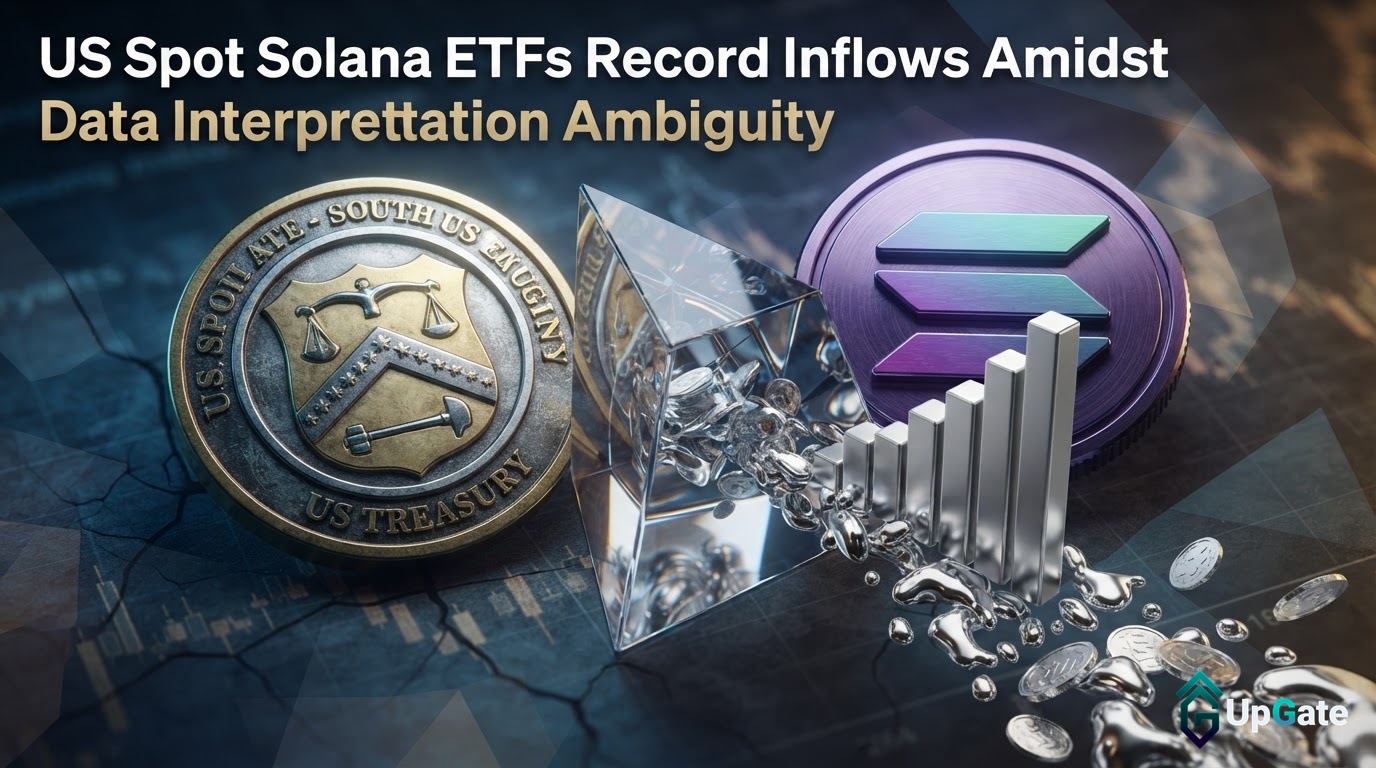
    US spot Solana Exchange Traded Funds (ETFs) recorded a new high for daily net inflows on September 25, with amounts ranging between $80 million and $87 million. This figure significantly surpasses the previous single-day record of $33.5 million set in August. However, the interpretation of these substantial inflows as a definitive market signal is complicated by inherent data limitations and the specific characteristics of these investment products.

    The record daily inflow is situated within a broader trend, as weekly inflows for US spot Solana ETFs reached $181 million. Cumulatively, these ETFs have attracted over $1.6 billion in net inflows since their inception, with total assets under management (AUM) currently standing between $1.8 billion and $1.96 billion. The recent daily record represents a notable increase, approximately 2.4 times the previous high.

    Bitwise’s staking-enabled Solana ETF (BSOL) was a significant contributor to the day’s inflows, attracting an estimated $55.7 million. BSOL also accounts for a substantial portion of the category’s cumulative inflows, representing about 80%, which translates to approximately $1.22 billion. Grayscale’s Solana ETF (GSOL) added around $18.5 million on September 25, while Fidelity’s FSOL and Morgan Stanley’s MSOL contributed smaller amounts.

    Yield Generation Differentiates Solana ETFs

    Unlike Bitcoin ETFs, US spot Solana ETFs offer a unique feature: they generate yield by staking the underlying SOL tokens on the Solana network. This staking mechanism provides investors with a potential return on top of price appreciation, a characteristic not structurally available to Bitcoin ETFs. During the period of record inflows, SOL was trading near $120, a price point that reflects a recovery from earlier volatility but remains below its all-time highs.

    Market Position and Future Considerations

    While the current AUM range suggests the Solana ETF category is becoming a more significant component for portfolio construction, the exact total AUM remains within a range, indicating a degree of uncertainty. The potential for AUM to breach the $2 billion mark has been noted as a possible catalyst for attracting new buyers, though it is difficult to conclude with certainty whether this threshold will indeed unlock a new wave of investment.

    The market dominance of Bitwise’s BSOL ETF suggests that the firm is currently influential in shaping how institutional Solana exposure is packaged and offered in the US market. Future competitiveness of the category could be influenced if other issuers, such as Grayscale, Fidelity, or Morgan Stanley, adjust their fee structures or staking strategies.

    It is important to note that while these inflows are substantial, the precise motivations behind them and their long-term implications remain subject to interpretation. The data does not necessarily indicate sustained institutional adoption or predict future price movements. Further analysis will be required to observe subsequent inflow data and suggest whether the record day represents a sustained trend or a short-term event.

    Why This Matters

    The materials describe a narrow update: US spot Solana ETFs recorded between $80M and $87M in net inflows on September 25, surpassing the previous record of $33. The exact total assets under management (range provided: $1.8B-$1.96B).

    Broader Context

    Source materials place the factual news in this context: US spot Solana ETFs just posted their best day ever.

  • Altcoins Surge as Bitcoin Pauses at $84K

    Altcoins Surge as Bitcoin Pauses at $84K

    Bitcoin Stabilizes Around $84,000 After Volatile Week

    Following a turbulent start to the business week, Bitcoin has found a period of calm, trading sideways in recent days at approximately $84,000. While many larger-cap cryptocurrencies have mirrored this trend, several mid-cap altcoins have posted notable gains, including ENA, CC, SUI, and PUMP.

    The primary cryptocurrency experienced a significant pause at $82,000 last Saturday, coinciding with renewed strikes between the United States and Iran. Bitcoin dipped to $80,300 on Sunday but managed to hold above the crucial $80,000 support level. The market saw a strong bullish resurgence on Monday, with a $7,000 rally pushing Bitcoin to its highest price point since late January, reaching $87,000.

    This peak proved to be a temporary ceiling, as Bitcoin quickly retreated to $84,000. An attempt to regain upward momentum the following day was thwarted by resistance at $87,300. This rejection led to a more pronounced downturn, with BTC falling to $84,000 by Wednesday and further to $83,000 on Thursday morning.

    Despite these setbacks, the $83,000 support held firm, enabling BTC to rebound to $85,000 on Friday. However, this level also acted as a resistance point, and Bitcoin has since consolidated around $84,000. Analysts suggest that pressure could build in the near future. Bitcoin’s market capitalization has stabilized at $1.680 trillion according to CoinMarketCap, though its dominance over altcoins has decreased to 58.6%.

    Altcoins Shine Amidst Bitcoin’s Sideways Movement

    In a market where certain altcoins have captured significant attention, Ethena’s ENA token has emerged as a top performer, surging by an impressive 24% today. This significant rise is largely attributed to a partnership with Binance announced yesterday. Other mid-cap altcoins such as CC, SUI, and PUMP have also experienced double-digit percentage increases, with AERO and STX following suit.

    Conversely, Zcash (ZEC) has seen a decline of over 4% in the past 24 hours, now trading at $1,525. Monero (XMR) is down 2.6% to $553. XRP, HYPE, Ethereum (ETH), and Binance Coin (BNB) are also trading slightly in the red, while Solana (SOL), Chainlink (LINK), and Uniswap (UNI) have registered modest gains.

    The total market capitalization of all cryptocurrency assets has remained largely unchanged from the previous day, standing at $2.880 trillion on CoinMarketCap.

  • Bitget Resumes Withdrawals in Four Phases, Bitcoin First on 9/28

    Bitget Resumes Withdrawals in Four Phases, Bitcoin First on 9/28

    Bitget Resumes Withdrawals After Security Breach, Losses Covered by Protection Fund

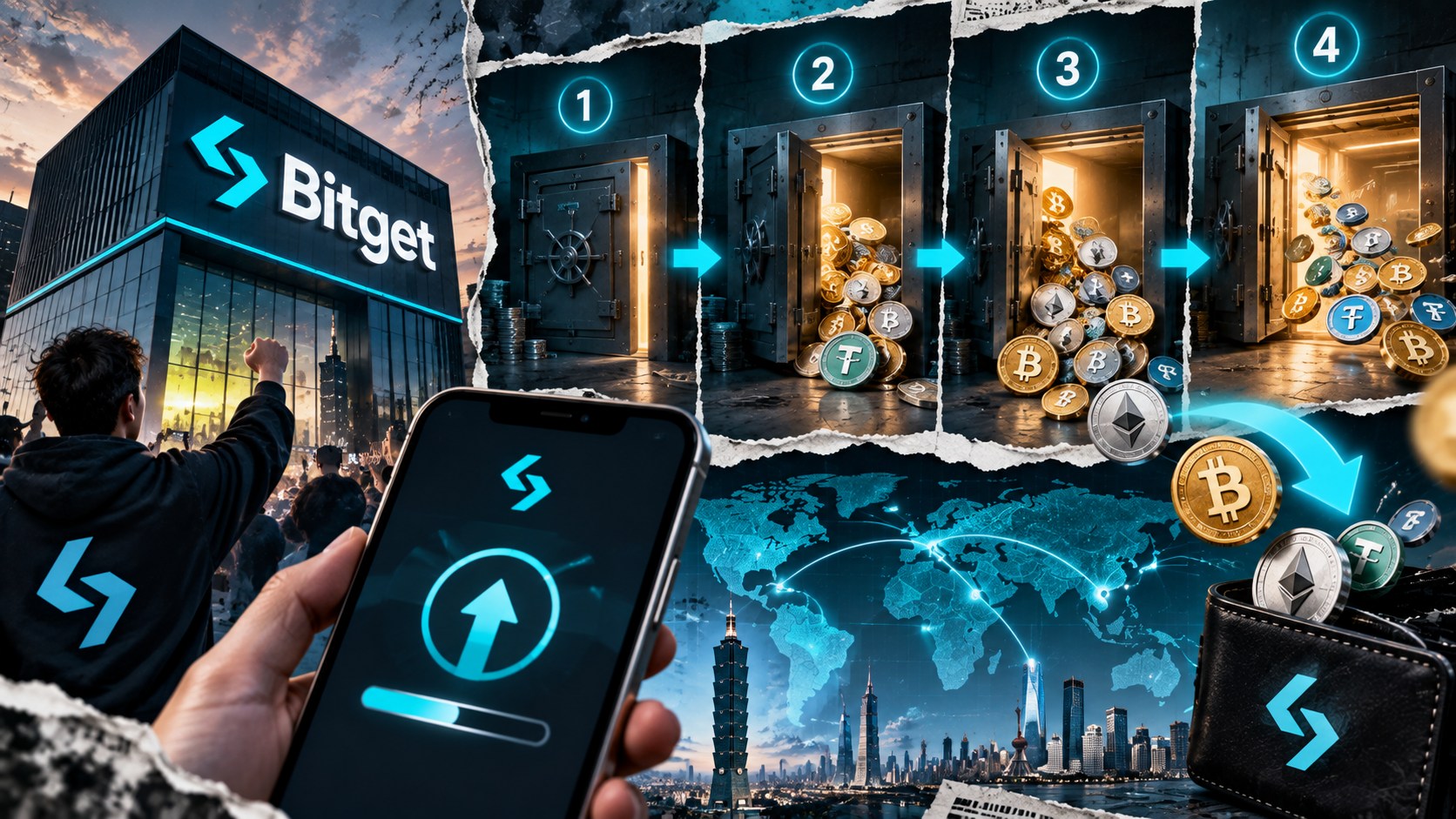
    Cryptocurrency exchange Bitget announced that the vulnerability exploited in a recent security breach has been patched, and withdrawal services will be gradually reinstated in four phases. Bitcoin withdrawals were the first to resume, at 4:00 PM Taiwan time on September 28. Ethereum and USDT withdrawals followed on September 29 and 30, respectively, with other tokens, fiat currencies, and P2P services scheduled to be restored on October 2. Bitget stated that user balances remain unaffected, and the estimated $387.5 million in losses will be covered by its protection fund.

    Phased Withdrawal Restoration Underway

    Bitget announced early on September 26, Taiwan time, that the vulnerability involved in the security incident had been identified and fixed. The temporarily suspended withdrawal services will be restored in four stages. Bitcoin withdrawals were the first to be reactivated, commencing at 4:00 PM Taiwan time on Monday, September 28. The final phase, encompassing other tokens, fiat currencies, and P2P services, is slated for Friday, October 2, at the same time.

    The exchange clarified in its announcement that the suspension of withdrawals was a precautionary measure to complete a final round of security verification and was unrelated to the adequacy of user assets. User account balances are unaffected, and losses incurred from the incident will be absorbed by Bitget’s protection fund. Trading and deposit services continue to operate as normal. The announcement also confirmed that the situation is under control, with no further unauthorized transfers occurring. Bitget is continuing its investigation with assistance from Google-owned cybersecurity firm Mandiant and SlowMist.

    The official announcements, originally marked in UTC, translate to the following schedule in Taiwan time:

    The incident occurred at 2:31 AM Taiwan time on September 25, according to Bitget. This timeline indicates that Bitcoin withdrawals will have been suspended for approximately three and a half days before resuming, and all services will be fully restored in about seven and a half days. XRP is not included in the first three phases and will be reinstated along with other tokens on October 2. CEO Gracy Chen, in a post following a livestream on September 25, highlighted that XRP represented the single largest loss on a specific chain during the incident.

    Bitget emphasized that the phased restoration order is consistent for all users, with no priority list. Users are not required to take any prior action, as the withdrawal availability for each currency will be directly displayed on the platform. Gracy Chen is scheduled to host a livestream AMA at 3:30 PM Taiwan time on September 28, half an hour before Bitcoin withdrawals reopen, to provide details on the incident and the progress of the recovery.

    Prior to this schedule announcement, Gracy Chen had stated on September 25 that an announcement would be made once specific times were confirmed, avoiding commitments to unverified timelines. Another announcement from Bitget on the same day indicated that withdrawal schedules would be released by noon Taiwan time on September 26. The actual schedule was published at 3:55 AM Taiwan time on September 26, approximately eight hours ahead of the self-imposed deadline.

    On September 25, based on on-chain tracking, Bitget revised the estimated amount transferred to attacker addresses to approximately $387.5 million, an increase of about $35.9 million from the initial estimate of $351.6 million. This discrepancy is attributed to previously uncounted assets on the Zcash and TRON chains. Affected cryptocurrencies include XRP, ETH, USDT, ZEC, USDC, BNB, AVAX, and TRX, among others.

    According to Gracy Chen’s statement on September 25, Bitget’s protection fund exceeds $464 million and is held in publicly verifiable wallet addresses. The exchange also possesses over $1 billion in proprietary assets. Based on the revised loss figure, the protection fund is approximately $76.5 million greater than the losses, a reduction in buffer of about 30% compared to the initial estimate, where the difference was around $112 million.

    Bitget has also launched a bug bounty program, offering a 5% reward to individuals or organizations that assist in freezing or recovering the stolen assets, primarily through collaboration with LazarusBounty on Bybit. The announcement noted that some of the stolen assets have already been frozen with industry assistance.

    When will Bitget resume withdrawals?
    Bitget is restoring withdrawals in four phases. Bitcoin withdrawals resumed at 4:00 PM Taiwan time on September 28. Ethereum withdrawals followed on September 29, USDT on September 30, and other tokens, fiat currencies, and P2P services are scheduled to resume at 4:00 PM on October 2.

    Will user assets be affected by the Bitget hack?
    Bitget has stated that user account balances are unaffected, and the approximately $387.5 million in losses will be covered by the protection fund. CEO Gracy Chen indicated that the protection fund exceeds $464 million, with an additional over $1 billion in proprietary assets.