Author: Admin_Up

  • Trezor Data Breach Expands: 67,000 More Customers Affected, Raising Physical Security Concerns

    Trezor Data Breach Expands: 67,000 More Customers Affected, Raising Physical Security Concerns

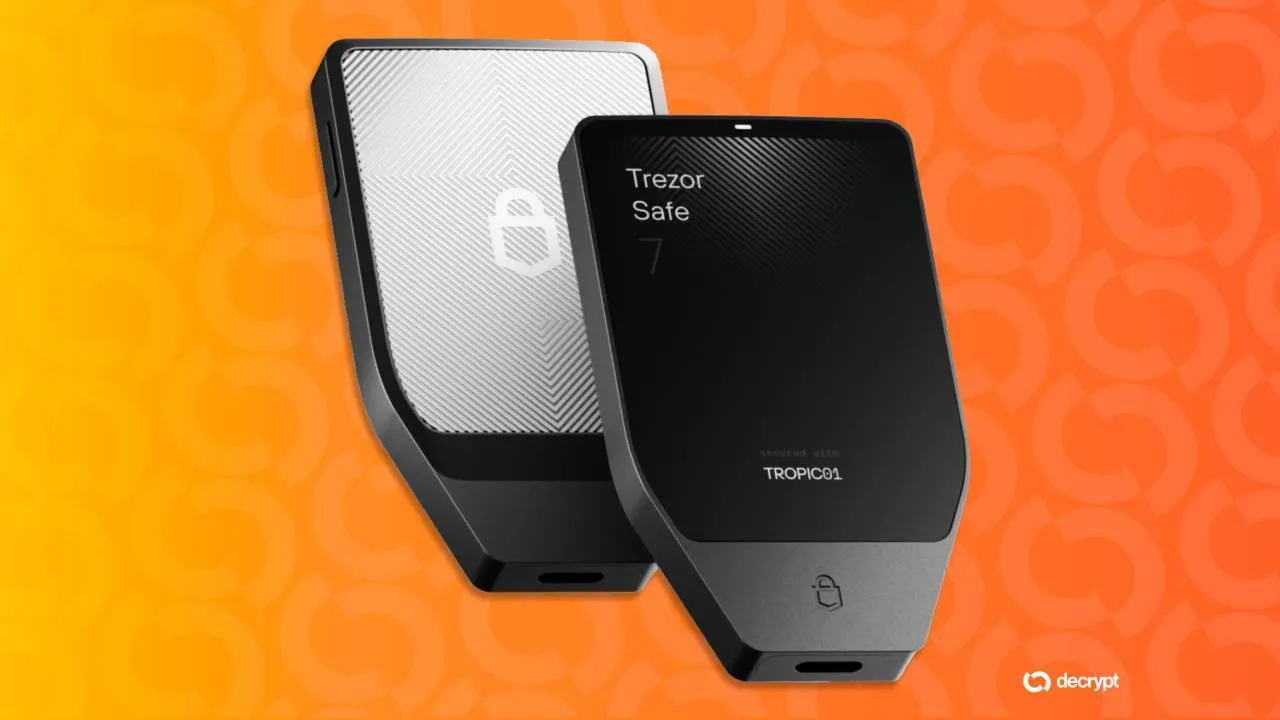
    Trezor has disclosed an expanded data breach originating from its shipping provider, ShipMonk, affecting an additional 67,000 customers. This brings the total number of affected individuals to approximately 80,700. The exposed personal information includes names, email addresses, phone numbers, home addresses, and order numbers, raising significant concerns about customer privacy and physical security.

    Trezor stated that its own systems were not compromised, and private keys and wallet backups remain secure. The breach at ShipMonk is attributed to a SQL injection flaw in the analytics tool Metabase, which allowed unauthorized access to connected databases. This vulnerability was disclosed on August 6.

    The newly disclosed group of affected customers primarily consists of individuals in the U.S. who placed orders between November 2019 and August 2021. The exposure of home addresses is a particular point of concern, as it moves the risk beyond digital privacy to potential physical security threats. Trezor warned that “A letter carrying a name and home address signals ‘we can locate you.’”

    This incident significantly expands upon a previous disclosure in August, where Trezor reported a breach affecting 13,689 customers. Trezor had previously cited a 90-day deletion policy negotiated with its fulfillment partners as a reason for the limited scope of the initial breach. However, Trezor repeatedly asked for and received written confirmation that records had been deleted, in line with its contract and data policy, and expressed disappointment to learn they had not been.

    Some of the exposed records are nearly seven years old, dating back to November 2019. This longevity of data increases its potential utility for malicious actors, as “stolen data stays useful for years because people rarely move or change their numbers.”

    In addition to the Trezor and ShipMonk entities, the same breach wave also affected Framework and Tally. ShipMonk has reportedly received extortion emails attributed to the group ShinyHunters, though this attribution remains unconfirmed.

    This expanded breach follows a pattern of threats against hardware wallet owners. In February, owners of both Trezor and rival hardware wallet Ledger reported receiving forged letters demanding fictitious security checks. Trezor warned affected customers about risks to their physical security in light of these incidents and reiterated that wallet backups should never be shared or entered into websites.

    Uncertainty remains regarding whether ShipMonk had indeed deleted the records as per its contract and data policy. The attribution of extortion emails to ShinyHunters also remains unconfirmed. Trezor has emphasized that its own systems were not breached and that customer private keys and wallet backups are secure.

    Why This Matters

    This expanded data breach at Trezor’s shipping provider, ShipMonk, underscores the persistent risks to customer privacy and physical security. The exposure of personal information, including home addresses, for an additional 67,000 customers highlights the potential for long-term exploitation of data and challenges previous assurances about data handling practices. The incident serves as a critical reminder of the vulnerabilities inherent in third-party data management and the tangible threats faced by hardware wallet owners.

    Broader Context

    Source materials place the factual news in this context: Trezor repeatedly asked for and received written confirmation that those records had been deleted, in line with its contract and data policy, and said it was disappointed to learn they had not been. The intrusion traces to a critical SQL injection flaw in the analytics tool Metabase, disclosed on August 6, which let unauthenticated attackers steal credentials for connected databases. Uncertainty remains regarding whether ShipMonk had actually deleted the records as per contract and data policy, and the attribution of extortion emails to ShinyHunters remains unconfirmed.


  • MEMONS Launches Integrated Digital Collectibles Platform

    MEMONS Launches Integrated Digital Collectibles Platform

    MEMONS has officially launched its digital collectibles platform, integrating capsule opening, collection management, and a marketplace to create a continuous user ecosystem. The platform, which went live on September 4th, 2026, in Los Angeles, California, allows users to obtain, collect, and trade digital cards of varying rarity.

    At its core, MEMONS offers a unified approach to digital collectibles. Users can acquire digital cards of different rarity levels through a ‘Capsule Opening’ feature. These cards can then be added to a personal collection, and subsequently traded with other users via the platform’s ‘Marketplace.’ This integration aims to foster an ongoing user experience, distinguishing MEMONS from traditional collectible services where engagement often ends with acquisition.

    The platform combines established concepts from the global collectibles market, such as collecting, scarcity, and trading, within a digital framework. This approach mirrors mechanics found in physical collectible card games, loot boxes, and gacha systems, adapted for a digital and Web3-native audience.

    MEMONS’ launch aligns with a broader trend in the Web3 space, where projects are increasingly expanding beyond token-centric and community-focused models. These evolving models often incorporate services that encourage active user participation, including IP integration, gaming, digital content, and marketplaces. MEMONS positions itself within this trend by aiming to become a scalable platform capable of connecting various IPs and Web3 projects.

    APEPE serves as MEMONS’ founding IP and core ecosystem partner, with the platform having been incubated within the APEPE ecosystem. This partnership represents the initial step in MEMONS’ strategy to integrate diverse IPs and Web3 communities.

    The MEMONS platform is accessible via its website: https://memons.io.

    Why This Matters

    The materials describe a narrow update: MEMONS, a digital collectibles platform, has launched. MEMONS connects Capsule Opening, Collection, and Marketplace functions within a single platform, unlike conventional collectible services that end once an item is acquired.

    Broader Context

    Source materials place the announcement in this context: MEMONS is a digital collectibles platform where users can obtain digital cards of various rarity levels by opening Capsules, collect them, and trade them with other users through the Marketplace.

  • Uniswap Acquires PONS Stake, Token Surges 40% to Record High

    Uniswap Acquires PONS Stake, Token Surges 40% to Record High

    Uniswap Labs Acquires Stake in PONS, Fueling Token Surge

    Uniswap Labs has acquired a stake in PONS as part of a strategic, long-term partnership, a move that propelled the PONS token to a new all-time high of $0.75.

    The acquisition coincides with a reported surge in activity on the PONS platform. Over the past 24 hours, more than 63% of the trading volume on the Robinhood Chain launchpad has transacted through the protocol.

    PONS announced the purchase on September 4, stating that the deal would strengthen its collaboration with Uniswap and foster “long-term alignment” between the two projects. The announcement did not specify the size of Uniswap Labs’ stake or the financial terms of the transaction.

    The market responded swiftly to the news. At the time of reporting, PONS was trading at $0.71, marking a 40.2% increase over the last 24 hours and an impressive surge of over 507% in the past week, according to CoinGecko data. The token had earlier reached a record high of $0.75 before a slight pullback, with its current price hovering just below that peak.

    Trading volume also saw a significant uptick, with $151.8 million exchanged in the preceding day, a 9% increase from the previous session. Looking at longer timeframes, PONS has demonstrated remarkable growth, climbing more than 1,769% in the last 14 days and over 2,713% for the month. This rally traces back to a low of $0.0033 in mid-July. The token has also appreciated by nearly 25% against Bitcoin.

    Since its inception, Pons has implemented deflationary mechanisms. The project reports that 29.34% of the total PONS supply has been burned to date, with 80% of protocol fees allocated to ongoing token buybacks and burns.

    In recent developments, the PONS team has expanded its platform by adding tokenized stock pairs, including those for UPS, Snap, Lululemon, Figma, Moderna, Pfizer, Rivian, Marvell, and Johnson & Johnson within the last day alone, with trading commencing shortly after. This expansion contributed to a significant portion of the Robinhood Chain’s launchpad volume, with over 63% of its total 24-hour volume of $400 million flowing through the PONS platform.

    The acquisition of a PONS stake by Uniswap Labs occurred in the same week that Uniswap’s native token, UNI, also experienced a notable climb. As previously reported, UNI gained as much as 32% over a seven-day period and has continued its upward trajectory, trading just below $6.40 at the time of this report, representing an increase of over 60% in the last 30 days.

  • افشای اطلاعات ۶۷ هزار مشتری دیگر ترزور در پی گسترش نشت داده

    افشای اطلاعات ۶۷ هزار مشتری دیگر ترزور در پی گسترش نشت داده

    افشای اطلاعات ۶۷ هزار مشتری دیگر Trezor در پی نقض امنیتی شرکت حمل‌ونقل

    شرکت Trezor، تولیدکننده کیف پول‌های سخت‌افزاری، روز جمعه اعلام کرد که اطلاعات شخصی ۶۷ هزار مشتری دیگر این شرکت در پی نقض امنیتی در شرکت ارائه‌دهنده خدمات حمل‌ونقل ShipMonk افشا شده است. این اطلاعات شامل نام، آدرس ایمیل، شماره تلفن، آدرس منزل و شماره سفارشات مشتریان می‌شود.

    جزئیات نقض امنیتی

    تمامی این مشتریان در ایالات متحده سکونت دارند و سفارشات خود را بین نوامبر ۲۰۱۹ تا اوت ۲۰۲۱ ثبت کرده‌اند. این بدان معناست که برخی از اطلاعات افشا شده، نزدیک به هفت سال قدمت دارند. شرکت ShipMonk دو روز پیش این موضوع را به Trezor اطلاع داده است.

    Trezor در بیانیه‌ای اعلام کرد: «دو روز پیش، ما به‌روزرسانی را از ارائه‌دهنده خدمات حمل‌ونقل خود، ShipMonk، دریافت کردیم. با اندوه فراوان به اطلاع می‌رسانیم که نقض امنیتی اخیر، مشتریان بیشتری را نسبت به آنچه در ابتدا تصور می‌شد، تحت تأثیر قرار داده است. ۶۷ هزار مشتری دیگر از ایالات متحده که بین نوامبر ۲۰۱۹ تا اوت ۲۰۲۱ سفارش داده بودند…»

    این شرکت همچنین اعلام کرد که بارها از ShipMonk تأییدیه کتبی مبنی بر حذف این اطلاعات را دریافت کرده بود، مطابق با قرارداد و سیاست حفظ داده‌ها. Trezor از اینکه متوجه شده این اطلاعات حذف نشده‌اند، ابراز ناامیدی کرده است.

    افزایش تعداد مشتریان متأثر

    هنگامی که Trezor در ماه اوت این نقض امنیتی را فاش کرد، دامنه محدود آن را به سیاست حذف ۹۰ روزه اطلاعات نسبت داد که ادعا می‌کرد در قراردادهای شرکای لجستیکی خود گنجانده است. این ادعا اکنون به طور قابل توجهی ضعیف به نظر می‌رسد. تعداد مشتریان متأثر از ۱۳,۶۸۹ نفر به حدود ۸۰,۷۰۰ نفر افزایش یافته است.

    عدم تأثیر بر سیستم‌های Trezor

    سیستم‌های خود Trezor مورد نفوذ قرار نگرفته‌اند و دستگاه‌ها، کلیدهای خصوصی و نسخه‌های پشتیبان کیف پول‌ها دست‌نخورده باقی مانده‌اند. خطر اصلی این است که این اطلاعات، هویت صاحبان تأیید شده کیف پول‌های سخت‌افزاری را در آدرس‌های پستی مشخص فاش می‌کند. Trezor علاوه بر ایمیل‌ها، تماس‌ها و نامه‌های جعلی، به مشتریان متأثر در مورد خطرات امنیتی فیزیکی هشدار داده و مجدداً تأکید کرده است که هرگز نباید یک نسخه پشتیبان از کیف پول را به اشتراک گذاشت یا در وب‌سایتی وارد کرد.

    سابقه حملات مشابه

    پیش از این، در ماه فوریه، صاحبان کیف پول‌های سخت‌افزاری Trezor و رقیب آن Ledger نامه‌های جعلی دریافت کرده بودند که با هولوگرام، کدهای QR و امضاهای جعلی مدیران چاپ شده بود و از آنها می‌خواست یک بررسی امنیتی ساختگی را فعال کنند، در غیر این صورت دسترسی به کیف پول‌هایشان را از دست می‌دادند.

    در آن زمان، دیوید سیهون بک، مشاور جرایم سایبری، به Decrypt گفته بود که نامه‌ای که حاوی نام و آدرس منزل باشد، نشان‌دهنده این است که «ما می‌توانیم شما را پیدا کنیم» و داده‌های سرقت شده سال‌ها مفید باقی می‌مانند، زیرا افراد به ندرت نقل مکان می‌کنند یا شماره تلفن خود را تغییر می‌دهند.

    ریشه نفوذ و مظنونان

    این نفوذ به یک نقص حیاتی تزریق SQL در ابزار تجزیه و تحلیل Metabase بازمی‌گردد که در ۶ اوت فاش شد و به مهاجمان غیرمجاز اجازه داد تا اعتبارنامه‌های پایگاه‌های داده متصل را سرقت کنند. شرکت‌های تولیدکننده لپ‌تاپ Framework و سازنده فرم Tally نیز در همین موج نفوذ قرار گرفتند. گزارش شده است که ShipMonk ایمیل‌های اخاذی منتسب به گروه ShinyHunters را دریافت کرده است، هرچند این نسبت هنوز تأیید نشده است.

    اقدامات Trezor برای امنیت بیشتر

    Trezor اعلام کرده است که در حال تلاش برای ارائه سریع‌تر گزینه تحویل ناشناس است. این گزینه شامل تحویل در قفسه‌های قفل‌شونده، بسته‌بندی خنثی و جزئیات فرستنده عمومی است تا خریداران نیازی به ارائه آدرس منزل نداشته باشند.

  • یونی سواپ سهام پونز را خرید؛ توکن ۴۰ درصد جهش کرد و به اوج تاریخی رسید

    یونی سواپ سهام پونز را خرید؛ توکن ۴۰ درصد جهش کرد و به اوج تاریخی رسید

    یونیسواپ لبز بخشی از سهام پونس (PONS) را به عنوان بخشی از یک مشارکت بلندمدت خریداری کرد که منجر به رسیدن قیمت توکن به بالاترین حد خود یعنی ۰.۷۵ دلار شد.

    افزایش فعالیت و واکنش بازار

    این اقدام در حالی صورت می‌گیرد که تیم پونس از افزایش فعالیت در پلتفرم خود خبر داده است؛ به طوری که بیش از ۶۳ درصد از حجم معاملات راه‌اندازی شده در رابین‌هود چین (Robinhood Chain) طی ۲۴ ساعت گذشته از طریق این پروتکل عبور کرده است.

    پونس در تاریخ ۴ سپتامبر این خرید را اعلام کرد و بیان داشت که این معامله، مشارکت آن را با یونیسواپ عمیق‌تر کرده و به دو پروژه “همسویی بلندمدت” می‌بخشد. با این حال، در این اطلاعیه میزان دقیق سهام خریداری شده توسط یونیسواپ لبز و ارزش این تراکنش مشخص نشده است.

    با این وجود، واکنش بازار فوری بود. در زمان نگارش این خبر، پونس با قیمت ۰.۷۱ دلار معامله می‌شد که ۴۰.۲ درصد در ۲۴ ساعت گذشته و بیش از ۵۰۷ درصد در هفته گذشته افزایش یافته است. این توکن پیش از این در روز جاری به اوج ۰.۷۵ دلاری خود، که یک رکورد جدید قیمتی محسوب می‌شود، دست یافته بود و سپس اندکی کاهش یافت، به طوری که قیمت فعلی حدود ۴ درصد پایین‌تر از این اوج قرار دارد.

    حجم معاملات نیز افزایش یافته و در روز گذشته ۱۵۱.۸ میلیون دلار جابجا شده است که ۹ درصد نسبت به دوره قبل افزایش نشان می‌دهد. در بازه‌های زمانی طولانی‌تر، اعداد چشمگیرتر می‌شوند؛ پونس در ۱۴ روز گذشته بیش از ۱۷۶۹ درصد و در ماه گذشته بیش از ۲۷۱۳ درصد رشد داشته است. این روند صعودی از کف قیمت ۰.۰۰۳۳ دلاری در اواسط ماه جولای آغاز شده و در مقایسه با بیت‌کوین نیز نزدیک به ۲۵ درصد افزایش یافته است.

    مکانیسم‌های ضد تورمی و توسعه پلتفرم

    پونس از زمان راه‌اندازی خود بر مکانیسم‌های ضد تورمی تکیه کرده است. این پروژه اعلام کرده که تاکنون ۲۹.۳۴ درصد از کل عرضه پونس سوزانده شده است و ۸۰ درصد از کارمزدهای پروتکل صرف بازخرید و سوزاندن توکن‌های بیشتر به صورت مداوم می‌شود.

    این تیم همچنین جفت‌های سهام توکنیزه شده را به پلتفرم خود اضافه کرده است، از جمله سهام شرکت‌هایی مانند UPS، Snap، Lululemon، Figma، Moderna، Pfizer، Rivian، Marvell و Johnson & Johnson تنها در روز گذشته. معاملات این سهام نیز آغاز شده است. بیش از ۶۳ درصد از کل حجم معاملات در راه‌اندازی کننده رابین‌هود چین در یک بازه ۲۴ ساعته از طریق پلتفرم پونس عبور کرده است؛ روزی که در مجموع ۴۰۰ میلیون دلار حجم معاملات را شاهد بود.

    خرید سهام پونس توسط یونیسواپ در همان هفته‌ای رخ داد که توکن خود یونیسواپ، یعنی UNI، نیز در حال افزایش بود. همانطور که پیشتر گزارش شد، UNI در طول هفت روز حدود ۳۲ درصد افزایش یافت و از آن زمان نیز بالاتر رفته و در زمان نگارش این خبر با قیمتی اندکی کمتر از ۶.۴۰ دلار معامله می‌شود که بیش از ۶۰ درصد افزایش در ۳۰ روز گذشته را نشان می‌دهد.

  • افشای ارتباط ۱۲.۷ میلیارد دلار با کلاهبرداری‌های رمزارزی از پایگاه‌های آسیایی

    افشای ارتباط ۱۲.۷ میلیارد دلار با کلاهبرداری‌های رمزارزی از پایگاه‌های آسیایی

    شبکه اجرای جرایم مالی وزارت خزانه‌داری آمریکا (FinCEN) در تحلیلی که روز پنجشنبه منتشر شد، اعلام کرد که حدود ۱۲.۷ میلیارد دلار فعالیت مالی مشکوک را به کلاهبرداری‌های سرمایه‌گذاری رمزارزی که از مجتمع‌هایی در جنوب شرق آسیا هدایت می‌شوند، مرتبط دانسته است.

    بر اساس این گزارش، حدود ۱۳۰۰ موسسه مالی در مجموع ۳۳,۹۰۴ گزارش را پوشش داده‌اند که مربوط به دوره سپتامبر ۲۰۲۳ تا دسامبر ۲۰۲۵ است. کسب‌وکارهای خدمات پولی، که عمدتاً شرکت‌های رمزارزی هستند، ۵۵ درصد گزارش‌ها را ارائه کرده و ۵.۵ میلیارد دلار را مشکوک اعلام کرده‌اند. بانک‌ها ۴۱ درصد گزارش‌ها را ثبت کرده و ۶.۴ میلیارد دلار را شناسایی نموده‌اند. شرکت‌های اوراق بهادار نیز با ۷۸۴.۵ میلیون دلار، مابقی گزارش‌ها را تشکیل داده‌اند.

    افزایش گزارش‌های مشکوک

    گزارش‌های مربوط به این کلاهبرداری‌ها به طور متوسط ماهانه ۱۰.۹ درصد و مبالغ گزارش‌شده ۱۸ درصد افزایش یافته است؛ به طوری که از ۵۹۰ گزارش به ارزش ۴۸۵.۷ میلیون دلار در اکتبر ۲۰۲۳ به ۲,۴۸۲ گزارش به ارزش ۸۳۳.۵ میلیون دلار در دسامبر ۲۰۲۵ رسیده است. FinCEN هشدار داده است که این افزایش ممکن است تا حدی ناشی از پذیرش گسترده‌تر عبارت جستجو از زمان هشدار سال ۲۰۲۳ این شبکه باشد و همچنین مجموع گزارش‌ها ممکن است شامل شمارش مضاعف تراکنش‌ها، پرداخت‌های ناموفق و خطاهای گزارش‌دهندگان باشد.

    روش‌های کلاهبرداران

    کلاهبرداران از حداقل ۲۲ دارایی دیجیتال مختلف استفاده کرده‌اند که بیشتر آن‌ها اتریوم (Ethereum)، تتر (USDT) و یو‌اس‌دی کوین (USDC) بوده‌اند و به ندرت از توکن‌های اختراعی استفاده کرده‌اند. تحلیل بلاک‌چین نشان داده است که وجوه حاصل از این کلاهبرداری‌ها، صرف نظر از آنچه قربانی در ابتدا خریداری کرده بود، تقریباً همیشه به استیبل‌کوین‌ها، و تقریباً منحصراً به تتر (USDT) تبدیل شده و سپس از طریق پروتکل‌های دیفای (DeFi) یا صرافی‌های خارج از آمریکا منتقل شده است. کلاهبرداران همچنین از آدرس‌های جمع‌آوری وجوه در چندین قربانی به طور همزمان استفاده می‌کردند که این امر به برخی شرکت‌ها در شناسایی الگو کمک کرده است.

    قربانیان و خسارات

    سوءاستفاده از سالمندان در حدود ۲۵ درصد از گزارش‌ها مشاهده شده است، در حالی که سهم جمعیت ۶۰ سال و بالاتر ۲۴.۴ درصد است. این موضوع باعث شده FinCEN نتیجه‌گیری کند که افراد مسن نه به طور نامتناسبی قربانی می‌شوند و نه به طور نامتناسبی مورد سرقت قرار می‌گیرند. اف‌بی‌آی (FBI) در سال ۲۰۲۴، ۴.۸ میلیارد دلار خسارت ناشی از کلاهبرداری را در میان آمریکایی‌های بالای ۶۰ سال شمارش کرده است؛ رقمی که سناتورها در معرفی قانون GUARD Act، لایحه‌ای برای تأمین مالی ردیابی بلاک‌چین برای پلیس محلی، به آن استناد کردند. قربانیان از هر ۵۰ ایالت آمریکا بوده‌اند.

    خسارات از حساب‌های بازنشستگی، خطوط اعتبار مسکن، وام‌های دوم مسکن و وام‌های شخصی تأمین مالی شده است. یک زن نزدیک به ۶۴۰,۰۰۰ دلار از صندوق بازنشستگی خود ارسال کرده بود؛ زن دیگری در طول شش ماه بیش از ۱ میلیون دلار از دست داد.

    FinCEN بخشی از گزارش را به خودکشی اختصاص داده و خاطرنشان کرده است که قربانیان گاهی پس از کشف کلاهبرداری در معرض خطر قرار می‌گیرند و آن‌ها را به خط کمک اضطراری ۹۸۸ (988 Suicide and Crisis Lifeline) ارجاع داده است.

    مجتمع‌های کلاهبرداری در جنوب شرق آسیا

    این مجتمع‌ها عمدتاً در کامبوج، لائوس و برمه واقع شده‌اند و توسط افرادی اداره می‌شوند که سازمان ملل متحد تعداد آن‌ها را صدها هزار نفر تخمین می‌زند؛ بسیاری از این افراد از طریق آگهی‌های شغلی جعلی به آنجا قاچاق شده‌اند. اینترپل (Interpol) هشدار داده است که این مدل کلاهبرداری به خوبی در حال گسترش فراتر از جنوب شرق آسیا است و مقامات آمریکایی امسال بیش از ۲۵ میلیون دلار مرتبط با چنین طرح‌هایی را ضبط کرده‌اند.

    از سال ۲۰۱۵، برنامه واکنش سریع FinCEN توانسته است ۱.۸ میلیارد دلار را مسدود کرده و کمی بیش از ۱ میلیارد دلار را برای ۵,۷۹۰ قربانی آمریکایی بازیابی کند.

  • FinCEN Links $12.7 Billion in Suspicious Activity to Southeast Asian Crypto Scams

    FinCEN Links $12.7 Billion in Suspicious Activity to Southeast Asian Crypto Scams

    The U.S. Treasury Department’s Financial Crimes Enforcement Network (FinCEN) has identified approximately $12.7 billion in suspicious financial activity linked to cryptocurrency investment scams operated from compounds in Southeast Asia. This analysis, based on reports filed by over 1,300 financial institutions between September 2023 and December 2025, highlights the sophisticated nature and significant financial reach of these illicit operations.

    FinCEN’s review encompassed 33,904 suspicious activity reports. Money services businesses, predominantly cryptocurrency firms, filed 55% of these reports, flagging $5.5 billion. Banks submitted 41% of the reports, accounting for $6.4 billion, while securities firms reported the remaining $784.5 million. The data indicates a substantial monthly growth in both the number of filings and the reported sums, averaging 10.9% and 18% respectively.

    Scammers employed a variety of tactics, utilizing at least 22 different digital assets, with Ethereum, USDT, and USDC being the most common. Blockchain analysis revealed that proceeds were consistently converted into stablecoins, primarily USDT, and then funneled through decentralized finance (DeFi) protocols or exchanges located outside the United States. A notable tactic observed was the reuse of collection addresses across multiple victims, a pattern that aided some firms in identifying the scams.

    While elder exploitation was present in about 25% of the reports, FinCEN’s analysis concluded that older adults are not disproportionately victimized compared to their share of the population. However, the FBI reported $4.8 billion in fraud losses among Americans over 60 in 2024, underscoring the severe financial impact on this demographic. Victims spanned all 50 states, with losses financed through various means, including retirement accounts, home equity lines, and personal loans. Some individuals suffered catastrophic losses, with one woman losing nearly $640,000 from her retirement fund and another victim losing over $1 million in six months.

    The operational hubs for these scams are primarily located in Cambodia, Laos, and Burma, with estimates suggesting hundreds of thousands of individuals staff these compounds, many of whom are reportedly trafficked through fake job advertisements. International law enforcement agencies, including Interpol, have warned that this scam model is spreading beyond Southeast Asia. In response, U.S. authorities have seized over $25 million tied to such schemes this year.

    FinCEN’s Rapid Response Program has a history of interdicting illicit funds, having secured $1.8 billion since 2015 and recovered over $1 billion for 5,790 American victims. Despite these efforts, FinCEN cautions that the observed increase in reported activity may partly stem from wider adoption of its search terms following a 2023 alert, and that the totals can include double-counted transfers, attempted payments, and filer errors. The agency also highlighted the severe psychological toll on victims, noting that some face risks of self-harm and directing them to resources like the 988 Suicide and Crisis Lifeline.

    Why This Matters

    The materials describe a narrow update: FinCEN analyzed 33,904 reports from 1,300 financial institutions, identifying approximately $12. The exact number of people staffing the compounds in Southeast Asia.

    Broader Context

    Source materials place the factual news in this context: The Treasury Department’s Financial Crimes Enforcement Network has tied roughly $12.7 billion in suspicious financial activity to crypto investment scams run out of Southeast Asian compounds, in an analysis and an alert published Thursday.

  • AMC CEO Adam Aron Criticizes Robinhood’s Unregistered Stock Tokens

    AMC CEO Adam Aron Criticizes Robinhood’s Unregistered Stock Tokens

    AMC Entertainment CEO Adam Aron has publicly criticized Robinhood for issuing “Stock Tokens” that track AMC’s share price without the company’s involvement or approval. According to Adam Aron, AMC has no connection to these tokens, does not condone them, and is investigating their legality.

    Robinhood’s documentation states these tokens are debt securities offering economic exposure to a share price without conferring rights to the underlying security or the issuing company. The tokens are not registered under U.S. securities laws and are not offered to U.S. persons. However, the base prospectus for the tokens received approval from Liechtenstein’s Financial Market Authority.

    AMC intends to instruct outside securities counsel to investigate the legality of these offerings, as stated by Adam Aron. This action highlights concerns regarding the regulatory status of tokenized securities.

    Robinhood’s Stock Tokens are issued by Robinhood Assets (Jersey) Limited. The company’s issuer page indicates that the Jersey entity “is not regulated,” and that the consents it holds do not constitute supervision or endorsement. This structure raises questions about oversight and investor protection.

    This is not the first instance of Robinhood issuing tokens tracking public companies. Last year, the platform airdropped tokens tracking OpenAI and SpaceX to European users. In response to those offerings, OpenAI said it had not partnered with Robinhood and did not endorse the product. Similarly, Anthropic and OpenAI warned this year that unauthorized vehicles selling exposure to their shares could leave buyers with nothing.

    SEC Commissioner Hester Peirce has previously cautioned that blockchains do not transform the nature of the underlying asset, suggesting that regulatory frameworks for traditional securities may still apply. The current situation with AMC’s stock tokens underscores the ongoing tension between financial innovation and regulatory compliance.

    Robinhood’s program reportedly covers more than 190 companies and is further restricted in Canada, the U.K., and Switzerland. The disclosures use the term ‘U.S. persons’ as defined in Regulation S.

    The legality of Robinhood’s stock tokens remains uncertain. It is also unclear whether Robinhood will face regulatory action, and the extent to which investors understand the rights associated with these Stock Tokens is also a point of uncertainty. AMC’s investigation into the legality of the tokens is ongoing.

    Why This Matters

    The materials describe a narrow update: Adam Aron, CEO of AMC Entertainment, expressed strong disapproval of Robinhood’s issuance of ‘Stock Tokens’ that track AMC’s share price. The legality of Robinhood’s stock tokens.

    Broader Context

    Source materials place the factual news in this context: Robinhood’s program covers more than 190 companies.

  • ZEC Short Suffers $18M Loss as Zcash Surges Past $1,000

    ZEC Short Suffers $18M Loss as Zcash Surges Past $1,000

    Zcash Surges Past $1,000, Triggering Massive Losses for Short Sellers

    The volatile nature of cryptocurrency markets has reasserted itself for several prominent altcoins, with privacy-focused Zcash (ZEC) leading the charge. The digital asset experienced a dramatic surge earlier today, reaching a new multi-year high of just over $1,000.

    This rapid ascent caught many traders off guard, including Garrett Jin. Data compiled by Lookonchain revealed Jin’s substantial losses stemming from a significant short squeeze.

    Analysts shared a screenshot from a wallet associated with Jin, illustrating a massive short position initiated for 32,760 ZEC, currently valued at over $33 million. This position was established at prices considerably lower than the current trading level of $444.

    In response to Zcash’s considerable rally over the past several days, Jin was compelled to repeatedly add to his short position. Ultimately, this led to a realized loss exceeding $18.5 million.

    The privacy coin has emerged as one of the top performers in the last 24 hours, with daily gains surpassing 21%. Its price climbed to $1,020, a level not seen in eight years. Furthermore, ZEC’s value has doubled since its breakout on August 19, when it was trading around $500.

    Data from CoinGlass indicated that the total value of liquidated ZEC positions reached $36 million, meaning Jin’s substantial loss represented half of the total liquidations.

  • ضرر ۱۸ میلیون دلاری گرت جین از فروش استقراضی ZEC همزمان با عبور زکش از ۱۰۰۰ دلار

    ضرر ۱۸ میلیون دلاری گرت جین از فروش استقراضی ZEC همزمان با عبور زکش از ۱۰۰۰ دلار

    زکش (ZEC) از مرز ۱۰۰۰ دلار عبور کرد؛ زیان بیش از ۱۸ میلیون دلاری گرت جین در موقعیت شورت

    بازار پرنوسان ارزهای دیجیتال بار دیگر برای برخی آلت‌کوین‌های بزرگ، از جمله پیشروترین کوین حریم خصوصی، زکش (ZEC)، بازگشته است. این توکن امروز در اوایل روز به اوج چند ساله خود، اندکی بالاتر از ۱۰۰۰ دلار، رسید.

    این حرکت ناگهانی بسیاری از معامله‌گران، از جمله گرت جین، را غافلگیر کرد. داده‌های Lookonchain زیان هنگفت او را در نتیجه یک “شورت اسکوئیز” (short squeeze) نشان می‌دهد. تحلیلگران با انتشار تصویری از کیف پولی مرتبط با جین، اعلام کردند که او موقعیت شورت عظیمی برای ۳۲,۷۶۰ واحد زکش (که در حال حاضر بیش از ۳۳ میلیون دلار ارزش دارد) در قیمتی بسیار پایین‌تر از سطح فعلی ۴۴۴ دلار باز کرده بود.

    با توجه به رشد قابل توجه این دارایی در چند روز گذشته، جین مجبور شد به تدریج به موقعیت شورت خود بیفزاید تا در نهایت متحمل زیانی بیش از ۱۸.۵ میلیون دلار شود.

    در توییتی از حساب کاربری @lookonchain در تاریخ ۴ سپتامبر ۲۰۲۶ آمده است: «با عبور $ZEC از مرز ۱۰۰۰ دلار، گرت جین (@GarrettBullish) بیش از ۱۸.۵ میلیون دلار در موقعیت شورت خود برای ۳۲,۷۶۰ واحد $ZEC (معادل ۳۳.۱۱ میلیون دلار) از دست داد.»

    این کوین حریم خصوصی در ۲۴ ساعت گذشته جزو بهترین عملکردها بوده است. افزایش روزانه آن در حال حاضر بیش از ۲۱ درصد است و قیمت آن برای اولین بار در هشت سال گذشته به ۱۰۲۰ دلار رسید. علاوه بر این، ارزش زکش از زمان شکست بازار در ۱۹ اوت، که در حدود ۵۰۰ دلار معامله می‌شد، دو برابر شده است.

    داده‌های CoinGlass نشان می‌دهد که ارزش کل موقعیت‌های ликвиه‌شده زکش به ۳۶ میلیون دلار رسیده است، که به این معنی است که زیان جین نیمی از این مبلغ را تشکیل می‌دهد.