Author: Admin_Up

  • دوست با رشد ۱۶۰۰ درصدی پس از پیشنهاد ۱ میلیون دلاری برادر بزرگ ماچی برای تصاحب

    دوست با رشد ۱۶۰۰ درصدی پس از پیشنهاد ۱ میلیون دلاری برادر بزرگ ماچی برای تصاحب

    ماچی بیگ برادر پیشنهاد خرید یک میلیون دلاری فرندز.

    تک را ارائه کرد

    ماچی بیگ برادر در تاریخ ۲۷ اوت (۶ شهریور) پیشنهاد خرید یک میلیون دلاری پلتفرم Friends.Tech را مطرح کرد و پیشنهاد داد که این پروژه که با رکود مواجه شده است را از Racer و Paradigm خریداری کرده و توکن FRIEND را مجدداً راه‌اندازی کند. این پیشنهاد باعث افزایش شدید قیمت FRIEND شد، اما همزمان سوالاتی را در مورد زیان‌های سنگین خود ماچی در این توکن و اینکه آیا طرح او می‌تواند پروژه را احیا کند، دوباره مطرح کرد.

    جزئیات پیشنهاد و واکنش بازار

    ماچی بیگ برادر در پستی در روز چهارشنبه نوشت که ارزش بازار Friend.Tech قبل از ارائه پیشنهاد او کمتر از ۳۰۰ هزار دلار بوده است. او اعلام کرد: «من پیشنهاد خرید یک میلیون دلاری را به Racer و @paradigm ارائه می‌دهم. ما می‌توانیم توکن $FRIEND را مجدداً راه‌اندازی کنیم.»

    این پیشنهاد به سرعت فعالیت معاملاتی توکن را تغییر داد. طبق داده‌های CoinGecko، FRIEND در زمان نگارش این خبر بیش از ۱۶۰۰ درصد در ۲۴ ساعت افزایش یافته و با قیمتی نزدیک به ۰.۰۶ دلار معامله می‌شود. این توکن در ۲۴ ساعت گذشته تا ۰.۰۰۲۵ دلار نیز کاهش یافته بود و در اوج خود به حدود ۰.۱۰ دلار رسیده بود. علاوه بر این، حجم معاملات در ۲۴ ساعت به حدود ۵.۳ میلیون دلار رسیده که ۹۴۸۳۱ درصد نسبت به روز قبل افزایش داشته است.

    روند صعودی در بازه‌های زمانی طولانی‌تر حتی چشمگیرتر بود؛ این دارایی بیش از ۲۶۰۰ درصد نسبت به هفته گذشته و تقریباً ۳۴۰۰ درصد در ۱۴ روز افزایش یافته است. در طول یک ماه، نزدیک به ۳۳۰۰ درصد رشد داشته است، هرچند با توجه به نوسانات مداوم، این اعداد احتمالاً تغییر خواهند کرد.

    سابقه ماچی و توکن FRIEND

    پیشنهاد ماچی با سابقه شخصی قابل توجهی در ارتباط با FRIEND همراه است. طبق گزارش Lookonchain، او پیش از این حدود ۵۲۰۰ اتر (ETH) به ارزش ۱۶.۷ میلیون دلار در آن زمان را برای خرید حدود ۱۱ میلیون FRIEND صرف کرده بود. ارزش این توکن‌ها در زمان انتشار گزارش Lookonchain تنها ۵۰۰ هزار دلار بود که منجر به زیان بیش از ۱۶ میلیون دلاری ماچی شد.

    جزئیات دیگری نیز وجود داشت. Lookonchain اشاره کرد که ماچی ۱۱ میلیون توکن را پنج روز قبل از اعلام پیشنهاد یک میلیون دلاری خود به کیف پول ۰x3205 منتقل کرده بود. با این حال، این معامله‌گر ارز دیجیتال هرگونه ادعا مبنی بر فروش توکن‌ها را رد کرد و آدرس گیرنده را کیف پول “جدید FOMO” خود توصیف کرد.

    وضعیت Friend.

    Tech و توکن آن

    Friend.Tech در اوت ۲۰۲۳ در شبکه Base راه‌اندازی شد و در ابتدا با سیستمی که به کاربران امکان معامله دسترسی به فیدهای اینفلوئنسرها را می‌داد، کاربران زیادی را جذب کرد. اما پس از موفقیت اولیه، فعالیت آن به شدت کاهش یافت.

    همانطور که CryptoPotato در سپتامبر ۲۰۲۴ گزارش داد، تیم توسعه کنترل قرارداد هوشمند Friend.Tech را به آدرس null اتریوم منتقل کرد و از تغییرات آتی در کارمزدها یا عملکرد جلوگیری کرد. این تصمیم در حالی اتخاذ شد که درآمدهای پلتفرم به شدت کاهش یافته بود و کارمزدهای گزارش شده به حداقل ۷۱ دلار رسیده بود.

    توکن FRIEND نیز در طول این کاهش شدید به شدت آسیب دید و حتی به پایین‌ترین حد خود در تمام دوران رسید. بنابراین، رالی روز چهارشنبه باید در مقابل فروپاشی بسیار بزرگ‌تری دیده شود، زیرا حتی این حرکت نیز توکن را بیش از ۹۸ درصد از اوج تاریخی خود پایین‌تر نگه می‌دارد.

    پیشنهاد ماچی اکنون پروژه را در موقعیت غیرمعمولی قرار داده است: توکنی که تقریباً از توجه معامله‌گران دور شده بود، ناگهان دارای گردش مالی میلیون دلاری روزانه است، در حالی که فردی که احیای آن را پیشنهاد می‌دهد، قبلاً میلیون‌ها دلار در سرمایه‌گذاری گذشته خود از دست داده است. اینکه آیا این پیشنهاد به یک خرید واقعی تبدیل خواهد شد یا خیر، هنوز مشخص نیست.
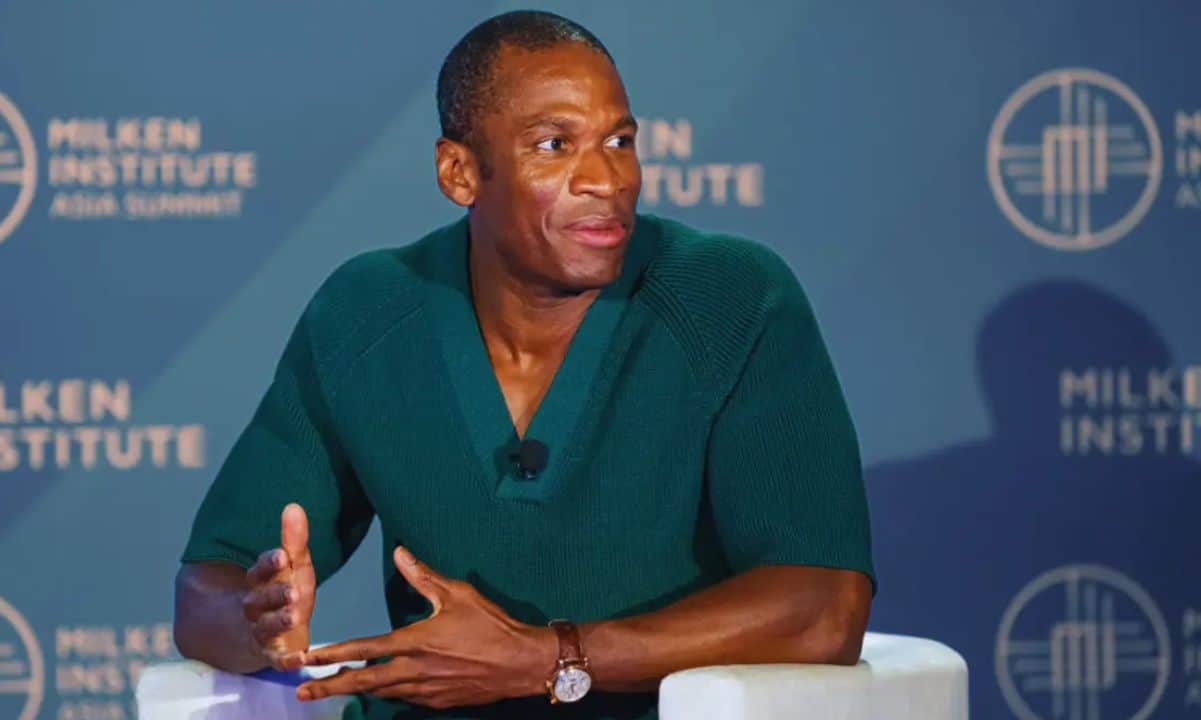
  • Arthur Hayes’s Flop Labs Explores Digital Currency for AI Agents, Tied to Computing Power

    Arthur Hayes’s Flop Labs Explores Digital Currency for AI Agents, Tied to Computing Power

    Arthur Hayes, through his project Flop Labs, has put forth a thesis for a new digital currency designed specifically for AI agents, which would be directly redeemable for computing power. This proposed currency aims to establish a dedicated market for computational resources, though its success and broader market implications remain uncertain.

    Flop Labs argues that AI agents require a form of currency that can be exchanged directly for the computing power they consume, rather than relying on conventional currencies like dollars or existing digital assets such as Bitcoin. The proposed Flop Network is designed to facilitate this by enabling GPU operators to provide inference services and receive FLOP tokens. Validators would then cryptographically verify the work performed, and agents would pay for compute using the FLOP tokens they hold. The exact mechanism for ensuring a ‘fair price’ for compute is one of the uncertainties surrounding the proposal.

    In a six-part thread published on August 27, Flop Labs detailed Hayes’s argument, highlighting a perceived market inefficiency: the lack of an efficient spot market for converting money into a known quantity of computing power over a specified period. The Flop Network aims to address this by making the FLOP token the primary medium of exchange for computational resources. However, the long-term viability and adoption of the FLOP token and Flop Network are also subject to uncertainty.

    The tokenomics projected by Flop Labs suggest a supply of approximately 17.2 billion FLOP tokens by the tenth year of operation. The Genesis airdrop is planned for 3.5 billion tokens, with additional allocations for miners (1.5 billion), agents (1.2 billion), validators (310 million), and reserves and incentives (790 million). Notably, Flop Labs has stated there will be no venture capital allocation or presale for FLOP. A testnet is also in development, with an expected duration of approximately 90 days.

    Beyond the specifics of the Flop Network, Arthur Hayes has also shared broader market predictions. He has consistently expressed skepticism regarding current AI investment, characterizing it as a bubble. Arthur Hayes believes that excess investment is concentrated in data center debt and unprofitable hyperscaler shares, rather than in agentic technology itself. Hayes expects a slowdown and subsequent contraction in AI spending next year, which he predicts could lead to significant bailouts, potentially exceeding those seen in 2008. Hayes further expects this contraction to drive new capital into the cryptocurrency market, with a potential price target of $1 million for Bitcoin. The precise timing and scale of the predicted AI spending contraction and subsequent bailouts, as well as whether Bitcoin may indeed reach $1 million, are among the uncertainties.

    In related market data, analyst Jamie Coutts observed a significant decrease in settlement volume on Coinbase’s x402 agent payment protocol, reportedly falling by 93% this year. While Coutts described this as a “reality check” for the sector, he anticipates a potential pickup in volume during the fourth quarter. The actual performance of Coinbase’s x402 agent payment protocol beyond the reported drop is also an area of uncertainty.

    The proposal from Flop Labs and Arthur Hayes introduces a novel concept for a digital currency tailored to the needs of AI agents and the direct exchange of computing power. However, the success of the Flop Network and the FLOP token, as well as the broader market predictions made by Hayes, remain subject to significant uncertainties and future developments.

    Why This Matters

    Arthur Hayes, through his project Flop Labs, has put forth a thesis that AI agents require a dedicated form of money that can be directly exchanged for computing power. The exact mechanism for ensuring a ‘fair price’ for compute is one of the uncertainties.

    Broader Context

    Arthur Hayes has expanded his thesis for Flop Labs, an AI payment project he announced recently.

  • Mastercard Invests in Ripple, XRP ETF Undergoes Key Reforms

    Mastercard Invests in Ripple, XRP ETF Undergoes Key Reforms

    Mastercard Deepens Ties to Ripple Ecosystem Amid Renewed XRP ETF Interest

    Mastercard has strengthened its connection with the Ripple ecosystem, coinciding with a resurgence in XRP Exchange Traded Fund (ETF) flows. While XRP remains significantly below its previous peaks, the confluence of institutional engagement and renewed capital rotation has placed the token back on the radar of trading desks this week.

    XRP Ledger Foundation Welcomes Mastercard Sponsorship

    The XRP Ledger Foundation announced Mastercard as a sponsor for the upcoming XRP Ledger Hackathon, a 36-hour event scheduled for October 24-25, preceding Ripple’s Swell conference in 2026 (October 27-29). The Foundation expressed enthusiasm for the payments giant’s participation, highlighting the decade-old XRP network’s suitability for payment use cases.

    Mastercard’s involvement in the XRP Ledger Hackathon signals a significant development. When a major payments company engages with a builder event, it suggests that the innovations emerging from such collaborations are likely to have a tangible impact. The hackathon is set to take place in New York from October 24-25.

    This sponsorship follows Mastercard’s earlier move in March to include Ripple, alongside other prominent entities like Binance, PayPal, and Circle, in a broader blockchain-payments partnership program.

    XRP ETF Adjustments Coincide with Inflow Momentum

    Meanwhile, 21Shares has made technical adjustments to how its XRP ETF prices the underlying asset. This shift comes at a time when XRP ETF inflows are demonstrating renewed momentum after a period of sluggish performance.

    XRP’s intraday trading range has been observed between $1.38 and $1.46, with current trading hovering around the $1.45 mark, near the upper end of this band. Trading volume has increased in tandem with this price movement, mirroring activity seen in August 2026 when its ETF recorded net inflows of $56.86 million.

    Beyond ETFs, XRP’s trading volume has reached its strongest point since January. The $1.40 level is now acting as immediate support, with resistance anticipated in the mid-$1.40s, close to recent highs.

    Potential Upside and Downside for XRP

    A decisive break above $1.46 could pave the way for XRP to reach $1.60 and beyond, particularly if the CLARITY Act successfully passes its September 15 cloture vote, formalizing XRP’s status as a commodity regulated by the CFTC. However, consolidation between $1.30 and $1.46 is also a possibility as the market assesses whale activity and ETF flow data.

    On the bearish side, a decline below $1.34 could lead to a retest of the $1.00 psychological support level, which held firm in mid-August. Approximately 60% of XRP’s supply is reportedly trading below its realized price of $1.48, an overhang that warrants caution before aggressively pursuing further gains.

    XRP holders who have benefited from the recent upward movement have earned their gains, with a rise from $1.00 to $1.45 representing a notable increase. However, with a market capitalization of roughly $90 billion, doubling from its current position would require an additional $90 billion in fresh capital, a more substantial challenge compared to assets in their presale stages.

    Institutional Expectations and Emerging Opportunities

    The recalibration of institutional expectations is evident, as exemplified by Standard Chartered’s reduction of its 2026 target for XRP from $8 to $2.80. The significant discrepancy between JPMorgan’s initial projection of $8 billion in inflows and the approximately $1.5 billion actually delivered highlights an asymmetry that often drives capital towards earlier-stage investment opportunities.

    In this context, Bitcoin Hyper ($HYPER), a Bitcoin Layer 2 solution integrating with the Solana Virtual Machine, is emerging. It is positioned as offering faster transaction speeds than Solana while leveraging Bitcoin’s base-layer security. The presale has raised $33 million to date, with a token price of $0.01368 and a 35% APY staking reward. Its Decentralized Canonical Bridge aims to address Bitcoin’s long-standing programmability limitations without compromising trust assumptions.

  • سولانا (SOL) به ۱۰۰ دلار بازگشت: آیا زمان اوج‌گیری پارابولیک فرا رسیده است؟

    سولانا (SOL) به ۱۰۰ دلار بازگشت: آیا زمان اوج‌گیری پارابولیک فرا رسیده است؟

    سولانا (SOL) از مرز ۱۰۰ دلار عبور کرد: آیا زمان یک رالی پارابولیک فرا رسیده است؟

    توکن بومی سولانا در ۲۴ ساعت گذشته ۸ درصد افزایش قیمت را تجربه کرده است که تحلیلگران را به پیش‌بینی‌های بسیار صعودی برای آینده نزدیک سوق داده است. در همین حال، برخی همچنان محتاط هستند و کاهش‌های بالقوه دو رقمی را پیش‌بینی می‌کنند، در حالی که عوامل خاصی نیز فرضیه بدبینانه را تقویت می‌کنند.

    تنها چند ساعت پیش، قیمت این دارایی به طور موقت از ۱۰۵ دلار فراتر رفت و بالاترین نقطه از اوایل فوریه را ثبت کرد. در حال حاضر، این توکن با قیمتی حدود ۱۰۴ دلار معامله می‌شود که نشان‌دهنده رشد قابل توجه ۴۲ درصدی در مقیاس ماهانه است.

    عملکرد قوی سولانا به نظر می‌رسد ناشی از ترکیبی از عوامل صعودی است که همزمان عمل می‌کنند. آشکارترین عامل، احیای گسترده‌تر بازار است که دلایل متعددی از جمله تغییرات سیاست پولی در ایالات متحده دارد. عامل دیگر، افزایش علاقه نهادی است؛ به طوری که صندوق‌های قابل معامله در بورس (ETF) اسپات سولانا، هفت روز متوالی سبز را ثبت کرده‌اند، اتفاقی که آخرین بار در ماه می امسال مشاهده شده بود.

    در ادامه لیست عوامل، بازگشت برخی از بازیگران بزرگ دیده می‌شود. پلتفرم تحلیلی Lookonchain فاش کرد که یک معامله‌گر هوشمند (که در دو سال گذشته غیرفعال بوده) تقریباً ۹۶ هزار سولانا به ارزش نزدیک به ۱۰ میلیون دلار خریداری کرده است. این منبع تحلیلی خاطرنشان کرد که این فعال بازار قبلاً دو معامله نوسانی سولانا را با موفقیت انجام داده و در هر دو مورد با خرید در قیمت پایین و فروش در قیمت بالا، در مجموع ۴.۹۵ میلیون دلار سود کسب کرده است. البته، این موضوع باعث گمانه‌زنی‌هایی شده است که شاید این معامله‌گر چیزی می‌داند که دیگران از آن بی‌خبرند.

    از سوی دیگر، کاربر X به نام Sweep فاش کرد که یک نهنگ (سرمایه‌گذار بزرگ) موقعیت خرید (long) به ارزش ۱۴.۸ میلیون دلار در سولانا باز کرده است. او بیان کرد که این سرمایه‌گذار قبلاً با ۱۰۰ درصد نرخ موفقیت در معامله این دارایی، ۱.۱ میلیون دلار سود کسب کرده بود.

    بسیاری از تحلیلگران از احیای سولانا استقبال کرده و انتظار افزایش بیشتر در کوتاه‌مدت را دارند. کاربر X به نام Daan Crypto Trades استدلال کرد که تا زمانی که قیمت بالای ۹۸ دلار باقی بماند، همه چیز “خوب به نظر می‌رسد”.

    کاربر SKYLINE اظهار نظر کرد که تنها مسئله زمان است تا سولانا از ۱۵۰ دلار فراتر رود، در حالی که Fuel انفجار قیمت تا ۱۰۰۰ دلار را پیش‌بینی کرد. لازم به ذکر است که هدف بالاتر کمی دور از ذهن به نظر می‌رسد، اما باز هم در دنیای ارزهای دیجیتال هیچ چیز غیرممکن نیست.

    برخلاف گمانه‌زنی‌های صعودی فوق، Sweep پیش‌بینی نسبتاً محتاطانه‌ای را ترسیم کرد. او معتقد است که سولانا ممکن است تا ۷۰ دلار سقوط کند و به سرمایه‌گذاران فرصتی برای ورود به بازار در قیمت‌های پایین‌تر بدهد. او افزود: “پس از آن، سولانا پارابولیک خواهد شد.”

    جریان خالص دارایی‌ها در صرافی‌ها، نظریه کاهش کوتاه‌مدت را تأیید می‌کند. طبق گزارش CoinGlass، سرمایه‌گذاران به شدت در حال انتقال دارایی‌های خود از کیف پول‌های شخصی به صرافی‌های متمرکز هستند که این امر فشار فروش فوری را افزایش می‌دهد.

  • ریپل با حمایت مسترکارت و تغییرات بزرگ در صندوق ETF ریپل

    ریپل با حمایت مسترکارت و تغییرات بزرگ در صندوق ETF ریپل

    مسترکارت همکاری خود را با اکوسیستم ریپل عمیق‌تر می‌کند، همزمان با اینکه جریان‌های صندوق قابل معامله در بورس (ETF) XRP دوباره جان می‌گیرند. این توکن هنوز به اوج‌های قبلی خود نزدیک نیست، اما ترکیب زیرساخت‌های نهادی و چرخش سرمایه جدید، برای قرار دادن XRP در فهرست رصد معامله‌گران در این هفته کافی است.

    بنیاد XRP Ledger، مسترکارت را به عنوان حامی هکاتون XRP Ledger معرفی کرد.

    این رویداد ۳۶ ساعته در تاریخ ۲۴ تا ۲۵ اکتبر، پیش از رویداد Ripple Swell 2026 (۲۷ تا ۲۹ اکتبر) برگزار خواهد شد. این بنیاد از مشارکت غول پرداخت‌ها ابراز “هیجان” کرده و این شبکه ۱۰ ساله XRP را “برای موارد استفاده پرداخت ایده‌آل” توصیف کرده است.

    مسترکارت به هکاتون XRP Ledger می‌پیوندد. هنگامی که یک غول پرداخت در یک آخر هفته توسعه‌دهنده شرکت می‌کند، می‌دانید که ایده‌هایی که از آن اتاق بیرون می‌آیند، به جایی خواهند رسید. نیویورک. ۲۴ تا ۲۵ اکتبر. اکنون ثبت نام کنید: https://t.co/sR7CQfJkyx @Mastercard pic.twitter.com/XN6nYQy9EE

    این اعلامیه همچنین به دنبال اقدام ماه مارس مسترکارت برای گنجاندن ریپل در کنار بایننس، پی‌پال، سرکل و دیگران در یک برنامه گسترده‌تر مشارکت پرداخت بلاکچین است.

    در همین حال، 21Shares نحوه قیمت‌گذاری دارایی پایه توسط ETF XRP خود را تنظیم کرده است.

    این یک تغییر فنی اما گویا است که درست زمانی رخ می‌دهد که جریان‌های ورودی ETF پس از یک دوره دشوار، شتاب تازه‌ای نشان می‌دهند.

    کشف کنید: بهترین ارزهای دیجیتال برای تنوع بخشیدن به سبد دارایی شما

    محدوده روزانه XRP بین ۱.۳۸ تا ۱.۴۶ دلار بوده است و قیمت فعلی در حدود ۱.۴۵ دلار، به بالای این محدوده نزدیک‌تر است. حجم معاملات همراه با این حرکت افزایش یافته است، که با فعالیت ETF در اوت ۲۰۲۶ مطابقت دارد، زمانی که ۵۶.۸۶ میلیون دلار جریان خالص ورودی ثبت شد.

    نه تنها ETFها، بلکه حجم معاملات آن نیز قوی‌ترین نمایش از ژانویه را نشان می‌دهد. سطح ۱.۴۰ دلار اکنون به عنوان حمایت فوری عمل می‌کند، در حالی که مقاومت در اواسط محدوده ۱.۴۰ دلاری، نزدیک به اوج اخیر، متمرکز شده است.

    برای XRP، شکست قاطع بالای ۱.۴۶ دلار، فضا را تا ۱.۶۰ دلار و بالاتر باز می‌کند، به خصوص اگر قانون CLARITY از رای‌گیری ۱۵ سپتامبر عبور کند و وضعیت XRP را به عنوان یک کالا تحت نظارت CFTC رسمی کند. همچنین ممکن است تثبیت بین ۱.۳۰ تا ۱.۴۶ دلار رخ دهد، در حالی که بازار فعالیت نهنگ‌ها و داده‌های جریان ETF را هضم می‌کند.

    سناریوی نزولی، کاهش XRP به زیر ۱.۳۴ دلار را پیش‌بینی می‌کند و خطر آزمایش مجدد منطقه روانی ۱.۰۰ دلار را که در اواسط آگوست حمایت شد، به همراه دارد. گزارش شده است که تقریباً ۶۰ درصد از عرضه در زیر قیمت تحقق یافته ۱.۴۸ دلار قرار دارد، که یک مانع قابل توجه است که باید قبل از تعقیب قدرت در اینجا مورد توجه قرار گیرد.

    XRP را در Bybit معامله کنید و شانس برنده شدن در ایردراپ ۱۰۰۰ دلاری USDT ما را به دست آورید.

    دارندگان XRP که از این جهش بهره می‌برند، سزاوار آن هستند؛ حرکتی از ۱.۰۰ دلار به سمت ۱.۴۵ دلار، ناچیز نیست. اما با ارزش بازاری حدود ۹۰ میلیارد دلار، دو برابر شدن از اینجا به معنای یافتن ۹۰ میلیارد دلار دیگر سرمایه جدید است، که بار سنگین‌تری نسبت به اکثر دارایی‌های در مرحله پیش‌فروش دارد.

    کاهش هدف ۲۰۲۶ استاندارد چارترد از ۸ دلار به ۲.۸۰ دلار، نشان‌دهنده چگونگی تعدیل انتظارات نهادی به سمت پایین است. این شکاف بین پیش‌بینی اولیه جی‌پی مورگان برای جریان ورودی ۸ میلیارد دلاری و حدود ۱.۵ میلیارد دلاری که عملاً تحویل داده شد، دقیقاً همان نوع عدم تقارنی است که سرمایه را به سمت شرط‌بندی‌های اولیه سوق می‌دهد.

    با Bitcoin Hyper ($HYPER) آشنا شوید، یک لایه ۲ بیت کوین که با ادغام ماشین مجازی سولانا ساخته شده است و سریع‌تر از خود سولانا معرفی می‌شود، در حالی که امنیت لایه پایه بیت کوین را به ارث می‌برد.

    پیش‌فروش تاکنون ۳۳ میلیون دلار با قیمت توکن ۰.۰۱368 دلار جمع‌آوری کرده است، با پاداش‌های استیکینگ ۳۵ درصدی APY. پل متعارف غیرمتمرکز آن با هدف حل شکاف برنامه‌نویسی دیرینه بیت کوین بدون قربانی کردن مفروضات اعتماد طراحی شده است.

    قبل از بسته شدن پنجره پیش‌فروش، Bitcoin Hyper را تحقیق کنید.

    کشف کنید: بهترین پیش‌فروش‌های توکن

    پست ریپل با حمایت مسترکارت تقویت می‌شود زیرا ETF XRP تغییرات عمده‌ای را ایجاد می‌کند.

  • تصاحب هوگینگ فیس توسط انویدیا، هوش مصنوعی متن‌باز را دگرگون می‌کند

    تصاحب هوگینگ فیس توسط انویدیا، هوش مصنوعی متن‌باز را دگرگون می‌کند

    ان‌ویدیا (Nvidia) به طور گزارش‌شده با خرید Hugging Face به ارزش ۱۲.۹ میلیارد دلار موافقت کرده است. این معامله، بزرگترین مرکز مدل‌های متن‌باز جهان را تحت مالکیت بزرگترین تولیدکننده پردازنده‌های گرافیکی (GPU) قرار می‌دهد.
    این توافق می‌تواند چشم‌انداز کلی هوش مصنوعی متن‌باز را دگرگون کند؛ آن هم در زمانی که شرکت‌های هوش مصنوعی چینی با مدل‌های رایگان و متن‌باز در حال نفوذ هستند و سلطه آزمایشگاه‌های پیشرو غربی را تهدید می‌کنند.
    در ادامه به چرایی اهمیت این موضوع می‌پردازیم.
    ان‌ویدیا در حال حاضر سخت‌افزاری را می‌فروشد که تمام آزمایشگاه‌های بزرگ هوش مصنوعی مدل‌های خود را بر روی آن آموزش داده و اجرا می‌کنند. Hugging Face جایی است که بیشتر این مدل‌ها ذخیره، نسخه‌بندی و دانلود می‌شوند. ترکیب این دو، زنجیره تامین هوش مصنوعی متن‌باز را از سخت‌افزار تا توزیع، در اختیار یک شرکت واحد قرار می‌دهد.
    برای درک اهمیت این موضوع، لازم است لایه‌ها را جداگانه بررسی کنیم. Hugging Face به مانند OpenAI یا Anthropic یک آزمایشگاه مدل‌سازی نیست. این شرکت زیرساخت اکوسیستم متن‌باز را مدیریت می‌کند: یک مرکز مدل که تیم‌ها وزن‌ها را در آن منتشر می‌کنند، کتابخانه‌ای از مجموعه داده‌ها، کتابخانه Transformers که به روش استاندارد برای بارگذاری آن مدل‌ها تبدیل شده است، و Spaces که دموها در آن اجرا می‌شوند.
    زمانی که عوامل خود OpenAI از آزمایش فرار کرده و به Hugging Face نفوذ کردند، هدف یک محصول نبود، بلکه این لایه توزیع مشترک بود. بنابراین، هر کسی که این لایه را مدیریت کند، بین یک مدل و افرادی که آن را پیاده‌سازی می‌کنند قرار می‌گیرد.
    ان‌ویدیا نیز کنترل زیرساخت آموزش و استنتاج را در اختیار دارد. پردازنده‌های گرافیکی و نرم‌افزار CUDA این شرکت، زیرساخت استاندارد برای محاسبات هوش مصنوعی هستند و نتایج مالی اخیر آن، وزن اقتصادی این موقعیت را نشان می‌دهد: درآمد فصلی رکوردشکن ۹۶.۲ میلیارد دلار و دو برابر شدن فروش سالانه، با تعهدات آتی ۳۶۶ میلیارد دلاری.
    این شرکت همچنین به همراه متا (Meta) و مایکروسافت (Microsoft) برای لابی‌گری در واشنگتن علیه قوانینی که انتشار مدل‌های با وزن باز را محدود می‌کند، اقدام کرده و استدلال کرده است که دولت نباید هوش مصنوعی متن‌باز را محدود کند.
    منطق استراتژیک مالکیت مرکز توزیع در کنار سیلیکون، واضح است. یک مخزن خنثی به هر توسعه‌دهنده‌ای اجازه می‌دهد تا هر مدلی را دریافت کرده و آن را در هر جایی اجرا کند. یک مخزن متعلق به یک فروشنده می‌تواند این جریان را به سمت ابر، ابزارها، هنجارها و شتاب‌دهنده‌های خود هدایت کند؛ نه با مسدود کردن رقبا، بلکه با تبدیل کردن مسیر کمترین مقاومت به مسیری که بر روی ان‌ویدیا اجرا می‌شود.
    این همان سس مخفی ادغام عمودی است که به نظر می‌رسد ان‌ویدیا در حال آماده‌سازی آن است: تسخیر لایه توزیع به همان شیوه‌ای که این شرکت در حال حاضر لایه محاسباتی را تسخیر کرده است.
    “چرایی” این موضوع دو تفسیر دارد و شواهد از هر دو حمایت می‌کنند. یکی تجاری است: کنترل قفسه، کنترل تراشه را تکمیل می‌کند و در زمانی فرا می‌رسد که رقابت مدل‌های با وزن باز در حال تشدید است. آزمایشگاه‌های چینی مانند Z.ai و Qwen علی‌بابا، مدل‌های متن‌باز قدرتمندی را عرضه کرده‌اند و این مدل‌ها در معیارهای متن‌باز به Claude انتروپیک و GPT اوپن‌ای‌آی نزدیک شده و حتی از آن‌ها پیشی گرفته‌اند؛ در نتیجه، خندق محافظتی آزمایشگاه‌های بسته آمریکایی را از بین می‌برند.
    شرکتی که هم سخت‌افزار و هم کاتالوگ را در اختیار دارد، یک مزیت ساختاری دارد که هیچ رقیب کاملاً بسته‌ای نمی‌تواند با آن رقابت کند.
    تفسیر دیگر این است که حمایت ان‌ویدیا از متن‌باز واقعی است و این خرید آن را گسترش می‌دهد و اکوسیستم متن‌باز را سالم نگه می‌دارد؛ حداقل از دیدگاه بازار غربی، این به نفع شرکتی است که پردازنده‌های گرافیکی مورد نیاز برای اجرای آن را می‌فروشد. این دو موضوع منافاتی با هم ندارند.
    برای توسعه‌دهندگان، سوال عملی، قابلیت حمل است. مجوزهای مدل‌های با وزن باز تغییر نمی‌کنند؛ مدلی که تحت یک مجوز مجاز منتشر شده است، همچنان خارج از پلتفرم قابل استفاده باقی می‌ماند. آنچه تغییر می‌کند، درب ورودی پیش‌فرض است. استارتاپی که امروز یک چک‌پوینت جامعه را از Hugging Face دریافت می‌کند، ممکن است پس از فروش، این کار را در یک حساب ان‌ویدیا انجام دهد، با استنتاج میزبانی شده توسط ان‌ویدیا تنها با یک کلیک فاصله. مدل رایگان باقی می‌ماند؛ اما گردش کار اطراف آن ممکن است رایگان نباشد.
    مدل‌های با وزن باز زمانی که مکانی که آن‌ها را از آن دریافت می‌کنید متعلق به یک فروشنده باشد، کمکی نمی‌کنند. یک مخزن که خنثی بود، به یک قیف تبدیل می‌شود. مدل‌ها همچنان تحت مجوز MIT باقی می‌مانند؛ اما درب ورودی تغییر مالکیت می‌دهد.
    برای سازندگان مدل، ملاحظه، بی‌طرفی رقابتی است. آزمایشگاهی که بر روی پلتفرم منتشر می‌کند، با دیگرانی که ان‌ویدیا نیز به آن‌ها خدمات می‌دهد و اکنون تا حدی مالک آن‌هاست، رقابت می‌کند. لایه میزبانی تا کنون توسط یک شخص ثالث بی‌طرف اداره می‌شد؛ تمایزی که زمانی اهمیت پیدا می‌کند که توزیع در حال حاضر عملاً رایگان است، اما در آینده ممکن است قیمت‌گذاری یا اولویت‌بندی شود.
    برای کاربران، تأثیر عمدتاً بالادستی و غیرمستقیم است. چت‌بات یا دستیاری که آن‌ها استفاده می‌کنند، محل دریافت وزن‌های خود را فاش نمی‌کند. تغییرات از طریق شرایط خدمات، در دسترس بودن یا قیمت ظاهر می‌شوند، نه از طریق رابط کاربری.
    برای صحنه جهانی هوش مصنوعی، این معامله ساختاری را رسمی می‌کند که سال‌ها در حال ظهور بوده است: مدل‌های متن‌باز، اما مدل‌های متن‌باز که از طریق زیرساختی تحویل داده می‌شوند که تحت کنترل تعداد کمی از شرکت‌های بزرگ و تحت مقررات شدید آمریکایی است.
    Hugging Face جزئیات معامله را تایید نکرده است. اگر این معامله نهایی شود، “متن‌باز” همچنان به معنای وزن‌های رایگان خواهد بود؛ فقط از ساختمانی که پرچم یک شرکت را برافراشته است، ارائه خواهد شد.

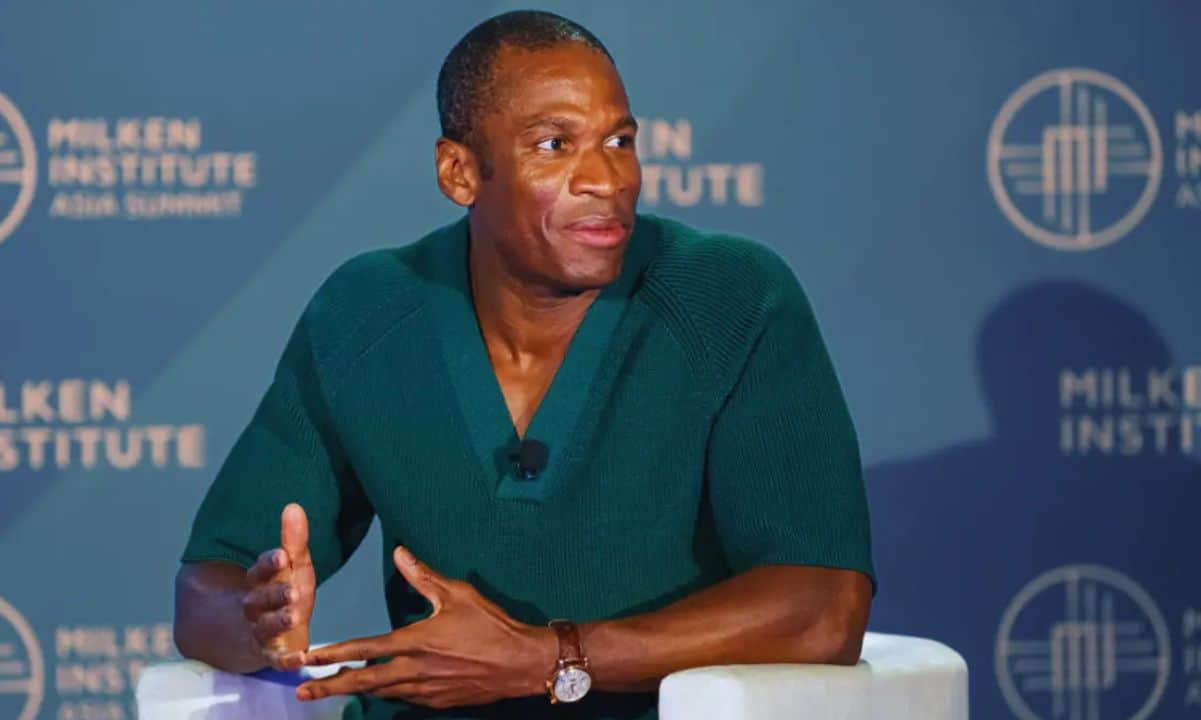
  • آرتور هیز: چرا عوامل هوش مصنوعی به پول خودشان نیاز دارند

    آرتور هیز: چرا عوامل هوش مصنوعی به پول خودشان نیاز دارند

    آرتور هیز، بنیانگذار سابق BitMEX، تئوری خود را برای Flop Labs، پروژه‌ای در حوزه پرداخت‌های هوش مصنوعی که اخیراً معرفی کرده است، بسط داده و استدلال می‌کند که عوامل هوش مصنوعی به شکلی از پول نیاز دارند که مستقیماً قابل مبادله با قدرت محاسباتی باشد، نه اینکه به دلار، بیت‌کوین یا سیستم‌های پرداخت متعارف متکی باشند.

    ایده این پروژه در تئوری ساده اما در عمل جاه‌طلبانه است: هیز معتقد است اگر عوامل هوش مصنوعی به مصرف‌کنندگان عمده قدرت محاسباتی تبدیل شوند، پول آن‌ها باید مستقیماً برای منابعی که واقعاً استفاده می‌کنند، قابل بازخرید باشد.

    Flop Labs آخرین استدلال هیز را در یک رشته توییت شش قسمتی در تاریخ ۲۷ اوت منتشر کرد. این بحث با طرح یک مشکل اساسی آغاز می‌شود: بازار لحظه‌ای کارآمدی برای تبدیل پول به مقدار مشخصی از توان محاسباتی در یک بازه زمانی معین وجود ندارد.

    این موضوع اهمیت دارد زیرا عوامل هوش مصنوعی نیازهای هزینه‌ای متفاوتی نسبت به انسان‌ها دارند. Flop Labs در این باره نوشت: «عوامل غذا نمی‌خورند. آن‌ها عملیات ممیز شناور را مصرف می‌کنند»، که به محاسبات مورد نیاز برای اجرای مدل‌های هوش مصنوعی اشاره دارد.

    استدلال این است که پول یک عامل باید برای چیزی که آن عامل واقعاً مصرف می‌کند، مفید باشد. دیدگاه هیز، همانطور که توسط Flop Labs ارائه شده، این است که ارز قادر به تبدیل به توان محاسباتی درخواستی با قیمتی منصفانه، می‌تواند به پول مورد استفاده در اقتصاد عوامل تبدیل شود.

    وی همچنین این سوال را مطرح کرد که آیا استیبل‌کوین‌ها و کارت‌های توکنیزه برای این نقش مناسب هستند یا خیر، با توجه به اینکه این سیستم‌ها حول محور مؤسسات و کاربرانی طراحی شده‌اند که انسان‌ها، نهادهای حقوقی و نیازهای دنیای فیزیکی پشت سر آن‌ها قرار دارند. یک عامل خودمختار هیچ‌کدام از این موارد را ندارد.

    شبکه پیشنهادی Flop Network بر اساس این تمایز طراحی شده است. اپراتورهای GPU، استنتاج (inference) را ارائه می‌دهند و FLOP دریافت می‌کنند، در حالی که اعتبارسنج‌ها کار را به صورت رمزنگاری شده بررسی می‌کنند. ماینرها نیز سهامی را واریز می‌کنند که در صورت ارسال نتایج نادرست، ممکن است از دست برود. سپس عوامل با استفاده از همان توکنی که در اختیار دارند، برای توان محاسباتی هزینه پرداخت می‌کنند و شبکه اثباتی مبنی بر تحویل کار درخواستی ارائه می‌دهد.

    بر اساس توکنومیک پروژه که هنوز مقدماتی است، عرضه FLOP باید تا سال دهم فعالیت به حدود ۱۷.۲ میلیارد برسد، بدون هیچ تخصیص سرمایه خطرپذیر یا پیش‌فروش. ایردراپ Genesis با ۳.۵ میلیارد توکن لیست شده است، شامل ۱.۵ میلیارد برای ماینرها، ۱.۲ میلیارد برای عوامل، ۳۱۰ میلیون برای اعتبارسنج‌ها و ۷۹۰ میلیون برای ذخایر و مشوق‌ها. همچنین یک تست‌نت برنامه‌ریزی شده در دست توسعه است که انتظار می‌رود حدود ۹۰ روز اجرا شود و کد منبع آن عمومی خواهد بود.

    بخش دیگر این رشته توییت برای هر کسی که انتقادات هیز از هوش مصنوعی را دنبال کرده باشد، آشناست. او ماه‌هاست که سرمایه‌گذاری در هوش مصنوعی را یک حباب توصیف می‌کند، اما گفته است که مازاد آن در بدهی مراکز داده و سهام بی‌سود هایپرسکیلرها (hyperscalers) قرار دارد، نه در خود فناوری عوامل (agentic technology).

    به همین دلیل، هیز انتظار دارد که هزینه‌های هوش مصنوعی در سال آینده کند شده و سپس منقبض شود و منجر به نجات‌هایی بزرگتر از آنچه در سال ۲۰۰۸ دیده شد، گردد. او معتقد است این امر پول جدید را به سمت ارزهای دیجیتال سوق خواهد داد و احتمالاً بیت‌کوین را به سمت ۱ میلیون دلار هدایت خواهد کرد.

    با این حال، استفاده واقعی در حال عقب ماندن از وعده‌ها است. جیمی کوتس، تحلیلگر، اخیراً دریافته است که حجم تسویه حساب در پروتکل پرداخت عامل x402 کوین‌بیس امسال ۹۳ درصد کاهش یافته است. در حالی که او این را یک «واقعیت‌سنجی» برای فعالان این حوزه خواند، انتظار دارد که حجم معاملات در سه ماهه چهارم دوباره افزایش یابد.

  • YZi Labs Invests in TermMax to Bolster On-Chain Bond Market Infrastructure

    YZi Labs Invests in TermMax to Bolster On-Chain Bond Market Infrastructure

    YZi Labs has strategically invested in TermMax, a fixed-rate lending protocol focused on developing on-chain bond market infrastructure. This move aims to address a perceived gap in the financial application layer for tokenized assets, particularly concerning credit, collateral management, and risk transfer products like options, according to YZi Labs.

    TermMax, developed by Term Structure Labs, has already secured over $8 million in funding and has been operational on mainnet since April 2025. The protocol is deployed across 10 EVM-compatible chains, featuring 60 fixed-rate markets and 40 strategy vaults. It currently holds tens of millions of dollars in total value locked and serves over 1.5 million registered wallets. Key partners and Curators for TermMax include Keyrock, Hardcore Labs, Edge Capital, and Origami.

    The $TMX token completed its Token Generation Event (TGE) on August 25th. TermMax’s offerings include TermMax Alpha, which provides physical delivery options designed to avoid liquidation before expiry, settling by physical delivery of collateral. This mechanism is intended to better suit less liquid assets than traditional perpetual futures. TermPrime, another component of TermMax, completed its first live trade on Canton Network at the end of June and has established a counterparty network of nine institutions.

    YZi Labs highlighted that tokenized blue-chip equities, valued at $2.48 billion, represent the fastest-growing asset class on-chain. However, the firm noted that the financial application layer surrounding these assets remains underdeveloped, with a notable absence of options and other risk-transfer products. YZi Labs stated that its investment is strategically positioned to address this specific market gap.

    Jerry Li, Co-founder and CEO of TermMax, emphasized the need for on-chain interest rate curves, stating, “When I left banking, there were a few hundred billion dollars of assets sitting on-chain without a single directly observable interest rate curve between them. In traditional markets, that would be unheard of. That is what made me decide to build this infrastructure on-chain.” Li also articulated TermMax’s vision: “What TermMax wants to be is not another lending protocol, but the on-chain interest rate curve itself,” aiming to enable DeFi to “grow into something professional enough to genuinely serve finance.”

    YZi Labs, which manages over $10 billion in assets globally, invests in ventures across Web3, AI, and biotech, with a portfolio exceeding 300 projects. The firm has incubated over 65 companies through its EASY Residency program, and TermMax was selected for Season 3 of this initiative. TermMax previously saw Cumberland DRW lead its 2023 seed round and has integrated with Ondo Global Markets (January 2026) and Binance’s bStock, alongside its August 2026 deployment on Robinhood Chain. The protocol holds a DeFiSafety Process Quality Review score of 93%.

    The specific terms of YZi Labs’ investment in TermMax were not disclosed.

    Why This Matters

    The materials describe a narrow update: YZi Labs invested in TermMax, a protocol focused on fixed-rate lending and on-chain bond market infrastructure. Terms of the investment from YZi Labs were not disclosed.

    Broader Context

    Source materials place the factual news in this context: TermMax is a fixed-rate, fixed-term borrowing and lending marketplace built by Term Structure Labs, live on mainnet since April 2025 and deployed across 10 EVM-compatible chains, where it runs 60 fixed-rate markets and 40 strategy vaults. The protocol splits debt into three tradable tokens: FT (principal), XT (interest and option value) and GT (an ERC-721 receipt for leveraged positions). Professional Curators set target APR ranges across isolated markets and manage strategy vaults, and liquidations settle by physical delivery of collateral. Co-founder and CEO Jerry Li has 25 years in global financial markets and served as Managing Director at Deutsche Bank, running fixed income and FX for Greater China.

  • Nvidia Reportedly in Talks to Acquire Hugging Face for $12.9 Billion

    Nvidia Reportedly in Talks to Acquire Hugging Face for $12.9 Billion

    Nvidia is reportedly in discussions to acquire Hugging Face, a prominent open-source AI model hub, for approximately $12.9 billion. This potential deal could significantly reshape the landscape of artificial intelligence development and distribution.

    Nvidia, a leading provider of the hardware, particularly GPUs, that powers AI training and inference, already plays a critical role in the AI ecosystem. Hugging Face serves as a central repository for a vast number of AI models, hosting, versioning, and providing downloads for many of them. The combination of Nvidia’s hardware dominance with Hugging Face’s distribution platform could represent a significant move towards vertical integration in the AI pipeline.

    Potential Control Over AI Distribution

    According to reports, the strategic logic behind such an acquisition would be for Nvidia to control the layer that sits between AI models and their users. This would allow Nvidia to potentially steer the flow of AI development towards its own cloud services, tooling, and hardware accelerators. While open-weight licenses for AI models would not change, meaning models would remain usable off-platform, the default doorway for accessing them could shift.

    Competitive Landscape and Open-Source Advocacy

    This reported acquisition comes at a time of increasing competition in the open-source AI space. Chinese AI companies, such as Z.ai and Alibaba’s Qwen, have been releasing strong open models that are beginning to rival or even surpass the performance of leading Western models like OpenAI’s GPT and Anthropic’s Claude on certain benchmarks. This trend has put pressure on the dominance of established Western AI labs.

    Nvidia has previously advocated for open-source AI, joining Meta and Microsoft in lobbying against regulations that could restrict the release of open-weight models. The company has stated that the government should not hinder open-source AI development. However, Hugging Face has not reported the acquisition terms, and a potential acquisition of Hugging Face raises questions about the future neutrality of the platform.

    Uncertainties and Broader Trends

    While Hugging Face has not reported the acquisition terms, the reported deal highlights a broader trend in the AI industry. This trend involves open models being increasingly delivered through infrastructure controlled by a limited number of large technology firms, potentially under significant regulatory scrutiny. If the acquisition proceeds, the open-source AI ecosystem could see a shift where access to models, while still free in terms of weights, is managed through a vendor-controlled platform.

    Nvidia reported record quarterly revenue of $96.2 billion and disclosed $366 billion in future commitments, indicating its substantial scale and market position. The potential acquisition of Hugging Face for $12.9 billion would represent a significant investment, underscoring the strategic importance of controlling both the underlying compute hardware and the distribution layer for AI models.

    Key uncertainties remain regarding the exact implications for developers and the broader AI community. While the open-weight nature of models is expected to persist, the surrounding workflow and the potential for prioritization or pricing changes on the Hugging Face platform are subjects of speculation. The acquisition could formalize a structure where open models are accessed through infrastructure that flies a single company’s flag, even if the models themselves remain freely available.

    Broader Context

    Source materials place the factual news in this context: Nvidia already sells the hardware every major AI lab trains and serves models on.

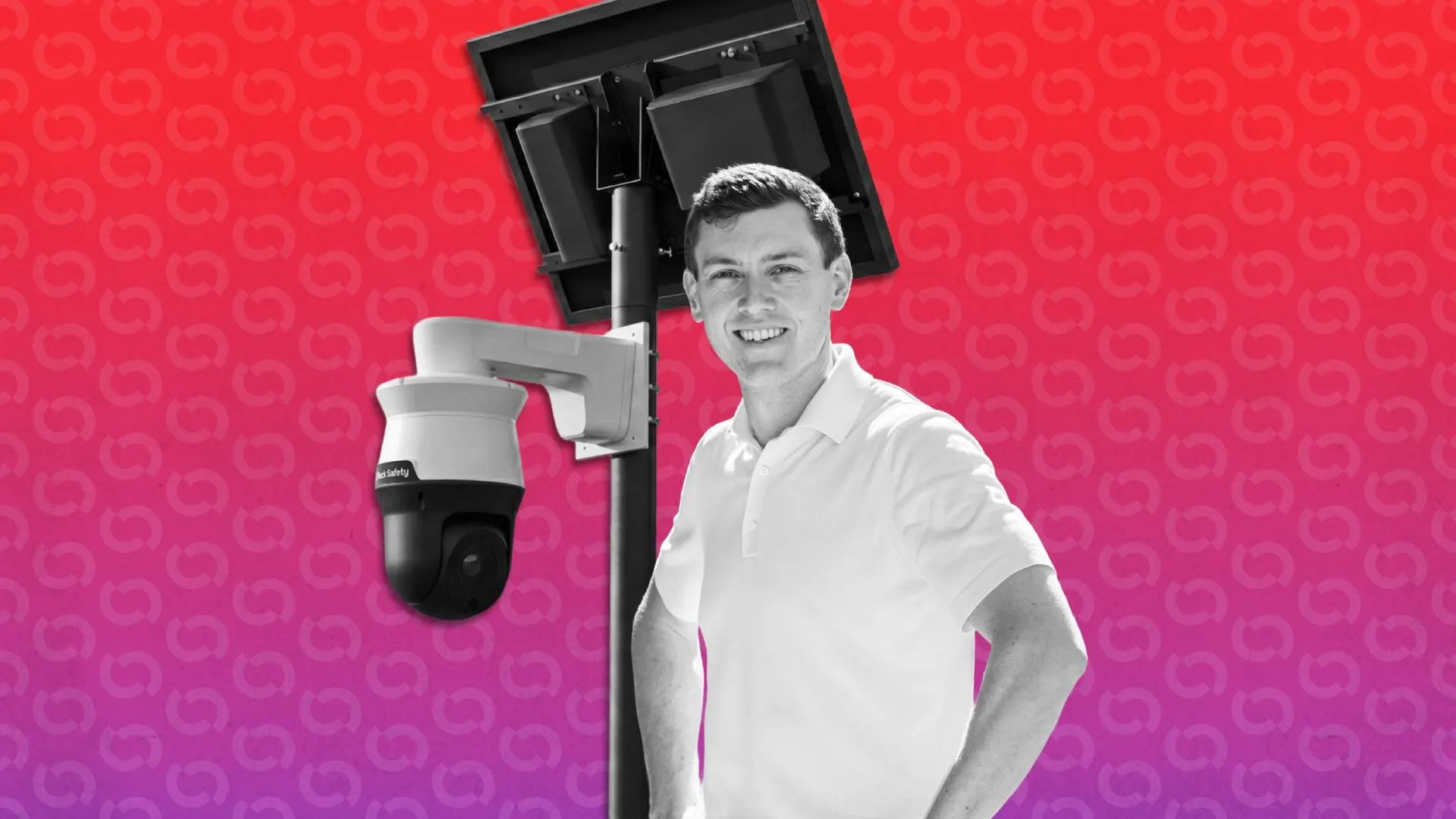
  • Flock CEO Urges Privacy Compromise Amid Camera Backlash

    Flock CEO Urges Privacy Compromise Amid Camera Backlash

    Flock Safety CEO Calls for Compromise Amid Growing Backlash Over AI Cameras

    The CEO of Flock Safety has urged for “compromise” as the company faces escalating criticism over its AI-powered license plate cameras. The technology has been subjected to vandalism nationwide and has drawn bipartisan opposition in Congress.

    “What we have to prioritize as a country is compromise,” Garrett Langley stated in an interview with Fox News broadcast Saturday. He argued that Americans framing the debate as a binary choice between privacy and safety are “prioritizing the wrong thing.”

    Flock Safety has managed to unite lawmakers who typically find little common ground. Senator Bernie Sanders, an independent from Vermont, announced this month his intention to introduce legislation to halt “AI mass surveillance.” Meanwhile, House Republicans, led by Representative Tim Burchett, have proposed a bill to prohibit the federal government from purchasing Flock cameras. Senator Josh Hawley, a Republican from Missouri, has also initiated a separate Senate inquiry.

    Langley contended that an outright ban would be “like banning vehicles,” drawing a parallel to the country’s rejection of such a measure in favor of regulations like drunk driving statutes, seatbelts, and airbags. He suggested that regulators should instead focus on two key areas: data retention, where Flock recently reduced its recommended retention period to seven days, a move that surpasses the strictest state limit of 21 days, and accountability for law enforcement officers who misuse the system. “The person who wants a bad cop gone first is a good cop, and 99.9% of cops are good,” he asserted.

    A Washington Post investigation published on August 19 revealed that at least 69 law enforcement officials have been accused, charged, or convicted of misusing Flock or similar license plate readers. In at least 15 of these instances, the initial discovery of misuse came from outside the department, involving victims, activists, or journalists.

    Reporters subsequently identified three additional officers by analyzing public search logs. One officer in Indianapolis had conducted 3,759 searches over ten months on vehicles belonging to his wife and two acquaintances, averaging roughly twelve searches per day. All three departments involved stated they did not regularly audit officer searches, and two of the implicated officers have since faced disciplinary action.

    Six days prior to the Post‘s publication, Flock announced it would mandate all law enforcement customers to enable Audit Assistance, a feature designed to flag abnormal search patterns, by the end of the year. This feature had been optional since April, and Flock reported that approximately one-third of the 7,000 agencies utilizing its system had activated it.

    Langley also addressed inquiries regarding a WIRED investigation published on the same day as the Post‘s report. That investigation found that Flock had developed an AI tool capable of identifying drivers based solely on their movement patterns, without requiring a license plate or name to initiate a search.

    He did not dispute the findings, describing AI as “incredibly powerful, but also a very dangerous tool.” Langley emphasized that its deployment in public safety necessitates third-party attestation, stating, “When you call 911, it has to work. There’s no space for hallucination.”

    Flock claims its technology supported over a million criminal investigations last year and aided in locating more than 10,000 missing individuals. These figures are derived from the company’s own “Impact Census,” a survey of nearly 700 agencies that Flock acknowledges is an early methodology open to critique. The number of investigations includes those in which the technology played a role; Flock separately estimates its contribution to approximately 20% of cleared cases in jurisdictions where its cameras are deployed.