Author: Admin_Up

  • Bill Gates Suggests AI Policy Measures Amid Job Displacement Concerns

    Bill Gates Suggests AI Policy Measures Amid Job Displacement Concerns

    Bill Gates has put forward proposals to tax AI tokens and robots, and to designate ‘Human Reserved’ jobs, as potential strategies to mitigate widespread job displacement anticipated from artificial intelligence. According to Gates, the current tax structure inadvertently incentivizes businesses to replace human workers with machines.

    In a recent essay, Gates explained that employers incur payroll taxes for human hires, while robots are typically treated as depreciable business expenses. He argues this disparity nudges companies toward automation. To address this, Gates suggests a usage tax on AI tokens and robots, which he believes would more directly influence employer incentives than a corporate tax.

    Beyond taxation, Gates introduced the concept of ‘Human Reserved’ jobs – categories of work society should intentionally preserve for humans, even if AI could perform them. He likened this to a nature reserve, suggesting these roles are valuable and warrant protection. Examples he provided include childcare and jury service, estimating that under an aggressive approach, ‘Human Reserved’ jobs could comprise approximately 40% of the total workforce. Gates first proposed a robot tax in 2017.

    Gates expressed significant concern about AI’s potential impact on the job market, predicting that AI could substitute for human cognition in fields such as law, customer service, medicine, software, and manufacturing within a decade. He believes this represents a faster and more profound shift than previous technological advancements, which often created new job categories over generations. Gates stated that AI will be “very bad for the job market” and frames the AI transition as a critical choice that could lead to either “the greatest equalizer ever invented” or “the worst source of injustice.”

    These concerns are echoed by others in the tech industry. Anthropic CEO Dario Amodei suggests that up to half of entry-level white-collar jobs could disappear within five years.

    However, current employment data has not yet shown widespread displacement attributed to AI. A study by the Yale Budget Lab and Brookings, analyzing federal employment data through July, found no signs of mass displacement. Similarly, California’s AI-unemployment tracker indicates no statewide layoff wave so far. Nevertheless, the tracker has noted rising unemployment claims among college-educated workers in AI-exposed occupations.

    Gates also called for the establishment of new national coordinating bodies and an international institution to manage the transition driven by AI. He emphasized the critical nature of the decisions being made in the coming years to shape AI’s societal impact.

    While the full extent and speed of AI-driven job displacement remain uncertain, Gates’ proposals highlight a proactive approach to managing the economic and social consequences of advanced AI, urging a societal conversation about the future of work and the role of human labor.

    Why This Matters

    The materials describe a narrow update: Bill Gates has reiterated his proposal for a tax on AI tokens and robots, arguing that the current tax system incentivizes replacing human workers with machines. The exact extent and speed of AI-driven job displacement.

    Broader Context

    Source materials place the factual news in this context: Bill Gates’ essay ‘The turbulent AI era is here. The choices we make now are critical.’.

  • Nvidia Soars on Record $96.2 Billion Revenue

    Nvidia Soars on Record $96.2 Billion Revenue

    Nvidia Shares Rebound After Strong Earnings Beat

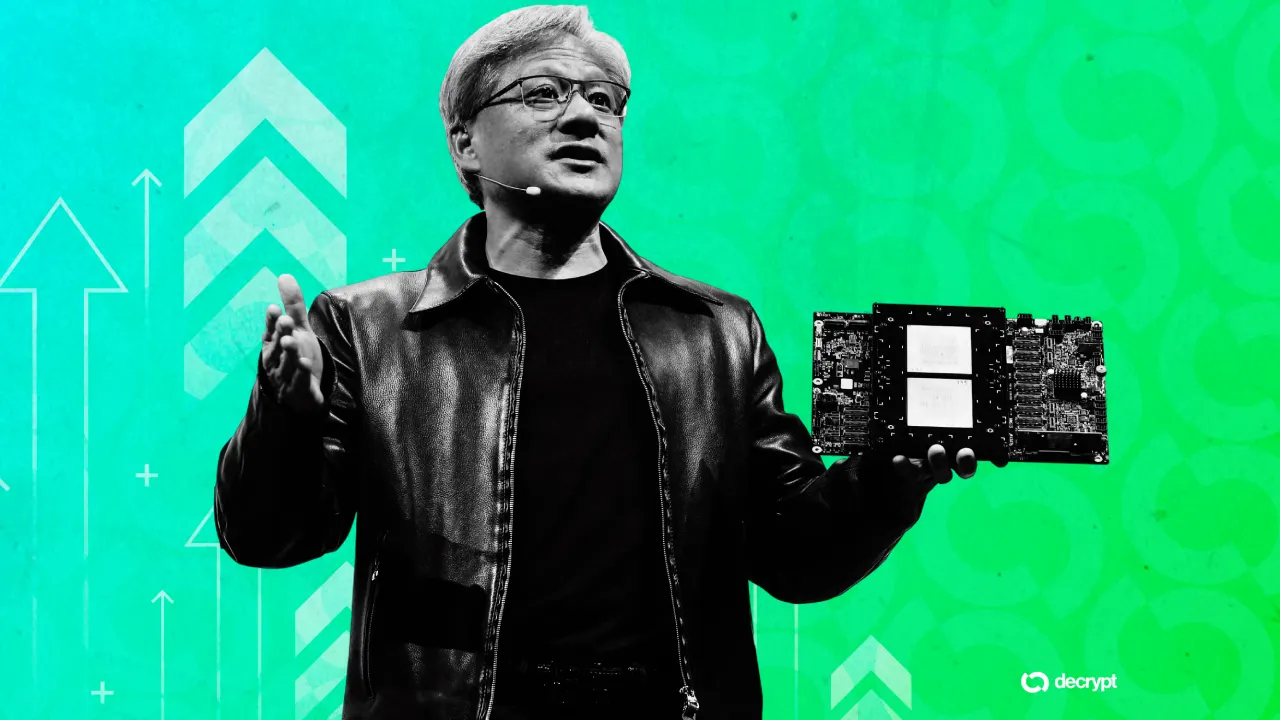
    Nvidia shares staged a recovery in after-hours trading Wednesday, following an initial dip in the wake of the chipmaker’s fiscal second-quarter earnings report.

    The stock had closed regular trading down 1.59% at $209.66, but rebounded to approximately $217 in after-hours activity, a gain of roughly 3.5% from its closing price.

    Nvidia reported a more than doubling of its quarterly revenue to $96.2 billion, surpassing the $92.27 billion average analyst estimate compiled by the Associated Press. Revenue from its Data Center segment surged 117% to $89 billion, while adjusted earnings per share came in at $2.22, exceeding the $2.09 estimate. Gross margins remained strong at 75%.

    AI Infrastructure Drives Growth

    Nvidia founder and CEO Jensen Huang attributed the quarter’s robust performance to escalating demand for artificial intelligence infrastructure.

    “AI has reached its inflection point. It’s doing useful work. Its tokens are productive and profitable. Now, compute is revenue, and demand is accelerating,” Huang stated. “This time last year, one lab alone was driving the buildout; today, we have a golden age of new AI labs and startups, multiple frontier labs scaling in parallel, a thriving open-model ecosystem and physical AI coming online—with strong momentum across the U.S. and around the world.”

    Significant Commitments for Future Demand

    According to Chief Financial Officer Colette Kress, Nvidia has secured $366 billion in multiyear commitments for artificial intelligence infrastructure, with $279 billion specifically allocated for supply and capacity. The company also disclosed up to $108.5 billion in phased guarantees, which represent potential future exposure rather than current liabilities or payments.

    “We’ve partnered with our extensive network of suppliers to secure the critical components needed to meet demand for the next several years,” Kress said in a statement. “Our commitments increased from $119 billion last quarter to $279 billion, primarily related to the procurement of memory.”

    Nvidia also reported $3.5 billion in maximum gross exposure under these agreements.

    Strategic Partnerships and Future Projects

    In August, Nvidia announced its agreement to support the development of SB Energy’s PORTS-Pike Technology Campus in Ohio. This facility is slated to house Nvidia infrastructure under long-term leases to OpenAI.

    “Each generation of NVIDIA infrastructure deployed at PORTS-Pike could represent approximately 1.5 million NVIDIA GPUs, or approximately $150 billion to $200 billion in NVIDIA revenue,” Kress noted. “Over 20 years, we expect the site can support multiple infrastructure upgrade cycles.”

    Including both arrangements, the maximum gross guarantee exposure stands at $108.5 billion. This figure signifies potential future exposure, not an immediate loss or payment.

    Outlook and Product Readiness

    Nvidia anticipates third-quarter revenue to be between $108 billion, with a margin of error of 2%. The company forecasts gross margins of 74%, plus or minus half a percentage point, a slight decrease from the 75% recorded in the second quarter.

    Shipments of Hopper data-center products to China accounted for less than 1% of Data Center revenue during the quarter.

    Despite the temporary dip in its stock price, Huang emphasized that Nvidia is actively preparing to meet future demand with its next-generation computing platform.

    “The AI infrastructure buildout is at full steam,” he stated. “Vera Rubin, now in full production, was built to power exactly this moment.”

  • شبکه نفوذ روسیه با چت‌جی‌پی‌تی متخصصان دانشگاهی جا زد

    شبکه نفوذ روسیه با چت‌جی‌پی‌تی متخصصان دانشگاهی جا زد

    گزارش اوپن‌ای‌آی: شبکه‌ای در روسیه از چت‌جی‌پی‌تی برای ترویج یک مؤسسه جعلی استفاده کرده است

    بر اساس گزارشی که روز چهارشنبه توسط اوپن‌ای‌آی منتشر شد، شبکه‌ای با منشأ روسی از چت‌جی‌پی‌تی برای تبلیغ سازمانی استفاده کرده است که خود را به عنوان یک مؤسسه آکادمیک معرفی می‌کرد.

    اوپن‌ای‌آی اعلام کرد که گروهی از حساب‌های کاربری را مسدود کرده است که اپراتورهای آن‌ها از دستورات به زبان روسی برای تولید پست‌ها و نظرات در شبکه‌های اجتماعی، عمدتاً به زبان انگلیسی، استفاده می‌کردند. آن‌ها همچنین از چت‌جی‌پی‌تی خواسته بودند تا نشانه‌هایی مبنی بر اینکه محتوا در روسیه تولید شده است را پنهان کند.

    این شرکت در گزارش خود نوشت: «اگرچه به نظر می‌رسد این کمپین به مخاطبان نسبتاً کوچکی دست یافته است، اما ساختار پیچیده آن، آن را از سایر عملیات‌های نفوذ مرتبط با روسیه که از زمان آغاز جنگ در اوکراین مختل کرده‌ایم، متمایز می‌کند.»

    اوپن‌ای‌آی افزود که از آنجایی که چت‌جی‌پی‌تی در روسیه در دسترس نیست، این گروه از شبکه‌های خصوصی مجازی (VPN) برای پنهان کردن موقعیت مکانی خود و دسترسی به این سرویس استفاده کرده است.

    این گروه از چت‌جی‌پی‌تی برای تبلیغ «مؤسسه بین‌المللی برک» (International Burke Institute) استفاده می‌کرد که ادعا می‌کرد یک گروه کارشناس مستقر در اسرائیل است. این تبلیغات از طریق پروفایل‌های رسمی و حساب‌هایی که خود را به عنوان کاربران عادی جا زده بودند، انجام می‌شد. اوپن‌ای‌آی دریافت که ۳۴ مقاله از ۳۶ مقاله‌ای که در وب‌سایت این مؤسسه بررسی کرده، کپی شده بودند و برخی از آن‌ها به نام آکادمیسین‌هایی ثبت شده بود که آن‌ها را ننوشته بودند.

    اوپن‌ای‌آی نوشت: «برخی از این مقالات سال‌ها قدمت داشتند؛ برخی دیگر به نویسندگان اشتباهی نسبت داده شده بودند. به عنوان مثال، به نظر می‌رسد مقاله‌ای درباره کریدور اقتصادی چین-پاکستان از یک اثر اصلی انتشارات دانشگاه کمبریج کپی شده بود، اما به اشتباه به استادی در دانشگاه ناتینگهام نسبت داده شده بود که تخصص او در سیاست جنوب آسیا است.»

    کمپین‌های مشابه نفوذ سیاسی نیز از هوش مصنوعی مولد استفاده کرده‌اند.

    در سال ۲۰۲۴، اوپن‌ای‌آی کمپین مجزایی مرتبط با روسیه به نام «دپل‌گر» (Doppelganger) را شناسایی کرد. این شبکه از چت‌جی‌پی‌تی برای ایجاد مقالات، پست‌های شبکه‌های اجتماعی و نظراتی استفاده می‌کرد که از روسیه تمجید کرده و به اوکراین، ناتو و ایالات متحده حمله می‌کردند.

    گروه‌های مرتبط با روسیه همچنین از چت‌جی‌پی‌تی برای عملیات‌های سایبری استفاده کرده‌اند. اوپن‌ای‌آی اعلام کرد که «فارست بلیزارد» (Forest Blizzard)، گروهی مرتبط با اطلاعات نظامی روسیه، از این چت‌بات برای تحقیق درباره اهداف، نوشتن اسکریپت‌ها و پشتیبانی از حملات فیشینگ استفاده کرده است.

    اگرچه این گروه ممکن است از دستورات به زبان روسی استفاده کرده باشد، اما اوپن‌ای‌آی کمپین مؤسسه بین‌المللی برک را به دولت روسیه نسبت نداده است.

    طبق گفته اوپن‌ای‌آی، ممکن است برخی افراد در اسرائیل این مؤسسه را در کنفرانس‌ها یا از طریق ارسال مقالات نمایندگی کرده باشند. با این حال، رابطه آن‌ها با این کمپین نامشخص باقی مانده است.

    اوپن‌ای‌آی نوشت: «ما در موقعیتی نیستیم که بتوانیم رابطه بین این افراد، مؤسسه بین‌المللی برک و اپراتورهای مستقر در روسیه را تعیین کنیم.»

  • بیل گیتس: مالیات بر ربات‌ها و مشاغل غیرقابل اخراج

    بیل گیتس: مالیات بر ربات‌ها و مشاغل غیرقابل اخراج

    بیل گیتس: مالیات بر ربات‌ها و هوش مصنوعی برای جلوگیری از بیکاری گسترده

    بیل گیتس، هم‌بنیان‌گذار مایکروسافت، معتقد است که سیستم مالیاتی فعلی کارفرمایان را به سمت جایگزینی نیروی انسانی با ماشین‌آلات سوق می‌دهد و این موضوع می‌تواند منجر به بیکاری گسترده در عصر هوش مصنوعی شود. او در مقاله‌ای با عنوان «عصر پرآشوب هوش مصنوعی فرا رسیده است. انتخاب‌های ما اکنون حیاتی هستند»، به نابرابری موجود در بازار کار اشاره کرده است: کارفرمایان هنگام استخدام یک فرد، مالیات بر حقوق و دستمزد می‌پردازند، اما ربات‌ها معمولاً بلافاصله به عنوان هزینه تجاری کسر می‌شوند.

    گیتس پیشنهاد کرده است که برای مقابله با این روند، باید مالیاتی بر «توکن‌های هوش مصنوعی» – واحدهایی که مدل‌های زبانی برای پردازش متن و داده‌ها استفاده می‌کنند – و همچنین بر خود ربات‌ها وضع شود. این ایده جدیدی نیست؛ گیتس اولین بار در سال ۲۰۱۷ این پیشنهاد را مطرح کرد، اما اقتصاددانان آن را «مالیات بر بهره‌وری در پوشش مالیات بر پیشرفت» نامیدند و رد کردند.

    با این حال، گیتس این بار بر موضع خود پافشاری می‌کند. او معتقد است که مالیات بر استفاده، مستقیماً انگیزه‌های کارفرمایان را تغییر می‌دهد، برخلاف مالیات شرکتی که تنها بر سود تأثیر می‌گذارد. او یادآور می‌شود که نیروی کار از طریق مالیات بر حقوق و دستمزد مالیات می‌پردازد، در حالی که ربات‌ها مستهلک می‌شوند و هیچ سهمی به تأمین اجتماعی نمی‌پردازند.

    مشاغلی که ماشین‌ها به آن‌ها دسترسی ندارند

    ایده دوم گیتس در این مقاله، دسته‌بندی مشاغلی است که او آن‌ها را «ذخیره انسانی» می‌نامد. این‌ها مشاغلی هستند که جامعه عمداً آن‌ها را برای انسان‌ها حفظ می‌کند، حتی اگر هوش مصنوعی بتواند آن‌ها را انجام دهد. او این ایده را با مفهوم «ذخیره‌گاه طبیعی» مقایسه می‌کند؛ مناطقی که می‌توان در آن‌ها ساخت‌وساز کرد، اما این کار انجام نمی‌شود، زیرا ارزش آنچه در آنجا وجود دارد، بیشتر از ساخت‌وساز است.

    مراقبت از کودکان و خدمت در هیئت منصفه، مثال‌های روشن گیتس هستند. او پیشتر نوشته بود که پدرش در سال ۲۰۲۰ در دوران بیماری آلزایمر تحت مراقبت شبانه‌روزی بوده و «چیزی در مراقبت‌هایی که از پدرم شد، به طور غیرقابل جایگزینی انسانی بود». آموزش و مراقبت‌های بهداشتی در طبقه‌ای میانی و مبهم‌تر قرار می‌گیرند، جایی که او انتظار دارد انسان‌ها در کنار استفاده از هوش مصنوعی برای پوشش دادن بخش‌های بیشتری از کار، همچنان حضور داشته باشند.

    گیتس در تهاجمی‌ترین شکل این ایده، حدود ۴۰ درصد از مشاغل را تحت این پوشش قرار داده و گفته است که نمی‌تواند این عدد را بیشتر کند، زیرا استدلالش فرو می‌پاشد. او همچنین این حمایت را به دو دسته تقسیم کرده است: دائمی، برای نقش‌هایی مانند مراقبت، و موقت، برای کارگرانی که نمی‌توانند به سرعت به شغل دیگری تغییر رشته دهند (مانند یک کارگر ۵۵ ساله ساختمانی که تمام عمر خود را در این حرفه گذرانده است).

    چرا گیتس معتقد است این گذار با الگوهای گذشته متفاوت است

    گیتس بخش قابل توجهی از مقاله خود را به این موضوع اختصاص داده است که مقایسه معمول با تغییرات فناورانه گذشته، در مورد هوش مصنوعی صدق نمی‌کند. او می‌گوید که گذار از کشاورزی به کارهای اداری نسل‌ها طول کشید و دسته‌بندی‌های جدیدی از نیروی کار را ایجاد کرد که نیاز به قضاوت انسانی داشت. گیتس استدلال می‌کند که هوش مصنوعی این مرحله را دور می‌زند؛ این فناوری می‌تواند مستقیماً جایگزین شناخت انسانی در حوزه‌هایی مانند حقوق، خدمات مشتری، پزشکی، نرم‌افزار و تولید شود و این کار را در عرض یک دهه انجام دهد، نه چندین دهه.

    داریو آمودئی، مدیرعامل شرکت Anthropic، نیز نسخه‌ای مشابه از این استدلال را مطرح کرده و پیش‌بینی کرده است که تا نیمی از مشاغل سطح ورودی در بخش کارمندان یقه سفید طی پنج سال آینده از بین خواهند رفت.

    داده‌های فعلی هنوز با این هشدار همخوانی ندارند. مطالعه‌ای از آزمایشگاه بودجه ییل و مؤسسه بروکینگز که در ماه اکتبر منتشر شد، هیچ نشانه‌ای از جابجایی گسترده در داده‌های اشتغال فدرال تا ماه ژوئیه نشان نداد. ردیاب جدید بیکاری ناشی از هوش مصنوعی کالیفرنیا نیز تاکنون داستان مشابهی را روایت می‌کند – هیچ موج اخراج در سطح ایالتی وجود نداشته است – اگرچه ادعاهای رو به رشد بیکاری را در میان کارگران تحصیل‌کرده در مشاغل در معرض هوش مصنوعی برجسته کرده است.

    گیتس منتظر داده‌ها ننشسته است. او گفته است: «دوست دارم متقاعد شوم که در مورد بازار کار اشتباه می‌کنم، اما اینطور نیستم.» وی افزود که اعتبار خود را بر این شرط می‌گذارد که هوش مصنوعی «برای بازار کار بسیار بد» خواهد بود.

    گیتس کل مقاله را به عنوان یک دوراهی مطرح می‌کند: هوش مصنوعی یا «بزرگترین عامل برابری‌ساز اختراع شده» خواهد شد یا «بدترین منبع بی‌عدالتی». او معتقد است که کدام یک از این دو اتفاق خواهد افتاد، در چند سال آینده و نه در چند دهه آینده تعیین خواهد شد. او خواستار ایجاد نهادهای هماهنگ‌کننده ملی جدید و یک مؤسسه بین‌المللی برای مدیریت این گذار شده است – کاری که به گفته او باید از هم اکنون آغاز شود، در حالی که مالیات ربات که او ۹ سال پیش پیشنهاد داد، هنوز منتظر دولتی است که حاضر به اجرای آن باشد.

  • دو به‌روزرسانی مهم بایننس برای معامله‌گران اتریوم و آلت‌کوین‌ها

    دو به‌روزرسانی مهم بایننس برای معامله‌گران اتریوم و آلت‌کوین‌ها

    بزرگترین صرافی ارز دیجیتال جهان به کاربران خود هشدار داد که برخی عملیات‌ها در اواخر این هفته به طور موقت متوقف خواهند شد.

    پیش از این، این صرافی از حذف سه آلت‌کوین خبر داده بود که از ابتدای سپتامبر اجرایی خواهد شد.

    این شرکت اعلام کرد که به منظور پشتیبانی از نگهداری کیف پول، در تاریخ ۲۷ اوت، واریز و برداشت در شبکه اتریوم به طور موقت متوقف خواهد شد. انتظار می‌رود این فرآیند حدود یک ساعت به طول انجامد و پس از آن عملیات از سر گرفته خواهد شد.

    مانند همیشه، بایننس اطمینان داد که تمام الزامات فنی مربوط به کاربران متأثر را مدیریت خواهد کرد و اعلام کرد که معاملات توکن‌ها در شبکه مذکور تحت تأثیر قرار نخواهد گرفت.

    به‌روزرسانی‌های این چنینی امری معمول هستند و معمولاً عوارض قابل توجهی برای مشتریان ندارند. این شرکت در ماه مه سال جاری از نگهداری کیف پول در بلاک‌چین اتریوم پشتیبانی کرد و ماه‌ها بعد نیز به طور موقت واریز و برداشت TRX را برای انجام فرآیندی مشابه متوقف کرد. هیچ گزارشی از بروز مشکل منتشر نشد و عملیات به سرعت از سر گرفته شد.

    علاوه بر پشتیبانی از چنین به‌روزرسانی‌هایی، بایننس به دلیل بررسی دقیق تمام دارایی‌های دیجیتال فهرست شده در پلتفرم خود و حذف آن‌هایی که معیارهای لازم را برآورده نمی‌کنند، از جمله تعهد تیم به پروژه، پایداری شبکه در برابر حملات، مشارکت جامعه، حجم معاملات، نقدینگی و سایر عوامل، شناخته شده است.

    در نتیجه آخرین تحلیل خود، این صرافی تصمیم گرفت تمام خدمات مربوط به ICON (ICX)، Secret (SCRT) و Storj (STORJ) را خاتمه دهد. حذف این ارزها برای سوم سپتامبر برنامه‌ریزی شده است، زمانی که تمام جفت‌های معاملاتی اسپات توکن‌های مذکور حذف خواهند شد.

    این اعلامیه کمتر از یک هفته پیش منتشر شد و از آن زمان تاکنون، سکه‌های درگیر شاهد افت‌های دردناکی بوده‌اند. به عنوان مثال، SCRT تنها در ۲۴ ساعت گذشته ۲۵ درصد دیگر سقوط کرده است.

    کاهش قیمت پس از چنین اخباری نباید تعجب‌آور باشد. در نهایت، بایننس بزرگترین صرافی ارز دیجیتال باقی می‌ماند و حذف پشتیبانی منجر به کاهش نقدینگی، کاهش دسترسی و آسیب به اعتبار می‌شود.

    اتفاق مشابهی در ابتدای ماه اوت رخ داد، زمانی که این شرکت با Across Protocol (ACX)، Hashflow (HFT)، PIVX (PIVX)، Vulcan Forged PYR (PYR)، Vanar (VANRY) و Viction (VIC) خداحافظی کرد. در آن زمان، PIVX و PYR بیشترین ضربه را متحمل شدند و هر دو در یک روز حدود ۲۰ درصد سقوط کردند.

    کاهش‌های دو رقمی در ماه ژوئن با Alchemix (ALCX)، Ardor (ARDR)، NFPrompt Token (NFP) و Marlin (POND) مشاهده شد، زمانی که بایننس نیز آن‌ها را حذف کرد.

  • سهام انویدیا پس از ثبت درآمد ۹۶.۲ میلیارد دلاری، در معاملات پس از بسته شدن بازار جهش کرد

    سهام انویدیا پس از ثبت درآمد ۹۶.۲ میلیارد دلاری، در معاملات پس از بسته شدن بازار جهش کرد

    سه شنبه شب، سهام انویدیا پس از افت اولیه در پی انتشار گزارش درآمد سه ماهه دوم مالی این شرکت، در معاملات پس از بسته شدن بازار شاهد بازگشت بود.

    این سهام در پایان معاملات عادی با ۱.۵۹ درصد کاهش به قیمت ۲۰۹.۶۶ دلار بسته شده بود، اما پس از ساعات کاری تا حدود ۲۱۷ دلار بهبود یافت که حدود ۳.۵ درصد بالاتر از قیمت پایانی آن بود.

    درآمد فصلی انویدیا با رشدی بیش از دو برابر به ۹۶.۲ میلیارد دلار رسید و از میانگین تخمین ۹۲.۲۷ میلیارد دلاری تحلیلگران که توسط آسوشیتدپرس گزارش شده بود، فراتر رفت. درآمد بخش مراکز داده ۱۱۷ درصد افزایش یافته و به ۸۹ میلیارد دلار رسید، در حالی که سود تعدیل شده هر سهم ۲.۲۲ دلار بود که از تخمین ۲.۰۹ دلاری پیشی گرفت. حاشیه سود ناخالص ۷۵ درصد باقی ماند.

    جنسن هوانگ، بنیانگذار و مدیرعامل انویدیا، رشد این فصل را به افزایش تقاضا برای زیرساخت‌های هوش مصنوعی نسبت داد:

    هوانگ در بیانیه‌ای گفت: «هوش مصنوعی به نقطه عطف خود رسیده است. این فناوری در حال انجام کارهای مفید است. توکن‌های آن مولد و سودآور هستند. اکنون، محاسبات درآمد است و تقاضا در حال شتاب گرفتن است. سال گذشته در همین زمان، تنها یک آزمایشگاه محرک ساخت و ساز بود؛ امروز، ما دوران طلایی آزمایشگاه‌ها و استارتاپ‌های جدید هوش مصنوعی، چندین آزمایشگاه پیشرو که به صورت موازی در حال مقیاس‌پذیری هستند، یک اکوسیستم قوی مدل‌های باز و هوش مصنوعی فیزیکی که در حال آنلاین شدن است را داریم – با شتاب قوی در سراسر ایالات متحده و جهان.»

    طبق گفته کو لت کرس، مدیر ارشد مالی، انویدیا ۳۶۶ میلیارد دلار تعهد چند ساله برای زیرساخت‌های هوش مصنوعی، از جمله ۲۷۹ میلیارد دلار برای عرضه و ظرفیت، انجام داده است. این شرکت همچنین تا ۱۰۸.۵ میلیارد دلار تضمین مرحله‌ای را افشا کرد که نشان‌دهنده ریسک بالقوه است تا زیان یا پرداخت‌های فعلی.

    کرس در بیانیه‌ای گفت: «ما با شبکه گسترده تامین‌کنندگان خود همکاری کرده‌ایم تا قطعات حیاتی مورد نیاز برای تامین تقاضا در چند سال آینده را تامین کنیم. تعهدات ما از ۱۱۹ میلیارد دلار در فصل گذشته به ۲۷۹ میلیارد دلار افزایش یافته است که عمدتاً مربوط به خرید حافظه است.»

    انویدیا همچنین ۳.۵ میلیارد دلار حداکثر ریسک ناخالص تحت این توافقات را گزارش کرد.

    در ماه اوت، انویدیا موافقت کرد از توسعه پردیس فناوری SB Energy’s PORTS-Pike در اوهایو حمایت کند. انتظار می‌رود این سایت میزبان زیرساخت‌های انویدیا تحت قراردادهای اجاره بلندمدت برای OpenAI باشد.

    او نوشت: «هر نسل از زیرساخت‌های انویدیا که در PORTS-Pike مستقر می‌شود، می‌تواند تقریباً ۱.۵ میلیون پردازنده گرافیکی انویدیا، یا تقریباً ۱۵۰ تا ۲۰۰ میلیارد دلار درآمد انویدیا را نشان دهد. انتظار داریم در طول ۲۰ سال، این سایت بتواند از چرخه‌های متعدد ارتقاء زیرساخت پشتیبانی کند.»

    با احتساب هر دو توافق، حداکثر ریسک تضمین ناخالص ۱۰۸.۵ میلیارد دلار است. این رقم نشان‌دهنده ریسک بالقوه است نه زیان یا پرداخت فعلی.

    انویدیا انتظار دارد درآمد سه ماهه سوم ۱۰۸ میلیارد دلار با ۲ درصد نوسان باشد. این شرکت حاشیه سود ناخالص ۷۴ درصد با نیم درصد نوسان را پیش‌بینی کرده است، در مقایسه با ۷۵ درصد در سه ماهه دوم.

    محموله‌های محصولات مراکز داده Hopper به چین کمتر از ۱ درصد از درآمد بخش مراکز داده در طول فصل را به خود اختصاص داده است.

    با وجود افت قیمت سهام، هوانگ گفت انویدیا در حال آماده‌سازی برای تامین این تقاضا با پلتفرم محاسباتی نسل بعدی خود است.

    او گفت: «ساخت و ساز زیرساخت هوش مصنوعی با تمام توان در حال انجام است. Vera Rubin که اکنون در مرحله تولید کامل است، برای تامین قدرت این لحظه ساخته شده است.»

  • Altcoin Dominance Surges to Two-Year High Amidst Shifting Crypto Market Liquidity

    Altcoin Dominance Surges to Two-Year High Amidst Shifting Crypto Market Liquidity

    Altcoins have captured a dominant share of the cryptocurrency market, with trading volume and market capitalization reaching a two-year high. This significant shift indicates a redistribution of liquidity, with altcoins attracting a larger portion of market activity compared to Bitcoin and Ethereum over the past week.

    The total altcoin market capitalization, excluding Ethereum, increased by approximately $135 billion in the past week. During the same period, Bitcoin saw a gain of nearly 25%. On the Binance exchange, altcoins reached a peak of 65% of total trading volume, a level not observed in two years. At this peak, Bitcoin constituted 21% of the volume, and Ethereum accounted for 13.6%.

    According to CryptoQuant analyst Darkfost, investor attention and capital have strongly moved toward altcoins, potentially signaling a broader resurgence of risk appetite across the market. Darkfost noted that the scale of this move highlights the rapid entry of capital into the altcoin segment. This redistribution of liquidity across the market saw altcoins attracting a larger share of trading activity than Bitcoin and Ethereum.

    Market breadth indicators also suggest a widespread rally. Altcoin Vector reported that its ‘Altcoin Impulse’ reading jumped to 93%. However, the analysis considers a breadth reading above 75% as potentially overextended, indicating that the current move could face exhaustion or a reset. This suggests a degree of uncertainty regarding the sustainability of the current altcoin surge.

    While the exact drivers are complex, some market participants point to recent announcements related to Bitcoin and legislative proposals as potential contributors to this liquidity shift. For instance, announcements made on August 19, including calls for the US to purchase Bitcoin and for Congress to pass the Clarity Act, are cited by Darkfost as having helped push liquidity into altcoins.

    In terms of historical parallels, analyst Matthew Hyland previously predicted that altcoins could deliver substantial returns, comparing the June sell-off to the March 2020 market collapse. Hyland suggested that many altcoins could recover significantly within months. However, these predictions are based on historical comparisons and carry inherent uncertainty.

    The current situation presents a complex picture for the cryptocurrency market. While the surge in altcoin activity indicates a notable shift in dynamics and potentially increased risk appetite, the high ‘Altcoin Impulse’ reading serves as a caution against potential overextension. The long-term sustainability of this altcoin dominance and the ultimate market reaction remain subjects of uncertainty.

    Why This Matters

    The materials describe a narrow update: Altcoins have experienced a surge in trading activity and market capitalization, capturing a larger share of the overall crypto market volume and value. The long-term sustainability of the altcoin rally.

    Broader Context

    Source materials place the factual news in this context: Altcoins have taken a leading role in the latest crypto market rally, as trading activity and market capitalization surged alongside Bitcoin’s sharp move higher.

  • حاکمیت حجم آلت‌کوین‌ها به اوج دو ساله رسید؛ ۱۳۵ میلیارد دلار وارد بازار شد

    حاکمیت حجم آلت‌کوین‌ها به اوج دو ساله رسید؛ ۱۳۵ میلیارد دلار وارد بازار شد

    سلطه حجم آلت‌کوین‌ها به بالاترین حد در دو سال اخیر رسید؛ ۱۳۵ میلیارد دلار سرمایه وارد بازار شد

    آلت‌کوین‌ها در رالی اخیر بازار ارزهای دیجیتال نقش پیشرو را ایفا کرده‌اند، زیرا حجم معاملات و ارزش بازار در کنار رشد چشمگیر بیت‌کوین افزایش یافته است. این تحول پس از دوره‌ای طولانی از نوسانات پایین و حجم معاملات کم رخ می‌دهد.

    به گفته دارک‌فاست، تحلیلگر CryptoQuant، توجه و سرمایه سرمایه‌گذاران به شدت به سمت آلت‌کوین‌ها متمایل شده است، “که به طور بالقوه نشان‌دهنده احیای گسترده‌تر اشتهای ریسک‌پذیری در سراسر بازار است.”

    بیت‌کوین در هفته گذشته نزدیک به ۲۵ درصد رشد داشته است، در حالی که آلت‌کوین‌ها روند کلی بازار را به طور قابل توجهی تقویت کرده‌اند. ارزش کل بازار آلت‌کوین‌ها، که با معیار Total2 و بدون احتساب اتریوم اندازه‌گیری می‌شود، در همین دوره حدود ۱۳۵ میلیارد دلار افزایش یافته است. دارک‌فاست اظهار داشت که مقیاس این حرکت نشان‌دهنده سرعت ورود سرمایه به بخش آلت‌کوین‌ها است.

    تغییر قابل توجهی نیز در حجم معاملات مشاهده شد. در صرافی بایننس، که تقریباً ۴۰ درصد از حجم معاملات آلت‌کوین‌ها را در میان صرافی‌ها به خود اختصاص می‌دهد، این توکن‌ها در اوج خود تا ۶۵ درصد از کل حجم معاملات را تشکیل دادند. در آن مقطع، بیت‌کوین تنها ۲۱ درصد از حجم را به خود اختصاص داده بود، در حالی که اتریوم ۱۳.۶ درصد بود.

    دارک‌فاست توضیح داد که آلت‌کوین‌ها در دو سال گذشته این حجم از معاملات بایننس را به خود اختصاص نداده بودند. این شکاف بین دارایی‌ها نشان‌دهنده توزیع مجدد واضح نقدینگی در سراسر بازار است، زیرا این توکن‌ها سهم بیشتری از فعالیت معاملاتی را نسبت به بیت‌کوین و اتریوم جذب کرده‌اند.

    این تغییر پس از چندین اعلامیه از سوی ترامپ در ۱۹ آگوست رخ داد، از جمله درخواست او از آمریکا برای خرید مقادیر زیادی بیت‌کوین و تصویب قانون Clarity Act توسط کنگره. دارک‌فاست گفت که این اعلامیه‌ها به هدایت نقدینگی به سمت آلت‌کوین‌ها کمک کردند.

    این قدرت همچنین در گستردگی بازار مشهود است. Altcoin Vector گزارش داد که شاخص “Altcoin Impulse” آن به ۹۳ درصد رسیده است، که نشان می‌دهد رالی به بخش بزرگی از بازار گسترش یافته است. با این حال، این شاخص بالای ۷۵ درصد را بیش از حد گسترده تلقی می‌کند، به این معنی که این حرکت ممکن است با خستگی یا بازنشانی مواجه شود.

    متیو هیلند، تحلیلگر، پیشتر پیش‌بینی کرده بود که آلت‌کوین‌ها می‌توانند بازدهی ۱۰ تا ۱۰۰۰ برابری داشته باشند و فروش ماه ژوئن را با فروپاشی بازار در مارس ۲۰۲۰ مقایسه کرده بود. هیلند گفته بود که ژوئن اساساً نسخه آلت‌کوین سقوط سال ۲۰۲۰ بوده و اتریوم، کاردانو و توکن‌های دیگر را به عنوان مثال‌هایی معرفی کرده بود که در صورت تحقق این مقایسه، می‌توانند شاهد سودهای چشمگیر باشند.

    او همچنین گفته بود که بسیاری از این توکن‌ها می‌توانند در عرض چند ماه بهبود یابند، به جای اینکه سال‌ها طول بکشد تا زمین از دست رفته را بازیابی کنند.

  • US Banking Groups Form BankChain Alliance to Develop Shared Blockchain Network

    US Banking Groups Form BankChain Alliance to Develop Shared Blockchain Network

    Thirty-nine state banking trade groups have formed the BankChain Alliance, a coalition aiming to develop a shared blockchain network for community and regional banks across the United States. The alliance intends to enable these financial institutions to adopt modern blockchain-based services, including tokenized deposits, stablecoins, programmable payments, and automated settlement, while adhering to existing regulatory standards.

    Kathy Kraninger, President and CEO of the Florida Bankers Association, is serving as the Interim Chair of the BankChain Alliance. The coalition includes associations from states such as Texas, Florida, Georgia, Pennsylvania, and Massachusetts, along with groups from smaller markets like Maine, Vermont, and Hawaii. The alliance is targeting a 2027 launch for its network.

    According to the alliance, the goal is to create an “industry-built and industry-owned network” that allows banks of all sizes to offer advanced capabilities. However, many key details remain unspecified. These include the specific technology providers, the underlying blockchain platform, the governance model, and the exact list of participating banks. The alliance has also not yet provided specifics on how tokenized deposits and stablecoins would be issued and settled on the proposed network or its interoperability.

    The formation of the BankChain Alliance occurs amidst a broader trend of exploration and development in blockchain technology within the financial sector. In October, Custodia Bank and Vantage Bank Texas introduced an interoperable tokenized-deposit platform for U.S. banks. Following this, JPMorgan launched its JPMD deposit token on the Base network in November for institutional clients. More recently, BNY announced a private, permissioned platform for tokenized deposits in January, and in July, Swift reported that 17 global banks were testing tokenized-deposit transfers outside traditional banking hours.

    The alliance’s stated objective is to help banks of all sizes adopt blockchain-based services, enabling them to continue serving their communities safely and efficiently. The success and implementation of this project, however, depend on the resolution of numerous technical, operational, and governance questions that are yet to be addressed.

    Why This Matters

    The formation of the BankChain Alliance by 39 state banking trade groups represents a significant, coordinated effort by a large segment of the US banking industry to explore and develop shared blockchain infrastructure. This initiative aims to bring advanced financial services, such as tokenized deposits and automated settlement, to community and regional banks. However, the project faces considerable uncertainty, with key details regarding technology, governance, and specific participants yet to be determined, highlighting the nascent stage of blockchain adoption in traditional finance.

    Broader Context

    This development is part of a wider trend where financial institutions and banking groups are actively investigating and implementing blockchain technology. Recent efforts include Custodia Bank and Vantage Bank Texas’s tokenized-deposit platform, JPMorgan’s JPMD deposit token, BNY’s private platform for tokenized deposits, and Swift’s testing of tokenized-deposit transfers. The BankChain Alliance’s formation signifies a collective move by numerous state banking associations to create a unified network, underscoring the growing industry interest in leveraging distributed ledger technology for core financial services.

  • RAIN Altcoin Surges 20% Daily: Drivers and Outlook

    RAIN Altcoin Surges 20% Daily: Drivers and Outlook

    Crypto Market Sees Minor Dip as RAIN Token Surges 20%

    The broader cryptocurrency market experienced a slight downturn on August 26, following a significant rally in recent days. Major digital assets including Bitcoin (BTC), Ethereum (ETH), and Ripple (XRP) all registered modest losses.

    However, the token RAIN defied this trend, experiencing a remarkable 20% surge in its valuation over a 24-hour period. This article explores the factors driving RAIN’s impressive performance and its potential future price targets.

    RAIN Leads Top Cryptocurrencies Amidst All-Time High

    RAIN emerged as the top-performing cryptocurrency among the top 100 by market capitalization on August 26. The token reached a new all-time high of nearly $0.02 before settling at its current price of $0.0176, according to CoinGecko. This surge has propelled its market capitalization to approximately $12.5 billion, positioning it as the 13th-largest digital asset.

    Token Burn and Community Governance Fuel Rally

    The primary catalyst for RAIN’s upward momentum appears to be the team’s decision to burn $108 million worth of tokens. This action was executed in direct response to a community request during the first Decentralized Autonomous Organization (DAO) governance vote.

    This significant token burn has garnered attention from various industry observers. One X user, Route 2 FI, commented that Rain Protocol is developing an infrastructure layer enabling anyone to create markets for any asset, indicating their personal investment in the project.

    Exchange Listing and Analyst Optimism

    The recent listing of RAIN on HyperliquidX, a decentralized exchange designed for trading with an on-chain order book and self-custodial settlement, is another factor believed to have positively influenced its price. An X post described HyperliquidX as a “permissionless protocol, permissionless venue.”

    Analyst AltcoinSherpa suggested that this listing should boost RAIN’s overall trading volume, citing “a lot of backing for this project.”

    Keval Gala, another X user, outlined four key reasons for his bullish outlook on RAIN: the substantial token burn, the integration with Hyperliquid, the upcoming V2 with a committed $100 million, and the allocation of 2.5% of trading volume towards buybacks and burns. Gala also noted that he is closely watching the resistance level at $0.0195 and anticipates a deeper pullback if the price falls below the $0.017-$0.018 range.

    Rain Protocol: A Decentralized Market Creation Platform

    Rain Protocol, built on the Arbitrum network, is a decentralized platform that empowers users to create permissionless options on a wide array of subjects. It allows participants to define their own markets, establish potential outcomes, and engage in free trading, aligning with the project’s core principles of transparency and user control.

    The native token, RAIN, was launched in September and is currently available on exchanges such as Gate, MEXC, and BingX. The token initially gained traction in November 2025 following a private investment deal where Enlivex Therapeutics, a clinical-stage immunotherapy company, agreed to purchase and sell $212 million in ordinary shares. Enlivex intended to utilize these funds for its RAIN prediction markets token treasury strategy. Notably, former Italian Prime Minister Matteo Renzi sits on Enlivex’s Board of Directors.

    Caution Advised Amidst Concentration Concerns

    Despite its recent strong performance, traders and investors are advised to remain prepared for a potential short-term correction. The cryptocurrency market often experiences pullbacks after periods of substantial gains. Furthermore, RAIN’s holder distribution presents a potential bearish indicator.

    Data reveals that the top 10 addresses control nearly 90% of the coin’s supply. This high level of concentration is considered a red flag, as it increases the risk of price manipulation.