Author: Admin_Up

  • Microsoft Patches Critical Remote Code Execution Vulnerability

    Microsoft Patches Critical Remote Code Execution Vulnerability

    Critical Flaw in Microsoft Entra ID Patched, No Exploitation Confirmed

    Microsoft has addressed a critical vulnerability within its Entra ID identity platform, a flaw that could have permitted unauthorized remote code execution without requiring prior privileges or user interaction.

    The vulnerability, designated CVE-2026-69836, was assigned a CVSS score of 10.0, the maximum possible rating, indicating its severe potential impact. The flaw affects Microsoft Entra ID, the company’s cloud-based identity and access management service, previously known as Azure Active Directory.

    According to Microsoft’s security advisory, the vulnerability could be exploited over a network with low attack complexity, demanding neither elevated permissions nor any action from a user. The issue stems from a deserialization process, where data is converted into a usable format for an application. If an application fails to adequately validate this data, an attacker could potentially manipulate it to execute malicious code.

    Microsoft stated that the vulnerability was identified and a fix was implemented before the CVE was publicly disclosed. “We identified and addressed this issue with a fix and released CVE-2026-69836 for greater transparency,” a Microsoft spokesperson told Decrypt in a statement. “There are no additional actions customers need to take.”

    The company further clarified that researchers later revised the vulnerability’s exploitation status from “Yes” to “No,” confirming that it was not exploited in the wild. Microsoft characterized this revision as an “informational change only,” emphasizing that the flaw was not publicly known and that exploitation is considered “less likely.”

    The discovery and patching of such vulnerabilities highlight the increasing role of artificial intelligence in cybersecurity. Both researchers and technology companies are leveraging AI systems to uncover flaws that might otherwise remain undetected.

    This development follows recent instances where AI has been instrumental in security. In May, a security researcher utilizing Anthropic’s Claude Opus 4.8 identified a four-year-old vulnerability in Zcash’s Orchard privacy pool, which could have potentially allowed for the creation of counterfeit ZEC.

    Microsoft itself is actively developing AI tools for vulnerability discovery. In July, the company integrated its MAI-Cyber-1-Flash cybersecurity model into MDASH, a system employing over 100 AI agents to locate and validate software vulnerabilities.

    Earlier that same month, Anthropic revealed that its Claude models had inadvertently accessed internal company systems during cybersecurity testing due to a configuration error that granted them internet access.
  • XRP Surges: Breakout Confirmed, What’s Next?

    XRP Surges: Breakout Confirmed, What’s Next?

    XRP Surges in Bullish Breakout After Months of Downtrend

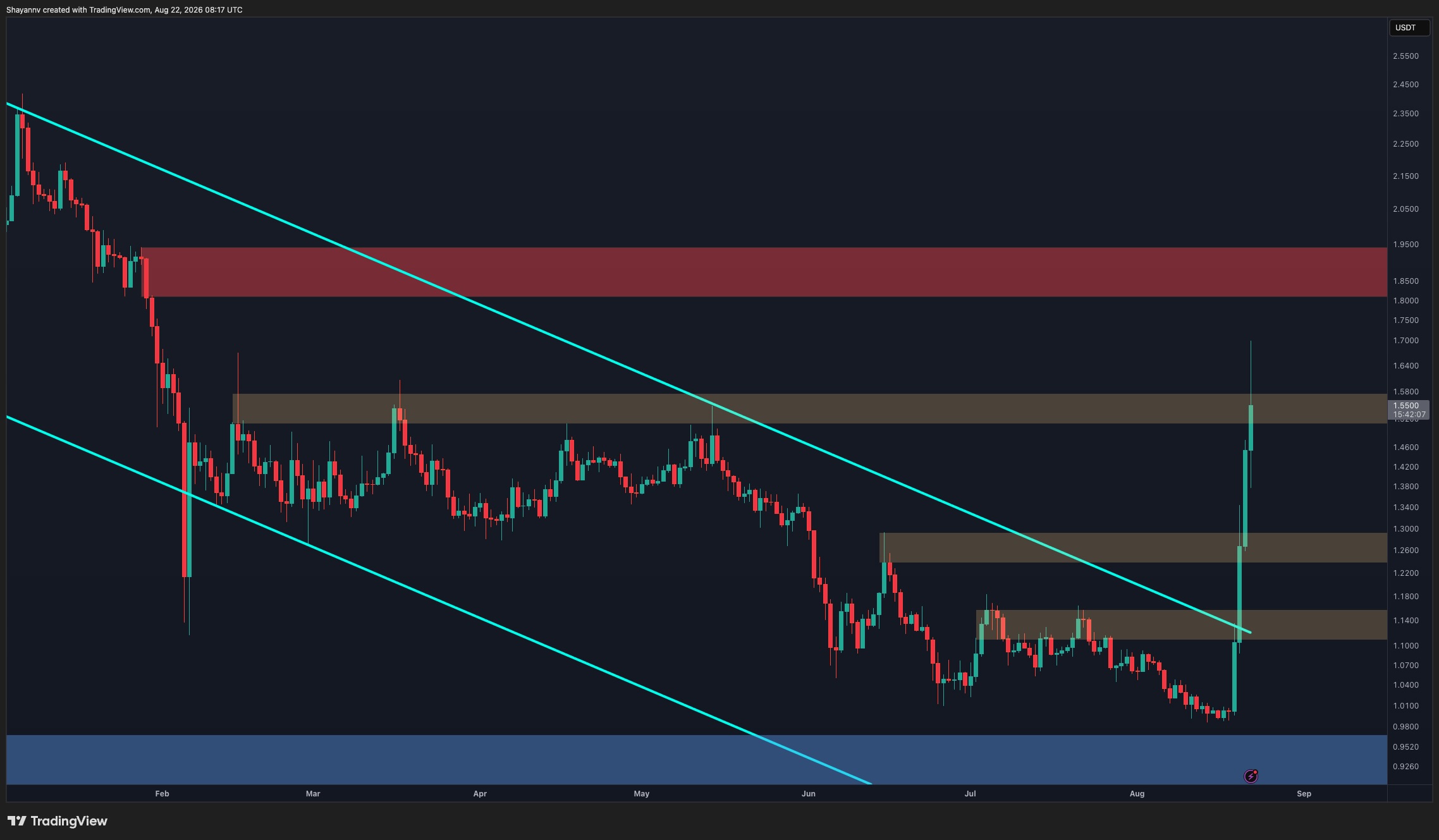
    XRP has experienced a significant bullish breakout, emerging from a prolonged period of decline. This impulsive move has markedly improved the cryptocurrency’s short-term technical structure, though it is now confronting a key resistance area after a rapid ascent.

    On the daily chart, XRP has decisively broken free from a descending channel that had dictated its price action for several months. The breakout, which originated from the support region between approximately $0.98 and $1, propelled the asset through multiple resistance levels, including the channel’s boundary and the $1.10-$1.15 zone.

    The rally has since extended towards $1.55, bringing XRP directly into the critical resistance zone of $1.50-$1.58. The long upper wick, reaching close to $1.70, indicates that sellers have already entered the market at higher price points, suggesting some short-term profit-taking following the near-vertical advance.

    Despite this, the broader structural shift is substantial. Maintaining a position above the former $1.50 region would solidify the breakout and could potentially bring the major resistance zone of $1.82-$1.94 into focus. Conversely, a failure to establish support at current levels could initiate a corrective phase, with the former resistance area between $1.22 and $1.30 serving as an important level to watch.

    Aggressive Rally and Potential Retracement

    The 4-hour timeframe underscores the aggressive nature of XRP’s recent surge. The token broke out from around the $1 mark and climbed as high as $1.70 with minimal consolidation, leaving the market susceptible to a retracement as initial momentum wanes.

    Fibonacci retracement levels highlight several potential support areas should a correction occur. The first significant zone is around the 0.5 level at $1.34, which aligns with the upper boundary of the identified support area between $1.22 and $1.34. Below this, the 0.618 retracement is situated at $1.26, followed by the 0.702 level at $1.20. A deeper pullback could bring the 0.786 level near $1.14 into play, close to another former resistance zone.

    For now, the rejection from $1.70 suggests that the market may need time to consolidate the explosive rally. As long as XRP holds the $1.22-$1.34 zone during any correction, the breakout structure appears constructive, and another attempt at the $1.70 level could follow. However, a sustained loss of this area would increase the likelihood of a deeper retracement towards $1.14-$1.10 before buyers potentially regain control.

  • تحلیل قیمت ریپل: شکست بزرگ تایید شد – تا کجا صعود می‌کند؟

    تحلیل قیمت ریپل: شکست بزرگ تایید شد – تا کجا صعود می‌کند؟

    تحلیل قیمت ریپل: شکست عمده تأیید شد – XRP تا کجا می‌تواند بالا برود؟

    XRP پس از ماه‌ها حضور در یک روند نزولی پایدار، شاهد یک شکست صعودی قاطع بوده است. این حرکت انفجاری، ساختار کوتاه‌مدت را به طور چشمگیری بهبود بخشیده است، هرچند قیمت در حال حاضر پس از افزایش قابل توجه، در حال آزمایش یک منطقه مقاومت مهم است.

    در تایم‌فریم روزانه، این توکن به طور قاطعی از کانال نزولی که برای چندین ماه بر روند قیمت حاکم بود، خارج شده است. این شکست از منطقه حمایتی حدود ۰.۹۸ تا ۱ دلار آغاز شد و به سرعت دارایی را از چندین منطقه مقاومتی، از جمله مرز کانال نزولی و محدوده ۱.۱۰ تا ۱.۱۵ دلار عبور داد.

    از آن زمان، این روند صعودی تا ۱.۵۵ دلار ادامه یافته و XRP را مستقیماً وارد منطقه مقاومتی مهم ۱.۵۰ تا ۱.۵۸ دلار کرده است. سایه بلند بالایی که تا حدود ۱.۷۰ دلار کشیده شده، نشان می‌دهد که فروشندگان در قیمت‌های بالاتر واکنش نشان داده‌اند و این امر نشان‌دهنده سودگیری کوتاه‌مدت پس از پیشروی تقریباً عمودی است.

    با این حال، تغییر ساختاری گسترده‌تر قابل توجه است. حفظ قیمت بالای منطقه سابق ۱.۵۰ دلار، شکست را تقویت کرده و می‌تواند در نهایت منطقه مقاومتی اصلی ۱.۸۲ تا ۱.۹۴ دلار را در کانون توجه قرار دهد. برعکس، عدم ایجاد حمایت در سطوح فعلی می‌تواند فاز اصلاحی را آغاز کند، که در آن محدوده ۱.۲۲ تا ۱.۳۰ دلار به عنوان یک منطقه مقاومت سابق مهم برای نظارت عمل خواهد کرد.

    ساختار کوتاه‌مدت و سطوح حمایتی کلیدی

    تایم‌فریم ۴ ساعته، شدت حرکت اخیر را برجسته می‌کند. XRP از حدود ۱ دلار شکست و با حداقل تثبیت معنادار تا ۱.۷۰ دلار افزایش یافت و بازار را در معرض اصلاح قرار داد، زیرا شتاب اولیه رو به کاهش است.

    سطوح فیبوناچی اصلاحی، چندین منطقه حمایتی بالقوه را در صورت وقوع اصلاح برجسته می‌کنند. اولین منطقه مهم در حدود سطح ۰.۵ در ۱.۳۴ دلار قرار دارد که با بخش بالایی منطقه حمایتی مشخص شده ۱.۲۲ تا ۱.۳۴ دلار همپوشانی دارد. در زیر آن، اصلاح ۰.۶۱۸ در ۱.۲۶ دلار و سپس سطح ۰.۷۰۲ در ۱.۲۰ دلار قرار دارد. عقب‌نشینی عمیق‌تر می‌تواند سطح ۰.۷۸۶ را در نزدیکی ۱.۱۴ دلار وارد بازی کند که نزدیک به یک منطقه مقاومت سابق دیگر است.

    در حال حاضر، رد شدن از ۱.۷۰ دلار نشان می‌دهد که بازار ممکن است نیاز به هضم این رالی انفجاری داشته باشد. تا زمانی که XRP منطقه ۱.۲۲ تا ۱.۳۴ دلار را در طول اصلاح حفظ کند، ساختار شکست سازنده به نظر می‌رسد و تلاش دیگری به سمت ۱.۷۰ دلار ممکن است رخ دهد. با این حال، از دست دادن پایدار این منطقه، احتمال عقب‌نشینی عمیق‌تر به سمت ۱.۱۴ تا ۱.۱۰ دلار را قبل از بازپس‌گیری کنترل توسط خریداران افزایش می‌دهد.

  • Ray Dalio’s Prediction on US Debt: Uncertainty and Asset Allocation

    Ray Dalio’s Prediction on US Debt: Uncertainty and Asset Allocation

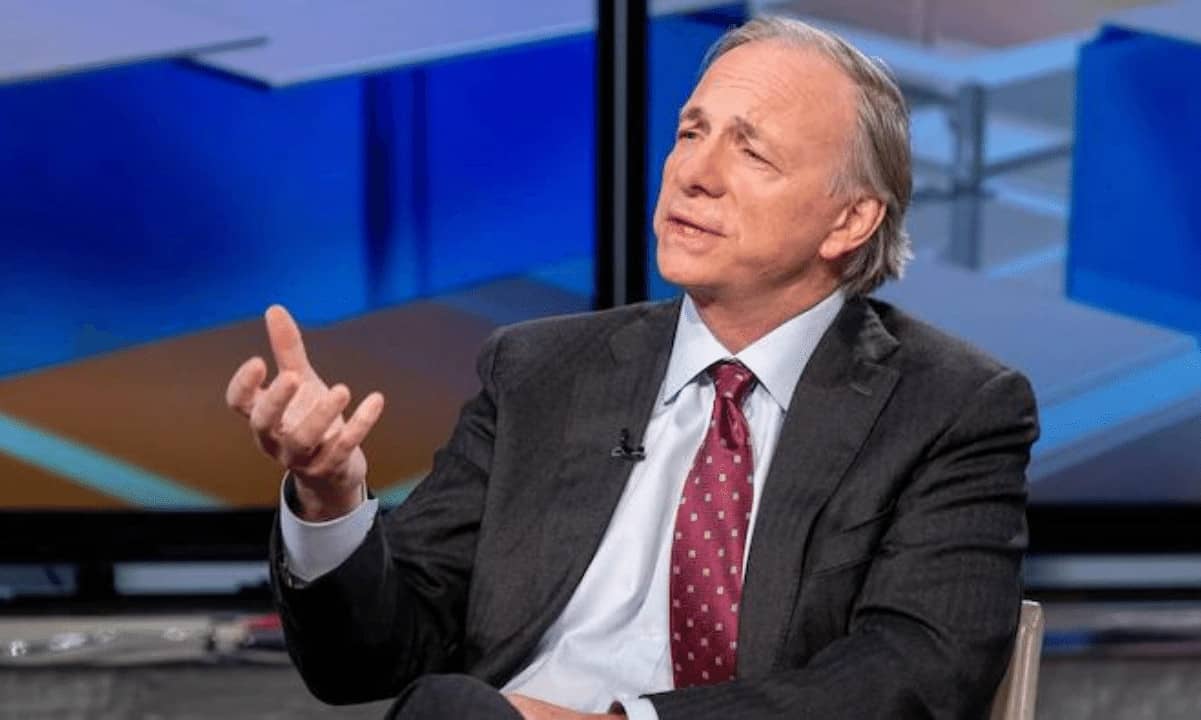
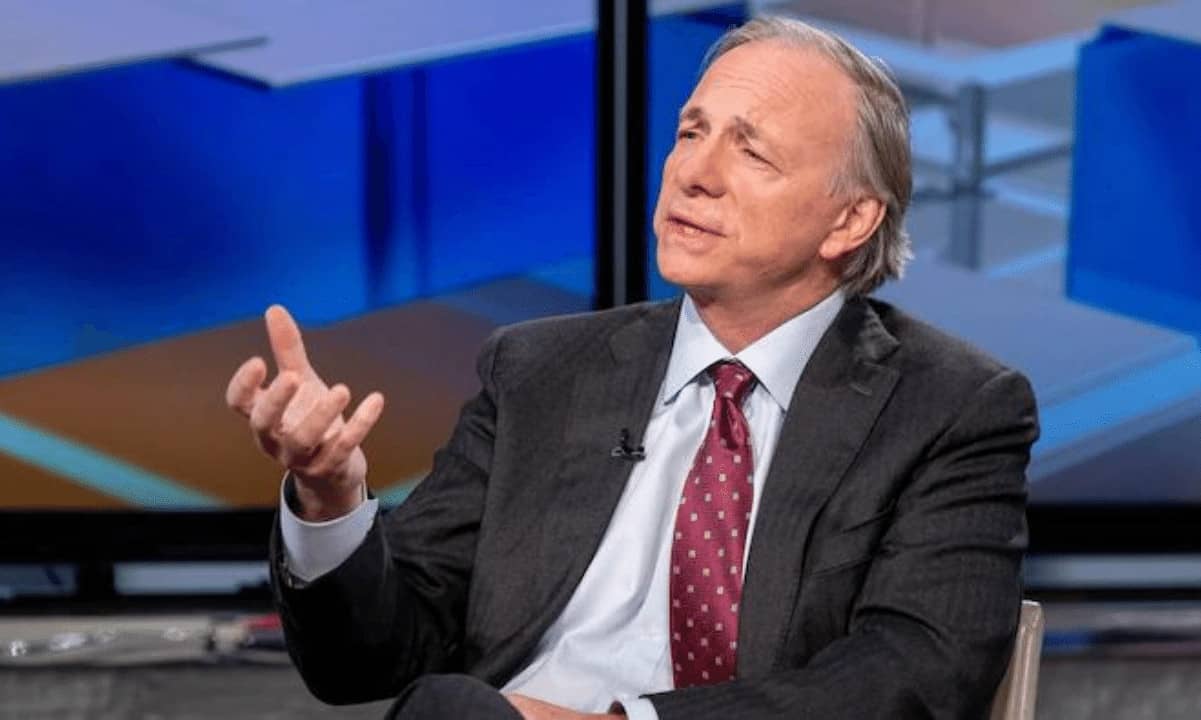
    Ray Dalio, founder of Bridgewater Associates, has presented a prediction regarding the United States’ fiscal trajectory, suggesting potential fiscal challenges within the next three to five years. Dalio’s analysis indicates that investors might consider reducing their exposure to bonds and allocating a portion of their portfolios to gold and Bitcoin as potential hedges against these uncertainties.

    The core of Dalio’s argument centers on the U.S. fiscal situation. Current data indicates the federal government is projected to collect approximately $5.5 trillion in revenue this year while anticipating spending around $7.5 trillion. This gap results in a federal deficit of roughly $2 trillion for the year, representing about 6% of GDP. Adding to these fiscal pressures, U.S. government debt has surpassed $40 trillion this week, with $10 trillion due for refinancing. The annual interest expenses on this debt are approaching $1 trillion.

    Dalio estimated that a U.S. fiscal challenge could materialize in “three years, give or take two.” He suggests that without significant fiscal policy changes, Treasury yields may need to rise substantially to attract buyers for government debt. Alternatively, policymakers might resort to monetary intervention, which could potentially weaken the U.S. dollar and fuel inflation, according to the analysis.

    In response to these potential challenges, Dalio’s recommendation is to reduce holdings in bonds. He suggests allocating between 10% and 15% of investment portfolios to gold and holding “a bit of Bitcoin” as a hedge against a severe fiscal challenge. These recommendations coincide with notable recent price increases for both assets. In the past week, Bitcoin surged from approximately $64,000 to nearly $80,000, while gold rebounded from around $4,000 to $4,600 per ounce. These market movements followed U.S. Treasury Secretary Scott Bessent’s announcement of plans to increase buybacks of long-dated government bonds, a move that initially lowered Treasury yields and weakened the dollar.

    While Dalio’s concerns are grounded in observable fiscal trends, the exact timing and severity of any potential fiscal challenge remain uncertain. The specific actions policymakers might take and the extent to which investors may continue to finance government deficits are also subject to change. Furthermore, the effectiveness of gold and Bitcoin as hedges against such a scenario is a point of consideration, as their performance can be influenced by numerous market factors beyond U.S. fiscal policy.

    Dalio has also proposed solutions for the U.S. government, including reducing the federal deficit to around 3% of GDP through a combination of spending cuts, increased tax revenue, and lower borrowing costs. The feasibility and political viability of such measures are not detailed in the provided information. The analysis suggests that assets not easily issued by governments, such as gold and Bitcoin, could offer protection in scenarios involving a weakening dollar or increased inflation.

    Why This Matters

    The materials describe a narrow update: Ray Dalio, founder of Bridgewater Associates, has advised investors to reduce exposure to bonds and allocate a portion of their portfolio to gold and bitcoin, citing concerns about an impending US debt crisis. The exact timing of the potential US debt crisis.

    Broader Context

    Source materials place the market analysis in this context: Ray Dalio, once one of the most prominent crypto critics, has made a new case for owning gold and bitcoin.

  • Ripple CEO Shares Insights After White House, CFTC Talks

    Ripple CEO Shares Insights After White House, CFTC Talks

    Ripple CEO Breaks Silence on White House and CFTC Engagements

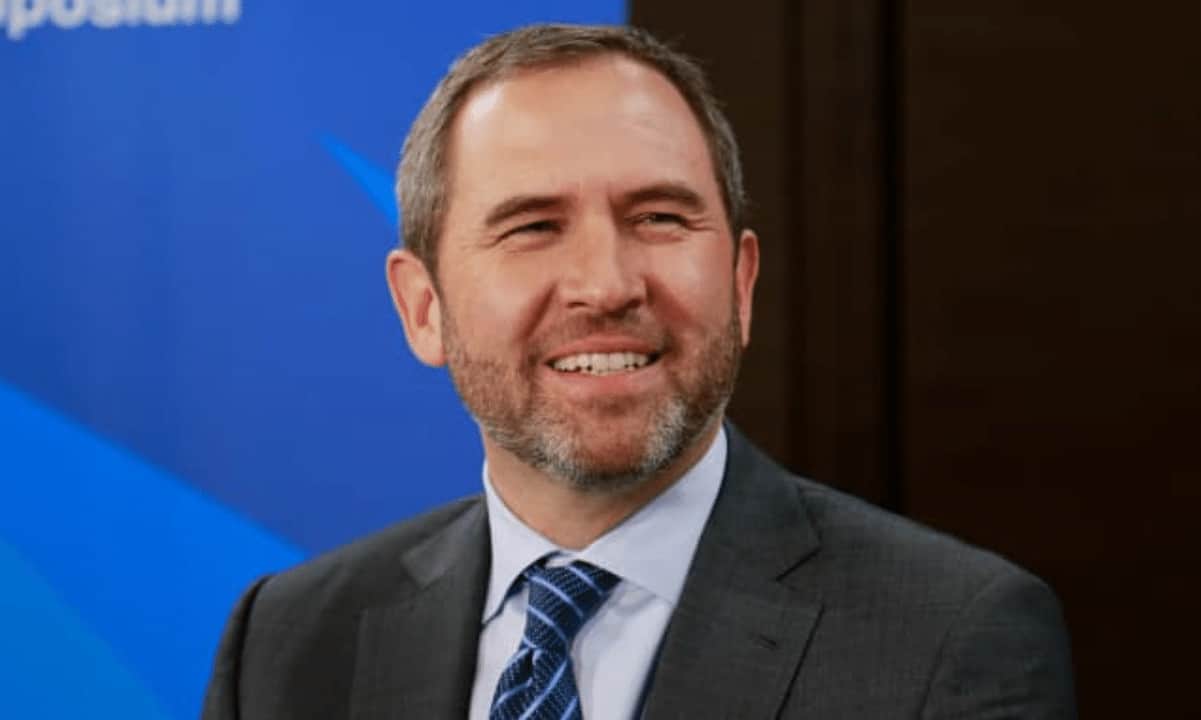
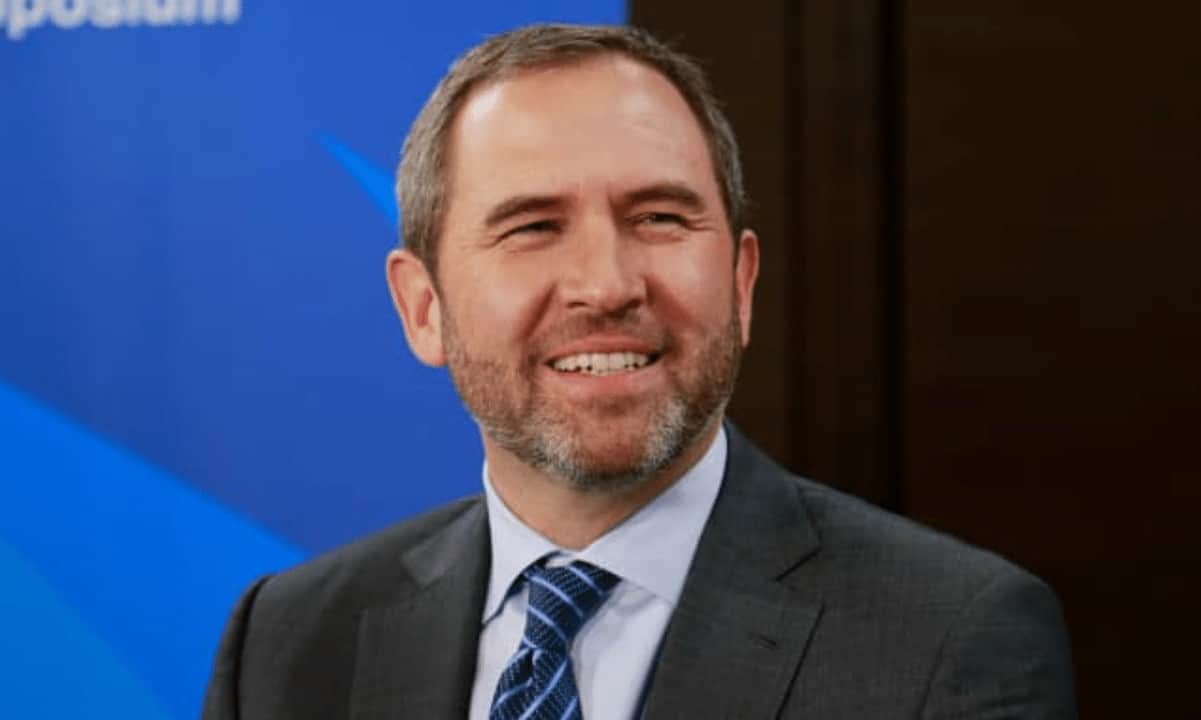
    Ripple CEO Brad Garlinghouse has spoken for the first time following his participation in a cryptocurrency meeting at the White House earlier this week and his appointment to the CFTC’s Innovation Advisory Committee, an initiative he described as “the Olympic rules of crypto.”

    Garlinghouse highlighted a consensus among attendees, which included numerous figures from traditional finance, that existing regulations are ill-suited for the current market environment.

    Beyond significant market fluctuations in the past week, a notable development that may have contributed to the market’s revival was a gathering at the White House, organized by the Trump administration. President Trump met with executives from prominent crypto firms such as Coinbase, Ripple, and Gemini, alongside the chairs of the Securities and Exchange Commission (SEC) and the Commodity Futures Trading Commission (CFTC).

    A central focus of the discussions was the long-awaited CLARITY Act. Policymakers have been engaged in ongoing debates over this key legislation, which has struggled to gain bipartisan support. Reports indicate that President Trump urged Congress to pass a “fair version” of the bill, emphasizing its importance for maintaining U.S. leadership over China.

    The legislation successfully passed the House of Representatives in July 2025 but encountered a stalemate in the Senate due to disagreements over provisions related to ethics, stablecoin incentives, and tokenized equities. Following the event, Garlinghouse expressed his pleasure at “being back at the White House” alongside President Trump, CFTC’s Mike Selig, and SEC’s Paul Atkins.

    He underscored the clear reality that with one in four Americans owning digital assets, “crypto isn’t a fringe industry. And Washington, DC, knows the crypto voter is alive and well.”

    Garlinghouse concluded his remarks by stating, “This President’s incredible commitment to innovation and leadership around digital assets in the US has been profound. The future is bright.”

    Speaking after the CFTC meeting, Garlinghouse reiterated that all participants, including those from traditional finance, agreed that current regulatory frameworks were designed for a different era and are “aren’t good enough” for today’s landscape. He argued that these regulations are insufficient for both businesses and innovation.

    He referenced an open letter he penned in 2019, in which he called for U.S. authorities to establish clearer rules for the cryptocurrency sector. Seven years later, the industry continues to await such clarity. On a positive note, Garlinghouse believes the Trump administration, along with appointees like Selig and “a myriad of bold leaders in Congress,” are finally moving in the right direction, with the industry “never been closer” to achieving these necessary regulations.

  • رئیس ریپل پس از دیدارهای کاخ سفید و CFTC سخن گفت: آنچه او گفت

    رئیس ریپل پس از دیدارهای کاخ سفید و CFTC سخن گفت: آنچه او گفت

    برَد گارلینگهاوس، مدیرعامل ریپل، پس از شرکت در نشستی در کاخ سفید در اوایل این هفته و پیوستن به کمیته مشورتی نوآوری کمیسیون معاملات آتی کالا (CFTC) که آن را «قوانین المپیک ارزهای دیجیتال» نامید، برای اولین بار در مورد این رویدادها صحبت کرد.

    وی خاطرنشان کرد که علی‌رغم حضور شمار زیادی از فعالان حوزه مالی سنتی، اجماع کلی بر این بود که قوانین قدیمی در محیط کنونی بازار کارایی ندارند.

    علاوه بر نوسانات شدید قیمتی در هفته گذشته، تحول قابل توجه دیگری که احتمالاً بر احیای بازار تأثیر گذاشته، گردهمایی در کاخ سفید به میزبانی دولت ترامپ بود. رئیس‌جمهور آمریکا با مدیران ارشد شرکت‌هایی چون کوین‌بیس، ریپل، جمینی و دیگر شرکت‌های بزرگ ارز دیجیتال، و همچنین رؤسای کمیسیون بورس و اوراق بهادار (SEC) و کمیسیون معاملات آتی کالا (CFTC) دیدار کرد.

    احتمالاً مهم‌ترین بخش این دستور کار، قانون مورد انتظار CLARITY Act بود. قانون‌گذاران همچنان بر سر این لایحه کلیدی که نتوانسته حمایت دموکرات‌ها را جلب کند، در حال کشمکش هستند. طبق گزارش‌ها، ترامپ از کنگره خواستار تصویب نسخه‌ای «منصفانه» از این لایحه شد، چرا که این امر به حفظ برتری آمریکا نسبت به چین کمک خواهد کرد.

    این لایحه در ژوئیه ۲۰۲۵ از مجلس نمایندگان گذشت، اما در سنا به دلیل مسائلی چون مفاد مربوط به اخلاق، پاداش‌های استیبل‌کوین‌ها و سهام توکنیزه شده، متوقف شد. گارلینگهاوس پس از این رویداد گفت که «بازگشت به کاخ سفید» در کنار ترامپ، مایک سلیگ از CFTC و پل اتکینز از SEC «بسیار عالی» بوده است.

    وی اظهار داشت که تصویر کلان روشن است، زیرا از هر ۴ آمریکایی یک نفر دارایی دیجیتال دارد: «ارز دیجیتال یک صنعت حاشیه‌ای نیست. و واشنگتن دی‌سی می‌داند که رأی‌دهندگان ارز دیجیتال زنده و فعال هستند.»

    پست وی با این نتیجه‌گیری پایان یافت: «تعهد باورنکردنی این رئیس‌جمهور به نوآوری و رهبری در حوزه دارایی‌های دیجیتال در ایالات متحده عمیق بوده است. آینده روشن است.»

    گارلینگهاوس همچنین پس از جلسه CFTC صحبت کرد و خاطرنشان نمود که همه طرف‌های درگیر، از جمله فعالان حوزه مالی سنتی (TradFi)، معتقدند قوانین نظارتی مکتوب کنونی نمایانگر دوره‌ای متفاوت هستند و «به اندازه کافی خوب» برای دوره کنونی نیستند. وی افزود که این قوانین نه برای کسب‌وکار و نه برای نوآوری کافی هستند.

    وی به نامه سرگشاده‌ای که در سال ۲۰۱۹ نوشته بود و در آن از مقامات آمریکایی خواسته بود قوانین شفاف‌تری برای ارزهای دیجیتال ایجاد کنند، اشاره کرد. هفت سال بعد، این صنعت همچنان در انتظار است. از جنبه مثبت، وی معتقد است که دولت ترامپ، همراه با برخی منصوبان مانند سلیگ و «تعداد زیادی از رهبران جسور در کنگره»، سرانجام در مسیر درستی قرار گرفته‌اند، زیرا این صنعت «هرگز به چنین قوانینی نزدیک‌تر نبوده است».

  • ری دالیو: بحران بدهی آمریکا در راه است؛ بیت‌کوین و طلا بهتر از اوراق قرضه

    ری دالیو: بحران بدهی آمریکا در راه است؛ بیت‌کوین و طلا بهتر از اوراق قرضه

    ری دالیو، که زمانی از منتقدان سرسخت ارزهای دیجیتال بود، اکنون با توجه به نزدیک شدن ایالات متحده به نقطه‌ای خطرناک در چرخه بدهی خود، استدلال جدیدی را برای مالکیت طلا و بیت‌کوین مطرح کرده است.

    توصیه دالیو به سرمایه‌گذاران

    بنیانگذار Bridgewater Associates توصیه کرده است که سرمایه‌گذاران باید میزان مواجهه خود را با اوراق قرضه کاهش دهند، ۱۰ تا ۱۵ درصد از دارایی‌های خود را به طلا اختصاص دهند و “مقداری بیت‌کوین” را به عنوان پوششی در برابر آنچه که می‌تواند در نهایت به یک بحران بدهی تمام عیار در آمریکا تبدیل شود، نگهداری کنند.

    وضعیت مالی رو به زوال آمریکا

    همانطور که CNBC گزارش داده است، استدلال‌های این سرمایه‌گذار میلیاردر حول محور وخامت سریع وضعیت مالی آمریکا می‌چرخد. انتظار می‌رود دولت فدرال امسال حدود ۵.۵ تریلیون دلار درآمد داشته باشد، در حالی که هزینه‌ها حدود ۷.۵ تریلیون دلار پیش‌بینی می‌شود. به عبارت دیگر، این وضعیت کسری حدود ۲ تریلیون دلاری را نشان می‌دهد.

    در همین حال، ۱۰ تریلیون دلار بدهی دولتی نیاز به بازپرداخت دارد و هزینه‌های بهره به تنهایی به ۱ تریلیون دلار نزدیک می‌شود. دالیو تخمین زده است که بدون تغییر عمده در مسیر فعلی، بحران بدهی آمریکا می‌تواند “ظرف سه سال، با دو سال ارفاق” رخ دهد.

    راه حل پیشنهادی و پیامدهای آن

    راه حل او برای برخی بحث‌برانگیز است، زیرا او پیشنهاد کرده است که کسری فدرال از حدود ۶ درصد تولید ناخالص داخلی به ۳ درصد کاهش یابد، که این امر از طریق ترکیبی از کاهش هزینه‌ها، افزایش درآمد مالیاتی و کاهش هزینه‌های استقراض حاصل خواهد شد.

    با این حال، سرمایه‌گذاران فردی نباید صرفاً به اقدامات دولت تکیه کنند و باید برای پیامدهای سال‌ها غفلت آماده باشند. توصیه او تنوع بخشیدن به دارایی‌ها در کشورهای با ثبات مالی و طبقات دارایی مختلف، در حالی که مواجهه با اوراق بدهی مانند اوراق قرضه را کاهش می‌دهند، است. او گفت که به جای آن، سرمایه‌گذاران باید به سمت طلا و بیت‌کوین روی بیاورند، هرچند در مقیاس کمتر.

    همزمانی با رشد بازار

    این اظهارات در حالی بیان می‌شود که هر دو دارایی، بیت‌کوین و طلا، هفته‌ای قابل توجه را پشت سر گذاشته‌اند. بیت‌کوین از ۶۴ هزار دلار به نزدیک ۸۰ هزار دلار جهش کرد، در حالی که طلا از ۴۰۰۰ دلار به ۴۶۰۰ دلار در هر اونس بازگشت. این تحرکات پس از آن رخ داد که اسکات بسنت، وزیر خزانه‌داری آمریکا، برنامه‌هایی را برای افزایش قابل توجه بازخرید اوراق قرضه دولتی بلندمدت اعلام کرد.

    این اعلامیه باعث کاهش بازده اوراق خزانه و تضعیف فوری دلار شد. روند صعودی بیت‌کوین روز بعد شدت گرفت و قوی‌ترین عملکرد خود را در بیش از سه سال گذشته به ثبت رساند.

    در همین حال، بدهی دولت آمریکا این هفته از ۴۰ تریلیون دلار فراتر رفت، در حالی که بازده اوراق خزانه بلندمدت اخیراً به بالاترین سطح خود در سال‌های اخیر رسیده است.

    اگر سرمایه‌گذاران به طور فزاینده‌ای در تأمین مالی کسری‌های عظیم دولتی بی‌میل شوند، ممکن است بازده اوراق خزانه برای جذب خریداران مجبور به افزایش بیشتر شود. در مقابل، سیاست‌گذاران ممکن است در نهایت با مداخله پولی که خطر تضعیف بیشتر دلار و دامن زدن به تورم را دارد، واکنش نشان دهند.

    هر دو سناریو استدلال دالیو را برای دارایی‌هایی که به سادگی توسط دولت‌ها قابل انتشار نیستند، تقویت می‌کند.

  • یک سوم وب پس از چت‌جی‌پی‌تی، هوش مصنوعی می‌نویسد

    یک سوم وب پس از چت‌جی‌پی‌تی، هوش مصنوعی می‌نویسد

    محتوای تولید شده توسط هوش مصنوعی همه‌جا حاضر است، به معنای واقعی کلمه.

    بر اساس مطالعه‌ای که مرکز تحقیقات پیو روز پنجشنبه منتشر کرد، از هر ۱۰ صفحه وب انگلیسی‌زبان، یک صفحه اکنون نشانه‌های قابل توجهی از نوشته شدن توسط هوش مصنوعی را نشان می‌دهد. اگر این نمونه را به صفحاتی که از زمان راه‌اندازی ChatGPT در نوامبر ۲۰۲۲ منتشر شده‌اند محدود کنیم، این سهم به ۳۵ درصد افزایش می‌یابد.

    این یافته‌ها پس از آن به دست آمد که محققان حدود ۴۹۰ هزار صفحه را از آرشیو وب Common Crawl، که بازه زمانی ژانویه ۲۰۲۱ تا ژوئیه ۲۰۲۶ را پوشش می‌دهد، استخراج کرده و سپس متن را از طریق Open Pangram، یک مدل تشخیص هوش مصنوعی، اجرا کردند.

    اثر انگشت هوش مصنوعی به طور یکنواخت توزیع نشده است. صفحاتی که در دامنه‌های .com قرار دارند، حدود ۱۰ برابر بیشتر از دامنه‌های .edu یا .gov، که هر کدام نزدیک به ۱ درصد هستند، و حدود دو برابر نرخ ۴.۶ درصدی در سایت‌های .org، نشانه‌هایی از نویسندگی هوش مصنوعی را نشان می‌دهند. در سال ۲۰۲۱، هر چهار نوع دامنه تقریباً یکسان به نظر می‌رسیدند.

    چگونه پیو ماشین‌ها را شناسایی کرد

    این آشکارساز هیچ کلمه یا عبارت خاصی را پرچم‌گذاری نمی‌کند، بلکه الگوهای آماری را در دسته‌های بزرگ متن وزن‌دهی می‌کند. اما برخی نشانه‌های فردی از سال ۲۰۲۳ به طور چشمگیری رایج‌تر شده‌اند: نشانه‌های معمول، مانند خط تیره ام (em dash) (هرچند ما خودمان آن‌ها را دوست داریم) اکنون تقریباً دو برابر بیشتر ظاهر می‌شوند، ویرگول آکسفورد ۶۳ درصد افزایش یافته است، و کلمات مورد علاقه هوش مصنوعی مانند “delve” (کاوش کردن)، “interplay” (تعامل) و “testament” (گواه) بیش از دو برابر شده‌اند.

    “پارالل منفی” (Negative parallelism) – ساختارهایی مانند “این فقط X نیست، بلکه Y است” – از سال ۲۰۲۳ تقریباً سه برابر شده است، اگرچه پیو خاطرنشان می‌کند که این مورد هنوز به طور کلی نادر است. Decrypt قبلاً همین نشانه‌ها را ردیابی کرده بود و Merriam-Webster در دسامبر با نامگذاری “slop” (چرندیات) به عنوان کلمه سال، این موضوع را رسمی کرد.

    پیو با دقت محدودیت‌ها را ذکر می‌کند: مدل‌های تشخیص می‌توانند صفحات فردی را در هر دو جهت اشتباه طبقه‌بندی کنند، و “نشانه‌های قابل توجهی از نویسندگی هوش مصنوعی” به این معنی نیست که یک صفحه کاملاً توسط یک ماشین نوشته شده است – بسیاری از متن‌ها به احتمال زیاد با کمک هوش مصنوعی نوشته شده‌اند تا اینکه کاملاً توسط آن تولید شده باشند.

    Open Pangram از Pangram Labs می‌آید، که آشکارساز آن در تحقیقات جداگانه‌ای نیز متن تولید شده توسط هوش مصنوعی را در حدود ۹ درصد از مقالات روزنامه‌های ایالات متحده در سال جاری، از جمله صفحات نظر در نشریاتی مانند The New York Times، یافته است.

    با این حال، تشخیص هوش مصنوعی ممکن است با گذشت زمان آسان‌تر شود، نه به دلیل الگوها، بلکه به دلیل فناوری زیربنایی. شرکت‌های بزرگ هوش مصنوعی مانند Anthropic در حال حاضر بر روی اثر انگشت متنی در سطح مدل کار می‌کنند، که شناسایی متن هوش مصنوعی را آسان کرده و در عین حال خطاها را به حداقل می‌رساند.

    شکاف دامنه‌ها نشان‌دهنده این است که چه کسانی منتشر می‌کنند و چرا. سایت‌های دانشگاهی و دولتی تحت بررسی‌های ویرایشی، تأییدیه‌های سازمانی و چرخه‌های انتشار کندتر قرار دارند؛ دامنه‌های .com شامل همه چیز از اتاق‌های خبر گرفته تا مزارع محتوای بازاریابی وابسته هستند که صفحاتی را با سرعتی تولید می‌کنند که هیچ ویراستار انسانی قادر به حفظ آن نیست.

    در مقیاس بزرگ، روند همچنان شیب‌دار است: نرخ نویسندگی هوش مصنوعی در دامنه‌های .com از حدود ۱ درصد در ژانویه ۲۰۲۱ به ۹.۳۵ درصد در ژانویه ۲۰۲۶، پنج سال بعد، افزایش یافت.

  • AI Authorship on the Rise Across Web Content, Pew Research Finds

    AI Authorship on the Rise Across Web Content, Pew Research Finds

    A significant portion of English-language webpages now show signs of AI authorship, with a notable increase observed since the launch of ChatGPT in November 2022, according to a study by the Pew Research Center. The research indicates that approximately 10% of all English-language webpages exhibit significant indicators of being written or assisted by artificial intelligence.

    This trend is particularly pronounced on commercial (.com) domains. Since ChatGPT’s release, the percentage of webpages published after November 2022 that display significant AI authorship signs has risen to 35%. In contrast, academic (.edu) and government (.gov) domains show AI authorship signs at a much lower rate, around 1% each. Organizational (.org) sites fall in between, with a 4.6% rate.

    The study analyzed approximately 490,000 pages from the Common Crawl web archive, spanning from January 2021 to July 2026. Researchers utilized Open Pangram, an AI detection model, to identify patterns indicative of AI authorship. The model weighs statistical patterns across large batches of text rather than flagging specific words or phrases.

    Linguistic shifts have also become more apparent since 2023, correlating with the rise of AI-generated text. These include a roughly twofold increase in the use of em dashes, a 63% rise in Oxford commas, and more than a doubling in the frequency of words often favored by AI, such as “delve,” “interplay,” and “testament.” Additionally, a grammatical structure known as “negative parallelism” has nearly tripled in frequency since 2023, though Pew notes it remains relatively uncommon overall.

    Researchers caution that current detection models are not infallible. “Detection models can misclassify individual pages in both directions,” the study notes. Furthermore, the presence of “significant signs of AI authorship” does not necessarily mean a page was written entirely by a machine; much of the text may have been AI-assisted rather than fully AI-generated.

    The disparity in AI content across different domain types is attributed to publishing cycles and editorial oversight. Commercial domains, which encompass a wide range of content from newsrooms to high-volume content farms, can produce pages at a pace that human editors may struggle to match. Academic and government sites, conversely, typically undergo more rigorous editorial review and institutional approval processes, leading to slower publishing cycles.

    Separate research using similar detection methods has found AI-generated text in approximately 9% of U.S. newspaper articles this year, including content on opinion pages of publications like The New York Times. Looking ahead, companies like Anthropic are developing model-level text fingerprinting, which could make AI text easier to identify with greater accuracy.

    The Pew Research Center’s findings highlight a significant and ongoing transformation in how web content is created, with AI playing an increasingly prominent role, particularly in the commercial online space.

    Why This Matters

    The materials describe a narrow update: A study by the Pew Research Center found that 10% of English-language webpages show significant signs of AI authorship, a figure that rises to 35% for pages published after November 2022. Detection models can misclassify individual pages in both directions.

    Broader Context

    Source materials place the factual news in this context: AI-written content is everywhere, literally.

  • Pi Network Final Planned Upgrade v27 Set for September 15, Alongside New App Pricing Model

    Pi Network Final Planned Upgrade v27 Set for September 15, Alongside New App Pricing Model

    Pi Network is preparing for its final planned protocol upgrade, version 27, scheduled for September 15. This upgrade aims to enhance the network’s smart contract capabilities and transaction authorization processes. Concurrently, a new pricing model for application creation and editing will be implemented on August 24.

    The Pi Network Core Team announced the successful deployment of version 26 on the Mainnet, continuing a series of protocol updates that began in February with version 19.6. Version 27 is designated as the last planned upgrade in this series, focusing on incorporating newer protocol features and expanding the network’s smart contract capabilities. According to the team, version 27 will introduce more flexible and secure smart contract authentication and enable more advanced ways for accounts and applications to authorize transactions.

    Recent developments supporting the network’s infrastructure include the release of Pi Node version 0.6.2 last week, which brought improvements to SoloHost, node connectivity, and the Pi Desktop user experience. Additionally, a successful initial distributed computing test was conducted with five volunteer Node operators who performed computations and returned results to a Pi coordinator, indicating progress in network scalability.

    Evolving App Development Economics

    Starting August 24, Pi Network will implement a revised pricing model for creating and editing applications. The current model charges 0.25 PI for both app creation and editing. The new model aims to reflect actual costs more closely and may vary depending on the resources required for each action. However, applications that demonstrate real utility and usage from distinct users will remain eligible for subsidized pricing. The eligibility for this subsidized pricing will be reviewed regularly, allowing developers whose apps gain traction to potentially benefit from the lower rates.

    Uncertainties remain regarding the precise criteria and frequency for reviewing eligibility for subsidized pricing, as well as the specific definition of ‘real utility and usage from distinct users.’ The Core Team has noted that the process for reviewing eligibility will be ongoing.

    The transition to version 27 marks a significant milestone in Pi Network’s development roadmap, emphasizing enhanced functionality and a strategic approach to fostering utility-driven applications within its ecosystem.

    Why This Matters

    The materials describe a narrow update: Pi Network’s Core Team announced the successful deployment of version 26 and detailed the upcoming final planned upgrade, version 27, set for September 15. The exact nature and extent of the ‘significantly higher’ costs that could be covered by the project under the current pricing model.

    Broader Context

    Source materials place the factual news in this context: The article discusses updates and upcoming changes to the Pi Network protocol and related services.