Blog

  • IMF Approves $138 Million Disbursement to El Salvador, Grants Waiver for Bitcoin Accumulation Condition

    IMF Approves $138 Million Disbursement to El Salvador, Grants Waiver for Bitcoin Accumulation Condition

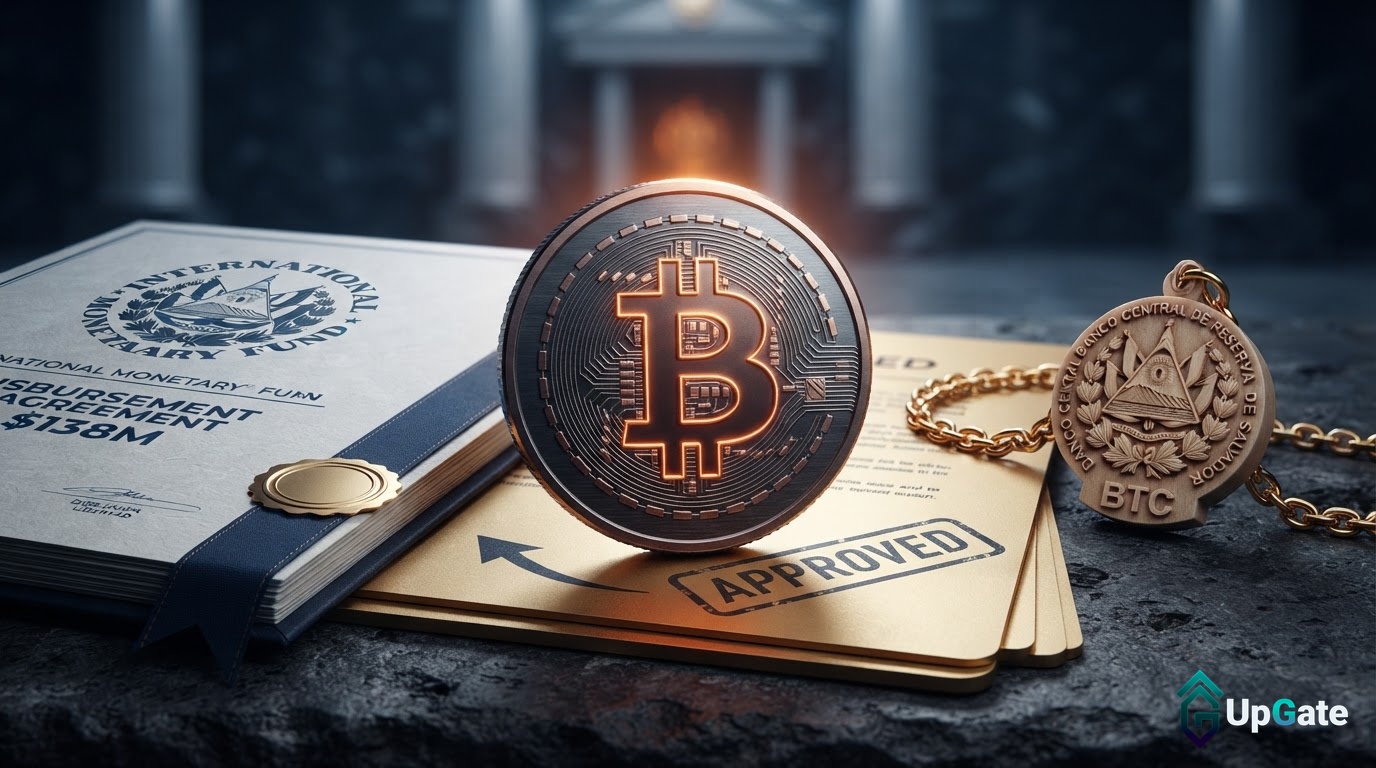
    The International Monetary Fund (IMF) has approved a $138 million disbursement to El Salvador, granting a waiver for the country’s failure to meet a condition related to Bitcoin accumulation. The IMF Executive Board completed the second and third reviews of El Salvador’s Extended Fund Facility program on October 1, leading to the approval of the funds.

    According to the IMF, El Salvador received a waiver for not meeting a specific condition concerning its Bitcoin accumulation. The IMF cited corrective measures and renewed commitments from Salvadoran authorities as the basis for this waiver. Under the latest program commitments, El Salvador is not expected to accumulate more Bitcoin beyond documented donations.

    The IMF also stated that the government is actively working to reduce its role in Bitcoin-related activities. This includes plans to enhance transparency around public-sector crypto holdings and strengthen regulations governing crypto-asset companies. “Efforts will continue to reduce the state’s involvement in Bitcoin-related activities, strengthen crypto‑asset regulation and governance, and enhance transparency regarding public-sector crypto‑asset holdings. No further Bitcoin accumulation is envisaged beyond the documented donations,” the IMF noted.

    In line with these commitments, majority ownership and control of El Salvador’s Chivo digital wallet have been transferred to a private operator. The IMF indicated that the remaining public-sector exposure related to Bitcoin should eventually be unwound.

    The IMF’s decision comes as El Salvador’s economy has shown better-than-expected performance, attributed to improved security and stronger investor confidence. The country has also made progress in reducing fiscal imbalances, with strengthened reserve and liquidity buffers, and fiscal consolidation broadly staying on track.

    Despite these developments, the IMF highlighted that El Salvador still needs to implement further reforms to bolster public finances, rebuild external reserves, and enhance financial-sector resilience. Pension and civil service reforms, which experienced earlier delays, are also expected to move forward.

    The IMF emphasized the importance of stronger governance and greater transparency, calling for improvements in areas such as public-sector reporting, beneficial ownership disclosures, asset declarations, and anti-money laundering rules. These reforms are considered crucial for maintaining economic stability.

    El Salvador agreed to a 40-month IMF program in February 2025, which provides for total access of approximately $1.4 billion. The IMF’s review and disbursement are part of this ongoing program.

    Uncertainties remain regarding the exact timeline for the unwinding of the remaining public-sector exposure in the Chivo digital wallet and the specific details and impact of future pension and civil service reforms.

    This IMF disbursement and waiver are significant as they underscore El Salvador’s commitment to reducing its involvement in Bitcoin-related activities and strengthening its regulatory framework. The approval, despite a missed condition, highlights the IMF’s recognition of corrective measures and renewed commitments from the Salvadoran authorities, signaling a path towards greater financial stability contingent on further reforms and enhanced governance.

    Why This Matters

    The materials describe a narrow update: The IMF Executive Board completed the second and third reviews of El Salvador’s Extended Fund Facility program, approving a $138 million disbursement. The exact timeline for the unwinding of remaining public-sector exposure in the Chivo digital wallet.

    Broader Context

    Source materials place the factual news in this context: El Salvador’s Extended Fund Facility program.


  • XRP Poised for Astonishing Year-End Surge, Predicts Claude AI

    XRP Poised for Astonishing Year-End Surge, Predicts Claude AI

    Claude AI has projected a dramatic surge for XRP by January 1, 2027, with a potential peak of $25 and a speculative “blow-off top” target of $35, contingent on a highly specific catalyst emerging for the XRP community. Currently trading at $1.49, a rise to $25 would represent an approximately 16.8-fold increase from its present value, implying a market capitalization of around $1.6 trillion, assuming a circulating supply of roughly 65 billion XRP.

    While this figure is substantial, it is not mathematically impossible within an extreme cryptocurrency mania scenario. The hypothetical catalyst identified by Claude AI involves widespread institutional adoption.

    In this speculative scenario, a major global payments consortium would announce XRP’s adoption as a neutral bridge asset. This would go beyond Ripple’s current use of XRP for specific corridors, envisioning a simultaneous commercial settlement announcement from 10 to 20 major banks and payment networks.

    Such a development would fundamentally alter the investment narrative for XRP, positioning it as an institutional “third asset” alongside Bitcoin and Ethereum. The infrastructure for XRP Exchange Traded Funds (ETFs) already exists, with US XRP ETFs collectively holding approximately 1.19 billion XRP, valued at around $1.77 billion, according to CoinGlass data.

    The potential for pension funds and wealth managers to allocate even a small portion of their portfolios to XRP, coupled with a significant XRP-based settlement initiative from Ripple, could be transformative.

    If financial institutions began maintaining substantial XRP liquidity reserves for cross-border settlements, the prevailing sentiment would shift from “XRP could be useful” to “XRP liquidity is essential.” This could ignite a significant price surge driven by fear of missing out (FOMO), ETF inflows, and institutional buying, rather than a gradual appreciation.

    Technical Outlook

    Despite the bullish predictions, the current chart does not yet reflect a trajectory towards $25. XRP is trading around $1.49, with its 50-day moving average near $1.497 and the Relative Strength Index (RSI) at approximately 47.5, indicating a neutral rather than overbought condition.

    This neutral stance is, in fact, a prerequisite for constructing a speculative parabolic scenario. XRP has been consolidating around the $1.50 mark. The immediate technical challenge involves reclaiming and sustaining levels between $1.50 and $1.55, followed by a decisive breakout above the previous major resistance zone.

    Following this, key price levels to watch would be $2, the all-time high of $3.65, and the psychologically significant $5 mark. A firm break above $3.65 would be particularly noteworthy, propelling XRP into genuine price discovery territory where traditional resistance fades, and factors like Fibonacci extensions, market-cap comparisons, and momentum become more influential.

    In the most optimistic scenario, a breakout above approximately $5, followed by a successful retest, could generate reflexive momentum propelling XRP towards $10, $15, and eventually beyond $20 at a pace that conventional valuation models would not predict.

    XRP has maintained support near $1.47, but a move to $25 would necessitate buyers overcoming significant resistance and establishing sustained upward momentum. This represents a substantial upside potential, not an unlimited trajectory.

    Emerging Infrastructure Projects

    For investors looking beyond large-cap cryptocurrencies, early-stage infrastructure projects offer a different risk-reward profile and a less extensive price history.

    LiquidChain ($LIQUID), a Layer 3 project, is positioning itself as “The Cross-Chain Liquidity Layer,” aiming to consolidate liquidity from Bitcoin, Ethereum, and Solana within a single execution environment.

    Its key features include a Unified Liquidity Layer, Single-Step Execution, Verifiable Settlement, and a Deploy-Once Architecture, allowing developers to deploy applications once and access all three major ecosystems.

    The project’s presale is priced at $0.014963, having already raised $980,000. Additionally, a staking offering with an annual percentage yield (APY) of 1100% is available exclusively to presale participants.

  • هوش مصنوعی کلود: پایان شگفت‌انگیز سال برای XRP

    هوش مصنوعی کلود: پایان شگفت‌انگیز سال برای XRP

    پیش‌بینی شگفت‌انگیز کلود ای‌آی برای XRP: رسیدن به ۲۵ دلار تا سال ۲۰۲۷؟

    هوش مصنوعی کلود ای‌آی (Claude AI) پیش‌بینی کرده است که تا اول ژانویه ۲۰۲۷، قیمت XRP در صورت تحقق یک کاتالیزور بسیار خاص برای جامعه ریپل (Ripple)، می‌تواند به ۲۵ دلار برسد و حتی سقف نهایی آن به ۳۵ دلار افزایش یابد. در حال حاضر، XRP با قیمت ۱.۴۹ دلار معامله می‌شود که در ۲۴ ساعت گذشته ۰.۵ درصد افزایش داشته است. این بدان معناست که برای رسیدن به ۲۵ دلار، قیمت XRP باید حدود ۱۶.۸ برابر افزایش یابد و با فرض حدود ۶۵ میلیارد XRP در گردش، ارزش بازار آن به حدود ۱.۶ تریلیون دلار خواهد رسید.

    این رقم بسیار چشمگیر است، اما در سناریوی واقعی شیدایی ارزهای دیجیتال، از نظر ریاضی غیرممکن نیست. کاتالیزور فرضی که کلود ای‌آی به آن اشاره کرده، پذیرش کامل توسط نهادهای مالی بزرگ است.

    در این سناریوی فرضی، یک کنسرسیوم بزرگ پرداخت جهانی اعلام می‌کند که XRP به عنوان یک دارایی پل خنثی مورد استفاده قرار خواهد گرفت. این فراتر از استفاده ریپل از XRP برای برخی مسیرهای خاص است؛ تصور کنید ۱۰ تا ۲۰ بانک یا شبکه پرداخت بزرگ به طور همزمان استفاده تجاری از XRP را اعلام کنند.

    این امر روایت سرمایه‌گذاری را کاملاً تغییر خواهد داد. XRP در کنار بیت‌کوین (BTC) و اتریوم (ETH) به “دارایی سوم” نهادی تبدیل خواهد شد. زیرساخت ETF برای این منظور از قبل وجود دارد. طبق داده‌های CoinGlass، ETFهای XRP در ایالات متحده در مجموع حدود ۱.۱۹ میلیارد XRP را در اختیار دارند که ارزشی حدود ۱.۷۷ میلیارد دلار دارد.

    تصور کنید اگر صندوق‌های بازنشستگی و مدیران ثروت مجاز به تخصیص حتی درصد کمی از دارایی‌های خود به XRP باشند، در حالی که ریپل یک ابتکار تسویه حساب بزرگ مبتنی بر XRP را راه‌اندازی کند.

    اگر موسسات مالی شروع به نگهداری ذخایر قابل توجهی از نقدینگی XRP برای تسویه حساب‌های فرامرزی کنند، روایت از “XRP می‌تواند مفید باشد” به “نقدینگی XRP ضروری است” تغییر خواهد کرد. این می‌تواند منجر به افزایش قابل توجه قیمت شود که ناشی از ترس از دست دادن فرصت (FOMO)، ورود سرمایه ETF و خرید نهادی است، نه افزایش تدریجی در طول زمان.

    وضعیت فعلی و فنی XRP

    جالب اینجاست که نمودار فعلی XRP به هیچ وجه شبیه به نمودار یک دارایی ۲۵ دلاری نیست. XRP در حدود ۱.۴۹ دلار در نوسان است، با میانگین متحرک ۵۰ روزه در حدود ۱.۴۹۷ دلار و شاخص قدرت نسبی (RSI) حدود ۴۷.۵، که اساساً خنثی است و نه اشباع خرید.

    این در واقع همان چیزی است که قبل از ساختن یک سناریوی پارابولیک سفته‌بازانه انتظار می‌رود. XRP در حدود ۱.۵۰ دلار فشرده شده است و اولین وظیفه فنی مهم، بازپس‌گیری و حفظ سطح ۱.۵۰ تا ۱.۵۵ دلار خواهد بود، و سپس شکست قاطع از منطقه مقاومت عمده قبلی.

    از آنجا، سطوح ۲ دلار، بالاترین رکورد قبلی ۳.۶۵ دلار، و سپس سطح روانی مهم ۵ دلار به نقاط بازرسی اصلی تبدیل می‌شوند. شکست قاطع ۳.۶۵ دلار به ویژه اهمیت خواهد داشت: این امر XRP را وارد قلمرو واقعی کشف قیمت می‌کند، جایی که سطوح مقاومت سنتی ناپدید می‌شوند و ضریب‌های فیبوناچی، مقایسه‌های ارزش بازار و مومنتوم مرتبط‌تر می‌شوند.

    در سناریوی دیوانه‌وار، شکست بالای حدود ۵ دلار و سپس تست مجدد موفقیت‌آمیز می‌تواند شتاب واکنشی ایجاد کند که XRP را بسیار سریع‌تر از مدل‌های ارزش‌گذاری متعارف به سمت ۱۰، ۱۵ و در نهایت ۲۰+ دلار سوق دهد.

    XRP نزدیک به حمایت ۱.۴۷ دلاری باقی مانده است، اما حرکت از اینجا به ۲۵ دلار همچنان نیازمند غلبه خریداران بر مقاومت و بازیابی پیگیری است. این یک پتانسیل صعودی قابل توجه است، نه یک مسیر نامحدود.

    فرصت‌های دیگر در فضای ارزهای دیجیتال

    برای معامله‌گرانی که فراتر از محدوده دارایی‌های با ارزش بازار بالا را می‌بینند، زیرساخت‌های مراحل اولیه، پروفایل ریسک متفاوتی و تاریخچه قیمت بسیار کمتری را ارائه می‌دهند.

    LiquidChain ($LIQUID) یک پروژه لایه ۳ است که خود را به عنوان “لایه نقدینگی بین زنجیره‌ای” معرفی می‌کند و نقدینگی بیت‌کوین، اتریوم و سولانا را در یک محیط اجرایی ترکیب می‌کند.

    ویژگی‌های آن شامل لایه نقدینگی یکپارچه، اجرای تک مرحله‌ای، تسویه قابل تأیید و معماری “استقرار یکباره” است: توسعه‌دهندگان یک بار مستقر می‌شوند و به هر سه اکوسیستم دسترسی پیدا می‌کنند.

    پیش‌فروش این پروژه با قیمت تنها ۰.۰۱۴۹۶۳ دلار انجام می‌شود و تاکنون ۹۸۰ هزار دلار جمع‌آوری شده است. همچنین سهام‌گذاری با سود سالانه شگفت‌انگیز ۱۱۰۰ درصد ارائه می‌شود که فقط برای خریداران پیش‌فروش معتبر است.

  • کتی وود: بیت‌کوین تا ۲۰۳۰ ۱۶۶۵ درصد افزایش می‌یابد

    کتی وود: بیت‌کوین تا ۲۰۳۰ ۱۶۶۵ درصد افزایش می‌یابد

    کتی وود، بنیانگذار ARK Invest، بار دیگر با پیش‌بینی‌های جسورانه خود در مورد قیمت بیت‌کوین، تحلیل‌های وال استریت را به چالش کشیده است. او در جدیدترین گزارش خود، قیمت پایه بیت‌کوین را تا سال ۲۰۳۰ بین ۷۱۰ هزار تا ۸۰۰ هزار دلار پیش‌بینی کرده و سقف سناریوی صعودی را ۲.۴ میلیون دلار اعلام کرده است.

    پیش‌بینی‌های بلندپروازانه ARK Invest

    با توجه به قیمت تقریبی ۸۱,۵۰۰ دلاری بیت‌کوین در آوریل ۲۰۲۵، پیش‌بینی قیمت پایه به تنهایی نشان‌دهنده سودی حدود ۱,۶۶۵ درصدی است. سناریوی صعودی اما، نتایج کاملاً متفاوتی را رقم خواهد زد.

    گزارش “Big Ideas” متعلق به ARK Invest، پیش‌بینی می‌کند که ارزش بازار بیت‌کوین تا سال ۲۰۳۰ به حدود ۱۶ تریلیون دلار برسد، در حالی که کل بازار ارزهای دیجیتال به حدود ۲۸ تریلیون دلار خواهد رسید. با توجه به اینکه انتظار می‌رود عرضه بیت‌کوین تا آن زمان به نزدیک ۲۰.۵ میلیون سکه برسد، محاسبات نشان‌دهنده قیمتی بین ۷۶۰ هزار تا ۸۰۰ هزار دلار در سناریوی پایه است. عرضه بیت‌کوین متغیری نیست که ARK بتواند آن را دستکاری کند؛ برنامه انتشار بیت‌کوین قطعی و در کد آن تعبیه شده است و رویداد هاوینگ ۲۰۲۴ نیز نرخ ایجاد سکه‌های جدید را نصف کرده است.

    در آوریل ۲۰۲۶، وود رقم ۷۳۰ هزار دلاری را به عنوان قیمت پایه مجدداً تأیید کرد و به همبستگی پایین بیت‌کوین با طلا اشاره کرد که از سال ۲۰۱۹ تنها ۰.۱۴ بوده است. این رقم اهمیت دارد زیرا روایت‌هایی را که بیت‌کوین را صرفاً به عنوان یک دارایی پرریسک در حوزه فناوری معرفی می‌کنند، تضعیف می‌کند. همبستگی ۰.۱۴ با طلا به اندازه‌ای به صفر نزدیک است که تخصیص‌دهندگان پورتفولیو نمی‌توانند به راحتی آن را به عنوان یک سرمایه‌گذاری تکراری رد کنند.

    در سناریوی صعودی، پیش‌بینی‌های ARK اکنون بین ۱.۲ میلیون تا ۲.۴ میلیون دلار متغیر است. قابل ذکر است که وود سقف این محدوده را از ۱.۵ میلیون دلار قبلی کاهش داده است؛ کاهشی که او آن را به رشد روزافزون استیبل‌کوین‌ها نسبت داده است. استدلال او این است که استیبل‌کوین‌ها شروع به جذب بخشی از تقاضای تراکنشی و ذخیره ارزش کرده‌اند که مدل‌های قبلی آن را کاملاً به بیت‌کوین نسبت می‌دادند.

    اعتماد وود تنها بر کمبود عرضه استوار نیست. او به طور مداوم دو تغییر ساختاری را به عنوان عوامل کلیدی در تئوری قیمت خود برجسته کرده است: ETFهای اسپات بیت‌کوین و پذیرش توسط خزانه‌داری شرکت‌ها.

    ETFهای اسپات بیت‌کوین در ایالات متحده در اوایل سال ۲۰۲۴ راه‌اندازی شدند و تقریباً بلافاصله میلیاردها دلار سرمایه را جذب کردند. این محصولات، بستری قانونی و آشنا را برای سرمایه‌گذاران نهادی فراهم کردند تا بدون نیاز به تعامل مستقیم با صرافی‌های ارز دیجیتال، به بیت‌کوین دسترسی پیدا کنند و وود این را تغییری دائمی در چشم‌انداز تقاضا می‌داند. تخصیص خزانه‌داری شرکت‌ها، که با تبدیل ذخایر نقدی به بیت‌کوین توسط شرکت‌ها هدایت می‌شود، لایه دومی از تقاضای ساختاری را اضافه می‌کند که برخلاف سرمایه‌گذاران خرد، به سیگنال‌های قیمتی کوتاه‌مدت واکنش نشان نمی‌دهد.

    وود همچنین نقش بیت‌کوین را در بستر عدم قطعیت اقتصاد کلان مورد بررسی قرار داده و آن را شکلی از طلای دیجیتال برای دورانی توصیف کرده است که سرمایه‌گذاران در مورد قابلیت اطمینان بلندمدت سیستم‌های پولی فیات تردید دارند.

    نکته استیبل‌کوین‌ها قابل تأمل است. اگر دارایی‌های دیجیتال با پشتوانه دلار به عنوان لایه‌ای برای پرداخت‌ها و پس‌انداز به رشد خود ادامه دهند، می‌توانند تقاضایی را جذب کنند که مدل‌های قبلی فرض می‌کردند به سمت بیت‌کوین سرازیر خواهد شد. این امر می‌تواند نتایج قیمتی را نسبت به پیش‌بینی‌های قبلی فشرده کند، که دقیقاً دلیل کاهش سقف سناریوی صعودی وود از ۱.۵ میلیون دلار به ۱.۲ میلیون دلار است.

    فاصله بین ۷۱۰ هزار دلار و ۲.۴ میلیون دلار، نشان‌دهنده عدم قطعیت واقعی در مورد سرعت و عمق پذیرش نهادی، نحوه واکنش رگولاتورها در بازارهای اصلی به ارزهای دیجیتال در پنج سال آینده، و اینکه آیا شرایط اقتصاد کلان همچنان به نفع دارایی‌های جایگزین سخت‌افزاری خواهد بود، است.

  • Trump Taps Ex-SEC Chair Clayton for AI Initiative

    Trump Taps Ex-SEC Chair Clayton for AI Initiative

    Trump Taps Former SEC Chief Clayton to Lead AI Initiative

    President Donald Trump has announced the formation of a new federal task force aimed at bolstering the United States’ position in artificial intelligence, tapping Jay Clayton, the former chairman of the Securities and Exchange Commission (SEC), to lead the effort.

    The initiative, dubbed the “Super Intelligence Force,” was revealed by Trump on his social media platform, Truth Social. Clayton, currently the Director of National Intelligence, is reportedly set to serve as the administration’s new AI czar.

    According to Trump’s post, the task force will be responsible for coordinating the federal government’s engagement with a wide range of stakeholders, including consumers, public interest groups, religious organizations, critical infrastructure providers, and AI companies.

    In addition to Clayton, the force’s leadership includes Federal Trade Commission Chairman Andrew Ferguson, Under Secretary of War for Research and Engineering Emil Michael, and Office of Personnel Management Director Scott Kupor. The group will report directly to Trump and White House Chief of Staff Susie Wiles.

    The announcement follows a recent gathering at the White House, which Trump described as the “Historic White House Accord on Super Intelligence.” During this meeting, leaders from major technology companies reportedly affirmed their commitments to the American public regarding AI development.

    Clayton is a well-known and often controversial figure in the financial regulatory world, particularly for his tenure at the SEC during Trump’s first term. He spearheaded the agency’s “regulation-by-enforcement” strategy in the cryptocurrency sector, initiating 57 cases against crypto firms, initial coin offerings (ICOs), and other blockchain projects.

    One of his most significant actions as SEC chair was the lawsuit filed in December 2020 against Ripple Labs, alleging the company had sold XRP as an unregistered security. This case has been cited as a precedent for subsequent legal actions brought by the SEC under Chairman Gary Gensler against other major token issuers and exchanges.

    Since leaving the SEC, Clayton’s involvement in the crypto space has continued, albeit with a different focus. In 2021, he joined One River Asset Management as a crypto adviser and also served on the advisory board of crypto custodian Fireblocks.

    Trump’s previous attempts to place Clayton in prominent legal roles include an unsuccessful effort in 2020 to appoint him to the U.S. attorney’s office in Manhattan while he was still SEC chairman. In 2025, Trump appointed Clayton as interim U.S. attorney for the Southern District of New York, where his office pursued the prosecution of Tornado Cash developer Roman Storm.

    Details regarding the specific mandate and timeline for the Super Intelligence Force were not provided in Trump’s announcement.

  • Solana DEXs See $12.4B in Tokenized Stock Volume This Year

    Solana DEXs See $12.4B in Tokenized Stock Volume This Year

    Solana Dominates Tokenized Stock Trading Amidst Rapid Growth

    Solana’s decentralized exchanges (DEXs) have facilitated a staggering $12.4 billion in trading volume for tokenized stocks this year, with the platform Raydium accounting for the largest portion at $6.1 billion.

    Surge in Tokenized Equity Volume

    The second quarter of 2026 saw Solana record $5.8 billion in tokenized equity DEX volume, marking a significant 114% increase from the previous quarter. During this period, Solana captured approximately 95% of global on-chain equity DEX trading activity. September 2026 alone was a banner month, generating $4.4 billion in tokenized stock DEX volume on Solana, with Raydium and Orca serving as the primary venues for this surge.

    Raydium Emerges as Key Hub

    Raydium has solidified its position as the go-to platform for this burgeoning market. Recent data indicates that it has routed over 90% of Solana’s tokenized stock DEX flows, and its cumulative volume in this category surpassed $5 billion by mid-September. Through the first half of the third quarter of 2026, Raydium processed approximately $2.3 billion in tokenized stock volume, a 40% rise compared to the preceding quarter.

    Broader Market Trends and Solana’s Share

    Across all blockchain networks, tokenized stocks generated $48.7 billion in volume over the past 12 months. Solana’s dominance is particularly evident during peak trading periods, where its share frequently exceeds 95%. Tokenized equities have also claimed over 4% of total DEX spot volume in 2026.

    xStocks Drives Significant Growth

    A key driver of this expansion is the xStocks product, developed by Backed Finance. Each xStock token is backed 1:1 by an equity share held with a custodian. By September 18, 2026, xStocks had accumulated over $6 billion in cumulative trading volume on Solana, representing 54% of all tokenized stock volume in Solana’s history.

    Advantages of On-Chain Trading

    The 24/7 nature of DEXs offers a distinct advantage over traditional stock markets, allowing traders to react to market news instantaneously, even on weekends, without waiting for traditional market opening hours.

    Evolving Regulatory Landscape

    This growth is occurring against a backdrop of evolving regulations. A recent SEC innovation exemption aims to streamline compliant on-chain trading. While Solana is a frontrunner, other blockchains like BNB Chain with its bStocks offering and Robinhood Chain are also vying for a share of the on-chain equity trading market.

    Ecosystem Concentration and Custody Concerns

    The concentration of activity, with Raydium handling over 90% of flows and xStocks representing 54% of historical volume, highlights the ecosystem’s efficiency but also its dependence on a limited number of participants. Furthermore, the custody model for tokenized stocks warrants attention. Tokens backed 1:1 by custodied shares are contingent on the reliability of both the custodian and the issuer, introducing counterparty risks not present in direct stock ownership.

  • تایید ETF بیت کوین با اهرم سه برابر در بورس آمریکا

    تایید ETF بیت کوین با اهرم سه برابر در بورس آمریکا

    صندوق بیت‌کوین با هدف سه برابر کردن بازده روزانه شاخص آتی خود، تأییدیه فهرست شدن در SEC را دریافت کرد

    یک صندوق بیت‌کوین که هدف آن دستیابی به سه برابر بازده روزانه شاخص آتی خود است، موفق به دریافت تأییدیه فهرست شدن در کمیسیون بورس و اوراق بهادار آمریکا (SEC) شد. این حکم شامل طیف وسیع‌تری از کالاها نیز می‌شود و نظارت بورس و تعهدات کارگزاری را حفظ می‌کند، در حالی که حامی مالی این صندوق به دنبال دسترسی به بازار است.

    حرکات روزانه آتی بیت‌کوین با هدف سه برابر شدن

    سرمایه‌گذاران می‌توانند از طریق یک صندوق جدید، در معرض نوسانات تقویت‌شده بیت‌کوین در بازار آتی قرار گیرند. این صندوق که توسط ProShares راه‌اندازی شده است، به سرمایه‌گذاران اجازه می‌دهد تا با استفاده از ابزارهای مشتقه، سود بیشتری از حرکات روزانه قیمت بیت‌کوین کسب کنند. این اقدام گامی مهم در جهت پذیرش گسترده‌تر دارایی‌های دیجیتال در بازارهای مالی سنتی محسوب می‌شود.

  • ترامپ، رئیس سابق SEC که ریپل را تحت پیگرد قرار داد، را برای رهبری هوش مصنوعی منصوب کرد

    ترامپ، رئیس سابق SEC که ریپل را تحت پیگرد قرار داد، را برای رهبری هوش مصنوعی منصوب کرد

    مردی که آغازگر برخورد کمیسیون بورس و اوراق بهادار (SEC) با ارزهای دیجیتال بود، اکنون هدایت رویکرد واشنگتن در قبال هوش مصنوعی را بر عهده گرفته است.

    دونالد ترامپ، رئیس‌جمهور سابق آمریکا، روز یکشنبه در پلتفرم Truth Social از تشکیل “نیروی ابر هوش” خبر داد. این کارگروه مسئولیت هماهنگی تلاش‌های دولت فدرال برای حفظ برتری آمریکا در حوزه هوش مصنوعی را بر عهده خواهد داشت.

    “ابر هوش” اصطلاح مورد علاقه ترامپ برای این فناوری است. جی کلیتون، مدیر اطلاعات ملی، در میان رهبران معرفی شده این نیرو قرار دارد و گزارش‌های متعددی او را به عنوان مسئول جدید هوش مصنوعی در دولت معرفی کرده‌اند.

    ترامپ در پستی نوشت که این گروه تعاملات فدرال با مصرف‌کنندگان، گروه‌های منافع عمومی، سازمان‌های مذهبی، ارائه‌دهندگان زیرساخت‌های حیاتی و شرکت‌های هوش مصنوعی را هماهنگ خواهد کرد. در کنار کلیتون، اندرو فرگوسن، رئیس کمیسیون فدرال تجارت (FTC)، امیل مایکل، معاون وزیر جنگ در امور تحقیق و مهندسی، و اسکات کوپور، مدیر دفتر مدیریت پرسنل، نیز در این نیرو حضور دارند. این نیرو به ترامپ و سوزی وایلز، رئیس دفتر کاخ سفید، گزارش خواهد داد.

    این اعلامیه به دنبال آنچه ترامپ “توافق تاریخی کاخ سفید بر سر ابر هوش” نامید، صورت می‌گیرد. وی نوشت که در این توافق، شرکت‌های بزرگ فناوری “مسئولیت‌های خود را در قبال مردم آمریکا تأیید کردند.” رهبران شرکت‌های هوش مصنوعی هفته گذشته با ترامپ در کاخ سفید دیدار کردند.

    در حوزه ارزهای دیجیتال، کلیتون نامی آشنا و در عین حال بحث‌برانگیز است. او در دوران ریاست جمهوری ترامپ به عنوان رئیس SEC، رویکرد “تنظیم از طریق اجرا” را در این سازمان پایه‌گذاری کرد. وی ۵۷ پرونده علیه شرکت‌ها، عرضه‌های اولیه سکه (ICO) و سایر پروژه‌های بلاکچین در حوزه ارزهای دیجیتال مطرح کرد که این آمار را هنگام خروج از این نهاد اعلام کرد.

    مهم‌ترین اقدام او در حوزه ارزهای دیجیتال در پایان دوره ریاستش رخ داد. در دسامبر ۲۰۲۰، در یکی از آخرین اقدامات خود به عنوان رئیس SEC، این کمیسیون به رهبری کلیتون، شکایتی ۱.۳ میلیارد دلاری علیه ریپل (Ripple) تنظیم کرد و ادعا نمود که این شرکت XRP را به عنوان یک اوراق بهادار ثبت نشده فروخته است. این پرونده به الگویی برای بسیاری از دعاوی حقوقی تبدیل شد که گری گنسلر، رئیس فعلی SEC، بعدها علیه صادرکنندگان عمده توکن و صرافی‌ها مطرح کرد.

    سابقه کلیتون در حوزه ارزهای دیجیتال پس از ترک SEC متغیر بوده است. او در سال ۲۰۲۱ به عنوان مشاور ارزهای دیجیتال به شرکت One River Asset Management پیوست و همچنین در هیئت مشاوران شرکت custodian ارزهای دیجیتال Fireblocks حضور داشت.

    ترامپ اولین بار در سال ۲۰۲۰، زمانی که کلیتون هنوز ریاست SEC را بر عهده داشت، تلاش کرد او را به عنوان دادستان ارشد دفتر دادستانی ایالات متحده در منهتن منصوب کند. در سال ۲۰۲۵، او کلیتون را به عنوان دادستان موقت ایالات متحده برای منطقه جنوبی نیویورک منصوب کرد. در آنجا، دفتر کلیتون پیگیری پرونده رومن استورم، توسعه‌دهنده Tornado Cash، را پیش برد.

    پست ترامپ جزئیات مربوط به وظایف یا جدول زمانی “نیروی ابر هوش” را مشخص نکرده است.

  • سهام توکنیزه شده در سولانا: ۱۲.۴ میلیارد دلار حجم در صرافی‌های غیرمتمرکز

    سهام توکنیزه شده در سولانا: ۱۲.۴ میلیارد دلار حجم در صرافی‌های غیرمتمرکز

    سهام توکنیزه شده در سولانا: جهش ۱۲.۴ میلیارد دلاری در حجم معاملات صرافی‌های غیرمتمرکز

    سهام توکنیزه شده در شبکه بلاکچین سولانا، امسال تاکنون ۱۲.۴ میلیارد دلار حجم معاملات در صرافی‌های غیرمتمرکز (DEX) را به خود اختصاص داده است. صرافی Raydium با ۶.۱ میلیارد دلار، بیشترین سهم را در این میان دارد.

    رشد چشمگیر در سه ماهه دوم ۲۰۲۶

    در سه ماهه دوم سال ۲۰۲۶، سولانا ۵.۸ میلیارد دلار حجم معاملات سهام توکنیزه شده در DEX ها را ثبت کرد که نشان‌دهنده جهش ۱۱۴ درصدی نسبت به سه ماهه قبل از آن است. در همین دوره، سولانا حدود ۹۵ درصد از کل معاملات سهام توکنیزه شده در سطح جهانی را در بستر بلاکچین به خود اختصاص داد.

    سپتامبر ۲۰۲۶: اوج‌گیری حجم معاملات

    تنها در ماه سپتامبر ۲۰۲۶، حجم معاملات سهام توکنیزه شده در DEX های سولانا به ۴.۴ میلیارد دلار رسید که صرافی‌های Raydium و Orca نقش کلیدی در مدیریت این جریان داشتند. Raydium به طور فزاینده‌ای به پلتفرم اصلی برای این نوع فعالیت تبدیل شده است و در بررسی‌های اخیر، بیش از ۹۰ درصد از جریان معاملات سهام توکنیزه شده در سولانا را هدایت کرده است. حجم تجمعی این صرافی در این حوزه تا اواسط سپتامبر از مرز ۵ میلیارد دلار عبور کرد.

    Raydium: پیشتاز حجم معاملات سهام توکنیزه شده

    تا اواسط سپتامبر، Raydium حدود ۲.۳ میلیارد دلار حجم معاملات سهام توکنیزه شده را در سه ماهه سوم ۲۰۲۶ پردازش کرده بود که این رقم نشان‌دهنده افزایش ۴۰ درصدی نسبت به سه ماهه قبل است. در مقایسه با سایر شبکه‌های بلاکچین، سهام توکنیزه شده در ۱۲ ماه گذشته ۴۸.۷ میلیارد دلار حجم معاملات را تجربه کرده و سهم سولانا اغلب در ساعات اوج معاملات از ۹۵ درصد فراتر رفته است.

    xStocks: محرک اصلی رشد

    بخش قابل توجهی از این رشد به محصولی به نام xStocks، که توسط Backed Finance توسعه یافته، بازمی‌گردد. هر توکن xStocks به نسبت ۱:۱ توسط سهامی که نزد یک امین نگهداری می‌شود، پشتیبانی می‌شود. تا تاریخ ۱۸ سپتامبر ۲۰۲۶، حجم معاملات تجمعی xStocks در سولانا از ۶ میلیارد دلار فراتر رفت که این رقم معادل ۵۴ درصد از کل حجم معاملات سهام توکنیزه شده در تاریخچه سولانا است.

    مزایای معاملات ۲۴/۷ و چالش‌های نظارتی

    بازارهای سنتی سهام دارای ساعات کاری مشخصی هستند، در حالی که DEX ها به صورت ۲۴ ساعته فعال هستند. این امر به معامله‌گران امکان می‌دهد تا در هر زمان، حتی در تعطیلات آخر هفته، به اخبار واکنش نشان دهند و از فرصت‌های معاملاتی بهره‌مند شوند. این رشد همزمان با تغییرات در چشم‌انداز نظارتی رخ داده است؛ به طوری که معافیت نوآوری اخیر کمیسیون بورس و اوراق بهادار آمریکا (SEC) با هدف تسهیل معاملات قانونی در بستر بلاکچین طراحی شده است.

    رقابت در بازار سهام توکنیزه شده

    سولانا تنها شبکه‌ای نیست که به دنبال تسلط بر این بازار است. BNB Chain نیز با ارائه bStocks و Robinhood Chain در حال رقابت برای جذب معامله‌گران سهام در بستر بلاکچین هستند.

    تمرکز و وابستگی در اکوسیستم

    مدیریت بیش از ۹۰ درصد از جریان معاملات توسط Raydium و مالکیت ۵۴ درصد از حجم تاریخی توسط xStocks، اکوسیستم سولانا را کارآمد ساخته، اما در عین حال آن را به تعداد محدودی از بازیگران وابسته کرده است.

    مدل امانت‌داری و ملاحظات ریسک

    مدل امانت‌داری نیز نیازمند توجه است. توکن‌هایی که به نسبت ۱:۱ توسط سهام امانت‌داری شده پشتیبانی می‌شوند، تنها به اندازه امین و صادرکننده پشت آن‌ها قابل اعتماد هستند. بنابراین، معامله‌گران با ملاحظات طرف مقابل روبرو هستند که در مالکیت مستقیم سهام وجود ندارد.

  • Binance SAFU Fund Boasts $1.27B Bitcoin, $270M Profit

    Binance SAFU Fund Boasts $1.27B Bitcoin, $270M Profit

    Binance’s user protection fund now holds over $1.27 billion in Bitcoin, including approximately $270 million in unrealized profit.

    SAFU Fund’s Bitcoin Holdings Swell

    The fund, known as SAFU (Secure Asset Fund for Users), was established by Binance to safeguard customers against significant operational failures, such as cyberattacks.

    In mid-February 2026, Binance shifted its strategy, converting approximately $1 billion worth of stablecoins into 15,000 Bitcoin. The acquisition concluded on February 12 with a final substantial purchase of 4,545 BTC. At the time of this transaction, Bitcoin was trading around $67,000, valuing the entire Bitcoin allocation at roughly $1.005 billion.

    By early May 2026, as Bitcoin’s price surpassed $81,000, the SAFU fund’s value had grown to over $1.2 billion. At this juncture, unrealized gains were estimated at approximately $217 million. The fund’s holdings were subsequently reported to exceed $1.27 billion, with paper profits reaching about $270 million.

    Transparency and Safeguards

    Binance has made the fund’s wallet address public: 1BAuq7Vho2CEkVkUxbfU26LhwQjbCmWQkD. This allows anyone to monitor its balance on-chain.

    The exchange has committed to conducting regular audits of the fund. Furthermore, Binance has implemented a “top-up” mechanism: if the fund’s market value drops below $800 million, Binance will replenish it to reach $1 billion.

    Fund’s History and Purpose

    SAFU is not a new initiative; Binance launched it in July 2018, initially funded by 10% of trading fees. The fund has been utilized previously to cover user losses stemming from security incidents, including a $40 million hack in 2019.

    Binance has characterized the 2026 conversion as a reflection of its long-term confidence in Bitcoin as a reserve asset. The company cited Bitcoin’s transparency, auditability, and its potential as a hedge against inflation and counterparty risk.

    For Binance users, the current fund value of over $1.27 billion surpasses the initial $1 billion commitment. The fund’s value now fluctuates with Bitcoin’s price, with the $800 million threshold serving as a critical safety net. The 15,000 BTC held as a long-term reserve is, in principle, not intended for sale during typical market volatility.

    Binance’s strategic move, acquiring Bitcoin near $67,000 and witnessing its rise above $81,000 by May, has resulted in substantial paper gains. Observers will likely monitor the wallet balance, the fund’s reported value against the $800 million floor, and the adherence to Binance’s promised audit schedule.