Blog

  • US Superintelligence Force Gets 120 Days to Report on AI Risks

    US Superintelligence Force Gets 120 Days to Report on AI Risks

    New “Super Intelligence Force” Established to Assess AI Risks

    Washington has established a new entity, the Super Intelligence Force, tasked with a 120-day review of artificial intelligence risks, according to Bloomberg. This development coincides with a broader initiative to rebrand AI terminology, a voluntary industry agreement, and a national security focus championed by the nation’s top intelligence official.

    Executive Order Mandates New Terminology and Legislative Timeline

    On September 29, 2026, President Trump signed Executive Order 14434, directing federal agencies to adopt the term “Super Intelligence,” or SI, in place of “AI” in official communications. The order also set a 60-day deadline for the proposal of legislative language defining Super Intelligence, with a target date of approximately November 28, 2026. The Super Intelligence Force’s 120-day report, focused on assessing the risks posed by these systems, operates on a longer timeline.

    Foreshadowing and Industry Engagement

    The creation of the Super Intelligence Force was preceded by President Trump’s remarks at the UN General Assembly around September 19-22, 2026, where he alluded to plans for an “AI Force,” drawing parallels to the Space Force. He also suggested the appointment of an “AI Czar” to oversee the sector without implementing stringent regulations.

    The industry’s response emerged concurrently with the executive order. Six prominent technology firms, including OpenAI, Anthropic, Google, and NVIDIA, signed the White House Accord on Super Intelligence. This accord commits the signatories to voluntary internal controls for advanced AI models and outlines a four-tiered control framework. Notably, the agreement lacks any enforcement mechanisms or requirements for public disclosure.

    National Security Implications and Investor Outlook

    Two days after the executive order and industry accord, the intelligence community voiced its perspective. On October 1, 2026, Director of National Intelligence Jay Clayton characterized Super Intelligence as a national security concern in an interview following a meeting with tech industry leaders.

    Analysis accompanying these announcements suggests that the increased attention could benefit participating firms by attracting greater investment interest. However, the absence of enforcement mechanisms might deter investors who favor clear compliance and oversight frameworks.

    Defining the Future of Super Intelligence

    The proposed legal definition of Super Intelligence, expected around November 28, 2026, will be crucial in determining which systems fall under future regulations. A narrowly defined scope could exempt most commercial AI applications, while a broader definition could encompass a significantly larger portion of the industry beyond the six accord signatories.

    The 120-day risk report from the Super Intelligence Force is another key development to monitor. A comprehensive assessment from the force could lay the groundwork for future legislation or more stringent controls on AI technologies.

  • VIS Evaluating Second Singapore Fab Amid Potential Demand Surge for Specialty AI Chips

    VIS Evaluating Second Singapore Fab Amid Potential Demand Surge for Specialty AI Chips

    Vanguard International Semiconductor (VIS) is evaluating the construction of a second wafer fabrication plant in Singapore, a move driven by robust demand for specialty AI chips. This consideration arises as the company’s first Singapore fab, operated through its joint venture VSMC with NXP Semiconductors, has already fully booked its initial capacity before commencing production.

    The first VSMC fab, located in Tampines, Singapore, represents an investment estimated between US$6.7 billion and US$7.8 billion. Production is slated to begin in the first quarter of 2027, with a target capacity of 44,000 wafers per month by 2029. This facility is expected to create approximately 1,600 jobs and will focus on manufacturing processes between 40nm and 130nm, crucial for AI infrastructure.

    VIS Chairman Leuh Fang stated that customer demand has already stretched the first facility’s capacity beyond its limits, prompting the evaluation of a second plant. This situation suggests a potential tightening of the market for these specialized chips. NXP CEO Rafael Sotomayor has framed the facility’s purpose around enabling “physical AI,” which refers to intelligence embedded in machines interacting with the real world, such as in automotive and industrial systems.

    The VSMC joint venture is structured with VIS holding a 60% stake and NXP holding 40%. The full booking of the first fab’s capacity, with customers committing to output that does not yet exist, underscores the strong market pull for these components. If this trend persists, buyers of mature-node chips may face a more competitive supply environment.

    However, the plan for a second plant remains in the evaluation stage. Specific details regarding its timeline, investment figures, and production capacity have not yet been disclosed, meaning it should be treated as a plan rather than a firm commitment. The successful ramp-up of the first fab, starting production in Q1 2027 and scaling towards its 2029 target, is a key prerequisite for any future expansion.

    Singapore stands to benefit from the jobs and investment associated with the first VSMC fab, and a second plant would further deepen this economic footprint. Key developments to watch will include a formal decision on the second plant, any updated financial projections, and whether the Tampines fab commences production according to its expected schedule.

    Why This Matters

    The materials describe a narrow update: VIS, through its joint venture VSMC with NXP Semiconductors, is considering a second wafer fabrication plant in Singapore. Timeline for the second plant.

    Broader Context

    Source materials place the factual news in this context: VIS Chairman Leuh Fang said customer demand has stretched the first facility’s capacity beyond its limits.

  • ترامپ وعده چک‌های ۵۰۰۰ دلاری در بسته محرک ۱.۲ تریلیون دلاری میان‌دوره‌ای

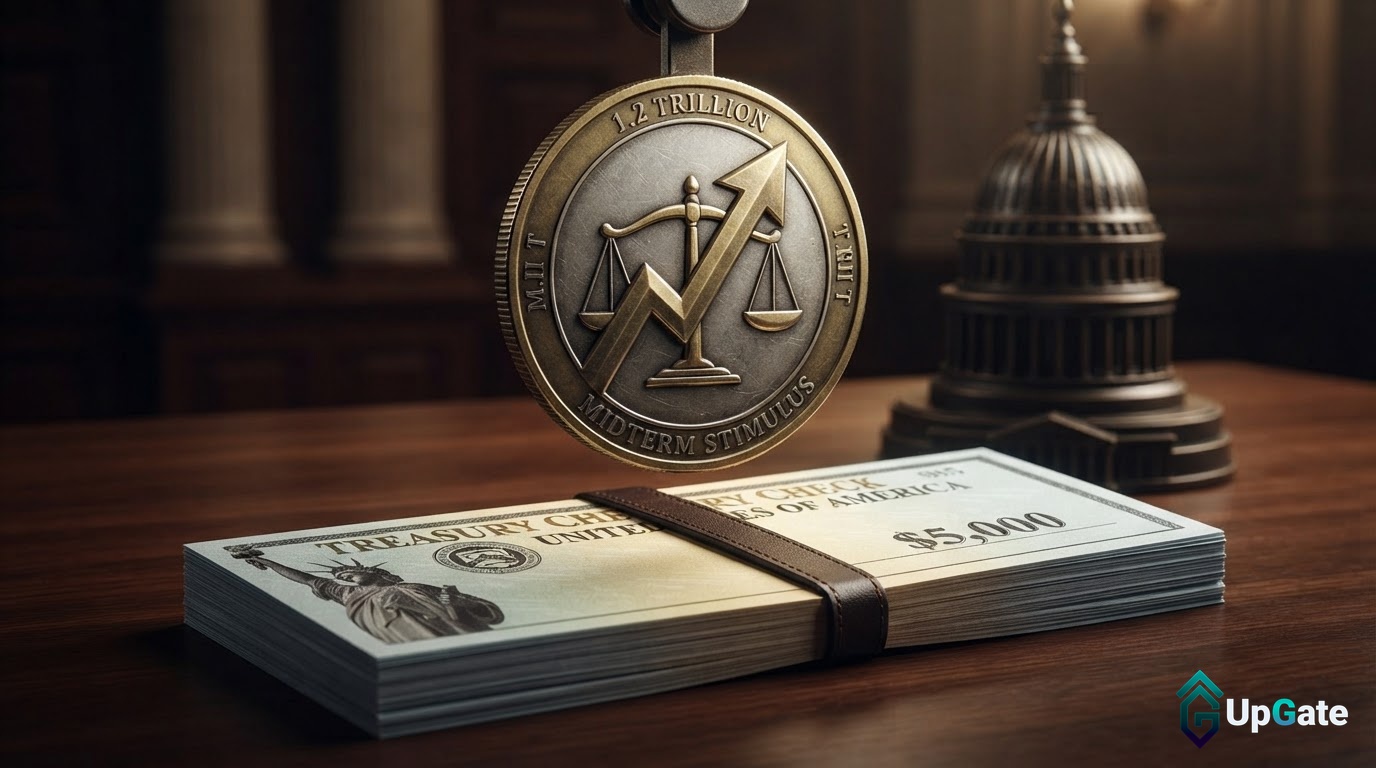
    ترامپ وعده چک‌های ۵۰۰۰ دلاری در بسته محرک ۱.۲ تریلیون دلاری میان‌دوره‌ای

    دونالد ترامپ، رئیس‌جمهور آمریکا، وعده پرداخت ۵۰۰۰ دلاری قابل توجهی را به انتخابات میان‌دوره‌ای ۲۰۲۶ گره زده است. ترامپ اعلام کرده است که اگر جمهوری‌خواهان در روز سوم نوامبر کنترل مجلس نمایندگان و سنا را حفظ کنند، هر شهروند بالغ آمریکایی باید این مبلغ را دریافت کند؛ وعده‌ای که هزینه‌ای حدود ۱.۲ تریلیون دلاری را به همراه دارد. ترامپ روز شنبه را به تبلیغ چک‌هایی اختصاص داد که هنوز وجود خارجی ندارند.

  • دادستان نیویورک پرونده تجاوز در کرنل را به عنوان دادستان ویژه بر عهده گرفت

    دادستان نیویورک پرونده تجاوز در کرنل را به عنوان دادستان ویژه بر عهده گرفت

    دادستان کل نیویورک پرونده تجاوز در دانشگاه کرنل را به عنوان دادستان ویژه بر عهده گرفت

    تشدید این پرونده در سطح ایالتی، نشان‌دهنده افزایش نظارت‌ها است که می‌تواند بر نتایج حقوقی و اعتماد عمومی به فرآیندهای قضایی تأثیر بگذارد.

  • محققان متا، دوک و یو‌سی دیویس شاخه‌های خودبهبود برای بهینه‌سازی عامل رونمایی کردند

    محققان متا، دوک و یو‌سی دیویس شاخه‌های خودبهبود برای بهینه‌سازی عامل رونمایی کردند

    محققان متا، دانشگاه دوک و دانشگاه کالیفرنیا، دیویس، ایده جدیدی برای بهبود عامل‌های هوش مصنوعی دارند. به جای تمرکز بر خود مدل، آن‌ها پیشنهاد می‌کنند که چارچوب اطراف مدل را بهبود بخشند و از چندین تیم خود-بهبوددهنده به جای یک تیم واحد استفاده کنند.

    بهبود عملکرد عامل‌های هوش مصنوعی با رویکرد چند شاخه‌ای

    پیش‌چاپ این تحقیق با عنوان «ترکیبی از شاخه‌های خود-بهبوددهنده برای بهینه‌سازی چارچوب عامل» (Mixture of Self-Improving Branches for Agent Harness Optimization)، بهبود ۳۴.۸ درصدی نسبی را در استدلال ریاضی در سطح المپیاد گزارش کرده است. این رویکرد دقت مدل Gemini 3 Flash را از ۴۶.۰ درصد به ۶۲.۰ درصد افزایش داده است، بدون اینکه نیازی به بازآموزی خود مدل باشد.

    به طور رسمی‌تر، «چارچوب عامل» (agent harness) به چارچوب کدنویسی گفته می‌شود که مدل زبان بزرگ را احاطه می‌کند. این چارچوب شامل دستورات (prompts) دریافتی مدل، ابزارهایی که می‌تواند فراخوانی کند، متنی که برای مشاهده در اختیار دارد و نحوه اجرای اقداماتش می‌شود.

    «بهینه‌سازی چارچوب» (harness optimization) به عمل جستجوی خودکار برای نسخه بهتر این پوشش کد اشاره دارد. مقاله جدید که در تاریخ ۲۹ سپتامبر ۲۰۲۶ در arXiv با شناسه 2609.37834v1 منتشر شده است، مستقیماً بر اساس سیستمی پیشین به نام Meta-Harness بنا شده است.

    Meta-Harness که در تاریخ ۳۰ مارس ۲۰۲۶ منتشر شد، پیش از این در معیارهای مختلف عملکرد بهتری نسبت به روش‌های سنتی داشته است. کار جدید استدلال می‌کند که یک مسیر جستجوی واحد، بخشی از پتانسیل عملکرد را نادیده می‌گیرد.

    بنابراین، محققان جستجو را به چندین شاخه تخصصی تقسیم کردند. هر شاخه به طور مستقل تکامل می‌یابد، با زیرمجموعه‌ای متمایز از داده‌های توسعه و سیاست خاص خود برای پیشنهاد تغییرات.

    این شاخه‌ها همچنین از تاریخچه خود درس می‌گیرند. هر شاخه مواردی را که در آن‌ها بر رقبای خود برتری یافته است، حفظ می‌کند و استراتژی خود را بر اساس عملکرد تلاش‌های قبلی اصلاح می‌کند.

    این موضوع سوال واضحی را مطرح می‌کند: چه کسی متخصص را انتخاب می‌کند؟ پاسخ یک «مسیریاب» (router) است. در زمان استقرار، این مسیریاب بهترین سر شاخه را برای هر ورودی دریافتی انتخاب می‌کند.

    کل فرآیند فقط بر روی داده‌های مجموعه توسعه اجرا می‌شود. نویسندگان گزارش می‌دهند که چارچوب‌های مکمل، بهبودهای خود را بدون هیچ دسترسی به مجموعه آزمون ارائه کرده‌اند.

    نتیجه برجسته در استدلال ریاضی در سطح المپیاد به دست آمد. دقت با استفاده از Gemini 3 Flash از ۴۶.۰ درصد به ۶۲.۰ درصد افزایش یافت، که نویسندگان آن را به عنوان یک بهبود ۳۴.۸ درصدی نسبی توصیف می‌کنند.

    این بهبودها به وظایف عاملی نیز منتقل شد. در Terminal-Bench 2.0، که عامل‌ها را در محیط خط فرمان آزمایش می‌کند، این سیستم افزایش ۱۱.۶ درصدی را ثبت کرد.

    SWE-bench Lite، یک معیار مهندسی نرم‌افزار، افزایش ۳.۸ درصدی را نشان داد.

    فهرست نویسندگان شامل Haoyu Dong، وابسته به Meta و دانشگاه دوک، و Zihao Lin، وابسته به Meta و UC Davis است. Lizhu Zhang و Zhuokai Zhao به عنوان نویسندگان مشترک آخر ذکر شده‌اند.

    این مقاله یک پیش‌چاپ است که در arXiv منتشر شده است. این بدان معناست که به صورت عمومی به اشتراک گذاشته شده است، اما لزوماً تحت بررسی رسمی همتایان قرار نگرفته است.

    جهش از ۴۶.۰ درصد به ۶۲.۰ درصد در ریاضیات دشوار، که بدون دستکاری وزن‌های مدل به دست آمده است، نشان می‌دهد که بهبودهای معنی‌دار می‌تواند از مهندسی محیطی که مدل در آن عمل می‌کند، حاصل شود.

    سوالات باز و قابل توجهی وجود دارد. اجرای و نگهداری چندین شاخه در حال تکامل به همراه یک مسیریاب احتمالاً پیچیدگی را افزایش می‌دهد، و نتایج مقاله از معیارهای خاص و یک مدل خاص به دست آمده است.

    Meta-Harness در مارس ۲۰۲۶ عرضه شد و در آن زمان نیز از روش‌های سنتی پیشی گرفته بود. تقریباً شش ماه بعد، جانشین آن ادعا می‌کند که از خود Meta-Harness بهتر عمل می‌کند.

  • هک‌های ارز دیجیتال در سپتامبر ۷۶۶ میلیون دلار خسارت زدند؛ بیت‌گت و لیکویید در صدر زیان‌دیدگان

    هک‌های ارز دیجیتال در سپتامبر ۷۶۶ میلیون دلار خسارت زدند؛ بیت‌گت و لیکویید در صدر زیان‌دیدگان

    هک‌های ارز دیجیتال در ماه سپتامبر به ۷۶۶ میلیون دلار رسید؛ بیت‌گت و لیکوئید در صدر زیان‌دیدگان

    شرکت امنیتی PeckShield اعلام کرد که در ماه سپتامبر، ۵۵ مورد هک بزرگ در حوزه ارزهای دیجیتال رخ داده که مجموع زیان‌های ناشی از آن به ۷۶۶.۴۹ میلیون دلار رسیده است. این رقم حدود ۴۶۲ درصد بیشتر از رقم ۱۳۶.۳ میلیون دلاری ماه اوت است و دو حادثه سهم عمده‌ای از این زیان‌ها را به خود اختصاص داده‌اند.

    هک‌های بزرگ سپتامبر

    بر اساس گزارش PeckShield، حادثه مربوط به صرافی Bitget با زیان حدود ۳۸۷ میلیون دلاری و سرقت از شبکه Liquid با حدود ۳۲۰ میلیون دلار (که ۲۸۵ میلیون دلار از آن بازگردانده شد)، اکنون به بزرگترین و دومین سرقت‌های ارز دیجیتال سال تا به امروز تبدیل شده‌اند و از هک‌های Drift و KelpDAO/LayerZero پیشی گرفته‌اند. با کسر این دو حادثه، ۵۳ هک دیگر مجموعاً حدود ۵۹ میلیون دلار زیان به بار آورده‌اند که کمتر از نصف مجموع زیان‌های ماه اوت است.

    جزئیات حادثه Bitget

    همانطور که CryptoPotato پیشتر گزارش داده بود، Bitget اعلام کرد که سیستم‌های امنیتی این صرافی در تاریخ ۲۴ سپتامبر ساعت ۱۸:۳۱ UTC هشدارهایی مبنی بر انتقال‌های غیرمجاز از بخش‌هایی از کیف پول‌های گرم (hot wallets) دریافت کرده‌اند. Gracy Chen، مدیرعامل Bitget، توضیح داد که مهاجم به یک سیستم پشتیبان در زیرساخت کیف پول دسترسی پیدا کرده، داده‌های تراکنش را جعل کرده و فرآیند احراز هویت را فریب داده تا وجوه را آزاد کند. مدیرعامل این صرافی هرگونه نفوذ به کلیدهای خصوصی را رد کرد و خاطرنشان ساخت که کیف پول‌های سرد (cold wallets) که بخش عمده دارایی‌های صرافی در آن‌ها نگهداری می‌شود، دست نخورده باقی مانده‌اند. این صرافی قصد دارد این زیان را از صندوق حفاظت از کاربران خود که بیش از ۴۶۴ میلیون دلار دارایی دارد، جبران کند. Chen در پلتفرم X نوشت: «ما از این موضوع شانه خالی نخواهیم کرد و هر دلار حسابرسی خواهد شد.»

    حادثه Liquid Network

    زیان شبکه Liquid زودتر، در تاریخ ۶ سپتامبر رخ داد، زمانی که هکرهایی که گمان می‌رود کلاه سفید بوده‌اند، حدود ۴۰۰۰ بیت‌کوین را از کیف پول Liquid Federation برداشتند. این برداشت با استفاده از کلید احراز هویت SideSwap peg-out انجام شده بود، هرچند Liquid اعلام کرد که خود کلید مورد نفوذ قرار نگرفته است. هکر در پیام‌هایی در بلاک‌چین به Blockstream قول داد که پول را پس از وصله شدن تمام نودها بازخواهد گرداند. Charles Guillemet، مدیر ارشد فناوری Ledger، نسبت به این ادعا ابراز تردید کرد و اشاره داشت که محققان امنیتی مشروع معمولاً یک پل (bridge) را تخلیه نمی‌کنند و سپس درخواست تماس در بلاک‌چین را مطرح نمی‌کنند.

    پولشویی وجوه سرقتی

    شرکت SlowMist در به‌روزرسانی مورخ ۲۹ سپتامبر خود نوشت که هکرهای مرتبط با کره شمالی در حال پولشویی وجوه سرقتی Bitget از طریق جفت کردن سفارشات CoW Protocol با آدرس‌های واریز Chainflip، تبدیل عواید به بیت‌کوین و سپس استفاده از CoinJoin برای پنهان کردن تراکنش‌ها هستند. Cos، بنیانگذار SlowMist، استدلال کرد که بررسی‌های ضد پولشویی از اسکریپت‌های خودکار عقب مانده‌اند. Chainflip در تلاش است تا این جریان‌ها را مسدود کند و حداقل یک واریز را رد کرده، اما به جای مسدود کردن پول، آن را بازگردانده است.

    سایر هک‌ها

    هشت مورد دیگر در ۱۰ هک برتر PeckShield، از ۳.۱۵ میلیون دلار تا ۷.۸۱ میلیون دلار متغیر بوده‌اند. بزرگترین آن‌ها یک حمله front-run بود که شامل ربات MEV با نام “yoink” می‌شد و وجوه آن بازگردانده شد. قرارداد LimitBreak در Payment Processor V2 که در مرکز یک عملیات نجات کلاه سفید در ۲۵ سپتامبر قرار داشت، ۶.۶ میلیون دلار زیان داشت که ۳.۴ میلیون دلار از آن بازگردانده شد. در آن عملیات، Quit، محقق امنیتی، ۲۳,۱۵۵ توکن NFT به ارزش نزدیک به ۶ میلیون دلار را از کیف پول‌های در معرض خطر خارج کرد، در حالی که یک مسیر اکسپلویت جداگانه ۶۶۰ واحد WETH را بدون بازیابی باقی گذاشت.

  • برزیل: لوئیز ایناسیو لولا دا سیلوا در برابر رویکرد غیرقابل پیش‌بینی ژائیر بولسونارو در حوزه رمزارزها

    برزیل: لوئیز ایناسیو لولا دا سیلوا در برابر رویکرد غیرقابل پیش‌بینی ژائیر بولسونارو در حوزه رمزارزها

    انتخابات برزیل در آستانه برگزاری است و سیاست‌های این کشور در حوزه ارزهای دیجیتال، که در پذیرش رمزارزها رتبه نخست را دارد، ممکن است در نتیجه این انتخابات دستخوش تغییر شود. در این گزارش، به بررسی پیامدهای احتمالی پیروزی لوئیز ایناسیو لولا دا سیلوا، رئیس‌جمهور کنونی، و یا فلاویو بولسونارو، رقیب او، بر دنیای ارزهای دیجیتال می‌پردازیم.

    چشم‌انداز ارزهای دیجیتال در صورت پیروزی لولا

    در صورت پیروزی مجدد لوئیز ایناسیو لولا دا سیلوا، انتظار می‌رود سیاست‌های حمایتی از نوآوری در حوزه ارزهای دیجیتال ادامه یابد. دولت او پیش از این رویکردی نسبتاً مثبت به فناوری بلاکچین و رمزارزها داشته و بر لزوم ایجاد چارچوب‌های نظارتی شفاف و در عین حال تسهیل‌کننده برای این صنعت تأکید کرده است. احتمالاً شاهد تلاش‌هایی برای ادغام بیشتر رمزارزها در سیستم مالی سنتی و همچنین حمایت از پروژه‌های نوآورانه داخلی خواهیم بود. تمرکز بر آموزش و افزایش آگاهی عمومی در مورد پتانسیل‌های ارزهای دیجیتال نیز می‌تواند از اولویت‌های دولت لولا باشد.

    سناریوی پیروزی فلاویو بولسونارو

    از سوی دیگر، در صورت پیروزی فلاویو بولسونارو، ممکن است شاهد رویکردی محتاطانه‌تر یا حتی محدودکننده‌تر نسبت به ارزهای دیجیتال باشیم. دولت‌های محافظه‌کارتر معمولاً تمایل بیشتری به کنترل و نظارت شدیدتر بر بازارهای مالی دارند. این امر می‌تواند منجر به وضع قوانین سخت‌گیرانه‌تر برای صرافی‌ها، سرمایه‌گذاران و توسعه‌دهندگان رمزارز شود. همچنین، احتمال دارد تمرکز بیشتری بر ارزهای دیجیتال بانک مرکزی (CBDC) و کاهش ریسک‌های مرتبط با رمزارزهای غیرمتمرکز صورت گیرد. با این حال، ماهیت پویا و جهانی بازار ارزهای دیجیتال، هرگونه تغییر سیاستی را با چالش‌هایی مواجه خواهد کرد.

    تأثیر بر پذیرش جهانی و منطقه‌ای

    انتخابات برزیل نه تنها برای این کشور، بلکه برای کل منطقه آمریکای لاتین و حتی جهان از اهمیت بالایی برخوردار است. برزیل به عنوان یکی از بزرگترین اقتصادهای منطقه و کشوری با نرخ بالای پذیرش رمزارز، می‌تواند الگویی برای سایر کشورها باشد. هرگونه تغییر در سیاست‌های این کشور می‌تواند بر روند پذیرش و توسعه ارزهای دیجیتال در سطح جهانی تأثیرگذار باشد. سرمایه‌گذاران و فعالان حوزه رمزارز با دقت تحولات انتخاباتی برزیل را دنبال می‌کنند تا بتوانند استراتژی‌های خود را بر اساس نتایج آن تنظیم کنند.

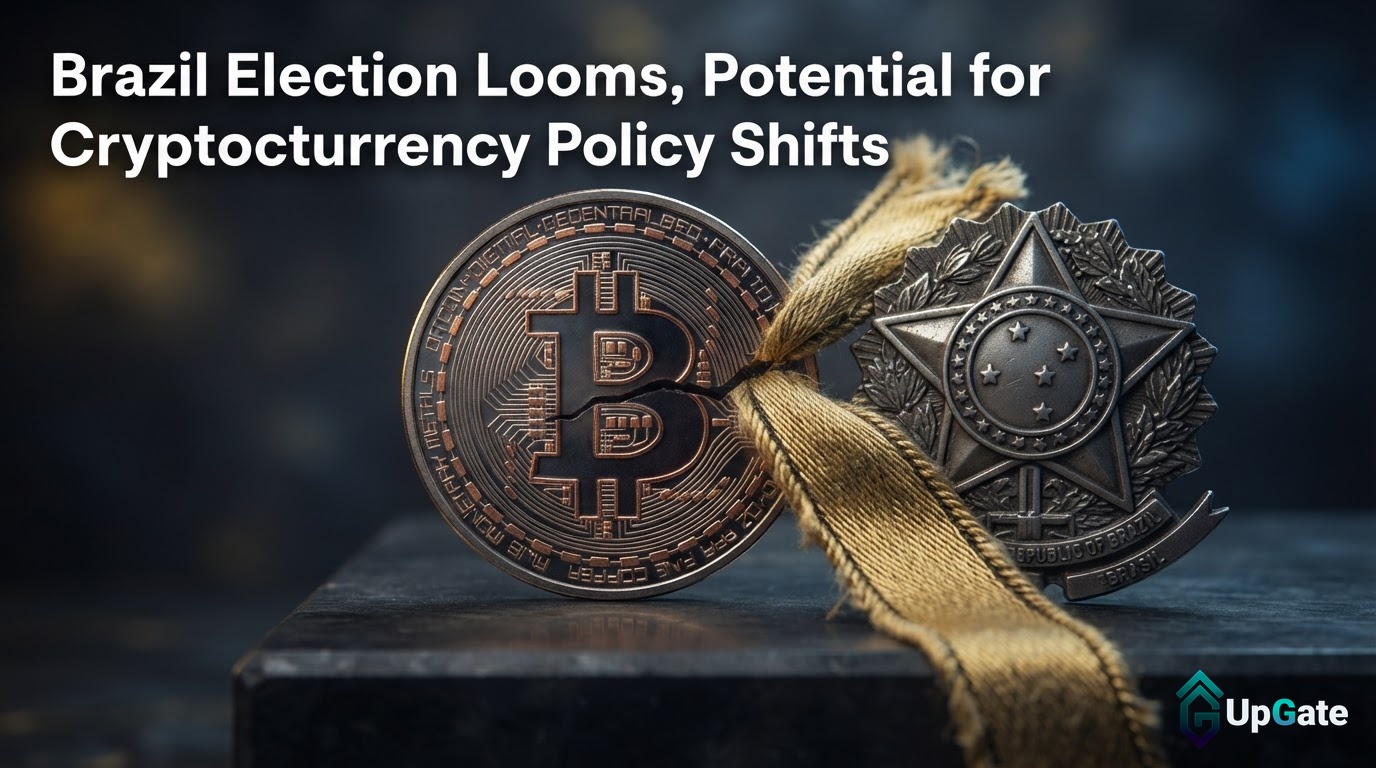
  • Brazil Election Looms, Potential for Cryptocurrency Policy Shifts

    Brazil Election Looms, Potential for Cryptocurrency Policy Shifts

    Brazil’s upcoming presidential election introduces uncertainty regarding the future direction of the country’s cryptocurrency policies. As a global leader in crypto adoption, any shifts in policy following the election could significantly impact its market and users.

    The approaching electoral contest places a spotlight on the potential for changes in Brazil’s approach to cryptocurrencies. Depending on the outcome between President Lula and contender Flavio Bolsonaro, the nation’s crypto policies could evolve, though the specific directions each candidate might pursue remain uncertain.

    Brazil’s current standing as a top nation in cryptocurrency adoption underscores the significance of these potential policy adjustments. This high level of engagement means that electoral results could have a notable influence on the crypto landscape and its participants.

    While the election signals a period of potential evolution for Brazil’s crypto sector, definitive outcomes are yet to be determined. The specific cryptocurrency policies each candidate might enact, and the precise impact on Brazil’s adoption ranking, are currently unknown. Readers should monitor post-election developments for clarity on these evolving matters.

    Broader Context

    Source materials place the factual news in this context: Brazil is ranked as the number one in crypto adoption.

  • Crypto Hacks Top $766M in September Amid Bitget, Liquid Losses

    Crypto Hacks Top $766M in September Amid Bitget, Liquid Losses

    Crypto Hacks Surge in September, Reaching $766 Million in Losses

    September witnessed a dramatic spike in cryptocurrency hacks, with 55 major incidents resulting in a staggering $766.49 million in losses, according to data compiled by PeckShield. This figure represents a colossal 462% increase compared to August’s losses of $136.3 million, with two significant breaches accounting for the vast majority of the September total.

    Bitget and Liquid Network Dominate September’s Losses

    The Bitget incident, with losses estimated at approximately $387 million, and the Liquid Network theft of around $320 million (of which $285 million has since been recovered), have emerged as the largest and second-largest crypto thefts of the year to date. These events have surpassed previous major exploits such as those involving Drift and KelpDAO/LayerZero. When these two major incidents are excluded, the remaining 53 hacks from September collectively amounted to approximately $59 million, less than half of the total losses recorded in August.

    Bitget Details Security Breach

    Bitget confirmed that its security systems detected unauthorized transfers from portions of its hot wallets on September 24 at 18:31 UTC. CEO Gracy Chen explained that an attacker gained access to a backend system within the wallet infrastructure, manipulated transaction data, and deceived the authorization process to release funds. Chen clarified that a compromise of private keys was ruled out and that the exchange’s cold wallets, which hold the majority of its assets, remained unaffected. Bitget intends to cover the losses from its User Protection Fund, which currently holds over $464 million. “We will not run away from this, and every dollar will be accounted for,” Chen stated on X.

    Liquid Network Suffers Major BTC Withdrawal

    The loss at Liquid Network occurred earlier in the month, on September 6, when individuals identified as purported white-hat hackers withdrew approximately 4,000 BTC from the Liquid Federation wallet. The withdrawal utilized the SideSwap peg-out authorization key, although Liquid emphasized that the key itself was not compromised. In communications with Blockstream, the hacker indicated a willingness to return the funds once all nodes were patched. However, Ledger CTO Charles Guillemet expressed skepticism, noting that legitimate security researchers typically do not drain a bridge and then request on-chain contact.

    North Korea-Linked Hackers Suspected in Laundering Efforts

    In an update on September 29, SlowMist reported that hackers believed to be linked to North Korea are laundering the stolen Bitget funds. Their alleged method involves pairing CoW Protocol orders with Chainflip deposit addresses, converting the proceeds to Bitcoin, and then employing CoinJoin to obscure transaction trails. Cos, SlowMist’s founder, argued that anti-money laundering checks are struggling to keep pace with automated scripts. Chainflip is reportedly attempting to block these fund flows and has rejected at least one deposit, though it refunded the money rather than freezing it.

    Other Notable September Exploits

    The remaining eight entries in PeckShield’s top 10 hacks for September ranged from $3.15 million to $7.81 million. The largest of these was a front-running incident involving the MEV bot “yoink,” which resulted in the return of the stolen assets. The Payment Processor V2, specifically the LimitBreak contract at the center of a white-hat rescue on September 25, accounted for $6.6 million in losses, with $3.4 million recovered. In that operation, security researcher Quit successfully moved 23,155 NFTs valued at nearly $6 million out of exposed wallets, though a separate exploit path left 660 WETH unrecovered.

  • پورشه باشگاه NFT خود را پس از آزمایش ۲٠ میلیون دلاری 911 دیجیتال تعطیل کرد

    پورشه باشگاه NFT خود را پس از آزمایش ۲٠ میلیون دلاری 911 دیجیتال تعطیل کرد

    پورشه پروژه Web3 و PIONEERS CIRCLE خود را پس از نزدیک به چهار سال از رونمایی مجموعه ۷۵۰۰ عددی NFT با محوریت مدل ۹۱۱، متوقف کرد. این خروج با نکته‌ای عجیب همراه است. دارندگان NFTهای PORSCHE 911 همچنان مالکیت آن‌ها را به صورت آن‌چین حفظ خواهند کرد، اما جامعه دیسکورد به بایگانی تبدیل شده و حساب X این پروژه نیز غیرفعال می‌شود. این مجموعه […]