Blog

  • حجم معاملات صرافی غیرمتمرکز رابین‌هود به ۱.۶ میلیارد دلار رسید

    حجم معاملات صرافی غیرمتمرکز رابین‌هود به ۱.۶ میلیارد دلار رسید

    افزایش چشمگیر حجم معاملات در صرافی‌های غیرمتمرکز Robinhood Chain

    حجم معاملات روزانه در صرافی‌های غیرمتمرکز Robinhood Chain، طبق گزارش DeFiLlama، بین ۲۸ اوت و ۱ سپتامبر با ۶۱ درصد افزایش از ۹۸۹ میلیون دلار به ۱.۵۹۵ میلیارد دلار رسید.

    این شبکه لایه ۲ اتریوم همچنین در تاریخ ۱ سپتامبر ۷۳۸.۱۱ میلیون دلار سپرده دیفای (DeFi) و نزدیک به ۷۹۷ میلیون دلار استیبل‌کوین در خود جای داده بود. به طور جداگانه، DeFiLlama حجم معاملات آتی دائمی روزانه را ۳۵۳.۹۶ میلیون دلار و دارایی‌های منتقل شده به شبکه را ۲.۵۲۴ میلیارد دلار ثبت کرده است.

    هر یک از این ارقام به دسته‌بندی متفاوتی اشاره دارد. حجم معاملات صرافی‌های غیرمتمرکز (DEX) نشان‌دهنده معاملات نقدی است که از طریق برنامه‌های بلاک‌چین و نه صرافی‌های متمرکز انجام می‌شود. ارزش کل قفل شده (TVL) دارایی‌های سپرده‌گذاری شده در پروتکل‌های دیفای را ردیابی می‌کند. ارزش دارایی‌های منتقل شده شامل دارایی‌هایی است که به Robinhood Chain منتقل شده‌اند، صرف نظر از اینکه در این برنامه‌ها سپرده‌گذاری شده‌اند یا خیر.

    Robinhood Chain پس از ورود به مرحله تست عمومی در فوریه ۲۰۲۶، شبکه اصلی خود را با پشتیبانی Arbitrum در ۱ ژوئیه راه‌اندازی کرد. این شبکه امکان معاملات ۲۴ ساعته سهام توکنیزه شده را فراهم می‌کند که کاربران واجد شرایط می‌توانند آن را وام دهند یا به عنوان وثیقه استفاده کنند.

    حجم معاملات در هفته اول ژوئیه افزایش یافت. این شبکه بیش از ۱۷ میلیون تراکنش را پردازش کرد، نزدیک به ۳۵۰ هزار آدرس را جذب کرد و بیش از ۱ میلیارد دلار حجم کل معاملات صرافی‌های غیرمتمرکز را به خود اختصاص داد.

    DeFiLlama در اواخر همان ماه حدود ۴۳۳ میلیون دلار حجم معاملات صرافی‌های غیرمتمرکز ۲۴ ساعته را اندازه‌گیری کرد و این شبکه جدید را در آن زمان در رتبه پنجم در میان بلاک‌چین‌ها قرار داد. ارزش کل قفل شده حدود ۹۴ میلیون دلار و مانده استیبل‌کوین‌ها از ۲۶۰ میلیون دلار فراتر رفته بود.

    در مقایسه با ارقام ماه ژوئیه، ارزش کل قفل شده فعلی تقریباً هشت برابر بیشتر است و ارزش بازار استیبل‌کوین‌ها تقریباً سه برابر شده است، اگرچه این ارقام ممکن است منعکس‌کننده زمان‌های گزارش‌دهی و روش‌های مختلف مورد استفاده باشند.

    یوهان کربرت، مدیر بخش ارزهای دیجیتال Robinhood، در مصاحبه‌ای در ماه اوت با برنامه FOMO Hour در Decrypt، گفت که این شبکه بیش از ۲۰۰ میلیون تراکنش را پردازش کرده است. او استراتژی این شبکه را متعادل کردن “دو گرگ” توصیف کرد: محصولات مالی متعارف و توکن‌های سفته‌بازانه که معامله‌گران ارزهای دیجیتال را جذب می‌کنند.

    میم کوین‌ها بخش زیادی از فعالیت‌های اولیه را هدایت کردند و بر سهام توکنیزه شده که در مرکز پیشنهاد اولیه Robinhood قرار داشت، پیشی گرفتند.

  • آنتراپیک کلود فیبل ۵.۱ را عرضه کرد؛ جهش چشمگیر در عملکرد

    آنتراپیک کلود فیبل ۵.۱ را عرضه کرد؛ جهش چشمگیر در عملکرد

    شرکت Anthropic روز سه‌شنبه از مدل‌های هوش مصنوعی Claude Fable 5.1 و Claude Mythos 5.1 رونمایی کرد. این اولین به‌روزرسانی برای خط مدل‌های کلاس Mythos از زمان عرضه Fable 5 در تاریخ ۹ ژوئن است.

    این شرکت ادعا می‌کند که مدل‌های جدید هوش مصنوعی، «پیشرفته‌ترین مدل‌های جهان برای کدنویسی و کارهای دانشی» هستند. این عرضه سه ماه پس از چرخه‌ای صورت می‌گیرد که پیش از این شاهد توقف ۱۸ روزه صادرات به دلیل کنترل‌های دولتی، جنگ قیمتی بر سر دسترسی اشتراکی در اواسط تابستان و عرضه Claude Opus 5 در ماه ژوئیه بود که از نظر قیمت، Fable 5 را تحت‌الشعاع قرار داد.

    بر اساس اعلام Anthropic، Fable 5.1 و Mythos 5.1 از یک مدل زیربنایی یکسان بهره می‌برند، اما با فیلترهای ایمنی متفاوتی که به آن‌ها متصل شده است. Fable 5.1 برای تمامی کاربران دارای حساب Claude در دسترس است. Mythos 5.1 همچنان برای متخصصان تأیید شده در حوزه امنیت سایبری و علوم زیستی از طریق برنامه‌های تأیید امنیت سایبری و علوم زیستی Anthropic محدود شده است. این برنامه‌ها جانشین مسیر دسترسی Project Glasswing هستند که دسترسی به Mythos 5 را کنترل می‌کرد.

    آنچه معیارها واقعاً می‌سنجند

    شاخص اصلی Anthropic از معیار Terminal-Bench-Science 0.1 به دست آمده است. این معیار، توانایی یک عامل هوش مصنوعی را در انجام وظایف تحقیقات علمی در محیط خط فرمان می‌سنجد و بر اساس نرخ موفقیت امتیازدهی می‌شود.

    Fable 5.1 با امتیاز ۵۲.۶ درصد، در مقایسه با ۲۴.۷ درصد Fable 5 و ۲۹.۰ درصد Opus 5، بیش از دو برابر نسل قبلی خود عمل کرده است.

    معیار Terminal-Bench 4.0، کدنویسی عامل‌محور را از طریق ترمینال ارزیابی می‌کند؛ این شامل نوشتن، اجرا و اشکال‌زدایی کد در جلسات چند مرحله‌ای خط فرمان است و بر اساس درصد وظایف انجام شده صحیح امتیازدهی می‌شود. Fable 5.1 با امتیاز ۵۵.۸ درصد، نسبت به ۴۲.۰ درصد Fable 5 پیشرفت داشته و از ۵۲.۳ درصد Opus 5 جلوتر است.

    Mythos 5.1 که با فیلترهای امنیتی سایبری سبک‌تری اجرا می‌شود، در همین تست امتیاز ۶۰.۹ درصد را کسب کرده است. Anthropic می‌گوید این اختلاف نشان‌دهنده وظایفی است که سیستم‌های حفاظتی آن رهگیری کرده و به Opus 4.8 ارجاع داده‌اند.

    در آزمون Humanity’s Last Exam، یک آزمون استدلال چند رشته‌ای که از سوالات در سطح متخصص در ده‌ها حوزه دانشگاهی تشکیل شده و بر اساس نرخ موفقیت امتیازدهی می‌شود، Fable 5.1 بدون ابزارهای خارجی به امتیاز ۶۰.۹ درصد و با ابزارهای خارجی به ۶۵.۰ درصد دست یافته است. هر دو نتیجه از Opus 5 بهتر هستند و نشان می‌دهند که این مدل پیشرفته‌ترین مدل Anthropic برای اهداف دانشگاهی است.

    جایی که از Opus 5 پیشی می‌گیرد و جایی که محاسبات پیچیده‌تر می‌شود

    Opus 5 در ماه ژوئیه با نصف قیمت هر توکن Fable 5 عرضه شد و در اکثر معیارهای اصلی از Fable 5 بهتر عمل کرد، که عملاً مدل پرچمدار را برای اکثر کاربران پولی بلااستفاده می‌کرد.

    Fable 5.1 این روند را معکوس کرده است: اکنون در تمام معیارهایی که Anthropic منتشر کرده، از جمله معیارهایی که Opus 5 قبلاً Fable 5 را پشت سر گذاشته بود، از Opus 5 پیشی گرفته است.

    اما Fable 5.1 همچنان دو برابر Opus 5 هزینه دارد؛ ۱۰ دلار برای ورودی و ۵۰ دلار برای خروجی در مقابل ۵ دلار و ۲۵ دلار برای Opus 5. توکن‌ها واحد اصلی اطلاعاتی هستند که یک مدل می‌تواند پردازش کند (معمولاً حدود دو سوم یک کلمه متوسط انگلیسی) و شرکت‌ها برای استفاده از این مدل‌ها هزینه می‌پردازند، زیرا گردش کارهای سنگین معمولاً سهمیه‌های تعیین شده در برنامه‌های اشتراک را به سرعت مصرف می‌کنند.

    استدلال خود Anthropic برای این مدل، بر سطح تلاش به جای امتیازات خام تمرکز دارد: این شرکت می‌گوید که اجرای Fable 5.1 با تلاش استدلالی کم یا متوسط، نتایج قبلی Fable 5 را با هزینه بسیار کمتر مطابقت داده یا از آن فراتر می‌رود، در حالی که سطوح بالای تلاش برای مسائلی که همه چیز را به چالش می‌کشند، رزرو شده است.

    برای کارهای روتین، این استدلال برای نادیده گرفتن کامل Opus 5 با کاهش درجه تلاش، ضعیف‌تر می‌شود.

    دسترسی به این مدل، همانند Fable 5 پس از ماه‌ها تنظیم شرایط توسط Anthropic، از همان تقسیم‌بندی پیروی می‌کند. در طرح‌های Pro و صندلی‌های استاندارد Team یا Enterprise، Fable 5.1 کاملاً از اعتبارات استفاده بر اساس پرداخت به ازای مصرف که با نرخ API صورتحساب می‌شود، استفاده می‌کند، زیرا بخشی از محدودیت‌های هفتگی این طرح‌ها نیست. در طرح‌های Max و صندلی‌های ممتاز Team یا Enterprise، این مدل به عنوان بخشی استاندارد از اشتراک تا ۵۰ درصد استفاده هفتگی گنجانده شده است.

    Claude Fable 5.1 اکنون از طریق Claude API، Amazon Bedrock، Google Cloud و Microsoft Foundry با شناسه مدل “claude-fable-5-1” در دسترس است.

  • Anthropic Updates AI Models: Fable 5.1 and Mythos 5.1 Offer Performance Gains Amidst Higher Costs

    Anthropic Updates AI Models: Fable 5.1 and Mythos 5.1 Offer Performance Gains Amidst Higher Costs

    Anthropic has released Claude Fable 5.1 and Claude Mythos 5.1, its latest AI models, on Tuesday. The company claims these updates deliver significant improvements in coding and knowledge work benchmarks. However, the new models also come with a higher per-token cost compared to previous versions like Claude Opus 5, prompting a closer look at their economic viability.

    Fable 5.1 is now broadly available to all Claude users, while Mythos 5.1 is reserved for vetted cybersecurity and life-sciences professionals through Anthropic’s specialized verification programs, continuing a tiered access strategy for its advanced AI.

    Anthropic’s performance claims are backed by benchmark data. On Terminal-Bench-Science 0.1, which evaluates scientific research tasks within a command-line environment, Fable 5.1 achieved a 52.6% pass rate. This represents a substantial leap from Fable 5’s 24.7% and Opus 5’s 29.0%.

    For agentic coding tasks assessed by Terminal-Bench 4.0, Fable 5.1 successfully completed 55.8% of tasks. This figure surpasses Fable 5’s 42.0% and Opus 5’s 52.3%. Mythos 5.1, operating with less stringent safety filters, scored 60.9% on the same benchmark. Anthropic attributes the performance difference between Mythos 5.1 and Fable 5.1 to tasks that Mythos 5.1’s safeguards intercepted and rerouted to Opus 4.8.

    In the multidisciplinary reasoning test known as Humanity’s Last Exam, Fable 5.1 reached 60.9% without external tools and 65.0% with them. Both scores exceed those of Opus 5, positioning Fable 5.1 as Anthropic’s most advanced model for academic applications.

    The pricing structure for these new models marks a notable shift. Fable 5.1 is priced at $10 per input token and $50 per output token, double the cost of Claude Opus 5 ($5 input, $25 output). This increased cost, despite performance enhancements, is a critical consideration for potential adopters.

    Anthropic’s strategy appears to involve offering distinct tiers of performance and cost. While Fable 5.1 now leads Opus 5 on published benchmarks, its higher price suggests Opus 5 might remain a more cost-effective choice for certain use cases, particularly for routine tasks that do not demand the highest reasoning effort. Anthropic indicates that Fable 5.1 at lower reasoning effort levels can match or surpass previous model performance at a reduced cost, reserving top-tier effort for more complex challenges.

    Fable 5.1 is accessible through the Claude API, Amazon Bedrock, Google Cloud, and Microsoft Foundry. Its integration into subscription plans varies: Pro plans and standard Team/Enterprise seats use pay-as-you-go credits, while Max plans and premium seats include it for up to 50% of weekly usage.

    This release follows a busy period for Anthropic, including the July launch of Claude Opus 5, which had previously offered a lower price point than Fable 5 while outperforming it on many benchmarks. The introduction of Fable 5.1 reverses this dynamic, establishing it as the top-performing model across Anthropic’s published benchmarks, albeit at a higher cost.

    Why This Matters

    The materials describe a narrow update: Anthropic released Claude Fable 5. The exact nature and impact of the ‘different safety filters’ between Fable 5.1 and Mythos 5.1.

    Broader Context

    Source materials place the factual news in this context: Anthropic released Claude Fable 5.1 and Claude Mythos 5.1 on Tuesday, its first update to the Mythos-class model line since Fable 5 launched on June 9.

  • Arbitrum’s ARB Rallies 27% Driven by Robinhood Chain Fees, Technical Signals Mixed

    Arbitrum’s ARB Rallies 27% Driven by Robinhood Chain Fees, Technical Signals Mixed

    Arbitrum’s native cryptocurrency, ARB, has surged by 27% in the last 24 hours, reaching its highest price since late May and surpassing $730 million in market capitalization. This significant price increase occurred despite a slight downturn in the broader cryptocurrency market.

    The primary driver behind ARB’s rally appears to be the substantial fee generation on Robinhood Chain, a dedicated Arbitrum chain. Reports indicate that Robinhood Chain generated over $1 million in fees within the past day. According to disclosures, 10% of this protocol revenue is directed back to the Arbitrum ecosystem, providing a direct financial benefit.

    Despite the recent gains, ARB remains significantly below its all-time high. The token is currently trading around $0.11, approximately 98% lower than its peak price briefly achieved in the spring of 2023, when it exceeded $5.

    Market analysis presents a mixed outlook for ARB’s immediate future. Some analysts suggest that the current price action could signal the beginning of a larger trend move. X user Master of Crypto noted potential targets at $0.1495 and $0.1729 if ARB breaks above a symmetrical triangle pattern, stating that “a clean breakout could signal the start of a bigger trend move.” Similarly, X user OxNeena indicated that holding above the support level near $0.08 could lead to further gains, with potential targets at $0.12, $0.14, and $0.16.

    However, technical indicators suggest a need for caution. Arbitrum’s Relative Strength Index (RSI) currently stands at approximately 73. According to technical analysis, an RSI value above 70 often signals overbought conditions, which could precede a short-term correction. This suggests that a significant move towards historical peaks may be delayed, as indicated by the article claims.

    These diverging signals highlight the uncertainties surrounding ARB’s price trajectory. While the performance of Robinhood Chain provides a tangible catalyst for the recent increase, the technical indicators suggest that the market may be due for consolidation or a pullback. The article claims that whether ARB can sustain its momentum above key support levels or if overbought conditions will lead to a pullback remains to be seen.

    The current situation underscores the dynamic nature of the cryptocurrency market, where specific ecosystem developments can significantly impact token prices, even amidst broader market fluctuations. The interplay between on-chain activity, such as fee generation on Robinhood Chain, and technical market signals will be crucial in determining ARB’s next move.

    Why This Matters

    The materials describe a narrow update: Arbitrum’s ARB token saw a 27% daily price increase, reaching its highest point since late May and surpassing $730 million in market capitalization. Whether the current price pump is the start of a bigger trend move.

    Broader Context

    Source materials place the factual news in this context: Arbitrum’s team revealed that Robinhood Chain generated more than $1 million in fees in the last 24 hours.

  • XRP Investors Face $750M Paper Loss: Buy the Dip?

    XRP Investors Face $750M Paper Loss: Buy the Dip?

    XRP ETFs Face Significant Paper Losses Amidst Investor Resilience

    XRP’s price remains in a state of uncertainty, testing the patience of the market. Five major U.S. spot XRP Exchange Traded Funds (ETFs) are collectively experiencing unrealized losses of approximately $746.1 million, based on an initial investment of roughly $1.7 billion. Despite these substantial paper losses, investors have continued to purchase XRP ETFs.

    Securities and Exchange Commission (SEC) filings reveal that Bitwise, Canary Capital, Franklin Templeton, 21Shares, and Grayscale saw approximately $629.9 million in primary market share creations against $309.1 million in redemptions during the first half of the year. This resulted in a net capital inflow of $320.8 million, even as the fair value of the assets declined by 44.1% below their cost basis.

    Bloomberg ETF analyst James Seyffart described the demand as “surprisingly resilient” in a social media post on August 31, noting cumulative net inflows across the asset class totaling $1.8 billion.

    Seyffart’s post highlighted the robust demand: “XRP ETF flows have been surprisingly resilient. Money in the aggregate has mostly only gone one direction and now they have a total of $1.8 billion in cumulative net inflows. When you look at this compared ripple:native price over this time period … its particularly impressive.”

    This sustained investor interest is an unusual signal for a market typically averse to holding significant unrealized losses. Against the backdrop of a scheduled 1 billion XRP escrow unlock and a broader risk-off sentiment affecting altcoins, the paper loss data prompts a critical question for those observing from the sidelines: Does this institutional conviction signify genuine belief, or is it merely sunk-cost fallacy masquerading as a strategic approach?

    XRP Price Action and Technical Outlook

    XRP’s price has retreated from its late-August peak near $1.70, currently trading in the mid-$1.30s after a weekly decline of approximately 8%. The $1.34–$1.35 zone is identified as a crucial support level, with a breach below this range potentially leading to a decline towards $1.25–$1.27, near the 61.8% Fibonacci retracement level.

    The Supertrend indicator shows support at $1.341, and short-term momentum remains subdued. A recovery above the $1.41 pivot point could shift the technical structure back to a bullish outlook, with potential targets at $1.47 and the psychological level of $2.

    A period of choppy consolidation between $1.34 and $1.41 is also possible as the market absorbs the upcoming September 1 release of 1 billion XRP from escrow. Notably, this unlock is occurring with XRP trading near $1.43, a significantly stronger position compared to the approximately $1 price during the previous unlock.

    In a bearish scenario, a decisive break below $1.34 would invalidate the August rally structure and could drive the price towards the mid-$1.20s. Analysts suggest that monitoring the test of this support level is more critical than chasing short-term upward price movements.

    Investor Conviction and Market Dynamics

    Enduring a $746.1 million paper loss requires considerable conviction or a very high tolerance for risk. Regardless, XRP’s current market capitalization suggests that substantial 50x returns are unlikely in the near future, a characteristic often sought by early-stage capital investments.

    The article also briefly mentions Maxi Doge ($MAXI), a meme token on Ethereum, highlighting its presale success and staking rewards. This section appears to be promotional content unrelated to the primary XRP news.

  • سولانا ۷ درصد افت کرد اما تقاضا همچنان بالاست: فرصت ۱۵۰ دلاری پیش رو

    سولانا ۷ درصد افت کرد اما تقاضا همچنان بالاست: فرصت ۱۵۰ دلاری پیش رو

    سولانا در روز سه‌شنبه نزدیک به ۱۰۲ دلار معامله می‌شد که بیش از ۷ درصد از اوج هفت ماهه اخیر خود در حدود ۱۱۰ دلار کاهش یافته بود. با این حال، ضعف اخیر قیمت نتوانسته است نشانه‌های تقاضای قوی‌تر را در سراسر شبکه متوقف کند.

    بر اساس گزارش علی مارتینز، سولانا در هفته گذشته به طور متوسط روزانه ۹.۵ میلیون آدرس جدید را ثبت کرده است. این سطح از رشد، که تحلیلگر آن را سیگنال مهمی از پذیرش می‌داند، در گذشته پیش‌زمینه‌ی رالی‌های بزرگ بوده است.

    سرمایه‌گذاران بزرگ نیز فعال‌تر شده‌اند. کیف پول‌هایی که حداقل ۱۰,۰۰۰ سولانا (SOL) نگهداری می‌کنند، پس از اضافه شدن ۵۲ کیف پول نهنگ جدید به شبکه، ۱.۵۸ درصد افزایش یافته‌اند. همزمان، صندوق‌های قابل معامله در بورس (ETF) اسپات سولانا در آمریکا، نهمین هفته متوالی خود را از نظر خالص ورودی سرمایه ثبت کردند. این صندوق‌ها هفته گذشته حدود ۱۵۴ میلیون دلار سرمایه جذب کردند. جالب اینجاست که صندوق ETF استیکینگ سولانا از Bitwise، با نام BSOL، اخیراً در عرض ۱۰ ماه از مرز ۱ میلیارد دلار دارایی تحت مدیریت عبور کرده است.

    در همین حال، موجودی سولانا در صرافی‌ها در جهت مخالف حرکت می‌کند؛ موجودی SOL نگهداری شده در صرافی‌ها با خروج حدود ۲.۶ میلیون توکن در هفته گذشته، ۴.۹۱ درصد کاهش یافته است. مارتینز بیان کرد که ۱۰۳ دلار یک سطح حمایتی مهم است، زیرا ۳۹ میلیون سولانا در این سطح خریداری شده است. موانع بعدی ۱۲۳ دلار و ۱۳۲ دلار هستند که هر کدام به حدود ۲۰ میلیون سولانا در خریدهای قبلی گره خورده‌اند.

    حفظ حمایت و شکستن این دو سطح می‌تواند زمینه‌ساز حرکت به سمت ۱۵۰ دلار شود.

    احساسات مشابهی توسط سرمایه‌گذار ارز دیجیتال با نام مستعار Batman نیز مطرح شد. او معتقد است که سولانا پس از خروج از یک ساختار انباشت مهم، ممکن است وارد فاز صعودی قوی‌تری شود. با این حال، او انتظار دارد SOL منطقه ۸۳ تا ۸۵ دلاری را مجدداً تست کند و باور دارد که حفظ موفقیت‌آمیز این منطقه می‌تواند در نهایت دارایی را به سمت ۱۵۰ دلار یا بالاتر سوق دهد.

    یکی دیگر از ناظران بازار به نام Gerla، بر این باور است که این دارایی پس از شکستن روند نزولی خود، می‌تواند برای یک حرکت بسیار بزرگ‌تر آماده شود. او به تشکیل کف‌های بالاتر اشاره کرد که نشان‌دهنده ورود احتمالی بازار به فاز بازانباشت است. Gerla گفت که اگر این ساختار حفظ شود، سولانا می‌تواند ۳۰۰ دلار یا بالاتر را به عنوان منطقه انبساط بزرگ بعدی هدف قرار دهد.

    سولانا در این هفته شاهد چندین تحول عمده بود. از جمله این تحولات می‌توان به پایان اولین رأی‌گیری حاکمیت آن‌چین (on-chain governance) اشاره کرد که به دنبال آن، سرعت شبکه ۲۵ درصد افزایش یافت و زمان اسلات‌ها از ۴۰۰ میلی‌ثانیه به ۳۰۰ میلی‌ثانیه کاهش یافت. به طور جداگانه، چارلز شواب (Charles Schwab) اعلام کرد که قصد دارد SOL را به پلتفرم Schwab Crypto Direct خود اضافه کند.

    علاوه بر این، پایگاه دارندگان دارایی‌های واقعی توکنیزه شده (RWA) سولانا از ۳۵۰,۰۰۰ نفر فراتر رفت، در حالی که xStocksFi از مرز ۵۰۰ میلیون دلار دارایی تحت مدیریت در بیش از ۷۰۰ دارایی توکنیزه شده عبور کرد. کالاهای توکنیزه شده در این شبکه نیز به رکورد ۵۰ میلیون دلار عرضه رسیدند و سولانا به شبکه پیشرو از نظر کل حجم تراکنش‌های x402 تبدیل شد.

  • خزانه‌داری سولانا در پی جذب ۲۰ میلیون دلار برای خرید سول بیشتر

    خزانه‌داری سولانا در پی جذب ۲۰ میلیون دلار برای خرید سول بیشتر

    شرکت DeFi Development Corp.، که خزانه خود را بر روی شبکه سولانا متمرکز کرده است، عرضه سهام ممتاز خود را آغاز کرده که می‌تواند تا ۱۹.۸ میلیون دلار سرمایه جذب کند. انتظار می‌رود بخش عمده‌ای از این وجوه صرف خرید توکن SOL شود.

    DeFi Development Corp. یک شرکت سهامی عام است که با نماد DFDV در بازار بورس نزدک (Nasdaq) معامله می‌شود. این شرکت استراتژی خزانه داری خود را بر انباشت و استیکینگ توکن SOL بنا نهاده است.

    به گفته جوزف اونوراتی، مدیر عامل شرکت، این شرکت قصد دارد از خالص عواید حاصل از این عرضه برای مقاصد عمومی شرکتی، از جمله سرمایه در گردش و خرید توکن SOL استفاده کند.

    اونوراتی در مصاحبه با دکریپت (Decrypt) اظهار داشت: «استفاده مورد نظر از وجوه در اساسنامه عرضه مشخص شده است، اما ما انتظار داریم بخش عمده‌ای از این وجوه را صرف خرید SOL کنیم.»

    این شرکت که در نزدک فهرست شده است، طبق اساسنامه اولیه، ۲.۲ میلیون سهم از سهام ممتاز دائمی متغیر سری C را به قیمت هر سهم ۹ دلار عرضه می‌کند. این شرکت درخواست کرده است که این سهام با نماد CHAD فهرست شوند.

    اساسنامه عرضه، سرمایه در گردش، سرمایه‌گذاری در SOL و سایر دارایی‌های دیجیتال، معاملات استراتژیک و ابتکارات رشد را به عنوان مصارف احتمالی وجوه ذکر کرده است، اما میزان دقیق تخصیص به هر بخش را مشخص نکرده است.

    این شرکت هفته گذشته اعلام کرد که حدود ۱۹ هزار توکن SOL را با میانگین قیمت ۹۸.۱۴ دلار خریداری کرده است. این خرید، مجموع دارایی‌های این شرکت را به حدود ۲,۳۳۳,۴۳۲ توکن SOL رساند که ارزشی تقریبی معادل ۲۳۶ میلیون دلار دارد.

    انباشت SOL از سر گرفته می‌شود!

    شرکت DeFi Development Corp. در تاریخ ۲۷ اوت ۲۰۲۶ در توییتر اعلام کرد: «امروز اعلام می‌کنیم که حدود ۱۹ هزار توکن SOL خریداری کرده‌ایم که مجموع دارایی‌های خزانه را به حدود ۲.۳۳۳ میلیون توکن SOL می‌رساند. در سه ماهه جاری، SOL به میزان ۳۳ درصد از شاخص نزدک ۱۰۰ بهتر عمل کرده و DFDV نیز ۱.۸ برابر SOL بازدهی داشته است. خرید بیشتر SOL، به معنای قرار گرفتن در معرض ریسک بیشتر است.»

    تامین مالی خرید و استراتژی بلندمدت

    بخشی از وجوه حاصل از فروش دارایی ZeroStack شرکت DFDV، طبق بیانیه مطبوعاتی این شرکت، صرف تامین مالی این خرید شده است. DFDV قصد دارد این توکن‌ها را به عنوان یک دارایی بلندمدت خزانه داری حفظ کرده و از طریق زیرساخت‌های استیکینگ و آن‌چین خود از آن‌ها بهره‌برداری کند.

    این شرکت علاوه بر نگهداری توکن SOL، اعتبار سنج‌های (validators) مخصوص به خود را بر روی شبکه سولانا راه‌اندازی کرده است. این امر به آن اجازه می‌دهد تا پاداش‌های استیکینگ و کارمزد حاصل از توکن‌های واگذار شده را کسب کند. همچنین در پروژه‌های مالی غیرمتمرکز (DeFi) که بر بستر سولانا ساخته شده‌اند، مشارکت دارد.

    قرار گرفتن در معرض ریسک اهرمی SOL

    اونوراتی اظهار داشت که DFDV به گونه‌ای طراحی شده است که به سهامداران خود امکان قرار گرفتن در معرض ریسک اهرمی (leveraged exposure) توکن SOL را بدهد. وی حجم معاملات، دارایی‌های SOL و درآمد حاصل از استیکینگ را بخش‌های کلیدی این استراتژی عنوان کرد.

    وی در بیانیه‌ای در آن زمان گفت: «سهام ما به یکی از نقدشونده‌ترین راه‌ها برای ابراز این دیدگاه در دسته‌بندی SOL DAT تبدیل شده است، در حالی که خزانه ما به تولید بازده ارگانیک متمایز ادامه می‌دهد. ما معتقدیم زمانی که SOL عملکرد خوبی داشته باشد، DFDV پتانسیل تقویت آن عملکرد را دارد.»

    DFDV اعلام کرد که بازدهی آن بیش از دو برابر بازدهی SOL در ماه جاری و ۱.۸ برابر بازدهی SOL در سه ماهه جاری بوده است که این شرکت آن را به قرار گرفتن در معرض ریسک اهرمی، نقدینگی معاملات و بازده خزانه داری خود نسبت داده است.

    این شرکت همچنین اعلام کرد که در چندین روز در هفته گذشته، DFDV بالاترین حجم معاملات دلاری مطلق را در این دسته ثبت کرده است. همچنین از نظر حجم معاملات به عنوان درصدی از ارزش بازار، پیشتاز بوده است.

    در صورت تکمیل، این عرضه سهام ممتاز به DFDV امکان می‌دهد تا با جذب سرمایه بیشتر، به خرید توکن SOL ادامه دهد.

  • آربیتروم ۲۷ درصد جهش روزانه: آغاز حرکتی بزرگتر؟

    آربیتروم ۲۷ درصد جهش روزانه: آغاز حرکتی بزرگتر؟

    آربیتروم (ARB) با رشد ۲۷ درصدی روزانه، آغازگر حرکتی بزرگتر؟

    آربیتروم (ARB) در روز اول سپتامبر، با عملکردی خیره‌کننده، صدرنشین ۱۰۰ ارز دیجیتال برتر شد. در حالی که برخی تحلیلگران انتظار رشد بیشتر را دارند، یک شاخص فنی کلیدی از احتمال اصلاح کوتاه‌مدت نیز حکایت می‌کند.

    ARB شاهد افزایش ناگهانی ۲۷ درصدی در یک روز بود و در حال حاضر با قیمتی حدود ۰.۱۱ دلار (بر اساس داده‌های CoinGecko) معامله می‌شود که بالاترین سطح از اواخر ماه مه است. ارزش بازار این ارز از مرز ۷۳۰ میلیون دلار عبور کرده و آن را در جایگاه ۸۶ ام بزرگترین ارزهای دیجیتال قرار داده است.

    این رشد دو رقمی، با توجه به روند نزولی اندک بازار در روز گذشته، تا حدودی غافلگیرکننده است و به نظر می‌رسد کاتالیزور اصلی این جهش، پلتفرم رابین‌هود (Robinhood) باشد. تیم آربیتروم اعلام کرد که شبکه رابین‌هود در ۲۴ ساعت گذشته بیش از ۱ میلیون دلار کارمزد ایجاد کرده است. آن‌ها افزودند: «به عنوان یک زنجیره اختصاصی آربیتروم، ۱۰ درصد از درآمد پروتکل به اکوسیستم آربیتروم بازمی‌گردد.»

    به گفته کاربر X با نام Master of Crypto، ارز ARB پس از دوره‌ای طولانی تثبیت و معامله در یک مثلث متقارن مشخص، با مقاومت‌هایی در حدود ۰.۱۴۹۵ دلار و ۰.۱۷۲۹ دلار، به پایان این دوره نزدیک می‌شود. این تحلیلگر پیش‌بینی کرد: «اگر ARB از این مثلث خارج شود، حرکت بعدی ابتدا می‌تواند ۰.۱۴۹۵ دلار و سپس ۰.۱۷۲۹ دلار را هدف قرار دهد. یک شکست واضح می‌تواند نشان‌دهنده آغاز یک حرکت روند بزرگتر باشد.»

    از سوی دیگر، کاربر X با نام OxNeena ادعا کرد که ARB در حال شکستن مقاومت است. از دیدگاه او، حفظ قیمت بالای سطح حمایتی کلیدی درست بالای ۰.۰۸ دلار می‌تواند راه را برای رشد بیشتر به سمت ۰.۱۲ دلار، ۰.۱۴ دلار و ۰.۱۶ دلار باز کند.

    با وجود رشد قابل توجه اخیر، ARB همچنان ۹۸ درصد با بالاترین قیمت تاریخی خود فاصله دارد. این توکن در بهار سال ۲۰۲۳ عرضه شد و قیمت آن در مقطعی به طور موقت از ۵ دلار فراتر رفت.

    شاخص قدرت نسبی (RSI) این دارایی نشان می‌دهد که کاهش فاصله تا اوج تاریخی ممکن است کمی بیشتر طول بکشد. این ابزار تحلیل تکنیکال که سرعت و میزان تغییرات اخیر قیمت را اندازه‌گیری می‌کند، در بازه‌ای بین ۰ تا ۱۰۰ قرار دارد؛ هر عددی بالاتر از ۷۰ نشان‌دهنده احتمال حرکت نزولی به دلیل شرایط اشباع خرید است. از سوی دیگر، نسبت‌های زیر ۳۰ نشان‌دهنده ورود ARB به قلمرو اشباع فروش و احتمال بازگشت قیمت است. در حال حاضر، RSI در حدود ۷۳ قرار دارد که دیدگاه نزولی را تقویت می‌کند.

  • Mass Password Reset Emails Flood Users After Suspected X Data Breach

    Mass Password Reset Emails Flood Users After Suspected X Data Breach

    Unsolicited Password Reset Emails Plague X Users Amid Security Concerns

    X users have been inundated with unsolicited password reset emails over the past several weeks, with a significant surge occurring today. The platform is also experiencing login alerts from unfamiliar locations, and some users report being temporarily locked out of accounts they haven’t accessed in weeks.

    These password reset emails are legitimate, originating from X’s own systems, but they are being sent to account owners who did not request them, sparking widespread concern.

    Echoes of Past Breaches and Emerging Threats

    The situation bears a striking resemblance to a scare faced by Instagram users in January, when unrequested reset emails coincided with the appearance of a dataset containing 17.5 million accounts on a dark-web forum. Meta at the time attributed the issue to a bug that allowed external parties to trigger the emails, while denying any breach of its own systems.

    X has not publicly acknowledged a recent breach, but the company is aware of the ongoing problem. In a recent tweet, X engineer Mridul Singhai apologized for the inconvenience, stating that the company is not aware of any new breaches and that hackers appear to be targeting X accounts to gain access to “X money.”

    “Attackers appear to believe that, now that @XMoney is widely available, they can gain unauthorized access to accounts,” Singhai wrote. “We are actively investigating the issue and, so far, have found no evidence of any breaches.”

    Datasets and Botnet Activity Fueling Attacks

    The current wave of emails may be linked to a years-old vulnerability in Twitter’s API that allowed an attacker to match email addresses and phone numbers to accounts in January 2022. A dataset derived from this exposure, covering over 200 million users, is now cataloged on Have I Been Pwned.

    Compounding the issue, a hacker known as ThinkingOne posted a 34-gigabyte file in April 2025 containing 201 million X user records—including screen names, email addresses, account creation dates, and follower counts—on the BreachForums platform. Researchers have confirmed that the emails in this dataset match active X accounts.

    Neither of these datasets requires a fresh hack to remain a threat. The circulating email addresses are being utilized in two ongoing operations. Researchers at Breakglass Intelligence discovered an unsecured command-and-control panel in April 2026 that was actively testing stolen credentials against X accounts, confirming 18 new compromises within a 12-minute window. Over its operational lifetime, the botnet had tested more than 4.8 million X accounts, with two-factor authentication blocking 85.6% of these attempts.

    Phishing Campaigns and Proton Mail Disruptions

    Separately, a phishing campaign unrelated to any data breach has been targeting X users since July. Scammers are sending emails that closely mimic X’s legitimate “new device login” alerts, complete with the correct logo and grammar. These emails prompt recipients to click a link to secure their account, leading to fake pages designed to steal passwords or authorize malicious applications.

    Some X users have also reported experiencing unsolicited reset activity on Proton email services around the same time. Proton has acknowledged the disruption and is investigating the issue.

    While neither Proton nor security researchers have confirmed a direct link, users who employ Proton Mail for their X accounts should be aware of the potential implications.

    X’s Security Measures and User Recommendations

    X’s help documentation confirms that the platform proactively resets passwords for accounts flagged as compromised or targeted by phishing, sending an email to the registered address with instructions. If such an email arrives without your request, it suggests that your credentials may have already been targeted or that you have been subjected to a phishing attempt.

    X advises users to verify sender addresses, as the company only emails from @X.com or @e.X.com and never requests passwords via email. Users are also encouraged to enable two-factor authentication using an authenticator app, employ a unique password for X, and regularly review their account’s active sessions and connected applications for any unfamiliar activity.

    A crucial security step recommended by X is to enable the “password reset protect” option within the “security and account access” settings. This adds an extra layer of verification, requiring confirmation of the associated email address before a password reset request can be processed.

    Users are also cautioned against contacting individuals offering unsolicited help, as these are often scams that prey on users mentioning specific keywords or seeking assistance with security topics.

    Proton Mail Service Disruption

    Proton’s status page reported a service disruption on September 1, attributing it to residual hardware failures from an overheating incident the previous week and reduced capacity during infrastructure upgrades. While this disruption is not connected to the X activity, it could potentially delay the delivery of any necessary reset emails to Proton Mail users.

    By the time researchers took down the April botnet’s control panel, it had confirmed 138 account compromises out of 4.8 million attempts. While this represents a small fraction, it is significant when multiplied across the billions of credential-stuffing attempts estimated to target login pages globally each month.

  • Ark Invest Acquires Stakes in Block Inc. and Circle Internet Group Amid Block’s Financial Recovery

    Ark Invest Acquires Stakes in Block Inc. and Circle Internet Group Amid Block’s Financial Recovery

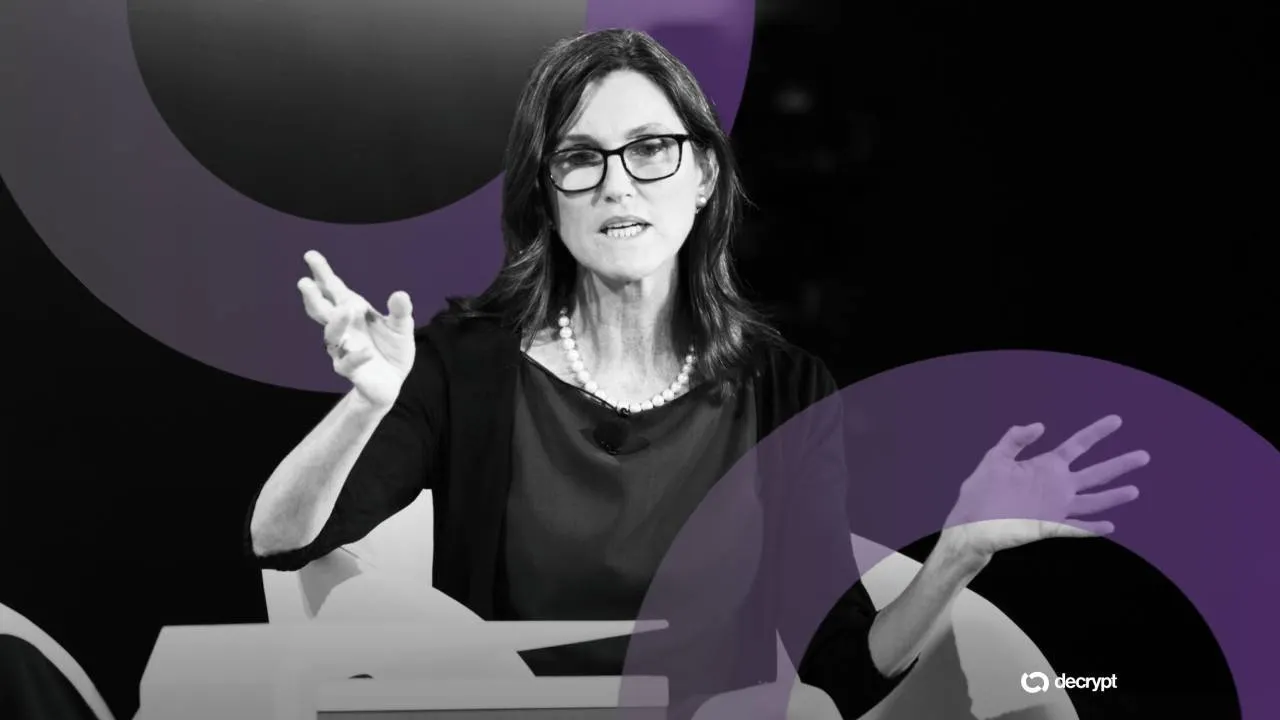
    Ark Invest has acquired shares in both Block Inc. and Circle Internet Group, according to a trading notification from the investment firm. The purchases occurred on Monday, with Ark Invest allocating approximately $37.4 million to Block Inc. shares across three of its actively managed exchange-traded funds. Additionally, Ark’s fintech fund purchased about $3.36 million in shares of Circle Internet Group.

    Ark’s flagship ARK Innovation ETF acquired 191,732 shares of Block Inc., valued at approximately $15.7 million. The ARK Next Generation Internet ETF added 88,065 shares worth about $7.2 million, and the ARK Fintech Innovation ETF purchased 176,262 shares, amounting to roughly $14.5 million. In total, Ark bought 456,059 shares of Block Inc.

    Block shares closed Monday down 3.23% at $80.20. The company, co-founded by Jack Dorsey in 2009 and formerly known as Square Inc., operates the Square merchant platform, the Cash App, and develops Bitcoin mining hardware. These investments by Ark Invest follow Block’s recent second-quarter earnings report.

    Block reported a gross profit of $3.17 billion for the second quarter, a 25% increase year-over-year. The company also raised its 2026 gross-profit forecast to $12.51 billion, which would represent 21% annual growth, according to Block’s shareholder letter. Operating income for the quarter was $447 million, with adjusted operating income at $864 million.

    In operational updates, Block credited artificial intelligence with assisting in the review of nearly all its production code changes in June. This technological integration follows a significant restructuring in February, which reduced Block’s workforce by more than 40%, decreasing its employee count from over 10,000 to fewer than 6,000.

    Ark’s fintech fund also acquired 35,192 shares of Circle Internet Group, valued at approximately $3.36 million. Circle closed Monday at $95.55, marking a 9.65% increase for the day.

    On the same day as these purchases, Ark Invest also sold shares in Palantir, Shopify, Roblox, AMD, and Tempus AI. However, the investment firm did not specify whether these sales were used to finance the acquisitions of Block or Circle shares. Uncertainty remains regarding the financing of these trades.

    Ark Invest’s strategic investment decisions, particularly in companies like Block Inc. and Circle Internet Group, are often viewed as potential indicators of market trends. However, these recent purchases should be considered in the context of Block’s ongoing financial recovery and strategic adjustments, rather than as a definitive market signal.

    Why This Matters

    The materials describe a narrow update: Ark Invest, through three of its actively managed ETFs, bought approximately $37. Whether Ark’s sales of Palantir, Shopify, Roblox, AMD, and Tempus AI shares financed its Block or Circle purchases.

    Broader Context

    Source materials place the factual news in this context: Cathie Wood’s Ark Invest bought $37.4 million in Jack Dorsey-led Block Inc. shares Monday, spreading the purchase across three actively managed exchange-traded funds.