Blog

  • هشدار گروه رمزارز: فدرال رزرو می‌تواند دسترسی بانکی را برای فشار بر شرکت‌های دارایی دیجیتال محدود کند

    هشدار گروه رمزارز: فدرال رزرو می‌تواند دسترسی بانکی را برای فشار بر شرکت‌های دارایی دیجیتال محدود کند

    انجمن بلاکچین از دیوان عالی کشور درخواست کرده است تا به پرونده بانک کاستودیا علیه فدرال رزرو رسیدگی کند. این انجمن استدلال می‌کند که بانک مرکزی نباید اختیار گسترده‌ای برای محروم کردن بانک‌های دارای مجوز ایالتی واجد شرایط از دسترسی به سیستم پرداخت داشته باشد.

    درخواست رسیدگی دیوان عالی

    انجمن بلاکچین در نامه‌ای که روز چهارشنبه به عنوان “دوست دادگاه” (amicus brief) در حمایت از درخواست کاستودیا برای رسیدگی دیوان عالی ارائه شد، اعلام کرد که حکم دادگاه بدوی به نفع فدرال رزرو، راهی پنهانی را برای تنظیم‌کنندگان فدرال فراهم می‌کند تا کسب‌وکارهای قانونی را از سیستم بانکی حذف کنند.

    این انجمن در نامه خود نوشت: «این حکم، سوءاستفاده فدرال رزرو از خدمات پرداخت خود را برای پیشبرد یک هدف سیاستی غیرقابل قبول – یعنی حذف صنعت دارایی‌های دیجیتال از سیستم بانکی – تأیید می‌کند.»

    ماهیت نامه “دوست دادگاه”

    نامه “دوست دادگاه” سندی حقوقی است که توسط شخصی غیر از طرفین پرونده ارائه می‌شود و هدف آن ارائه استدلال‌ها یا اطلاعات تکمیلی به دادگاه است. در این مورد، انجمن بلاکچین از درخواست کاستودیا برای بررسی این اختلاف توسط دیوان عالی کشور حمایت می‌کند.

    اختلاف بر سر “حساب اصلی” فدرال رزرو

    موضوع اصلی این پرونده، درخواست کاستودیا برای دریافت “حساب اصلی” (master account) از فدرال رزرو است. کاستودیا که یک بانک رمزارزی مستقر در وایومینگ است، خدماتی از قبیل نگهداری دارایی‌های دیجیتال، زیرساخت پرداخت و تسویه، و محصولات مرتبط با استیبل‌کوین‌های پشتوانه دلار را به مشتریان سازمانی ارائه می‌دهد. این بانک سال‌هاست که به دنبال دریافت حساب اصلی است تا بتواند پرداخت‌ها را مستقیماً با بانک مرکزی تسویه کند. در ماه اکتبر، هیئت تجدیدنظر حکم داد که صرف واجد شرایط بودن، کاستودیا را مستحق دریافت حساب نمی‌کند. در ماه دسامبر، این بانک از کل دادگاه استیناف حوزه دهم درخواست کرد تا به این پرونده دوباره رسیدگی کند.

    تهدید سیستم بانکی دوگانه

    انجمن بلاکچین استدلال می‌کند که رد درخواست کاستودیا توسط فدرال رزرو، سیستم بانکی دوگانه را که در آن هم مقامات ایالتی و هم فدرال می‌توانند بانک‌ها را مجوزدهی کنند، تهدید می‌کند. این انجمن می‌گوید اگر این حکم پابرجا بماند، تنظیم‌کنندگان فدرال می‌توانند با محروم کردن از دسترسی به سیستم پرداخت، تصمیمات بانکی ایالتی را نادیده بگیرند.

    آنها نوشتند: «اینکه آیا تنظیم‌کنندگان فدرال، بر اساس تمایلات اختیاری خود، می‌توانند به اختیارات ایالتی تجاوز کرده و کسب‌وکارهای قانونی را از سیستم بانکی حذف کنند، پرسشی با اهمیت استثنایی و پیامدهای گسترده برای اقتصاد ملی است.»

    عملیات “چوک پوینت ۲.۰”

    این نامه به مبارزه کاستودیا به عنوان آخرین مرحله از “عملیات چوک پوینت ۲.۰” (Operation Choke Point 2.0) اشاره می‌کند؛ برنامه‌ای در دوران اوباما و بایدن که منتقدان می‌گویند بانک‌ها را تحت فشار قرار می‌داد تا روابط خود را با صنایع نامطلوب قطع کنند.

    این نامه می‌افزاید: «در یک کارزار به خوبی مستند شده که عملیات چوک پوینت ۲.۰ نامیده می‌شود، دولت فدرال در دولت پیشین ‘از قوانین مبهم، اختیارات بیش از حد، راهنمایی‌های غیررسمی و اقدامات اجرایی تهاجمی برای فشار بر بانک‌ها جهت دوری از خدمت‌رسانی به مشتریان دارایی‌های دیجیتال’ و تعامل با دارایی‌های دیجیتال استفاده کرد.»

    اگرچه دیوان عالی هنوز موافقت خود را با رسیدگی به این پرونده اعلام نکرده است، اما این نامه از قضات می‌خواهد تا میزان کنترل فدرال رزرو بر دسترسی به سیستم پرداخت ایالات متحده را تعیین کنند.
  • Crypto Firms Seek AI Model Access for Enhanced Security Research

    Crypto Firms Seek AI Model Access for Enhanced Security Research

    Over 40 cryptocurrency companies have formally requested that major AI developers provide independent security researchers with early access to their most advanced AI models. This initiative, detailed in a letter, aims to strengthen the security of the open-source financial infrastructure that underpins digital assets.

    The primary objective is to enable qualified defenders to identify and fix vulnerabilities in the code before they can be exploited. The Bitcoin network alone secures over a trillion dollars, and the broader ecosystem of wallets, signing devices, libraries, and custody systems holds trillions more. The open-source nature of this critical infrastructure means a single bug could lead to significant financial losses.

    According to the letter, early access and adequate compute resources would empower core developers to enhance code security and proactively remediate vulnerabilities. The companies involved are also developing safeguards to prevent their AI models from being used maliciously, including for blockchain-related applications. However, they acknowledge that granting defenders access to more powerful models carries an inherent risk of information leakage.

    The letter highlights a critical gap: while AI labs operate researcher programs, maintainers of open-source financial infrastructure often lack access to these vetted programs. This limitation forces them to rely on less advanced open-weight systems, potentially leaving them a step behind emerging threats. As an example of AI’s offensive potential, Anthropic has demonstrated how AI models can facilitate sophisticated attacks, such as “vibe hacking” and live Bitcoin-ransom attacks, thereby reducing the cost of such malicious activities.

    In parallel security efforts, the Bitcoin Security Consortium—comprising firms like BlackRock, Coinbase, Strategy, Anchorage, ARK, Block, Blockstream, Fidelity Digital Assets, and Galaxy—committed $15 million late last month to bolster the network’s long-term security. This funding underscores the industry’s proactive approach to strengthening its defenses.

    Major AI labs have not yet publicly responded to this specific request. Significant uncertainties remain regarding how AI labs will qualify defenders for access programs and whether they will ultimately agree to provide access to their most powerful models. The companies behind the letter are urging the labs to accept this risk.

    This request emerges as the value of digital assets continues to grow, alongside the increasing sophistication of potential threats. The proposed collaboration between the cryptocurrency industry and AI developers could suggest crucial in ensuring the ongoing security and integrity of the digital asset ecosystem.

    Why This Matters

    The materials describe a narrow update: Over 40 cryptocurrency companies have urged major AI developers to allow independent security researchers access to their most advanced AI models prior to public release. The stance of big AI labs on the request for trusted-access programs.

    Broader Context

    Source materials place the factual news in this context: The Bitcoin network secures more than a trillion dollars, and the wider stack—wallets, signing devices, libraries, custody systems—holds trillions more.

  • Blockchain Association Urges Supreme Court Review of Fed’s Payment Access Authority

    Blockchain Association Urges Supreme Court Review of Fed’s Payment Access Authority

    The Blockchain Association has filed an amicus brief with the U.S. Supreme Court, urging the justices to review a case involving Custodia Bank and the Federal Reserve. The brief supports Custodia Bank’s petition and argues that the Federal Reserve should not possess the authority to deny payment system access to eligible state-chartered banks. The association contends that a recent lower court ruling in favor of the Fed could allow regulators to effectively exclude lawful businesses, particularly within the digital asset industry, from the financial system.

    Core Dispute Over Payment System Access

    The central issue involves Custodia Bank, a state-chartered bank based in Wyoming offering digital-asset services, which has been seeking a master account with the Federal Reserve. Such an account would grant direct access to the U.S. payments system. However, an appeals panel ruled in October that eligibility alone did not entitle Custodia to a master account. Custodia Bank subsequently requested a rehearing of the case by the full Tenth Circuit in December.

    Arguments Against Federal Reserve Authority

    The Blockchain Association argues that the Federal Reserve’s actions threaten the integrity of the dual banking system, where both state and federal authorities can charter banks. According to the association, if the lower court’s ruling stands, federal regulators could override state banking decisions by controlling access to essential financial infrastructure. The crypto trade group stated that this scenario provides federal regulators a “quiet way to cut lawful businesses out of the banking system.”

    Concerns Over Regulatory Overreach and Historical Parallels

    In their brief, the Blockchain Association also drew parallels to “Operation Choke Point 2.0.” They described this as a program from the prior administration that allegedly used “vague rules, excessive discretion, informal guidance, and aggressive enforcement actions to pressure banks away from serving digital asset clients” and engaging with digital assets. The association views Custodia’s fight as the latest phase of this alleged campaign.

    The Blockchain Association argues that the Federal Reserve’s decision ratifies what they perceive as the Fed’s “misuse of its payment services to further an impermissible policy goal—debanking the digital-asset industry.” They further claim that federal regulators, “based on their own discretionary whims, can intrude on state prerogatives and debank lawful businesses,” a question they deem of “exceptional importance with broad consequences for the national economy.”

    An amicus brief, meaning “friend of the court,” is a legal filing submitted by a party not directly involved in a case but who has a strong interest in the subject matter. These briefs provide additional arguments and context to help the court make its decision.

    Uncertainty and Next Steps

    Key uncertainties remain regarding the case. It is not yet determined whether the Supreme Court will agree to hear Custodia Bank’s petition. Furthermore, the extent of the Federal Reserve’s ultimate control over access to the U.S. payments system remains a subject of ongoing legal and regulatory debate.

    Why This Matters

    The Blockchain Association has filed a brief supporting Custodia Bank’s petition to the Supreme Court, raising questions about the Federal Reserve’s authority over payment system access for state-chartered banks. Whether the Supreme Court will agree to hear the case remains uncertain.

    Broader Context

    The Blockchain Association is urging the Supreme Court to take up Custodia Bank’s fight with the Federal Reserve.

  • نشت اطلاعات مشتریان ترزور از ShipMonk

    نشت اطلاعات مشتریان ترزور از ShipMonk

    افشای اطلاعات سفارش بیش از ۱۳ هزار مشتری Trezor در پی حمله سایبری به یکی از تامین‌کنندگان

    شرکت Trezor، تولیدکننده کیف پول‌های سخت‌افزاری ارز دیجیتال، اعلام کرده است که یکی از ارائه‌دهندگان خدمات حمل‌ونقل آن، یعنی ShipMonk، مورد حمله سایبری قرار گرفته و اطلاعات حساس سفارش بیش از ۱۳ هزار مشتری این شرکت افشا شده است. این حادثه منجر به نگرانی‌هایی در میان کاربران در خصوص افزایش حملات فیشینگ شده است.

    جزئیات نشت اطلاعات

    بر اساس گزارش Trezor، در این حمله سایبری اطلاعات ۱۱,۷۴۲ مشتری شامل نام، آدرس ایمیل، شماره تلفن و آدرس پستی آن‌ها به سرقت رفته است. همچنین، اطلاعات نام، شهر و آدرس ایمیل ۱,۹۴۷ مشتری دیگر نیز افشا شده است. شماره سفارش‌ها نیز در میان اطلاعات لو رفته وجود داشته است. Trezor اعلام کرده است که این داده‌ها مربوط به سفارش‌هایی است که بین ۱۰ مه تا ۸ اوت ۲۰۲۶ دریافت شده‌اند و بازارهای تحت تأثیر شامل ایالات متحده، بریتانیا، سوئد، کلمبیا، برزیل، ایتالیا و پرتغال بوده‌اند.

    امنیت سیستم‌های Trezor و عدم تأثیر بر کیف پول‌ها

    این شرکت با تأکید بر امنیت سیستم‌های خود، خاطرنشان کرده است که “سیستم‌های ما مورد نفوذ قرار نگرفته‌اند و دستگاه Trezor شما امن است.” Trezor همچنین اعلام کرده است که کیف پول‌های سخت‌افزاری، کلیدهای خصوصی و نسخه‌های پشتیبان کیف پول‌ها تحت تأثیر این حادثه قرار نگرفته‌اند. سیاست ذخیره‌سازی داده به مدت ۹۰ روز که Trezor آن را در قراردادهای خود با شرکای لجستیکی گنجانده است، باعث شده تا سفارش‌های قدیمی‌تر در مجموعه داده‌های افشا شده قرار نگیرند. با این حال، تمامی مشتریان تحت تأثیر به صورت جداگانه از طریق ایمیل مطلع شده‌اند.

    توصیه‌های امنیتی به مشتریان

    Trezor به مشتریان خود توصیه کرده است که هرگونه ارتباطی که خواستار اقدام فوری یا درخواست اطلاعات شخصی است را “مشکوک” تلقی کنند، ادعاها را با کانال‌های رسمی بررسی کنند و هرگز نسخه پشتیبان کیف پول خود را در وب‌سایت وارد نکنند یا آن را با کسی به اشتراک نگذارند.

    واکنش کاربران و نگرانی از افزایش حملات فیشینگ

    این شرکت در اطلاعیه خود اشاره کرده است که مشتریان تحت تأثیر “ممکن است شاهد افزایش تلاش‌ها برای فیشینگ باشند.” با این حال، به نظر می‌رسد این اظهارنظر با واکنش انتقادی کاربران مواجه شده است. یکی از کاربران در پلتفرم X (توییتر سابق) با نام کاربری Chikun نوشته است: “فیشینگ؟؟ آن‌ها آدرس‌های پستی را دارند، شما احمق‌ها.” این پاسخ در عرض یک ساعت حدود ۱۵۹ لایک دریافت کرده است. کاربر دیگری نیز این افشاگری را “فیشینگ در دنیای واقعی” (irl phishing) توصیف کرده است.

    Trezor در توییتی در تاریخ ۱۳ اوت ۲۰۲۶ اعلام کرده بود: “ما اخبار دشواری برای به اشتراک گذاشتن داریم. متأسفانه، یکی از ارائه‌دهندگان خدمات حمل‌ونقل ما دچار نشت داده شده است که اطلاعات حساس سفارش مشتریان جدید در ایالات متحده، بریتانیا، سوئد، کلمبیا، برزیل، ایتالیا و پرتغال را که در ۹۰ روز گذشته سفارشی دریافت کرده‌اند، افشا کرده است…”

    سابقه حملات مشابه و اقدامات آتی Trezor

    خطر فیشینگ همچنان با حوادث مشابه در شرکت‌های رقیب همخوانی دارد. گزارش شده است که در گذشته، کلاهبرداران با استفاده از داده‌های سفارش افشا شده از شریک تجارت الکترونیک Ledger، ایمیل‌های فیشینگی ارسال کرده‌اند که ادعا می‌کردند Ledger و Trezor ادغام شده‌اند و کاربران را به وارد کردن عبارات بازیابی ۲۰ کلمه‌ای در یک سایت جعلی ترغیب می‌کردند.

    Trezor اعلام کرده است که در حال تحقیق در این زمینه است و به‌روزرسانی‌ها را در وبلاگ خود منتشر خواهد کرد. این شرکت همچنین به توسعه گزینه “تحویل ناشناس” با بسته‌بندی خنثی، جزئیات فرستنده عمومی و حذف خودکار شناسه‌های حمل‌ونقل اشاره کرده است.

    این دومین بار نیست که مشتریان Trezor با چنین مشکلاتی روبرو می‌شوند. پیش از این نیز مهاجمان از طریق لیست پستی Trezor که در MailChimp در سال ۲۰۲۲ به خطر افتاده بود، ایمیل‌های فیشینگ ارسال کرده و کاربران را به دانلود از دامنه‌های جعلی که برای سرقت عبارات بازیابی طراحی شده بودند، هدایت کردند. دو سال پیش از آن نیز، نشت اطلاعات از یک پورتال پشتیبانی شخص ثالث، نام و آدرس ایمیل حدود ۶۶ هزار کاربری را که از دسامبر ۲۰۲۱ با پشتیبانی Trezor تماس گرفته بودند، افشا کرد. در حالی که در هر دو مورد قبلی جزئیات تماس افشا شده بود، این حادثه آدرس‌های پستی را در چندین کشور در معرض خطر قرار داده است.

  • Hawaii to Restrict Cash Deposits at Crypto ATMs

    Hawaii to Restrict Cash Deposits at Crypto ATMs

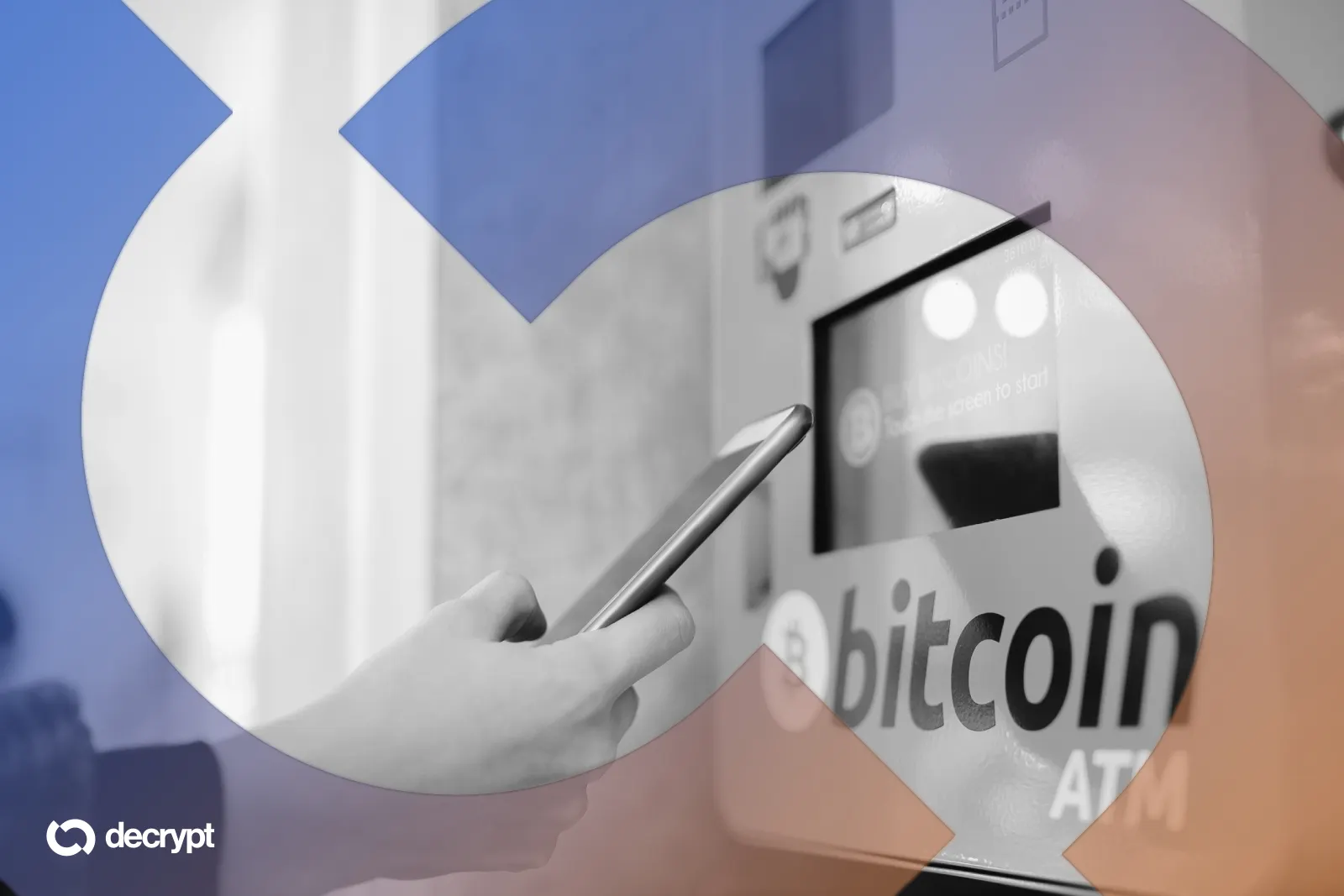
    Hawaii will prohibit cash deposits at cryptocurrency ATMs starting October 1st, following Governor Josh Green’s signing of Act 224 into law on July 9th. This new regulation aims to curb the use of crypto kiosks for illicit activities, driven by significant concerns over scams and financial losses.

    The law specifically makes it unlawful for operators to accept U.S. currency from customers in exchange for digital assets at these kiosks. However, it permits ATMs to facilitate the exchange of digital assets for U.S. currency or the exchange of one digital asset for another. This distinction aligns with the legislative intent to address vulnerabilities exploited in fraudulent schemes.

    Evidence cited in a committee report indicates the scale of the problem: investigations by the attorneys general of Washington, D.C., and Iowa found that over 93% of examined kiosk transactions were linked to scams. Further data from the FBI’s Internet Crime Complaint Center (IC3) highlights the impact on Hawaii residents. In 2025, the IC3 logged 92 kiosk-related complaints from Hawaii, resulting in adjusted losses of $3.85 million. The state also recorded 826 overall cryptocurrency complaints in 2025, valued at approximately $80 million.

    Hawaii’s banking commissioner, Dwight Young, told Hawaii News Now that the anonymity and traceability challenges associated with crypto ATMs make them attractive to criminals. Scammers often initiate contact through unsolicited calls, texts, or emails, falsely claiming compromised bank accounts or missed jury duty, and then persuade victims to transfer cryptocurrency to controlled wallet addresses. Staff observing kiosk usage reported that many users, particularly elders, appeared distressed.

    Approximately 57 crypto ATMs are currently operational across four of Hawaii’s islands, according to CoinATMRadar. The legislative action in Hawaii is part of a broader trend of state-level regulatory responses to cryptocurrency-related fraud. Lawmakers in Texas are considering a similar ban on crypto kiosks following scams that cost residents $57 million, and Delaware has advanced its own bill concerning these machines.

    The committee concluded that banning cash purchases at kiosks was appropriate, given that consumers have alternative methods for acquiring digital assets. This measure seeks to protect consumers by removing a key avenue for fraudulent transactions while allowing other forms of cryptocurrency exchange to continue.

    Why This Matters

    The materials describe a narrow update: Hawaii has enacted a law, Act 224, signed by Governor Josh Green on July 9th, which will make it illegal to operate a cryptocurrency ATM that accepts cash deposits from customers starting October 1st. The distinction in the law reflects what lawmakers were targeting, which was the use of kiosks in scams.

    Broader Context

    Source materials place the factual news in this context: Hawaii will make it unlawful to run a crypto kiosk that takes cash from customers starting October 1, under a measure Governor Josh Green signed on July 9 as Act 224.

  • Monero Surges 13% Weekly Amid Bullish Analyst Outlook

    Monero Surges 13% Weekly Amid Bullish Analyst Outlook

    Monero Surges 13% Weekly Amid Analyst Optimism

    In a market where double-digit gains over a seven-day period are a rarity, Monero (XMR) stands out as a notable exception, sparking optimism among observers for further price appreciation.

    The privacy-focused cryptocurrency has crossed the $400 mark, currently trading around $404 according to CoinGecko. This represents a 13% increase over the past week, pushing its market capitalization beyond $7.5 billion and elevating it to the 16th-largest cryptocurrency, surpassing Cardano’s ADA.

    While the precise driver behind Monero’s resurgence remains somewhat elusive, some analysts have identified bullish chart patterns that could signal a sustained upward trend. Several days ago, the X user known as The Moon Show suggested that XMR might be forming a significant cup-and-handle pattern. “I’m watching for a clean handle followed by a breakout above $430. If that happens, things could move very fast,” they stated.

    Another X user, Lucky, who boasts nearly two million followers, characterized the upward movement as a “special breakout from a special privacy gem.” This analyst believes XMR has entered a bullish trend and projects a potential surge to nearly $600.

    Crypto With Gopal appears to be the most bullish on Monero, opining that the cryptocurrency has established a large triangle pattern. He noted that the price is consolidating near $400 following a strong recovery, with rising support and descending resistance creating a squeeze in momentum. “Bulls are holding the range as a major breakout setup develops. A clean breakout above the upper trendline could trigger a major expansion move toward the $1,000 target,” he forecasted.

    However, two key factors could potentially lead to a short-term pullback for XMR’s rally. Firstly, the asset’s Relative Strength Index (RSI), which measures the speed and magnitude of recent price changes to indicate potential trend reversals, currently stands at approximately 77. An RSI above 70 typically signals an overbought condition, suggesting a possible correction.

    Secondly, Monero’s exchange netflow data indicates a recent trend of inflows dominating outflows. This suggests that investors may be moving their assets from self-custody to centralized exchanges, which can increase immediate selling pressure.

  • هاوایی از اکتبر تراکنش‌های نقدی در دستگاه‌های خودپرداز رمزارز را ممنوع می‌کند

    هاوایی از اکتبر تراکنش‌های نقدی در دستگاه‌های خودپرداز رمزارز را ممنوع می‌کند

    ممنوعیت خرید ارز دیجیتال با پول نقد در کیوسک‌های هاوایی از اول اکتبر

    از اول اکتبر، راه‌اندازی کیوسک‌های ارز دیجیتال که پول نقد از مشتریان دریافت می‌کنند در هاوایی غیرقانونی خواهد بود. این اقدام پس از امضای قانونی توسط فرماندار جاش گرین در تاریخ ۹ جولای، تحت عنوان قانون ۲۲۴، صورت می‌گیرد.

    این قانون بخش جدیدی را به قانون حمایت از مصرف‌کننده ایالتی اضافه می‌کند و هرگونه مالکیت، بهره‌برداری یا مدیریت کیوسکی در هاوایی که “در ازای دارایی مالی دیجیتال، ارز ایالات متحده را از مشتری بپذیرد” را یک عمل غیرقانونی تلقی می‌کند. هر تراکنش ممنوعه به عنوان یک تخلف مجزا محسوب خواهد شد.

    این قانون ماشین‌ها را خاموش نمی‌کند. متن مصوب تصریح می‌کند که “هیچ بخشی از این قانون مانع از” بهره‌برداری کیوسکی که در ازای دارایی دیجیتال، دارایی دیجیتال دیگری را می‌پذیرد، یا در ازای دارایی دیجیتال، ارز ایالات متحده را می‌پذیرد، نخواهد شد. به عبارت دیگر، مشتریان همچنان می‌توانند ارز دیجیتال خود را در کیوسک بفروشند و دلار دریافت کنند؛ اما دیگر نمی‌توانند با اسکناس ارز دیجیتال خریداری کنند.

    این تمایز منعکس‌کننده هدف قانون‌گذاران است. گزارشی از یک کمیته نشان داد که این دستگاه‌ها “به طور فزاینده‌ای در کلاهبرداری‌هایی که افراد مسن را هدف قرار می‌دهند، مورد استفاده قرار می‌گیرند”، که در آن قربانیان متقاعد می‌شوند تا ارز دیجیتال را به یک آدرس کیف پول که کلاهبردار کنترل می‌کند، منتقل کنند.

    همین گزارش به تحقیقات دادستان‌های کل واشنگتن دی‌سی و آیووا استناد می‌کند که نشان داد بیش از ۹۳ درصد از تراکنش‌ها در کیوسک‌های مورد بررسی، تراکنش‌های کلاهبردارانه بوده‌اند. از آنجایی که مصرف‌کنندگان راه‌های دیگری برای دسترسی به دارایی‌های دیجیتال دارند، کمیته نتیجه گرفت که ممنوعیت کامل خرید مناسب است.

    مرکز شکایات جرایم اینترنتی اف‌بی‌آی در سال ۲۰۲۵، ۹۲ شکایت مربوط به کیوسک‌ها را از سوی ساکنان هاوایی و زیان‌های تعدیل شده ۳.۸۵ میلیون دلاری ثبت کرده است که تقریباً چهار برابر رقم سال قبل است. همچنین ۸۲۶ شکایت کلی مربوط به ارز دیجیتال از این ایالت، به ارزش حدود ۸۰ میلیون دلار، ثبت شده است. دوایت یانگ، کمیسر بانکی هاوایی، به هاوایی نیوز نااو گفت که این دستگاه‌ها به دلیل ناشناس بودن و دشواری ردیابی، برای مجرمان جذاب هستند. این کلاهبرداری‌ها معمولاً با تماس، پیامک یا ایمیل ناخواسته مبنی بر به خطر افتادن حساب بانکی یا عدم حضور در جلسه هیئت منصفه آغاز می‌شوند.

    کارکنان حاضر در نزدیکی کیوسک‌ها به دپارتمان امور مصرف‌کننده ایالت گزارش دادند که بیشتر استفاده‌کنندگان از این دستگاه‌ها “کوپونا” یا سالمندان هستند که مضطرب یا وحشت‌زده به نظر می‌رسند.

    بر اساس گزارش CoinATMRadar، حدود ۵۷ دستگاه خودپرداز ارز دیجیتال در چهار جزیره هاوایی فعال هستند. سایر ایالت‌ها نیز در حال حرکت در همین جهت هستند؛ قانون‌گذاران تگزاس پس از آنکه کلاهبرداری‌های کیوسکی ۵۷ میلیون دلار به ساکنان این ایالت خسارت وارد کرد، در حال بررسی ممنوعیت هستند و دلاور نیز لایحه مشابهی را پیش برده است.

  • مونرو ۱۳ درصد رشد هفتگی؛ تحلیلگران انتظار افزایش بیشتر را دارند

    مونرو ۱۳ درصد رشد هفتگی؛ تحلیلگران انتظار افزایش بیشتر را دارند

    صعود ۱۵ درصدی مونرو (XMR) در هفته گذشته؛ تحلیلگران به رشد بیشتر امیدوارند

    در شرایطی که یافتن ارزهای دیجیتالی با رشد دو رقمی در هفت روز گذشته دشوار است، مونرو (XMR) یکی از معدود استثنائات بوده است. پس از موج صعودی اخیر، بسیاری از ناظران بازار نسبت به افزایش بیشتر قیمت ابراز خوش‌بینی کرده‌اند.

    صعود قیمت و افزایش ارزش بازار

    مونرو از مرز ۴۰۰ دلار عبور کرده و در حال حاضر با قیمتی حدود ۴۰۴ دلار (بر اساس داده‌های CoinGecko) معامله می‌شود که نشان‌دهنده افزایش ۱۳ درصدی در هفته گذشته است. ارزش بازار این ارز دیجیتال از ۷.۵ میلیارد دلار فراتر رفته و با پیشی گرفتن از کاردانو (ADA)، جایگاه شانزدهم را در میان بزرگترین ارزهای دیجیتال به خود اختصاص داده است.

    دلایل احتمالی رشد و پیش‌بینی‌های تحلیلگران

    هنوز دلیل دقیق این روند صعودی به طور کامل مشخص نیست، اما برخی تحلیلگران تشکیل الگوهای صعودی را مشاهده کرده‌اند که می‌تواند از یک روند افزایشی پایدارتر حمایت کند. چند روز پیش، کاربری در پلتفرم X به نام The Moon Show ادعا کرد که مونرو ممکن است در حال شکل‌دهی یک الگوی “کاپ و هندل” بزرگ باشد. او گفته است: “من منتظر یک هندل تمیز و سپس شکست قیمت بالای ۴۳۰ دلار هستم. اگر این اتفاق بیفتد، مسائل می‌توانند خیلی سریع پیش بروند.”

    از سوی دیگر، کاربری به نام Lucky که نزدیک به دو میلیون دنبال‌کننده در X دارد، این حرکت صعودی را “شکست ویژه‌ای از یک گوهر حریم خصوصی خاص” توصیف کرده است. این تحلیلگر معتقد است که مونرو وارد روند صعودی شده و پیش‌بینی می‌کند قیمت آن تا حدود ۶۰۰ دلار افزایش یابد.

    Crypto With Gopal به نظر خوش‌بین‌ترین فرد در این میان است. او معتقد است که مونرو یک الگوی مثلثی بزرگ تشکیل داده است و قیمت پس از یک بازیابی قوی، در نزدیکی ۴۰۰ دلار تثبیت شده است، زیرا حمایت رو به افزایش و مقاومت رو به کاهش، شتاب قیمت را فشرده می‌کنند. او پیش‌بینی کرده است: “گاوها در حال حفظ محدوده هستند زیرا یک الگوی شکست بزرگ در حال توسعه است. شکست تمیز بالای خط روند بالایی می‌تواند یک حرکت انبساطی بزرگ به سمت هدف ۱۰۰۰ دلاری را آغاز کند.”

    عوامل هشداردهنده و احتمال اصلاح قیمت

    شایان ذکر است که بر اساس دو عامل مهم، روند صعودی مونرو ممکن است با یک اصلاح کوتاه‌مدت مواجه شود. عامل اول، شاخص قدرت نسبی (RSI) این دارایی است که سرعت و بزرگی تغییرات اخیر قیمت را اندازه‌گیری می‌کند تا به معامله‌گران ایده‌ای در مورد معکوس شدن احتمالی روند بدهد. این شاخص بین ۰ تا ۱۰۰ متغیر است؛ مقادیر بالای ۷۰ نشان‌دهنده ورود سکه به قلمرو اشباع خرید و احتمال اصلاح است. در مقابل، نسبت‌های زیر ۳۰ معمولاً به عنوان فرصت خرید تفسیر می‌شوند. در حال حاضر، RSI حدود ۷۷ است.

    عامل دوم، خالص جریان ورودی و خروجی مونرو به صرافی‌ها (exchange netflow) است. در چند ماه گذشته، جریان ورودی به صرافی‌ها بر جریان خروجی غلبه داشته است که نشان می‌دهد سرمایه‌گذاران از نگهداری شخصی خودداری کرده و به پلتفرم‌های متمرکز روی آورده‌اند. این امر به نوبه خود، فشار فروش فوری را افزایش می‌دهد.

  • XRP Tests $1.00 Support Amidst Technical Downtrend, Uncertainty Remains

    XRP Tests $1.00 Support Amidst Technical Downtrend, Uncertainty Remains

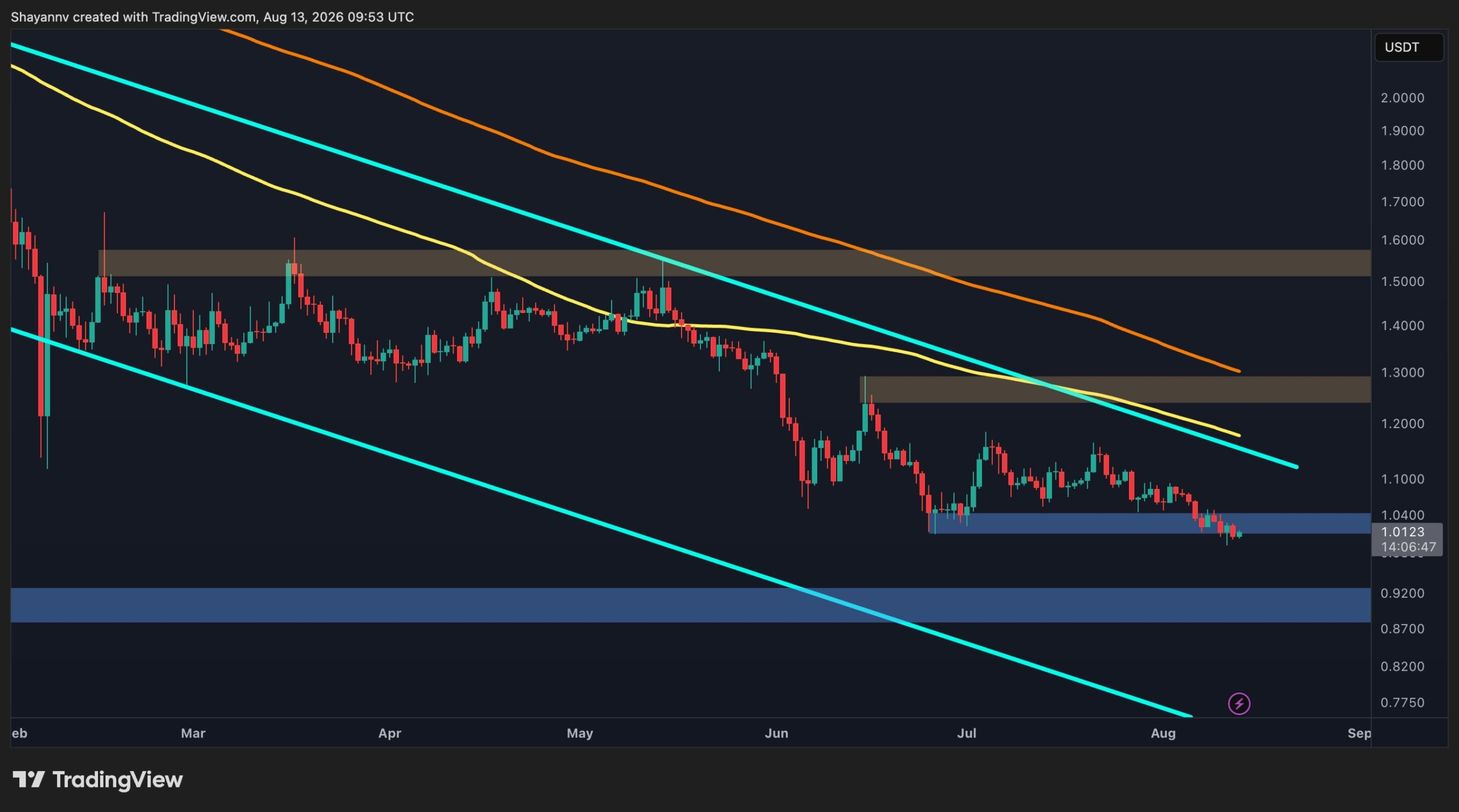
    XRP is currently testing the critical $1.00 support level, a key juncture that could influence its short-to-medium term trajectory within a broader bearish market structure. Technical indicators and price action suggest that the prevailing downtrend remains intact, with potential for further declines if this support fails. It remains uncertain whether the $1.00 support zone will hold.

    XRP/USDT Analysis
    According to the analysis, XRP has been experiencing lower highs and lower lows, trading within a descending channel on the XRP/USDT daily chart. This pattern, coupled with the price trading below both the 100-day and 200-day moving averages, reinforces the bearish outlook. The $1.00 zone has recently acted as a local floor during consolidation, making its defense crucial for any potential recovery.

    If XRP manages to hold the $1.00 support, buyers may find an opportunity to establish a base and initiate a move towards the first major resistance area, identified between $1.25 and $1.30. This zone is significant as it aligns with the declining 200-day moving average. A notable move above this level and the descending channel could improve the technical picture, potentially opening the door for a move towards the $1.50-$1.60 resistance area.

    However, the analysis indicates that as long as XRP remains below the $1.25-$1.30 resistance, the prevailing downtrend is likely to continue. A failure to sustain the $1.00 support could lead to a further price drop, with the next significant downside area appearing around $0.90. A sustained move below $0.90 would signal a more substantial structural move, potentially pushing the price towards the lower boundary of the larger descending channel.

    XRP/BTC Performance
    The performance of XRP against Bitcoin (XRP/BTC) mirrors this bearish sentiment. The XRP/BTC pair has broken below the 1,700 sats support level and is now approaching the 1,500 sats support zone. Trading within a broader descending structure, XRP/BTC faces 1,700 sats as its first key resistance. Holding the 1,500 sats area could allow for a recovery back towards 1,700 sats, but until that level is reclaimed, XRP is expected to remain relatively weak against Bitcoin.

    Outlook and Uncertainties
    Technical indicators suggest that XRP is in a critical technical area on both its USDT and BTC pairings. The 1,500 sat demand zone is a crucial level for buyers to defend on the BTC pair. A sustained defense of this area could potentially fuel a rebound against USDT, but the broader bearish structure remains in place unless XRP begins reclaiming overhead resistance levels.

    Key uncertainties remain regarding whether XRP can reclaim critical resistance levels. The performance of the XRP/BTC pair at the 1,500 sats support is also a significant factor. The current analysis indicates a bearish structure, and any potential upside is contingent on reclaiming key resistance levels.

    Why This Matters

    The materials describe a narrow update: XRP is trading near $1. Whether the $1.00 support zone will hold.

    Broader Context

    Source materials place the market analysis in this context: XRP remains firmly in a corrective structure, with the token trading near $1.00 after months of lower highs and lower lows.

  • XRP Holders Gain Access to Options and Perpetual Futures Trading on Derive via FXRP Collateral

    XRP Holders Gain Access to Options and Perpetual Futures Trading on Derive via FXRP Collateral

    XRP holders can now trade options and perpetual futures on the decentralized exchange Derive, utilizing Flare’s FXRP as collateral. This development, announced on Thursday, expands derivative trading capabilities for XRP holders within the decentralized finance (DeFi) ecosystem.

    FXRP, a token representing XRP on the Flare blockchain, is minted by users through Flare’s FAssets bridge. Once minted, FXRP can be deposited into a Derive Portfolio Margin V2 account, enabling users to trade derivatives directly from their wallets.

    Options contracts provide the right, but not the obligation, to buy or sell an asset at a predetermined price by a specific date. Perpetual futures allow speculation on an asset’s future price movements without an expiration date. According to Flare, these new trading options allow XRP holders to hedge against potential losses, earn premiums by selling options, or speculate on XRP’s price.

    “Options are often the last major market to develop around an asset, and XRP has been waiting for the infrastructure,” said Nick Forster, founder and CEO of Derive, in a statement. “FXRP gives one of crypto’s largest holder bases a credible path onchain, and adding Derive’s options markets means that capital can now be hedged, used to earn premium and traded with the same sophistication available around other major assets.”

    Derive’s XRP options will settle in USDC. If an option expires profitably for the buyer, Derive will pay out the difference in USDC while the FXRP collateral remains in the user’s account. Options sellers, however, must maintain sufficient USDC to cover settlement costs and meet margin requirements to avoid liquidation of their collateral.

    This integration broadens FXRP’s utility in decentralized finance. Earlier in the month, FXRP was approved as collateral for Sentora’s RLUSD vault on the Ethereum-based lending protocol Morpho, a service that allows XRP holders to bridge FXRP to Ethereum and borrow Ripple’s RLUSD stablecoin without selling their XRP.

    Why This Matters

    The materials describe a narrow update: Flare announced that XRP holders can now use FXRP, a token representing XRP on the Flare blockchain, as collateral to trade options and perpetual futures on the decentralized exchange Derive. XRP holders can use the products to hedge against losses, earn premiums by selling options, or speculate on the token’s price.

    Broader Context

    Source materials place the factual news in this context: Flare announced on Thursday that XRP holders can now use Flare’s FXRP as collateral to trade options and perpetual futures on decentralized exchange Derive.