Blog

  • هوش بلورین: تحلیلگر هوش مصنوعی پشت هر قضاوت بلاکچین

    هوش بلورین: تحلیلگر هوش مصنوعی پشت هر قضاوت بلاکچین

    کریستال اینتلیجنس «Ask Crystal» را معرفی کرد؛ تحلیلگر هوش مصنوعی برای هر قضاوت بلاک‌چینی

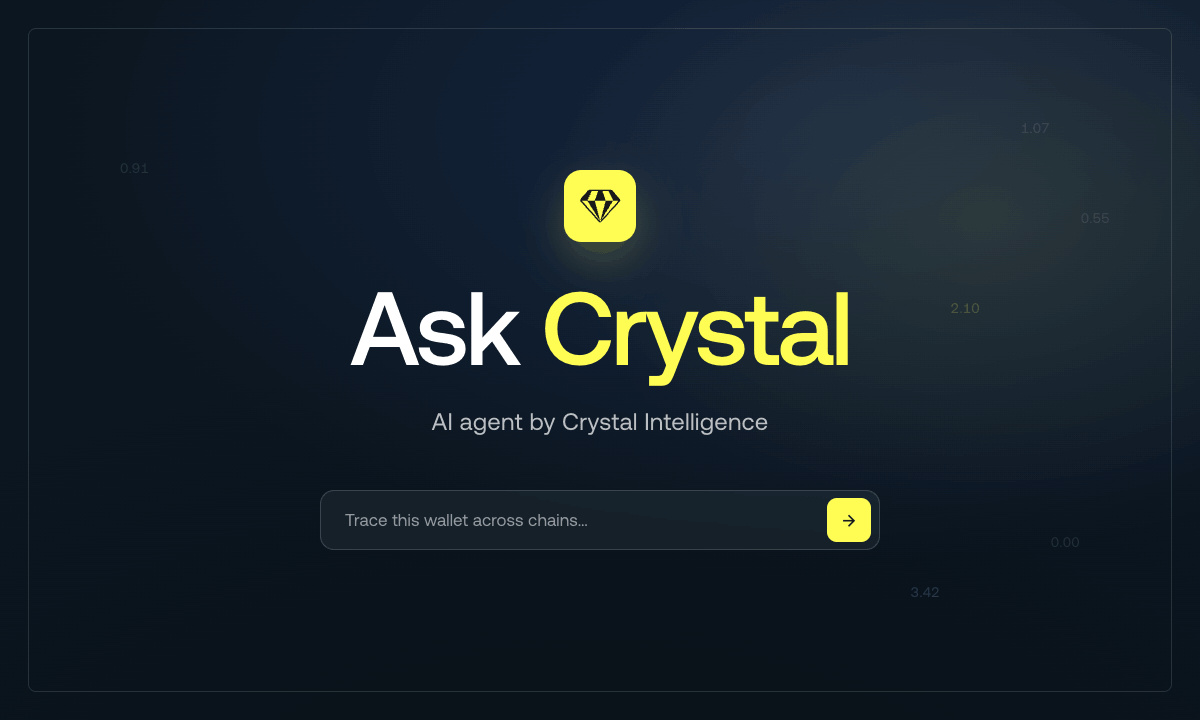
    آمستردام، هلند – ۱۴ ژوئیه ۲۰۲۶ – قابلیت جدید هوش مصنوعی «Ask Crystal» که در پلتفرم Crystal Expert تعبیه شده است، هر تراکنش را به یک روایت شفاف و مستند تبدیل می‌کند و به تیم‌های انطباق، تحقیقات و ریسک امکان می‌دهد در عرض چند ثانیه، نه چند دقیقه، تصمیم‌گیری کنند.

    کریستال اینتلیجنس امروز از راه‌اندازی «Ask Crystal» خبر داد؛ یک تحلیلگر هوش مصنوعی درخواستی که در Crystal Expert گنجانده شده است. «Ask Crystal» تصویر کامل زنجیره‌ای پشت هر تراکنش را بررسی کرده و یک روایت ساختاریافته ارائه می‌دهد که هر پاسخ آن با شواهد قابل تأیید بلاک‌چین پشتیبانی می‌شود. این قابلیت برای حمایت از کار تحلیلگران، صرفه‌جویی در زمان و تسریع تصمیم‌گیری طراحی شده است.

    تیم‌هایی که فعالیت‌های بلاک‌چینی را بررسی می‌کنند با واقعیتی دشوار روبرو هستند. چه در حوزه انطباق، تحقیقات یا ریسک فعالیت کنند، حجم پرونده‌ها همچنان در حال افزایش است. سیگنال‌های مهم، جزئیات تراکنش، ارتباطات مالی، هشدارهای فعال‌شده و تاریخچه طرف مقابل، در صفحات جداگانه پراکنده هستند. دو تحلیلگر ممکن است یک پرونده مشابه را بررسی کرده و به نتایج متفاوتی برسند. نتیجه این امر، بررسی‌های کند، تصمیمات ناسازگار و بار شناختی سنگین بر دوش افرادی است که کمترین توانایی اشتباه کردن را دارند.

    «Ask Crystal» این اصطکاک را از بین می‌برد. در داخل Crystal Expert، برای هر تراکنش، یک تب واحد به صورت درخواستی خلاصه‌ای به زبان ساده با هوش مصنوعی تولید می‌کند و هر زمان که تحلیلگر نیاز به بازخوانی داشته باشد، آن را مجدداً تولید می‌کند. هر خلاصه شامل چهار بخش ساختاریافته است: مروری بر تراکنش، تحلیلی از ارتباطات شامل منبع و مقصد وجوه، جزئیات هشدارها که بر اساس نوع و قانون تشخیص توضیح داده شده‌اند، و بررسی تعاملات قبلی با چک‌لیست مورد اعتماد. یک بار خواندن این خلاصه، جایگزین دقایق زیادی از همبستگی دستی بین تب‌های مختلف می‌شود.

    ناوین گوپتا، مدیر عامل کریستال اینتلیجنس، گفت: «در حوزه‌های انطباق، تحقیقات و ریسک، از تیم‌ها خواسته می‌شود تا تحت فشار زمانی و با شواهدی که در صفحات مختلف پراکنده شده‌اند، تصمیمات پرمخاطره‌ای بگیرند. «Ask Crystal» این وضعیت را تغییر می‌دهد. این هوش مصنوعی در عرض چند ثانیه خواندن، همبستگی و ارجاع متقابل را انجام می‌دهد و سپس یک داستان روشن و مستند را به تحلیلگر ارائه می‌دهد. ما تصمیم‌گیری را خودکار نمی‌کنیم. ما به هر تصمیم، تصویر کاملی را که شایسته آن است، می‌دهیم.»

    آنچه تیم‌ها دریافت می‌کنند

    «Ask Crystal» بخشی از Crystal Expert است؛ پلتفرم در سطح سازمانی که توسط تیم‌های انطباق، محققان، مؤسسات مالی و رگولاتورها برای شناسایی ریسک ارزهای دیجیتال، ردیابی وجوه در بیش از ۳۳۰ بلاک‌چین و اثبات انطباق با گزارش‌هایی که رگولاتورها به آن‌ها اعتماد دارند، استفاده می‌شود. دسترسی به «Ask Crystal» از طریق مجوزهای مبتنی بر نقش کنترل می‌شود. این ویژگی در حال حاضر برای مشتریان Crystal Expert در حال انتشار است.

    درباره کریستال اینتلیجنس

    کریستال اینتلیجنس پیچیدگی بلاک‌چین را به اطلاعات شفاف و قابل اقدام برای تیم‌های انطباق، محققان، مؤسسات مالی و رگولاتورها تبدیل می‌کند. Crystal Expert بیش از ۳۳۰ بلاک‌چین و بیش از ۱۱۰,۰۰۰ نهاد منتسب را پوشش می‌دهد و داده‌های تأیید شده‌ای را که تیم‌ها برای شناسایی ریسک، ردیابی وجوه و اثبات انطباق نیاز دارند، در اختیار آن‌ها قرار می‌دهد. کریستال اینتلیجنس که دفتر مرکزی آن در آمستردام، هلند قرار دارد، مطابق با استانداردهای ISO 27001 و GDPR بوده و دارای حاکمیت داده در اتحادیه اروپا است.


  • روبین‌هود چین: صعودی بی‌سابقه برای اتریوم با وجود کاهش درآمد

    روبین‌هود چین: صعودی بی‌سابقه برای اتریوم با وجود کاهش درآمد

    روبین‌هود چین: یک مطالعه موردی برای اقتصاد اتریوم و بحث‌های صعودی/نزولی

    شبکه لایه دوم Robinhood Chain که بر بستر Arbitrum ساخته شده و با ماشین مجازی اتریوم (EVM) سازگار است، از زمان راه‌اندازی خود در اول جولای، ۸۱۶ هزار دلار درآمد ناخالص ایجاد کرده است. با این حال، نحوه توزیع این درآمد، بحث‌هایی را در جامعه ارزهای دیجیتال برانگیخته است.

    توزیع درآمد و نگرانی‌ها

    بر اساس داده‌های منتشر شده، ۸۹ درصد از این درآمد به خود Robinhood تعلق گرفته، ۱۰ درصد به Arbitrum به عنوان ارائه‌دهنده میان‌افزار و تنها ۰.۱۵ درصد، معادل ۱,۵۳۸ دلار، به شبکه اتریوم برای تسویه پرداخت شده است. این رقم پایین برای اتریوم، که به عنوان لایه تسویه اصلی در نظر گرفته می‌شود، نگرانی‌هایی را در مورد منافع اقتصادی آن ایجاد کرده است.

    Robinhood Chain از ETH به عنوان توکن بومی برای پرداخت کارمزد گس استفاده می‌کند، اما در حال حاضر اتریوم از مزایای درآمدی قابل توجهی از این شبکه بهره‌مند نمی‌شود.

    دیدگاه‌های صعودی و نزولی

    لورنزو والنت، مدیر تحقیقات در Ark Invest، معتقد است که راه‌اندازی Robinhood Chain در این بستر، برای کسانی که معتقدند “ETH پول است”، بسیار صعودی است. او می‌گوید: “فعالیت بیشتر، وثیقه ETH بیشتر، و جذابیت بیشتر.”

    اما از سوی دیگر، برای کسانی که ETH را یک دارایی درآمدزا می‌دانند، این وضعیت “بسیار نزولی” تلقی می‌شود. والنت اشاره کرد که Robinhood هرگز قصد نداشت بر روی شبکه‌هایی مانند Solana یا Sui یا هر “لایه ۱ مونولیتیک” دیگری سرمایه‌گذاری کند، زیرا به دنبال سفارشی‌سازی پشته فناوری خود بوده است.

    او افزود: “آنها می‌خواهند صاحبخانه باشند، نه مستاجر. اتریوم این معامله را بر اساس شایستگی برنده شد. فقط قیمت‌گذاری آن درست نیست… اتریوم با ارزش‌ترین لایه تسویه در فضای کریپتو را با هزینه حاشیه‌ای می‌فروشد.”

    والنت پیشنهاد کرد که یک تقسیم‌بندی سالم‌تر می‌تواند ۷۵ درصد به Robinhood، ۱۰ درصد به Arbitrum و ۱۵ درصد به اتریوم باشد.

    مطالعه موردی اقتصاد اتریوم

    شبکه Robinhood Chain به عنوان یک مطالعه موردی شفاف از آنچه در طول زمان بر اقتصاد اتریوم رخ داده، مطرح شده است.

    بر اساس توییت لورنزو والنت در ۱۳ جولای ۲۰۲۶، Robinhood Chain از زمان راه‌اندازی خود حدود ۸۱۶ هزار دلار درآمد ناخالص کسب کرده است. Arbitrum، ارائه‌دهنده میان‌افزار، ۱۰ درصد (حدود ۸۰ هزار دلار) را دریافت می‌کند و سپس Arbitrum مبلغ ۱,۵۳۸ دلار را برای تسویه به اتریوم پرداخت می‌کند.

    واکنش‌ها و چشم‌انداز آینده

    جو لوبین، بنیانگذار Consensys، در پاسخ به این پست اظهار داشت که کارمزدهای شبکه اتریوم لایه ۱ باید پایین بماند تا رشد را تسهیل کند. او پیش‌بینی کرد که “ده‌ها هزار شرکت در ۲ تا ۳ سال آینده در ترکیبی از اتریوم L1، L2ها و EVMهای خصوصی و مجاز مستقر خواهند شد.”

    لوبین افزود که “حق‌الامتیاز پولی بسیار بزرگ خواهد شد و درآمد کارمزد از این حجم فعالیت به L1 سرازیر خواهد شد.” او همچنین نتیجه گرفت که استیکینگ و سایر روش‌های قفل کردن ETH، عرضه را کاهش داده و “سوزاندن خالص ETH تحت شرایط فراصوت، ارزش ETH را بیشتر افزایش خواهد داد.”

    جریان سرمایه و وضعیت بازار ETH

    از زمان راه‌اندازی Robinhood Chain دو هفته پیش، ۸۲,۸۹۵ ETH به ارزش حدود ۱۴۷.۵ میلیون دلار به این شبکه منتقل شده است. تحلیلگران معتقدند این موضوع به همراه استیکینگ (که ۳۳ درصد از عرضه را قفل کرده است)، شرکت‌های خزانه و ETFها، به یک “مصرف‌کننده تقاضای” دیگر برای ETH تبدیل شده است.

    با وجود این روایت صعودی، قیمت Ether همچنان در سطوح پایین بازار نزولی چند ساله با حجم کم و احساسات منفی باقی مانده است. ETH در روز معاملاتی سه‌شنبه در آسیا، پس از افت به ۱,۷۵۰ دلار، در حدود ۱,۷۸۰ دلار معامله شد.

    این ارز دیجیتال از پایین‌ترین سطح چرخه‌ای خود در اواخر ژوئن، که کمی بیش از ۱,۵۰۰ دلار بود، فاصله گرفته است، اما در ده روز گذشته شش بار در سطح ۱,۸۰۰ دلار با مقاومت روبرو شده است. این سطح همچنان مانعی برای ادامه روند صعودی آهسته ETH محسوب می‌شود.

    محرک‌های اصلی برای Ether در حال حاضر در حوزه اقتصاد کلان قرار دارند و احتمالاً شامل کاهش تورم و کاهش احتمال افزایش نرخ بهره توسط فدرال رزرو خواهد بود.

  • Google Gemini AI’s Bitcoin Price Prediction: Analysis of Potential Scenarios and Market Factors

    Google Gemini AI’s Bitcoin Price Prediction: Analysis of Potential Scenarios and Market Factors

    Google Gemini AI has presented an analysis of Bitcoin’s future price trajectory, forecasting a potential range of $120,000 to $150,000 by the end of 2026. The AI’s outlook is underpinned by several key market dynamics, while also acknowledging significant potential risks.

    According to the AI’s assessment, Bitcoin’s current price around $64,135 is viewed as a foundational point for potential upward movement. The AI’s bullish case is predicated on three converging factors: ongoing inflows into Bitcoin spot Exchange Traded Funds (ETFs) that consistently reduce market supply; increasing adoption of Bitcoin as a corporate treasury reserve asset; and a projected macroeconomic shift towards global interest rate cuts, which could stimulate investment in higher-yielding assets.

    These elements, the AI suggests, are contributing to Bitcoin’s institutionalization as a core macroeconomic asset, potentially paving the way for a rally within the next 18 months. The prediction of $120,000 to $150,000 by year-end 2026 is based on these evolving structural forces.

    Conversely, Google Gemini AI also outlines a more severe bear case scenario. The AI indicates that persistent regulatory challenges or a widespread global recession could trigger significant risk-off liquidation, potentially driving Bitcoin’s price down to the $40,000 to $45,000 range. This downside projection is noted as being more pronounced than other forecasts, reflecting the AI’s consideration of substantial macroeconomic shock risks.

    From a technical standpoint, Bitcoin has demonstrated recent recovery signs. The cryptocurrency has moved back above $64,000, achieving its highest close since late May. This follows a rebound from June lows near $58,000, with chart patterns suggesting a series of higher lows. While daily momentum appears constructive, the broader downtrend originating from Bitcoin’s October highs near $127,000 has not yet seen a definitive technical reversal. A sustained break and hold above the $68,000 resistance level is identified as a key indicator for the potential initiation of the predicted upward trend.

    The analysis also touches upon early-stage infrastructure projects, such as LiquidChain. The article notes that projects with smaller market capitalizations can present opportunities for significant price movements if they effectively address market inefficiencies. LiquidChain is presented as a project aiming to mitigate multi-chain fragmentation in decentralized finance (DeFi) by establishing a unified execution layer for networks like Bitcoin, Ethereum, and Solana, with the objective of reducing cross-chain transaction costs. The presale for LiquidChain is currently priced at $0.01454, having raised just over $890,000, indicating it remains in an early, less-discovered phase.

    It is crucial to recognize that AI-driven financial forecasts, including those from Google Gemini AI, are inherently subject to uncertainty. The precise timing of macroeconomic shifts, the evolution of regulatory landscapes, and the ultimate success of emerging projects like LiquidChain remain unknown variables. The AI’s analysis offers a framework for potential future scenarios but should be considered one element among many for investors and observers.

    Why This Matters

    Google Gemini AI has predicted Bitcoin could reach between $120,000 and $150,000 by the end of 2026, citing compounding spot ETF inflows, expanding corporate treasury adoption, and a favorable macroeconomic shift toward global rate cuts as key drivers. The exact timing of the predicted Bitcoin price surge remains uncertain.

    Broader Context

    The article is part of a series covering Bitcoin predictions.

  • هشدار پیشکسوت ارز دیجیتال: چند فروشنده، میم‌کوین‌ها را در چند دقیقه نابود می‌کنند

    هشدار پیشکسوت ارز دیجیتال: چند فروشنده، میم‌کوین‌ها را در چند دقیقه نابود می‌کنند

    هشدار یک معامله‌گر کهنه‌کار ارز دیجیتال: چند فروشنده می‌توانند میم‌کوین‌ها را در عرض چند دقیقه نابود کنند

    اوگل، معامله‌گر باسابقه ارزهای دیجیتال، در تاریخ ۱۳ ژوئیه هشدار داد که میم‌کوین‌های کوچک با نقدینگی محدود، در صورت تصمیم چند دارنده بزرگ به فروش، می‌توانند در عرض چند دقیقه فرو بپاشند.

    این ناظر بازار با اشاره به زیان‌های اخیر پیرامون آخرین پدیده این حوزه، CASHCAT، مجدداً بر خطرات تعقیب توکن‌های پرنوسان تأکید کرد؛ جایی که سودهای کاغذی می‌توانند به سرعت ناپدید شوند، زمانی که اهرم، بازارهای کم‌عمق و مالکیت متمرکز با هم تلاقی می‌کنند.

    اوگل در پستی در پلتفرم X، مشاهدات پایه‌ای را درباره این بازار مطرح کرد: بسیاری از افراد صدها هزار، گاهی میلیون‌ها دلار سود دارند که هنوز به صورت نقدی دریافت نکرده‌اند. به گفته وی، اگر حتی دو یا سه نفر از این معامله‌گران اقدام به فروش کنند، این امر باعث افت شدید قیمت، به ویژه برای میم‌کوین‌های کوچکتر خواهد شد.

    وی نوشت: «وقتی تعداد زیادی از افراد صدها هزار یا میلیون‌ها دلار سود تحقق نیافته در یک توکن دارند، در این نوع بازار، تنها کافی است ۲ تا ۳ نفر از آنها بفروشند (به خصوص اگر توکن کوچک باشد، به‌ویژه یک میم‌کوین با نقدینگی کم) تا همه چیز به سرعت فرو بپاشد.»

    این تحلیلگر توضیح داد که این مشکل زمانی بدتر می‌شود که توکن در صرافی‌های فیوچرز پرپچوال لیست شود، جایی که معامله‌گران اغلب برای شرط‌بندی‌های بزرگ وام می‌گیرند.

    وی مثالی از CASHCAT، میم‌کوین ساخته شده بر روی Robinhood Chain، ارائه داد که در هفته گذشته بیش از ۳۲۰۰ درصد افزایش یافت و حدود یک روز پیش، با رسیدن قیمت آن به بالاترین حد خود (ATH) در ۰.۲۲۸۸ دلار به ازای هر توکن طبق داده‌های CoinGecko، ارزش بازار آن به طور موقت به حدود ۲۲۶ میلیون دلار رسید.

    بر اساس گزارش Lookonchain، این روند صعودی شاهد چند برنده بود، از جمله یک معامله‌گر که ۱۵ میلیون توکن CASHCAT را به قیمت حدود ۸۳۸ دلار خریداری کرد و آن را به سودی بیش از ۱ میلیون دلار تبدیل کرد. با این حال، اگر چند روز بیشتر صبر می‌کرد، نزدیک به ۲.۹ میلیون دلار سود می‌برد. معامله‌گر دیگری ۶۹ دلار هزینه کرد و ۷۱۱ دلار فروخت که اگرچه ۱۰ برابر سرمایه‌گذاری‌اش بود، اما اگر او نیز صبر می‌کرد، ارزش آن ۲.۷ میلیون دلار می‌شد.

    با این حال، اوضاع برای آن معامله‌گران نیز می‌توانست وخیم شود، زیرا همانطور که اوگل اشاره کرد، این دارایی شاهد ликвиیداسیون‌های قابل توجهی بود که درست پس از راه‌اندازی قرارداد پرپچوال در Hyperliquid رخ داد.

    داده‌های CoinGecko نشان می‌دهد که ارزش CASHCAT تقریباً ۶۰ درصد سقوط کرده و حدود ۹۰ درصد از موقعیت‌های خرید (long positions) ликвиید شده‌اند که فشار فروش و نوسانات را تشدید کرده است. در زمان نگارش این خبر، این میم‌کوین تا حدودی بهبود یافته و اندکی کمتر از ۰.۱۶ دلار معامله می‌شد، اگرچه این قیمت همچنان نشان‌دهنده افت بیش از ۱۸ درصدی در ۲۴ ساعت بود و قیمت این کوین را بیش از ۳۰ درصد پایین‌تر از بالاترین حد خود قرار داد.

    اوگل که مشاور World Liberty Financial، مورد حمایت خانواده ترامپ، است، در پست خود در X اعلام کرد که اگرچه میم‌کوین‌ها می‌توانند بازدهی سریع داشته باشند، اما تجربه معاملاتی او نشان داده که بیشترین سود را از دارایی‌های متمرکز بر کاربرد مانند Solana، BNB، Ethereum، Litecoin و Bitcoin کسب کرده است.

    به گفته وی، این سرمایه‌گذاری‌ها نیازمند صبر هستند و بسیاری از معامله‌گران اغلب قبل از اینکه دارایی‌ها بتوانند بازدهی بیشتری ارائه دهند، علاقه خود را از دست می‌دهند.

  • Ogle Warns of Meme Coin Collapse Risk: Concentrated Ownership and Low Liquidity Highlighted

    Ogle Warns of Meme Coin Collapse Risk: Concentrated Ownership and Low Liquidity Highlighted

    A crypto veteran, identified as Ogle, has issued a warning regarding the inherent volatility and potential for rapid collapse in small meme coins, particularly those with low liquidity. According to Ogle, concentrated ownership and the possibility of a few large holders selling off their stakes can lead to swift and dramatic price drops. Ogle explained on July 13 that “paper gains can disappear really fast when leverage, thin markets, and concentrated ownership collide.” He elaborated that if even a small number of significant holders decide to sell, especially in coins with limited trading volume, the price can plummet quickly. “If even two or three of these traders were to sell, it would trigger a major price drop, especially for smaller meme coins,” he stated.

    The meme coin CASHCAT, built on the Robinhood Chain, serves as a recent illustration of this phenomenon. Data indicates that CASHCAT experienced a surge of over 3,200% in the past week, reaching an all-time high (ATH) of $0.2288 and a market cap of approximately $226 million about a day ago. During this period, one trader reportedly turned an initial investment of around $838 into over $1 million in profit.

    However, the situation for CASHCAT took a sharp turn following the launch of a perpetual contract on Hyperliquid. Shortly after reaching its ATH, the coin’s value crashed by approximately 60%. This downturn coincided with the liquidation of about 90% of long positions. At the time of writing, CASHCAT was trading below $0.16, representing an over 18% dip in 24 hours and more than 30% below its ATH.

    Ogle, who is an advisor for World Liberty Financial, noted that while meme coins can offer quick returns, his own trading experience has yielded the most significant gains from utility-focused assets such as Solana, BNB, Ethereum, Litecoin, and Bitcoin. He described these as “slower plays that require patience,” suggesting that many traders may lose interest before these assets can deliver larger returns.

    The risk associated with meme coins is amplified when they are listed on perpetual futures exchanges. These platforms allow traders to use leverage, borrowing funds to place larger bets. When a price decline occurs, especially in a low-liquidity market, these leveraged positions can be rapidly liquidated, further accelerating the sell-off and price crash.

    Ogle’s warning highlights the critical interplay of concentrated ownership, low liquidity, and leverage in the meme coin market. While the allure of rapid gains is strong, the potential for equally rapid and substantial losses remains a significant concern for investors in this highly speculative sector. The CASHCAT incident underscores the fragility of such assets and the importance of understanding these underlying market mechanics.

    Why This Matters

    The materials describe a narrow update: A crypto trader named Ogle issued a warning about the inherent volatility and risk of collapse in small meme coins. The exact number of large holders who sold CASHCAT.

    Broader Context

    Source materials place the factual news in this context: The article is from CryptoPotato.

  • Bybit to Support Flare Network Upgrade

    Bybit to Support Flare Network Upgrade

    Bybit to Support Flare Network Upgrade

    Cryptocurrency exchange Bybit has announced its support for the upcoming Flare (FLR) network upgrade, version v1.14.0. The upgrade is scheduled to occur on July 14, 2026, at 12:00 PM UTC.

    In preparation for the network enhancement, Bybit will temporarily suspend deposits and withdrawals for Flare (FLR) starting at 11:30 AM UTC on July 14, 2026. The exchange has assured users that other trading activities will remain unaffected during this period.

    Bybit also stated that no further announcements will be made regarding the resumption of deposit and withdrawal services. Users seeking to be notified when these services are back online are advised to visit the Deposit or Withdrawal page and activate the “Set Alert” feature.

    Further details about the Flare network upgrade can be found in the official release notes.

  • بای‌بیت از ارتقاء شبکه فلر (FLR) v1.14.0 پشتیبانی می‌کند

    بای‌بیت از ارتقاء شبکه فلر (FLR) v1.14.0 پشتیبانی می‌کند

    بای‌بیت از ارتقاء شبکه Flare (FLR) پشتیبانی می‌کند

    صرافی ارز دیجیتال بای‌بیت (Bybit) اعلام کرد که از ارتقاء نسخه v1.14.0 شبکه Flare (FLR) پشتیبانی خواهد کرد. این ارتقاء طبق برنامه قرار است در تاریخ ۱۴ جولای ۲۰۲۶، ساعت ۱۲:۰۰ ظهر به وقت جهانی (UTC) انجام شود.

    تعلیق موقت واریز و برداشت

    به منظور اطمینان از اجرای روان این فرآیند، واریز و برداشت توکن Flare (FLR) به طور موقت از ساعت ۱۱:۳۰ صبح روز ۱۴ جولای ۲۰۲۶ به وقت جهانی (UTC) متوقف خواهد شد.

    فعالیت‌های معاملاتی بدون وقفه

    بای‌بیت تاکید کرده است که سایر فعالیت‌های معاملاتی در این پلتفرم تحت تأثیر این ارتقاء قرار نخواهند گرفت و به صورت عادی ادامه خواهند یافت.

    اطلاعیه بازگشایی خدمات

    این صرافی اعلام کرده است که اطلاعیه دیگری در خصوص زمان از سرگیری خدمات واریز و برداشت منتشر نخواهد کرد. کاربران برای دریافت هشدار در زمان فعال شدن مجدد این خدمات، می‌توانند به صفحه واریز یا برداشت مراجعه کرده و گزینه “تنظیم هشدار” (Set Alert) را فعال کنند.

    برای کسب اطلاعات بیشتر در خصوص جزئیات این ارتقاء، کاربران می‌توانند به یادداشت‌های رسمی انتشار یافته در این زمینه مراجعه کنند.

    بای‌بیت از حمایت مستمر کاربران خود سپاسگزاری کرده است.

  • San Francisco Protesters Demand Pause in Advanced AI Development Amid Growing Concerns

    San Francisco Protesters Demand Pause in Advanced AI Development Amid Growing Concerns

    Protesters marched through San Francisco on Saturday, targeting the offices of major artificial intelligence companies OpenAI, Anthropic, and Google DeepMind. Organized by Stop the AI Race, the demonstration called for a halt in the development of more powerful AI models and urged a greater focus on AI safety and alignment until stronger safeguards are established.

    The march extended beyond AI safety concerns, encompassing broader issues such as potential job losses, the environmental impact of AI, rising housing costs in San Francisco, and the increasing influence of large technology corporations. According to organizers, their goals have evolved from directly convincing CEOs to raising broader political awareness.

    Michaël Trazzi, a former AI researcher and organizer of the protest, told Decrypt that the group’s objectives have changed since their initial demonstration in March. “I think earlier this year I wasn’t thinking about raising political salience as much as I was thinking about convincing CEOs,” Trazzi said. “I think I’ve updated toward CEOs actually listening, given the multiple blog posts and some exchanges I had with one of them. I also think having protests is useful to show that people care.”

    This protest follows a similar event in March, which drew approximately 200 participants. Since then, the Stop the AI Race movement has continued its advocacy. Trazzi expressed encouragement regarding the growing support for the movement, noting endorsements from the NUHW (National Union of Healthcare Workers) and assistance with organizing from groups like AI Action and QuitGPT.

    Recent developments in the AI landscape have also drawn attention. In May, OpenAI introduced new safety features for ChatGPT aimed at detecting self-harm and violence in conversations. In June, the Donald Trump administration ordered Anthropic to suspend access to certain AI models due to potential cybersecurity risks. Earlier this month, the United Nations’ first independent scientific panel on AI concluded that “catastrophic harm” cannot be ruled out as AI technology advances rapidly, outpacing scientific understanding and government oversight.

    Organizers indicated plans to continue advocating for an international pause on frontier AI development and to encourage lawmakers to implement stronger oversight of advanced AI systems. OpenAI, Anthropic, and Google DeepMind did not immediately respond to requests for comment.

    Broader Context

    Source materials place the factual news in this context: Protesters again took to the streets of San Francisco, marching between the offices of OpenAI, Anthropic, and Google DeepMind, calling for a pause in the development of more powerful AI.

    Why This Matters

    Saturday’s protest highlights a growing public demand for a pause in advanced AI development and increased regulation. The demonstration, which targeted major AI companies, underscored concerns that extend beyond AI safety to include job security, environmental impact, and corporate influence. This advocacy reflects a broader societal debate about the trajectory of AI, with organizers aiming to raise political salience and encourage stronger oversight from lawmakers, as echoed by the UN’s recent warning about potential catastrophic harm from rapidly advancing AI technology.

  • OpenAI’s GPT-5.6 Guidelines Prioritize Outcome-First Prompting for Efficiency and Cost Savings

    OpenAI’s GPT-5.6 Guidelines Prioritize Outcome-First Prompting for Efficiency and Cost Savings

    OpenAI has introduced new prompting guidelines for its GPT-5.6 Sol model, signaling a significant shift towards an “outcome-first” approach. This strategy emphasizes defining desired results and stopping conditions over providing extensive, detailed instructions, aiming to enhance efficiency and reduce operational costs.

    The core principle of the updated guidance is to “define what good looks like, set the stopping conditions, and get out of the way.” OpenAI recommends trimming prompts by removing elements considered “noise,” such as repeated rules, unnecessary examples, and excessive scaffolding. The focus is now on the user-visible outcome, success criteria, stopping conditions, and hard constraints.

    This move towards leaner prompts has yielded quantifiable benefits in internal testing. According to the guidelines, simpler system prompts have coincided with a 10-15% improvement in evaluation scores for coding agents. Furthermore, these leaner prompts have resulted in a significant reduction in token usage, cutting total tokens by 41-66%, which in turn has coincided with cost reductions of 33-67%.

    Navigating Conflicting Instructions

    GPT-5.6 is reportedly more adept at handling prompt contracts and reconciling conflicting rules. However, the guide warns that this enhanced capability also means that conflicting rules can create more instability than missing detail. Unlike earlier models that might select one instruction when faced with a conflict, GPT-5.6 attempts to reconcile both, consuming reasoning tokens and potentially leading to slower, more expensive, and incorrect outputs. OpenAI heavily advises against using old tactics like absolute commands (e.g., “always do this,” “never do that”) to steer behavior, as they can now exacerbate instability.

    New Features and Considerations

    New features introduced with GPT-5.6 include a text.verbosity parameter. Because GPT-5.6 is more concise by default than its predecessor, GPT-5.5, older instructions to “be brief” can now over-correct and result in responses that are too short. Additionally, the guidelines introduce a section on Programmatic Tool Calling, which offloads work from the model’s judgment by using code to handle filtering, batching, or aggregating large intermediate outputs into compact results.

    Optimizing prompts for applications like the game “TYPE OR DIE” using these new guidelines has reportedly coincided with more efficient and coherent results. The shift encourages a more direct approach to AI interaction, where the desired destination is clearly defined, allowing the model to determine the most efficient route.

    While the new guidelines offer clear advantages in efficiency and cost, users should be mindful of the increased sensitivity to conflicting instructions. The emphasis is on clarity and conciseness, moving away from the extensive, multi-page system prompts that were common with earlier models. The new prompting guide was published in August 2025.

    Why This Matters

    The materials describe a narrow update: OpenAI’s new prompting guide for GPT-5. The exact nature and scope of ‘Programmatic Tool Calling’ beyond its described function.

    Broader Context

    Source materials place the factual news in this context: OpenAI published anew prompting guide for GPT-5.6 Sol, its newly released flagship model, and the main message will feel wrong to anyone who spent the last year writing multi-page system prompts: stop writing so much.

  • راهنمای جدید جی‌پی‌تی ۵.۶ اوپن‌ای‌آی: پایان پرامپت‌نویسی بی‌رویه

    راهنمای جدید جی‌پی‌تی ۵.۶ اوپن‌ای‌آی: پایان پرامپت‌نویسی بی‌رویه

    OpenAI راهنمای جدیدی برای پرامپت‌نویسی مدل پرچمدار خود، GPT-5.6 Sol، منتشر کرده است و پیام اصلی آن برای کسانی که سال گذشته را صرف نوشتن پرامپت‌های سیستمی چند صفحه‌ای کرده‌اند، ناخوشایند خواهد بود: دیگر زیاد ننویسید. ایده اصلی، پرامپت‌نویسی با تمرکز بر نتیجه است. مشخص کنید که نتیجه مطلوب چگونه است، شرایط توقف را تعیین کنید و سپس کنار بروید.

    دستورالعمل‌های دقیق نحوه انجام کار، قوانین تکراری سبک، و مثال‌هایی که رفتار را تغییر نمی‌دهند – همه این‌ها اکنون به عنوان نویز تلقی می‌شوند.

    OpenAI این موضوع را با اعداد و ارقام پشتیبانی می‌کند: در تست‌های داخلی عامل کدنویسی، پرامپت‌های سیستمی خلاصه‌تر، امتیازات ارزیابی را حدود ۱۰ تا ۱۵ درصد بهبود بخشیدند، در حالی که توکن‌های کل را ۴۱ تا ۶۶ درصد و هزینه‌ها را ۳۳ تا ۶۷ درصد کاهش دادند.

    راهنمای پرامپت‌نویسی GPT-5 که در اوت ۲۰۲۵ منتشر شد، بر افزودن ساختار تمرکز داشت. بلوک‌های ماندگاری XML وجود داشت که به مدل می‌گفت تا زمانی که مشکل حل نشده است به کار خود ادامه دهد، الگوهای جمع‌آوری زمینه دقیق که نحوه موازی‌سازی جستجوها و زمان تشدید را مشخص می‌کردند، و اسکریپت‌های مقدماتی ابزار که هر مرحله را با صدای بلند روایت می‌کردند. فلسفه آن، کالیبراسیون اشتیاق بود – ایجاد مسیرهای صریح برای زمان تشدید یا عقب‌نشینی.

    GPT-5.6 عمدتاً به این مسیرها نیازی ندارد. راهنمای جدید به شما می‌گوید که موارد زیر را حذف کنید: قوانین تکراری، دستورالعمل‌های سبکی که رفتار را تغییر نمی‌دهند، مثال‌هایی که کاری انجام نمی‌دهند، و مراحل پردازشی که مدل در حال حاضر به طور قابل اعتماد مدیریت می‌کند. بنابراین اساساً، آن بلوک ` که با دسته‌های جستجوی موازی و معیارهای توقف زودهنگام خود کمک می‌کرد، اکنون ساختاری است که مدل باید آن را دور بزند، نه ساختاری که به آن کمک کند.

    آنچه در واقع حفظ می‌کنید ساده‌تر است: نتیجه قابل مشاهده برای کاربر، معیارهای موفقیت، شرایط توقف، و محدودیت‌های سخت. مدل یک پرامپت خوب در این راهنما با "حل مشکل مشتری از ابتدا تا انتها" آغاز می‌شود - سپس دقیقاً مشخص می‌کند که پایان کار چگونه است، چه اقداماتی قبل از پاسخگویی باید تکمیل شوند، و در صورت عدم وجود شواهد لازم چه کاری باید انجام شود. نه "جامع باش". نه "ادامه بده". فقط: مقصد اینجاست.

    محاسبه ریسک نیز تغییر کرده است. این راهنما هشدار می‌دهد که GPT-5.6 قراردادهای پرامپت را به دقت دنبال می‌کند و "قوانین متناقض می‌توانند بی‌ثباتی بیشتری نسبت به جزئیات از دست رفته ایجاد کنند." مدل‌های قبلی در صورت برخورد با تضاد، یکی از دستورالعمل‌ها را انتخاب می‌کردند. GPT-5.6 توکن‌های استدلال را برای تلاش در جهت آشتی دادن هر دو می‌سوزاند، که کندتر، گران‌تر و اغلب اشتباه است. اگر پرامپت سیستمی شما قوانین همپوشان دارد - و اکثر پرامپت‌های تولیدی اینطور هستند - این اولین چیزی است که باید اصلاح شود.

    همچنین OpenAI به شدت توصیه می‌کند که از ترفند قدیمی استفاده از مطلقاتی مانند "همیشه این کار را انجام بده" یا "هرگز این کار را نکن" برای هدایت رفتار هوش مصنوعی در جهت خاص اجتناب کنید.

    دو افزودنی مشخص تفاوت را کامل می‌کنند. اولین مورد پارامتر text.verbosity` است: از آنجایی که GPT-5.6 به طور پیش‌فرض مختصرتر از GPT-5.5 است، دستورالعمل‌های قدیمی “مختصر باش” اکنون بیش از حد اصلاح می‌کنند و پاسخ‌ها را بیش از حد کوتاه می‌کنند. یک پیش‌فرض سراسری را از طریق این پارامتر تنظیم کنید، سپس در هر وظیفه در پرامپت، آن را لغو کنید. دومین مورد، بخشی در مورد فراخوانی برنامه‌ریزی شده ابزار (Programmatic Tool Calling) است – برای گردش کارهای محدود که در آن کد فیلتر کردن، دسته‌بندی، یا تجمیع خروجی‌های میانی بزرگ را مدیریت می‌کند و یک نتیجه فشرده برمی‌گرداند، و این کار را کاملاً از قضاوت مدل خارج می‌کند.

    ما از این راهنما برای بهینه‌سازی پرامپت خود برای “TYPE OR DIE”، بازی بقای ترسناک اول شخص تایپ که برای سنجش توانایی‌های کدنویسی مدل ساخته‌ایم، استفاده کردیم. نتیجه کار صیقلی‌تر بود: GPT-5.6 Sol منطق هدف‌گیری خودکار را کارآمدتر از اجراهای قبلی مدیریت کرد، تصاویر انسجام بیشتری داشتند، و حس کلی بازی تمیزتر بود. ساخت آن زمان بیشتری برد. مدل مستقیماً به سراغ کد نرفت – کل مشکل را ابتدا ترسیم کرد، هر سیستم را قبل از نوشتن حتی یک خط کد برنامه‌ریزی کرد. این همان کاری است که راهنما در نظر گرفته است. مقصد را مشخص کنید؛ مدل مسیر را انتخاب می‌کند.

    پرامپت جدید در گیت‌هاب ما موجود است تا بتوانید آن را بررسی کنید.

    شما می‌توانید بازی اصلی GPT 5.6 را با کلیک بر روی این لینک بازی کنید.

    بازی که تحت پرامپت جدیدتر ساخته شده است، در اینجا موجود است.

    اگر می‌خواهید بیشتر پیش بروید، یا آنقدر تنبل هستید که تمام این دستورالعمل‌های جدید را به خاطر بسپارید، می‌توانید GPT سفارشی خود را بسازید و راهنمای کامل را به عنوان پایگاه دانش آن به آن بدهید. آن را طوری پیکربندی کنید که هر پرامپتی را که به سمت آن پرتاب می‌کنید تجزیه و تحلیل کند، منطق زیربنایی را درک کند، و آن را به سبک GPT-5.6 بازنویسی کند. در نهایت از مهندسی پرامپت برای مهندسی پرامپت‌های بهتر استفاده خواهید کرد.

    پرامپت‌سپشن (Promptception). خواهش می‌کنم.