Blog

  • Men Face Federal Charges for AI-Generated Deepfake Porn

    Men Face Federal Charges for AI-Generated Deepfake Porn

    Federal prosecutors this week charged two men with using artificial intelligence to generate and distribute non-consensual, sexually explicit images of women, representing a significant early enforcement action under the Take It Down Act.

    Charges Filed

    On Thursday, federal prosecutors in the Eastern District of New York filed charges against Arturo Hernandez of Texas and Cornelius Shannon of New Jersey in separate cases involving alleged AI-generated deepfake pornography.

    “The defendants used cutting-edge digital technology to create images that degraded and violated victims across the United States,” stated U.S. Attorney for the Eastern District of New York Joseph Nocella. “This case makes clear that posting deepfake pornography is not a victimless crime.”

    Prosecutors allege that Shannon and Hernandez posted thousands of AI-generated images and videos depicting real people—including actresses, singers, political figures, and recent high school graduates—engaged in sexual acts. The men allegedly uploaded more than 470 albums depicting over 140 women to websites, where the AI-generated images and videos received millions of views.

    Court filings indicate that the images appeared to use real, non-explicit photographs that were altered with AI software to create sexually explicit content. The men face up to two years in prison.

    Take It Down Act

    President Donald Trump signed the Take It Down Act into law in May 2025. The legislation makes it a federal crime to knowingly publish or threaten to publish non-consensual intimate imagery, whether authentic or AI-generated. It also mandates that online platforms remove reported content within 48 hours.

    The Take It Down Act garnered bipartisan support in Washington and comes as courts grapple with a rising number of lawsuits related to AI-generated deepfakes, including cases accusing Elon Musk’s xAI and its Grok chatbot of creating and distributing non-consensual sexualized images, including images depicting minors.

    Several states, including California, Texas, Florida, and Pennsylvania, have enacted similar laws targeting non-consensual intimate imagery and AI-generated deepfakes.

    In April, James Strahler, of Columbus, Ohio, became the first person convicted under the law after pleading guilty to federal charges involving over 700 AI-generated sexually explicit images of adults and children.

    “This predatory conduct represents a disturbing abuse of technology that inflicts emotional harm on victims, violating their privacy, dignity, and security,” said FBI Assistant Director in Charge James Barnacle Jr. in a statement. “The use of this emerging technology to victimize individuals is not innovative—it is criminal and will be pursued with the full force of the law.”
  • SEC Halts Tokenized Stock Exemption Over Concerns

    SEC Halts Tokenized Stock Exemption Over Concerns

    The Securities and Exchange Commission (SEC) has delayed plans to release a broad exemption that would have allowed U.S. crypto firms to trade tokenized stocks and other tokenized assets, Bloomberg reported on Friday. This decision slows a significant effort to integrate blockchain technology into mainstream securities markets.

    Delay Due to Feedback

    According to sources familiar with the matter, who spoke on condition of anonymity, the SEC staff had been preparing to release the “innovation exemption” as early as this week. However, the timeline has shifted as the SEC considers feedback from stock exchange officials and other market participants who have held discussions with agency staff in recent days.

    Key Concerns

    A primary point of contention is a provision that would permit trading in third-party tokens – digital representations of company shares issued without the knowledge or approval of the underlying corporations.

    This prospect has raised concerns among some former regulators and market experts, Bloomberg noted, who warn it could create complex issues for public companies trying to manage dividends and count shareholder votes as tokens become more widespread across networks.

    Commissioner’s Defense

    SEC Chair Paul Atkins had previously indicated the agency would soon unveil its proposed innovation exemption, which could serve as a regulatory sandbox for on-chain equities. The delay impacts companies preparing to launch tokenized asset projects under the anticipated framework.

    Amid criticism of the delayed exemption, SEC Commissioner Hester Peirce defended the proposal’s limited scope.

    “The framework was limited in scope and would facilitate trading only of digital representations of the same underlying equity security that an investor could purchase in the secondary market today, not synthetics,” Peirce wrote on X. She also acknowledged public interest in the rule, while criticizing the surrounding hyperbole.

  • Kalshi Launches Lobbying Group Amid Insider Trading Investigation

    Kalshi Launches Lobbying Group Amid Insider Trading Investigation

    Kalshi Launches Advocacy Group to Shape Perception of Prediction Markets

    Kalshi announced the formation of an advocacy group on Friday, aiming to influence policymakers’ views on prediction markets, positioning the move as a strategy to compete with sportsbooks and casinos.

    Group’s Mission and Focus

    Americans for Fair Markets (AFM) will actively counter “interests that are focused on protecting their monopolies and seeding lies,” according to a Kalshi blog post. The organization will concentrate on legislation that supports innovation, market integrity, and consumer protection.

    Strategic Advisor and Funding

    Kalshi stated that the group has appointed Taylor Budowich, a former senior White House staffer who resigned in September, as a strategic advisor. Budowich previously led communications for the White House and a pro-Trump super PAC.

    While the organization’s website uses a color scheme similar to Kalshi’s logo, Americans for Fair Markets has other members, a spokesperson told Decrypt. The spokesperson declined to disclose the group’s funding but described it as “well capitalized.”

    Context of Increased Scrutiny

    The launch of Americans for Fair Markets highlights Kalshi’s efforts to distinguish itself from its main competitor, Polymarket, and traditional betting platforms on Capitol Hill. Prediction markets are facing increased scrutiny from lawmakers due to concerns about insider trading.

    On Friday, House Oversight Committee Chair James Comer (R-KY) announced investigations into insider trading on Polymarket and Kalshi. The lawmaker cited suspicious bets on military actions related to Venezuela and Iran, which have led to arrests in the U.S. and Israel in recent months.

    Regulatory Differences and Industry Debate

    Although both platforms have recently enhanced their safeguards, Kalshi has emphasized its status as a federally regulated exchange under the CFTC. Polymarket also has a regulated platform in the U.S., but most of its bets are placed on its international counterpart.

    “A handful of legislators and a gaming lobby want to ban prediction markets outright,” AFM’s website states. “It would push them offshore—onto unregulated platforms with no identity verification, no consumer protections, no insider trading rules, and no cop on the beat.”

    However, the gaming lobby argues that prediction platforms are the ones engaging in deceptive practices, as American Gaming Association President and CEO Bill Miller made clear during testimony before Congress on Wednesday.

    “These so-called prediction markets are deceptively calling sports betting financial contracts and investing,” he said. “Despite messaging designed to beguile policymakers and the public, they are increasingly being exposed as backdoor sports-betting operations.”

  • ‏کالشی گروه لابی «بازارهای منصفانه» را راه‌اندازی کرد؛ کنگره تحقیقات درباره معاملات داخلی را آغاز می‌کند.

    ‏کالشی گروه لابی «بازارهای منصفانه» را راه‌اندازی کرد؛ کنگره تحقیقات درباره معاملات داخلی را آغاز می‌کند.

    ‏شرکت کلشی روز جمعه از راه‌اندازی یک گروه حمایت‌گرانه خبر داد تا به شکل‌دهی درک سیاست‌گذاران از بازارهای پیش‌بینی کمک کند. این اقدام به عنوان تلاشی برای ایجاد شرایط برابر با شرط‌بندی‌های ورزشی و کازینوها معرفی شد.

    اهداف و استراتژی‌های گروه جدید

    به گفته کلشی در یک پست وبلاگی، گروه «آمریکایی‌ها برای بازارهای منصفانه» (AFM) فعالانه با «منافعی که بر حفاظت از انحصار خود و انتشار دروغ متمرکز شده‌اند» مبارزه خواهد کرد. این سازمان بر قوانینی تمرکز دارد که از نوآوری، یکپارچگی بازار و حمایت از مصرف‌کننده پشتیبانی می‌کنند.

    کلشی اعلام کرد که تیلور بودوویچ، یکی از مقامات ارشد سابق کاخ سفید که در ماه سپتامبر استعفا داد، به عنوان مشاور استراتژیک این گروه منصوب شده است. بودوویچ پیش از این در هدایت ارتباطات کاخ سفید و یک کمیته اقدام سیاسی حامی ترامپ نقش داشته است.

    وب‌سایت این سازمان از طرح رنگی لوگوی کلشی استفاده می‌کند، اما به گفته سخنگوی این شرکت به دکریپت، اعضای دیگری نیز دارد. آنها از اعلام میزان بودجه دریافتی این سازمان خودداری کردند، اما این گروه را «دارای سرمایه کافی» توصیف کردند.

    رقابت در واشنگتن

    ظهور «آمریکایی‌ها برای بازارهای منصفانه» بر تلاش‌های پرمخاطره کلشی برای تمایز خود از رقیب اصلی‌اش، پلی‌مارکت، و پلتفرم‌های شرط‌بندی سنتی در کنگره تأکید دارد، زیرا بازارهای پیش‌بینی با بررسی‌های فزاینده قانون‌گذاران در مورد پتانسیل آنها برای ثروتمند کردن افراد داخلی مواجه هستند.

    به عنوان مثال، روز جمعه، جیمز کومر، رئیس کمیته نظارت مجلس نمایندگان (از ایالت کنتاکی، از حزب جمهوری‌خواه) از آغاز تحقیقات در مورد معاملات داخلی در پلی‌مارکت و کلشی خبر داد. این قانون‌گذار به شرط‌بندی‌های مشکوک در مورد اقدامات نظامی مرتبط با ونزوئلا و ایران اشاره کرد که در ماه‌های اخیر منجر به دستگیری‌هایی در ایالات متحده و اسرائیل شده است.

    اگرچه هر دو پلتفرم اخیراً از تقویت اقدامات احتیاطی خود خبر داده‌اند، اما کلشی در مورد وضعیت خود به عنوان یک صرافی تحت نظارت فدرال تحت نظر CFTC (کمیسیون معاملات آتی کالا) صریح بوده است. پلی‌مارکت نیز یک پلتفرم تنظیم‌شده در ایالات متحده دارد، اما اکثریت شرط‌بندی‌های آن در نسخه بین‌المللی آن انجام می‌شود.

    وب‌سایت AFM می‌گوید: «تعدادی از قانون‌گذاران و لابی‌گران بازی می‌خواهند بازارهای پیش‌بینی را به طور کامل ممنوع کنند. این امر آنها را به خارج از کشور – به پلتفرم‌های غیرقانونی با عدم تأیید هویت، عدم حمایت از مصرف‌کننده، عدم وجود قوانین معاملات داخلی و عدم وجود نظارت – سوق می‌دهد.»

    اما لابی‌گران بازی ادعا می‌کنند که این پلتفرم‌های پیش‌بینی هستند که در واقع در حال فریب دادن هستند، موضعی که بیل میلر، رئیس و مدیرعامل انجمن بازی‌های آمریکایی، در شهادت خود در برابر کنگره در روز چهارشنبه روشن کرد.

    وی گفت: «این به اصطلاح بازارهای پیش‌بینی به طور فریبنده‌ای شرط‌بندی‌های ورزشی را قراردادهای مالی و سرمایه‌گذاری می‌نامند. علیرغم پیام‌رسانی طراحی‌شده برای فریب سیاست‌گذاران و مردم، آنها به طور فزاینده‌ای به عنوان عملیات شرط‌بندی ورزشی غیرقانونی در حال افشا شدن هستند.»

  • ‏هکر پل وروس ۸.۵ میلیون دلار را بازگرداند، ۲.۸ میلیون دلار پاداش گرفت.

    ‏هکر پل وروس ۸.۵ میلیون دلار را بازگرداند، ۲.۸ میلیون دلار پاداش گرفت.

    ‏هکر سوءاستفاده‌گر از پل Verus-Ethereum، مبلغ ۸.۵ میلیون دلار از ۱۱ میلیون دلار سرقت‌شده را بازگرداند و ۲.۸ میلیون دلار را به‌عنوان پاداش «کلاه سفید» نگه داشت.

    این اتفاق تنها یک روز پس از آن رخ داد که جامعه Verus و توسعه‌دهندگان آن، این پاداش را در ازای پذیرش شرایطی از سوی هکر، پیشنهاد دادند.

    شرح واقعه

    این حادثه در ۱۷ می رخ داد، زمانی که هکر با سوءاستفاده از یک مرحله اعتبارسنجی از دست رفته در یکی از قراردادهای پل بین‌زنجیره‌ای، توانست حدود ۱۰۳.۶ tBTC، ۱۶۲۵ ETH و ۱۴۷۰۰۰ USDC را سرقت کند. پس از این حمله، تیم پروژه تصمیم گرفت گره‌های تولیدکننده بلاک خود را متوقف کند تا از انتقال‌های بیشتر جلوگیری کند و یک وصله اضطراری منتشر کرد.

    Verus بعداً در شبکه‌های اجتماعی اعلام کرد که به سوءاستفاده‌گر از پل اتریوم، پاداش ۱۳۵۰ ETH را در ازای بازگرداندن ۴۰۵۲ ETH در عرض ۲۴ ساعت پیشنهاد می‌دهد و افزود که در صورت تحقق شرایط، هرگونه تحقیقات را متوقف کرده و پیگرد قانونی انجام نخواهد داد.

    تیم Verus نوشت: «اگر مجموعاً ۴۰۵۲.۴ ETH را به آدرس 0xF9AB…C1A74 در عرض ۲۴ ساعت مشخص‌شده در بالا بازگردانید، ما آن را به‌عنوان موافقت شما با این شرایط درک خواهیم کرد و به توافق اعلام‌شده خود مبنی بر توقف تحقیقات بیشتر در مورد شما پایبند خواهیم بود.»

    بازگشت وجوه و پاداش

    شرکت امنیت بلاک‌چین PeckShieldAlerts از آن زمان گزارش داد که هکر ۴۰۵۲ ETH را به آدرس تیم بازگردانده است و ۷۵٪ از وجوه سرقت‌شده را بازیابی کرده و ۲۵٪ پاداش (معادل ۱۳۵۰ ETH) را حفظ کرده است. با این حال، Verus هنوز به‌طور رسمی بازگشت وجوه را در پلتفرم‌های خود، همان‌طور که در بیانیه اولیه خود ذکر کرده بود، تأیید نکرده است.

    افزایش حملات به پل‌ها

    این به‌روزرسانی در حالی صورت می‌گیرد که بخش ارزهای دیجیتال با افزایش تعداد سوءاستفاده‌ها از پل‌ها مواجه است و حادثه Verus هشتمین مورد از این نوع در سال جاری است. طبق گزارش PeckShield، مهاجمان تا اواسط ماه می، در مجموع ۳۲۸.۶ میلیون دلار از چندین پروتکل بین‌زنجیره‌ای مانند THORchain، ZetaChain، KelpDAO، HyperBridge، CrossCurve، Squid Router و IoTeX.io سرقت کرده‌اند.

    نقش هوش مصنوعی

    اما مورد Verus قابل توجه است زیرا پیچیدگی این سوءاستفاده نشان می‌دهد که هکرها از هوش مصنوعی برای کمک به اجرای آن استفاده کرده‌اند. مایک توتونگی، توسعه‌دهنده ارشد این پروتکل، در مقاله‌ای توضیح داد که چگونه این فناوری ممکن است به آنها کمک کرده باشد تا قوانین سیستم را به‌اندازه کافی درک کنند تا تراکنش‌هایی را طراحی کنند که از بررسی‌ها عبور کرده و قرارداد اتریوم را فریب دهند تا انتقال بین‌زنجیره‌ای مخرب را بپذیرد.

    در جای دیگر، ویتالیک بوترین، بینش‌هایی را در مورد چگونگی استفاده از هوش مصنوعی برای تقویت امنیت به‌جای شکستن آن به اشتراک گذاشت. در پاسخ به نگرانی‌های جامعه در مورد ایجاد فرصت‌های سوءاستفاده بی‌وقفه توسط این فناوری، هم‌بنیان‌گذار اتریوم با بیان این‌که می‌توان از تأیید رسمی با کمک هوش مصنوعی به‌عنوان یک دفاع قوی در برابر شکست‌های امنیتی در صنعت ارزهای دیجیتال استفاده کرد، پاسخ داد.

  • XRP’s Primary Elliott Wave Supports Price Above $8

    XRP’s Primary Elliott Wave Supports Price Above $8

    XRP Navigates Critical Technical Zone, Analyst Says Bullish Structure Intact

    XRP is currently trading within a crucial technical zone, according to a new two-week chart analysis, which suggests that the broader Elliott Wave structure remains unbroken. The analysis, shared by crypto analyst Dark Defender, indicates that XRP is nearing the apex of a narrowing resistance and support pattern. The next significant price movement will determine whether the cryptocurrency remains constrained by short-term resistance or initiates a more substantial upward rally towards defined resistance levels.

    Elliott Wave Count Still Bullish

    Dark Defender’s analysis is based on the premise that XRP’s primary Elliott Wave structure is still valid on the two-week candlestick timeframe. The chart illustrates XRP progressing through a larger five-wave sequence, with current price action occurring near the conclusion of Wave 4.

    According to Elliott Wave theory, Wave 4 is the second corrective phase within a five-wave impulse, preceding the final Wave 5 expansion, provided the entire impulse structure is not invalidated by a breakdown. As depicted in the chart, XRP is being squeezed between a descending orange resistance line and a rising blue support line. The XRP price touched the blue support line in March and has since generated several bullish two-week candlesticks. The current candlestick has again touched the descending orange resistance line, indicating that XRP’s consolidation phase is nearing its end.

    The analyst highlighted support between $1.36 and $1.31. This range is significant because XRP is currently trading around $1.36, meaning the price action is testing the lower boundary of the setup in real-time. A sustained hold above this zone would preserve the bullish wave count, while a breach of this area would invalidate the possibility that the current structure is still preparing for a Wave 5 move.

    Fibonacci Price Levels and $8 Target

    The most critical short-term battle is around the orange resistance line. Dark Defender anticipates XRP breaking this resistance and experiencing a strong rally through the end of May. Since the rejection at $3.65 in July 2025, XRP has formed lower highs under that descending trendline, which is now around $1.47.

    The projected path on the chart shows XRP breaking above $1.47 and then extending into the higher Fibonacci extensions. The first notable extension is the 161.80% extension at $1.8818. The 361.80% extension, a Fibonacci level associated with extended Wave 3 and Wave 5 completions in strong impulsive structures, maps to $3.5632. However, it is the 644.40% extension that anchors the full bullish prediction of $8.7822, which is labeled as the Wave 5 target.

  • Advocates Urge Congress to Update Bank Secrecy Act

    Advocates Urge Congress to Update Bank Secrecy Act

    Hearing on Modernizing Anti-Money Laundering Laws

    Executives from the cryptocurrency industry, policy researchers, and national security experts testified before a House subcommittee on Thursday, offering insights on how to modernize anti-money laundering (AML) laws in the age of artificial intelligence and digital assets.

    The House Financial Services Committee’s Subcommittee on National Security, Illicit Finance, and International Financial Institutions held a hearing on “Modernizing the BSA for Financial Crime in the 21st Century,” focusing on the Bank Secrecy Act (BSA), the 1970 law that mandates banks and financial institutions to report suspicious activity and large transactions.

    The hearing took place as crypto firms, banks, and civil liberties groups advocate for a shift in the BSA’s focus toward actionable intelligence rather than the volume of reports, while the Trump administration is expanding its reach over non-citizen customers.

    Ari Redbord, Global Head of Policy at TRM Labs, testified before the subcommittee, stating that North Korea stole over $2 billion in digital assets in 2025 and another $600 million in early 2026, while “pig butchering” networks defrauded Americans of more than $35 billion last year.

    Redbord warned that AI-enabled scam activity surged by 500% over the past year, and illicit funds now move across wallets within 24 to 48 hours. This compresses response windows to the point where “retrospective reporting frameworks are structurally incapable of generating a response in time” because “the framework that helped us win yesterday will not be enough to win today.”

    The Bank Secrecy Act is the foundation of U.S. anti-money laundering law, requiring banks and crypto firms registered as money services businesses to file suspicious activity reports, currency transaction reports for amounts over $10,000, and to verify customer identities.

    Subcommittee Chairman Warren Davidson (R-OH) opened the hearing by describing the BSA as a “bloated surveillance machine demanding endless reports without delivering proportional results,” noting that institutions file nearly 5 million suspicious activity reports (SARs) and 21 million currency transaction reports (CTRs) annually.

    Proposed Reforms and Concerns

    Redbord proposed formal recognition for stablecoin financial intelligence units like T3 FCU, a collaboration between Tether, TRON, and TRM that has frozen over $450 million in illicit USDT since September 2024, and a “digital asset hold law” granting exchanges a statutory safe harbor to freeze suspect funds pending law enforcement review.

    He also suggested that institutions should hold “the least amount of information that they need on an individual customer in order to make a decision” about illicit risk, warning that every new database is “a honeypot” for ransomware groups and state-sponsored hackers.

    During the hearing, Cato Institute researcher Nicholas Anthony argued that the problem with the BSA was not inefficiency but surveillance itself, stating that “the history of financial surveillance has been a history of ever-moving goalposts” from tax enforcement to “fraud and immigration.” He presented options ranging from adjusting thresholds for inflation to repealing the BSA regime entirely.

    John Court, general counsel at the Bank Policy Institute, supported reform rather than repeal, calling the Treasury’s proposed AML rule “a vast improvement” and advocating for higher reporting thresholds, simpler filings, risk-based oversight, and explicit approval for banks to use AI in transaction monitoring.

    Atlantic Council Senior Fellow Carole House cautioned against significant cuts to the framework, noting that reducing the compliance burden should not come at the cost of “opening the door to adversaries seeking to harm Americans and U.S. national security interests.”

    AI as a Point of Consensus

    AI was a point of consensus among most witnesses. Davidson, Redbord, Carole House, and Court all supported the broader use of machine learning and AI in transaction monitoring. Redbord was particularly enthusiastic, telling lawmakers that “AI investigative tools can compress weeks of manual analysis into minutes” and calling for federal funding of AI-native investigative tools across various agencies.

    The hearing occurred shortly after President Donald Trump signed an executive order directing regulators to strengthen customer due diligence and customer identification requirements under the BSA while expanding scrutiny around account ownership and financial risks associated with immigration enforcement. The order directs the Treasury to tighten BSA customer due diligence rules and flag risks tied to ITIN use, off-the-books wages, and foreign consular IDs, while also asking the CFPB to weigh potential deportation risks in lending decisions.

  • ‏**رمزارزها، بانک‌ها و کارشناسان سیاست‌گذار، کنگره را به نوسازی قانون محرمانگی بانکی فراخواندند.**

    ‏**رمزارزها، بانک‌ها و کارشناسان سیاست‌گذار، کنگره را به نوسازی قانون محرمانگی بانکی فراخواندند.**

    شهادت متخصصان در مورد مدرن‌سازی قوانین مبارزه با پولشویی

    متخصصان ارزهای دیجیتال، محققان سیاست‌گذاری و کارشناسان امنیت ملی روز پنجشنبه در یک کمیته فرعی مجلس نمایندگان شهادت دادند و در مورد چگونگی مدرن‌سازی قوانین مبارزه با پولشویی برای عصر هوش مصنوعی و دارایی‌های دیجیتال بحث کردند.

    کمیته فرعی امنیت ملی، امور مالی غیرقانونی و مؤسسات مالی بین‌المللی کمیته خدمات مالی مجلس نمایندگان، جلسه‌ای با عنوان «مدرن‌سازی قانون بانکداری برای جرایم مالی در قرن بیست و یکم» برگزار کرد و به بررسی مجدد قانون رازداری بانکی (BSA) پرداخت. این قانون که در سال ۱۹۷۰ تصویب شد، بانک‌ها و مؤسسات مالی را ملزم می‌کند تا فعالیت‌های مشکوک و تراکنش‌های بزرگ را گزارش دهند.

    این جلسه در حالی برگزار شد که شرکت‌های ارز دیجیتال، بانک‌ها و گروه‌های آزادی‌های مدنی برای تمرکز مجدد BSA بر اطلاعات قابل اجرا به جای حجم گزارش‌دهی تلاش می‌کنند، در حالی که دولت ترامپ دامنه نظارت خود را بر مشتریان غیرشهروند گسترش می‌دهد.

    آری ردبورد، رئیس جهانی سیاست‌گذاری TRM Labs، در شهادت خود به کمیته فرعی گفت که کره شمالی در سال ۲۰۲۵ بیش از ۲ میلیارد دلار دارایی دیجیتال و در اوایل سال ۲۰۲۶ حدود ۶۰۰ میلیون دلار دیگر را به سرقت برده است، در حالی که شبکه‌های کلاهبرداری «خوک‌کشی» سال گذشته بیش از ۳۵ میلیارد دلار از آمریکایی‌ها سرقت کردند.

    ردبورد هشدار داد که فعالیت‌های کلاهبرداری مبتنی بر هوش مصنوعی در سال گذشته ۵۰۰ درصد افزایش یافته است، در حالی که اکنون وجوه غیرقانونی در عرض ۲۴ تا ۴۸ ساعت بین کیف پول‌ها جابه‌جا می‌شوند و این امر باعث می‌شود که پنجره‌های پاسخگویی فشرده شوند، تا جایی که «چارچوب‌های گزارش‌دهی گذشته‌نگر از نظر ساختاری قادر به تولید پاسخ در زمان مناسب نیستند» زیرا «چارچوبی که به ما در پیروزی دیروز کمک کرد، برای پیروزی امروز کافی نخواهد بود».

    قانون رازداری بانکی، اساس قوانین مبارزه با پولشویی ایالات متحده است و بانک‌ها و شرکت‌های ارز دیجیتالی که به عنوان مشاغل خدمات پولی ثبت شده‌اند را ملزم می‌کند تا گزارش‌های فعالیت مشکوک، گزارش‌های تراکنش‌های ارزی برای مبالغ بیش از ۱۰ هزار دلار و تأیید هویت مشتریان را ارائه دهند.

    وارن دیویدسون، رئیس کمیته فرعی (از اوهایو)، با اشاره به اینکه مؤسسات سالانه نزدیک به ۵ میلیون گزارش فعالیت مشکوک (SAR) و ۲۱ میلیون گزارش تراکنش ارزی (CTR) ارائه می‌کنند، در ابتدا BSA را «یک ماشین نظارتی متورم که خواستار گزارش‌های بی‌پایان بدون ارائه نتایج متناسب است» خواند.

    ردبورد خواستار به رسمیت شناختن رسمی واحدهای اطلاعاتی مالی استیبل‌کوین‌ها مانند T3 FCU شد، که یک همکاری بین Tether، TRON و TRM است و از سپتامبر ۲۰۲۴ بیش از ۴۵۰ میلیون دلار USDT غیرقانونی را مسدود کرده است، و همچنین خواستار «قانون نگهداری دارایی‌های دیجیتال» شد که به صرافی‌ها یک حاشیه امن قانونی برای مسدود کردن وجوه مشکوک تا زمان بررسی توسط مجریان قانون می‌دهد.

    او همچنین خاطرنشان کرد که مؤسسات باید «کمترین میزان اطلاعات مورد نیاز در مورد یک مشتری را برای تصمیم‌گیری» در مورد ریسک‌های غیرقانونی داشته باشند و هشدار داد که هر پایگاه داده جدید «یک تله» برای گروه‌های باج‌گیری و هکرهای دولتی است.

    در طول جلسه، نیکلاس آنتونی، محقق مؤسسه کاتو، گفت که مشکل BSA ناکارآمدی نیست، بلکه خود نظارت است و گفت: «تاریخچه نظارت مالی، تاریخچه تغییر مداوم اهداف» از اجرای مالیات تا «کلاهبرداری و مهاجرت» بوده است، در حالی که گزینه‌هایی از جمله تعدیل آستانه‌ها بر اساس تورم تا لغو کامل رژیم BSA را ارائه داد.

    جان کورت، مشاور حقوقی در مؤسسه سیاست‌گذاری بانکی، از اصلاحات به جای لغو حمایت کرد و قانون پیشنهادی AML وزارت خزانه‌داری را «یک پیشرفت بزرگ» خواند و خواستار افزایش آستانه‌های گزارش‌دهی، ساده‌سازی پرونده‌ها، نظارت مبتنی بر ریسک و تأیید صریح برای بانک‌ها برای استفاده از هوش مصنوعی در نظارت بر تراکنش‌ها شد.

    کارول هاوس، همکار ارشد شورای آتلانتیک، با کاهش‌های عمیق در این چارچوب مخالفت کرد و خاطرنشان کرد که کاهش بار انطباق نباید به قیمت «باز کردن در به روی دشمنانی که به دنبال آسیب رساندن به آمریکایی‌ها و منافع امنیت ملی ایالات متحده هستند» تمام شود.

    هوش مصنوعی یک نقطه اشتراک نظر بین اکثر شاهدان بود.

    دیویدسون، ردبورد، کارول هاوس و کورت همگی از استفاده گسترده‌تر از یادگیری ماشینی و هوش مصنوعی در نظارت بر تراکنش‌ها حمایت کردند. ردبورد بیشترین تلاش را کرد و به قانونگذاران گفت که «ابزارهای تحقیقاتی هوش مصنوعی می‌توانند هفته‌ها تجزیه و تحلیل دستی را در عرض چند دقیقه فشرده کنند» و خواستار تأمین بودجه فدرال برای ابزارهای تحقیقاتی بومی هوش مصنوعی در سراسر IRS-CI، FinCEN، OFAC، FBI، DEA، سرویس مخفی و HSI شد.

    این جلسه تنها چند روز پس از آن برگزار شد که پرزیدنت دونالد ترامپ یک فرمان اجرایی را امضا کرد که به تنظیم‌کننده‌ها دستور می‌دهد تا الزامات دقت نظر مشتری و شناسایی مشتری را تحت BSA تقویت کنند و در عین حال نظارت بر مالکیت حساب و ریسک‌های مالی مرتبط با اجرای مهاجرت را گسترش دهند.

    این دستور به وزارت خزانه‌داری دستور می‌دهد تا قوانین دقت نظر مشتری BSA را سخت‌تر کند و ریسک‌های مرتبط با استفاده از ITIN، دستمزدهای غیررسمی و شناسه‌های کنسولی خارجی را مشخص کند، در حالی که از CFPB نیز می‌خواهد تا ریسک‌های احتمالی اخراج در تصمیم‌گیری‌های مربوط به وام‌دهی را بررسی کند.

  • NYSE Parent, OKX Launch Regulated Oil Futures

    NYSE Parent, OKX Launch Regulated Oil Futures

    OKX, the international cryptocurrency exchange, announced on Friday that it is expanding access to crypto-native derivatives modeled on Intercontinental Exchange’s (ICE) energy benchmarks for traders outside the United States. This move highlights Wall Street’s efforts to compete with the rapid growth of Hyperliquid.

    Global Expansion

    OKX, along with the parent company of the New York Stock Exchange, is targeting traders in the United Arab Emirates, Europe, Australia, and Singapore. The exchange is positioning this as “a major step forward in expanding regulated access to global commodity markets through digital asset infrastructure.”

    Derivatives Tied to Oil Futures

    The derivatives offered by OKX, known as perpetual futures, will be linked to ICE’s pricing for Brent and WTI oil futures. This will allow traders to speculate around the clock on a market that has gained increased attention due to the conflict in the Middle East and its impact on the Strait of Hormuz.

    “Oil markets are critical to the world economy,” said Haider Rafique, OKX Global Managing Partner, in a statement. “Bringing them into regulated perpetual futures is exactly the kind of bridge between traditional and digital markets that market participants have been asking for.”

    Regulatory Scrutiny

    This offering comes as the Justice Department and the Commodity Futures Trading Commission (CFTC) are reportedly investigating billions of dollars’ worth of suspicious oil bets that occurred before major announcements by President Donald Trump and a top Iranian official regarding the war in Iran, according to ABC News.

    Earlier this week, Hyperliquid’s policy arm responded to market integrity concerns that ICE and CME Group had brought to the attention of regulators, as reported by Bloomberg. These concerns reportedly stem from the unregulated nature of the decentralized exchange’s platform, which does not require customers to complete know-your-customer (KYC) procedures.

    Market Landscape

    Hyperliquid, which launched in 2023, has become the leading platform for offering open access to perpetual futures. Unlike traditional futures, perpetual futures do not expire and can be held open indefinitely, with periodic payments between traders.

    While Hyperliquid’s platform currently has $9.6 billion in outstanding trades, Binance dominates the crypto derivatives market with $26 billion in notional open interest, according to CoinGecko. OKX’s open interest stood at $8.2 billion on Friday.

    Hyperliquid’s native token recently traded around $60.18, a 39% increase over the past seven days, nearing its all-time high from the previous day.

  • Goldman Sachs’ XRP Sell-Off: What It Means for Investors

    Goldman Sachs’ XRP Sell-Off: What It Means for Investors

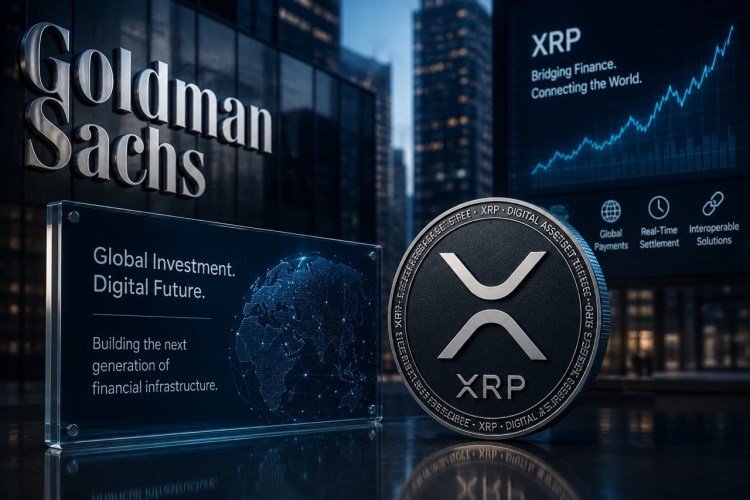
    Goldman Sachs has eliminated its exposure to XRP exchange-traded funds (ETFs), reducing its holdings from approximately $154 million to zero during the first quarter of 2026. The move has drawn attention within the XRP community, as Goldman Sachs was previously one of the largest disclosed institutional holders of XRP-linked ETF products. However, the market’s reaction to the exit may be more significant than the liquidation itself.

    Goldman Sachs Cuts XRP ETF Exposure

    Goldman Sachs entered the XRP ETF market in late 2025 with a significant position. By the end of the fourth quarter of 2025, the bank had accumulated roughly $154 million in XRP ETF exposure, spread across products from Bitwise, Grayscale, Franklin Templeton, and 21Shares. This made Goldman Sachs the holder of nearly 73% of all known institutional XRP ETF investments at the time.

    However, Goldman Sachs’ recent Form 13F filing, submitted to the SEC in mid-May, revealed no XRP-linked ETF holdings at the end of the first quarter of 2026. The filing indicates that the XRP liquidation was part of a broader portfolio adjustment. Goldman also closed out its Solana ETF exposure, reduced its Ethereum ETF holdings by about 70%, and trimmed its Bitcoin ETF exposure, although it maintained a substantial Bitcoin ETF position of nearly $700 million.

    Market Absorbs the Sale

    An XRP commentator known as X Finance Bull on the social media platform X noted that the market’s response to Goldman’s exit was noteworthy. The commentator pointed out that despite Goldman Sachs selling its entire $154 million XRP ETF position, XRP ETFs still recorded $60.5 million in weekly net inflows during the week the news was released. This suggests that demand from other buyers was robust enough to absorb the sale and maintain positive market activity.

    Spot XRP ETFs recorded their strongest weekly inflow since January, with cumulative inflows reaching approximately $1.39 billion. Assuming the entire selloff occurred during the same week XRP ETFs posted net inflows, total buying demand would have had to exceed $214 million to offset Goldman’s $154 million exit and still leave the market positive. This suggests that the sale may be more complex than a bearish headline implies. A large exit is only damaging if there is insufficient demand to offset it. In this case, Goldman’s selling pressure was not only absorbed but also surpassed by new buying. This indicates sustained demand for XRP and provides holders with a stronger basis for confidence in their positions, despite Goldman Sachs’ exit.