Blog

  • Cardano’s Quantum-Safe Plan Fails to Lift ADA

    Cardano’s Quantum-Safe Plan Fails to Lift ADA

    Cardano’s Price Stagnation Amidst Quantum Security Push

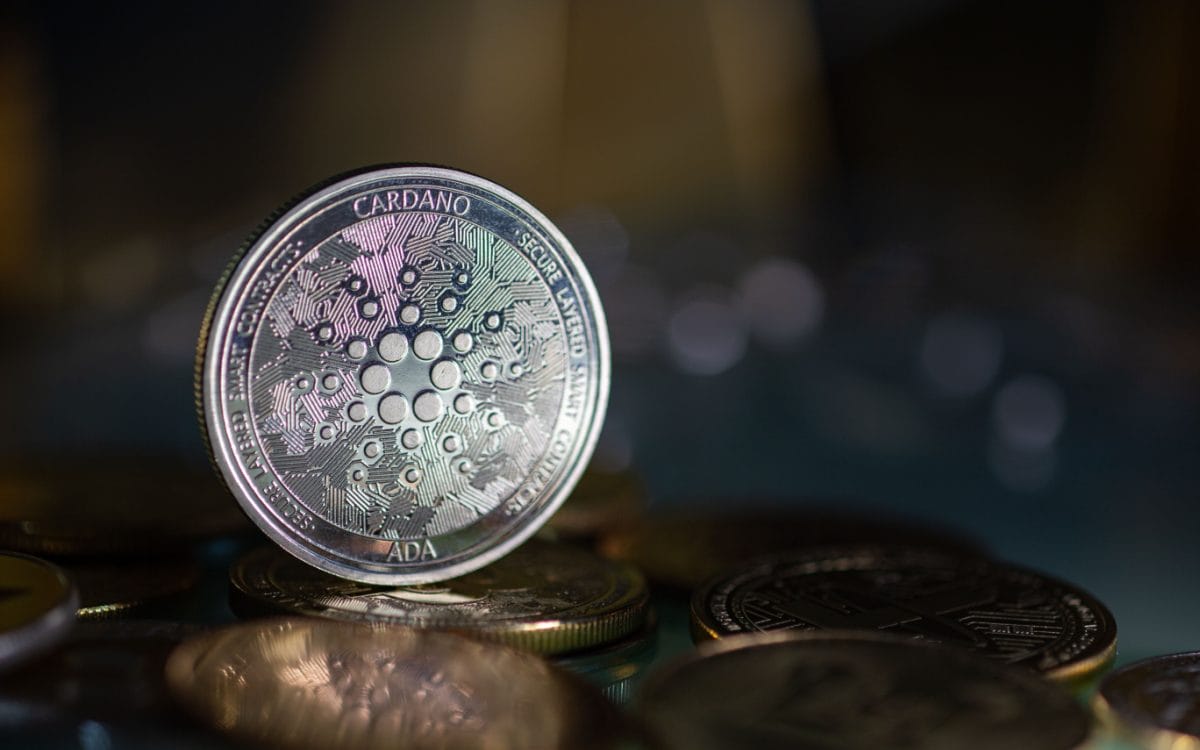
    Cardano’s native token, ADA, is currently trading near $0.25, confined within a narrow intraday range of $0.25 to $0.28. Despite neutral funding rates and whale accumulation at a 30-day low, the cryptocurrency is undertaking an aggressive push towards post-quantum cryptography. This includes a live governance vote, an imminent formal research proposal, and a roadmap positioning it ahead of Ethereum in terms of quantum readiness.

    This juxtaposition presents a challenge for the market, which has yet to reflect these technical advancements in ADA’s price. The market appears to be grappling with whether crypto security infrastructure holds any near-term pricing power, or if ADA is simply trapped within a broader altcoin liquidity drought.

    Quantum Readiness Strategy

    Charles Hoskinson, the founder of Cardano, has framed the platform’s quantum resistance strategy as a proactive measure, not a reactive response. He described the quantum threat as a “slow-moving but terminal risk” that decentralized networks must address before it triggers a market shock.

    A formal research proposal from IOHK is expected next week, building upon the ongoing governance vote. The technical architecture under consideration involves a phased migration model. Hoskinson highlighted Cardano’s established hard fork cadence as a structural advantage, enabling regular protocol upgrades without fragmentation.

    Technical Developments and Market Performance

    The planned approach involves layering post-quantum cryptographic signatures alongside existing ones, ensuring compatibility while enhancing security. Google Quantum AI reportedly ranked Cardano second among major blockchains for post-quantum security posture, behind Bitcoin and ahead of Ethereum and Solana. This ranking contributed to ADA’s inclusion in the Hashdex Nasdaq Crypto Index ETF, despite its price underperformance.

    Cardano also demonstrates high development activity, with approximately 680 GitHub commits per week across roughly 80 repositories. However, the market has not yet assigned a premium to this activity.

    Broader Industry Context

    Cardano is not alone in its pursuit of quantum resistance. Ripple has outlined a four-phase roadmap for the XRP Ledger, targeting quantum resistance by 2028. Bitcoin developers have proposed migration frameworks, including BIP-360 and BIP-361. Cardano’s governance-first approach to this migration distinguishes it from these proposals, but the market has not yet valued this distinction.

    ADA is currently trading approximately 80% below its all-time high of $3.10 and is down roughly 49% year-to-date. The $0.25–$0.28 range has served as a soft floor throughout much of Q1 and Q2 2024, while the 200-day moving average sits near $0.46.

    Market Outlook

    Resistance at $0.28 capped the intraday high this week, while support near $0.258 held the low. Funding rates have normalized to neutral. Traders are using ADA as a volatility vehicle, which suppresses the impact of any fundamental catalyst, including the quantum security roadmap.

    If ADA breaks $0.28 on volume following the release of the formal IOHK quantum research proposal and Protocol 11 hard fork confirmation, a retest of $0.34–$0.36 could be targeted. The catalyst for such a move would be an institutional re-rating of crypto security infrastructure.

    Conversely, a break below $0.258 support on sustained risk-off conditions could lead to a retest of $0.22–$0.24. Invalidation of the current range would erase the modest recovery from Q1 lows and delay any narrative re-rating.
  • SEC Eyes Pilot Program for Tokenized Equity as Clarity Act Advances

    SEC Eyes Pilot Program for Tokenized Equity as Clarity Act Advances

    SEC Eyes Tokenized Equity Pilot as Clarity Act Advances

    Following the Senate Banking Committee’s approval of the Clarity Act, SEC Chairman Paul Atkins is anticipated to introduce an “innovation exemption” framework for tokenized stock trading. This move could pave the way for 24/7 on-chain equity markets on regulated Alternative Trading Systems (ATS).

    The tokenized stock market is already gaining traction, independent of legislative progress. Data indicates that distributed value has reached $33.7 billion, a 21% increase in the last 30 days, with monthly transfer volume hitting $3.03 billion. This momentum provides a tangible market context for the regulatory push, rather than just a theoretical policy discussion. This is a bullish signal for RWA tokenization infrastructure and compliant on-chain equity platforms.

    Regulatory Framework and Infrastructure

    The SEC’s proposed “innovation exemption” does not represent a complete overhaul of securities law. A joint staff statement from three SEC divisions in January 2026 clarified the regulatory stance: tokenization does not alter the fundamental characteristics of a security, and existing disclosure obligations, custodial requirements, and investor protections remain in effect, regardless of whether a stock trades on a blockchain ledger.

    The practical infrastructure is supported by the DTC Pilot, a three-year no-action relief granted to DTCC’s DTC in December 2025. This pilot is limited to highly liquid, DTC-eligible securities and mandates real-time regulatory observability and detailed participant reporting – obligations that will apply to any ATS utilizing the same settlement rails. In March 2026, the SEC approved Nasdaq’s rule change to permit trading of tokenized versions of DTC-eligible equities and ETPs, using the same ticker, market rules, and economic rights as the underlying shares.

    The Atkins framework expands upon this logic. Bloomberg reports that the plan encompasses both tokenized stocks issued directly by or on behalf of issuers and third-party tokenized stocks without direct issuer affiliation. This distinction is crucial for secondary-market liquidity and alternative trading system design. These two categories have different disclosure obligations and custodial structures.

    Market Leaders and Growth

    Ondo, built on Ethereum, currently dominates the on-chain stock market, holding 60% of the market share. Tokenized Circle Group stocks represent approximately $212 million in value, while tokenized NVIDIA Corp. and Tesla Inc. are valued at $89.3 million and $85.4 million, respectively. These three stocks alone account for over 25% of the total tokenized stock value, spread across more than 266,000 holders and 83,257 monthly active wallets.

    The Role of the Clarity Act

    The passage of the CLARITY Act is a critical factor. The bill has cleared the Senate Banking Committee, but requires 60 votes on the Senate floor to overcome a filibuster. Republicans hold 43 seats, meaning pro-crypto advocates need at least 17 Democratic votes. Polymarket currently estimates the probability of a 2026 floor vote at 64%.

    If passed, the CLARITY Act would shift primary regulatory oversight of crypto trading from the SEC to the CFTC, with a specific carve-out retaining digital securities oversight at the SEC. This jurisdictional shift is significant, determining the rulebook governing tokenized equity ATS platforms, how margin and leverage rules apply, and which agency has enforcement authority over platforms like Ondo.

    Future Outlook

    If the CLARITY Act passes in July 2026, with the support of seventeen or more Democratic senators, the SEC’s innovation exemption framework will launch concurrently with new ATS licensing. Tokenized stock distributed value, currently at $1.43 billion, could accelerate to $5 billion by year-end as institutional platforms gain regulatory cover.

    NYSE has already partnered with Securitize to develop tokenized securities markets, and at least one other U.S. exchange has outlined plans for 24/7 tokenized trading with stablecoin settlement, indicating that Nasdaq’s pilot model will not remain unique, regardless of the legislative outcome.

    The SEC’s broader regulatory approach under Atkins is clearly shifting towards structured engagement rather than prioritizing enforcement. The blockchain regulation framework is evolving, with the support of 17 Democratic votes being the only variable the market cannot yet confidently predict.

  • ‏APEPE از گسترش اکوسیستم خود با راه‌اندازی FLOW خبر داد.

    ‏APEPE از گسترش اکوسیستم خود با راه‌اندازی FLOW خبر داد.

    ‏[بیانیه مطبوعاتی – نیویورک، ایالات متحده آمریکا، ۱۹ می ۲۰۲۶]

    پروژه Ape and Pepe (APEPE)، یک پروژه اکوسیستم میم ترکیبی مبتنی بر Polygon و تحت هدایت جامعه، رسماً از راه‌اندازی “Community FLOW” خبر داد. این ابتکار جدید با هدف گسترش تعامل جهانی با جامعه و افزایش شفافیت اکوسیستم طراحی شده است.

    راه‌اندازی Community FLOW بخشی از استراتژی توسعه بلندمدت اکوسیستم APEPE است که بر ایجاد یک فرهنگ متمرکز بر جامعه و ساختار مشارکت در محیط Web3 متمرکز است.

    اهداف Community FLOW

    به گفته تیم جامعه APEPE، Community FLOW با هدف معرفی رویکردی بازتر و جامعه‌محورتر در بحث‌های اکوسیستم، مشارکت در کمپین‌ها و جهت‌گیری‌های توسعه آینده راه‌اندازی شده است. از طریق این ابتکار، این پروژه به دنبال افزایش تعامل بین اعضای جامعه جهانی و تقویت بنیان برای رشد بلندمدت اکوسیستم است.

    پیشینه و دستاوردها

    APEPE که در ابتدا بر روی Polygon راه‌اندازی شد، از طریق کمپین‌های جهانی مختلف، ادغام کیف پول‌ها و همکاری‌های اکوسیستمی به توسعه خود ادامه داده است. این پروژه در حال حاضر بیش از ۲ میلیون کاربر در جامعه جهانی و بیش از ۴۰۰ هزار هولدر در زنجیره دارد.

    علاوه بر این، حضور خود را در صرافی‌ها و جوامع جهانی مختلف از جمله HTX، Gate، MEXC، BingX، Coinone و GOPAX گسترش داده است. اخیراً، این اکوسیستم از طریق کمپین‌های جامعه جهانی، ادغام کیف پول‌ها، ابزارهای مبتنی بر هوش مصنوعی، همکاری با اپلیکیشن neofinance TRIA و مشارکت‌های مرتبط با IPهای بازی به رشد خود ادامه داده است.

    APEPE پیش از این جهت‌گیری خود را به عنوان یک اکوسیستم میم تحت هدایت جامعه از طریق ابتکاراتی مانند کمپین جامعه Times Square و فعالیت‌های مختلف محتوای میم تولید شده توسط کاربران نشان داده است.

    برنامه‌های آینده

    نماینده‌ای از جامعه اعلام کرد که APEPE قصد دارد با ابتکارات جامعه، مشارکت‌ها، ادغام‌ها و کمپین‌های جهانی، به گسترش اکوسیستم خود ادامه دهد.

    درباره APEPE

    APEPE یک پروژه اکوسیستم میم مبتنی بر Polygon و تحت هدایت جامعه است که بر مشارکت جامعه، توسعه اکوسیستم و فرهنگ Web3 متمرکز است. این پروژه به توسعه خود از طریق کمپین‌های جهانی، ادغام کیف پول‌ها، مشارکت‌ها و ابتکارات تحت رهبری جامعه ادامه می‌دهد.

    وبسایت: https://apepe.lol/
    X (توئیتر): https://x.com/APEPE_MEME

  • ‏همکاری فلیر و دی‌سنت، فرصت‌های جدید بازدهی برای دارندگان XRP

    ‏همکاری فلیر و دی‌سنت، فرصت‌های جدید بازدهی برای دارندگان XRP

    ‏شبکه برنامه‌های مالی غیرمتمرکز (DeFi) Flare گامی دیگر در جهت دسترسی دارندگان XRP به XRP Finance (XRPFi) برداشته است. این بار، این بلاک‌چین از ادغام با ارائه دهنده کیف پول رمزنگاری D’CENT Wallet خبر می‌دهد که دسترسی مستقیم به خزانه های بازدهی در سطح سازمانی را فراهم می‌کند.

    اتحاد XRP و توسعه XRPFi

    به گزارش بیانیه مطبوعاتی ارسالی به CryptoPotato، ادغام بین Flare و D’CENT Wallet بخشی از یک ائتلاف جدید به نام XRP Alliance است. این ائتلاف شامل پلتفرم‌های رمزنگاری دیگری از جمله Doppler، Banxa و Squid می‌شود. این همکاری با هدف تسهیل توسعه XRPFi انجام می‌شود.

    دسترسی آسان به خزانه ها

    ادغام با D’CENT Wallet نیازی به زنجیره، کیف پول یا توکن گازی جدید ندارد – دارندگان XRP می‌توانند مستقیماً از کیف پول‌های سخت‌افزاری خود با استفاده از دو امضا در XRP Ledger (XRPL) به خزانه ها دسترسی داشته باشند. این فرآیند توسط Flare Smart Accounts فعال می‌شود.

    معرفی خزانه های بازدهی

    خزانه های مورد نظر، Monarq XRP Yield Vault (MXRPY) و earnXRP هستند که توسط Clearstar، متصدی استراتژی درون زنجیره‌ای، مدیریت می‌شوند. Monarq هفته گذشته MXRPY را با همکاری Flare و ارائه دهنده زیرساخت خزانه Upshift راه‌اندازی کرد. این خزانه هم منابع بازدهی درون زنجیره‌ای و هم خارج از زنجیره‌ای را ارائه می‌دهد. کاربران می‌توانند مستقیماً از D’CENT به هر دو خزانه دسترسی داشته باشند.

    پوشش گسترده D’CENT Wallet

    D’CENT به عنوان یک ارائه دهنده کیف پول سخت‌افزاری، حداقل به 720,000 کاربر در سراسر ایالات متحده، بریتانیا، کانادا، ژاپن و کره جنوبی خدمات ارائه می‌دهد که میلیاردها XRP را در خود ذخیره دارد. این توسعه جدید، این کیف پول را به یکی از اولین کیف پول‌هایی تبدیل می‌کند که مسیری بومی از نگهداری XRP به بازدهی DeFi ارائه می‌دهد.

    فرآیند ادغام و تبدیل XRP به FXRP

    از آنجایی که Flare به عنوان لایه قابل برنامه‌ریزی برای XRP در داخل ائتلاف عمل می‌کند، Flare Smart Accounts امضاهای XRPL را به FXRP ضرب شده تبدیل می‌کند که در خزانه ها واریز می‌شود. FXRP نشان دهنده XRP در Flare است. هنگام واریز از D’CENT Wallet، هر تراکنش XRPL شامل دستورالعمل‌های رمزگذاری شده در فیلد یادداشت خود است و Flare Data Connector مدرکی از آن تراکنش را به سیستم Smart Account منتقل می‌کند.

    امضاهای دوگانه برای امنیت بیشتر

    این فرآیند به دو امضای XRPL از دستگاه D’CENT نیاز دارد؛ اولین امضا وثیقه را در Flare رزرو می‌کند و خزانه مورد نظر را شناسایی می‌کند، در حالی که امضای دوم XRP را به Core Vault در XRPL ارسال می‌کند. امضای دوم همچنین باعث ضرب FXRP و واریز خودکار آن به خزانه انتخاب شده می‌شود. این فرآیند کاملاً غیرمتمرکز است و نیازی به هیچ واسطه‌ای برای نگهداری ندارد.

    اظهارات مدیران

    هوگو فیلیون، هم‌بنیانگذار Flare، در این باره گفت: «D’CENT یکی از پرکاربردترین کیف پول‌های سخت‌افزاری در آسیا، به ویژه در کره است. برای دارندگان XRP که از آن استفاده می‌کنند، امنیت همیشه در اولویت بوده است – و بازدهی به معنای رفتن به جای دیگری بوده است. این ادغام این موضوع را تغییر می‌دهد. کاربران D’CENT اکنون می‌توانند بدون انتقال XRP خود از دستگاهی که قبلاً به آن اعتماد داشتند، کسب درآمد کنند. این چیزی است که XRPFi در سطح تولید به نظر می‌رسد.»

  • ‏دقیقه صبحگاهی: SEC از تصمیم خود درباره سهام توکنیزه عقب‌نشینی کرد، تب‌وتاب بالا گرفت

    ‏دقیقه صبحگاهی: SEC از تصمیم خود درباره سهام توکنیزه عقب‌نشینی کرد، تب‌وتاب بالا گرفت

    ‏صبح بخیر!

    اخبار مهم امروز:

    تغییر موضع SEC در مورد سهام توکنیزه شده

    به گزارش بلومبرگ لاو، کمیسیون بورس و اوراق بهادار ایالات متحده (SEC) در حال بررسی اجازه دادن به پلتفرم‌های شخص ثالث برای توکنیزه کردن سهام بدون نیاز به رضایت صادرکننده است.

    این یک تغییر قابل توجه از دستورالعمل 28 ژانویه این آژانس است که خط روشنی بین توکنیزاسیون تایید شده توسط صادرکننده و محصولات شخص ثالث ترسیم کرد و هشدار داد که دومی معمولاً فقط در معرض قرار گرفتن مصنوعی قرار دارد، نه مالکیت واقعی سهام.

    اگر این تغییر رسمی شود، یک مدل کاملاً متفاوت برای سهام توکنیزه شده را تایید می‌کند. بر اساس چارچوب ژانویه، تنها شرکت‌هایی که به‌طور رسمی بلاک‌چین را در سوابق رسمی سهامداران خود ادغام کرده‌اند، مانند راه‌اندازی برنامه‌ریزی‌شده DTCC در ماه ژوئیه، می‌توانستند در معرض سهام توکنیزه شده قانونی قرار گیرند. پلتفرم‌های شخص ثالث مانند xStocks کراکن، سهام توکنیزه شده مبتنی بر Arbitrum رابین‌هود و پرپ‌های شرکت خصوصی OKX در یک منطقه خاکستری قانونی فعالیت می‌کردند. به گفته بلومبرگ لاو، موضع جدید به این پلتفرم‌ها اجازه می‌دهد بدون انتظار برای مشارکت صادرکننده، به کار خود ادامه دهند.

    این یک پیشرفت بزرگ است و سهام در اینجا بسیار زیاد است. بازار اوراق بهادار توکنیزه شده سالانه 200 درصد رشد داشته و به 30 میلیارد دلار رسیده است، در حالی که DTCC، BlackRock، JPMorgan و Franklin Templeton همگی در ماه گذشته محصولات توکنیزه شده را ثبت یا راه‌اندازی کرده‌اند.

    به نظر می‌رسد Hyperliquid حداقل در کوتاه‌مدت بیشترین سود را خواهد برد و بازار با رساندن آن به 48 دلار و یک سقف محلی جدید واکنش نشان داد.

    استراتژی 2 میلیارد دلار بیت کوین خرید، بیت کوین کاهش یافت

    استراتژی بین 11 تا 17 می 24869 بیت کوین را با قیمت متوسط 80985 دلار برای هر سکه به قیمت تقریبی 2.01 میلیارد دلار خریداری کرد که تقریباً به‌طور کامل توسط 1.949 میلیارد دلار انتشار سهام ممتاز STRC و 83.7 میلیون دلار سهام عادی MSTR تامین شد.

    مطمئناً قیمت بیت کوین را افزایش داد، درست است؟ درست؟؟

    این کار را نکرد و در واقع، بیت کوین در روز دوشنبه حدود 5 درصد کمتر از میانگین هفته گذشته سایور معامله شد. ETFها کمکی نکردند، زیرا ETFهای بیت کوین نقدی تقریباً 1 میلیارد دلار خالص خروجی را در هفته گذشته ثبت کردند – بدترین ریزش هفتگی ETF در سال 2026. IBIT، FBTC و GBTC همگی خروجی داشتند، زیرا بازده اوراق قرضه 30 ساله ایالات متحده از 5 درصد عبور کرد و CME FedWatch شروع به قیمت‌گذاری 44 درصد احتمال افزایش نرخ در نشست FOMC 2026 کرد.

    اکنون STRC زیر قیمت اسمی معامله می‌شود و سایور احتمالاً برای چند هفته مهمات زیادی ندارد. بنابراین بیت کوین باید به دنبال پیشنهاد دیگری باشد…

    ایران بیمه دریایی بیت کوین را راه‌اندازی می‌کند

    ایران در آخر هفته از راه‌اندازی یک پلتفرم بیمه دریایی دولتی به نام «Hormuz Safe» خبر داد که به کشتی‌داران تحریم‌شده اجازه می‌دهد حق بیمه را به بیت کوین برای پوشش فوری در ترانزیت هرمز پرداخت کنند.

    این پلتفرم به‌طور کامل SWIFT و بانکداری سنتی را دور می‌زند: پوشش پس از تایید بیت کوین فعال می‌شود و ادعاها در زنجیره پردازش می‌شوند. مقامات ایرانی در صورت تصاحب سهم قابل توجهی از بازار برای 20 درصد از نفت خام جهانی که هنوز از تنگه عبور می‌کند، بیش از 10 میلیارد دلار درآمد سالانه پیش‌بینی می‌کنند.

    ایران در حال ساخت زیرساختی است که بیت کوین را به‌عنوان راه‌حل مالی اصلی خود نهادینه می‌کند و به آن یک مدل درآمدی می‌دهد که به بازگشایی هرمز بستگی ندارد. برای هر کاپیتان کشتی که یک بیمه‌نامه Hormuz Safe خریداری می‌کند، یک تراکنش بیت کوین به سمت دولت ایران جریان دارد – و مسئولیت احتمالی OFAC برای خریدار، صرف نظر از اینکه آیا حق بیمه به مقصد اعلام‌شده می‌رسد یا خیر. به نظر می‌رسد که ریسک ممکن است بیشتر از پاداش باشد، حداقل در حال حاضر.

    نه حساب Polymarket 2.4 میلیون دلار در مورد ایران برنده شد، با نرخ برد 98٪

    به گزارش تحقیقات Bubblemaps که برای اولین بار با 60 دقیقه به اشتراک گذاشته شد، مجموعه‌ای از نه حساب Polymarket به هم پیوسته 2.4 میلیون دلار را با شرط‌بندی تقریباً منحصراً بر روی اقدامات نظامی ایالات متحده در ایران به دست آوردند.

    تمام حساب‌های ناشناس چند روز قبل از بمباران اولیه آمریکا در ایران در اواخر فوریه ایجاد شدند. آنها در بیش از 80 شرط‌بندی، 98 درصد از زمان را بردند، از جمله پیش‌بینی دقیق زمان حملات اولیه ایالات متحده، برکناری رهبر معظم انقلاب خامنه‌ای و اعلام آتش‌بس.

    نیکلاس وایمن، مدیر عامل Bubblemaps، اظهار داشت: «این ممکن است دیوانه‌کننده‌ترین الگویی باشد که تاکنون در Polymarket پیدا کرده‌ایم. شانس به تنهایی نمی‌تواند این اعداد را توضیح دهد.»

    این حساب‌ها تنها در چند مورد، همیشه مبالغ کمی، در حد صدها دلار، ضرر کردند که Bubblemaps ادعا می‌کند عمداً برای منحرف کردن محققان از مسیرشان از دست رفته است. در نهایت، برنده شدن به Bybit، Binance و HTX هدایت شد، اگرچه نمی‌توان حساب‌ها را به‌طور عمومی به افراد خاصی ردیابی کرد.

    معامله داخلی در بازارهای پیش‌بینی در ابتدا به‌عنوان یک ویژگی، نه یک اشکال، تبلیغ می‌شد. این نظریه در زمان اوج آزمایش می‌شود.

    خزانه‌داری شرکت‌ها و ETFها

    ردیاب میم کوین

  • GhostSwap Launches No-KYC Crypto Exchanges

    GhostSwap Launches Partner API for Non-Custodial Crypto Swaps

    GhostSwap has officially launched its Partner API, a developer-focused interface enabling wallets, exchanges, decentralized applications (dApps), and other crypto products to offer fully non-custodial, no-Know Your Customer (KYC) token swaps to their users through a single backend integration.

    The API is now live, and the partner dashboard is open for applications. Approved partners can begin integrating and deploying within 24 hours.

    Key Features and Benefits

    The defining characteristic of the new Partner API is its lack of KYC requirements. The swap process itself does not involve user document uploads, identity verification, or email collection. The GhostSwap Partner API adheres to the core principle of self-custodial crypto: users retain control of their keys, select two assets, and execute the swap.

    This means that wallets, portfolio dashboards, and trading bots can now offer in-product crypto-to-crypto swaps without the need to onboard a KYC vendor, expand their compliance scope, or redirect users to third-party landing pages. The integration utilizes a server-to-server REST architecture, allowing backends to communicate directly, while the frontend renders the existing swap user interface, keeping users within the product.

    Streamlined Integration

    The API is designed to minimize integration time. Authentication is handled via a single header: Authorization: Bearer :. This approach is consistent with authentication methods used by services like Stripe, Twilio, OpenAI, and Resend. There is no JSON-RPC, no upstream signing key for partners to manage, and no node infrastructure to operate. The authentication reference is a single page.

    A basic integration involves five REST endpoints: listing currencies, listing supported pairs, fetching real-time quotes, validating destination addresses, and creating swaps. Status updates are provided through a single polled endpoint. The full reference is available at /docs/api/swaps, and a 10-minute quickstart guide provides a step-by-step walkthrough.

    Partner Fees and Earnings

    Partners can set their own fees, ranging from 0% to 4%, which are added as a markup on the user-facing swap rate. The partner’s share of each completed swap is accrued in an earnings ledger that updates in real-time. Withdrawals are paid in USDT on TRC-20 or ERC-20 directly from the partner dashboard.

    There are no minimum monthly volume requirements, setup fees, or contractual obligations. For example, a wallet routing $1 million in monthly swap volume with a 1.5% partner fee could earn approximately $15,000 per month in passive USDT.

    Production-Ready Features

    The API includes essential features for production integrations, such as Idempotency-Key headers to prevent duplicate swaps, RFC-9112 RateLimit-* response headers for client self-throttling, a documented status lifecycle, a stable error contract, and an audit-logged secret-reveal flow for secure credential rotation.

    Supported Cryptocurrencies and Application Process

    The API provides access to the same liquidity as GhostSwap’s consumer product, supporting hundreds of cryptocurrencies across various blockchains, including Bitcoin, Ethereum, Solana, BNB Smart Chain, Tron, Polygon, Arbitrum, Optimism, Base, and Litecoin. The live currency list is accessible via a single REST call.

    To apply, visit partners.ghostswap.io/dashboard. The application form takes approximately two minutes to complete, requiring a business name, website, and desired fee percentage. GhostSwap administrators review applications within 24 hours. Upon approval, partners receive a dedicated API credential and can begin making calls immediately. A program overview is available at ghostswap.io/api.

    KYC Compliance and Integration Time

    The swap process itself does not require KYC, identity checks, document uploads, or email collection. Users maintain control of their keys throughout the trade, and GhostSwap does not custody funds or collect user Personally Identifiable Information (PII) for the swap.

    A complete production integration typically takes 2–4 engineering days. The quickstart guide can guide users to their first completed swap in approximately ten minutes.

    Fees and AI Integration

    A small platform markup is applied to every swap, transparently added to the upstream rate. Partners then add their own fee, ranging from 0% to 4%, and retain that commission in USDT.

    The API also supports integration with AI agents.

    GhostSwap Partner API offers non-custodial, no-KYC crypto swaps for wallets, dApps, bots, and AI agents. Apply at ghostswap.io/api.

  • SEC Changes Stance on Tokenized Stocks, Fuels Excitement

    SEC Changes Stance on Tokenized Stocks, Fuels Excitement

    SEC Reverses Course on Tokenized Stocks

    The Securities and Exchange Commission (SEC) is reportedly shifting its stance, potentially allowing third-party platforms to tokenize stocks without requiring issuer consent, according to a Bloomberg Law report published on Monday.

    This represents a significant departure from the agency’s January 28 guidance, which distinguished between issuer-approved tokenization and third-party products, cautioning that the latter often provided synthetic exposure rather than genuine equity ownership.

    If formalized, this shift would introduce a new model for tokenized equities. Under the January framework, only companies that integrated blockchain into their official shareholder records, such as DTCC’s planned July launch, could offer legitimate tokenized stock exposure. Third-party platforms like Kraken’s xStocks, Robinhood’s Arbitrum-based tokenized equities, and OKX’s private company perps were operating in a legal gray area. The new approach, as reported by Bloomberg Law, would allow these platforms to operate without waiting for issuer participation.

    This development could significantly impact the tokenized securities market, which has grown 200% year-over-year to $30 billion. DTCC, BlackRock, JPMorgan, and Franklin Templeton have all filed or launched tokenized products in the past month.

    Hyperliquid is likely to benefit the most, at least in the short term, and the market responded by sending it to $48 and a new local high.

    Strategy Buys $2 Billion in Bitcoin, Bitcoin Goes Lower

    Strategy purchased 24,869 BTC between May 11 and May 17 for approximately $2.01 billion at an average price of $80,985 per coin. The purchase was primarily funded by $1.949 billion in STRC preferred stock issuances and $83.7 million in MSTR common shares.

    Despite the significant investment, the price of Bitcoin did not increase. In fact, Bitcoin traded approximately 5% lower on Monday compared to last week’s average. Spot Bitcoin ETFs also experienced outflows, with approximately $1 billion in net outflows last week, marking the worst weekly ETF bleed of 2026. IBIT, FBTC, and GBTC all posted outflows as US 30-year Treasury yields crossed 5% and CME FedWatch began pricing 44% odds of a rate hike at a 2026 FOMC meeting.

    With STRC now trading below par and Saylor likely having limited funds for the next few weeks, Bitcoin will need to find support elsewhere.

    Iran Launches Bitcoin Maritime Insurance

    Iran has launched a state-backed maritime insurance platform called “Hormuz Safe,” enabling sanctioned shippers to pay premiums in Bitcoin for instant coverage on Hormuz transit.

    The platform bypasses SWIFT and traditional banking, activating coverage upon Bitcoin confirmation and processing claims on-chain. Iranian officials project over $10 billion in annual revenue if the service captures a significant market share of the 20% of global seaborne crude that transits the strait.

    Iran is building infrastructure that institutionalizes Bitcoin as its primary financial workaround, providing a revenue model independent of Hormuz’s reopening. Each Hormuz Safe policy purchased results in a Bitcoin transaction flowing to the Iranian state, potentially exposing the buyer to OFAC liability regardless of whether the premium reaches its intended destination. The risks may outweigh the rewards, at least for now.

    Nine Polymarket Accounts Won $2.4 Million on Iran, With a 98% Win Rate

    A cluster of nine interlinked Polymarket accounts netted $2.4 million by betting almost exclusively on US military actions in Iran, according to a Bubblemaps investigation first shared with 60 Minutes.

    The anonymous accounts were created days before the initial US bombardment of Iran in late February. Across more than 80 bets, they won 98% of the time, including accurately predicting the timing of the first US strikes, the ousting of Supreme Leader Khamenei, and the announcement of a ceasefire.

    Bubblemaps CEO Nicolas Vaiman commented, “This might be the most insane pattern we have found on Polymarket so far. Luck alone cannot explain those numbers.”

    The accounts lost money on only a few occasions, always small amounts, in the hundreds of dollars, which Bubblemaps suggests were intentional losses to mislead investigators. Winnings were ultimately routed to Bybit, Binance, and HTX, though the accounts cannot be publicly traced to specific individuals.

    Inside trading on prediction markets was initially touted as a feature, not a bug. That theory is being tested.

  • Ondo Token Jumps 16% Amid SEC Scrutiny of Tokenized Stocks

    Ondo Token Jumps 16% Amid SEC Scrutiny of Tokenized Stocks

    ONDO surged approximately 16% following reports that the U.S. Securities and Exchange Commission (SEC) is preparing a framework that could permit tokenized versions of stocks to trade on cryptocurrency platforms. This development could provide a regulatory boost to one of the most prominent players in the real-world asset sector.

    Market Reaction

    ONDO traded near $0.390, reflecting a 15.5% increase over 24 hours, with a daily volume of about $228 million and a market capitalization nearing $1.9 billion. This surge followed a Bloomberg report indicating that the SEC might release an “innovation exemption” for tokenized stocks as early as this week. The framework would reportedly establish a pathway for digital securities to trade outside traditional exchange venues and on decentralized crypto platforms, potentially including tokens that may not have the consent or backing of the public companies whose shares they represent.

    Factors Driving ONDO’s Gains

    For crypto markets, the report aligned with one of the year’s strongest narratives: tokenized public equities. The Kobeissi Letter described the potential exemption via X as a “surprise move,” suggesting it could “reshape the landscape of the American stock market” and represent “one of the US’ biggest shifts into crypto infrastructure yet.” The market’s response focused on projects already involved in on-chain securities. ONDO led gains among major RWA-linked tokens, while traders also identified Hyperliquid as a potential beneficiary due to its role in on-chain derivatives. The DeFi Investor framed the report as “great news” for both HYPE and ONDO, arguing that it “legitimizes Ondo as the largest tokenized stocks issuer,” while Hyperliquid will be “one of the biggest beneficiaries as the largest DEX for RWA perps.”

    Ondo’s own data points have given traders a concrete reason to connect the SEC report to the token. Ondo Global Markets recently surpassed $1 billion in total value locked less than eight months after its September 2025 launch. The platform holds over 70% of the tokenized equity issuer market and has processed more than $18 billion in cumulative trading volume. It currently offers over 260 tokenized U.S. stocks and ETFs across Solana, Ethereum, and BNB Chain.

    Future Outlook

    Katie Wheeler, Managing Director of Global Partnerships at Ondo Finance, stated in a recent interview that the platform’s growth could accelerate further. “I wouldn’t be surprised if we surpassed $5 billion by the end of the year. I know that seems a little advantageous, but we have a lot of interest and we’re really building up quite a pipeline.” Wheeler emphasized that tokenized equities are still in their early stages relative to the size of public markets. “We are literally just scratching the surface. This is a very large industry. So even if we did 1%, I think that would be tremendous,” she said.

    Regulatory Considerations

    The reported SEC approach raises a key regulatory question: whether stock-linked tokens can scale without compromising shareholder protections. Bloomberg reported that the tokens may not offer traditional rights such as voting power or dividends, while the source material indicates platforms could lose eligibility if listed products fail to provide rights such as voting or dividends. At press time, ONDO traded at $0.3871.

  • ‏اُندو ۱۶٪ جهش کرد؛ SEC به چارچوبی برای معاملات سهام توکنیزه چشم دوخته است.

    ‏اُندو ۱۶٪ جهش کرد؛ SEC به چارچوبی برای معاملات سهام توکنیزه چشم دوخته است.

    جهش ۱۶ درصدی اوندو پس از گزارش‌های مربوط به مقررات جدید SEC

    به دنبال گزارش‌هایی مبنی بر این که کمیسیون بورس و اوراق بهادار ایالات متحده (SEC) در حال آماده‌سازی چارچوبی است که می‌تواند به نسخه‌های توکنیزه شده سهام اجازه دهد در مسیرهای رمزنگاری معامله شوند، قیمت توکن اوندو (ONDO) حدود ۱۶ درصد افزایش یافت.

    این اقدام می‌تواند به یکی از نام‌های برجسته در بخش دارایی‌های دنیای واقعی، یک مزیت نظارتی جدید بدهد.

    اوندو با قیمت حدود ۰.۳۹۰ دلار معامله می‌شد که ۱۵.۵ درصد افزایش نسبت به ۲۴ ساعت گذشته را نشان می‌داد. حجم معاملات روزانه حدود ۲۲۸ میلیون دلار و ارزش بازار نزدیک به ۱.۹ میلیارد دلار بود. این افزایش قیمت، پس از انتشار گزارشی از بلومبرگ رخ داد که در آن آمده بود SEC ممکن است به زودی یک “معافیت نوآوری” برای سهام توکنیزه شده منتشر کند. بر اساس این گزارش، این چارچوب مسیری را برای معامله نسخه‌های دیجیتالی اوراق بهادار در خارج از مکان‌های تبادل سنتی و در پلتفرم‌های رمزنگاری غیرمتمرکز، از جمله توکن‌هایی که ممکن است رضایت یا حمایت شرکت‌های سهامی عام را نداشته باشند، فراهم می‌کند.

    چرا اوندو بیشترین سود را از این خبر می‌برد؟

    برای بازارهای رمزنگاری، این گزارش مستقیماً بر یکی از قوی‌ترین روایت‌های سال متمرکز شد: سهام عمومی توکنیزه شده. The Kobeissi Letter در توییتر (X) این معافیت احتمالی را “یک حرکت غافلگیرکننده” توصیف کرد و گفت که می‌تواند “چشم‌انداز بازار سهام آمریکا را تغییر دهد” و “یکی از بزرگترین تغییرات ایالات متحده به سمت زیرساخت‌های رمزنگاری تا کنون” باشد.

    واکنش بازار بر پروژه‌هایی متمرکز بود که در حال حاضر در زمینه اوراق بهادار مبتنی بر زنجیره قرار دارند. اوندو در میان توکن‌های اصلی مرتبط با RWA (دارایی‌های دنیای واقعی) بیشترین افزایش قیمت را داشت، در حالی که معامله‌گران همچنین به Hyperliquid به عنوان یک ذینفع بالقوه به دلیل نقش آن در مشتقات مبتنی بر زنجیره اشاره کردند.

    یک حساب کاربری به نام The DeFi Investor این گزارش را “خبر عالی” برای هر دو HYPE و ONDO توصیف کرد و استدلال کرد که این خبر “اوندو را به عنوان بزرگترین صادرکننده سهام توکنیزه شده مشروعیت می‌بخشد”، در حالی که Hyperliquid “یکی از بزرگترین ذینفعان به عنوان بزرگترین صرافی غیرمتمرکز برای RWA perps” خواهد بود.

    داده‌های خود اوندو نیز دلیل مشخصی را برای معامله‌گران فراهم کرده تا گزارش SEC را به این توکن مرتبط کنند. Ondo Global Markets اخیراً کمتر از هشت ماه پس از راه‌اندازی در سپتامبر ۲۰۲۵، از ۱ میلیارد دلار ارزش کل قفل شده (TVL) عبور کرد. این پلتفرم بیش از ۷۰ درصد از بازار صادرکنندگان سهام توکنیزه شده را در اختیار دارد و بیش از ۱۸ میلیارد دلار حجم معاملات تجمعی را پردازش کرده است. در حال حاضر، این پلتفرم بیش از ۲۶۰ سهام و ETF توکنیزه شده ایالات متحده را در سراسر Solana، Ethereum و BNB Chain ارائه می‌دهد.

    کتی ویلر، مدیر عامل مشارکت‌های جهانی در Ondo Finance، در مصاحبه‌ای اخیر گفت که رشد این پلتفرم می‌تواند بیشتر تسریع شود. وی گفت: “من تعجب نمی‌کنم اگر تا پایان سال از ۵ میلیارد دلار فراتر رویم. می‌دانم که این کمی خوش‌بینانه به نظر می‌رسد، اما ما علاقه زیادی داریم و در حال ایجاد یک خط لوله بسیار بزرگ هستیم.”

    استدلال گسترده‌تر ویلر این است که سهام توکنیزه شده هنوز در مقایسه با اندازه بازارهای عمومی در مراحل اولیه قرار دارند. او گفت: “ما واقعاً فقط در حال خراشیدن سطح هستیم. این یک صنعت بسیار بزرگ است. بنابراین حتی اگر ۱ درصد هم انجام دهیم، فکر می‌کنم این فوق‌العاده خواهد بود.”

    سهام توکنیزه شده تازه شروع به کار کرده‌اند.

    به دنبال عبور سهام توکنیزه شده اوندو از ۱ میلیارد دلار TVL، کتی ویلر از اوندو در توییتر (Ondo’s @KatieAWheeler) پیش‌بینی خود را برای پایان سال به TheStreet ارائه داد: “من تعجب نمی‌کنم اگر تا پایان سال از ۵ میلیارد دلار فراتر رویم. ما علاقه زیادی داریم و در حال ایجاد یک…”

    سوالات نظارتی کلیدی

    با این حال، رویکرد گزارش شده SEC یک سوال نظارتی اساسی را مطرح می‌کند: آیا توکن‌های مرتبط با سهام می‌توانند بدون تضعیف حمایت از سهامداران مقیاس‌پذیر شوند؟ بلومبرگ گزارش داد که این توکن‌ها ممکن است حقوق سنتی مانند حق رای یا سود سهام را ارائه ندهند، در حالی که منبع اصلی نشان می‌دهد که پلتفرم‌ها در صورت عدم ارائه حقوقی مانند حق رای یا سود سهام توسط محصولات فهرست شده، ممکن است واجد شرایط بودن را از دست بدهند.

    در زمان انتشار این خبر، اوندو با قیمت ۰.۳۸۷۱ دلار معامله می‌شد.

  • ‏**گوست‌سواپ تبادل رمزارز بدون احراز هویت را ارائه می‌دهد**

    ‏GhostSwap رسماً رابط برنامه‌نویسی (API) شریک خود را راه‌اندازی کرده است: یک رابط کاربری برای توسعه‌دهندگان که به هر کیف پول، صرافی، برنامه غیرمتمرکز (dApp) یا محصول رمزنگاری اجازه می‌دهد تا مبادلات توکن کاملاً غیرامانی و بدون نیاز به احراز هویت (KYC) را به کاربران خود در یکپارچه‌سازی واحد در بک‌اند ارائه دهد.

    راه‌اندازی و دسترسی

    این API فعال است، داشبورد شریک برای درخواست‌ها باز است و اولین گروه از شرکا می‌توانند ظرف 24 ساعت تأیید و راه‌اندازی شوند.

    ویژگی‌های اصلی

    ویژگی تعیین‌کننده API شریک جدید، چیزی است که درخواست نمی‌کند. هیچ لایه KYC در خود مبادله وجود ندارد، هیچ بارگذاری سند کاربری، هیچ مرحله تأیید هویت و هیچ جریان جمع‌آوری ایمیلی برای کاربر نهایی اجباری نیست. API شریک GhostSwap بر اساس وعده اصلی رمزنگاری خود-امانی ساخته شده است: کاربر کلیدها را در اختیار دارد، دو دارایی را انتخاب می‌کند و مبادله انجام می‌دهد. هیچ چیز دیگری.

    عملکرد

    به‌طور عملی، این بدان معناست که یک کیف پول، داشبورد پورتفولیو یا ربات معاملاتی اکنون می‌تواند مبادلات رمزنگاری به رمزنگاری درون محصول را بدون نیاز به راه‌اندازی یک فروشنده KYC، بدون گسترش دامنه انطباق محصول میزبان و بدون از دست دادن کاربر به یک صفحه فرود شخص ثالث ارائه دهد. یکپارچه‌سازی، REST سرور به سرور است: بک‌اند شما با ما ارتباط برقرار می‌کند، فرانت‌اند شما رابط کاربری مبادله‌ای را که قبلاً طراحی کرده‌اید، رندر می‌کند و کاربر هرگز محصول شما را ترک نمی‌کند.

    سهولت یکپارچه‌سازی

    هر انتخاب در سطح API برای فشرده‌سازی زمان یکپارچه‌سازی انجام شده است. احراز هویت یک هدر واحد است: Authorization: Bearer : – همان شکل Bearer-auth که تیم شما قبلاً برای Stripe، Twilio، OpenAI یا Resend می‌نویسد. هیچ JSON-RPC، هیچ کلید امضای بالادستی برای مدیریت شریک و هیچ زیرساخت گره‌ای برای راه‌اندازی وجود ندارد. مرجع احراز هویت یک صفحه است.

    نقاط پایانی و مستندات

    یکپارچه‌سازی اولیه شامل پنج نقطه پایانی REST است: فهرست ارزها، فهرست جفت‌های پشتیبانی‌شده، دریافت یک قیمت لحظه‌ای، تأیید آدرس مقصد و ایجاد مبادله. به‌روزرسانی‌های وضعیت از یک نقطه پایانی نظرسنجی واحد دریافت می‌شوند. مرجع کامل در /docs/api/swaps قرار دارد. راه‌اندازی سریع 10 دقیقه‌ای کل مسیر را از اعتبار صفر تا اولین مبادله تکمیل‌شده طی می‌کند.

    کارمزد و درآمد

    شرکا کارمزد خود را – از 0% تا 4% – در زمان ثبت‌نام انتخاب می‌کنند و این کارمزد به عنوان حاشیه سود در نرخ مبادله‌ای که به کاربر نشان داده می‌شود، اعمال می‌شود. هر مبادله تکمیل‌شده، سهم شریک را به یک دفتر کل درآمد که در زمان واقعی به‌روزرسانی می‌شود، اضافه می‌کند. برداشت‌ها به صورت USDT در TRC-20 یا ERC-20 مستقیماً از داشبورد شریک پرداخت می‌شوند.

    شرایط و مزایا

    هیچ حداقل حجم ماهانه، هیچ هزینه راه‌اندازی و هیچ تعهد قراردادی وجود ندارد. یک کیف پول که 1 میلیون دلار حجم مبادله ماهانه را با کارمزد شریک 1.5٪ هدایت می‌کند، تقریباً 15000 دلار در ماه به صورت USDT غیرفعال درآمد کسب می‌کند – برای کدی که یک مهندس در یک اسپرینت واحد راه‌اندازی می‌کند و دیگر نیازی به لمس آن ندارد.

    ویژگی‌های فنی

    این API با تمام ابزارهای تولیدی که یکپارچه‌سازی واقعی در نهایت به آن‌ها نیاز دارد، ارائه می‌شود: هدرهای Idempotency-Key در هر نوشتن، بنابراین درخواست‌های تکراری هرگز یک مبادله را تکرار نمی‌کنند. هدرهای پاسخ RFC-9112 RateLimit-*، بنابراین کلاینت‌ها خودشان را بدون تجزیه بسته‌های خطای سفارشی محدود می‌کنند. یک چرخه عمر وضعیت مستند شده محدود (در انتظار → تأیید → مبادله → ارسال → تکمیل‌شده). یک قرارداد خطای پایدار و یک جریان آشکارسازی مخفی با ثبت حسابرسی در داشبورد، بنابراین چرخش اعتبار یک عملیات عادی و قابل بازیابی است.

    دسترسی به نقدینگی

    این API به همان نقدینگی که محصول مصرف‌کننده GhostSwap بر روی آن اجرا می‌شود، دسترسی دارد – صدها ارز رمزنگاری در سراسر Bitcoin، Ethereum، Solana، BNB Smart Chain، Tron، Polygon، Arbitrum، Optimism، Base، Litecoin و موارد دیگر. فهرست ارزهای زنده با یک تماس REST در دسترس است.

    نحوه درخواست

    درخواست‌ها را در partners.ghostswap.io/dashboard ارسال کنید – فرم درخواست حدود دو دقیقه طول می‌کشد (نام کسب‌وکار، وب‌سایت، کارمزد درخواستی %) و یک مدیر GhostSwap ظرف 24 ساعت بررسی می‌کند. پس از تأیید، اعتبار API اختصاصی خود را دریافت می‌کنید و می‌توانید فوراً اولین تماس خود را برقرار کنید. مرور کلی برنامه در ghostswap.io/api قرار دارد.

    تأییدیه KYC

    بله. خود مبادله نیازی به KYC، بررسی هویت، بارگذاری سند یا جمع‌آوری ایمیل ندارد. کاربر کلیدها را در هر دو انتهای معامله در اختیار دارد – GhostSwap هرگز وجوه را نگهداری نمی‌کند و هرگز اطلاعات شناسایی شخصی کاربر را برای مبادله جمع‌آوری نمی‌کند.

    زمان یکپارچه‌سازی

    معمولاً 2 تا 4 روز مهندسی برای یکپارچه‌سازی کامل تولید. راه‌اندازی سریع شما را در حدود ده دقیقه به اولین مبادله تکمیل‌شده می‌رساند.

    کارمزدها

    یک حاشیه سود پایه کوچک پلتفرم در هر مبادله اعمال می‌شود که به‌طور شفاف به نرخ بالادستی اعمال می‌شود. شرکا کارمزد خود را از 0٪ تا 4٪ اضافه می‌کنند و این اختلاف را به عنوان کمیسیون USDT حفظ می‌کنند.

    ادغام با هوش مصنوعی

    بله. /llms-full.txt را در Claude یا ChatGPT در کنار اعلان لیست ابزار موجود عامل خود قرار دهید. این خلاصه شامل یک پیاده‌سازی مرجع کاری کامل است که مدل می‌تواند در یک نوبت با آن سازگار شود.

    خلاصه

    API شریک GhostSwap – مبادلات رمزنگاری غیرامانی و بدون KYC برای کیف پول‌ها، برنامه‌های غیرمتمرکز، ربات‌ها و عوامل هوش مصنوعی. برای درخواست به ghostswap.io/api مراجعه کنید.