Tag: Exchanges

  • Crypto Exchange Spot Volume Surges 36.5% to $696.7B in September

    Crypto Exchange Spot Volume Surges 36.5% to $696.7B in September

    Crypto Exchange Spot Trading Surges 36.5% in September, Led by Binance

    Spot trading volume across 14 major cryptocurrency exchanges surged by 36.5% in September, reaching a total of $696.7 billion. This marks a significant rebound from the $510.4 billion recorded in August, with data from WuBlockchain indicating growth across all listed exchanges.

    Broad-Based Rebound Across Platforms

    The increase in trading activity was not confined to a select few platforms. All 14 exchanges reported higher spot trading volumes, suggesting a strengthening of activity across both centralized and decentralized trading venues.

    Uniswap and Upbit Show Strong Percentage Gains

    Among the exchanges, Uniswap posted the most substantial percentage increase, with its volume climbing 88.9% to $37.6 billion. Upbit followed closely, experiencing an 81.6% rise to $19.0 billion. Bitfinex also saw a notable jump of 112.5%, bringing its volume to $13.8 billion. While these percentage gains are impressive, the absolute starting volumes play a crucial role in market share.

    Binance Dominates Market Share

    Binance continued to lead the market, generating $307.8 billion in spot volume for September, representing a 44.2% market share. This positions Binance significantly ahead of its closest competitors, OKX with $65.8 billion and Coinbase with $61.3 billion.

    Top Exchanges’ Combined Share Declines Slightly

    The combined market share of the top three exchanges—Binance, OKX, and Coinbase—stood at 62.4% in September, a slight decrease from 64.8% in August. While these leading platforms still command a substantial portion of the market, their collective dominance has marginally loosened as other exchanges experienced faster growth.

    Coinbase’s volume increased by 49.8% month-over-month, and OKX saw a 40.3% gain, both outpacing the overall market’s 36.5% growth rate.

    Outlook Remains Uncertain

    The September figures clearly indicate a robust rebound in spot trading activity. However, the underlying drivers of this surge and its sustainability into the coming months remain to be seen. While the month’s performance signals a positive trend, a single month of growth does not definitively confirm a sustained upward trajectory. The coming weeks will be crucial in determining whether this momentum continues.
  • Kraken Secures UAE License, Eyes Dubai Expansion

    Kraken Secures UAE License, Eyes Dubai Expansion

    Kraken Secures Full Dubai License, Poised for UAE Market Entry

    Cryptocurrency exchange Kraken is set to launch its services in the United Arab Emirates following the acquisition of full market approval from Dubai’s Virtual Asset Regulatory Authority (VARA). This landmark decision permits Kraken’s parent company, Payward, to operate as a licensed virtual asset service provider within Dubai, catering to retail, professional, and institutional investors across the region.

    Initial Offerings and Future Expansion

    Upon launch, customers in the UAE will gain access to spot and margin trading, with trading pairs denominated in the UAE dirham (AED). A significant enhancement for users will be the ability to directly deposit and withdraw funds in dirhams, potentially eliminating the need to convert other currencies for trading activities.

    The initial service lineup will also encompass on-chain staking, xStocks, and Kraken’s crypto transfer service, Krak. Institutional clients can expect access to over-the-counter (OTC) spot trading and Kraken Prime. The company has indicated plans to progressively introduce additional products, with crypto derivatives and a broader spectrum of yield opportunities anticipated for release in late 2026 and into 2027, subject to further regulatory clearances. Furthermore, Payward intends to extend its trading infrastructure to regional partners through an embedded “trading-as-a-service” model.

    Regulatory Milestone and Global Footprint

    This latest approval represents the final phase of VARA’s licensing process. It follows a preliminary approval granted to Payward in May 2026, which enabled the company to finalize its operational setup before onboarding customers. Payward currently holds over 100 licenses and registrations globally, with a regulatory presence spanning Europe, the Americas, Asia-Pacific, and the Middle East.

    Arjun Sethi, Co-CEO of Payward and Kraken, commented on the development, stating, “From launch, clients in the UAE get the same order book and multi-asset coverage we run in every other market, under one of the clearest regulatory frameworks in the world. Payward’s regulatory infrastructure now connects them directly to Kraken’s market-leading liquidity, along with a growing range of opportunities across digital assets.”

    A Busy Year for Kraken

    Kraken has experienced a dynamic year. In April, Deutsche Börse invested $200 million in the crypto exchange. In June, Kraken partnered with Maple to introduce institutional-grade lending protections on the blockchain via a facility for digital asset-backed loans. More recently, in September, Nasdaq agreed to invest an additional $100 million in Payward, valuing the parent company at $21 billion. The two entities are also collaborating on tokenized stocks, with a targeted launch for the second quarter of 2027.

  • Auto Order Routing for Spot Trading Launched

    Auto Order Routing for Spot Trading Launched

    Binance Introduces Automatic Order Routing to Enhance Liquidity

    Binance has launched a new Automatic Order Routing feature designed to improve trading efficiency, particularly for pairs with lower liquidity or those quoted in local fiat currencies. The feature aims to provide users with access to deeper market liquidity more seamlessly.

    Previously, traders often had to execute multi-step manual processes to access better pricing, incurring trading fees at each stage. For instance, converting one currency to USDT and then USDT to another asset like Bitcoin (BTC) would involve separate transactions. The new Automatic Order Routing system automates this entire process in the background. Users will now incur a single trading fee, applied at the standard rate and deducted from the receiving asset of the executed pair. For example, a sell order for BTC denominated in a local currency, if routed through BTC/USDT, would have its fee charged in USDT. The usual BNB fee discount remains applicable if enabled. The system allows users to trade into their desired asset via the most optimal route with a single click.

    Binance notes that while price improvement is a potential benefit, it is not guaranteed as order books are dynamic and can change after a routing decision is made.

    Improved Liquidity and Fee Structure

    With Auto Order Routing enabled, Binance’s system will compare the local currency order book with intermediary order books to identify and route the order through the path offering the best quoted price.

    The feature operates without additional fees beyond the standard Binance Spot trading fee, which is determined by the user’s VIP tier and BNB discount status. Binance will not charge a commission for the conversion of intermediary quote currencies, such as USDT to a local currency, that are part of the routed path. However, standard market spreads will still apply.

    User Control and Availability

    Users can enable or disable Auto Order Routing through the “Trading Mode” dropdown menu on the trading page. When the feature is disabled, orders will be routed exclusively to the local currency pair.

    The rollout of Auto Order Routing will be gradual across the platform. Trading pairs eligible for this feature will be clearly indicated on the trading interface. Users are advised to verify the eligibility of a trading pair before placing an order.

    Auto Order Routing may be subject to availability for eligible users in specific countries and is not intended for users subject to any applicable restrictions or prohibitions.

    Further details can be found in Binance’s FAQ section.

  • Coinbase Pro to Relaunch by Year-End with Integrated Options and Stock Trading

    Coinbase Pro to Relaunch by Year-End with Integrated Options and Stock Trading

    Coinbase plans to relaunch its Coinbase Pro platform by the end of the year, integrating expanded offerings that include crypto options and stock trading. This strategic move aims to consolidate various trading tools into a single interface, enhancing the experience for active traders.

    The upcoming iteration of Coinbase Pro will bring together direct asset purchases, price-linked contracts (crypto options), and stock trading. This integration is designed to streamline the trading process for users engaging with multiple asset classes. However, the availability of the platform and its specific features will vary by jurisdiction.

    This platform evolution signals Coinbase’s focus on consolidating and expanding its services to cater to a diverse trading audience. The relaunch is intended to provide a unified environment for different types of trading activities.

    Specific details regarding the expected benefits for active traders have not been provided, and the platform’s availability will differ across various regions. Coinbase has not yet released an exact launch date within the year-end timeframe or detailed rollout plans for specific markets.

    Why This Matters

    The materials describe a narrow update: Coinbase plans to relaunch Coinbase Pro by the end of the year, integrating direct asset purchases, price-linked contracts (crypto options), and stock trading into a single platform. Specific details on the expected gains for active traders are not provided.

    Broader Context

    Source materials place the announcement in this context: Coinbase Pro is scheduled to return at year-end as the exchange expands access to crypto options and combines trading tools across markets.

  • Coinbase Integrates Deribit Infrastructure, Relaunches Pro Platform Under Global Exchange

    Coinbase Integrates Deribit Infrastructure, Relaunches Pro Platform Under Global Exchange

    Coinbase announced on October 6, 2026, the relaunch of its Pro platform, now integrated into a broader Coinbase Global Exchange. This strategic development follows Coinbase’s acquisition of Deribit in August 2025.

    The newly integrated platform aims to consolidate various trading products, offering enhanced order routing and spot margin trading with leverage. The integration involves migrating clients to Deribit’s infrastructure and merging liquidity pools. The relaunch is being implemented in stages based on region and client type, with full integration anticipated by the end of 2026.

    Coinbase claims this integration creates the first connection of U.S. and international derivatives markets into a single regulated liquidity pool. The relaunched platform is designed for high-volume traders and is intended to support spot, futures, perpetuals, options, and equities trading. Plans include offering spot margin trading with up to 10x leverage on major assets and up to 5x leverage on other assets.

    The acquisition of Deribit, completed in August 2025 for approximately $2.9 billion, is a key component of this integration. As of September 30, 2026, Deribit held over $30 billion in Bitcoin options open interest and processed more than $1 trillion in trading volume in the year leading up to October 2026.

    Clients of the Coinbase International Exchange were migrated to Deribit, and the legacy platform transitioned to read-only mode on October 1, 2026. This migration and the read-only status of the legacy platform signal a commitment to the new integrated architecture.

    The full relaunch of the Coinbase Pro product is scheduled for the end of 2026. The success of the Deribit acquisition, valued at approximately $2.9 billion, will be a key indicator of the strategy’s payoff.

    Uncertainties remain regarding the exact timeline for options access for U.S. retail users and the overall success of the Deribit acquisition.

    Why This Matters

    The materials describe a narrow update: Coinbase announced the return of its Pro platform, integrated into a larger Coinbase Global Exchange formed after acquiring Deribit. The exact timeline for options access for US retail users.

    Broader Context

    Source materials place the factual news in this context: Coinbase Pro is coming back. This time it lives inside something much bigger than the old trading interface ever was.

  • Binance Shifts Value Transfers to Solana from Tron, Ethereum

    Binance Shifts Value Transfers to Solana from Tron, Ethereum

    Binance Appears to Shift Key Operations to Solana Network

    On-chain data suggests that Binance, the world’s largest cryptocurrency exchange, may have altered its internal money transfer mechanisms, now utilizing the Solana blockchain for value transfers to market makers and other exchanges. Previously, these operations relied on the Tron and Ethereum networks.

    Network Shift Revealed

    The change was detected through transaction tracking on Solana’s public block explorer. A cryptocurrency analyst brought the observed pattern to public attention on October 1, 2026, after monitoring Binance-associated transfers across the Solana network. The transactions in question are not related to retail customer deposits or withdrawals but rather to the movement of funds between trading venues, essential for maintaining market liquidity.

    Binance has yet to issue an official statement regarding this apparent shift. The exchange has not provided any explanation for its reasoning, nor has it disclosed which digital assets are involved or the volume of transactions that may have migrated.

    Evolving Network Roles

    Historically, Tron served as a preferred network for cost-effective stablecoin transfers, particularly USDT, due to its efficient transaction processing. Ethereum, on the other hand, was typically used for larger, higher-value transactions where the network’s established reputation was prioritized over transaction fees.

    Solana now appears to be consolidating both of these functions. While Binance has not confirmed this, the network’s appeal likely stems from its speed and low transaction costs, with fees often falling below one cent and achieving sub-second transaction finality.

    This move also aligns with broader trends of increasing institutional adoption and infrastructure development on the Solana network.

    Implications for Tron and Ethereum

    For Tron, its established role as a primary network for cheap stablecoin transfers represents a significant use case. A reduction in Binance’s activity on this front could represent a notable impact, contingent on the actual volume of transactions that have shifted.

    Future Monitoring and Uncertainty

    Several factors warrant close observation. Without official confirmation from Binance, the permanence of this change, the extent of any reallocation, or whether it is a temporary test remains unknown.

    Key indicators to watch include any public comments from Binance, continued growth in Binance-linked transaction volumes on Solana, and whether other major exchanges begin to adopt similar strategies. A decrease in activity on Binance’s associated wallets on Tron and Ethereum would further support the observed pattern.

  • Bybit’s 40th Proof-of-Reserves Report: $19.6B in Assets, Driven by Expanded Token List

    Bybit’s 40th Proof-of-Reserves Report: $19.6B in Assets, Driven by Expanded Token List

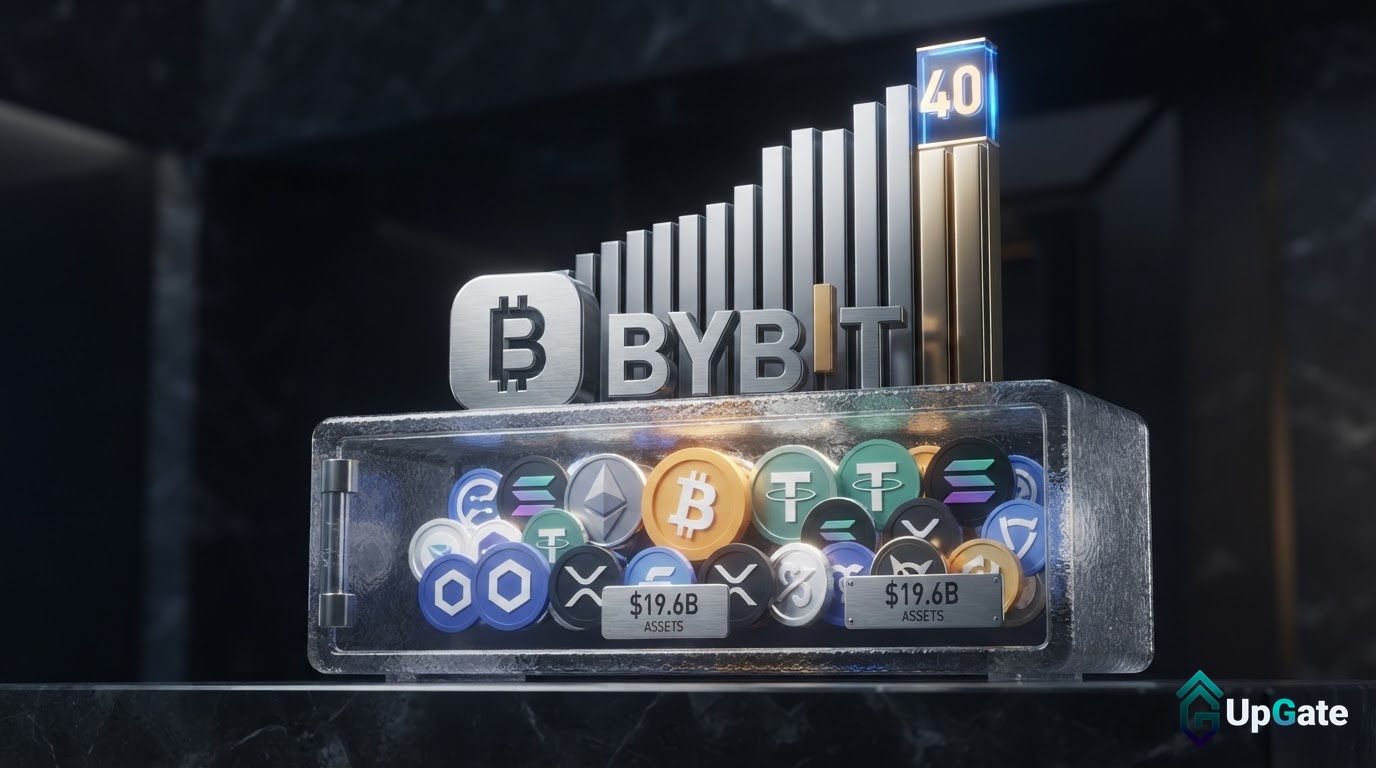
    Bybit’s 40th proof-of-reserves report, released around September 30, 2026, shows covered assets totaling $19.6 billion as of a September 23, 2026 snapshot. This figure represents an increase from the previous report’s $18.1 billion, a rise primarily attributed to the addition of 10 new tokens, expanding the total covered to 50. According to the report, all 50 tokens maintain a reserve ratio of 100% or higher, verified by Hacken.

    The report, based on data from 03:00 UTC on September 23, 2026, details Bybit’s covered assets at $19.6 billion. This is up from approximately $18.1 billion in the prior report. The expansion of the in-scope list to 50 tokens, an increase of 10 new assets, is cited as the primary reason for this growth, rather than solely an increase in user deposits. The 10 newly added tokens reported reserve ratios ranging from 101% to 125%.

    Key asset reserves remain robust. Bitcoin user assets were approximately 56,131 BTC against reserves of 58,722 BTC, yielding a 104% reserve ratio. Ethereum user holdings stood at 551,869 ETH with reserves of 570,018 ETH, a 103% reserve ratio. For Tether (USDT), liabilities were around $3.59 billion with reserves at approximately $3.96 billion, showing a 110% reserve ratio.

    Bybit initiated its proof-of-reserves program in December 2022 and has issued monthly reports since then. The verification process utilizes Merkle trees, a cryptographic method ensuring data integrity. The exchange reports serving over 80 million users.

    It is important to note that this report reflects balances at a specific moment in time. Assets outside the list of 50 tokens are not included in this verification. The monthly report aims to provide transparency in an industry where exchange solvency is a recurring concern.

    As stated in the report, every token in scope was fully backed at the time of the snapshot. However, the report also acknowledges the inherent limitations of snapshot data, noting that assets outside the specified list are not part of this particular verification.

    Broader Context

    Source materials place the factual news in this context: In an industry where exchange solvency is a recurring worry, a monthly receipt like this gets read closely.

    Why This Matters

    Bybit’s consistent monthly proof-of-reserves reporting, now encompassing 50 tokens, offers a degree of transparency in an industry frequently concerned with exchange solvency. The latest report highlights robust reserve ratios across all covered assets, with the increase in total covered value primarily driven by the expanded token list rather than solely new deposits.

  • MAX Digital Asset Exchange Integrates Native Tether USDT on Aptos for TWD Conversions

    MAX Digital Asset Exchange Integrates Native Tether USDT on Aptos for TWD Conversions

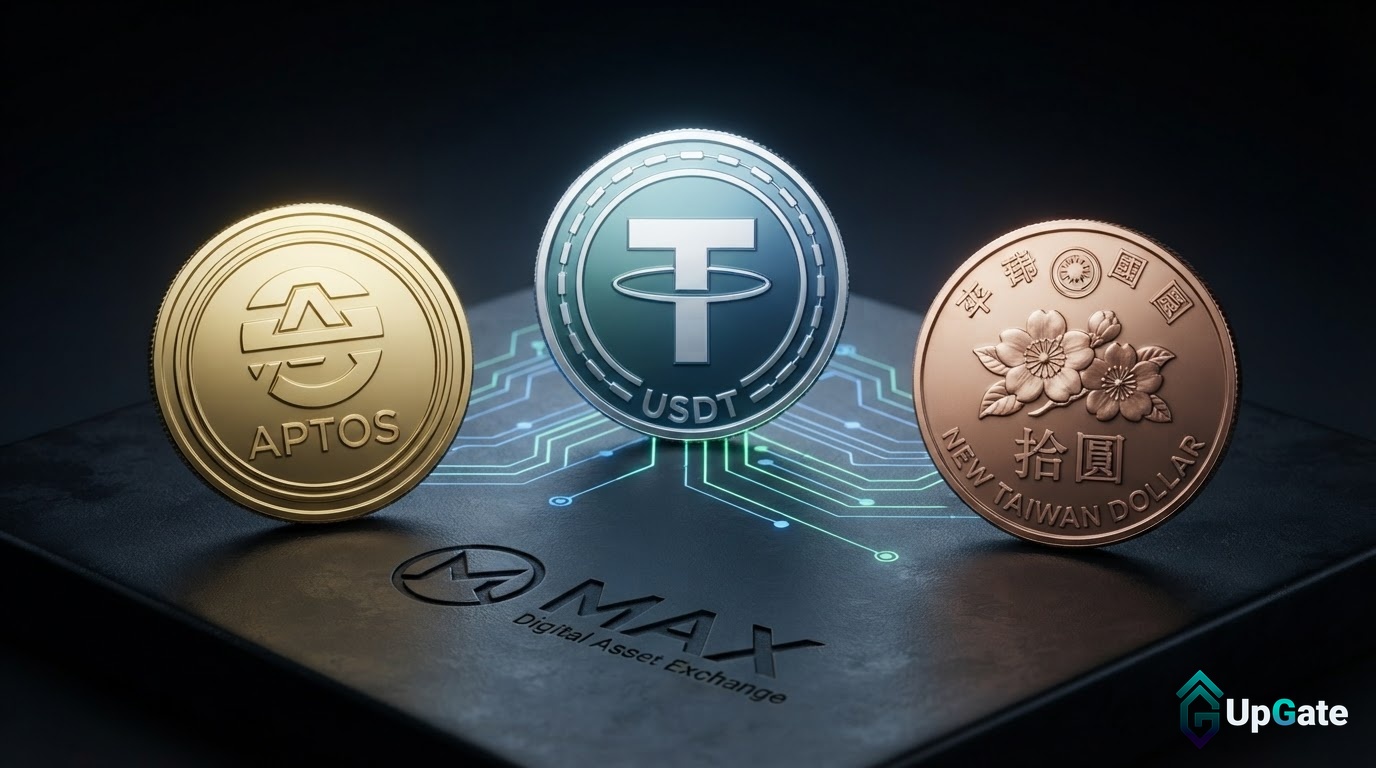
    MAX Digital Asset Exchange, operated by MaiCoin Group, has integrated native Tether USDT on the Aptos blockchain, enabling direct conversions with Taiwanese Dollars (TWD) and enhancing accessibility to the Aptos ecosystem for TWD users.

    Key Dates and Functionality
    Deposits and withdrawals for Aptos-native USDT on MAX went live on September 29. New trading pairs are scheduled to launch on September 30 at 15:00 GMT+8. This integration facilitates seamless on-ramp and off-ramp functionality, allowing users to convert TWD to Aptos-native USDT and withdraw it directly to an Aptos wallet, or vice versa, without relying on wrapped assets or cross-chain bridges.

    Expanded Trading Options
    In addition to USDT support, MAX is introducing new trading pairs for HYPE, GRAM, APT, and RENDER, also commencing on September 30. These additions aim to offer users greater trading flexibility.

    Critical User Warning
    MAX has issued a crucial advisory: users must select the correct Aptos network when initiating USDT deposits. Failure to do so could result in the permanent loss of assets, highlighting the importance of user diligence when managing digital assets across blockchain networks.

    Ecosystem Context
    Tether began issuing USDT natively on the Aptos blockchain in late 2024. This move has been followed by adoption from major exchanges, including Binance and Bithumb, signaling a growing trend for Aptos-native USDT.

    For Taiwan’s market, TWD-denominated trading pairs on platforms like MAX are significant. As the Taiwanese Dollar is less commonly supported on global exchanges compared to major currencies like the US Dollar, Euro, or Japanese Yen, local exchanges play a vital role in bridging this gap for domestic users.

    MaiCoin Group, the operator of MAX, emphasizes a compliance-focused approach for the exchange, aligning with the evolving digital asset regulatory landscape in the region. The group also issues its own utility token, MAX, which provides trading fee discounts on the platform.

    Why This Matters

    The materials describe a narrow update: MAX Digital Asset Exchange, operated by MaiCoin Group, has enabled support for native Tether USDT on the Aptos blockchain. TWD-denominated trading pairs on local platforms like MAX fill a critical gap because the Taiwanese Dollar is not as widely supported by global exchanges as the US Dollar, Euro, or Japanese Yen.

  • CoinEx Ceases Operations After Nine Years, Users Must Withdraw Funds by December

    CoinEx Ceases Operations After Nine Years, Users Must Withdraw Funds by December

    Cryptocurrency Exchange CoinEx to Cease Operations

    Cryptocurrency exchange CoinEx announced Tuesday it will cease operations and begin an orderly wind-down, with the platform set to close on December 22, exactly nine years after its launch in 2017. Users have until this deadline to withdraw their funds.

    Founder and CEO Haipo Yang cited a combination of prolonged market weakness and increasing compliance demands as the reasons for the decision. “The security and compliance risks of running a crypto exchange have become increasingly difficult to contain,” Yang wrote on X, characterizing the closure as a deliberate exit rather than a forced one.

    Yang stated that he had seriously considered selling CoinEx but ultimately decided against it, aiming for what he described as a “clean ending” for the platform’s staff, users, and CoinEx token holders, rather than transferring ownership to a new entity.

    The wind-down process will follow a fixed schedule. New account registrations and referral rewards have already been halted, and futures trading has transitioned to a reduce-only mode. Non-spot services concluded on September 22, with spot trading set to end on September 29. Withdrawals will remain open until the final closure on December 22.

    Holders of CoinEx’s native token, CET, will also have a built-in off-ramp. Between September 15 and September 29, CoinEx will repurchase the token at its original listing price of 0.005 USDT, with no volume cap. Any remaining balances will be automatically converted at the same rate.

    CoinEx stated that its reserve ratio is above 100%, indicating that user assets are fully backed throughout the wind-down process. At the time of the announcement, its reported 24-hour trading volume was in the tens of millions of dollars, significantly lower than that of major global exchanges.

    The closure of CoinEx adds it to a growing list of exchanges that have ceased operations this year. BitMEX announced its shutdown after 11 years, and BitMart followed days later, winding down its own nine-year operation.

    CoinEx’s exit also comes months after facing scrutiny over its alleged ties to Iran. In June, TRM Labs claimed that over $3.8 billion had flowed between CoinEx and numerous sanctioned Iranian platforms over a seven-year period, a charge the exchange denied at the time.

    Withdrawals will continue to be available until December 22, 2026, when CoinEx will formally cease all operations.

  • Binance System Upgrade Scheduled for September 22, 2026

    Binance System Upgrade Scheduled for September 22, 2026

    Binance Announces Scheduled System Upgrade

    Singapore, Singapore – September 16, 2026 – Cryptocurrency exchange Binance announced today that it will undergo a scheduled system upgrade to enhance its service experience. The upgrade is slated to commence on September 22, 2026, at 06:00 UTC and is expected to conclude at 09:00 UTC on the same day, with an estimated duration of at least three hours.

    During this maintenance period, users may experience disruptions to several key account functions, including login, registration, and two-factor authentication (2FA/MFA) processes.

    Additionally, services related to asset management will be temporarily unavailable. This includes deposits, internal transfers, withdrawals, and payment functionalities.

    Binance advises users experiencing errors during the upgrade window to wait a brief period before attempting the action again.