Texans Lead Nation in Crypto Kiosk Scams, Losing $56.8 Million
Texans lost a staggering $56.8 million to cryptocurrency kiosks last year, more than any other state, according to figures presented to a legislative committee on Thursday. The state accounted for 1,179 of the 13,460 complaints logged nationally by the FBI in 2025, a year that saw reported losses to these machines surge 58% to $389 million.
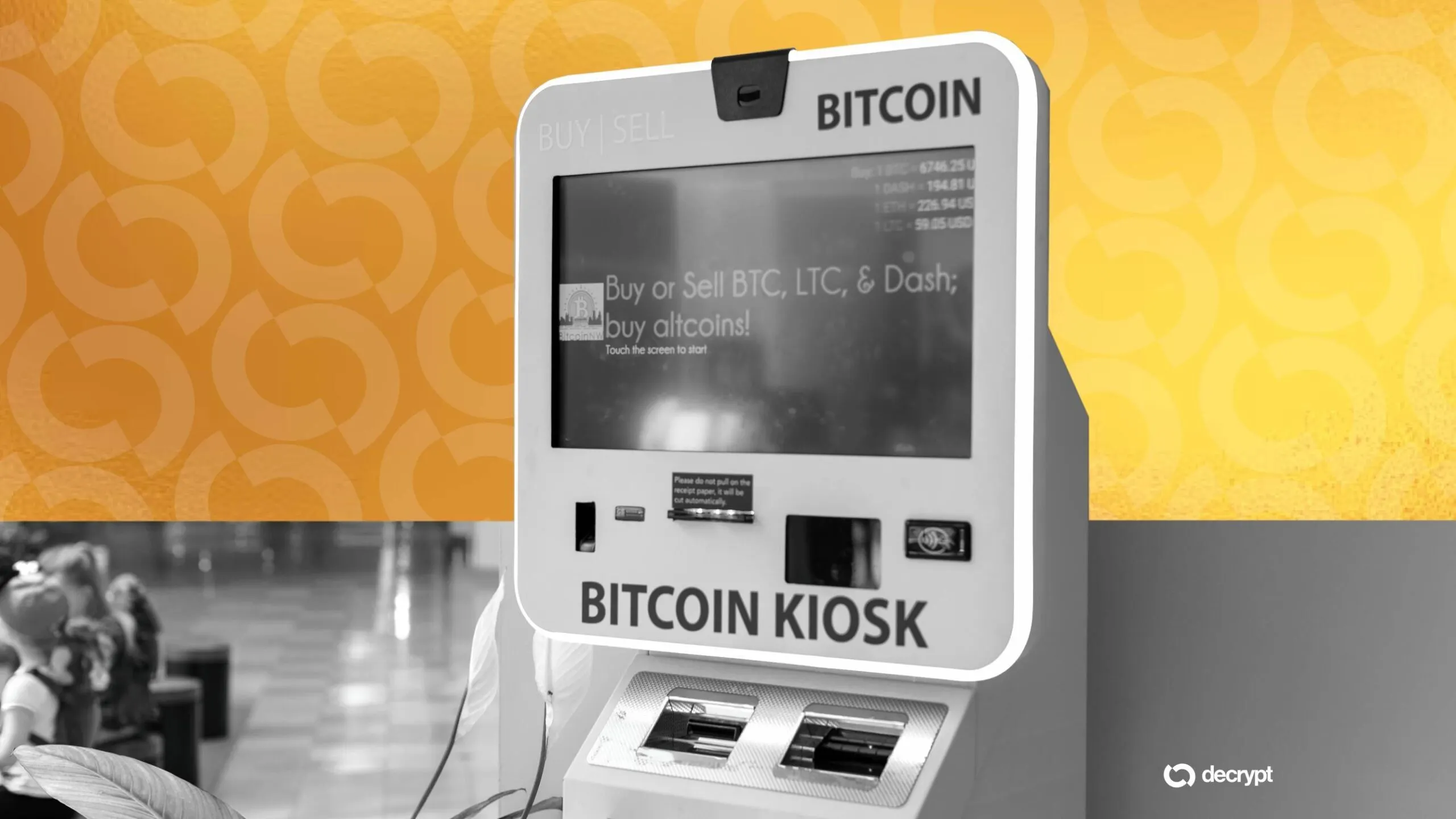
These kiosks, commonly found in gas stations and convenience stores, allow users to convert cash into cryptocurrency. The Texas Tribune estimates there are approximately 4,000 such machines operating across the state. Scammers frequently coerce victims into withdrawing funds from their bank accounts and feeding the cash into these kiosks.
Lawmakers Grapple with Crypto Fraud
The House Committee on Homeland Security, Public Safety and Veterans’ Affairs, which had convened to discuss foreign financial influence, quickly turned its attention to cryptocurrency fraud. “In my career, I’ve never seen a more efficient, cleaner way to steal money,” stated Rep. AJ Louderback. Kelley Currie, a fellow at the Atlantic Council, informed the committee that Interpol now categorizes scamming as an industry on par with drug and human trafficking.
Currie further alleged that the gas station kiosks are “run by Chinese money launderers.” While the Justice Department has brought charges against Chinese nationals in connection with cryptocurrency fraud operations in Southeast Asia and prosecuted Chinese money laundering networks involved in moving scam proceeds, it has not publicly stated that these groups are generally operating the kiosks.
Recovery Efforts Prove Difficult
Jesse Saucillo, deputy commissioner at the Texas Department of Banking, explained that once funds are moved, recovery is nearly impossible. He noted that the money typically goes to an unhosted wallet, which then “gets into a mixer” and beyond, making it “very hard to get any of that back.” Saucillo also pointed out that AI-generated impersonations of police and state agencies are making the initial scam calls more convincing.
States Implement Varying Regulations
According to AARP, approximately 30 states have enacted legislation related to crypto kiosks since 2023. South Dakota has implemented transaction caps of $1,000 per day and $10,000 per month, along with a requirement for full refunds for fraud victims. Wisconsin and Virginia have similar caps in place. In Maine, the state regulator secured a $1.9 million settlement from Bitcoin Depot to reimburse victims.
Indiana became the first state to ban these machines outright in March, enacting a law that empowers the attorney general to sue both operators and the businesses hosting them. Nearly 900 kiosks were operational in Indiana when the governor signed the legislation. Tennessee and Minnesota have since followed suit.
Texas Considers Stronger Measures
Committee chair Rep. Cole Hefner indicated that Texas would explore “doing more than regulating them,” hinting at forthcoming legislation. “I got a pretty good idea coming down,” he told colleagues. “And it’s kind of simple, but kind of abrupt.”
Leave a Reply