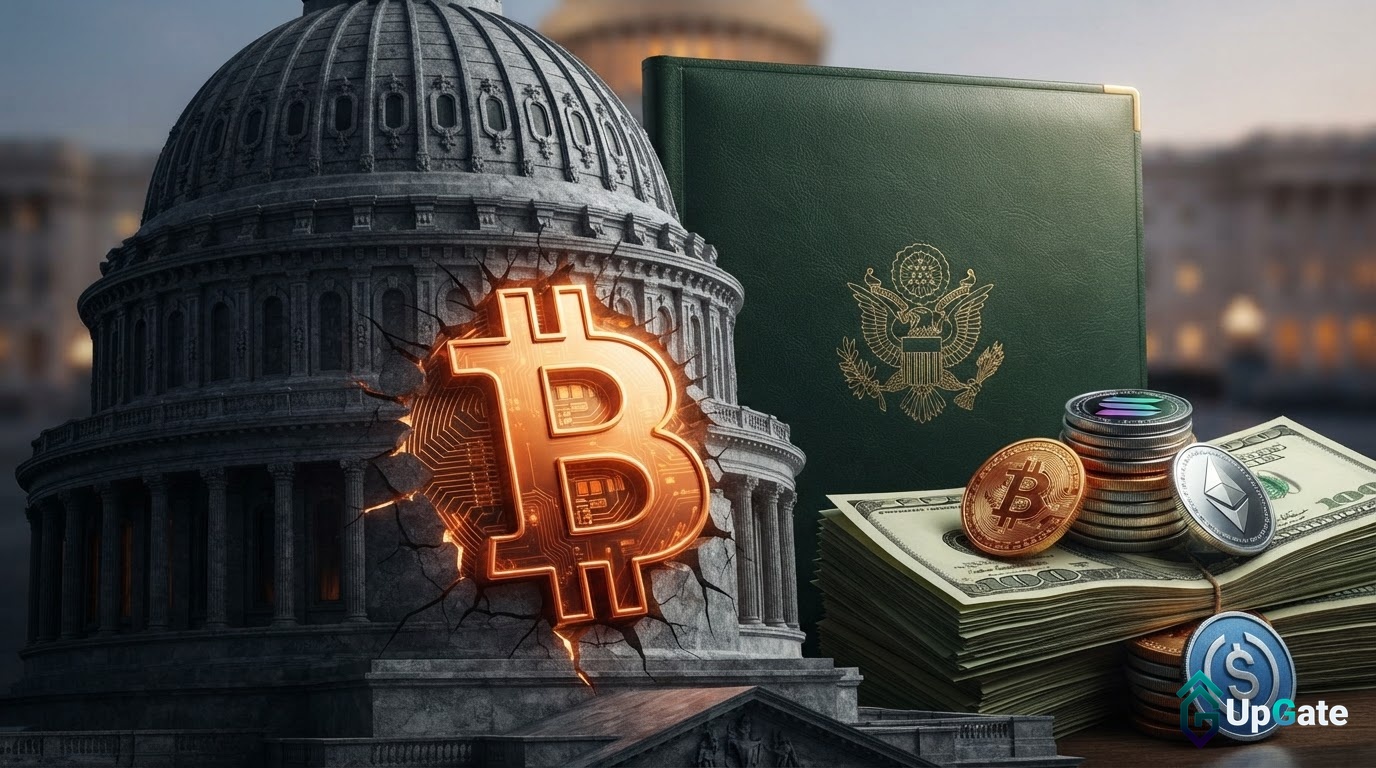
The cryptocurrency industry has invested over $170 million in political spending during the current election cycle, aiming to influence future US legislation and regulation. The upcoming midterm elections on November 8th are a critical juncture for this strategy, with the industry focused on shaping the regulatory environment anticipated to solidify around 2027.
This significant financial commitment is largely a strategic move to anticipate increased oversight and regulatory scrutiny, rather than to secure immediate legislative benefits. The industry’s goal is to establish clear, codified rules—to have regulations “written in pen, not pencil”—providing a stable operational framework.
Despite the substantial investment, cryptocurrency issues rank low among voter priorities, with a recent poll indicating only 1% of registered voters listed it as a top concern. This contrast highlights the industry’s direct approach to policy influence.
The outcome of the midterms is expected to shape the industry’s relationship with Washington for the next two years. Prediction markets suggest a potential Democratic control of both the House and Senate, though the Cook Political Report indicates Democrats are likely to retain the House. The composition of the incoming Congress could influence the pace and direction of regulatory actions.
Regulatory agencies, including the SEC, CFTC, US Treasury, and the Federal Reserve, are reportedly targeting the first half of 2027 to finalize rules. However, this timeline faces considerable uncertainty, including potential legal challenges to finalized regulations and the risk of repeal under the Congressional Review Act if a subsequent Congress is not crypto-friendly. Agencies have limited time to act, and lawsuits could further delay implementation.
Key areas for future legislative and oversight focus include tax legislation, potentially addressing the de minimis threshold for small payments, and market structure rules. Future market structure legislation is expected to be more stringent than prior proposals like the CLARITY Act, which previously failed to pass the Senate, with particular attention to decentralized finance (DeFi) and vertically integrated companies.
Additionally, growing interest in crypto issues from national security committees may introduce new regulatory considerations. US regulatory standards for stablecoins and exchanges are also serving as benchmarks for other jurisdictions, underscoring the international implications of domestic policy decisions.
While cryptocurrency issues hold low public priority, the industry’s substantial political investment signals an expectation of a much larger role in legislative and investigative discussions in the coming years. The upcoming elections represent a pivotal moment for shaping the regulatory environment, despite the considerable uncertainties surrounding specific outcomes and timelines.
Why This Matters
The materials describe a narrow update: The cryptocurrency industry has spent over $170 million in the current election cycle, primarily through PACs like Fairshake, aiming to influence the outcome of the US midterm elections. The exact composition of the next US Congress (Senate and House control).
Broader Context
Source materials place the factual news in this context: The US midterm elections are scheduled for November 8th.
Leave a Reply