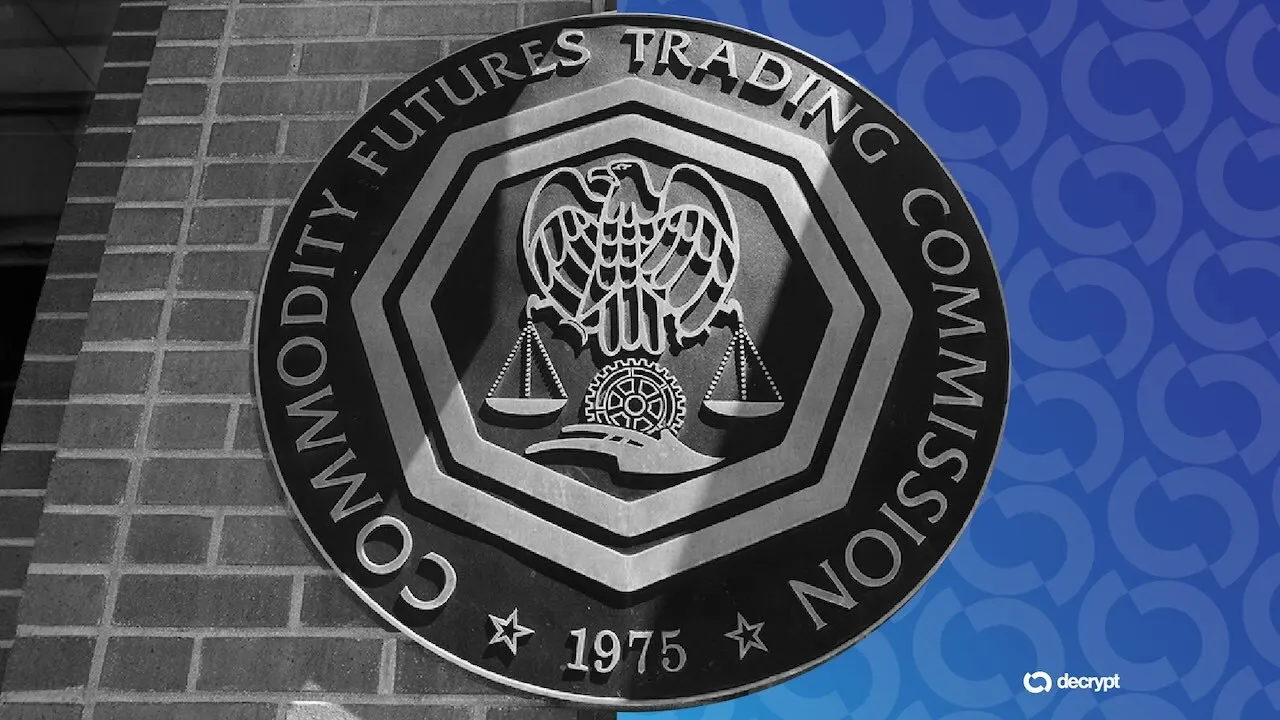
This week, Minnesota became the first state to ban prediction markets, a move swiftly challenged by the Commodity Futures Trading Commission (CFTC) and the Department of Justice (DOJ), who filed a lawsuit alleging the ban was illegal.
This rapid sequence of events represents the latest escalation in a jurisdictional battle between states and the Trump administration concerning the future of prediction market platforms like Kalshi and Polymarket.
State-Level Challenges
Numerous states, representing a range of political affiliations, have sued prediction market platforms for failing to comply with state gambling laws. These states argue that wagers on prediction markets, including those related to sports, politics, and entertainment, constitute illegal, unlicensed gambling.
Federal Jurisdiction Asserted
Conversely, prediction market platforms maintain they are exempt from state-level regulation, asserting that their wagers, structured as event contracts, fall under the exclusive federal jurisdiction of the CFTC. The Trump administration has strongly supported this view, countersuing several states this year over the issue.
The ultimate resolution of this conflict is likely to rest with the U.S. Supreme Court.
Minnesota’s Ban and Federal Response
On Monday, Minnesota enacted a law prohibiting prediction market platforms. Governor Tim Walz signed a bill making it a felony to create, operate, manage, or advertise such platforms within the state.
Hours later, the CFTC and the DOJ filed a lawsuit, alleging that Minnesota’s ban violated federal law and infringed upon the regulator’s jurisdiction.
The complaint stated that if Minnesota’s law is enforced, “the exchanges that offer these longstanding contracts—as well as those who partner with them—can be prosecuted as felons.” It further argued that this action constituted “a flagrant and unprecedented incursion into the Commission’s exclusive regulatory sphere” and requested a preliminary and permanent injunction.
In a statement, CFTC Chair Mike Selig accused Walz of prioritizing “special interests” over “American farmers and innovators” by signing the ban into law. Selig highlighted the reliance of farmers, a significant constituency in Minnesota, on event contracts to mitigate weather and crop-related risks.
However, farmers have long utilized CFTC-regulated futures contracts without drawing the attention of state gambling regulators.
The controversy has emerged in the last 18 months with the introduction of new prediction market platforms offering bets on a wider range of subjects, including sports, military conflicts, the existence of aliens, and celebrity social media activity. These new offerings have drawn the ire of state regulators.
Leave a Reply