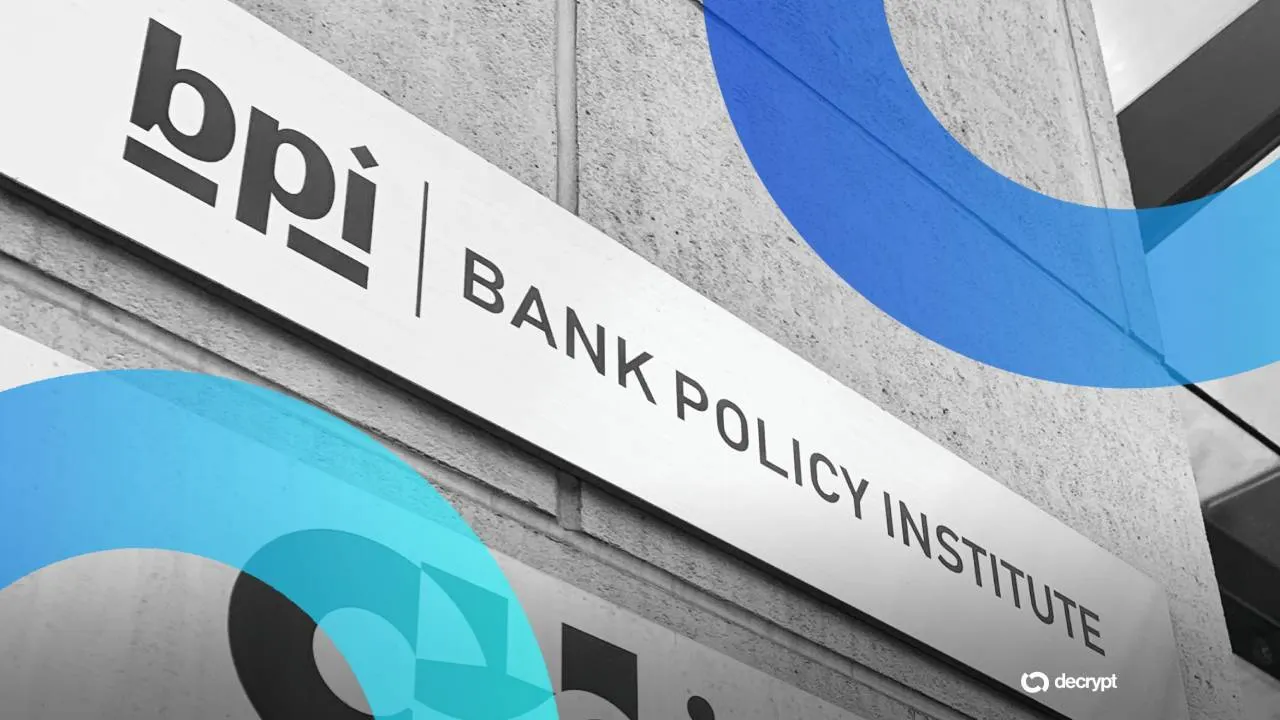
Banking Groups Urge Clarity on Stablecoin Oversight
U.S. banking trade groups are urging federal regulators to clarify which entities are responsible for overseeing stablecoin transactions after their initial issuance. This push marks a new front in a policy debate that has seen cryptocurrency firms warn that stringent anti-money laundering (AML) rules could drive regulated dollar-backed tokens out of the decentralized finance (DeFi) sector.
In two joint comment letters released Wednesday, the Bank Policy Institute (BPI) and The Clearing House argued that current regulations do not impose sufficient obligations on DeFi firms, certain digital asset custodians, and exchanges. The groups contend that most illicit activity occurs in the secondary market, making oversight of this stage critical as regulators develop stablecoin AML rules.
Calls for a Flexible AML Regime
The banking organizations emphasized the need for a “flexibility first” approach in their letters. They suggested that regulators should allow banks to concentrate resources on the most pressing threats, moving away from a “check-the-box compliance” mentality and addressing the existing gaps in stablecoin secondary markets.
The BPI and The Clearing House specifically noted in their stablecoin letter that the Financial Crimes Enforcement Network (FinCEN) and the Office of Foreign Assets Control (OFAC) “correctly recognize” that the “majority of illicit finance involving payment stablecoins occurs on the secondary market.” They also pointed out that permitted payment stablecoin issuers “may have less information on secondary market transactions than on primary market transactions.”
Stablecoins are digital tokens designed to maintain a stable value, typically pegged to a fiat currency like the U.S. dollar. Issuers are responsible for creating and redeeming these tokens and managing the reserves that back them. Under legislation like the GENIUS Act, certain issuers can qualify as “permitted payment stablecoin issuers,” authorizing them to operate in the U.S.
Industry Divided on Oversight Responsibilities
Earlier this week, crypto investment firm Paradigm and the Hyperliquid Policy Center issued a warning that broad AML rules could displace regulated dollar tokens from DeFi. They argued that stablecoin issuers should not be held liable for activities they cannot monitor or control once tokens enter secondary markets.
The differing perspectives from the banking and crypto industries highlight a growing tension over how to regulate stablecoin activity post-issuance without making issuers directly responsible for transactions beyond their control.
Charles d’Haussy, CEO of the dYdX Foundation, commented that both industry letters overlook existing compliance tools embedded within major stablecoins and utilized by DeFi platforms.
“What is missing from both submissions is a basic technical fact: AML monitoring in stablecoins does not stop at issuance,” d’Haussy told Decrypt. He explained that every transfer of USDC or USDT passes through the issuer’s master smart contract, where freeze and blacklist controls operate in real-time. Furthermore, he noted that most leading DeFi platforms conduct on-chain trade screening, suggesting the regulatory gap is “narrower than either letter acknowledges.”
D’Haussy believes the primary enforcement challenge lies with “offshore exchanges and unhosted wallets operating outside FATF’s Travel Rule framework, not the compliant DeFi infrastructure that is already doing the work.”
Beyond the technical aspects of monitoring, broader oversight could facilitate the scaling of stablecoin markets by “narrowing the gap” between crypto and traditional finance, according to Dominick John, an analyst at Zeus Research. For DeFi firms, custodians, and exchanges, this could translate to enhanced Know Your Customer (KYC) checks and transaction controls, potentially leading to “clearer rules, stronger trust, [and] bigger institutional flows.”
Leave a Reply