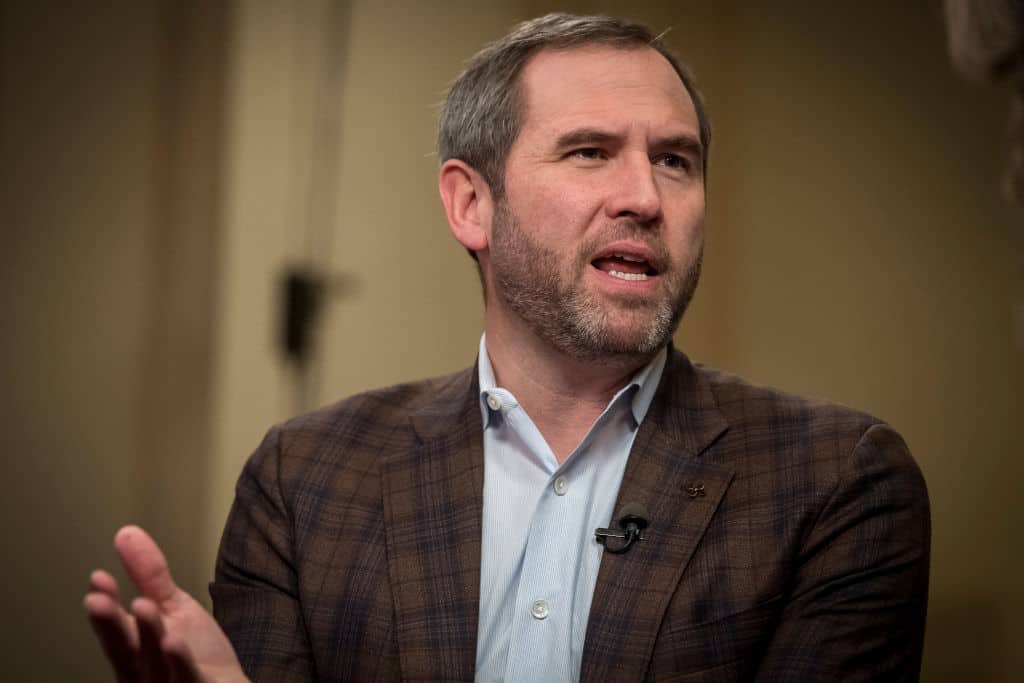
Ripple CEO Criticizes JPMorgan’s Dimon Over CLARITY Act Remarks
Ripple CEO Brad Garlinghouse has publicly criticized JPMorgan Chase CEO Jamie Dimon for his recent statements attacking the CLARITY Act, a proposed piece of legislation concerning cryptocurrency regulation. Garlinghouse accused Dimon of consistently dismissing the crypto industry for years while misrepresenting the bill’s actual purpose.
During an interview with Fox Business host Maria Bartiromo, Garlinghouse directly addressed comments Dimon made earlier this month. In those remarks, the banking executive alleged that Coinbase CEO Brian Armstrong was lobbying for the bill in Washington and claimed the proposed legislation would weaken protections against money laundering and violations of the Bank Secrecy Act.
Garlinghouse suggested that Dimon was either intentionally attempting to undermine support for the CLARITY Act or fundamentally misunderstanding its provisions.
“As much as we can talk about whether or not Brian Armstrong is representing the industry, he is not; he is representing Coinbase, and in certain ways he is going to look out for Coinbase’s best interest,” Garlinghouse stated. “But at the end of the day, I think what Jamie Dimon did was a disservice. He’s representing that this reduces compliance concerns, that it makes it easier to do bad things. That’s just not true. It’s either intentional misrepresentation or even negligent to try to make support for the Clarity Act go away.”
Dimon’s criticism of the bill and Armstrong was also evident at the Reagan National Economic Forum last month. At the event, Dimon stated that banks would not accept the bill in its current form and made disparaging remarks about Armstrong, reportedly saying, “He’s the only one, and he’s spending hundreds of millions of dollars in Washington on this thing. He’s full of shit.”
Economist Peter Schiff has also weighed in, criticizing Dimon’s comments and arguing that stablecoin issuers should not be subjected to the same banking regulations as traditional lenders. Schiff, a known critic of the crypto industry, differentiated stablecoins, which he noted are typically fully backed and invested in U.S. Treasuries, from banks that operate with FDIC insurance and engage in riskier lending practices. He asserted that stablecoins serve a legitimate purpose.
The CLARITY Act is currently progressing through Congress but is encountering increasing opposition from major financial institutions. The bill’s primary objective is to delineate regulatory oversight for different types of cryptocurrencies, assigning responsibilities between the Securities and Exchange Commission (SEC) and the Commodity Futures Trading Commission (CFTC) in an effort to reduce regulatory ambiguity in the United States.
After passing the House in 2025, the legislation moved through the Senate Banking Committee last month. However, it still requires further debate in the full Senate. A significant point of contention involves provisions related to stablecoin yields, which banks contend could permit crypto firms to offer interest-like returns without adhering to the same regulatory requirements imposed on traditional financial institutions.
Leave a Reply