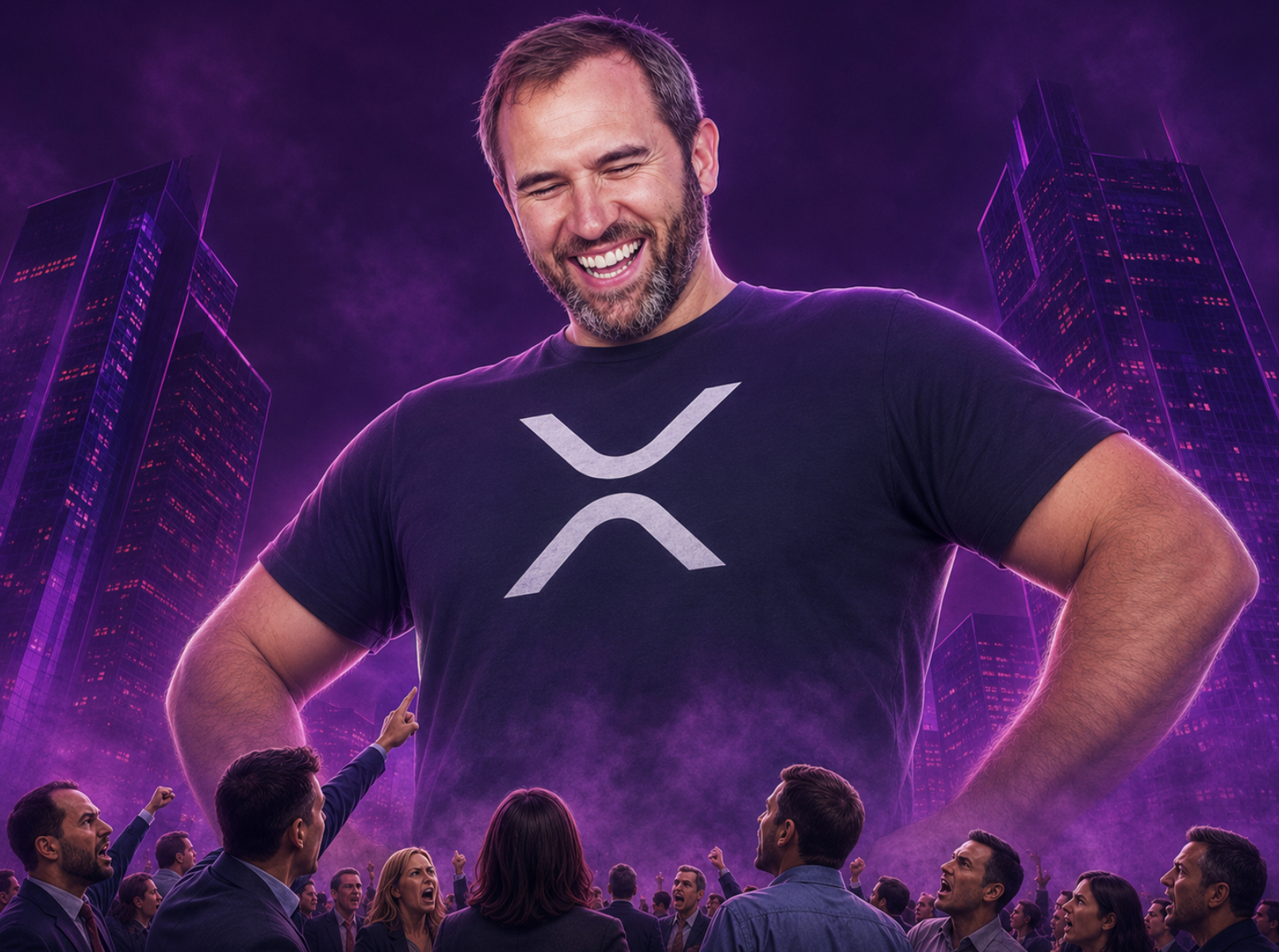
XRP Community Erupts in Anger Over Ripple Swell 2026 Focus on Stablecoin
The XRP community has reacted with immediate hostility to the announcement of Ripple Swell 2026, with retail holders flooding the event’s reply threads just hours after the news broke. The prevailing sentiment was not excitement over the 1,500 expected attendees or the integration of the XRPL Apex agenda, but rather anger that Ripple’s premier institutional event appears to be prioritizing its stablecoin, RLUSD, while the price of XRP stagnates.
“FUUUUUCK YOU. replaced XRP with your fucking stable coin your entire funding fan base will have a target on your heads,” one user exclaimed, encapsulating the widespread frustration.
This anger is specifically directed at Ripple’s USD-pegged stablecoin, which community members believe is consuming valuable conference attention that should be dedicated to XRP. The language used by community members ranged from sharp criticism to outright fury, with some even calling out Ripple’s leadership by name, including CEO Brad Garlinghouse.
The underlying accusation is clear: Ripple is building a regulated institutional business around RLUSD while XRP’s price remains stagnant, leaving long-term holders disappointed.
Swell 2026: A Combined Event with a Controversial Agenda
Swell 2026 is scheduled to take place from October 27-29 at The Shed in Hudson Yards, New York City. This year marks the first time Ripple will merge its developer-focused XRPL Apex summit into the main Swell conference. The combined event aims to attract over 1,500 attendees, feature more than 75 speakers, and host over 50 sessions across three programmatic stages covering finance, blockchain infrastructure, and digital assets.
Ripple’s stated agenda themes include payments, tokenization, decentralized finance, AI applications, interoperability, and stablecoins. Notably, RLUSD’s role in enterprise treasury management and cross-border settlement is a prominent feature of the institutional track.
Ripple CEO Brad Garlinghouse cited the XRP Ledger’s milestone of surpassing 4 billion completed transactions as evidence of the network’s maturity for the institutional audience Ripple is targeting. He framed the upcoming event with deliberate confidence, stating, “I’ve been in crypto long enough to know when a moment is real.”
While this statement positions Swell 2026 as a significant event for institutional crypto adoption, reflecting Ripple’s ambitions, it offers no specific insights into what this adoption might mean for XRP’s price or holder value.
Holder Grievances: Stablecoin Over XRP Utility
The sentiment among XRP holders is far from a fringe reaction. Retail investors have voiced a clear and recurring grievance: Ripple is allocating significant conference prominence to RLUSD and institutional partnerships while XRP’s price continues to underperform relative to the company’s corporate achievements.
“People are saying Brad is a grifter, using XRP holders as a ponsy scheme to buy other companies. I pray he pays the ultimate price. Lawsuits from XRP holders will bankrupt Ripple and have a negative impact on the Crypto market as a whole. Time will tell..,” one comment read, reflecting the deep-seated anger.
The tone in many replies was openly hostile toward Garlinghouse and the Ripple leadership team, with holders describing themselves as investors who feel systematically sidelined.
The issue of token burns has also re-emerged as a focal point. A segment of the XRP community is advocating for supply reduction as a means to directly influence price, a demand that Ripple has consistently declined to address. This refusal, coupled with a conference agenda that appears to prioritize stablecoins and tokenization over XRP utility, is being interpreted by holders as a clear indication of Ripple’s true priorities.
Such intense community sentiment represents a legitimate market signal. When the XRP community, historically one of the most vocal and coordinated retail bases in the cryptocurrency space, publicly turns against a Ripple event, it can significantly impact social volume metrics, potentially suppressing short-term buying pressure and amplifying sell-side momentum.
Leave a Reply