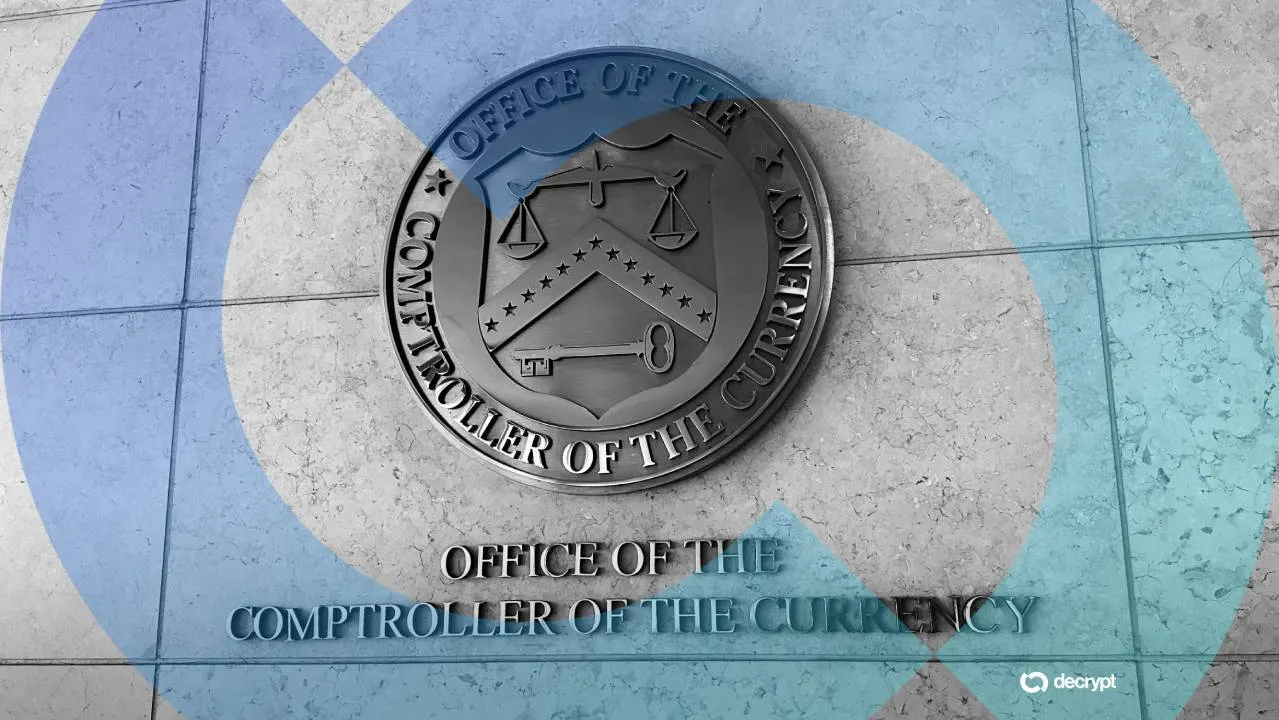
Circle, the issuer of the stablecoin USDC, has received final approval from the U.S. Office of the Comptroller of the Currency (OCC) to establish a national trust bank. This development signifies a transition for the company from state-specific regulations to a federal banking framework.
Circle has stated that this transition is intended to enhance its capabilities in safeguarding customer assets and managing reserves. The company indicated that the OCC approval integrates the infrastructure supporting its $73.2 billion stablecoin, USDC, into a federal banking system designed for safety, soundness, and transparency. Circle has described this move as a step toward building a new fundamental money layer for the internet.
On Friday, the day of the announcement, Circle’s stock price reportedly increased by 8.4%, reaching as high as $73.80 during pre-market trading. The stablecoin USDC currently holds a valuation of $73.2 billion.
This approval aligns with a broader trend of increased banking access for crypto firms under the current administration. In December, entities such as Ripple, BitGo, Fidelity Digital Assets, and Paxos received similar approvals from the OCC. More recently, Sony Bank indicated it had received conditional OCC approval for a national trust bank.
Market Competition and Industry Dynamics
The stablecoin market is also experiencing increased competition. Late last month, over 140 financial and technology firms, including Mastercard and BlackRock, backed a new initiative called Open USD. This development suggests a growing landscape of potential alternatives and challenges to existing stablecoin models.
Circle’s relationship with Coinbase is also noteworthy. Coinbase has a revenue-sharing agreement with Circle concerning the interest income generated from USDC reserves, which are largely held in U.S. Treasuries. Coinbase CEO Brian Armstrong has previously praised such developments.
Regulatory Scrutiny and Uncertainties
However, these approvals have faced scrutiny. Some lawmakers, including Sen. Elizabeth Warren, have raised concerns regarding the process by which these charters were granted. Trade groups like the Digital Chamber have defended the OCC’s actions.
While Circle’s move into a federal banking framework is reported, uncertainties remain regarding the long-term impact of the OCC’s approach to digital assets, the extent to which other crypto firms will pursue national charters, and the competitive response to initiatives like Open USD. It is important to note that Circle’s approval does not constitute a formal endorsement of all stablecoins by the OCC, nor does it may provide the future success or stability of any specific crypto firm.
Why This Matters
Circle’s OCC approval signifies a significant regulatory step, moving it into a federal banking framework. This could have implications for its operations and the broader stablecoin market, which is facing increasing competition and ongoing regulatory debate.
Broader Context
Under President Donald Trump’s second administration, financial regulators have shifted their stance toward digital assets, leading to increased banking access for crypto firms. This trend has coincided with both opportunities for digital asset companies and scrutiny from lawmakers.
Leave a Reply