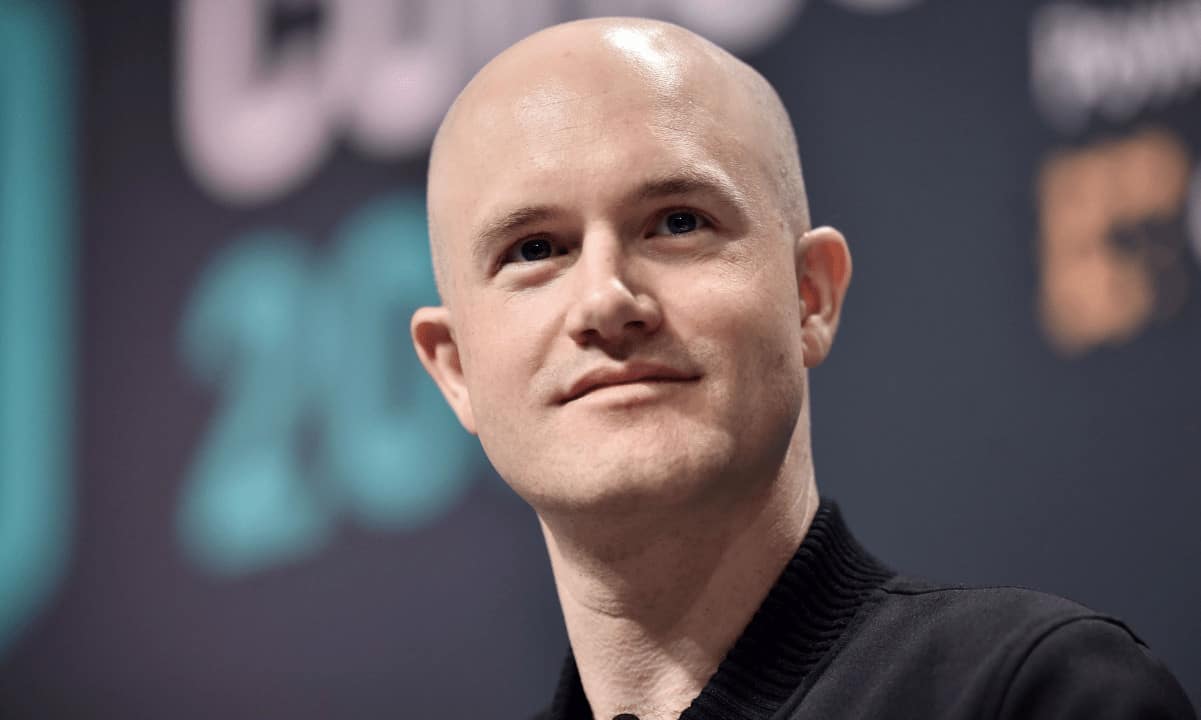
Coinbase CEO Brian Armstrong has rejected calls for a new AI self-regulatory body or a federally overseen standards organization, asserting that existing laws are sufficient to address potential harms from artificial intelligence. Armstrong argued that new regulations would introduce a dual approval process and that policy should not be driven by hypothetical problems, emphasizing that commercial incentives already encourage AI developers to release safe products.
This stance emerges amid a growing debate on AI governance. Google DeepMind CEO Demis Hassabis recently proposed a federally overseen standards body to test and certify frontier AI models. Hassabis warned that artificial general intelligence could emerge within a few years, potentially introducing significant cybersecurity, biological, and national security risks. He suggested a public-private organization for voluntary reviews, with the possibility of mandatory testing for advanced AI systems.
Other prominent tech figures have voiced support for Hassabis’s proposal. Chamath Palihapitiya described the framework as “quite well reasoned,” while OpenAI’s Sam Altman called it “a thoughtful proposal.” Microsoft CEO Satya Nadella also deemed it “an important piece,” underscoring the objective to avoid AI models that could destabilize the world.
Armstrong, however, countered these views, maintaining that current legal frameworks are adequate. According to Armstrong, existing laws such as those preventing fraud, awarding damages for harm (tort), and Unfair and Deceptive Acts and Practices (UDAP) laws provide broad protections. He also believes that AI developers have a strong commercial incentive to ensure their products are safe, as users are likely to avoid tools perceived as dangerous.
Armstrong’s perspective on AI regulation is contextualized by Coinbase’s significant internal adoption of AI. Rob Witoff, Coinbase’s head of platform, recently stated that between 95% and 100% of the company’s code is now written by or with large language models. This marks a substantial increase from an earlier estimate of roughly 40% AI code generation shared in February.
This strategic shift towards AI at Coinbase was preceded by a workforce reduction. In May, the company announced a 14% cut to its staff, with the stated intention of reorganizing around smaller, experienced teams centered on AI. Witoff noted that AI usage varies across tasks, with sensitive areas like cryptography still undergoing detailed human review, while internal prototypes can be developed with a high degree of automation.
Coinbase is not alone in its increased reliance on AI amidst workforce adjustments. Other cryptocurrency firms, including Gemini, Crypto.com, Kraken, Messari, and Dune, have also reduced headcounts this year while expanding their use of AI technologies.
Despite the confidence in AI’s capabilities and the push for integration, the rapid adoption has not been without challenges. Earlier in July, Coinbase had to investigate an AI-generated notification that incorrectly reported the outcome of a FIFA World Cup match before it had concluded, highlighting a potential drawback of AI-driven content generation.
Why This Matters
The materials describe a narrow update: Coinbase CEO Brian Armstrong stated that existing laws are sufficient to protect against AI harm and rejected calls for a new AI self-regulatory body or a federally overseen standards body. The exact nature and extent of future AI risks.
Broader Context
Source materials place the factual news in this context: Coinbase CEO Brian Armstrong has rejected calls for a new AI self-regulatory body, arguing that existing laws already provide enough protection against harmful AI.
Leave a Reply