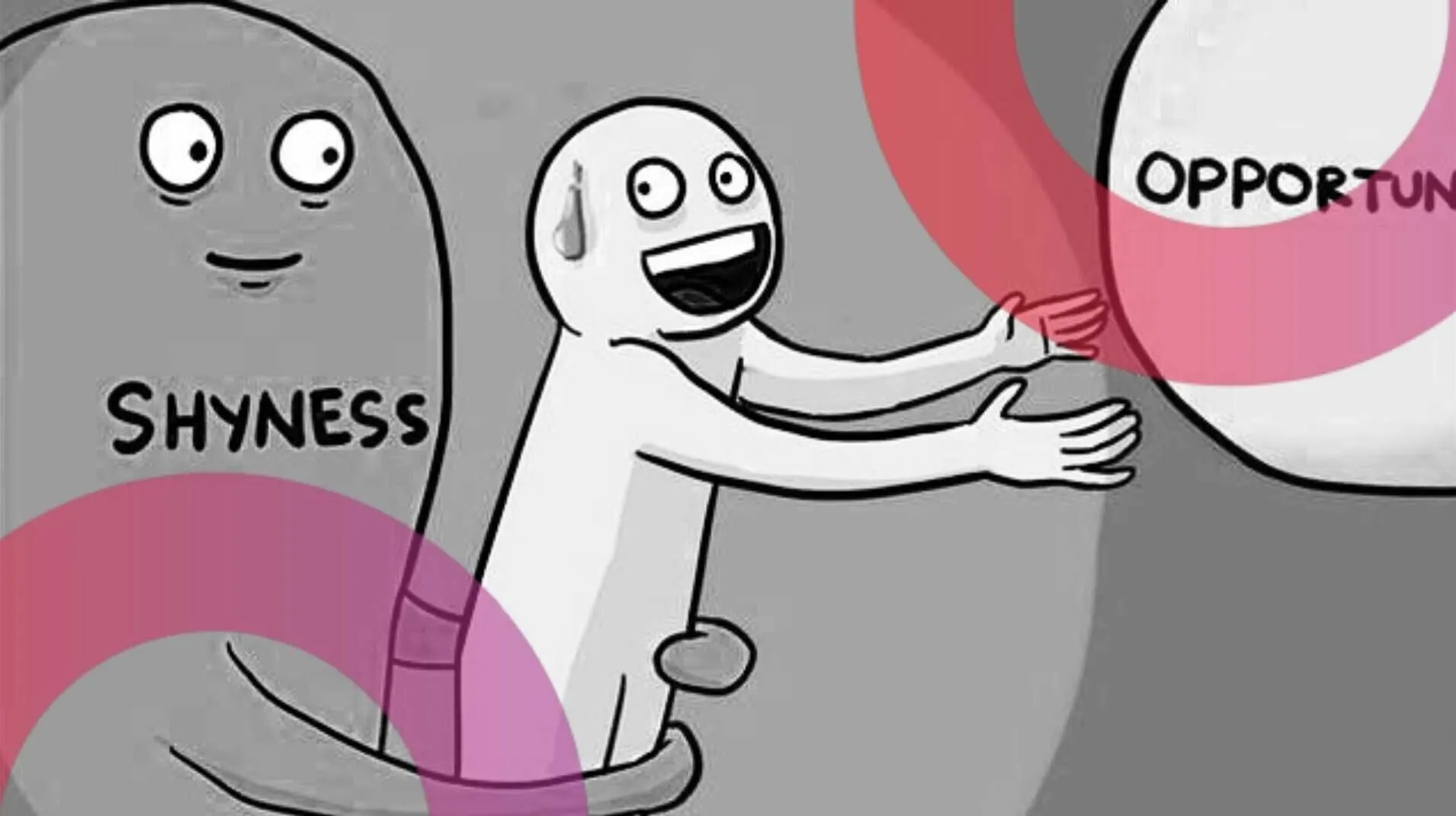
A Filipino cartoonist has filed a lawsuit against an AI-powered advertising generator, alleging the company sold access to his copyrighted comic strip as a template for paying subscribers. The complaint, lodged by Elmer Saflor, known online as ‘Superelmer,’ against Memes.ai (Memes Apps), marks a new front in legal battles over AI and creative content, distinct from disputes focused on AI training data.
Saflor’s lawsuit, filed on July 1, 2024, in the Central District of California, claims that Memes.ai offered his comic strip, ‘Running Away Balloon,’ to its subscribers as an advertising template. The original comic, which depicts a stick figure reaching for ‘opportunities’ while being held back by ‘shyness,’ was first posted to Facebook in April 2017. Saflor registered the copyright for the work in 2024.
Memes.ai operates as an AI ad generator with subscription plans ranging from $40 to $199 per month. The company markets its services to brands, agencies, and marketers, with its website stating that generated ads are for customer business use, including paid advertising. According to the complaint, Saflor alleges that Memes.ai made his artwork available in its template library, searchable by subscribers.
A New Legal Frontier: Beyond AI Training Data
Unlike recent high-profile lawsuits against AI firms such as Stability AI and Midjourney, which have primarily centered on whether ingesting works to train AI models constitutes fair use, Saflor’s complaint focuses on ordinary reproduction and public display infringement. The lawsuit reportedly leans on the company’s own marketing materials to argue that the infringement was willful. Saflor is seeking a permanent injunction to stop the alleged use, an accounting of profits, disgorgement of those profits, and statutory damages.
Under the Copyright Act, statutory damages for willful infringement can be capped at $150,000 per work. Saflor’s broader goal, according to reports, is to use the case to push for discovery and raise questions about how AI-powered platforms utilize creators’ work for commercial purposes.
Potential Implications and Expert Views
Internet law scholar Eric Goldman has commented on the potential reach of a ruling against Memes.ai, suggesting that targeting the supplier rather than the advertiser could create significant legal complexities. The case also comes in the wake of a 2024 federal appeals court ruling that found a political campaign infringed on the ‘Success Kid’ meme, indicating a shifting legal landscape for meme usage in commercial and political contexts.
Saflor’s filing does not address the issue of AI model training fair use. Instead, it targets the direct commercial offering of his specific artwork as a template. The outcome of this lawsuit could have implications for other AI meme generators and how they commercialize creative assets, potentially raising broader questions about creator rights and platform responsibilities in the evolving AI landscape. The uncertainties surrounding the case include whether Memes.ai’s use constitutes ordinary infringement, the extent of its impact on other meme generators, and the final resolution of Saflor’s claims for damages and broader legal questions.
Broader Context
Source materials place the factual news in this context: The lawsuit is filed against Memes.ai, an AI ad generator.
Leave a Reply