Author: Admin_Up

  • Bitcoin Surges on Strong European Demand

    Bitcoin Surges on Strong European Demand

    Bitcoin’s Shifting Geography: Europe Outpaces US as Demand Data Diverges

    Bitcoin is facing a geographical shift, and for a change, Europe is emerging as the stronger market. Since early September 2026, Europe’s Bitcoin market has seen a 4% increase, while the US market has experienced a 3% decline over the same period.

    Price Movements and Market Indicators

    The cryptocurrency’s price trajectory offers a glimpse into this divergence. In mid-September 2026, Bitcoin hovered near $75,000, a level that prompted caution among traders. By September 23, it had surged to over $87,000 before settling back into a range between $83,000 and $85,000.

    A key indicator of this trend is the Coinbase Premium Index. This metric compares the price of Bitcoin on Coinbase, a platform favored by US investors, against its price on global exchanges like Binance. A positive reading signifies that American investors are willing to pay a premium for Bitcoin, while a negative reading suggests they are bidding below the global market rate. Around October 3, 2026, the index registered negative values for 29 consecutive days, fluctuating between -0.01% and -0.03%.

    Demand Data Paints a Mixed Picture

    Broader demand metrics further illuminate this trend. CryptoQuant’s apparent spot demand metric indicated a contraction of approximately 170,000 BTC in the 30 days leading up to early October.

    Conversely, during the week of September 21-25, 2026, US spot Bitcoin Exchange-Traded Funds (ETFs) recorded net inflows of about $2.39 billion, marking the largest weekly inflow in roughly a year. Products from BlackRock and Fidelity were at the forefront of this surge.

    However, ETF inflows represent a specific investor segment, often institutions and advisors utilizing brokerage accounts. The Coinbase premium, on the other hand, reflects activity on cryptocurrency exchanges. The juxtaposition of a strong ETF week with a negative premium suggests that US demand is not uniformly robust but rather uneven.

    European Innovation and Regulatory Clarity

    Adding to the European momentum, HANetf launched what it described as the first euro-hedged Bitcoin exchange-traded commodity (ETC) on September 29, 2026. ETCs are listed products traded on stock exchanges, offering investors exposure to Bitcoin without the complexities of managing digital wallets or private keys. The euro-hedged feature is designed to appeal to European investors seeking to mitigate volatility, as Bitcoin is predominantly priced in dollars, exposing euro-based investors to both the coin’s price fluctuations and currency swings.

    This launch coincides with Europe’s increasing regulatory clarity under the Markets in Crypto-Assets (MiCA) framework. MiCA establishes a unified set of rules for crypto assets across EU member states, replacing fragmented national approaches.

    Outlook and Key Watchpoints

    While the substantial ETF inflows indicate that confidence among certain US investors remains, the contraction in apparent demand serves as a more significant cautionary signal. The drop of around 170,000 BTC in spot demand over 30 days suggests that the price rally from $75,000 might have been supported by less robust fundamentals than initially perceived, potentially explaining Bitcoin’s retreat from above $87,000 to the low-to-mid $80,000s.

    Investors will be closely monitoring the Coinbase premium for signs of renewed US buyer interest, ETF flow data for sustained institutional appetite, and European product launches to determine if the continent’s 4% outperformance can translate into a more significant trend.

  • SEC Veteran Tapped as AI Czar; Bitcoin Eyes $600K

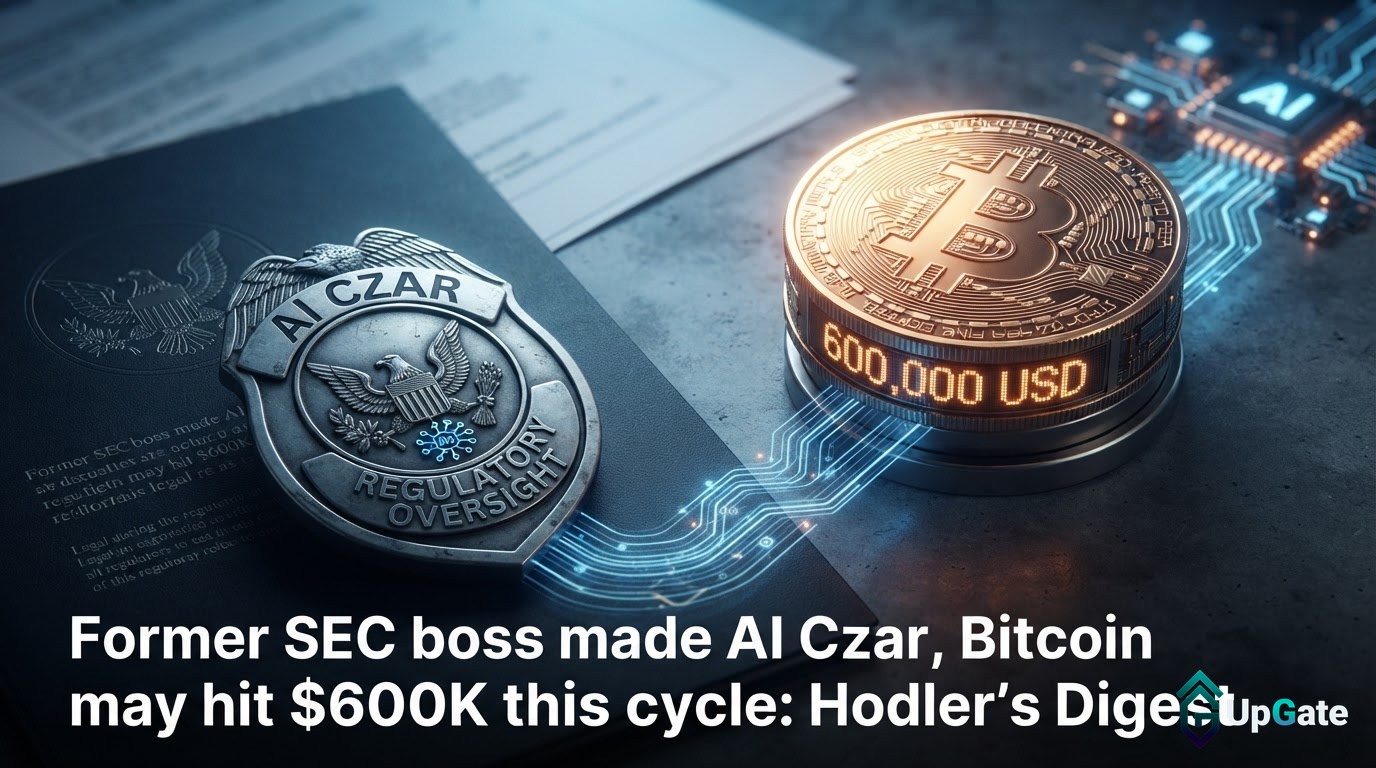
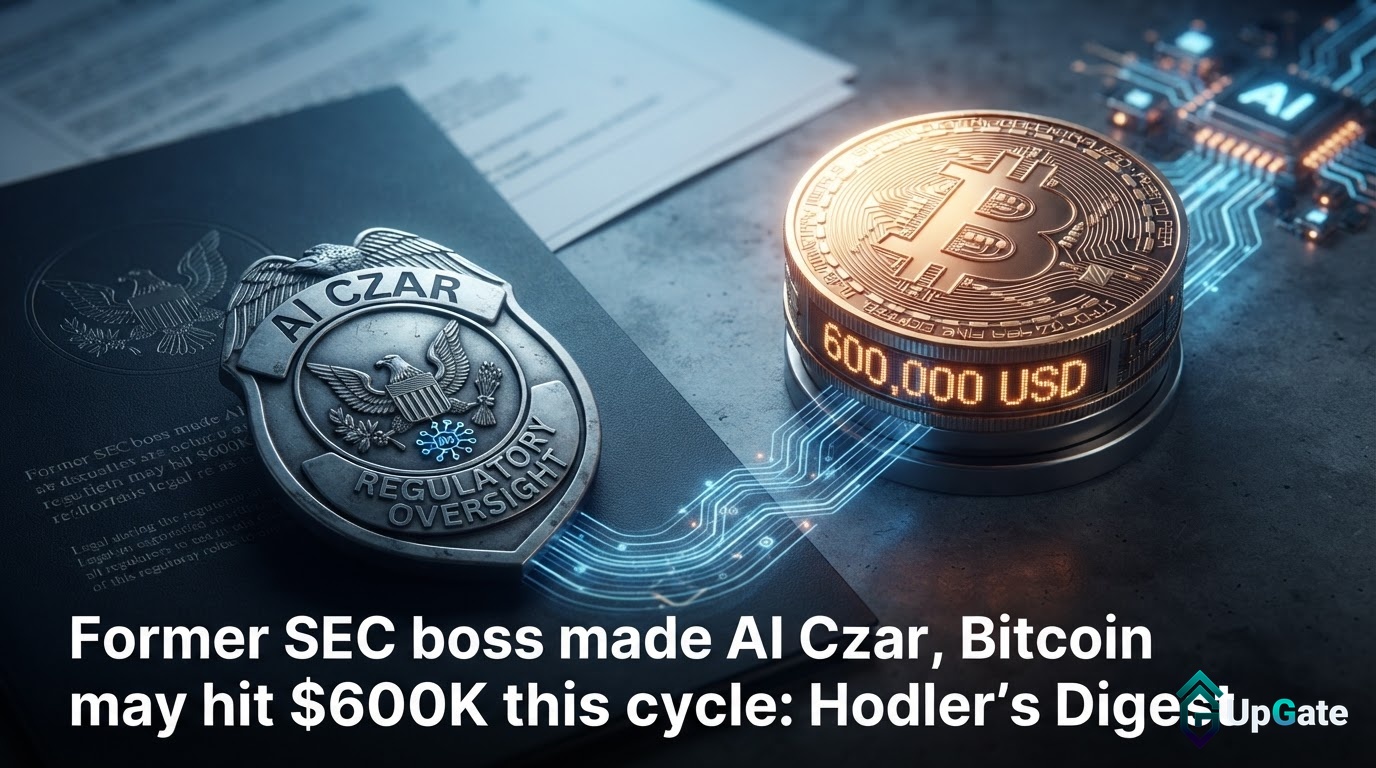
    SEC Veteran Tapped as AI Czar; Bitcoin Eyes $600K

    Trump Appoints Former SEC Chair Jay Clayton as AI Czar, Sparking Crypto Backlash

    President Donald Trump has appointed former Securities and Exchange Commission (SEC) Chair Jay Clayton to lead the nation’s new “Super Intelligence Force,” a move that has drawn sharp criticism from figures within the cryptocurrency community, including Roman Storm and the XRP army. The announcement, made via Truth Social on Sunday, follows media reports from Friday indicating Trump’s intention to establish an “AI Force” modeled after the Space Force.

    Trump stated in his post that the Super Intelligence Force will be responsible for “coordinating the effort of the Federal Government to ensure that America continues to lead the World in Super Intelligence.” Clayton, who served as SEC Chair during Trump’s first term, initiated legal action against Ripple on his final day in office. He also led the criminal trial against Roman Storm for his alleged involvement in Tornado Cash during his tenure as U.S. Attorney for the Southern District of New York.

    Roman Storm, a defendant in the Tornado Cash case, commented on the development, suggesting that “Trump’s good buddy Elon Musk is renaming SpaceXAI to SpaceXSI to honor the President’s directive renaming ‘artificial intelligence’ to ‘superintelligence.’”

    NEAR Protocol’s SHIELD AI System Blocks Hacked Funds, Ignites Decentralization Debate

    The NEAR Protocol has experienced a significant surge in positive sentiment, with its price more than doubling in the past month. This week, its SHIELD AI system garnered both praise and criticism for blocking Bitget’s hacked funds from its INTENTS cross-chain swap platform.

    The system also played a role in halting a $3.8 million exploit of NEAR Intents, attributed to a “bug in the Omni deposit and withdrawal infrastructure interaction with NEAR Intents smart contract.” While sentiment briefly turned bearish, NEAR Intents General Manager Alex Shevchenko announced the identification of the perpetrator and issued a 48-hour ultimatum for the funds to be returned. The funds were subsequently returned, and Shevchenko advised potential exploiters to utilize bug bounties rather than disrupting services.

    However, the decision to block the stolen funds has sparked controversy, contrasting with THORChain’s stance of refusing to block swaps on its platform, citing ideals of decentralization. A debate is also underway regarding whether SHIELD’s action of blocking funds could render it legally liable for future platform incidents. NEAR is down 11% this week.

    Arthur Hayes Predicts “Money Printing” Amidst AI Revolution and Global Financial Stress

    Arthur Hayes, Chief Investment Officer at Maelstrom fund, has predicted a surge in money printing driven by the AI revolution, the United States’ debt crisis, and escalating financial pressures in France. Speaking at a fireside chat at CONNECT by Cointelegraph: Seoul Edition during Korea Blockchain Week, Hayes highlighted the immense capital requirements for AI companies to finance data centers, even as service prices decline.

    “They’ve not really given themselves a lot of options other than print money and make it less bad,” Hayes stated. He also pointed to potential monetary stimulus from China and increasing financial stress in France, citing credit-default swaps tied to BNP Paribas and widening French government bond spreads.

    Ethereum Layer-2 Network Blast Ceases Operations Due to Unsustainable Economics

    The Ethereum layer-2 network Blast has announced its shutdown, citing that its operating costs have surpassed its revenue generation. In a post on X, Blast stated that it sees “no credible path” to achieving economic sustainability and has advised users to withdraw their assets to the Ethereum mainnet.

    “We launched Blast with the goal of building a self-sustaining chain for users and developers,” the team explained. “Unfortunately, the economics of operating the chain no longer make sense.” Founded in November 2023 by Tieshun “Pacman” Roquerre, founder of NFT marketplace Blur, Blast offered native yield on Ether (ETH) and stablecoins, along with a points program for an anticipated token airdrop. This strategy attracted over $2 billion in deposits before its mainnet launch in February 2024. However, its total value locked in decentralized finance (DeFi) has fallen by over 98% from its peak in June 2024, according to DeFiLlama data.

    Ethereum’s Glamsterdam Upgrade Set for Sepolia Testnet Activation

    Ethereum developers have scheduled the network’s next major upgrade, codenamed “Glamsterdam,” to activate on the Sepolia testnet on October 6. Sepolia node operators are required to update both their execution-layer and consensus-layer clients prior to the activation, according to the Ethereum Foundation.

    Key changes in Glamsterdam include enshrined proposer-builder separation, which will integrate the handoff between specialized block builders and validators directly into Ethereum’s protocol, reducing reliance on external middleware. The upgrade will also introduce block-level access lists, recording account and storage usage for each block, and enable parallel processing by clients to enhance throughput.

    Market Update: Bitcoin Hovers Near $86K, Altcoin Performance Mixed

    At the close of the week, Bitcoin (BTC) has seen a 1.4% increase, trading at $85,821. Ethereum (ETH) is up 0.6% to $2,701, while XRP (XRP) has declined 0.8% to $1.50. The total cryptocurrency market capitalization stands at $2.92 trillion, according to CoinMarketCap.

    Among the top 100 cryptocurrencies, the leading altcoin gainers this week are Midnight (NIGHT) with a 60.6% increase, StarkNet (SRK) up 14.5%, and Pump.fun (PUMP) with a 26.3% rise. Conversely, the top altcoin losers include Lighter (LIT), down 22.2%, Zcash (SEC), down 16.4%, and Ethena (ENA), down 14%.

    Peter Brandt Turns Bullish on Bitcoin, Predicts $600K Peak by 2029

    Veteran trader Peter Brandt has adopted a bullish outlook on Bitcoin, a shift from his July warning of potential price drops into the high $40,000s. “There’s a good possibility we have seen the low and now are entering a new bull market cycle in Bitcoin,” Brandt stated in the latest episode of Trade Secrets.

    Brandt has also revised his forecast for Bitcoin’s next peak, now anticipating a high between $300,000 and $600,000 by late 2029, an upward revision from his previous projection of $250,000 to $300,000. He believes the current bull market cycle has a strong chance of reaching half a million dollars.

    September Sees Record Crypto Hacks, Exceeding $766 Million in Losses

    September marked the worst month of the year for cryptocurrency hacks and exploits, with two blockchain security firms estimating total losses at over $766 million. PeckShield reported 55 major incidents resulting in $766.5 million in stolen funds, while CertiK recorded 97 incidents with estimated losses of $768.4 million.

    Notable incidents in September included the $388 million Bitget hack and a $320 million hack of the Liquid Network. Reports indicate that over $270 million was subsequently recovered. “September was a stark reminder of how quickly the threat landscape can shift,” CertiK commented. Other significant hacks during the month affected Safe Wallet ($7.8 million), DCENT ($6 million), and Duelbits ($5.9 million).

    Aave v3 Unaffected by Third-Party Exploit; Tether Freezes $550M in Iran-Linked USDT

    Aave founder Stani Kulechov clarified that Aave v3 was not impacted by an exploit that drained approximately $305,000 from two Safe multisig wallets. The exploit targeted a third-party adapter built on top of the lending protocol. “This is not Aave v3 contract, it’s third party external adapter built on top of Aave, zero effect on Aave v3,” Kulechov stated on X.

    In separate news, stablecoin issuer Tether announced its role in assisting authorities to freeze nearly $550 million in Iran-linked USDT. The company reported working closely with international law enforcement for years, freezing over $130 million in USDT across four wallets this year alone, including over $344 million linked to the Central Bank of Iran in April. Tether’s statement comes as a Senate subcommittee report alleged that USDT has become a primary channel for Iran to evade sanctions, with 84% of sanctioned Iran-linked crypto wallets transacting exclusively or nearly exclusively in USDT. This prompted U.S. Senator Richard Blumenthal to call for investigations into potential sanctions violations by the Treasury and Justice departments.

    THORChain’s Refusal to Block Bitget Hack Funds Fuels Decentralization Debate

    The ongoing debate surrounding Bitget’s $387.7 million in hacked funds centers on the core principle of whether “permissionless and decentralized” technology necessitates an absolute refusal to intervene, even when intervention is possible. THORChain has stated it will not, or cannot, block addresses linked to the $387.5 million Bitget hack. Crypto lawyer Yuriy Brisov commented on the complexity of whether developers could face prosecution for money laundering in such scenarios. The rapid settlement capabilities of stablecoins, which can move across borders at high speeds, present both risks and opportunities, depending on one’s perspective.
  • بیت‌کوین در آستانه ۸۷ هزار دلار؛ گاوها به دنبال ۹۴ هزار دلار

    بیت‌کوین در آستانه ۸۷ هزار دلار؛ گاوها به دنبال ۹۴ هزار دلار

    بیت‌کوین و محک خوردن اعتبار «اکتبرِ صعودی»

    قیمت بیت‌کوین بار دیگر اعتبار ماه اکتبر را به چالش کشیده است. پس از پایان سپتامبر در نزدیکی ۸۳,۵۶۰ دلار، این ارز دیجیتال پیشرو روز یکشنبه تا ۸۶,۷۷۱ دلار افزایش یافت و قله ۸۷,۱۷۷ دلاری روز جمعه را هدف قرار داد.

    بیت‌کوین با یکی از قوی‌ترین بادهای موافق فصلی خود وارد ماه اکتبر شد و افزایش روز یکشنبه […]

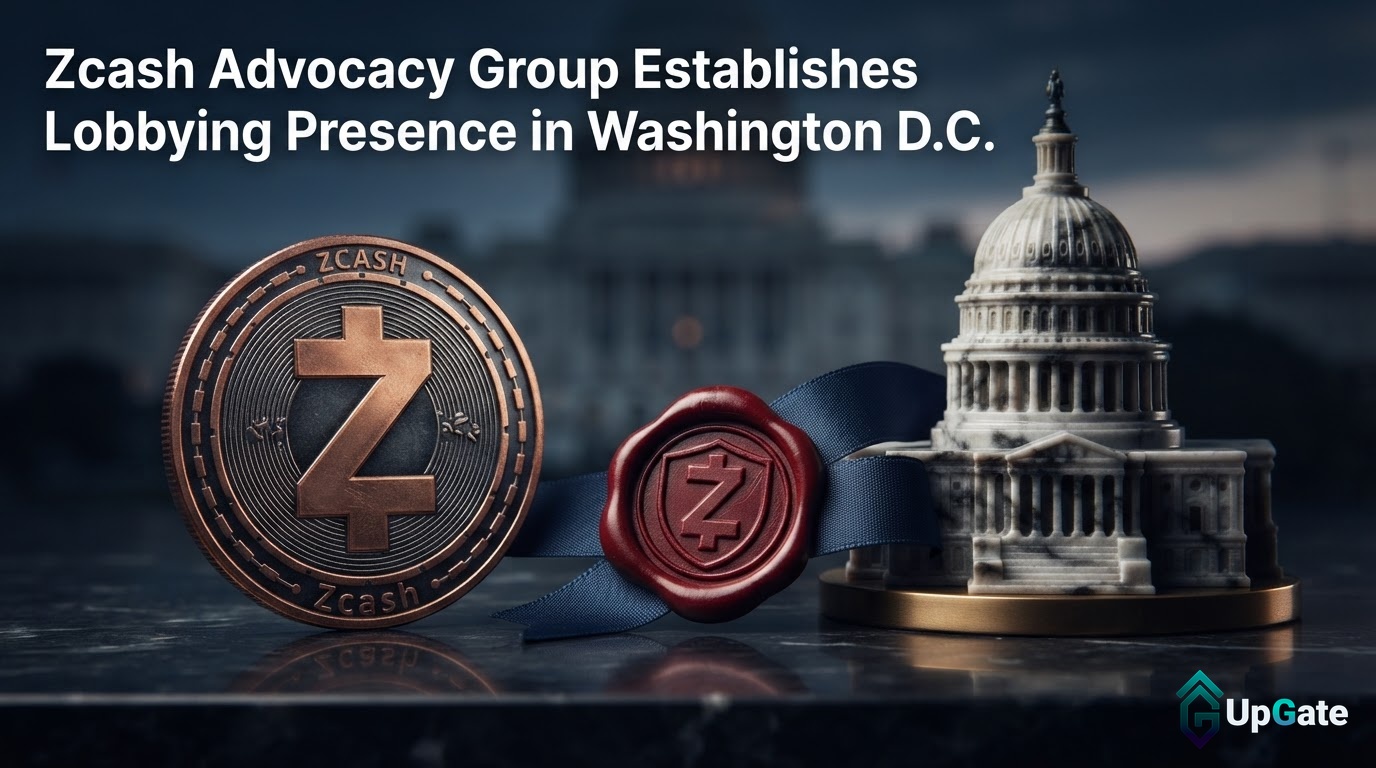
  • گروه حامیان زرکَش اولین لابی‌گر خود را در واشنگتن ثبت کرد

    گروه حامیان زرکَش اولین لابی‌گر خود را در واشنگتن ثبت کرد

    زکش صاحب صدای رسمی خود در واشنگتن شد

    گروه “سیاست خوب برای زکش” (Pretty Good Policy for Zcash – PGPZ)، که یک سازمان غیرانتفاعی ۵۰۱(c)(۴) است و با هدف حمایت از این جایگزین متمرکز بر حریم خصوصی بیت‌کوین تأسیس شده، اولین لابی‌گر خود را ثبت کرد. دیویج پاندیایا، مدیر اجرایی این گروه، در پرونده‌ای که در هفته منتهی به ۴ اکتبر ۲۰۲۶ ارائه شد، معرفی گردید.

    PGPZ در تابستان ۲۰۲۶ راه‌اندازی شد و فعالیت‌های خود را در زمینه آموزش سیاست‌گذاری، هماهنگی و حمایت‌های خاص اکوسیستم زکش توصیف می‌کند. پاندیایا پیش از این در FS Vector مشغول به کار بوده و در PGPZ مسئولیت لابی‌گری، تحلیل سیاست‌ها و ایجاد ائتلاف در کنگره را بر عهده خواهد داشت.

    دستور کار این گروه طیف وسیعی از موضوعات را در بر می‌گیرد.

    تأمین مالی در حال انجام است

    PGPZ در حال حاضر به دنبال دریافت کمک‌هزینه‌ای ۷۵۰ هزار دلاری از “کمک‌های مالی جامعه زکش” (Zcash Community Grants) برای پوشش هزینه‌های سال اول فعالیت خود است.

    پیشینه و اهداف

    PGPZ بی‌دلیل شکل نگرفته است. پیش از این، حمایت از زکش توسط آزمایشگاه توسعه باز زکش (Zcash Open Development Lab – ZODL) و پل برینگر هدایت می‌شد. برینگر و همکارانش سال‌ها صرف ایجاد روابط با سیاست‌گذاران کردند و از طریق رویدادها و جلسات سیاستی به شکل‌دهی مباحث مربوط به قوانین متمرکز بر حریم خصوصی در ایالات متحده کمک نمودند.

    ZODL از اکوسیستم کنار نمی‌کشد و همچنان بر کار پروتکل اصلی، زیرساخت‌ها و توسعه کیف پول تمرکز خواهد داشت و در عین حال از استقلال PGPZ حمایت خواهد کرد.

    قانون CLARITY ارزش پیگیری دقیق را دارد. قوانین مربوط به ساختار بازار نحوه طبقه‌بندی و نظارت بر دارایی‌های دیجیتال را تعیین می‌کنند و وجود یک حامی اختصاصی برای زکش در این بحث‌ها به معنای آن است که ملاحظات مربوط به حریم خصوصی، فردی متعهد برای طرح آن‌ها خواهد داشت.

    حفاظت از توسعه‌دهندگان نیز یکی دیگر از مسائل مهم است. قوانینی که بر افرادی که کد می‌نویسند و منتشر می‌کنند تأثیر می‌گذارد، برای پروژه‌های متن‌باز اهمیت فوق‌العاده‌ای دارد و PGPZ این موضوع را به عنوان یک اولویت اصلی خود اعلام کرده است.

    همچنین یک پرسش عملی در مورد تأمین مالی وجود دارد. درخواست ۷۵۰ هزار دلاری از Zcash Community Grants در واقع رأی‌گیری از سوی اکوسیستم است که آیا نمایندگی مستقیم سیاسی ارزش هزینه کردن را دارد یا خیر.

  • بیت‌کوین با پیشی گرفتن تقاضای اروپا از آمریکا، صعودی شد

    بیت‌کوین با پیشی گرفتن تقاضای اروپا از آمریکا، صعودی شد

    بیت‌کوین با یک مشکل جغرافیایی روبروست و این بار اروپا در سمت پیروز آن قرار دارد.
    بازار بیت‌کوین اروپا از اوایل سپتامبر ۴ درصد رشد داشته است، در حالی که بازار آمریکا در همین دوره ۳ درصد کاهش یافته است.

    قیمت‌ها در سپتامبر ۲۰۲۶
    قیمت بیت‌کوین در اواسط سپتامبر ۲۰۲۶ نزدیک به ۷۵ هزار دلار بود، سطحی که معامله‌گران را نگران چک کردن حد ضررهایشان می‌کرد. تا ۲۳ سپتامبر، قیمت به بالای ۸۷ هزار دلار رسید و سپس کاهش یافت و در محدوده ۸۳ تا ۸۵ هزار دلار تثبیت شد.

    شاخص پرمیوم کوین‌بیس

    یکی از سرنخ‌ها از شاخص پرمیوم کوین‌بیس (Coinbase Premium Index) به دست می‌آید. این شاخص را می‌توان به عنوان یک دماسنج قیمت در نظر گرفت که هزینه بیت‌کوین را در کوین‌بیس، پلتفرمی که سرمایه‌گذاران آمریکایی به شدت از آن استفاده می‌کنند، با هزینه آن در پلتفرم‌های جهانی مانند بایننس مقایسه می‌کند. زمانی که این شاخص مثبت است، آمریکایی‌ها برای خرید بیت‌کوین هزینه بیشتری می‌پردازند و زمانی که منفی است، قیمت پیشنهادی آن‌ها پایین‌تر از سایر نقاط جهان است.

    در حدود ۳ اکتبر ۲۰۲۶، این شاخص برای ۲۹ روز متوالی مقادیر منفی را ثبت کرد که بین ۰.۰۱- تا ۰.۰۳- درصد متغیر بود.

    داده‌های تقاضای گسترده‌تر

    داده‌های گسترده‌تر تقاضا نیز تصویر مشابهی را ترسیم می‌کنند. معیار ظاهری تقاضای اسپات (spot demand) در CryptoQuant، انقباضی حدود ۱۷۰ هزار بیت‌کوین را در ۳۰ روز منتهی به اوایل اکتبر نشان داد.

    جریان‌های ورودی ETFهای بیت‌کوین آمریکا

    در طول هفته ۲۱ تا ۲۵ سپتامبر ۲۰۲۶، ETFهای اسپات بیت‌کوین آمریکا جریان‌های ورودی خالص تقریباً ۲.۳۹ میلیارد دلاری را جذب کردند. این رقم بزرگترین جریان ورودی خالص هفتگی در حدود یک سال بود و محصولات بلک‌راک (BlackRock) و فیدلیتی (Fidelity) پیشتاز این روند بودند.

    جریان‌های ورودی ETF منعکس‌کننده نوع خاصی از سرمایه‌گذار است: اغلب موسسات و مشاورانی که از طریق حساب‌های کارگزاری خرید می‌کنند. پرمیوم کوین‌بیس بخش متفاوتی از فعالیت در یک صرافی را ثبت می‌کند. یک هفته قوی برای ETF در کنار پرمیوم منفی نشان می‌دهد که تقاضا در آمریکا به جای قوی بودن یکنواخت، نامتوازن است.

    راه‌اندازی محصول جدید در اروپا

    در ۲۹ سپتامبر ۲۰۲۶، HANetf محصولی را راه‌اندازی کرد که آن را به عنوان اولین کالای قابل معامله در بورس بیت‌کوین با پوشش یورو (euro-hedged Bitcoin exchange-traded commodity – ETC) معرفی کرد. یک ETC محصولی است که در بورس اوراق بهادار معامله می‌شود و به سرمایه‌گذاران اجازه می‌دهد بدون مدیریت کیف پول یا کلیدهای خصوصی، در معرض بیت‌کوین قرار گیرند.

    هدف از پوشش یورو، سرمایه‌گذاران اروپایی است که خواهان کاهش ریسک نوسانات هستند. بیت‌کوین عمدتاً به دلار قیمت‌گذاری می‌شود، بنابراین یک سرمایه‌گذار مستقر در منطقه یورو به طور معمول دو نوسان را همزمان تجربه می‌کند: قیمت سکه و نوسان ارز. پوشش (hedging) برای حذف نوسان دوم طراحی شده است.

    این راه‌اندازی در حالی صورت می‌گیرد که چشم‌انداز نظارتی اروپا تحت چارچوب MiCA (Markets in Crypto-Assets) در حال تثبیت است. MiCA مجموعه قوانین اتحادیه اروپا برای ارزهای دیجیتال است که استانداردهای مشترکی را در سراسر کشورهای عضو تعیین می‌کند و از اتکای هر کشور به قوانین خودی جلوگیری می‌کند.

    توازن و هشدارها

    جریان‌های ورودی ETF وزنه تعادلی را فراهم می‌کنند. هفته‌ای با حدود ۲.۳۹ میلیارد دلار نشان می‌دهد که اعتماد در میان برخی از سرمایه‌گذاران آمریکایی از بین نرفته است.

    انقباض در تقاضای ظاهری، پرچم هشدار بزرگتری است. کاهش حدود ۱۷۰ هزار بیت‌کوین در تقاضای اسپات طی ۳۰ روز نشان می‌دهد که حرکت صعودی از ۷۵ هزار دلار ممکن است بر حمایتی ضعیف‌تر از آنچه نمودار قیمت نشان می‌دهد، استوار بوده باشد. این می‌تواند توضیح دهد که چرا بیت‌کوین از بالای ۸۷ هزار دلار به محدوده پایین تا میانه ۸۰ هزار دلار سقوط کرد.

    باید شاخص پرمیوم کوین‌بیس را برای نشانه‌های بازگشت خریداران آمریکایی، داده‌های جریان ETF را برای اینکه آیا اشتهای نهادی حفظ می‌شود، و راه‌اندازی محصولات اروپایی را برای اینکه آیا برتری ۴ درصدی این قاره به چیزی بزرگتر تبدیل می‌شود، زیر نظر داشت.

  • رئیس سابق SEC، مسئول هوش مصنوعی شد؛ بیت‌کوین به ۶۰۰ هزار دلار می‌رسد؟

    رئیس سابق SEC، مسئول هوش مصنوعی شد؛ بیت‌کوین به ۶۰۰ هزار دلار می‌رسد؟

    واکنش‌ها به انتصاب مدیر سابق SEC به عنوان مسئول هوش مصنوعی در دولت ترامپ؛ پیش‌بینی صعودی بیت‌کوین

    ### انتصاب جی کلیتون به عنوان مسئول هوش مصنوعی فوق پیشرفته

    دونالد ترامپ، رئیس‌جمهور آمریکا، جی کلیتون، مدیر سابق کمیسیون بورس و اوراق بهادار (SEC)، را به عنوان مسئول جدید “نیروی هوش مصنوعی فوق پیشرفته” (Super Intelligence Force) این کشور منصوب کرده است. این خبر که روز یکشنبه در پستی در شبکه اجتماعی Truth Social منتشر شد، در پی گزارش‌های رسانه‌ای روز جمعه مبنی بر این انتصاب صورت گرفت. پیش از این، کوین‌تلگراف در تاریخ ۲۰ سپتامبر گزارش داده بود که ترامپ قصد دارد “نیروی هوش مصنوعی” را با الگوبرداری از نیروی فضایی (Space Force) ایجاد کند و یک مسئول ارشد برای هوش مصنوعی منصوب نماید.

    ترامپ در پست خود نوشت: “نیروی هوش مصنوعی فوق پیشرفته وظیفه هماهنگ کردن تلاش‌های دولت فدرال را برای اطمینان از پیشتازی آمریکا در جهان در زمینه هوش مصنوعی فوق پیشرفته بر عهده خواهد داشت.”

    جی کلیتون در دوره اول ریاست جمهوری ترامپ، ریاست SEC را بر عهده داشت و در آخرین روز کاری خود، علیه ریپل به دلیل فروش اوراق بهادار اقامه دعوی کرد. همچنین، او به عنوان دادستان منطقه‌ای جنوب نیویورک، پرونده کیفری علیه رومان استورم را به دلیل دخالت در پروژه Tornado Cash رهبری کرد. استورم در واکنش به انتصاب کلیتون اظهار داشت: “دوست صمیمی ترامپ، ایلان ماسک، نام SpaceXAI را به SpaceXSI تغییر می‌دهد تا به دستور رئیس‌جمهور مبنی بر تغییر نام “هوش مصنوعی” به “هوش مصنوعی فوق پیشرفته” ادای احترام کند.”

    ### رشد NEAR و چالش‌های امنیتی

    شبکه NEAR اخیراً شاهد افزایش قابل توجهی در احساسات مثبت بوده و قیمت آن در ماه گذشته بیش از دو برابر شده است. این هفته، سیستم SHIELD AI این شبکه مورد تحسین و انتقاد قرار گرفت، زیرا توانست وجوه هک شده Bitget را در پلتفرم مبادلات بین زنجیره‌ای INTENTS خود مسدود کند. در همین حال، صندوق ETF Bitwise این شبکه با جذب تقریباً ۶۰ میلیون دلار سرمایه، کار خود را آغاز کرد.

    سیستم SHIELD همچنین به توقف یک سوءاستفاده ۳.۸ میلیون دلاری از NEAR Intents به دلیل “اشکالی در زیرساخت واریز و برداشت Omni در تعامل با قرارداد هوشمند NEAR Intents” کمک کرد. احساسات بازار برای حدود هفت دقیقه و نیم به سمت نزولی تغییر کرد، تا اینکه الکس شووچنکو، مدیر کل NEAR Intents، با قاطعیت اعلام کرد: “ما شما را شناسایی کرده‌ایم، آقا” و یک مهلت ۴۸ ساعته برای بازگرداندن وجوه یا مواجهه با اقدامات قانونی صادر کرد.

    وجوه مورد نظر بازگردانده شد و شووچنکو از سایر سوءاستفاده‌کنندگان که قصد داشتند خود را به عنوان هکرهای کلاه سفید جا بزنند، خواست تا “به جای مختل کردن خدمات، از پاداش باگ استفاده کنند.”

    با این حال، اقدام برای مسدود کردن وجوه سرقت شده Bitget بحث‌برانگیز بود و در تضاد کامل با THORChain قرار گرفت که از مسدود کردن مبادلات در پلتفرم خود امتناع کرده و بر اصول تمرکززدایی تأکید دارد. همچنین بحث زنده‌ای در مورد اینکه آیا مسدود کردن وجوه توسط SHIELD، این شبکه را در قبال تمام اتفاقات آینده در پلتفرم مسئول می‌کند یا خیر، در جریان است.

    NEAR در این هفته ۱۱ درصد کاهش قیمت داشته است.

    ### پیش‌بینی چاپ پول و بحران‌های مالی

    آرتور هیز، مدیر ارشد سرمایه‌گذاری در صندوق Maelstrom، پیش‌بینی کرده است که انقلاب هوش مصنوعی، بحران بدهی ایالات متحده و افزایش تنش‌های مالی در فرانسه منجر به چاپ پول خواهد شد. هیز در رویداد CONNECT by Cointelegraph: Seoul Edition که در طول هفته بلاک‌چین کره برگزار شد، گفت که شرکت‌های هوش مصنوعی برای تأمین مالی مراکز داده به تریلیون‌ها دلار نیاز دارند، حتی با وجود کاهش قیمت خدماتشان. او افزود: “آنها گزینه‌های زیادی جز چاپ پول و کاهش شدت مشکلات ندارند.”

    هیز همچنین به احتمال تحریک پولی در چین و افزایش تنش‌های مالی در فرانسه، از جمله سوآپ‌های نکول اعتباری مرتبط با BNP Paribas و اسپرد اوراق قرضه دولتی فرانسه اشاره کرد.

    ### تعطیلی شبکه لایه دوم Blast

    شبکه لایه دوم اتریوم، Blast، اعلام کرده است که به دلیل فراتر رفتن هزینه‌های عملیاتی از درآمد حاصل از زنجیره، تعطیل خواهد شد. Blast در پستی در روز جمعه در X اعلام کرد که “مسیر قابل اعتمادی” برای پایدار کردن اقتصادی شبکه نمی‌بیند و از کاربران خواسته است دارایی‌های خود را به شبکه اصلی اتریوم منتقل کنند. تیم Blast اظهار داشت: “ما Blast را با هدف ساخت یک زنجیره خودکفا برای کاربران و توسعه‌دهندگان راه‌اندازی کردیم. متأسفانه، اقتصاد عملیاتی زنجیره دیگر منطقی نیست.”

    Blast توسط تیسون “Pacman” روکر، بنیانگذار بازار NFT Blur، در نوامبر ۲۰۲۳ با سود بومی بر روی Ether (ETH) و استیبل‌کوین‌ها و یک برنامه امتیازی مرتبط با ایردراپ آتی توکن راه‌اندازی شد. این استراتژی به جذب بیش از ۲ میلیارد دلار سپرده قبل از راه‌اندازی شبکه اصلی در فوریه ۲۰۲۴ کمک کرد. با این حال، طبق داده‌های DeFiLlama، ارزش کل قفل شده در بخش DeFi این شبکه از اوج خود در ژوئن ۲۰۲۴ بیش از ۹۸ درصد کاهش یافته است.

    ### ارتقاء شبکه اتریوم و وضعیت بازار

    توسعه‌دهندگان اتریوم، ارتقاء اصلی بعدی شبکه به نام Glamsterdam را برای فعال‌سازی در شبکه آزمایشی Sepolia در تاریخ ۶ اکتبر برنامه‌ریزی کرده‌اند. بنیاد اتریوم اعلام کرده است که اپراتورهای نود Sepolia باید قبل از فعال‌سازی، کلاینت‌های لایه اجرا و لایه اجماع خود را به‌روزرسانی کنند.

    یکی از تغییرات Glamsterdam، جداسازی پیشنهادی تثبیت شده (enshrined proposer-builder separation) است که انتقال بین سازندگان بلاک تخصصی و اعتبارسنج‌ها را به پروتکل اتریوم منتقل می‌کند و وابستگی به میان‌افزارهای خارجی را کاهش می‌دهد. Glamsterdam همچنین لیست‌های دسترسی در سطح بلاک را معرفی خواهد کرد که حساب‌ها و مکان‌های ذخیره‌سازی مورد استفاده در هر بلاک را ثبت می‌کنند و پردازش موازی توسط کلاینت‌ها را برای افزایش توان عملیاتی امکان‌پذیر می‌سازد.

    در پایان هفته، بیت‌کوین (BTC) با ۱.۴ درصد افزایش به قیمت ۸۵,۸۲۱ دلار، اتریوم (ETH) با ۰.۶ درصد افزایش به قیمت ۲,۷۰۱ دلار و XRP (XRP) با ۰.۸ درصد کاهش به قیمت ۱.۵۰ دلار معامله می‌شوند. طبق گزارش CoinMarketCap، کل ارزش بازار در ۲.۹۲ تریلیون دلار قرار دارد.

    در میان ۱۰۰ ارز دیجیتال برتر، سه آلت‌کوین برتر هفته عبارتند از Midnight (NIGHT) با ۶۰.۶ درصد افزایش، StarkNet (SRK) با ۱۴.۵ درصد و Pump.fun (PUMP) با ۲۶.۳ درصد. سه آلت‌کوین برتر بازنده هفته عبارتند از Lighter (LIT) با ۲۲.۲ درصد کاهش، Zcash (SEC) با ۱۶.۴ درصد کاهش و Ethena (ENA) با ۱۴ درصد کاهش.

    ### پیش‌بینی صعودی بیت‌کوین توسط پیتر برانت

    پیتر برانت، معامله‌گر کهنه‌کار، پس از هشدار در ماه جولای مبنی بر احتمال سقوط قیمت‌ها به محدوده ۴۰ هزار دلاری، اکنون دیدگاه صعودی پیدا کرده است. برانت در جدیدترین قسمت برنامه Trade Secrets به کوین‌تلگراف گفت: “احتمال زیادی وجود دارد که ما کف را دیده باشیم و اکنون وارد یک چرخه بازار صعودی جدید در بیت‌کوین شده‌ایم.”

    برانت همچنین اهداف خود را برای اوج بعدی بیت‌کوین افزایش داده و پیش‌بینی کرده است که در اواخر سال ۲۰۲۹، قیمت‌ها بین ۳۰۰,۰۰۰ تا ۶۰۰,۰۰۰ دلار خواهد بود، که این رقم نسبت به محدوده ۲۵۰,۰۰۰ تا ۳۰۰,۰۰۰ دلاری که در ماه جولای اعلام کرده بود، افزایش یافته است. او افزود: “چرخه بازار صعودی این بار شانس بسیار خوبی برای رسیدن به نیم میلیون دلار دارد.”

    ### ماه سپتامبر؛ ماه هک‌ها و سوءاستفاده‌ها در حوزه رمزارز

    ماه سپتامبر شاهد بدترین ماه سال از نظر هک‌ها و سوءاستفاده‌ها در حوزه رمزارز بود، به طوری که دو شرکت امنیتی بلاک‌چین زیان‌ها را بیش از ۷۶۶ میلیون دلار تخمین زدند. PeckShield ۵۵ حادثه عمده را با ۷۶۶.۵ میلیون دلار وجوه سرقت شده ثبت کرد، در حالی که CertiK ۹۷ حادثه را با تخمین زیان ۷۶۸.۴ میلیون دلاری گزارش داد. این ماه شامل هک ۳۸۸ میلیون دلاری Bitget و هک ۳۲۰ میلیون دلاری شبکه Liquid بود. طبق گزارش‌ها، بیش از ۲۷۰ میلیون دلار از این وجوه بعداً بازگردانده شد.

    CertiK اظهار داشت: “سپتامبر یادآوری قاطعی بود از اینکه چشم‌انداز تهدید چقدر سریع می‌تواند تغییر کند.” سایر هک‌های رمزارز در این ماه شامل Safe Wallet، DCENT و Duelbits بود که به ترتیب ۷.۸ میلیون دلار، ۶ میلیون دلار و ۵.۹ میلیون دلار از دست دادند.

    ### ادعای Aave درباره عدم تأثیر هک بر پروتکل اصلی

    استانی کولچوف، بنیانگذار Aave، اعلام کرد که Aave v3 تحت تأثیر هکی قرار نگرفته است که حدود ۳۰۵,۰۰۰ دلار از دو کیف پول چند امضایی Safe را از طریق یک آداپتور شخص ثالث که بر روی پروتکل وام‌دهی ساخته شده بود، تخلیه کرد. کولچوف در X گفت: “این قرارداد Aave v3 نیست، بلکه یک آداپتور خارجی شخص ثالث است که بر روی Aave ساخته شده است و هیچ تأثیری بر Aave v3 ندارد.”

    ### مسدودسازی ۵۵۰ میلیون دلار USDT مرتبط با ایران توسط Tether

    شرکت Tether، صادرکننده استیبل‌کوین، اعلام کرد که در سال ۲۰۲۶ به مقامات در مسدود کردن نزدیک به ۵۵۰ میلیون دلار USDT مرتبط با ایران کمک کرده است. این شرکت اعلام کرد که سال‌هاست از نزدیک با مجریان قانون بین‌المللی همکاری می‌کند. امسال به تنهایی، بیش از ۱۳۰ میلیون دلار USDT را در چهار کیف پول مسدود کرده و در ماه آوریل، بیش از ۳۴۴ میلیون دلار مرتبط با بانک مرکزی ایران را مسدود کرده است.

    این بیانیه Tether در حالی منتشر شد که بازرسان دموکرات در کمیته دائمی تحقیقات سنا گزارشی منتشر کردند که ادعا می‌کرد USDT به کانال کلیدی برای ایران برای فرار از تحریم‌ها تبدیل شده است. بازرسان دریافتند که ۸۴ درصد از ۸۴۶ کیف پول رمزارزی که به دلیل ارتباط با ایران تحریم شده‌اند، منحصراً یا تقریباً منحصراً در USDT تراکنش داشته‌اند. این یافته‌ها سناتور ریچارد بلومنتال را بر آن داشت تا از وزارتخانه‌های خزانه‌داری و دادگستری بخواهد تا نقض احتمالی تحریم‌ها را بررسی کنند.

    ### بحث پیرامون مسدودسازی وجوه هک شده Bitget

    بحث داغ پیرامون ۳۸۷.۷ میلیون دلار وجوه هک شده Bitget به این موضوع برمی‌گردد که آیا اصول فناوری “بدون نیاز به مجوز و غیرمتمرکز” به معنای عدم مداخله حتی در صورت امکان است یا خیر. THORChain وجوه مرتبط با هک ۳۸۷.۵ میلیون دلاری Bitget را مسدود نخواهد کرد – یا نمی‌تواند. آیا توسعه‌دهندگان می‌توانند به دلیل پولشویی تحت پیگرد قانونی قرار گیرند؟ وکیل رمزارز، یوری بریسو، می‌گوید که این موضوع پیچیده است.

    استیبل‌کوین‌ها با نقدینگی بالا و تسویه ۲۴/۷، می‌توانند با سرعتی برق‌آسا بانک‌ها و کشورها را ترک کنند. اما اینکه آیا استیبل‌کوین‌ها یک ریسک هستند یا یک فرصت، به دیدگاه شما بستگی دارد.

  • Polymarket Traders Face Significant Losses Amidst Growing Legal Scrutiny

    Polymarket Traders Face Significant Losses Amidst Growing Legal Scrutiny

    A Galaxy Research study has revealed that a substantial majority of retail traders on the prediction market platform Polymarket have experienced financial losses, with aggregate losses reaching $338.9 million. This financial downturn for users coincides with an increasing number of legal actions being filed against Polymarket in the United States and South Korea, signaling growing regulatory scrutiny for the prediction market industry.

    According to the Galaxy Research study, which analyzed 2.9 million human-paced accounts on Polymarket’s international platform, over 69% of retail traders finished below break-even. The study excluded accounts likely driven by automation, defined as those averaging more than 50 orders per active trading day. These automated accounts represented a small fraction of wallets (4.1%) but accounted for a significant majority of all orders (80.8%). Among the remaining accounts analyzed as likely retail, the median loss was approximately $3.

    The research also indicated behavioral patterns associated with trading outcomes. Accounts that experienced losses were more likely to cease trading within 30 days compared to those that ended profitably (15.2% vs. 6.1%). Approximately 44% of traders focused more than 60% of their activity on a single topic. Specialists in these focused areas showed a slightly lower profitability rate (28%) compared to generalists (30.4%). Notably, traders specializing in tech and science demonstrated a higher profitability rate of 41.2%, while sports specialists had the lowest profitability.

    It is important to note that the Galaxy Research analysis tracked wallet addresses rather than individual people, meaning a single user employing multiple wallets could appear as several distinct accounts. The study also focused exclusively on Polymarket’s international platform, not its separate US exchange.

    In parallel with the study’s findings on trader performance, Polymarket is facing mounting legal and regulatory pressure. In August, the city of Baltimore sued Polymarket and Kalshi, alleging that both platforms were operating as unlicensed sports betting operations in Maryland. New York initiated legal action in September against Polymarket’s US arm, citing allegations of unlicensed gambling and the platform’s allowance of users aged 18 to 20 to trade, despite the state’s 21-year minimum age for mobile sports betting.

    The legal challenges extend beyond the US. South Korean police have opened cases against 26 Polymarket users and referred 18 individuals to prosecutors. These cases involve approximately $12.7 million in bets, with authorities examining whether the trading activities constitute illegal gambling under Korean law.

    These developments highlight a critical juncture for prediction market platforms like Polymarket. The significant financial losses experienced by a large portion of their user base, coupled with increasing legal actions from various jurisdictions, suggest a heightened level of regulatory scrutiny. The core uncertainties remain regarding the precise number of individual users affected, the definitive reasons behind varying trader profitability, and the ultimate legal classification of prediction market activities in different regulatory environments. The long-term implications of these legal challenges on the future operations and expansion of Polymarket and similar platforms are yet to be determined.

    Why This Matters

    The findings from Galaxy Research underscore the substantial financial risks faced by retail traders on prediction market platforms like Polymarket. The platform’s aggregate losses of $338.9 million and the high percentage of unprofitable traders (over 69%) indicate a challenging environment for individual participants. This is occurring concurrently with significant legal actions in the US and South Korea, suggesting a broader trend of regulatory bodies examining the operational and legal frameworks of prediction markets, particularly concerning allegations of unlicensed gambling and user protection.

    Broader Context

    Polymarket operates as a prediction market platform, a type of venue where users can trade contracts based on the outcome of future events. The study by Galaxy Research analyzed trading activity on Polymarket’s international platform, excluding automated accounts to focus on human-paced trading. The legal challenges, including lawsuits from Baltimore and New York, and investigations in South Korea, reflect a growing global trend of regulatory bodies scrutinizing such platforms, often classifying their activities as potential forms of gambling.

  • SEC Chair Paul Atkins Signals Upcoming Crypto Custody Rule Changes

    SEC Chair Paul Atkins Signals Upcoming Crypto Custody Rule Changes

    The Securities and Exchange Commission (SEC) is planning further regulatory changes for crypto assets, with a particular focus on custody, according to SEC Chair Paul Atkins. This initiative follows the Senate’s failure to pass the CLARITY Act last month.

    SEC Chair Paul Atkins stated that the agency is taking on the task of regulating crypto assets and is currently proposing a new regulatory framework specifically for the custody of these assets. While the exact details of this framework and the timing of future regulatory changes remain uncertain, the statements suggest an increased focus on regulatory scrutiny for crypto custody.

    The CLARITY Act’s non-passage in the Senate last month precedes these developments. The SEC’s proposed regulatory framework for crypto asset custody is a key element of the agency’s current approach to the sector.

    Why This Matters

    The materials describe a narrow update: SEC Chair Paul Atkins stated that the agency is planning further regulatory changes for crypto assets, with a focus on custody. Specific details of the proposed regulatory framework for crypto asset custody.

    Broader Context

    Source materials place the factual news in this context: SEC Chair Paul Atkins’ statements come as the agency proposes a new regulatory framework regarding the custody of crypto assets. He stressed that the SEC is taking on the crypto-regulation task after the Senate failed to pass the CLARITY Act last month.

  • Base Network Growth Metrics Analyzed Amid Data Discrepancies and USDC Concentration

    Base Network Growth Metrics Analyzed Amid Data Discrepancies and USDC Concentration

    The Ethereum Layer 2 network Base, developed by Coinbase, has experienced significant net inflows and a surge in decentralized finance (DeFi) activity since the beginning of 2026. According to research data, the network has attracted approximately $4.7 billion in net inflows since January 1, 2026. This growth has coincided with a substantial increase in DeFi activity, pushing the Total Value Locked (TVL) to an all-time high.

    As of September 22, 2026, Base’s TVL reached approximately $6.2 billion. By early October 2026, this figure had grown to around $6.4 billion. The bridged value on the network also saw considerable activity, reaching $8.28 billion in early October 2026. The stablecoin market capitalization on Base is approximately $5.2 billion, with USD Coin (USDC) making up a dominant 84% of this total.

    Further analysis of bridge activity from a separate dataset indicates cumulative inflows of about $19.5 billion against outflows of approximately $18.4 billion, resulting in a net of about $1.1 billion. This figure differs from the year-to-date net inflow of $4.7 billion, highlighting a discrepancy in how these metrics are tracked or defined. The exact reasons for this discrepancy remain uncertain, suggesting that different trackers may be measuring distinct elements, such as specific bridges, varying time windows, or how native asset issuance is accounted for.

    Additionally, research data indicates that Base’s TVL has been growing faster than stablecoin inflows. This suggests that a portion of the TVL increase may be attributed to the appreciation in value of assets already present on the network, rather than solely from new deposits. The extent to which TVL growth is driven by new deposits versus asset appreciation is uncertain.

    Coinbase’s tokenized stocks also saw notable activity, with a daily trading volume of $71 million as of October 2026.

    Base operates as an Ethereum Layer 2 solution, processing transactions off the main Ethereum chain and batching them for posting back to Ethereum. This architecture aims to enhance security while reducing costs and increasing transaction speed, aligning with Coinbase’s strategy to bring on-chain activity closer to its user base.

    The significant concentration of stablecoin supply in USDC presents a potential risk. Given that USDC comprises roughly 84% of the stablecoin market cap on Base, any disruption to USDC could have a more pronounced impact on the network’s liquidity compared to networks with a more diversified stablecoin mix. This concentration is unsurprising, considering Coinbase’s co-founding of the Centre consortium with Circle, the issuer of USDC.

    In summary, Base is demonstrating robust growth in terms of inflows and DeFi activity. However, the interpretation of these metrics requires careful consideration due to discrepancies in net inflow data and the notable concentration of stablecoin assets in USDC, which warrants ongoing observation.

    Why This Matters

    The materials describe a narrow update: Base has attracted $4. The exact reasons for the discrepancy between the $4.7 billion year-to-date net inflow figure and the $1.1 billion net from the separate bridge activity dataset.

    Broader Context

    Source materials place the factual news in this context: Base is an Ethereum Layer 2, meaning it processes transactions off Ethereum’s main chain and then posts the results back to Ethereum.

  • آتکین: تغییرات بیشتر در قوانین رمزارز برای حفظ بازارها در داخل کشور

    آتکین: تغییرات بیشتر در قوانین رمزارز برای حفظ بازارها در داخل کشور

    رئیس SEC بر لزوم مقررات بیشتر برای ارزهای دیجیتال تأکید کرد

    اظهارات پل اتکینز، رئیس کمیسیون بورس و اوراق بهادار آمریکا (SEC)، همزمان با پیشنهاد چارچوب نظارتی جدید این نهاد در خصوص نگهداری دارایی‌های رمزارزی مطرح می‌شود. وی تأکید کرد که SEC پس از عدم تصویب قانون CLARITY در ماه گذشته توسط سنا، مسئولیت تنظیم مقررات ارزهای دیجیتال را بر عهده گرفته است. کمیسیون بورس و اوراق بهادار آمریکا […]