
نرخ بهره وامدهی طلا ۵۰ سال است که هر روز کاری اعلام میشود، اما بیشتر کسانی که واقعاً مالک طلا هستند، عملاً از این بازار محروم ماندهاند. شرکت Paxos Labs در تاریخ ۲۴ سپتامبر با راهاندازی PAXGy، قصد دارد این وضعیت را تغییر دهد. این شرکت با توکنیزه کردن اقتصاد وامدهی نهادی طلا، که توسط طلای تحت پشتوانه Pax Gold (PAXG) پشتیبانی میشود، این امکان را فراهم کرده است. ذخایر این توکن در اختیار نهادهای […]
Author: Admin_Up
-
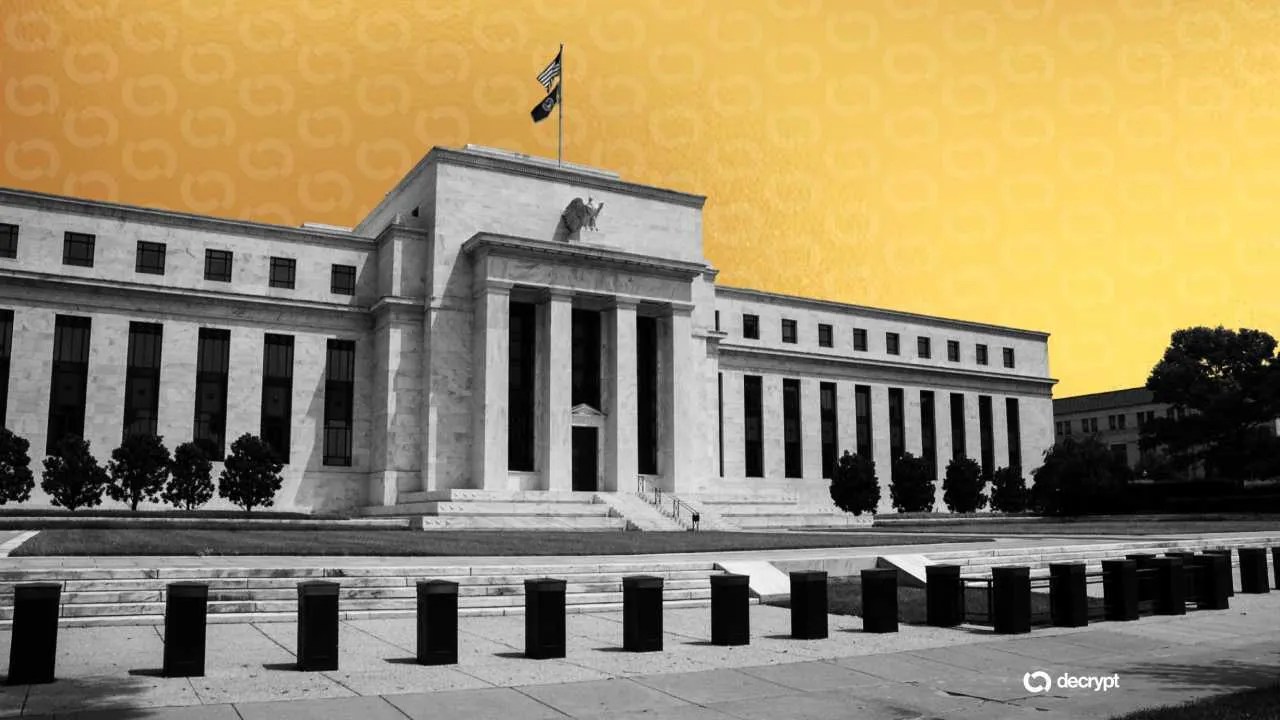
Fed Finalizes Stablecoin Rules on Reserves, Capital
Fed Proposes Rules for Stablecoin Issuers, Emphasizing Full Backing and Capital Requirements
The Federal Reserve is moving to establish foundational regulations for the stablecoin issuers it will oversee, proposing Thursday that these entities fully back their tokens with safe, liquid assets and maintain capital reserves to mitigate operational risks.
The central bank has opened two proposals for public comment as it develops the regulatory framework mandated by the GENIUS Act, the stablecoin legislation signed into law by President Donald Trump in July 2025.
The first proposal would require payment stablecoin issuers supervised by the Board to hold reserves exclusively in permissible assets, such as short-term Treasury bills and other high-quality, liquid holdings. It would also introduce standardized capital requirements to address credit and operational risks, establish risk-management standards, and outline rules for firms responsible for safekeeping the assets that back the tokens.
The second proposal would establish a tailored application process for banks supervised by the Board that wish to issue payment stablecoins. This process would necessitate the submission of a business plan and financial information, and would define procedures for appeals, hearings, and final decisions.
The public comment period for these proposals will conclude 60 days after their publication in the Federal Register.
Stablecoins are blockchain-based tokens designed to maintain a stable value by being pegged to a reference asset, most commonly the U.S. dollar. Issuers back these tokens with reserves, ensuring that each token can be redeemed at its face value. They have become an integral component of the cryptocurrency ecosystem, facilitating the movement of funds between exchanges, trade settlements, cross-border payments, and the parking of assets without the need to convert back to traditional currency.
This initiative represents the Federal Reserve’s contribution to a broader, multi-agency implementation of the GENIUS Act, which established the first federal framework for dollar-pegged tokens. The Office of the Comptroller of the Currency has been working to finalize its own stablecoin rules by November, ahead of a statutory deadline in January. Concurrently, the Treasury Department has proposed separate rules that would prohibit platforms from selling noncompliant stablecoins to U.S. customers.
The development of these regulations comes as stablecoins are increasingly integrated into the mainstream financial system. The Trump administration has been actively promoting dollar-pegged tokens as a means to reinforce the dollar’s global dominance.
The emphasis on full-reserve backing and bank-grade oversight is central to this strategy, aiming to ensure that stablecoins maintain their peg and are consistently redeemable at face value.
-
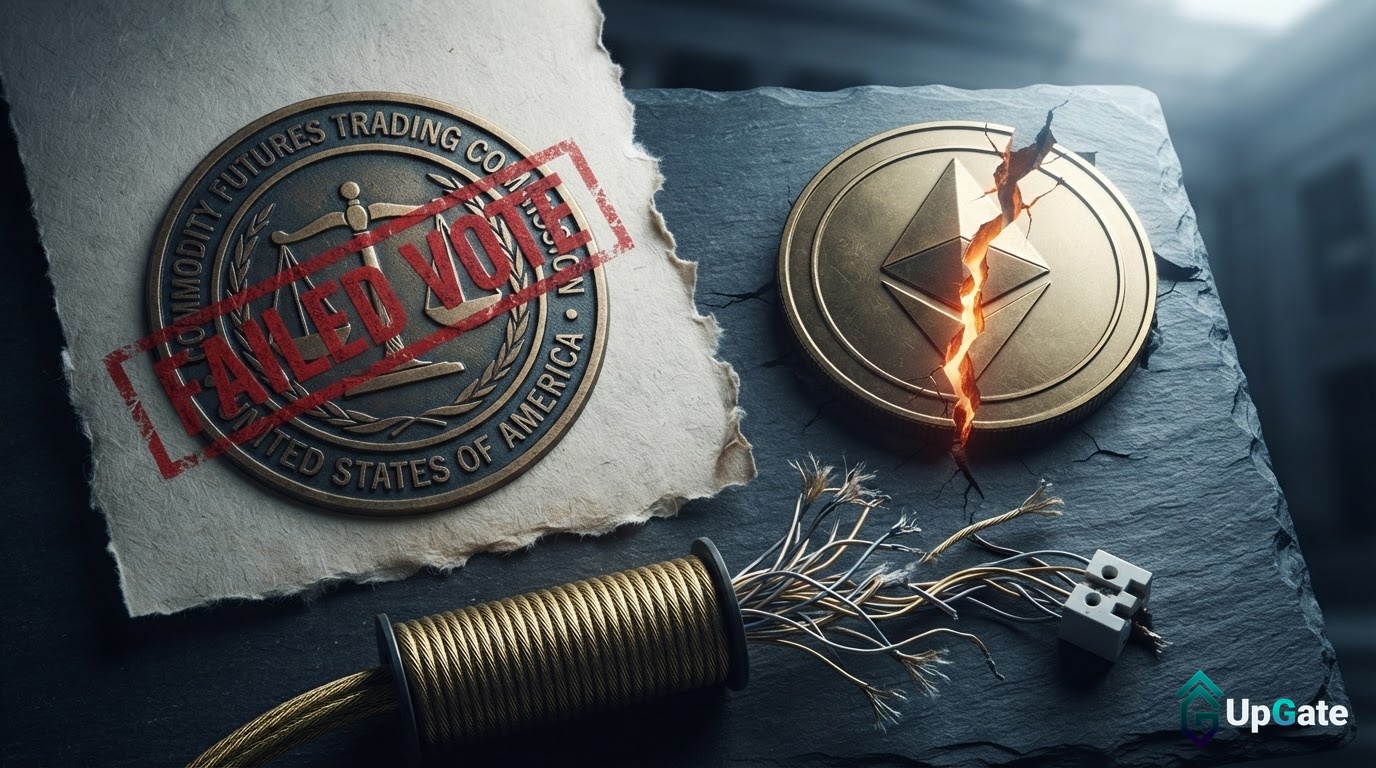
CFTC Refines Tokenized Asset, Blockchain Guidance Post-Vote
CFTC Offers Regulatory Clarity for Crypto Firms with Updated Guidance
The U.S. Commodity Futures Trading Commission (CFTC) has updated its guidance concerning tokenized assets and the use of blockchain technology for recordkeeping, aiming to provide greater regulatory clarity for the cryptocurrency industry.
In a notice issued Thursday, the CFTC announced revisions to its frequently asked questions for registered crypto-related entities. The updated guidance, originally released in March, now specifies that authorized companies may invest customer funds in tokenized assets. This is permissible as long as “the tokenized form of the asset grants the holder legal and economic rights that are the same or functionally equivalent to the rights received by holders of the asset in its traditional form.” The regulator also stated it “would not object” to companies employing blockchain-based recordkeeping under these new rules.
CFTC Chair Michael Selig emphasized that these changes are part of ongoing efforts “to provide regulatory clarity for the crypto industry.”
This development follows closely on the heels of the U.S. Senate’s failure to advance the Digital Asset Market Clarity (CLARITY) Act. The proposed legislation was intended to delineate the oversight responsibilities of the CFTC and the Securities and Exchange Commission (SEC) regarding digital assets.
The unsuccessful cloture vote has led many to anticipate that Congress may not enact comprehensive crypto market structure legislation before 2027. Consequently, regulators are expected to proceed with establishing their own policies through rulemaking. The CFTC has already submitted a plan for crypto market regulation to the White House for review.
Echoing the sentiment of the commodities regulator, SEC Chair Paul Atkins had previously stated, prior to the CLARITY Act vote, that the agency was “ready, willing, and able” to propose rules for crypto in the absence of congressional action. The SEC had proposed rules concerning “certain investment contracts involving crypto assets” in August.
-

Copilot AI Forecasts Bitcoin’s Q4 2026 Surge
Microsoft Copilot AI Forecasts Significant Bitcoin Surge by Q4 2026
Microsoft Copilot AI has projected a substantial upward trajectory for Bitcoin (BTC) in the fourth quarter of 2026, identifying it as one of the most compelling asymmetric risk-reward opportunities currently available. The AI’s baseline forecast places Bitcoin’s value between $140,000 and $180,000. A more optimistic scenario, contingent on accelerated institutional demand, suggests a potential reach of $200,000 to $250,000.
Driving Forces Behind the Bullish Outlook
The AI’s prediction is underpinned by a confluence of factors. Continued inflows into spot Bitcoin Exchange-Traded Funds (ETFs), expanded distribution through wealth management channels, and increasing adoption by corporate treasuries are all contributing to a scenario where more structural buyers are competing for a finite supply of Bitcoin.
Following the 2024 halving event, supply constraints are already a significant factor. When combined with declining exchange balances and the accumulation of coins by long-term holders, Microsoft Copilot AI anticipates a market characterized by scarcity of sellers precisely as demand continues to grow.
Macroeconomic Influences and Bitcoin’s Evolving Role
Broader macroeconomic conditions also play a crucial role. Potential easing of monetary policy by the Federal Reserve, increased regulatory clarity, and early investment from sovereign wealth funds or pension funds are all factors that could further bolster Bitcoin’s ascent.
Microsoft Copilot AI views Bitcoin’s evolving role as a strategic reserve asset and a digital gold alternative as the central theme connecting these trends. The argument posits that even modest allocations from institutional investors could absorb a significant portion of new Bitcoin issuance, given the already constrained supply.
The Bearish Scenario and Potential Price Floor
However, the AI does not dismiss potential headwinds. Persistent high interest rates, reduced liquidity, outflows from Bitcoin ETFs, a recession-induced risk-off sentiment, geopolitical instability, or unfavorable regulatory developments could all impede institutional adoption.
In such a bearish scenario, Microsoft Copilot AI forecasts Bitcoin to trade within a range of $60,000 to $80,000 before any sustained long-term uptrend can resume. The model notably draws a firm line at $60,000, suggesting that sustained trading below this level would necessitate actual macroeconomic tightening and significant institutional outflows, rather than a typical market pullback.
Current Market Dynamics and Technical Analysis
On a weekly chart, Bitcoin closed recently above $84,000, showing minimal change, with trading occurring between $83,600 and $86,600.
The ascent from the 2022 bear market low into 2025 represented one of the most consistent uptrends the asset has experienced, decisively surpassing previous 2021 highs and approaching $128,000 by late 2025.
This was followed by a sharp, multi-month correction that brought the price back to levels last seen over a year prior. Bitcoin has since reclaimed the $80,000 mark following a two-week period of positive market-wide price action.
The current price action above key technical levels confirms a cycle bottom. However, this does not guarantee a continuous upward trend. A correction of 8% to 10% is anticipated to clear out late entrants to long positions.
Support on the weekly chart is identified at $80,000, a level that held firm multiple times in March and April 2025 before the recent breakout. Below this, $73,000 represents the last significant consolidation floor from earlier in the cycle.
Resistance is positioned higher, initially at $84,000, followed by a more substantial ceiling between $92,000 and $120,000, which marked the 2025 peak. Reclaiming this zone would serve as the first definitive signal that the uptrend has resumed rather than merely paused.
Weekly momentum indicators are neutral, indicating a market that has spent months consolidating a significant move rather than trending strongly in either direction.
For the longer-term targets predicted by Microsoft Copilot AI to materialize, the current trading range must resolve as a pause within a broader uptrend, not as a market top. The chart analysis has yet to definitively answer this question.
Strategic Investment and Emerging Opportunities
Many market participants will only recognize this shift in retrospect. Savvy investors have already positioned themselves. While large-cap cryptocurrencies are still establishing their footing within the developing bull market structure, they have not yet entered a parabolic phase.
Bitcoin, Ethereum, and XRP are currently testing key resistance levels. Each favorable macroeconomic trend has an updated expected timeline, with the true wave of institutional investment anticipated in the next quarter.
Investing in assets whose growth is solely dependent on external decisions is not a robust strategy; it is akin to waiting passively. Capital that has navigated multiple market cycles understands a fundamental principle: it moves ahead of the clear realization of its destination.
Early-stage infrastructure projects operate under entirely different dynamics. A smaller market capitalization means that even a modest capital rotation can lead to significant price appreciation. The potential for returns lies in the discrepancy between an asset’s intrinsic value and its current market valuation. This gap exists only while the project remains undiscovered. Once it gains widespread recognition, this opportunity typically closes.
LiquidChain: A Potential Solution to DeFi Fragmentation
The fragmentation across multiple blockchain networks poses a daily challenge for decentralized finance (DeFi). Bitcoin, Ethereum, and Solana currently exist as isolated ecosystems with no native interoperability. Every user attempting to bridge these networks incurs costs through fees, slippage, and failed transactions.
Microsoft Copilot AI predicts that LiquidChain offers a comprehensive solution to this issue, integrating these three networks within a single execution layer. This allows for a unified deployment that can access all networks without any cross-chain transaction costs.
The presale for LiquidChain is currently priced at $0.014958, with over $972,000 raised. The market has not yet fully discovered this project, which is precisely the intended advantage.
-
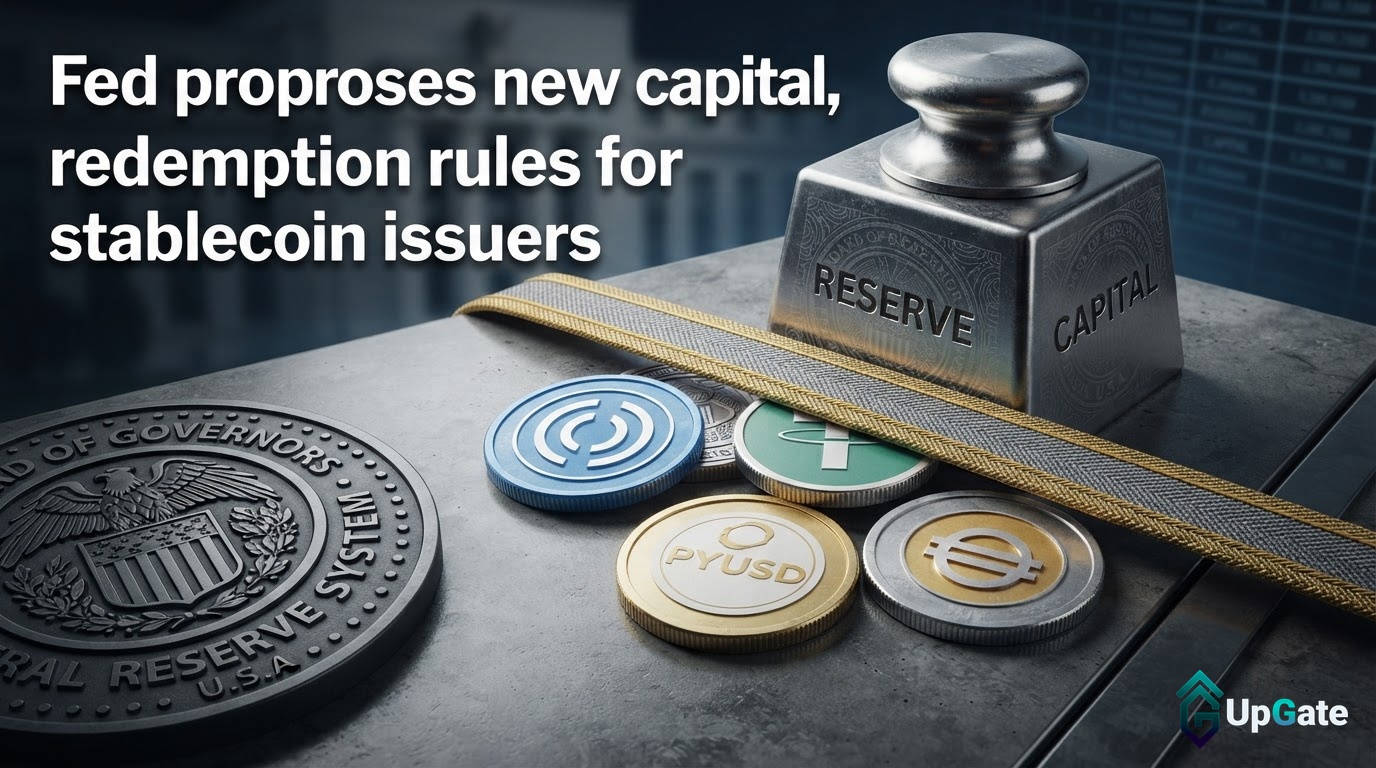
فدرال رزرو قوانین جدیدی برای سرمایه و بازخرید صادرکنندگان استیبلکوین پیشنهاد کرد
فدرال رزرو آمریکا پیشنویس مقررات جدیدی را برای ناشران استیبلکوینها منتشر کرده است که شامل الزامات سرمایهای، پنجره دو روزه برای بازخرید و افشای ذخایر میشود. این اقدامات در راستای اجرای قانون GENIUS صورت میگیرد.
الزامات جدید برای استیبلکوینها
بانک مرکزی آمریکا (فدرال رزرو) پیشنویس مقرراتی را برای ناشران استیبلکوینهایی که تحت نظارت این نهاد فعالیت میکنند، ارائه کرده است. این مقررات شامل الزامات سرمایهای، نحوه بازخرید توکنها و افشای ذخایر میشود و بخشی از اجرای قانون GENIUS است.
قانون GENIUS پیش از این، ناشران استیبلکوین را ملزم کرده است که ذخایری معادل با ارزش توکنهای منتشر شده خود به صورت یک به یک نگهداری کنند و همچنین انواع داراییهایی را که میتوانند در اختیار داشته باشند، محدود کرده است. این داراییها شامل وجه نقد، سپردههای بانکی و اوراق خزانه کوتاهمدت آمریکا میشود. این قانون، تعیین جزئیات بیشتر در خصوص الزامات سرمایهای، تنوعبخشی به ذخایر و مدیریت ریسک را به نهادهای نظارتی فدرال واگذار کرده بود.
بر اساس پیشنویس فدرال رزرو، ناشران با یک بار اضافی سرمایه برای ریسک عملیاتی مواجه خواهند شد که معادل ۲ درصد از ۲۰ میلیارد دلار اول استیبلکوینهای در گردش، ۱.۵ درصد از ۳۰ میلیارد دلار بعدی و ۱ درصد از مبالغ بالای ۵۰ میلیارد دلار خواهد بود. علاوه بر این، الزامات سرمایهای اضافی مرتبط با ریسکهای اعتباری و عملیاتی نیز اعمال خواهد شد.
ناشران به طور کلی موظف خواهند بود که بازخریدها را ظرف دو روز کاری پردازش کنند. در صورتی که ذخایر از نسبت یک به یک مورد نیاز کمتر شود، ناشر باید فدرال رزرو را مطلع کرده و یا ذخایر خود را تحت یک برنامه اصلاحی بازیابی کند و یا داراییهای خود را نقد کرده و استیبلکوینهای در گردش را بازخرید نماید.
ناشران همچنین باید گزارشهای ماهانهای را منتشر کنند که جزئیات استیبلکوینهای در گردش، ارزش و ترکیب ذخایر آنها را شرح دهد. این افشاگریها باید توسط یک شرکت حسابداری عمومی ثبت شده مورد بررسی قرار گرفته و توسط مدیرعامل و مدیر مالی ناشر تأیید شود.
پیشنویس جداگانهای نیز فرآیند درخواست برای بانکهای تحت نظارت فدرال رزرو را که به دنبال تأییدیه برای انتشار استیبلکوینهای پرداختی از طریق شرکتهای تابعه خود هستند، مشخص میکند. این فرآیند شامل ارائه طرح کسبوکار و اطلاعات مالی خواهد بود.
این پیشنویسها به مدت ۶۰ روز پس از انتشار در “فدرال رجیستر” (روزنامه رسمی دولت فدرال آمریکا) برای اظهارنظر عمومی باز هستند.
مایکل بار، فرماندار فدرال رزرو، روز پنجشنبه از این پیشنویس حمایت کرد، اما اظهار داشت که برای تبدیل شدن استیبلکوینها به ابزارهای پرداختی قابل اعتماد، کارهای بیشتری لازم است.
بار گفت: «استیبلکوینها تنها زمانی پایدار خواهند بود که بتوان آنها را در شرایط مختلف، به طور قابل اعتماد و فوری با ارزش اسمی بازخرید کرد. این شامل شرایط استرس بازار، زمانی که حتی بدهیهای دولتی که در حالت عادی نقدشونده هستند، تحت فشار قرار میگیرند، و همچنین در دورههای فشار بر ناشر منفرد یا نهادهای مرتبط با آن میشود.»
بار افزود که از محدودیتهای پیشنهادی بر داراییهای ذخیره و الزامات سرمایهای استاندارد تشویق شده است، در حالی که خواستار بازخورد عمومی در مورد اینکه آیا این چارچوب به اندازه کافی ریسکهای نرخ بهره و ارز خارجی را پوشش میدهد، شد.
وی همچنین بیان کرد که حقوق بازخرید جهانی باید به طور واضح در قانون نهایی مشخص شود و نگرانیهایی را در مورد استانداردی مطرح کرد که از اقدام نظارتی یا اجرایی فدرال رزرو در مورد نقص در مبارزه با پولشویی جلوگیری میکند، مگر اینکه موضوع «قابل توجه یا سیستمی» تلقی شود.
قانون GENIUS قرار است در تاریخ ۱۸ ژانویه ۲۰۲۷ یا ۱۲۰ روز پس از صدور قوانین نهایی اجرایی توسط نهادهای نظارتی فدرال، هر کدام که زودتر فرا برسد، لازمالاجرا شود.
-
فدرال رزرو قوانین استیبلکوینها را درباره ذخایر و سرمایه رونمایی کرد
فدرال رزرو در حال تدوین قوانین اولیه برای صادرکنندگان استیبلکوین تحت نظارت خود است و روز پنجشنبه پیشنهاد داد که این توکنها باید به طور کامل با داراییهای امن و نقدشونده پشتیبانی شوند و سرمایه لازم را برای پوشش ریسکهای عملیاتی خود در اختیار داشته باشند.
بانک مرکزی دو پیشنهاد را برای اظهارنظر عمومی منتشر کرده است، زیرا در حال تکمیل چارچوب نظارتی مورد نیاز طبق قانون GENIUS Act، قانون استیبلکوین که دونالد ترامپ، رئیسجمهور وقت، در ژوئیه ۲۰۲۵ امضا کرد، میباشد.
پیشنهاد اول، صادرکنندگان استیبلکوین پرداختی تحت نظارت هیئت مدیره را ملزم میکند که ذخایر خود را به طور کامل در داراییهای مجاز مانند اوراق خزانه کوتاهمدت و سایر داراییهای با کیفیت بالا و نقدشونده نگهداری کنند. همچنین الزامات سرمایهای استاندارد را برای رسیدگی به ریسکهای اعتباری و عملیاتی، تعیین استانداردهای مدیریت ریسک و تدوین قوانینی برای شرکتهایی که داراییهای پشتیبان توکنها را نگهداری میکنند، ایجاد خواهد کرد.
پیشنهاد دوم، فرآیند درخواست سفارشیشدهای را برای بانکهای تحت نظارت هیئت مدیره که به دنبال صدور استیبلکوین پرداختی هستند، ایجاد میکند. این فرآیند مستلزم ارائه طرح کسبوکار و اطلاعات مالی است و رویههایی را برای تجدیدنظر، جلسات استماع و تصمیمگیری نهایی تعیین خواهد کرد.
دوره اظهارنظر ۶۰ روز پس از انتشار پیشنهادات در Federal Register به پایان میرسد.
استیبلکوینها توکنهای مبتنی بر بلاکچین هستند که برای حفظ ارزش ثابت خود با اتصال به یک دارایی مرجع، که معمولاً دلار آمریکا است، طراحی شدهاند. صادرکنندگان این توکنها را با ذخایر پشتیبانی میکنند تا هر توکن بتواند با ارزش اسمی خود بازخرید شود. این توکنها به بخش اصلی زیرساخت ارزهای دیجیتال تبدیل شدهاند و برای جابجایی پول بین صرافیها، تسویه معاملات، ارسال پرداختهای فرامرزی و پارک کردن وجوه بدون تبدیل به ارز سنتی استفاده میشوند.
این اقدام، بخش فدرال رزرو را به مجموعه اقدامات چندوجهی قانون GENIUS Act اضافه میکند که اولین چارچوب فدرال برای توکنهای متصل به دلار را تعیین کرد. اداره نظارت بر ارز (OCC) در حال تلاش برای نهایی کردن قوانین استیبلکوین خود تا ماه نوامبر، پیش از مهلت قانونی ژانویه، است، در حالی که وزارت خزانهداری به طور جداگانه قوانینی را پیشنهاد کرده است که پلتفرمها را از فروش استیبلکوینهای غیرمنطبق به مشتریان آمریکایی منع میکند.
این مقررات در زمانی ارائه میشوند که استیبلکوینها به طور فزایندهای وارد جریان اصلی مالی میشوند و دولت ترامپ به طور فزایندهای توکنهای متصل به دلار را ابزاری برای گسترش سلطه جهانی دلار معرفی میکند.
پشتیبانی کامل از ذخایر و نظارت در سطح بانکی، هسته اصلی این رویکرد است که هدف آن اطمینان از حفظ ارزش اسمی توکنها و قابلیت بازخرید آنها با ارزش اسمی است.
-
مخالفتها با پیشنهاد طبقهبندی “مورفو” در مورد “والت”
پل فرامبو، مدیرعامل پروتکل وامدهی دیفای به ارزش ۱۶ میلیارد دلار مورفو (Morpho)، در تاریخ ۲۴ سپتامبر پیشنهاد تقسیم خزانههای آنچین (onchain vaults) به دو دسته نظارتی را مطرح کرد. اما در عرض یک ساعت، با ائتلافی کوچک از منتقدان روبرو شد.
استانی کولچوف، بنیانگذار Aave، گابریل شاپیرو، وکیل حوزه رمزارزها، و چندین سازنده زیرساخت خزانه، همگی با این چارچوب مخالفت کرده و استدلال کردند که این چارچوب معنای واقعی “غیرامانی” (non-custodial) را به اشتباه تفسیر میکند و میتواند به موقعیت محصول مورفو به ضرر طبقهبندی دقیق کمک کند.
چارچوب پیشنهادی مورفو
چارچوب فرامبو خزانههای آنچین را به دو دسته تقسیم میکند: غیرامانی و اختیاری (discretionary). تمایز این دو دسته بر میزان اختیاری است که متولی خزانه، یعنی شخص یا نهادی که استراتژی را مدیریت میکند، بر وجوه سپردهگذاری شده دارد.
خزانههای غیرامانی، طبق این طرح، محدودیتهای سختگیرانهای در سطح کد اعمال خواهند کرد. مواردی مانند قفلهای زمانی (timelocks)، دورههای خروج اجباری برای سپردهگذاران، و قراردادهای هوشمند تغییرناپذیر که از تغییر یکجانبه شرایط توسط متولی جلوگیری میکنند. ایده این است که کنترل کاربر در اولویت باقی بماند و اختیار مدیریتی به حداقل برسد.
خزانههای اختیاری در سوی دیگر طیف قرار میگیرند. مدیران در این دسته، اختیار قابل توجهی بر استراتژیهای سرمایهگذاری، نسبتهای اهرمی، و ساختارهای انگیزشی خواهند داشت.
استدلال فرامبو و واکنشها
استدلال فرامبو این است که رگولاتورها و موسسات به یک لنز کاربردی نیاز دارند، لنزی که بر اساس عملکرد واقعی کد باشد، نه اتکا به برچسبهای سنتی که به خوبی با معماری دیفای مطابقت ندارند. این رویکرد، بازتابی از سخنان قبلی هاستر پیرس، کمیسر SEC، است که طرفدار تحلیل محصولات رمزارزی بر اساس مکانیسمهایشان به جای قرار دادن آنها در دستهبندیهای نظارتی از پیش تعیین شده برای دوران متفاوتی از امور مالی بوده است.
اعتراض کولچوف به هسته فلسفی این بحث پرداخت. از نظر او، یک خزانه کاملاً غیرامانی اصلاً نیازی به مدیر ندارد. او به خزانههای نسل اول Yearn Finance به عنوان نقطه مرجع بهتری برای طراحی غیرامانی اشاره کرد، جایی که استراتژیها مستقیماً در قراردادهای هوشمند کدگذاری شده و به طور خودکار بدون دخالت انسانی در لایه عملیاتی اجرا میشوند.
این موضوع برای مورفو ناخوشایند است. اگر معیار طلایی برای “غیرامانی” یک خزانه بدون نظارت مدیریتی باشد، آنگاه دسته غیرامانی پیشنهادی مورفو، که همچنان شامل متولیانی است که در چارچوبهای کدگذاری شده فعالیت میکنند، ممکن است بیشتر به “مدیریت شده با محدودیت” نزدیک باشد. این تفاوت معناداری است، زمانی که رگولاتورها شروع به ترسیم خطوط در مورد وظیفه امانتداری، طبقهبندی اوراق بهادار، و قوانین نگهداری میکنند.
گابریل شاپیرو، وکیلی که نظراتش در محافل حاکمیتی دیفای وزن دارد، نگرانیهای مشابهی را در مورد پیامدهای نظارتی احتمالی این پیشنهاد مطرح کرد. هنگامی که پروتکلها شروع به خود-طبقهبندی میکنند، در واقع برای رفتار نظارتی ترجیحی خود لابی میکنند. اگر دستهبندیها به گونهای ترسیم شوند که معماری یک پروتکل را بر دیگری ترجیح دهند، این اقدام کمتر شبیه طبقهبندی خنثی و بیشتر شبیه به موقعیتیابی رقابتی در قالب زبان سیاستگذاری به نظر میرسد.
موقعیت مورفو و پیامدهای نظارتی
مورفو به یکی از پلتفرمهای وامدهی برجسته دیفای تبدیل شده است، که میزبان دهها هزار بازار و حدود ۱۶ میلیارد دلار سپرده کل است. اوایل سال ۲۰۲۶، این پروتکل Morpho Vaults V2 را راهاندازی کرد، یک معماری خزانه ارتقا یافته که ابزارهای متولی را گسترش داد و علاقه نهادی جدیدی را جلب کرد.
این پروتکل همچنین در حال ایجاد پلهایی به امور مالی سنتی بوده است. ادغام با Robinhood و Coinbase، مورفو را به عنوان دروازهای برای کاربران خرد و نهادی که به دنبال بازدهی آنچین بدون درگیر شدن با پیچیدگی کامل زیرساخت دیفای هستند، معرفی کرده است. این مشارکتها، مسئله طبقهبندی نظارتی را فراتر از یک بحث آکادمیک میبرد. نحوه طبقهبندی خزانهها مستقیماً بر چارچوبهای انطباقی که شرکای مورفو باید رعایت کنند و انواع کاربرانی که میتوانند به محصولات دسترسی داشته باشند، تأثیر خواهد گذاشت.
برای سرمایهگذارانی که این فضا را رصد میکنند، نکته عملی این است که ریسک خزانه دیگر فقط مربوط به ممیزی قراردادهای هوشمند و مکانیسمهای تصفیه نیست. خزانه با برچسب “اختیاری” ممکن است با مقررات نگهداری مشابه مدیریت صندوقهای سنتی روبرو شود. در حالی که خزانه با برچسب “غیرامانی” ممکن است از این الزامات کاملاً اجتناب کند، با فرض اینکه این برچسب تحت نظارت نظارتی معتبر باشد.
برای مورفو به طور خاص، سهام با استراتژی رشد آن گره خورده است. پروتکلی با ۱۶ میلیارد دلار سپرده و مشارکت با دو پلتفرم بزرگ معاملاتی خرد در آمریکا، نمیتواند تحمل ابهام نظارتی را داشته باشد. اما همچنین نمیتواند دیده شود که قوانینی را مینویسد که به راحتی به نفع معماری خود اوست.
-

کتی وود صندوق سرمایهگذاری ۱.۳ میلیارد دلاری آرک را به بلاکچین آورد
آرک اینوست (Ark Invest) صندوق حدوداً ۱.۳ میلیارد دلاری ARK Venture Fund خود را از طریق Securitize بر بستر اتریوم قرار میدهد. این اقدام به سرمایهگذاران واجد شرایط امکان میدهد تا نمایشی مبتنی بر بلاکچین از پرتفوی این صندوق را که شامل شرکتهایی چون OpenAI، Anthropic، Stripe و Databricks است، در اختیار داشته باشند. ارزش خالص داراییهای (NAV) این صندوق از زمان راهاندازی در سال ۲۰۲۲، که نزدیک به ۲۰ دلار بود، تا تاریخ ۲۳ سپتامبر ۲۰۲۶ به حدود ۶۰.۵۰ دلار رسیده و تقریباً سه برابر شده است. این صندوق سرمایهگذاری خطرپذیر ۱.۳ میلیارد دلاری […]
-
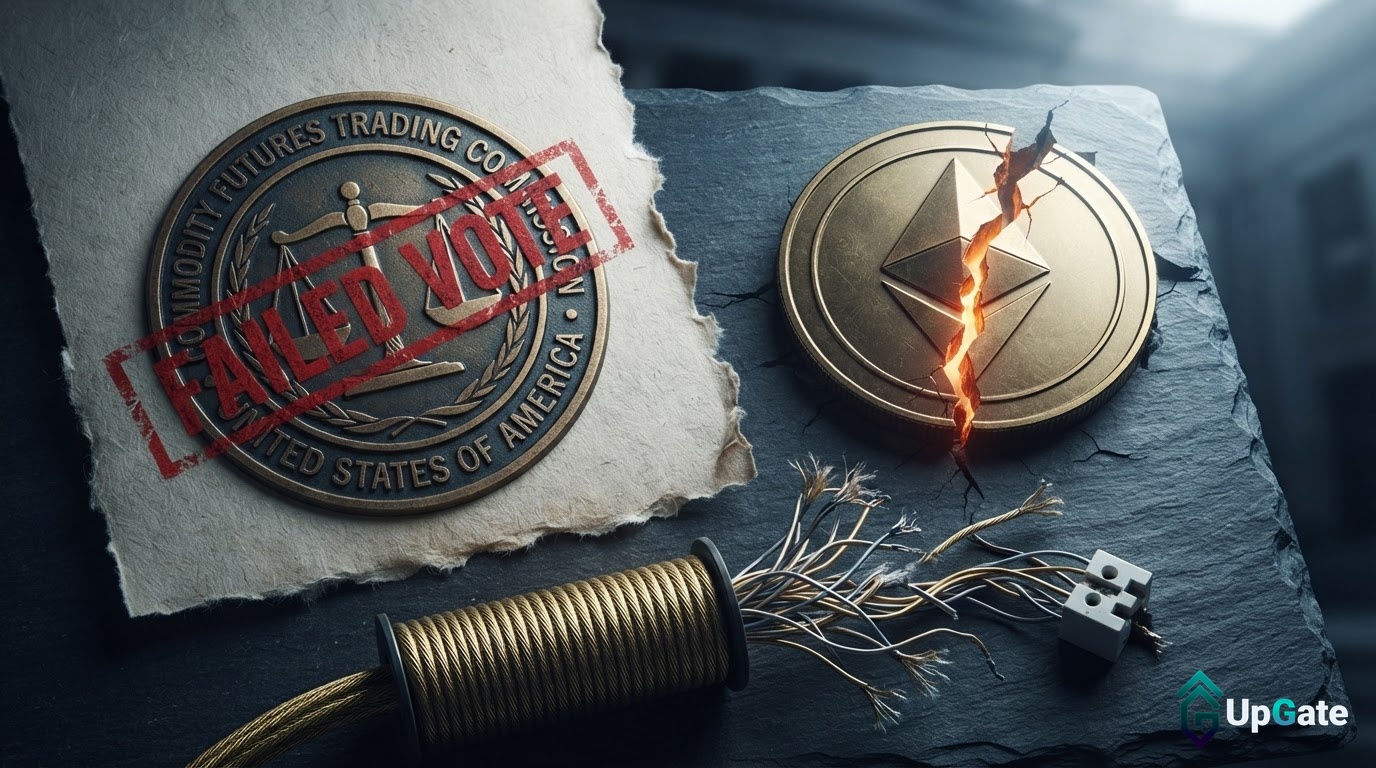
دستورالعملهای کمیسیون معاملات آتی کالا در مورد داراییهای توکنیزه و سوابق بلاکچین بهروز شد
شفافیت نظارتی برای داراییهای رمزارزی در آمریکا
کمیسیون معاملات آتی کالا (CFTC) در ایالات متحده، راهنماییهای خود را در خصوص داراییهای توکنیزه شده و استفاده از فناوری بلاکچین برای ثبت سوابق بهروزرسانی کرده است.
در اطلاعیهای که روز پنجشنبه منتشر شد، CFTC اعلام کرد که اطلاعات مربوط به نهادهای ثبتشده مرتبط با رمزارزها را در بخش پرسشهای متداول خود بهروز کرده است. این راهنمایی که در ابتدا در ماه مارس منتشر شده بود، بهگونهای بهروزرسانی شده است که مشخص میکند شرکتهای مجاز میتوانند وجوه مشتریان را در قالب توکنیزه شده سرمایهگذاری کنند، مشروط بر اینکه «شکل توکنیزه شده دارایی، حقوق قانونی و اقتصادی مشابه یا معادل حقوق دریافتی توسط دارندگان دارایی در شکل سنتی آن را به دارنده اعطا کند». این نهاد نظارتی همچنین افزود که با استفاده شرکتها از ثبت سوابق مبتنی بر بلاکچین تحت قوانین جدید «مخالفت نخواهد کرد».
مایکل سلیگ، رئیس CFTC، اظهار داشت که این تغییرات بخشی از تلاشها برای «فراهم کردن شفافیت نظارتی برای صنعت رمزارز» است. این اقدام چند روز پس از آن صورت گرفت که سنای ایالات متحده نتوانست لایحه شفافیت بازار داراییهای دیجیتال (CLARITY Act) را پیش ببرد؛ لایحهای که انتظار میرفت نقش CFTC و کمیسیون بورس و اوراق بهادار (SEC) را در نظارت بر داراییهای دیجیتال روشن کند.
با شکست رأی مسدودکننده (cloture vote)، بسیاری انتظار دارند که کنگره نتواند تا سال ۲۰۲۷ ساختار بازار رمزارز را تصویب کند و این امر منجر به پیشبرد سیاستهای خود توسط نهادهای نظارتی از طریق فرآیند قانونگذاری خواهد شد. CFTC پیش از این طرحی برای مقرراتگذاری بازار رمزارز را برای بررسی به کاخ سفید ارسال کرده است.
پل اتکینز، رئیس SEC، نیز در سخنانی پیش از رأیگیری CLARITY، با تأکید بر رویکرد مشابه نهاد نظارتی کالا، اعلام کرده بود که این کمیسیون «آماده، مایل و قادر» به پیشنهاد قوانینی در خصوص رمزارزها در غیاب اقدام کنگره است. این نهاد نظارتی در ماه اوت قوانینی را در خصوص «قراردادهای سرمایهگذاری خاص شامل داراییهای رمزارزی» پیشنهاد کرده بود.
-

Aerodrome’s Slipstream V3 Upgrade Introduces Protocol-Native MEV Auction and Dynamic Fees
Aerodrome has upgraded its concentrated liquidity automated market maker (AMM) with Slipstream V3, introducing a protocol-native Miner Extractable Value (MEV) auction and a dynamic fee model. This upgrade aims to capture value previously lost to bots and redistribute it to liquidity providers and sAERO token holders, while also enhancing capital efficiency.
MEV Capture and Redistribution
The core of the Slipstream V3 upgrade is the integration of an internal MEV auction directly into the AMM. This mechanism is designed to capture the value generated from MEV opportunities, such as front-running or sandwich attacks, which traditionally benefits bots operating outside the protocol. According to the protocol’s estimates, the proceeds from this MEV internalization could potentially reach tens of millions. These captured funds are slated to be distributed to liquidity providers and holders of the sAERO token, creating a new income stream that was previously lost to the mempool.Dynamic Fees and Capital Efficiency
Slipstream V3 also features a dynamic fee model that adjusts based on market volatility. This model is intended to provide better compensation for liquidity providers during periods of high market activity, addressing a common complaint about static fee tiers in traditional AMMs. Slipstream claims this approach can achieve capital efficiency up to 4,000x compared to traditional constant-product AMMs in targeted price ranges, though the precise impact of this claim requires further observation.The concentrated liquidity model employed by Slipstream V3 follows the design philosophy pioneered by Uniswap V3, allowing liquidity providers to allocate their capital to specific price ranges for potentially higher returns. This approach contrasts with older AMM models that spread liquidity across the entire price curve.
Strategic Context and Future Plans
Aerodrome currently operates on the Base blockchain, while its sister protocol, Velodrome, is based on Optimism. Both protocols are part of a broader strategy to consolidate under a single AERO token. The upgrade also includes features aimed at institutional compliance, with planned integrations into platforms like Circle’s Arc. Aero Lite has already launched Slipstream pools on Circle’s Arc, which is designed with institutional compliance in mind.This development positions Slipstream V3 as a notable implementation in the DeFi space. While Uniswap V4 introduced hooks that theoretically allow for similar MEV strategies, Slipstream has delivered a production-ready implementation. Other decentralized exchanges like Curve, Balancer, and Trader Joe have their own concentrated liquidity approaches, but none currently internalize MEV at the protocol level in the same manner.
Future plans include a deployment on the Ethereum mainnet in Q2 2026. The full consolidation of Aerodrome and Velodrome under a single AERO token beyond this deployment remains a point of future development.
Key uncertainties surrounding the upgrade include the exact amount of projected revenue from MEV internalization and the precise impact of the 4,000x capital efficiency claim. The timeline for the complete consolidation of Aerodrome and Velodrome also remains to be fully detailed.
Why This Matters
The materials describe a narrow update: Slipstream V3, an upgrade to Aerodrome’s concentrated liquidity AMM, has implemented an internal MEV auction to capture value previously lost to bots and redistribute it to liquidity providers and sAERO token holders. The exact amount of projected revenue from MEV internalization.
Broader Context
Source materials place the factual news in this context: Traditional decentralized exchanges lose substantial value to MEV extraction, where bots front-run or sandwich user trades to profit from predictable price movements.