Author: Admin_Up

  • Sony: Digital Games Aren’t Owned

    Sony: Digital Games Aren’t Owned

    Sony Contends Digital Game Purchases Grant Licenses, Not Ownership

    Sony has informed a federal judge that consumers do not reasonably believe they own the digital games they purchase through the PlayStation Store, according to a filing reviewed by Game File on August 21.

    This submission marks the company’s initial substantive response to a proposed class-action lawsuit filed in June in the Northern District of California by four PlayStation customers. The plaintiffs allege that the store’s “Buy Now” and “Confirm Purchase” buttons create a false impression of ownership, when in reality, the transaction grants only a revocable license.

    The lawsuit’s primary claim is brought under Section 17500.6 of California’s false advertising law, which was enacted by AB 2426 and took effect in January 2025. This statute prohibits sellers from using terms like “buy,” “purchase,” or any other language that a reasonable person would interpret as conferring unrestricted ownership, unless the checkout process includes a clear and conspicuous statement, in plain language, that the purchase of a digital good constitutes a license.

    Sony asserts that its checkout process already fulfills this requirement. Fine print within the shopping cart directs users to the PlayStation Terms of Service and the Software Product License Agreement. The terms of service, in the eighth of 18 sections, explicitly state that customers “do not own the product.” Similarly, the license agreement clarifies that the software is “licensed to you, not sold,” a detail presented several hundred words into the document.

    The filing further argues that the concept of ownership is not something a buyer could plausibly expect in this context. Sony’s legal team pointed to the example of Jason Mendoza purchasing “Resident Evil Requiem” on February 14 and Edward Heycock buying the same game for $69.99 on February 25. The lawyers contended that if Mendoza had truly owned the game, Heycock would not have been able to purchase it, rendering it “not plausible to allege that reasonable consumers believed they were obtaining ‘ownership’” of a digital game.

    Sony’s principal request, as reported by Game File, is for the judge to compel the dispute into private arbitration, citing that PlayStation’s terms of service commit users to settle claims through this method. The arguments regarding ownership would only apply if the judge denies this arbitration request.

    Arbitration serves to eliminate the risk of a jury verdict, and PlayStation’s terms of service include an express class-action waiver that mandates claims be brought individually.

    Sony announced on July 1 that it will cease production of physical discs for new PlayStation games starting in January 2028, leaving the PlayStation Store and digital retailers as the sole avenues for new releases. Sony Group is reportedly also planning a dollar-denominated stablecoin for transactions across its digital ecosystem.

    The judge has not yet issued a ruling on the arbitration request.

  • سونی در دادگاه: بازی‌های دیجیتال قابل تملک نیستند

    سونی در دادگاه: بازی‌های دیجیتال قابل تملک نیستند

    سونی به قاضی فدرال اعلام کرد که هیچ مصرف‌کننده منطقی‌ای باور ندارد که بازی‌های دیجیتالی را که در فروشگاه پلی‌استیشن خریداری می‌کند، مالک می‌شود. این اظهارات در اسناد ارائه شده در تاریخ ۲۱ اوت که توسط گیم‌فایل بررسی شده، آمده است.

    این اقدام، اولین پاسخ رسمی شرکت به یک دعوای جمعی پیشنهادی است که در ماه ژوئن توسط چهار مشتری پلی‌استیشن در منطقه شمالی کالیفرنیا مطرح شد. آن‌ها ادعا می‌کنند که دکمه‌های “خرید اکنون” و “تأیید خرید” در فروشگاه، القاکننده مالکیت هستند، در حالی که تراکنش تنها یک مجوز قابل فسخ را واگذار می‌کند.

    اولین بند این شکایت بر اساس بخش ۱۷۵۰۰.۶ قانون تبلیغات گمراه‌کننده کالیفرنیا تنظیم شده است که با تصویب لایحه AB 2426 در ژانویه ۲۰۲۵ لازم‌الاجرا شد. این قانون فروشندگان را از استفاده از کلماتی مانند “خرید”، “تهیه” یا هر اصطلاحی که یک فرد منطقی آن را به معنای اعطای مالکیت نامحدود تلقی کند، منع می‌کند، مگر اینکه در زمان پرداخت، بیانیه‌ای واضح و برجسته به زبان ساده مبنی بر اینکه خرید کالای دیجیتال به معنای دریافت مجوز است، درج شده باشد.

    سونی مدعی است که فرآیند پرداخت آن از قبل این الزام را رعایت می‌کند. جزئیات ریز در سبد خرید به “شرایط خدمات پلی‌استیشن” و “توافق‌نامه مجوز نرم‌افزار” لینک داده می‌شود. شرایط خدمات به مشتریان می‌گوید که آن‌ها “مالک محصول نیستند” (در بخش هشتم از ۱۸ بخش) و توافق‌نامه مجوز بیان می‌کند که نرم‌افزار “به شما مجوز داده شده است، فروخته نشده است” (چند صد کلمه بعد).

    این پرونده فراتر رفته و استدلال می‌کند که مالکیت چیزی نیست که خریدار بتواند به طور منطقی انتظار آن را داشته باشد. جیسون مندوزا بازی “Resident Evil Requiem” را در ۱۴ فوریه خریداری کرد؛ ادوارد هیکاک نیز همین بازی را به قیمت ۶۹.۹۹ دلار در ۲۵ فوریه خرید. وکلای سونی در بخشی که توسط این نشریه نقل شده، نوشتند که اگر مندوزا مالک بازی بود، هیکاک نمی‌توانست آن را بخرد – که این امر “غیرممکن می‌سازد ادعا شود که مصرف‌کنندگان منطقی باور داشته‌اند که در حال دستیابی به ‘مالکیت’ یک بازی دیجیتال هستند.”

    درخواست اصلی سونی، طبق گزارش گیم‌فایل، این است که قاضی اختلاف را به داوری خصوصی ارجاع دهد، با این استدلال که شرایط خدمات پلی‌استیشن کاربران را ملزم به حل و فصل دعاوی از این طریق می‌کند. استدلال‌های مربوط به مالکیت تنها در صورتی اعمال می‌شوند که قاضی این درخواست را رد کند.

    داوری خطر رأی هیئت منصفه را از بین می‌برد و شرایط خدمات پلی‌استیشن شامل یک بند صریح انصراف از دعوای جمعی است که الزام می‌کند دعاوی به صورت فردی مطرح شوند.

    سونی در تاریخ ۱ ژوئیه اعلام کرد که از ژانویه ۲۰۲۸ تولید دیسک‌های فیزیکی برای بازی‌های جدید پلی‌استیشن را متوقف خواهد کرد و فروشگاه پلی‌استیشن و خرده‌فروشان دیجیتال را تنها مسیر دسترسی به عناوین جدید قرار خواهد داد. گزارش شده است که سونی گروپ در حال برنامه‌ریزی برای ایجاد یک استیبل‌کوین با پشتوانه دلار برای خریدهای سراسر اکوسیستم دیجیتال خود است.

    قاضی هنوز در مورد درخواست داوری حکمی صادر نکرده است.

  • دستاورددهای بزرگ سولانا (SOL): آیا قیمت آماده پرواز است؟

    دستاورددهای بزرگ سولانا (SOL): آیا قیمت آماده پرواز است؟

    سولانا (SOL) بهترین عملکرد را در میان ۱۰ ارز دیجیتال برتر در هفته گذشته داشته است؛ آیا زمان پرواز فرا رسیده است؟

    توکن بومی سولانا همچنان بهترین عملکرد را در میان ۱۰ ارز دیجیتال برتر در مقیاس هفتگی از خود نشان می‌دهد و برخی عوامل حاکی از آن است که ممکن است شاهد یک رالی بسیار قوی‌تر در آینده نزدیک باشیم.

    امیدهای تازه برای سولانا

    علاوه بر این، ماه سپتامبر که از نظر تاریخی ماه بسیار مساعدی برای این دارایی بوده است، امیدهای تازه‌ای را برای سولانا به ارمغان آورده است. در حال حاضر، قیمت هر توکن SOL حدود ۱۰۳ دلار است (طبق داده‌های CoinGecko) که نشان‌دهنده افزایش ۹ درصدی در هفته گذشته است. “اش کریپتو” (Ash Crypto)، کاربر X، اشاره کرد که این دارایی هفته گذشته را در حدود ۱۰۲.۸۰ دلار به پایان رسانده است که بالاترین رقم بسته شدن در هفت ماه گذشته بوده است. این تحلیلگر افزود: “برای دارندگان سولانا، این یک نشانه صعودی است.”

    افزایش تقاضای نهادی

    یکی دیگر از دستاوردهای مهم برای این توکن، افزایش تقاضای نهادی است. داده‌های SoSoValue نشان می‌دهد که صندوق‌های قابل معامله در بورس (ETF) اسپات SOL، ۹ روز متوالی را با روند صعودی پشت سر گذاشته‌اند که طولانی‌ترین روند از ماه مه امسال تاکنون است. نهادهای شناخته شده‌ای که این محصولات مالی را ارائه می‌دهند شامل Bitwise، Fidelity، Grayscale، VanEck، Franklin Templeton و دیگران هستند. محصول Bitwise با نام BSOL، محبوب‌ترین در میان این گروه است و اخیراً از مرز ۱ میلیارد دلار دارایی تحت مدیریت عبور کرده است.

    پیش‌بینی‌های صعودی و نزولی

    فضای مجازی X مملو از پیش‌بینی‌های کاربران در مورد سولانا پس از عملکرد مثبت اخیر قیمت این دارایی است. “کارل هاولی” (Carl Hawley) اخیراً ادعا کرده است که اگر این روند ادامه یابد، ۱۲۰ دلار می‌تواند سطح مهم بعدی برای رصد در هفته‌های آینده باشد. از سوی دیگر، “بلک بول” (The Black Bull) استدلال کرده است که SOL یک توکن ۱۰۰۰ دلاری است که در حال حاضر با قیمت ۱۰۲ دلار معامله می‌شود و از احتمال “پامپ عظیم” در آینده خبر داده است.

    نگاهی به ماه سپتامبر

    نزدیک شدن ماه سپتامبر نشان می‌دهد که این دارایی ممکن است شاهد افزایش بیشتری باشد. این ماه از نظر تاریخی برای این دارایی بسیار سودمند بوده است و قیمت آن در پنج مورد از شش مورد گذشته در ماه سپتامبر با روند صعودی به پایان رسیده است. تنها سپتامبر نزولی در سال ۲۰۲۰ بود که SOL تقریباً ۴۰ درصد سقوط کرد.

    تحلیلگران دیگر، مانند “کریپتو با هریس بی” (Crypto with Harris ₿)، پیش‌بینی‌های نسبتاً بدبینانه‌ای (حداقل در آینده نزدیک) ارائه کرده‌اند. این کاربر X ادعا کرده است که بسته شدن هفته بالاتر از محدوده ۹۸ تا ۱۰۰ دلار (همانطور که اتفاق افتاد) “نشانه بسیار قوی است که حرکت اخیر صرفاً یک پامپ کوتاه‌مدت نیست.” او جهش به ۱۲۰ دلار را پیش‌بینی کرده است که ممکن است با افت به سمت ۸۰ دلار دنبال شود. این تحلیلگر افزود: “یک چیز روشن است: کف قیمت هنوز در راه است.”

  • تحلیل قیمت ریپل: XRP در نقطه تصمیم‌گیری حیاتی، حمایت کلیدی تحت فشار

    تحلیل قیمت ریپل: XRP در نقطه تصمیم‌گیری حیاتی، حمایت کلیدی تحت فشار

    تحلیل قیمت ریپل: XRP به نقطه تصمیم‌گیری حیاتی رسید زیرا حمایت کلیدی تحت فشار قرار گرفت

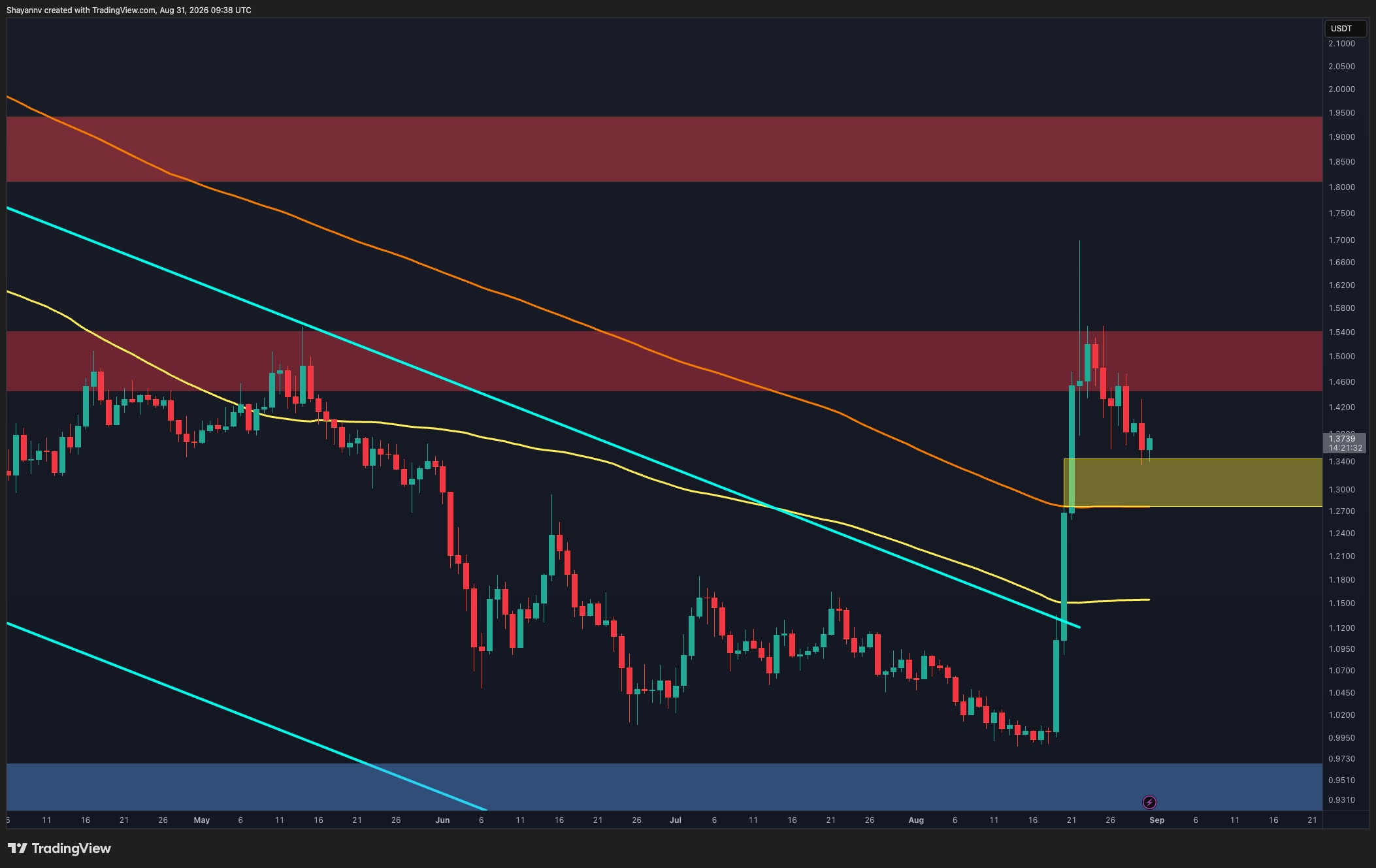
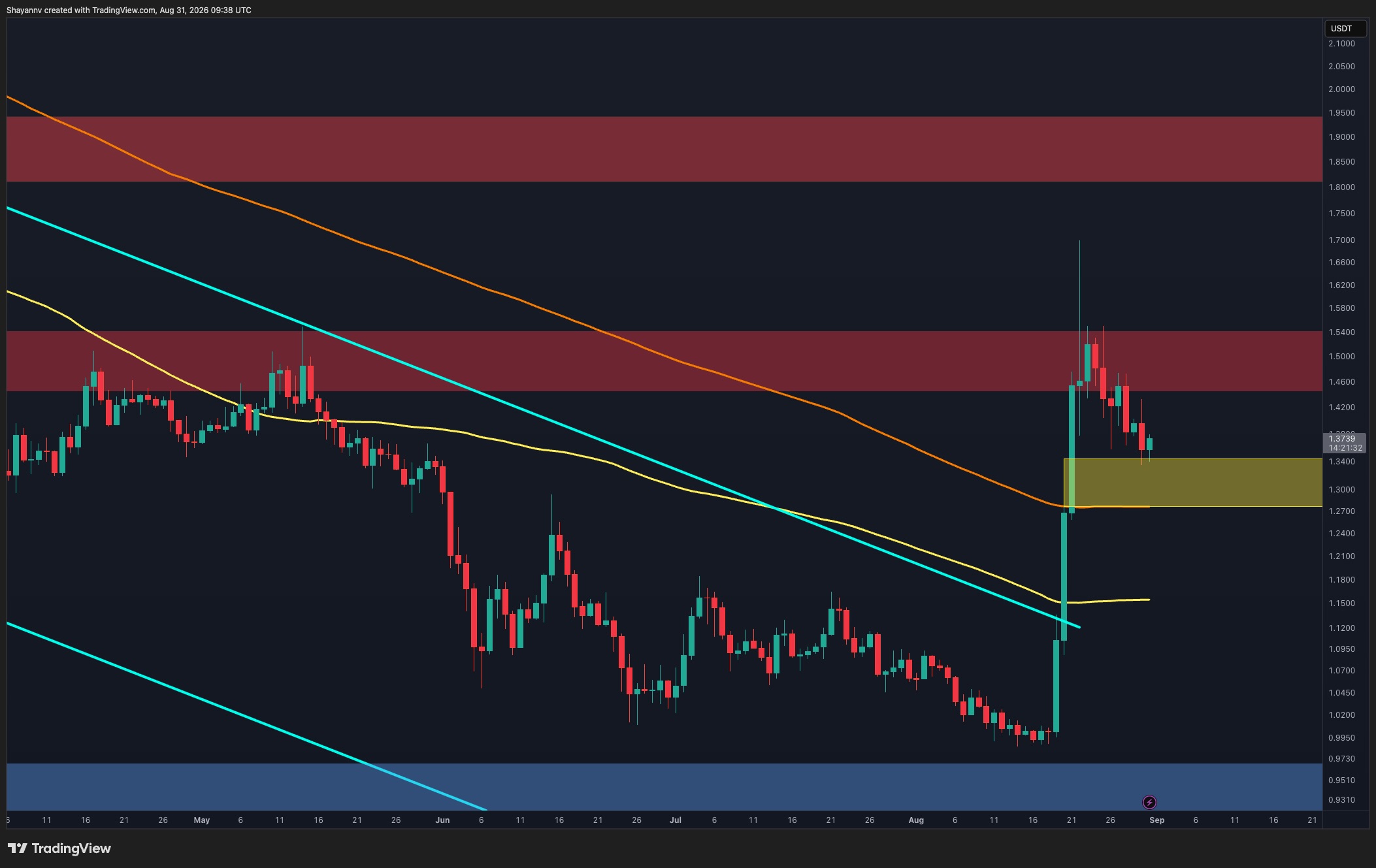
    ارز دیجیتال XRP ریپل در حال گذراندن یک فاز اصلاحی پس از خروج انفجاری از منطقه ۱ دلاری است. در حالی که ساختار کلی به طور قابل توجهی بهبود یافته است، کاهش شتاب در زیر منطقه مقاومت ۱.۴۵ تا ۱.۵۵ دلاری نشان می‌دهد که بازار ممکن است قبل از تلاش مجدد برای یک صعود پایدار، به عقب‌نشینی عمیق‌تر یا تثبیت بیشتر نیاز داشته باشد.

    در تایم فریم روزانه، خروج XRP نشان‌دهنده یک تغییر ساختاری عمده بود، به طوری که قیمت از کانال نزولی طولانی مدت خارج شد و از میان میانگین‌های متحرک عبور کرد. با این حال، این روند صعودی با فشار فروش قابل توجهی در منطقه مقاومت ۱.۴۵ تا ۱.۵۵ دلاری مواجه شد، در حالی که سایه بلند بالایی تا نزدیکی ۱.۷۰ دلار، رد شدن قیمت‌های بالاتر را برجسته می‌کند.

    از آن زمان، این توکن تا حدود ۱.۳۷ دلار عقب‌نشینی کرده است و توالی قله‌های پایین‌تر و کف‌های پایین‌تر پس از این رد شدن، نشان‌دهنده تغییر شتاب کوتاه‌مدت به سمت اصلاحی است.

    اولین حمایت مهم، منطقه ۱.۲۷ تا ۱.۳۴ دلاری است. این منطقه همچنین با میانگین متحرک بالاتر که در نمودار نشان داده شده است، همپوشانی دارد و اهمیت فنی آن را تقویت می‌کند. واکنش موفقیت‌آمیز از این منطقه می‌تواند به XRP اجازه دهد قبل از تلاش مجدد برای منطقه مقاومت ۱.۴۵ تا ۱.۵۵ دلاری، تثبیت شود.

    با این حال، شکست روزانه زیر ۱.۲۷ دلار، ساختار پس از خروج را تضعیف کرده و احتمال یک اصلاح عمیق‌تر را افزایش می‌دهد. در این صورت، میانگین متحرک پایین‌تر در حدود ۱.۱۵ دلار قبل از بازگشت منطقه تقاضای گسترده‌تر ۰.۹۳ تا ۰.۹۷ دلاری، می‌تواند مرتبط شود.

    نمودار ۴ ساعته نشان می‌دهد که XRP پس از روند صعودی اولیه از حدود ۰.۹۹ دلار تا ۱.۷۰ دلار، در حال تثبیت است. رد شدن متعاقب از منطقه عرضه ۱.۴۳ تا ۱.۵۵ دلاری، به تدریج قیمت را به سمت سطح بازگشت فیبوناچی ۰.۵ در ۱.۳۴ دلار بازگردانده است.

    این امر منطقه ۱.۳۳ تا ۱.۳۴ دلاری را به یک نقطه تصمیم‌گیری مهم کوتاه‌مدت تبدیل می‌کند. این دارایی قبلاً این سطح را آزمایش کرده و واکنش متوسطی نشان داده است، اما خریداران هنوز نتوانسته‌اند یک بهبود قانع‌کننده ایجاد کنند. حفظ قیمت بالای این سطح می‌تواند منجر به ادامه تثبیت جانبی و احتمالاً تلاش مجدد برای منطقه مقاومت ۱.۴۳ تا ۱.۵۵ دلاری شود.

    با این حال، اگر سطح ۱.۳۴ دلار از دست برود، اصلاح می‌تواند به سمت سطوح فیبوناچی بعدی گسترش یابد. سطح بازگشت ۰.۶۱۸ در ۱.۲۶ دلار در منطقه اولیه عقب‌نشینی قابل توجه قرار دارد، در حالی که سطح ۰.۷۰۲ در نزدیکی ۱.۲۰ دلار، مرجع حمایتی دیگری را فراهم می‌کند. یک اصلاح قابل توجه‌تر، سطح بازگشت ۰.۷۸۶ در ۱.۱۴ دلار و منطقه حمایتی گسترده‌تر ۱.۰۹ تا ۱.۱۴ دلار را به کانون توجه می‌آورد.

    در حال حاضر، ساختار کوتاه‌مدت در زیر منطقه ۱.۴۳ تا ۱.۵۵ دلاری اصلاحی باقی مانده است. برای تغییر قاطعانه شتاب به سمت گاوها و باز کردن مجدد امکان چالش کشیدن اوج ۱.۷۰ دلاری، نیاز به بازپس‌گیری پایدار این منطقه مقاومتی است.

  • XRP at Crossroads as Support Falters

    XRP at Crossroads as Support Falters

    Ripple’s XRP is currently in a corrective phase following its significant surge past the $1 mark. While the cryptocurrency’s broader market structure has seen considerable improvement, a waning momentum below the $1.45-$1.55 resistance zone suggests that a deeper pullback or extended consolidation may be necessary before XRP can mount another sustained advance.

    On the daily chart, XRP’s breakout signaled a substantial structural shift, as the price exited a prolonged descending channel and decisively moved above key moving averages. However, the rally encountered significant selling pressure within the $1.45-$1.55 resistance area. The long upper wick reaching towards $1.70 further underscores the rejection of higher price levels.

    Since then, XRP has retreated to approximately $1.37. The subsequent pattern of lower highs and lower lows indicates that short-term momentum has turned corrective.

    The initial significant support level is identified as the $1.27-$1.34 zone. This area also coincides with the higher moving average on the chart, enhancing its technical importance. A positive reaction from this region could enable XRP to stabilize before attempting to challenge the $1.45-$1.55 resistance zone once more.

    Conversely, a daily close below $1.27 would undermine the post-breakout structure and increase the likelihood of a more pronounced correction. In such a scenario, the lower moving average, situated around $1.15, could become a relevant price point, preceding the broader demand zone between $0.93 and $0.97.

    Technical Outlook on Shorter Timeframes

    Examining the 4-hour chart reveals XRP consolidating after its initial ascent from around $0.99 to $1.70. The subsequent rejection from the $1.43-$1.55 supply zone has gradually pushed the price back towards the 0.5 Fibonacci retracement level, which sits at $1.34.

    This positions the $1.33-$1.34 area as a critical near-term decision point. XRP has already tested this level, eliciting a modest response, but buyers have yet to engineer a convincing recovery. Maintaining a position above this level could lead to continued sideways trading and potentially another attempt at the $1.43-$1.55 resistance.

    However, if the $1.34 level fails to hold, the correction could extend towards subsequent Fibonacci retracement levels. The 0.618 retracement at $1.26 falls within the first notable pullback zone, while the 0.702 level near $1.20 offers another support reference. A more substantial correction would bring the 0.786 retracement at $1.14 and the broader $1.09-$1.14 support zone into focus.

    For the time being, the short-term structure remains corrective below the $1.43-$1.55 resistance. A sustained reclaim of this zone would be essential to decisively shift momentum back in favor of the bulls and re-open the possibility of challenging the $1.70 high.

  • Ripple’s 4-Stage Quantum Security Plan: XRP’s Future Impact?

    Ripple’s 4-Stage Quantum Security Plan: XRP’s Future Impact?

    Ripple’s Quantum Security Roadmap Could Redefine Network Risk Pricing

    Ripple has unveiled a comprehensive four-stage post-quantum roadmap for the XRP Ledger (XRPL), a plan that could significantly alter how the market assesses long-term network risk. A key detail within the phasing schedule is particularly noteworthy for traders.

    Quantum-Proofing the XRP Ledger

    Ripple is proactively preparing the XRPL for the advent of “Q-Day,” the theoretical point at which quantum computers could compromise current cryptographic security protecting digital assets. The company’s plan outlines a migration strategy that begins with an emergency “Q-Day” recovery protocol and culminates in a targeted mainnet code amendment by 2028.

    The initial phase allows users to transition to quantum-safe accounts without compromising their existing private keys. The second phase, scheduled for the first half of 2026 on AlphaNet, will involve testing algorithms recommended by the National Institute of Standards and Technology (NIST), specifically ML-DSA. The XRPL’s built-in key-rotation functionality provides a structural advantage that many older blockchain networks lack.

    While Shor’s algorithm-capable quantum computers remain theoretical, markets often price in future narratives long before immediate threats materialize. XRP holders are likely to see the narrative of being the “first major Layer 1 with a formal quantum timeline” gain traction over the next two years.

    XRP’s Market Position

    XRP has experienced a pullback from its August highs, currently consolidating within the $1.34 to $1.40 range. The 7-day chart shows a decline of nearly 10%, although the monthly performance remains positive.

    Trading volume has diminished in tandem with price compression, a common indicator that the market is awaiting a catalyst rather than committing to a specific direction. Recent analysis suggests that for bulls to reclaim the $1.40 resistance level, volume confirmation, not just headline momentum, will be crucial.

    Shorter-Term Opportunities

    Despite the bullish implications of Ripple’s quantum security news on paper, the 2028 implementation timeline offers little immediate benefit for traders focused on weekly charts. Holders who have realized gains from August are now facing a market that appears to be prioritizing patience over immediate returns.

    This market dynamic often prompts capital to seek opportunities with shorter investment horizons. Support-testing scenarios like these can drive traders toward earlier-stage projects where significant upside potential is not yet fully priced into a multi-billion-dollar market capitalization.

    Maxi Doge Emerges as an Alternative

    In this environment, Maxi Doge ($MAXI), an Ethereum-based meme token, is positioning itself as an alternative. Built around a mascot and an ethos of consistent effort, the project combines gym-bro humor with a trading community focus.

    The presale has reportedly raised $4.8 million, with the token currently priced at $0.0002836. Early buyers can benefit from a 65% APY staking reward. Notable features include exclusive trading competitions for holders with leaderboard prizes and a Maxi Fund designated for liquidity and strategic partnerships. Investors are encouraged to research Maxi Doge via its official presale page before the presale concludes.

  • ریپل از طرح امنیتی کوانتومی ۴ مرحله‌ای رونمایی کرد: آیا XRP سود خواهد برد؟

    ریپل از طرح امنیتی کوانتومی ۴ مرحله‌ای رونمایی کرد: آیا XRP سود خواهد برد؟

    ریپل با نقشه راه امنیت کوانتومی خود، بازار را با چیزی فراتر از یک نمودار روزانه مواجه کرده است. این نقشه راه می‌تواند نحوه قیمت‌گذاری ریسک‌های بلندمدت شبکه را در بازار دگرگون کند و جزئیاتی در برنامه زمان‌بندی آن وجود دارد که معامله‌گران نباید از آن غافل شوند.

    نقشه راه چهار مرحله‌ای ریپل برای امنیت کوانتومی XRPL

    ریپل یک نقشه راه چهار مرحله‌ای پس از کوانتوم برای XRPL ترسیم کرده است که از یک برنامه اضطراری بازیابی “روز کوانتومی” (Q-Day) تا اصلاح هدفمند کد اصلی شبکه تا سال ۲۰۲۸ را شامل می‌شود. مرحله اول به کاربران امکان می‌دهد تا بدون افشای کلیدهای فعلی، به حساب‌های امن در برابر کوانتوم مهاجرت کنند. مرحله دوم، الگوریتم‌های ML-DSA توصیه شده توسط NIST را در نیمه اول سال ۲۰۲۶ در AlphaNet آزمایش خواهد کرد. ویژگی موجود چرخش کلید در XRPL به آن یک مزیت ساختاری می‌دهد که اکثر بلاکچین‌های قدیمی فاقد آن هستند.

    جدید: ریپل در حال مقاوم‌سازی XRP Ledger در برابر کوانتوم پیش از فرا رسیدن “روز کوانتومی” است. ریپل خود را برای لحظه‌ای که کامپیوترهای کوانتومی بتوانند رمزنگاری محافظت‌کننده کیف پول‌ها را بشکنند، که محققان آن را روز کوانتومی می‌نامند، آماده می‌کند. این شرکت یک مهاجرت چهار مرحله‌ای را ترسیم کرده است…

    هیچ‌کدام از این موارد رمزنگاری فعلی XRP را تغییر نمی‌دهد. کامپیوترهای کوانتومی با قابلیت الگوریتم شور (Shor’s algorithm) همچنان نظری هستند. اما بازارها روایت‌ها را مدت‌ها قبل از قیمت‌گذاری تهدیدها، قیمت‌گذاری می‌کنند و “اولین بلاکچین لایه ۱ بزرگ با جدول زمانی رسمی کوانتومی” روایتی است که دارندگان XRP در دو سال آینده بارها آن را خواهند شنید.

    وضعیت فعلی XRP و انتظارات بازار

    کاهش قیمت XRP از اوج‌های ماه اوت، آن را در محدوده ۱.۳۴ تا ۱.۴۰ دلار تثبیت کرده است، به طوری که نمودار ۷ روزه آن نزدیک به ۱۰ درصد کاهش یافته است، حتی در حالی که آمار ماهانه مثبت باقی مانده است.

    حجم معاملات همراه با فشرده شدن قیمت کاهش یافته است، که معمولاً نشانه‌ای از انتظار بازار برای یک کاتالیزور است تا تعهد به یک جهت مشخص.

    تحلیل‌های اخیر در مورد کف قیمت ۱.۴۰ دلار نشان می‌دهد که گاوها برای بازپس‌گیری این سطح به تأیید حجم معاملات نیاز دارند، نه صرفاً به شتاب اخبار.

    ورود به دنیای میم‌کوین‌ها: Maxi Doge

    اخبار ساختاری XRP از نظر تئوری صعودی است، اما جدول زمانی اجرای سال ۲۰۲۸ برای کسانی که نمودارهای هفتگی را معامله می‌کنند، کمکی نمی‌کند. دارندگانی که در حال حاضر از سود ماه اوت بهره‌مند هستند، با بازاری روبرو هستند که صبر را بر پاداش ترجیح می‌دهد.

    این نوع شرایطی است که سرمایه را به سمت دارایی‌هایی با افق‌های زمانی کوتاه‌تر سوق می‌دهد. پویایی‌های تست حمایت معمولاً معامله‌گران را به سمت پروژه‌های در مراحل اولیه سوق می‌دهد که در آن‌ها پتانسیل سود قبلاً در ارزش بازار چند میلیارد دلاری گنجانده نشده است.

    این همان مسیری است که Maxi Doge ($MAXI) در آن حرکت می‌کند. این یک توکن میم مبتنی بر اتریوم است که حول محور یک شخصیت ۲۴۰ پوندی وسواسی با اهرم و شعار “هرگز تمرین پا را از دست نده، هرگز پمپاژ را از دست نده” ساخته شده است. طنزی با تم باشگاه بدنسازی که حول زاویه جامعه معاملاتی پیچیده شده است.

    پیش‌فروش ۴.۸ میلیون دلار با قیمت فعلی ۰.۰۰۰۲۸۳۶ دلار جمع‌آوری کرده است، و با سود سالانه ۶۵ درصد APY برای خریداران اولیه. ویژگی‌های برجسته شامل مسابقات معاملاتی فقط برای دارندگان با جوایز در جدول امتیازات و خزانه Maxi Fund است که برای نقدینگی و مشارکت‌ها در نظر گرفته شده است.

    قبل از پایان پیش‌فروش، Maxi Doge را از طریق صفحه رسمی پیش‌فروش تحقیق کنید.

  • کره جنوبی: دسترسی رایگان هوش مصنوعی با توکن نامحدود برای همه شهروندان

    کره جنوبی: دسترسی رایگان هوش مصنوعی با توکن نامحدود برای همه شهروندان

    کره جنوبی قصد دارد دسترسی رایگان شهروندان خود به هوش مصنوعی مولد را فراهم کند؛ اقدامی که به گزارش وال استریت ژورنال، نخستین تلاش یک دولت ملی برای تلقی دسترسی به مدل‌های هوش مصنوعی به عنوان یک خدمت عمومی محسوب می‌شود.

    ابزارهای هوش مصنوعی در خدمت شهروندان

    این ابزارها در سیستم‌های دولتی ادغام خواهند شد و وال استریت ژورنال نمونه‌هایی از کاربردهای بالقوه آن را ذکر کرده است، از جمله رزرو نوبت پزشک، کمک به یافتن آپارتمان یا دریافت مشاوره مالیاتی. کسب‌وکارهای کوچک نیز قادر خواهند بود مالیات خود را محاسبه کرده و واجد شرایط بودن برای طرح‌های حمایتی دولتی را بررسی کنند، و والدین نیز مواد آموزشی پیشنهادی برای فرزندان خود دریافت خواهند کرد.

    انتخاب کنسرسیوم‌های فناوری

    سئول روز جمعه سه کنسرسیوم فناوری را برای ارائه این خدمات معرفی کرد. در میان این کنسرسیوم‌ها، دو اپراتور بزرگ مخابراتی کشور و شرکتی که پشت پلتفرم پیام‌رسان Kakao قرار دارد؛ اپلیکیشنی که به عنوان یک برنامه همه‌منظوره در زندگی کره‌ای‌ها عمل می‌کند. هر یک از این گروه‌ها یک اپلیکیشن اختصاصی راه‌اندازی کرده و هوش مصنوعی را در محصولاتی که مردم در حال حاضر استفاده می‌کنند، ادغام خواهند کرد. استفاده از این ابزارها نامحدود خواهد بود و هیچ محدودیتی از نظر توکن وجود نخواهد داشت.

    حمایت دولتی و زمان‌بندی

    دولت تا سقف ۵۱۲ تراشه پیشرفته B200 انویدیا را بین این سه گروه تقسیم خواهد کرد و در هزینه‌های جاری مشارکت خواهد نمود. وزارت علوم و فناوری اطلاعات و ارتباطات هنوز هزینه‌های این برنامه را اعلام نکرده است. آزمایش‌های بتا در ماه سپتامبر آغاز شده و عرضه کامل آن در اواخر سال جاری میلادی صورت خواهد گرفت.

    هدف استقلال از فناوری خارجی

    هدف از این طرح، هدایت شهروندان کره‌جنوبی به سمت عدم وابستگی به سیستم‌های ساخته شده در ایالات متحده یا چین است؛ امری که دولت‌های دیگر نیز از زاویه‌ای متفاوت به دنبال آن بوده‌اند.

    مقایسه با سایر کشورها

    کمیسیون اروپا در فوریه ۲۰۲۵ برنامه InvestAI را برای بسیج ۲۳۲ میلیارد دلار (۲۰۰ میلیارد یورو) در سراسر اتحادیه اروپا راه‌اندازی کرد که شامل ۲۳ میلیارد دلار (۲۰ میلیارد یورو) برای سایت‌های محاسباتی عظیم با هدف کاهش وابستگی اروپا به ارائه‌دهندگان خارج از اتحادیه اروپا بود. هند نیز در مارس ۲۰۲۴ با حدود ۱.۲۵ میلیارد دلار، ماموریت IndiaAI را تصویب کرد و از آن زمان تاکنون ده‌ها هزار پردازنده گرافیکی یارانه‌ای را در دسترس استارتاپ‌ها و محققان قرار داده و از ۲۰ پروژه مدل بومی حمایت مالی کرده است. همه این کشورها در تلاش برای ساخت زیرساخت‌های لازم هستند، در حالی که سئول محصول نهایی را به دست شهروندان می‌رساند.

    وضعیت فعلی استفاده از هوش مصنوعی در کره جنوبی

    حدود دو سوم کره‌ای‌ها هوش مصنوعی را امتحان کرده‌اند و تقریباً ۲۳ میلیون نفر به طور منظم از ابزارهای مولد استفاده می‌کنند، اما بیشتر آنها از سطوح رایگان خارجی بهره می‌برند. بر اساس آمارهای موجود در اسناد مناقصه وزارتخانه، ChatGPT در ماه آوریل ۲۳.۴۵ میلیون کاربر کره‌ای، در مقابل ۸.۴۵ میلیون کاربر برای Gemini و ۲.۴۱ میلیون کاربر برای Claude داشته است. تنها حدود ۱.۸ میلیون نفر در این کشور برای استفاده از این خدمات هزینه پرداخت می‌کنند.

    قوانین جدید برای اولویت‌دهی به مدل‌های داخلی

    قوانین به گونه‌ای تدوین شده‌اند که این وضعیت را تغییر دهند. اپراتورها باید حداقل نیمی از تمام درخواست‌ها را از طریق مدل پایه کره‌ای تایید شده خود و ۳۰ درصد دیگر را از طریق مدل‌های ساخته شده توسط سایر شرکت‌های کره‌ای هدایت کنند، که این امر حداقل ۸۰ درصد را به محصولات داخلی اختصاص می‌دهد. مدل‌های خارجی تنها در صورتی مجاز خواهند بود که وزارتخانه آنها را ضروری بداند و استفاده از آنها مشمول یارانه نخواهد شد. دولت هیچ هدف مشخصی برای میزان پذیرش این طرح تعیین نکرده است.

    افزایش بودجه هوش مصنوعی

    دولت رئیس جمهور لی جه میونگ، حدود ۷.۲ میلیارد دلار (۱۰ تریلیون وون) را برای هزینه‌های هوش مصنوعی در سال ۲۰۲۶ اختصاص داده است که سه برابر تعهد سال قبل از آن است.

  • Polygon Crypto Deploys Austin and Kyoto Hard Forks to Bolster Network Security

    Polygon Crypto Deploys Austin and Kyoto Hard Forks to Bolster Network Security

    Polygon Crypto has implemented two coordinated hard forks, named Austin and Kyoto, to address critical security vulnerabilities in its Bor and Heimdall clients. These upgrades, designed to mitigate denial-of-service, resource-exhaustion, and consensus-hardening risks, were deployed privately and validated on the Amoy testnet before being activated on the mainnet, according to a Polygon forum post published August 27.

    The Austin hard fork, integrated into Bor client version v2.10.0, resolved two denial-of-service vectors. Firstly, it introduced an explicit per-block gas bound for state-sync events, which previously lacked metering and could potentially cause temporary chain stalls. Secondly, Austin removed Bor’s TxDependency wire field, an unbounded hint for parallel execution that posed a risk of crashing block-processing peers.

    Concurrently, the Kyoto hard fork, applied to Heimdall client version v0.11.0, targeted consensus-edge-case risks. Its primary focus was on deeply nested google.protobuf.Any fields within Heimdall transactions. To prevent potential exploitation where a single transaction could impose disproportionately high decode work on all validators, Kyoto now enforces a byte-level pre-scan for these fields at both mempool admission and on the consensus path.

    Kyoto also incorporated several smaller hardening fixes, including a cap on fee-coin counts and normalized checkpoint signature recovery bytes, contributing to overall protocol resilience. These layered validation hardening measures align with broader industry efforts to secure transaction-processing edge cases.

    Both hard forks were activated on the Amoy testnet and Polygon PoS mainnet prior to the public disclosure. Austin activated at Amoy block 44,120,000 and mainnet block 91,949,700, while Kyoto activated at Amoy height 42,252,000 and mainnet height 51,533,000.

    Participation in these upgrades is mandatory for network integrity. Bor v2.10.0 is required for all nodes, and Heimdall v0.11.0 is mandatory for all validators and full nodes. These are plain binary upgrades, meaning operators already running current versions do not require state migration or genesis changes. However, nodes operating on pre-fork binaries past the activation heights have diverged from canonical consensus and must upgrade and roll back to resync.

    Polygon Crypto clarified that the vulnerabilities addressed were primarily resource-exhaustion and consensus-edge-case risks, rather than fundamental correctness failures. Crucially, no mainnet disruption or exploitation was observed in connection with these issues. The network’s security management approach involved fixing the issues, confirming fleet safety, and then disclosing the details.

    This proactive and private deployment of critical security patches by Polygon Crypto underscores a commitment to maintaining network integrity and stability, effectively mitigating potential risks before they could impact the network.

    Why This Matters

    The materials describe a narrow update: Polygon Crypto implemented two coordinated hard forks, Austin (Bor v2. The exact nature and severity of potential exploits if the vulnerabilities had not been patched.

    Broader Context

    Source materials place the factual news in this context: Polygon Crypto deployed two coordinated hard forks , Austin on Bor v2.10.0 and Kyoto on Heimdall v0.11.0, to close denial-of-service, resource-exhaustion and consensus-hardening risks across its Polygon PoS client stack.

  • Cardano Integration Enhances Supply Chain Verification on Blockforce Platform

    Cardano Integration Enhances Supply Chain Verification on Blockforce Platform

    Cardano’s ADA blockchain has been integrated as the public proof layer in Blockforce’s supply-chain traceability platform, enabling independent verification of records. This integration allows for the anchoring of cryptographic proofs of supply-chain data onto the Cardano blockchain, while sensitive commercial details remain on a permissioned network, specifically Hyperledger Fabric.

    The dual-ledger approach ensures that while the integrity of supply-chain records can be independently verified by auditors, regulators, or customers, the underlying commercial data is not exposed. This addresses a key challenge in supply chain management: the need for transparency and verifiability without compromising business confidentiality.

    More than 500,000 supply-chain records have already been anchored using this model. Joint engineering efforts between Cardano and Blockforce have resulted in a significant cost reduction, with the cost per record for public verification cut by 92%. This substantial reduction is critical for making large-scale public verification economically viable for enterprises.

    Guilherme Pereira, from the Cardano Foundation, framed this integration as a milestone in fitting blockchain technology naturally into enterprise infrastructure, delivering the verifiability, traceability, and scale that companies require. Suelen Joner highlighted the importance of a public network for maintaining the integrity of supply chain records over their full lifecycle, especially when records are questioned years after they are written.

    The Blockforce platform utilizes Hyperledger Fabric for managing detailed records on a permissioned network, accessible only to involved parties. Only the cryptographic proofs of these records are then anchored to the Cardano blockchain. This architecture is detailed in a case study by the Cardano Foundation.

    While the announcement highlights the capability for auditors and regulators to independently verify record integrity, it does not certify compliance with any specific regulatory regime. Broader references to EU sourcing rules circulating in trade coverage should be considered market context rather than direct claims made by the Cardano Foundation or Blockforce.

    The system is already in use with some of Brazil’s largest fashion groups. Azzas 2154, for instance, aims to trace 100% of the leather across its brands by 2030, utilizing this dual-ledger structure. The solution is designed to work with existing data suppliers produce, turning it into a single auditable record without requiring new systems from them.

    Expansion of this model is planned for other sectors, including automotive, agribusiness, pharmaceuticals, and cosmetics, all leveraging the same dual-ledger structure for enhanced traceability and verification.

    Why This Matters

    The materials describe a narrow update: Cardano’s ADA blockchain has been integrated as the public proof layer within Blockforce’s supply-chain traceability platform. The specific regulatory regimes for which this model provides verification capability are not named.