Author: Admin_Up

  • Italian Bank Slashes Bitcoin Holdings, Boosts Staked Ether

    Italian Bank Slashes Bitcoin Holdings, Boosts Staked Ether

    Italy’s Largest Bank Slashes Bitcoin Trust Holdings, Boosts Ethereum

    Italy’s largest banking group, Intesa Sanpaolo, significantly reduced its reported exposure to BlackRock’s iShares Bitcoin Trust (IBIT) in the second quarter. Concurrently, the bank more than tripled its holdings in staked Ether (ETH).

    According to its latest Form 13F filing, Intesa Sanpaolo held 40,723 IBIT shares as of June 30, a substantial decrease of 93.7% from the 646,809 shares reported on March 31. The filing also revealed a dramatic shift in its reported call position in the fund. The underlying share amount linked to its held-call row plummeted from 2,496,500 shares to 18,000, representing a decline of over 99%.

    In parallel, a new put position equivalent to 500,000 IBIT shares emerged in the June 30 disclosure. However, the reported figures do not indicate that the bank has adopted a net bearish strategy on Bitcoin.

    Meanwhile, Intesa Sanpaolo’s holdings in the iShares Staked Ethereum Trust ETF increased from 116,200 shares to 349,600. Conversely, its position in the Bitwise Solana Staking ETF saw a sharp drop, falling from 2,817 shares to just seven.

    This latest filing follows Intesa Sanpaolo’s initial direct Bitcoin purchase in January 2025, when it acquired 11 BTC for approximately $1.03 million. In July 2024, the bank also utilized the Polygon network to underwrite Italy’s first on-chain digital bond, valued at $25.6 million. Later that year, it established a dedicated desk to offer options, futures, and spot ETFs linked to digital assets.

    The bank’s strategic adjustment is noteworthy, as some BlackRock clients have recently mirrored this trend. For instance, reports indicate that customers of the asset management giant sold approximately $60 million worth of IBIT last week, while simultaneously purchasing over $20 million worth of BlackRock’s ETHA spot Ethereum ETF.

    While Intesa Sanpaolo scaled back its IBIT position, the broader U.S. spot Bitcoin ETF market has experienced a different trajectory. These funds recorded a record monthly net outflow of about $4.5 billion in June. This trend reversed in July, with the funds attracting $172.4 million, marking a turnaround after two consecutive months of significant withdrawals. This influx contributed to Bitcoin’s price recovery towards $64,000 mid-month.

    This positive sentiment appears to have persisted into August, as the ETFs have attracted an additional $170 million so far. BlackRock’s IBIT continues to lead the market, having garnered nearly $61 billion in total inflows since its inception.


  • XRP Navigates Critical $1.06 Level Amid Divergent Analyst Views

    XRP Navigates Critical $1.06 Level Amid Divergent Analyst Views

    XRP’s price is currently trading near the $1.06 level, a zone of significant attention for market analysts who hold differing views on its potential impact on future price movements. Over the past month, XRP has experienced a 5% decline, settling at approximately $1.07, just above this crucial area.

    Analysts are closely monitoring the $1.06 level, with some suggesting it could influence the next significant price action. According to Ali Martinez, holding this level could potentially lead to a rally towards $1.35 and possibly $1.64. Conversely, Martinez suggests that a failure to maintain support at $1.06 might result in a slump, with a potential target as low as $0.62.

    Further technical analysis from ChartNerd indicates that while XRP has found support at $1.06, substantial resistance remains in the $1.08-$1.23 range. ChartNerd also noted the loss of prior ascending support, identifying $1.16 as a key obstacle ahead of the moving averages (EMAs). This analyst suggests that downward pressure may persist, and XRP could potentially move below $1 in the near future, a scenario they described as a potential buying opportunity.

    EGRAG CRYPTO offers a perspective that XRP has lost the 50-day moving average (MA) and is approaching the 100-day exponential moving average (EMA), a zone historically recognized for providing strong long-term support. EGRAG CRYPTO suggests a potential retest of the $1-$0.95 range as a healthy correction while holding the 100 EMA. The downside target is placed at $0.80 as maximum downside if XRP falls to the lower boundary of a long-term channel.

    Despite these short-term considerations, EGRAG CRYPTO maintains that long-term price targets of $15, $27, and $50+ remain viable. However, reaching a $15 price point would necessitate XRP’s market capitalization to skyrocket to nearly $1 trillion, a scenario that remains highly speculative.

    In contrast, JAVON MARKS presents a more immediate bullish outlook, claiming that XRP has demonstrated a clear notable move of a key resistance trend. Marks suggests that this notable move could lead to the price moving beyond $3.50.

    The current market structure and the varying interpretations highlight the uncertainty surrounding XRP’s immediate trajectory. While some analysts focus on the immediate support and resistance levels around $1.06, others maintain optimistic long-term price expectations. The coming months are anticipated by some to set the stage for significant market repricing, though the direction and magnitude remain subjects of ongoing analysis and speculation.

    Why This Matters

    The materials describe a narrow update: XRP’s price has recently declined by 5% over the past month, settling just above the $1. Whether XRP will hold the $1.06 level.

    Broader Context

    Source materials place the market analysis in this context: Ripple’s cross-border token has plunged by 5% over the past month to the current $1.07.

  • نبرد برای ۱.۰۶ دلار آغاز شد: مهم‌ترین سطح ریپل

    نبرد برای ۱.۰۶ دلار آغاز شد: مهم‌ترین سطح ریپل

    ارزش توکن ریپل در معاملات فرامرزی طی ماه گذشته ۵ درصد کاهش یافته و به ۱.۰۷ دلار رسیده است. این رقم اندکی بالاتر از سطح حیاتی ۱.۰۶ دلار است که به گفته برخی تحلیلگران، می‌تواند آغازگر شکست قاطع بعدی باشد.

    نبرد بر سر ۱.۰۶ دلار

    علی مارتینز معتقد است که “همه چیز به ۱.۰۶ دلار برای XRP بستگی دارد.” از دیدگاه او، حفظ این سطح می‌تواند راه را برای صعود به ۱.۳۵ دلار و حتی ۱.۶۴ دلار هموار کند، در حالی که از دست دادن آن ممکن است منجر به سقوط احتمالی تا ۰.۶۲ دلار شود.

    کاربر X با نام ChartNerd نیز بر اهمیت این سطح تأکید کرده است. این تحلیلگر خاطرنشان کرد که XRP در سطح ۱.۰۶ دلار حمایت پیدا کرده است، اما ادعا کرد که مقاومت سنگینی در بالای محدوده ۱.۰۸ تا ۱.۲۳ دلار باقی مانده و “حمایت صعودی قبلی از دست رفته است.” وی افزود: “۱.۱۶ دلار همچنان مانع اصلی پیش روی میانگین‌های نمایی (EMAs) است. فشار نزولی تا زمانی که خلاف آن ثابت شود، ادامه خواهد داشت.”

    اندکی بعد، ChartNerd به چشم‌انداز نزولی XRP در میان دوران چالش‌برانگیز اشاره کرد. او پیشنهاد داد که این دارایی ممکن است در آینده نزدیک حتی به زیر ۱ دلار سقوط کند و با توجه به ساختار بازار، “کاملاً غافلگیرکننده نخواهد بود.” در عین حال، این تحلیلگر چنین روند نزولی احتمالی را “یک فرصت طلایی دیگر در پوشش مبدل” توصیف کرد. وی افزود: “چند ماه آینده صحنه را برای قیمت‌گذاری مجدد بعدی بازار آماده می‌کند. شاید بزرگترین قیمت‌گذاری مجدد تاکنون.”

    پیش‌بینی‌های متفاوت

    EGRAG CRYPTO و JAVON MARKS نیز نظرات خود را ارائه دادند. EGRAG CRYPTO معتقد است که XRP میانگین متحرک ۵۰ روزه (50 MA) را از دست داده و در حال نزدیک شدن به میانگین نمایی ۱۰۰ روزه (100 EMA) است، سطحی که از نظر تاریخی حمایت قوی بلندمدت را فراهم کرده است. این تحلیلگر، بازگشت احتمالی به محدوده ۱ تا ۰.۹۵ دلار را “یک تست مجدد کلان سالم در حالی که ۱۰۰ EMA حفظ می‌شود” نامید. او ۰.۸۰ دلار را “حداکثر افت” در صورت سقوط XRP به مرز پایینی کانال بلندمدت تعیین کرد، اما گفت که اهداف ۱۵، ۲۷ و ۵۰+ دلاری با گذشت زمان کاهش نمی‌یابند و حتی افزایش می‌یابند.

    در حال حاضر، تصور انفجار حتی تا ۱۵ دلار دشوار است، زیرا این امر مستلزم آن است که ارزش بازار این توکن به نزدیک ۱ تریلیون دلار برسد. اما باز هم، هیچ‌کس واقعاً نمی‌داند آینده چه چیزی را در خود دارد.

    JAVON MARKS نیز دیدگاه صعودی داشت، هرچند پیش‌بینی او بسیار تعدیل‌شده‌تر از EGRAG CRYPTO بود. او ادعا کرد که XRP شکست واضحی از یک روند مقاومت کلیدی نشان داده و قیمت می‌تواند با جهش فراتر از ۳.۵۰ دلار به این موضوع واکنش نشان دهد.

  • Alibaba Frees Top AI, Rivals Claude and ChatGPT

    Alibaba Frees Top AI, Rivals Claude and ChatGPT

    Alibaba Unveils Qwen3.8-Max, Its Most Capable Model Yet

    Alibaba announced Monday the release of Qwen3.8-Max, a model the company is touting as its most capable to date. The model’s weights are slated to become available on Hugging Face and ModelScope next week, marking the first time Alibaba has released a model at its “Max” scale for public access.

    The technical specifications are substantial, featuring a total of 2.4 trillion parameters, with 95 billion actively engaged at any given moment. Parameters, in essence, represent the number of variables a model can manage. This architecture is designed for significant efficiency, meaning it will not demand excessive computational resources to operate. The company likens it to an expansive library where only the relevant sections are illuminated for each query, enabling smaller businesses and laboratories with adequate hardware to run a state-of-the-art model without the infrastructure costs of a massive data center.

    Alibaba’s announcement eschews the typical focus on benchmark performance, instead emphasizing the model’s endurance and self-sufficiency. In one demonstration, Qwen3.8-Max spent 16 days autonomously developing a coding tool, generating 265 commits, 127 pull requests, and addressing 151 issues without any human intervention. In another test, it spent five days replicating a research paper for which it had no prior code exposure, ultimately surpassing the paper’s original results by 2.7 points. Furthermore, in a 24-hour machine learning competition, the model outperformed 458 out of 526 participating human teams.

    Qwen3.8-Max includes integrated instructions for Claude Code and Codex, coding tools developed by Anthropic and OpenAI, respectively. Alibaba’s API is compatible with both companies’ protocols, and many of the coding benchmarks were conducted using Claude Code.

    However, these benchmarks do not uniformly favor Qwen3.8-Max. Across 31 text-based tests, Anthropic’s Fable 5 secured first place in 15 categories, OpenAI’s GPT-5.6 Sol took nine, and Qwen achieved seven. In the 12 coding tests, Qwen emerged victorious in only one. Despite this, the model is presented as exceptionally cost-effective and efficient in terms of intelligence processing. This suggests that even if more iterations or complex reasoning are required, the overall cost to achieve a task is significantly lower, reportedly around 30% of the cost charged by Claude Fable 5.

    The landscape shifts dramatically when considering multimodal tasks, such as document analysis, video processing, and spatial reasoning. In these areas, Qwen3.8-Max takes the lead across most benchmarks.

    This release also signals a strategic pivot for Alibaba. In April, the company discontinued the free tier for Qwen Code, with its development team reportedly moving towards closed, paid models following leadership changes. A previous review of Qwen 3.7 Max had indicated that the “Plus” version would remain open-source, while the “Max” version would be accessible only via API.

    This barrier has now been removed, and the timing appears deliberate. Chinese open-weight models have seen a dramatic surge in usage, growing from less than 2% of tokens on OpenRouter in late 2024 to approximately 61% by mid-2026. Qwen has also surpassed Meta’s Llama to become the most self-hosted model globally.

    Concurrently, the United States imposed export controls on Fable 5 and Mythos 5 in June, and reports suggest Beijing is considering its own restrictions on Chinese models being exported.

    In this context, Alibaba may be conceding ground in terms of raw performance metrics but is making significant gains in distribution. For users who can access a highly capable model for free, even if it’s not the absolute top performer, the value proposition is compelling.

  • علی‌بابا بهترین مدل هوش مصنوعی خود را رایگان کرد

    علی‌بابا بهترین مدل هوش مصنوعی خود را رایگان کرد

    علی‌بابا مدل Qwen3.8-Max را معرفی کرد؛ تواناترین مدل ساخته‌شده تاکنون

    شرکت علی‌بابا روز دوشنبه از جدیدترین مدل هوش مصنوعی خود، Qwen3.8-Max، رونمایی کرد و آن را تواناترین مدلی نامید که تاکنون ساخته است. وزن‌های این مدل هفته آینده در پلتفرم‌های Hugging Face و ModelScope منتشر خواهند شد؛ این اولین بار است که این شرکت مدلی در مقیاس “مکس” (Max) را به صورت رایگان در اختیار عموم قرار می‌دهد.

    مشخصات فنی چشمگیر

    این مدل با ۲.۴ تریلیون پارامتر کلی، اما با ۹۵ میلیارد پارامتر فعال در هر لحظه، مشخصات فنی قابل توجهی دارد. پارامترها در واقع معیاری برای سنجش توانایی مدل در پردازش و مدیریت اطلاعات هستند. این ویژگی از نظر کارایی بسیار حائز اهمیت است، زیرا به این معنی است که اجرای آن به منابع محاسباتی زیادی نیاز نخواهد داشت. می‌توان آن را به یک کتابخانه عظیم تشبیه کرد که تنها قفسه‌های مرتبط با هر پرسش روشن می‌شوند. این امر به کسب‌وکارهای کوچک و آزمایشگاه‌هایی که سخت‌افزار مناسبی دارند، اجازه می‌دهد تا بدون صرف هزینه‌های هنگفت مراکز داده، از یک مدل پیشرفته استفاده کنند.

    رویکردی متفاوت در ارزیابی

    علی‌بابا در معرفی Qwen3.8-Max، به جای تمرکز بر معیارهای استاندارد و رقابت در بنچمارک‌ها، بر قابلیت‌های استقامتی و خودکفایی مدل تأکید کرده است. این مدل در یک دوره ۱۶ روزه، بدون دخالت انسان، یک ابزار کدنویسی را توسعه داده است که شامل ۲۶۵ کامیت، ۱۲۷ درخواست ادغام (pull request) و ۱۵۱ مورد گزارش خطا (issue) بوده است. همچنین، این مدل در مدت پنج روز، مقاله‌ای تحقیقاتی را که پیش از این هیچ کدی از آن ندیده بود، بازتولید کرد و نتایج خود را ۲.۷ امتیاز بهتر از نتایج مقاله اصلی ثبت نمود. در یک مسابقه یادگیری ماشین ۲۴ ساعته، Qwen3.8-Max در میان ۵۲۶ تیم انسانی، در جایگاه بالاتری از ۴۵۸ تیم قرار گرفت.

    سازگاری با ابزارهای کدنویسی پیشرو

    مدل Qwen3.8-Max با دستورالعمل‌هایی برای Claude Code و Codex، ابزارهای کدنویسی ساخته‌شده توسط Anthropic و OpenAI، عرضه می‌شود. رابط برنامه‌نویسی کاربردی (API) علی‌بابا از پروتکل‌های هر دو شرکت پشتیبانی می‌کند. بخش عمده‌ای از بنچمارک‌های کدنویسی این مدل در محیط Claude Code اجرا شده است.

    نتایج بنچمارک‌ها و هزینه‌های اجرایی

    با این حال، نتایج بنچمارک‌های متنی چندان به نفع Qwen3.8-Max نیست. در ۳۱ آزمون متنی، مدل Fable 5 از Anthropic ۱۵ بار مقام اول را کسب کرده، GPT-5.6 Sol از OpenAI ۹ بار و Qwen هفت بار. در ۱۲ آزمون کدنویسی، Qwen تنها یک بار پیروز شده است. با این وجود، از نظر هزینه‌های هوش، این مدل بسیار ارزان و کارآمد است. این بدان معناست که حتی اگر نیاز به تکرار یا استدلال بیشتری داشته باشد، هزینه انجام کار بسیار کمتر خواهد بود و تقریباً ۳۰ درصد هزینه مدل Claude Fable 5 را دارد.

    برتری در وظایف چندوجهی

    در مقابل، در وظایف چندوجهی مانند پردازش اسناد، ویدئو و استدلال فضایی، این روند معکوس می‌شود و Qwen3.8-Max در اکثر این دسته‌بندی‌ها پیشتاز است.

    تغییر در استراتژی تجاری

    همچنین شاهد تغییری در استراتژی تجاری این شرکت هستیم. در ماه آوریل، علی‌بابا سطح رایگان Qwen Code را حذف کرد و تیم توسعه‌دهنده پس از خروج مدیران، به سمت مدل‌های بسته و پولی متمایل شد. بررسی مدل Qwen 3.7 Max نشان داد که نسخه Plus آن باز خواهد بود، در حالی که نسخه Max پشت API باقی می‌ماند.

    اکنون این در به روی عموم باز شده است و این زمان‌بندی تصادفی نیست. مدل‌های متن‌باز چینی از کمتر از ۲ درصد توکن‌ها در OpenRouter در اواخر سال ۲۰۲۴ به حدود ۶۱ درصد در اواسط سال ۲۰۲۶ رسیده‌اند. Qwen از مدل Llama متا به عنوان پرکاربردترین مدل خود-میزبانی شده در جهان پیشی گرفته است.

    در همین حال، واشنگتن در ماه ژوئن، Fable 5 و Mythos 5 را تحت کنترل‌های صادراتی محدود کرد و پکن نیز گزارش شده است که در حال بررسی محدودیت‌هایی برای مدل‌های چینی که به خارج از کشور صادر می‌شوند، است.

    بنابراین، علی‌بابا از نظر کاغذی در حال از دست دادن است، اما در توزیع پیروز می‌شود. اگر بتوان چیزی نزدیک به آن را به صورت رایگان دانلود کرد، جایگاه دوم نیز موقعیت خوبی محسوب می‌شود.

  • هش‌دکس صندوق بیت‌کوین ETF خود را تعطیل می‌کند

    هش‌دکس صندوق بیت‌کوین ETF خود را تعطیل می‌کند

    توقف صندوق قابل معامله بیت کوین اسپات هش‌دکس در آمریکا

    شرکت هش‌دکس (Hashdex) اعلام کرده است که صندوق قابل معامله در بورس (ETF) بیت کوین اسپات خود در ایالات متحده را پس از جمع‌آوری تنها ۱۴.۷ میلیون دلار دارایی تحت مدیریت، تعطیل خواهد کرد.

    بر اساس اسناد ارائه شده به کمیسیون بورس و اوراق بهادار آمریکا (SEC) در روز دوشنبه، این صندوق با نماد DEFI که در بورس NYSE Arca معامله می‌شود، پس از پایان معاملات در تاریخ ۱۷ اوت (۲۷ مرداد) متوقف خواهد شد و سپس از فهرست خارج می‌شود. انتظار می‌رود سهامدارانی که تا آن زمان همچنان در این صندوق سرمایه‌گذاری کرده‌اند، در حدود تاریخ ۲۸ اوت (۷ شهریور) پس از فروش دارایی‌های باقی‌مانده بیت کوین توسط صندوق، وجوه نقدی خود را دریافت کنند.

    در این اسناد آمده است: «پس از آخرین روز معاملاتی، صندوق دارایی‌های باقی‌مانده بیت کوین خود را نقد خواهد کرد. صندوق دیگر هدف سرمایه‌گذاری اعلام شده خود را دنبال نخواهد کرد و هیچ فعالیت تجاری دیگری جز انحلال کسب‌وکار و امور خود، حفظ ارزش دارایی‌هایش، پرداخت بدهی‌هایش و توزیع دارایی‌های باقی‌مانده به سهامداران انجام نخواهد داد.»

    هش‌دکس اعلام کرد که عواملی از جمله حجم دارایی‌های تحت مدیریت، نقدینگی معاملات، هزینه‌های عملیاتی، علاقه سرمایه‌گذاران و جایگاه این صندوق در مجموعه محصولات گسترده‌تر این شرکت را مورد بررسی قرار داده و سپس تصمیم به انحلال آن گرفته است. این شرکت افزود که همچنان بیش از ۲۰۰ میلیون دلار را در محصولات سرمایه‌گذاری موجود برای سرمایه‌گذاران آمریکایی مدیریت می‌کند.

    صندوق قابل معامله در بورس (ETF) به سرمایه‌گذاران اجازه می‌دهد تا با خرید سهامی که در یک بورس معامله می‌شود، در دارایی‌هایی مانند بیت کوین سرمایه‌گذاری کنند. از آنجایی که قیمت ETF با قیمت بیت کوین همبستگی دارد، پرداخت نهایی ممکن است با ارزش فعلی صندوق متفاوت باشد، زیرا قیمت ممکن است در حین فروش دارایی‌ها تغییر کند.

    این تعطیلی بیش از دو سال پس از ورود هش‌دکس به بازار ETF بیت کوین اسپات آمریکا صورت می‌گیرد؛ بازاری که پس از تأیید تاریخی توسط SEC در ژانویه ۲۰۲۴ شاهد راه‌اندازی اولین ETFهای بیت کوین اسپات بود.

    در مارس ۲۰۲۴، این شرکت صندوق ETF آتی بیت کوین خود را که از سپتامبر ۲۰۲۲ با نماد DEFI معامله می‌شد، به یک ETF بیت کوین اسپات تبدیل کرد. این صندوق در اوت ۲۰۲۳ راه‌اندازی شده بود و حدود ۵۵۰۰ بیت کوین را نگهداری می‌کرد.

    این شرکت بعدها تلاش کرد تا پیشنهادات خود را در آمریکا با راه‌اندازی یک ETF ترکیبی بیت کوین و اتریوم گسترش دهد، اما SEC در اوت ۲۰۲۴ تصمیم‌گیری در مورد این پیشنهاد را به تعویق انداخت.

  • Ethereum Approaches $2,000: Analysis of Potential Price Movement and Market Outlook

    Ethereum Approaches $2,000: Analysis of Potential Price Movement and Market Outlook

    Ethereum (ETH) is currently consolidating around the $1,850 mark, nearing a significant psychological price barrier of $2,000. This proximity has drawn the attention of market observers, with some analysts predicting potential price movements that could influence the broader altcoin market. However, the path forward is characterized by considerable uncertainty.

    In July, Ethereum demonstrated a notable rebound, with its price increasing by 18.5%. This recent price movement has intensified focus on the $2,000 level. Analysts are closely monitoring whether ETH can successfully breach this resistance. Should it achieve this, some anticipate further price appreciation for ETH and a potential positive spillover effect into the wider altcoin sector.

    Supporting a more bullish outlook, on-chain data reveals that the amount of ETH held on centralized exchanges has fallen to approximately 15.1 million coins. This figure represents a 10-year low and suggests reduced selling pressure, as fewer coins are readily available for sale on exchanges.

    Analyst Perspectives on Ethereum’s Trajectory
    Various market analysts have shared their perspectives on Ethereum’s potential price movements. Some observers expect stronger upside momentum, believing that ETH’s progress could influence altcoins. For instance, analyst Ted reportedly predicted a surge to $2,000 if the current zone holds. Michael van de Poppe is cited as assuming that holding the $1,800 support level could lead to breaking the $2,000 barrier, potentially followed by a rapid ascent to $2,300 and higher.

    Further contributing to optimistic sentiment, analyst Celal Kucuker is reported to have described ETH’s chart as one of the strongest he has observed, envisioning a significant price increase to as high as $13,000 by 2026-2027. Another perspective from the X user Dami-Defi suggests that ETH is on the verge of breaking a one-year downtrend, which could precede a substantial rally and be bullish for altcoins.

    Regulatory Landscape and Broader Market Implications
    Beyond price action, the regulatory environment presents another factor. The CLARITY Act, a proposed U.S. crypto bill aimed at establishing clear rules for digital assets, has seen its progress stall, with the White House yet to respond to a counterproposal from Senators Thom Tillis and Ruben Gallego. According to one X user, the passage of the CLARITY Act could potentially accelerate ETH’s price movement, though its current stalled status introduces regulatory uncertainty.

    Despite the positive indicators and analyst optimism, significant uncertainties persist. Ethereum’s ability to decisively break and sustain above the $2,000 level is not guaranteed. Furthermore, the extent to which any potential ETH rally would impact the altcoin market remains speculative. The long-term price predictions, such as ETH reaching $13,000 by 2026-2027, are considered highly speculative, especially given current market conditions.

    In conclusion, Ethereum stands at a critical juncture, approaching a key resistance level. While supportive on-chain data and optimistic analyst sentiment are present, the market must navigate regulatory ambiguities and the inherent volatility of cryptocurrency prices. The potential for broader altcoin market movements remains contingent on ETH’s performance and overall market dynamics.

    Why This Matters

    The materials describe a narrow update: Ethereum’s price has shown a significant rebound in July, increasing by 18.5%. Whether Ethereum may successfully break the $2,000 barrier remains a key question.

    Broader Context

    Source materials place the market analysis in this context: July was quite successful for the second-largest cryptocurrency, with its price rebounding by 18.5%.

  • Apple’s AI Report Cap: A Double-Edged Sword in Cybersecurity

    Apple’s AI Report Cap: A Double-Edged Sword in Cybersecurity

    Apple’s recent implementation of a cap on vulnerability reports, a measure designed to combat a surge in AI-generated submissions, has inadvertently coincided with a significant macOS exploit potentially being missed. The tech giant’s security team, reportedly overwhelmed by a volume of AI-generated reports, many of which were fabricated, introduced the cap in June. This change also includes a 30-day cool-off period and requires researchers to apply for higher submission quotas.

    This new system inadvertently prevented the cybersecurity startup Bynario from reporting a critical privilege escalation exploit chain for macOS. Bynario, which utilized OpenAI’s ChatGPT to identify over 50 bugs in macOS within three weeks, found their submissions refused due to the newly imposed limits. Alfredo Pesoli, Bynario’s chief executive, estimated the exploit’s value on the criminal market to be between $100,000 and $200,000. Apple has since stated it is in contact with Bynario and is reviewing their findings.

    The challenge of managing AI-driven vulnerability reports is not unique to Apple. In March, security firm Bugcrowd observed a quadrupling of submissions over three weeks, with most proving to be fake. This trend prompted platforms like HackerOne and Nextcloud to suspend their paid programs in April, seeking methods to filter out low-effort, AI-generated content.

    The increasing volume of reports is partly fueled by substantial rewards. In 2025, major companies like Meta, Microsoft, Apple, and Crypto.com collectively paid out at least $58 million for vulnerability findings, with Apple offering up to $5 million for a single discovery. Simultaneously, large language models (LLMs) are demonstrating enhanced capabilities in bug detection. Anthropic’s cyber-focused LLM, Mythos, introduced in March, helped Mozilla identify 271 vulnerabilities in Firefox during internal testing.

    AI’s influence extends to exploit engineering as well. In May, security startup Calif developed a macOS kernel memory corruption exploit using an LLM preview, capable of bypassing Apple’s Memory Integrity Enforcement. Calif opted to deliver the exploit in person to Apple’s headquarters to bypass the “submission flood.”

    Similar AI-driven discoveries are impacting the cryptocurrency sector. Coinkite indicated AI likely uncovered a five-year-old firmware bug that could have coincided with over $100 million in losses from its hardware wallets. Additionally, Zcash disclosed a vulnerability, found with Claude Opus 4.8, that allowed undetectable counterfeiting of ZEC for four years, now addressed by the Ironwood upgrade.

    Apple’s experience highlights a critical challenge in cybersecurity: balancing the benefits of AI for threat discovery with the need to manage the overwhelming noise from AI-generated submissions. While Apple’s recent security updates credit AI software for surfacing flaws, the Bynario incident underscores the potential for security measures against AI-generated content to inadvertently impede the reporting of genuine threats. The industry faces an ongoing challenge to adapt its systems to effectively discern real vulnerabilities from AI-generated fabrications.

    Why This Matters

    This situation underscores the evolving landscape of cybersecurity, where the rapid advancement of AI presents both opportunities for discovery and significant challenges in managing vulnerability reports. Apple’s experience, where measures to combat AI-generated noise coincided with a real exploit potentially being missed, highlights a critical inflection point in how security vulnerabilities are discovered, reported, and managed. The core problem is distinguishing AI-generated noise from genuine security threats, a challenge that impacts the effectiveness of cybersecurity systems.

    Broader Context

    Apple’s decision to cap vulnerability reports follows a broader trend of security teams being swamped by AI-generated submissions. This influx, which includes fabricated flaws, has prompted companies to re-evaluate their disclosure processes. The market context involves substantial financial incentives for vulnerability findings, driving both legitimate research and the proliferation of AI-assisted or generated reports. The effectiveness of AI in both discovering and engineering exploits is a key factor shaping this evolving cybersecurity dynamic.

  • تحلیل قیمت بیت کوین: آیا BTC از ۶۶ هزار دلار عبور می‌کند یا به زیر ۶۲ هزار دلار سقوط خواهد کرد؟

    تحلیل قیمت بیت کوین: آیا BTC از ۶۶ هزار دلار عبور می‌کند یا به زیر ۶۲ هزار دلار سقوط خواهد کرد؟

    تحلیل قیمت بیت‌کوین: آیا BTC از ۶۶ هزار دلار عبور خواهد کرد یا به زیر ۶۲ هزار دلار سقوط می‌کند؟

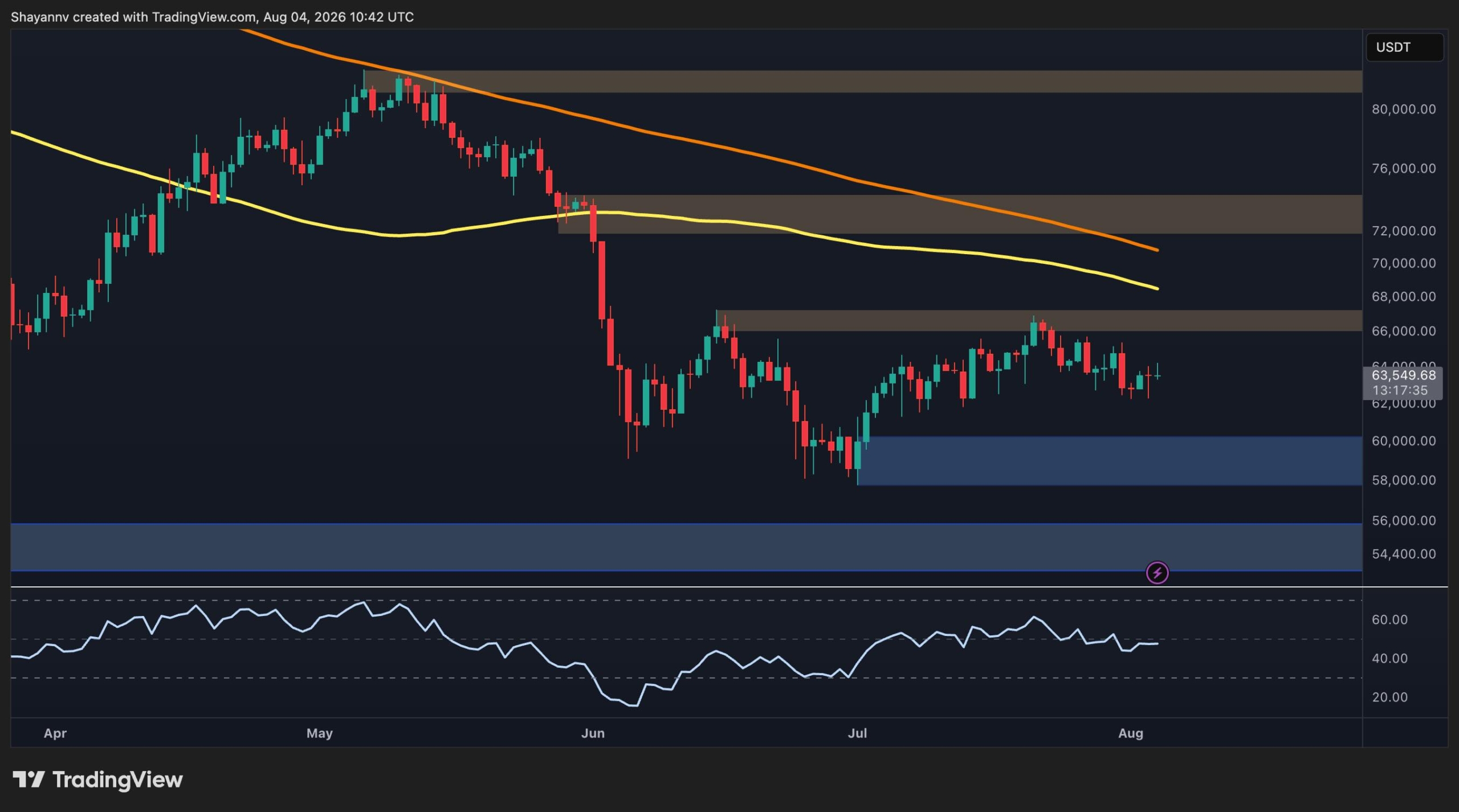
    بیت‌کوین همچنان در محدوده‌ای مشخص در حال تثبیت است و نتوانسته است بهبود قابل توجهی را از پایین‌ترین سطوح اواخر ژوئن تجربه کند. در حالی که نوسانات کوتاه‌مدت قیمت در بالای سطوح حمایتی کلیدی تثبیت شده است، ساختار کلی بازار همچنان خنثی تا نزولی باقی مانده و مقاومت‌های بالایی هرگونه تلاش برای افزایش قیمت را محدود کرده‌اند. همزمان، شاخص پرمیوم کوین‌بیس همچنان در محدوده منفی قرار دارد که نشان‌دهنده عدم بازگشت تقاضای اسپات در ایالات متحده به شکلی قانع‌کننده است.

    در تایم‌فریم روزانه، BTC پس از چندین هفته معامله در زیر منطقه مقاومتی ۶۷ هزار دلاری، همچنان در حدود ۶۳.۵ هزار دلار معامله می‌شود. این منطقه بارها مانع پیشروی خریداران شده و اکنون اولین مانع مهم برای آنها محسوب می‌شود.

    روند کلی همچنان نزولی است، زیرا قیمت زیر میانگین‌های متحرک ۱۰۰ و ۲۰۰ روزه قرار دارد که هر دو با شیب نزولی در حدود ۶۸ هزار دلار و ۷۰ هزار دلار قرار گرفته‌اند. این میانگین‌های متحرک، ساختار نزولی در تایم‌فریم‌های بالاتر را تقویت کرده و یک منطقه مقاومت قوی را بالای بازار ایجاد می‌کنند.

    در سمت نزولی، اولین منطقه تقاضای مهم همچنان در ۶۰ هزار دلار قرار دارد، جایی که خریداران پس از افت شدید ماه ژوئن از بازار حمایت کردند. پایین‌تر از آن، حمایت نهایی اصلی در حدود ۵۴ هزار دلار قرار دارد که در صورت شکست محدوده فعلی به سمت پایین، به هدف نزولی بعدی تبدیل خواهد شد.

    در همین حال، شتاب قیمت نسبتاً ضعیف باقی مانده است. شاخص قدرت نسبی (RSI) در حدود نقطه میانی نزدیک به ۵۰ در نوسان است که نشان‌دهنده بازاری متعادل است که در آن نه خریداران و نه فروشندگان کنترل واضحی ندارند. مگر اینکه BTC منطقه مقاومتی ۶۷ هزار دلاری را پس بگیرد، ساختار کلی همچنان به جای شروع یک روند صعودی پایدار، به سمت معاملات در محدوده مشخص شده تمایل دارد.

    تایم‌فریم‌های پایین‌تر، بازاری را نشان می‌دهند که پس از چندین تلاش ناموفق برای شکست به سمت پایین، در بالای حمایت کوتاه‌مدت ۶۲ هزار دلاری در حال تثبیت است.

    این دارایی اخیراً از این منطقه تقاضا جهش کرده و اکنون در داخل یک شکاف ارزش منصفانه کوچک که در حدود ۶۳ هزار دلار شکل گرفته، معامله می‌شود. این عدم تعادل به عنوان حمایت فوری کوتاه‌مدت عمل می‌کند و خریداران برای تلاش مجدد برای حرکت به سمت سقف محدوده، نیاز به جهش از این منطقه دارند.

    تا زمانی که BTC بالای حمایت ۶۲ هزار دلاری باقی بماند، احتمال حرکت به سمت ۶۶ هزار دلار همچنان وجود دارد. با این حال، شکست‌های مکرر در نزدیکی مرز بالایی، محدوده فعلی را تقویت کرده و احتمال بازگشت مجدد به سمت حمایت را افزایش می‌دهد.

    در سمت نزولی، شکست قاطع زیر ۶۲ هزار دلار، بهبود کوتاه‌مدت فعلی را بی‌اعتبار کرده و منطقه تقاضای گسترده‌تر ۶۰ هزار دلاری را دوباره در معرض خطر قرار می‌دهد.

    شاخص پرمیوم کوین‌بیس علی‌رغم تثبیت اخیر بیت‌کوین، همچنان تصویری محتاطانه را ترسیم می‌کند. این معیار زیر خط صفر، که در حال حاضر حدود -۰.۰۸ است، باقی مانده است که نشان می‌دهد BTC همچنان با تخفیف در کوین‌بیس نسبت به صرافی‌های خارج از کشور معامله می‌شود.

    از نظر تاریخی، قرائت‌های پایدار مثبت شاخص پرمیوم کوین‌بیس با فعالیت خرید قوی‌تر از سوی سرمایه‌گذاران نهادی و اسپات در ایالات متحده همزمان بوده است. در مقابل، مقادیر منفی مداوم اغلب نشان‌دهنده تقاضای اسپات ضعیف‌تر یا فشار فروش نسبتاً قوی‌تر از سوی مشارکت‌کنندگان آمریکایی است.

    اگرچه این شاخص از قرائت‌های عمیقاً منفی که در طول فروش‌های قبلی ثبت شده بود، بهبود یافته است، اما هنوز نتوانسته است یک حرکت پایدار به سمت قلمرو مثبت را تثبیت کند. این نشان می‌دهد که تثبیت اخیر قیمت با انباشت قابل توجه از سوی مشارکت‌کنندگان کوین‌بیس همراه نبوده است.

    در نتیجه، به نظر می‌رسد بهبود بیت‌کوین بیشتر ناشی از موقعیت‌گیری کوتاه‌مدت است تا تقاضای اسپات قوی از سوی سرمایه‌گذاران آمریکایی. یک حرکت پایدار شاخص پرمیوم کوین‌بیس بالای صفر، مورد حمایتی را تقویت خواهد کرد، زیرا نشان‌دهنده بازگشت سرمایه‌گذاران بزرگ آمریکایی و معامله‌گران نهادی است، در حالی که قرائت‌های منفی مداوم، بازار را در برابر فشار نزولی مجدد در صورت شکست سطوح حمایتی کلیدی آسیب‌پذیر می‌گذارد.

  • مشکل هوش مصنوعی اپل، حفره امنیتی ۲٠٠ هزار دلاری مک‌اواس را پنهان کرد

    مشکل هوش مصنوعی اپل، حفره امنیتی ۲٠٠ هزار دلاری مک‌اواس را پنهان کرد

    اپل در پی هجوم گزارش‌های امنیتی تولید شده توسط هوش مصنوعی که نقص‌های غیرواقعی را گزارش می‌دادند، تعداد گزارش‌های آسیب‌پذیری را که یک محقق می‌تواند همزمان ثبت کند، محدود کرده است. این خبر را روزنامه فایننشال تایمز منتشر کرده است.

    هجوم گزارش‌های جعلی و محدودیت اپل

    این محدودیت به تازگی هزینه‌ای واقعی برای اپل در پی داشته است. شرکت استارتاپ امنیت سایبری Bynario مستقر در میلان، به این روزنامه گفته است که با استفاده از ChatGPT شرکت OpenAI، بیش از ۵۰ باگ را در آخرین نسخه macOS طی سه هفته شناسایی کرده است. در میان این باگ‌ها، یک زنجیره اکسپلویت افزایش سطح دسترسی (privilege escalation exploit chain) وجود داشت؛ نوعی نقص که به مهاجم اجازه می‌دهد کنترل کامل دستگاه را به دست آورد.

    Bynario نتوانست این آسیب‌پذیری را گزارش دهد، زیرا اپل پیش از این درخواست‌های بیشتر را رد کرده بود. آلفردو پسولی، مدیرعامل این شرکت، ارزش این اکسپلویت را در بازار سیاه بین ۱۰۰ تا ۲۰۰ هزار دلار تخمین زده و گفته است که “نگهدارندگان و فروشندگان از حجم انبوه باگ‌های کشف شده سیل‌آسا شده‌اند.” اپل به فایننشال تایمز گفته است که در حال حاضر با این شرکت در تماس است و در حال بررسی کار آن‌هاست.

    اپل در ماه ژوئن با افزودن یک سقف و دوره انتظار ۳۰ روزه در پورتال امنیتی خود، محققان را ملزم به درخواست سهمیه بیشتر کرده است. هر نقص ادعایی همچنان نیاز به تأیید انسانی دارد، هرچند اپل از هوش مصنوعی در داخل سازمان برای اولویت‌بندی انبوه گزارش‌ها استفاده می‌کند. اپل اعلام کرده است که “اخیراً تعداد گزارش‌های جدیدی را که یک محقق می‌تواند همزمان باز داشته باشد، تنظیم کرده است” و محققان می‌توانند در هر زمان برای افزایش این حد درخواست دهند.

    ابزارهای هوش مصنوعی در خدمت اپل

    همین ابزارها برای اپل نیز کارآمد بوده‌اند. در به‌روزرسانی‌های امنیتی هفته گذشته، اپل نرم‌افزارهای Anthropic و OpenAI را به دلیل شناسایی نقص‌ها مورد تقدیر قرار داد و طبق گزارش فایننشال تایمز، تقریباً پنج برابر تعداد معمول اصلاحات را در این چرخه اعمال کرد.

    مسئله حجم گزارش‌های باگ تولید شده توسط هوش مصنوعی در ماه‌های اخیر افزایش یافته است. در ماه مه، شرکت امنیتی Bugcrowd که مشتریان آن شامل OpenAI نیز می‌شوند، اعلام کرد که تعداد گزارش‌های ثبت شده از طریق پلتفرم آن در سه هفته در ماه مارس بیش از چهار برابر شده و بیشتر آن‌ها جعلی بوده‌اند. HackerOne و Nextcloud در ماه آوریل برنامه‌های پولی خود را به حالت تعلیق درآوردند و Nextcloud اعلام کرد تا زمانی که راهی برای فیلتر کردن گزارش‌های کم‌تلاش پیدا نکند، “صرف نظر از شدت” هیچ پاداشی پرداخت نخواهد شد.

    این حجم از گزارش‌ها ناشی از پاداش‌های ارائه شده است؛ به طوری که شرکت‌هایی مانند Meta، Microsoft، Apple و Crypto.com در سال ۲۰۲۵ حداقل ۵۸ میلیون دلار بین خود پرداخت کرده‌اند، در حالی که بالاترین سطح پاداش اپل برای یک یافته واحد به ۵ میلیون دلار می‌رسد.

    همزمان، مدل‌های زبان بزرگ (LLMs) در شناسایی باگ‌ها مهارت بیشتری پیدا می‌کنند. در ماه مارس، Anthropic مدل Mythos را معرفی کرد؛ یک مدل متمرکز بر امنیت سایبری که در ابتدا برای شرکت‌های فناوری منتخب، بانک‌ها و محققان تحت پروژه Glasswing محدود شده بود. Mozilla اعلام کرد که این مدل ۲۷۱ آسیب‌پذیری را در Firefox در طول آزمایش‌های داخلی شناسایی کرده است.

    در ماه مه، استارتاپ امنیتی Calif مستقر در ویتنام اعلام کرد که از نسخه پیش‌نمایش این مدل برای ساخت اولین اکسپلویت عمومی خرابی حافظه هسته macOS استفاده کرده است که قادر به بقا در برابر Memory Integrity Enforcement است؛ دفاعی که اپل در سپتامبر گذشته به عنوان بزرگترین ارتقاء ایمنی حافظه در تاریخ سیستم‌عامل‌های مصرفی معرفی کرد. Calif باگ‌ها را در ۲۵ آوریل کشف کرد و تا ۱ مه یک اکسپلویت عملیاتی داشت.

    به جای ثبت گزارش، Calif اکسپلویت را شخصاً به مقر اپل در کالیفرنیا برد و اعلام کرد که می‌خواهد از “غرق شدن در سیل گزارش‌ها” که شرکت‌کنندگان در مسابقه هک Pwn2Own در آن گرفتار شده بودند، اجتناب کند. Bynario سه ماه بعد پورتال را امتحان کرد و نتوانست وارد شود.

    هوش مصنوعی علاوه بر شکار تهدیدها، در حوزه ارزهای دیجیتال نیز برای مهندسی اکسپلویت‌ها مورد استفاده قرار می‌گیرد. شرکت Coinkite، سازنده کیف پول Coldcard، پیشنهاد کرده است که احتمالاً از هوش مصنوعی برای کشف باگی در فریمور متن‌باز خود استفاده شده است که پنج سال بدون شناسایی باقی مانده بود و به مهاجمان اجازه می‌داد بیش از ۱۰۰ میلیون دلار از کیف پول‌های سخت‌افزاری آن سرقت کنند.

    این اتفاق دو ماه پس از آن رخ می‌دهد که Zcash فاش کرد محققی به نام تیلور هورنبی، با همکاری Claude Opus 4.8، دو خط کد در استخر محافظت شده Orchard خود پیدا کرده بود که امکان جعل غیرقابل کشف ZEC را برای چهار سال فراهم می‌کرد؛ این موضوع باعث شد تا کوین حریم خصوصی ماه گذشته ارتقاء Ironwood را برای رفع این آسیب‌پذیری منتشر کند.