Author: Admin_Up

  • چرا سهام اسپیس‌ایکس نزدیک به ۵۰ درصد از اوج خود سقوط کرد

    چرا سهام اسپیس‌ایکس نزدیک به ۵۰ درصد از اوج خود سقوط کرد

    سهام اسپیس‌ایکس (SpaceX) در تاریخ ۲۷ ژوئیه با بسته شدن در پایین‌ترین سطح تاریخی خود به قیمت ۱۱۳.۵۰ دلار رسید و این روند نزولی شدید که اندکی پس از عرضه اولیه شرکت در ۱۲ ژوئن آغاز شد، ادامه یافت.

    سهام اسپیس‌ایکس اکنون تقریباً نیمی از ارزش خود را نسبت به اوج پس از عرضه اولیه، که بیش از ۲۲۵ دلار بود، از دست داده و به قیمتی بسیار پایین‌تر از قیمت پیشنهادی ۱۳۵ دلاری معامله می‌شود.

    شایان ذکر است که اسپیس‌ایکس پیش و پس از عرضه اولیه عمومی خود، پرمعامله‌ترین سهام توکنیزه شده در پلتفرم‌هایی مانند هایپرلیکویید (Hyperliquid)، بایننس (Binance) و موارد دیگر بود.

    پس از عرضه اولیه اسپیس‌ایکس، ارزش بازار این شرکت به طور موقت از ۲.۶ تریلیون دلار فراتر رفت. اما تا تاریخ ۲۷ ژوئیه، این رقم به حدود ۱.۵ تریلیون دلار کاهش یافت و کمی کمتر از ۵۰ درصد از سود خود را از دست داد.

    رالی اولیه ممکن بود تحت تأثیر عوامل متعددی از جمله سفته‌بازی قرار گرفته باشد. با این حال، به نظر می‌رسد که این رالی، رشد قابل توجه آینده ناشی از استارلینک (Starlink)، موشک‌های قابل استفاده مجدد، هوش مصنوعی و مراکز داده مداری پیشنهادی را پیش‌خور کرده است. از آن زمان، سرمایه‌گذاران تمایل کمتری به پرداخت برای پروژه‌هایی نشان داده‌اند که ممکن است سال‌ها طول بکشد تا به بازدهی معنی‌داری دست یابند. این موضوع در نمودارها مشهود است.

    بر اساس گزارش‌های رسمی اسپیس‌ایکس، این شرکت سال گذشته با درآمدی نزدیک به ۱۹ میلیارد دلار، ۴.۹ میلیارد دلار زیان متحمل شده است. همچنین قابل ذکر است که این شرکت برای حمایت از زیرساخت‌های فناوری پرهزینه، ۲۵ میلیارد دلار از طریق بازار اوراق قرضه جذب کرده است که نگرانی‌هایی را در مورد هزینه‌های بالاتر استقراض و همچنین هزینه‌های هوش مصنوعی که با بدهی تأمین مالی می‌شود، افزایش داده است.

    برخی تحلیلگران اشاره کرده‌اند که سودگیری و همچنین باز کردن موقعیت‌های بسیار خوش‌بینانه پس از عرضه اولیه، بدون شک در کاهش ارزش سهام نقش داشته و آن را تسریع کرده است.

    علاوه بر موارد فوق، نزدیک شدن به پایان دوره قفل سهام اولیه پس از عرضه عمومی اسپیس‌ایکس، نگرانی دیگری برای سرمایه‌گذاران محسوب می‌شود. پس از انتشار اولین گزارش فصلی عمومی شرکت، برخی از سرمایه‌گذاران اولیه و همچنین کارکنان واجد شرایط مجاز به فروش بخشی از سهام خود خواهند بود. این امر از ۶ اوت آغاز می‌شود – دو روز پس از انتشار گزارش که برای ۴ اوت برنامه‌ریزی شده است.

    فروشندگان استقراضی نیز، تا حدودی قابل انتظار، موقعیت‌های خود را افزایش داده‌اند.

    در مجموع، اکنون تمام توجهات به ۴ اوت معطوف شده است و دیدن جزئیات مربوط به درآمد شرکت، زیان‌ها، هزینه‌های هوش مصنوعی، رشد استارلینک و همچنین عرضه بالقوه سهام جدید قابل معامله، جالب خواهد بود.

  • Cardano Founder Acknowledges Strategy Recalibration Amid ADA’s Underperformance

    Cardano Founder Acknowledges Strategy Recalibration Amid ADA’s Underperformance

    Cardano founder Charles Hoskinson has publicly acknowledged that the blockchain’s strategy requires recalibration to address the sustained underperformance of its native token, ADA. This admission comes as ADA trades significantly below its all-time high, a situation Hoskinson discussed during an X (formerly Twitter) Ask Me Anything (AMA) session on July 27, 2026.

    Hoskinson expressed optimism for Cardano’s future, stating, “our best days are ahead of us… We just have to change the approach, and we just have to change the strategy.” This statement, noted for its candor, highlights a tension between Cardano’s narrative and its market performance, as the chart and Hoskinson’s outlook present different conversations.

    ADA’s Market Performance and Technicals

    As of July 27, 2026, ADA was trading at $0.1566, down 1.57% in the last 24 hours. This price is approximately 95% below its September 2021 all-time high of $3.09, and ADA has seen a 53% decline year-to-date. The token’s technical structure offers little near-term comfort, trading below its 50-day and 200-day simple moving averages, both of which are sloping downward. This indicates a sustained downtrend by textbook definition.

    Near-term support for ADA is identified between $0.14 and $0.15, with resistance expected in the $0.20 to $0.25 range. A decisive close above $0.25 would signal a structural trend shift, according to analysis. However, a notable move below the $0.14 support level could lead to a move toward $0.10 to $0.13. The base case scenario for Q3 suggests a sideways grind within the $0.15 to $0.20 band, with modest support from Leios’ progress and governance resolution.

    Market Context and Cardano’s Challenges

    The broader cryptocurrency market sees altcoins in a risk-off territory. Market dynamics indicate a capital rotation towards infrastructure plays addressing cross-chain fragmentation, rather than a focus on single-chain governance debates. Projects like LiquidChain (LIQUID), which focuses on cross-chain infrastructure and has raised $920,002.48 in its presale at $0.01484 per token, are gaining traction due to builder demand for such solutions.

    Cardano faces additional challenges, including the cancellation of the 2026 Cardano Summit and ongoing governance disputes. Hoskinson’s governance overhaul, targeting 600 million ADA in backlogged treasury requests, is presented as a structural move. However, the market has not yet found a compelling reason to buy ADA, according to the analysis. The question of whether the market may price in the governance catalyst ahead of its execution is seen as a key factor for ADA’s next move.

    Recovering to previous all-time high levels, even a return to $1.00, is mathematically challenging and harder to justify as competing Layer 1 blockchains compound their developer ecosystems. Uncertainty remains regarding the specifics of the new strategy Hoskinson intends to implement and its potential impact on ADA’s market performance. The success of this recalibration will be closely watched by investors and enthusiasts.

    Why This Matters

    The materials describe a narrow update: Charles Hoskinson acknowledged that Cardano’s strategy needs recalibration to address ADA’s sustained underperformance and significant drop from its all-time high. Specifics of the new strategy or approach Charles Hoskinson intends to implement.

  • Securitize Capital’s SEC Registration Enhances Institutional Capabilities Amidst Market Revenue Assessment

    Securitize Capital’s SEC Registration Enhances Institutional Capabilities Amidst Market Revenue Assessment

    Securitize Capital, the advisory subsidiary of the tokenized asset platform Securitize, has registered with the U.S. Securities and Exchange Commission (SEC) as a full investment adviser. This regulatory upgrade, reported on Monday, removes previous constraints on the firm’s ability to serve a wider range of institutional clients and manage diverse asset types within onchain capital markets. However, whether this new status will translate into new Assets Under Management (AUM) inflows or an expanded mandate scope in the near term remains an open question.

    Previously operating as an exempt reporting adviser, Securitize Capital was subject to limitations that restricted its scope. The transition to a full Registered Investment Adviser (RIA) status under the Investment Advisers Act of 1940 imposes additional disclosure, compliance, recordkeeping, and examination requirements. Crucially, it also empowers the firm to pursue a broader array of institutional advisory mandates, separately managed accounts, and formal investment strategies leveraging its tokenization infrastructure.

    This move is seen as a significant step in completing Securitize’s U.S. regulatory stack. The firm already operates an SEC-registered broker-dealer, an alternative trading system, a transfer agent, and fund administration services, positioning it as a vertically integrated infrastructure provider for tokenized securities. This comprehensive regulatory framework is a configuration few competitors can currently match, according to Securitize.

    The practical effect of this registration is that Securitize Capital can now engage with a wider spectrum of institutional clients and manage a more diverse set of assets, without the caps previously imposed by its exempt status. This is particularly relevant for institutional asset managers already utilizing Securitize’s platform for tokenized funds, as the full RIA status is expected to reduce friction in adding advisory services to existing relationships.

    Securitize, which began trading on the New York Stock Exchange under the ticker SECZ on July 2 following a merger with Cantor Equity Partners II, currently manages approximately $4.8 billion in tokenized assets across funds overseen by institutional asset managers. Despite this operational scale, Securitize shares have seen a decline of roughly 46% from their first-day closing price. This stock performance context highlights that as a public company with earnings obligations, the advisory license needs to translate into fee-generating mandates to justify the increased regulatory overhead.

    The market is reportedly still assessing the revenue model tied to Securitize’s infrastructure. While the infrastructure itself is considered compelling, the ultimate success of this regulatory enhancement will hinge on its ability to drive new AUM inflows and expand mandate scope in the near term. Whether this translates into tangible revenue growth remains an open question that the registration itself does not immediately answer.

    This development aligns with broader trends in institutional crypto infrastructure, where firms like Ripple and Fasanara Capital are also expanding their offerings for institutional finance. The pattern suggests that traditional capital is increasingly committing to onchain markets, even without perfect regulatory clarity. Securitize’s enhanced regulatory standing strengthens its position to capitalize on this trend, offering a regulated pathway for institutional participation in tokenized securities.

    Why This Matters

    The materials describe a narrow update: Securitize Capital, previously an exempt reporting adviser, has now registered as a full investment adviser with the SEC. Whether the new RIA status will convert into new AUM inflows or an expanded mandate scope in the near term.

    Broader Context

    Source materials place the factual news in this context: The move graduates the firm from exempt reporting adviser status, under which it operated with constraints that limited the scope of the assets and clients it could serve.

  • 1inch Launches Aqua Shared Liquidity Layer on 13 EVM Chains

    1inch Launches Aqua Shared Liquidity Layer on 13 EVM Chains

    1inch has launched Aqua, its shared liquidity layer, making it available to all users across 13 EVM chains after an eight-month developer-only phase. The protocol aims to provide risk-controlled execution with full self-custody by functioning as a registry rather than a traditional liquidity pool.

    Aqua went live on Tuesday, accessible on chains including Ethereum, Arbitrum, Base, BNB Chain, and Robinhood Chain. In this registry model, liquidity providers approve token balances and create positions that draw on these approved amounts without depositing tokens into a smart contract. Swaps are executed atomically, with the protocol pulling tokens and returning proceeds and fees when a swap matches a position’s terms.

    According to 1inch, Aqua is positioned as the first risk-controlled liquidity venue, signaling a move toward what the company describes as ‘risk-controlled and regulated DeFi.’ The protocol enforces on-chain verification of counterparties at the time of a swap. 1inch defines a ‘verified counterparty’ as a market maker or arbitrage bot that has undergone verification.

    Liquidity providers on Aqua set approvals per token and per chain, which can be revoked. The system caps exposure by a provider’s actual holdings, not by the combined size of their positions. For instance, a $100,000 balance could support multiple positions, but a swap can only execute against available tokens in the wallet, as nothing is borrowed.

    To incentivize participation, the 1inch Foundation has committed 10 million 1INCH tokens for provider rewards, and 500,000 USDC from the 1inch DAO will be distributed through Merkl. Aqua has undergone eight independent audits by firms including OpenZeppelin, Nethermind, Hexens, and Bailsec, according to 1inch.

    1inch has cautioned that Aqua is built for ‘experienced users,’ noting that fees are not guaranteed, prices can move against a position, and providers inherently carry market and smart contract risk. The exact launch date of Tuesday was not specified, and the full list of 13 EVM chains was not provided.

    1inch claims Aqua has the potential to ‘transform how capital and yield strategies operate in DeFi,’ aiming to provide deeper liquidity across the industry and reduce fragmentation. The protocol’s design emphasizes self-custody and risk control to address challenges in decentralized finance liquidity provision.

    Why This Matters

    The materials describe a narrow update: 1inch has made its shared liquidity layer, Aqua, available to all users after an eight-month developer-only phase. The exact date of the Tuesday launch is not specified.

    Broader Context

    Source materials place the factual news in this context: 1inch has opened Aqua, its sharedDeFiliquidity layer, to all users, eight months after releasing it to developers only.

  • راه‌اندازی لایه نقدینگی اشتراکی 1inch، آکوا

    راه‌اندازی لایه نقدینگی اشتراکی 1inch، آکوا

    ۱ اینچ، لایه نقدینگی مشترک خود با نام Aqua را هشت ماه پس از انتشار صرفاً برای توسعه‌دهندگان، برای تمامی کاربران در دسترس قرار داد. این پروتکل روز سه‌شنبه بر روی ۱۳ زنجیره سازگار با ماشین مجازی اتریوم (EVM)، از جمله اتریوم، آربیتروم، بیس، BNB چین و رابین‌هود چین راه‌اندازی شد. پیش از این، انتظار می‌رفت رابط کاربری آن در سه ماهه اول سال جاری میلادی عرضه شود.

    Aqua که به عنوان “بنیادی برای دیفای مقیاس‌پذیر و کارآمد از نظر سرمایه” معرفی شده است، به جای یک استخر، به عنوان یک رجیستری عمل می‌کند. ارائه‌دهندگان، موجودی توکن خود را تأیید کرده و موقعیت‌هایی را ایجاد می‌کنند که از آن بهره می‌برند. توکن‌ها هرگز به قرارداد هوشمند واریز نمی‌شوند؛ هنگامی که یک مبادله با شرایط یک موقعیت مطابقت دارد، پروتکل توکن‌ها را برداشت کرده و عواید و کارمزدها را به صورت اتمی باز می‌گرداند. تأییدیه‌ها به ازای هر توکن و هر زنجیره تنظیم می‌شوند و قابل لغو هستند.

    به ارائه‌دهندگان نقدینگی: زمان بیدار شدن فرا رسیده است.
    از ۱ اینچ Aqua برای یافتن فعالیت بیشتر در بازارهای بیشتر استفاده کنید، بدون اینکه توکن‌هایتان از کیف پولتان خارج شوند.
    اجرای کنترل‌شده ریسک با مالکیت کامل و خودکار مطابقت دارد.
    خیر، شما در حال رؤیاپردازی نیستید.
    نحوه کار آن به این صورت است:
    ⬇️pic.twitter.com/F7CJeikteJ
    — ۱ اینچ (@1inch) ۲۸ جولای ۲۰۲۶

    هر مبادله در Aqua توسط یک “طرف مقابل تأیید شده” اجرا می‌شود که ۱ اینچ آن را “بازارساز یا ربات آربیتراژ تأیید شده” تعریف می‌کند و این بررسی “در زمان مبادله به صورت آن‌چین اعمال می‌شود”. ۱ اینچ این را اولین محل نقدینگی با اجرای کنترل‌شده ریسک و بخشی از حرکت به سمت “دیفای کنترل‌شده ریسک و تنظیم‌شده” می‌نامد. هنگامی که Aqua در ماه نوامبر به توسعه‌دهندگان رسید، این شرکت اعلام کرد که هر کسی می‌تواند برای اجرای مبادله با یک موقعیت تعامل داشته باشد.

    همچنین ادعا می‌کند که مالکیت واحد هر موقعیت، کلاهبرداری کارمزد در لحظه را غیرممکن می‌سازد و هزینه چنین حملاتی را تا ۴۴ درصد از درآمد کارمزد ارائه‌دهنده افزایش می‌دهد.

    ۱ اینچ مثالی از موجودی ۱۰۰,۰۰۰ دلاری را ارائه می‌دهد که از سه موقعیت پشتیبانی می‌کند و مجموعاً ۳۰۰,۰۰۰ دلار قیمت‌گذاری شده‌اند. هیچ مبلغی قرض گرفته نمی‌شود و مبادله فقط می‌تواند در برابر توکن‌های موجود در کیف پول اجرا شود، بنابراین ریسک در معرض قرار گرفتن توسط دارایی‌ها و نه اندازه ترکیبی موقعیت‌ها محدود می‌شود.

    بنیاد ۱ اینچ، ۱۰ میلیون توکن ۱INCH را به عنوان پاداش ارائه‌دهنده برای راه‌اندازی متعهد شده است، به همراه ۵۰۰,۰۰۰ USDC دیگر از ۱ اینچ DAO که از طریق Merkl توزیع خواهد شد.

    Aqua هشت حسابرسی مستقل را توسط شرکت‌هایی از جمله OpenZeppelin، Nethermind، Hexens و Bailsec پشت سر گذاشته است. ۱ اینچ این نکته را اضافه کرد که محصول برای “کاربران باتجربه” ساخته شده است و خاطرنشان کرد که کارمزدها تضمین شده نیستند، قیمت‌ها می‌توانند برخلاف یک موقعیت حرکت کنند و ارائه‌دهندگان ریسک بازار و قرارداد هوشمند را متحمل می‌شوند.

    در زمان راه‌اندازی دسترسی زودهنگام، سخنگوی ۱ اینچ ادعا کرد که Aqua پتانسیل “تحول در نحوه عملکرد استراتژی‌های سرمایه و بازده در دیفای” را دارد و نقدینگی عمیق‌تری را در سراسر صنعت فراهم کرده و پراکندگی را کاهش می‌دهد.

  • راه‌اندازی لایه اپلیکیشن غیرمتمرکز کانتون با حمایت مالی بیش از یک میلیون دلاری بنیاد

    راه‌اندازی لایه اپلیکیشن غیرمتمرکز کانتون با حمایت مالی بیش از یک میلیون دلاری بنیاد

    راه‌اندازی لایه برنامه‌های غیرمتمرکز کانتون با پشتوانه بیش از یک میلیون دلار کمک مالی بنیاد

    نیویورک، ایالات متحده – ۲۸ ژوئیه ۲۰۲۶ – شرکت BitSafe زیرساختی را برای توسعه‌دهندگانی که قصد راه‌اندازی برنامه‌های مالی غیرمتمرکز بر روی شبکه کانتون را دارند، معرفی کرده است.

    BitSafe که با دریافت بیش از ۱ میلیون دلار (معادل ۸,۵۰۰,۰۰۰ $CC) کمک مالی از صندوق توسعه بنیاد کانتون پشتیبانی می‌شود، امروز نسخه بتای عمومی «مدیریت‌کننده عدم تمرکز» (Decentralization Manager) را راه‌اندازی کرد. این چارچوب متن‌باز به برنامه‌ها و مؤسسات اجازه می‌دهد تا محصولات مقاوم و قابل اعتمادی را توسعه دهند که کنترل را بین چندین اپراتور مستقل توزیع می‌کنند.

    شبکه کانتون به زیرساختی حیاتی برای مؤسساتی تبدیل شده است که سرمایه و عملیات واقعی خود را به صورت آن‌چین (on-chain) منتقل می‌کنند. برآورده کردن استانداردهای برنامه‌های سازمانی نیازمند مسیرهای حسابرسی و اعتماد توزیع‌شده است، اما تا به امروز، هر تیمی که بر روی کانتون فعالیت می‌کرد، مجبور بود زیرساخت‌های مربوط به نگهداری آستانه‌ای (threshold custody)، حاکمیت (governance) و حسابرسی را از ابتدا بسازد. «مدیریت‌کننده عدم تمرکز» این اجزا را قابل استفاده مجدد می‌سازد، بنابراین تیم‌ها می‌توانند بر روی توسعه برنامه خود تمرکز کنند، نه بر روی زیرساخت.

    «مدیریت‌کننده عدم تمرکز» که به طور مستقل توسط Quantstamp حسابرسی شده است، نشان‌دهنده گسترش هیجان‌انگیز موارد استفاده آن‌چین است و به مؤسسات امکان می‌دهد ضمن کاهش ریسک از طریق توزیع عملیات خود، همچنان از معماری بومی حفظ حریم خصوصی شبکه بهره‌مند شوند.

    «مدیریت‌کننده عدم تمرکز» با چارچوب‌های از پیش ساخته شده برای صدور توکن و نگهداری آن عرضه می‌شود و محصولات اضافی مانند موارد زیر را امکان‌پذیر می‌سازد:

    با ما تماس بگیرید تا راه‌اندازی برنامه‌ها و دارایی‌های غیرمتمرکز خود را آغاز کنید.

    CBTC، اولین دارایی غیربومی در کانتون، اولین مورد استفاده زنده از «مدیریت‌کننده عدم تمرکز» است. با بیش از ۱۰ میلیون تراکنش تا به امروز، اپراتورهای نود (node) که CBTC را پشتیبانی می‌کنند، در حال حاضر سهمی از کارمزدهای کانتون را از تراکنش‌های آن‌چین کسب می‌کنند. «مدیریت‌کننده عدم تمرکز» اکنون این فرصت را در سراسر شبکه گسترش می‌دهد. توسعه‌دهندگان برنامه، مسیری آسان‌تر برای دسترسی به اپراتورهای نود با کیفیت بالا که می‌توانند از محصولاتشان پشتیبانی کنند، پیدا می‌کنند و این اپراتورها در عوض همان سهم از کارمزدهای کانتون را به دست می‌آورند.

    ویو دیواکار، رئیس بنیاد کانتون، گفت: «آینده بلاکچین سازمانی به آسان‌تر شدن ساخت و پذیرش زیرساخت‌های پیچیده بستگی دارد. BitSafe با متن‌باز کردن «مدیریت‌کننده عدم تمرکز»، ابزارهایی را در اختیار توسعه‌دهندگان قرار می‌دهد تا برنامه‌های مقاوم و حفظ‌کننده حریم خصوصی ایجاد کنند که اعتماد را بین اپراتورهای مستقل توزیع می‌کند، بدون اینکه حاکمیت و کنترلی را که مؤسسات نیاز دارند، به خطر بیندازد. مشارکت‌هایی از این دست، اکوسیستم کانتون را تقویت کرده و به تسریع رشد دارایی‌های دیجیتال سازمانی و بازارهای مالی توکنیزه شده کمک می‌کند. ما از اینکه BitSafe این قابلیت را در اختیار جامعه گسترده‌تری قرار می‌دهد، خرسندیم و مشتاقانه منتظر نسل بعدی برنامه‌های سازمانی هستیم که بر روی کانتون ساخته می‌شوند.»

    از امروز، Palladium Labs اولین توسعه‌دهنده‌ای است که اعلام کرده از «مدیریت‌کننده عدم تمرکز» برای فعال کردن مجوز چندجانبه برای عملیات پروتکل استفاده می‌کند. اکشی سینها، هم‌بنیان‌گذار و مدیر ارشد فناوری Palladium Labs، گفت: «اعتماد توزیع‌شده و قابلیت حسابرسی کامل، پیش‌نیازهای زیرساخت اعتباری در سطح سازمانی مانند Alpend هستند. «مدیریت‌کننده عدم تمرکز» این را به چارچوبی تبدیل می‌کند که کل اکوسیستم کانتون می‌تواند بر روی آن بسازد. پذیرش آن یکی از آسان‌ترین تصمیماتی بود که گرفتیم.»

    علاوه بر Palladium، گواه‌گیران CBTC، یعنی Nethermind، DSRV و Finoa Consensus Services نیز «مدیریت‌کننده عدم تمرکز» را پیاده‌سازی کرده‌اند. مشارکت سازمانی آن‌ها، تلاشی جمعی در سراسر کانتون را برای پذیرش فناوری غیرمتمرکز که اولویت آن حفظ حریم خصوصی داده‌ها، کنترل عملیاتی و مقاومت است، تأیید می‌کند.

    نسخه بتای عمومی اکنون در GitHub بنیاد کانتون در دسترس است و درخواست کمک مالی اضافی در حال انجام است. توسعه‌دهندگانی که به اپراتورها برای تکمیل «حزب غیرمتمرکز» (Decentralized Party) خود نیاز دارند، می‌توانند با BitSafe تماس بگیرند تا با اپراتورهای نود تأیید شده و در سطح سازمانی مطابقت داده شوند. مؤسساتی که به دنبال صدور و حاکمیت توکن‌های بومی کانتون هستند، می‌توانند از خدمات عدم تمرکز BitSafe برای مشارکت‌های توکنیزاسیون سفارشی استفاده کنند.

    نقل قول‌های اضافی از شرکای اکوسیستم:

    «حزب غیرمتمرکز CBTC نشان داده است که کانتون چقدر پیشرفت کرده است و راه‌اندازی نسخه بتای عمومی «مدیریت‌کننده عدم تمرکز» گامی بزرگ برای کل اکوسیستم است. فرآیند ورود برای تیم ما فوق‌العاده روان بود – استقرار قرارداد عملاً با یک کلیک انجام شد. برای هر برنامه‌ای که هنوز بر روی یک اعتبارسنجی واحد اجرا می‌شود، این آسان‌ترین مسیری است که دیده‌ایم تا از یک نقطه شکست واحد فراتر برویم.» – جونکیو کیم، مدیر ارشد فناوری، DSRV

    «به عنوان یکی از گواه‌گیران امنیتی CBTC، ما از مراحل اولیه در معماری امضای غیرمتمرکز BitSafe فعالیت کرده‌ایم، بنابراین از نزدیک شاهد بوده‌ایم که توزیع اعتماد بین اپراتورهای مستقل در محیط عملیاتی چگونه است. ورود به «مدیریت‌کننده عدم تمرکز» به طرز شگفت‌انگیزی ساده بود، ابزارهای مدیریتی بصری هستند و هر زمان که با مشکلی مواجه شدیم، تیم BitSafe آن را به سرعت حل کرد و در تمام مراحل ارتباط برقرار نمود. مؤسساتی که دارایی‌های واقعی را به کانتون منتقل می‌کنند، به طور فزاینده‌ای دقیقاً همین را انتظار دارند: عدم وجود یک نقطه کنترل واحد با مسیرهای حسابرسی و مقاومت عملیاتی که تیم‌های ریسک آن‌ها نیاز دارند. قابل تکرار کردن این نوع زیرساخت به صورت متن‌باز، گامی معنادار برای اکوسیستم است.» – ماتئوش یندرزژفسکی، مدیر ارشد اطلاعات، Nethermind

    ««مدیریت‌کننده عدم تمرکز» BitSafe، زیرساختی را که ما در حال حاضر اجرا می‌کنیم، به سیستمی بدون نقطه شکست واحد تبدیل می‌کند، از نوعی که مؤسسات از کانتون انتظار دارند. ما خوشحالیم که مشارکت خود را با BitSafe گسترش می‌دهیم و مشتاقانه منتظر همکاری بیشتر با پیوستن برنامه‌های جدید به شبکه هستیم.» – دنیل شرادر، مدیر عامل، Finoa Consensus Services

    درباره BitSafe
    BitSafe زیرساخت دارایی دیجیتال غیرمتمرکز و با حفظ حریم خصوصی را بر روی شبکه کانتون ایجاد می‌کند. به عنوان تیمی که بیت‌کوین را به کانتون ($CBTC) آورد، زیرساخت چندامضایی با حاکمیت آستانه‌ای BitSafe، نگهداری و حاکمیت را توزیع می‌کند، نقاط شکست واحد را حذف کرده و به مؤسسات و توسعه‌دهندگان امکان می‌دهد تا مراکز معاملاتی را راه‌اندازی کرده و محصولات و دارایی‌های مالی منطبق را در سراسر اکوسیستم بسازند.

  • سکیورتیز وضعیت کامل مشاور سرمایه‌گذاری را کسب کرد

    سکیورتیز وضعیت کامل مشاور سرمایه‌گذاری را کسب کرد

    ثبت نام Securitize Capital در SEC به عنوان مشاور سرمایه‌گذاری کامل، راه را برای اختیارات نهادی گسترده‌تر در بازارهای سرمایه آن‌چین هموار می‌کند.

    شرکت Securitize Capital، بازوی مشاوره‌ای پلتفرم دارایی‌های توکنیزه شده Securitize، با ثبت‌نام در کمیسیون بورس و اوراق بهادار آمریکا (SEC) به عنوان یک مشاور سرمایه‌گذاری کامل، دامنه اختیارات نهادی خود را در حوزه بازارهای سرمایه آن‌چین گسترش داده است. این اقدام، شرکت را از وضعیت مشاور گزارش‌دهنده معاف (exempt reporting adviser) ارتقا می‌دهد؛ وضعیتی که با محدودیت‌هایی در زمینه دارایی‌ها و مشتریانی که می‌توانست به آن‌ها خدمات ارائه دهد، همراه بود.

    Securitize روز دوشنبه این ثبت‌نام را اعلام کرد و آن را گامی مستقیم در جهت گسترش پلتفرم نظارتی خود توصیف کرد. کارلوس دومینگو، مدیرعامل این شرکت، اظهار داشت که این ثبت‌نام توانایی Securitize را در کمک به موسسات برای توسعه و مدیریت استراتژی‌های سرمایه‌گذاری در بازارهای سرمایه آن‌چین تقویت می‌کند.

    گذار از رژیم نظارتی سبک‌تر

    به عنوان یک مشاور گزارش‌دهنده معاف، Securitize Capital تحت یک رژیم نظارتی سبک‌تر فعالیت می‌کرد که عمدتاً برای صندوق‌های سرمایه‌گذاری خطرپذیر یا خصوصی با دارایی‌های محدود در ایالات متحده مناسب بود. ثبت‌نام کامل در SEC تحت قانون مشاوران سرمایه‌گذاری، الزامات بیشتری را در زمینه افشاگری، انطباق، نگهداری سوابق و بازرسی اعمال می‌کند، اما در عین حال محدودیت‌ها را در مورد اینکه شرکت با چه کسانی و در چه مقیاسی می‌تواند مشاوره دهد، برطرف می‌سازد.

    پیامدهای عملی و تکمیل پشته نظارتی

    این تغییر به Securitize اجازه می‌دهد تا اختیارات مشاوره‌ای نهادی گسترده‌تری را دنبال کند، از جمله حساب‌های مدیریتی مجزا، ساختارهای صندوق خصوصی وسیع‌تر و استراتژی‌های سرمایه‌گذاری رسمی که حول زیرساخت توکنیزاسیون آن بنا شده‌اند، بدون سقف‌هایی که وضعیت معافیت ایجاد می‌کرد. این اقدام همچنین پشته نظارتی ایالات متحده Securitize را به طور معناداری تکمیل می‌کند. این شرکت پیش از این یک کارگزار-معامله‌گر ثبت‌شده در SEC، یک سیستم معاملاتی جایگزین (ATS)، یک عامل انتقال و خدمات اداری صندوق را راه‌اندازی کرده بود.

    کسب مجوز کامل مشاور سرمایه‌گذاری (RIA)، Securitize را به عنوان یک ارائه‌دهنده زیرساخت یکپارچه و تحت نظارت برای اوراق بهادار توکنیزه شده معرفی می‌کند؛ وضعیتی که تعداد کمی از رقبا قادر به رقابت با آن هستند. در زمینه تلاش گسترده‌تر برای ایجاد زیرساخت نهادی تحت نظارت در حوزه رمزارز، شتاب نظارتی که پذیرش نهادی را هدایت می‌کند، در سال ۲۰۲۶ در جبهه‌های متعددی در حال افزایش بوده است.

    جایگاه پیشرو Securitize در توکنیزاسیون

    Securitize بزرگترین پلتفرم توکنیزاسیون از نظر ارزش دارایی آن‌چین است و حدود ۴.۸ میلیارد دلار دارایی توکنیزه شده در صندوق‌های تحت مدیریت BlackRock، Apollo، KKR، VanEck، Hamilton Lane و سایر مدیران دارایی نهادی دارد. این جایگاه تثبیت‌شده، بستری است که ثبت‌نام مشاوره‌ای بر روی آن بنا می‌شود؛ این یک استارتاپ نیست که به دنبال کسب اعتبار نهادی باشد، بلکه شرکتی با روابط تثبیت‌شده در زمینه دارایی‌های تحت مدیریت (AUM) است که پوشش مشاوره‌ای را پیرامون آن‌ها رسمی می‌کند.

    همکاری با Apollo و روندهای مشابه

    همکاری با Apollo به طور خاص قابل توجه است. Securitize Capital به عنوان مخاطب در پرونده‌های SEC مرتبط با صندوق اعتبار متنوع توکنیزه شده Apollo (Securitize Tokenized Apollo Diversified Credit Fund) ذکر شده است که نشان‌دهنده فعالیت فعال در استراتژی‌های اعتباری توکنیزه شده است. وضعیت کامل RIA، ساختاردهی و مدیریت این نوع اختیارات را از نظر نظارتی ساده‌تر می‌کند.

    مسیر حرکت در اینجا منعکس‌کننده اتفاقاتی است که در سایر بخش‌های زیرساخت رمزارز نهادی رخ می‌دهد. تلاش Ripple برای ورود به امور مالی نهادی با RLUSD و کارگزاری اصلی (prime brokerage) و فعالیت آن‌چین Fasanara Capital در امور مالی غیرمتمرکز نهادی (institutional DeFi)، هر دو الگوی مشابهی را نشان می‌دهند: سرمایه سنتی قبل از دستیابی به شفافیت کامل نظارتی، برای سرمایه‌گذاری زیرساختی در بازارهای آن‌چین منتظر نمی‌ماند.

    چالش‌های پس از عرضه عمومی و مدل درآمدی

    Securitize در تاریخ ۲ ژوئیه، پس از تکمیل ادغام با Cantor Equity Partners II، با نماد SECZ در بورس نیویورک (NYSE) شروع به معامله کرد. سهام این شرکت از زمان قیمت پایانی روز اول حدود ۴۶ درصد کاهش یافته است – اصلاحی تند که به هفته اعلام نقاط عطف نظارتی، طنزی تلخ می‌افزاید.

    کاهش ارزش سهام به طور مستقیم منطق استراتژیک ثبت‌نام RIA را تضعیف نمی‌کند، اما ساختاردهی انطباق را در چارچوب قرار می‌دهد: Securitize اکنون یک شرکت سهامی عام با تعهدات سودآوری است و مجوز مشاوره‌ای باید به اختیارات درآمدزا تبدیل شود تا هزینه‌های نظارتی افزایش‌یافته را توجیه کند. زیرساخت جذاب است؛ مدل درآمدی مرتبط با آن همان چیزی است که بازار ظاهراً هنوز در حال قیمت‌گذاری آن است.

    برای مدیران دارایی نهادی که در حال حاضر صندوق‌های توکنیزه شده خود را از طریق پلتفرم Securitize اجرا می‌کنند، وضعیت کامل RIA احتمالاً اصطکاک را در افزودن خدمات مشاوره‌ای به روابط موجود کاهش می‌دهد. اینکه آیا این امر در کوتاه‌مدت به جریان‌های ورودی جدید AUM یا گسترش دامنه اختیارات تبدیل خواهد شد، سوالی باز است که خود ثبت‌نام به تنهایی به آن پاسخ نمی‌دهد.

  • GIGADEVICEUSDT Perpetual Contract Launches with 25x Leverage

    GIGADEVICEUSDT Perpetual Contract Launches with 25x Leverage

    Bybit Launches GIGADEVICEUSDT Perpetual Contract

    Cryptocurrency exchange Bybit has announced the listing of the GIGADEVICEUSDT Perpetual Contract, with trading now live. The new contract offers users leverage of up to 25x.

    The GIGADEVICEUSDT Perpetual Contract is also accessible through Bybit’s Futures bots, including Futures Grid, Futures Martingale, and Futures Combo.

    Contract Details:

    • Contract Type: USDT Perpetual Contract
    • Underlying Asset: GigaDevice (GIGADEVICE)
    • Settlement Asset: USDT
    • Tick Size: 0.01
    • Maximum Leverage: 25x
    • Capped Funding Rate: 2%
    • Funding Fee Settlement Interval: Every 8 hours
    • Trading Hours: 24/7

    Official Information:

  • Cartoonist Sues AI Meme Generator Over Copyrighted Comic Strip Template

    Cartoonist Sues AI Meme Generator Over Copyrighted Comic Strip Template

    A Filipino cartoonist has filed a lawsuit against an AI-powered advertising generator, alleging the company sold access to his copyrighted comic strip as a template for paying subscribers. The complaint, lodged by Elmer Saflor, known online as ‘Superelmer,’ against Memes.ai (Memes Apps), marks a new front in legal battles over AI and creative content, distinct from disputes focused on AI training data.

    Saflor’s lawsuit, filed on July 1, 2024, in the Central District of California, claims that Memes.ai offered his comic strip, ‘Running Away Balloon,’ to its subscribers as an advertising template. The original comic, which depicts a stick figure reaching for ‘opportunities’ while being held back by ‘shyness,’ was first posted to Facebook in April 2017. Saflor registered the copyright for the work in 2024.

    Memes.ai operates as an AI ad generator with subscription plans ranging from $40 to $199 per month. The company markets its services to brands, agencies, and marketers, with its website stating that generated ads are for customer business use, including paid advertising. According to the complaint, Saflor alleges that Memes.ai made his artwork available in its template library, searchable by subscribers.

    A New Legal Frontier: Beyond AI Training Data

    Unlike recent high-profile lawsuits against AI firms such as Stability AI and Midjourney, which have primarily centered on whether ingesting works to train AI models constitutes fair use, Saflor’s complaint focuses on ordinary reproduction and public display infringement. The lawsuit reportedly leans on the company’s own marketing materials to argue that the infringement was willful. Saflor is seeking a permanent injunction to stop the alleged use, an accounting of profits, disgorgement of those profits, and statutory damages.

    Under the Copyright Act, statutory damages for willful infringement can be capped at $150,000 per work. Saflor’s broader goal, according to reports, is to use the case to push for discovery and raise questions about how AI-powered platforms utilize creators’ work for commercial purposes.

    Potential Implications and Expert Views

    Internet law scholar Eric Goldman has commented on the potential reach of a ruling against Memes.ai, suggesting that targeting the supplier rather than the advertiser could create significant legal complexities. The case also comes in the wake of a 2024 federal appeals court ruling that found a political campaign infringed on the ‘Success Kid’ meme, indicating a shifting legal landscape for meme usage in commercial and political contexts.

    Saflor’s filing does not address the issue of AI model training fair use. Instead, it targets the direct commercial offering of his specific artwork as a template. The outcome of this lawsuit could have implications for other AI meme generators and how they commercialize creative assets, potentially raising broader questions about creator rights and platform responsibilities in the evolving AI landscape. The uncertainties surrounding the case include whether Memes.ai’s use constitutes ordinary infringement, the extent of its impact on other meme generators, and the final resolution of Saflor’s claims for damages and broader legal questions.

    Broader Context

    Source materials place the factual news in this context: The lawsuit is filed against Memes.ai, an AI ad generator.

  • CZ Binance Proposes ASEAN Crypto License Passporting System to Reduce Regulatory Hurdles

    CZ Binance Proposes ASEAN Crypto License Passporting System to Reduce Regulatory Hurdles

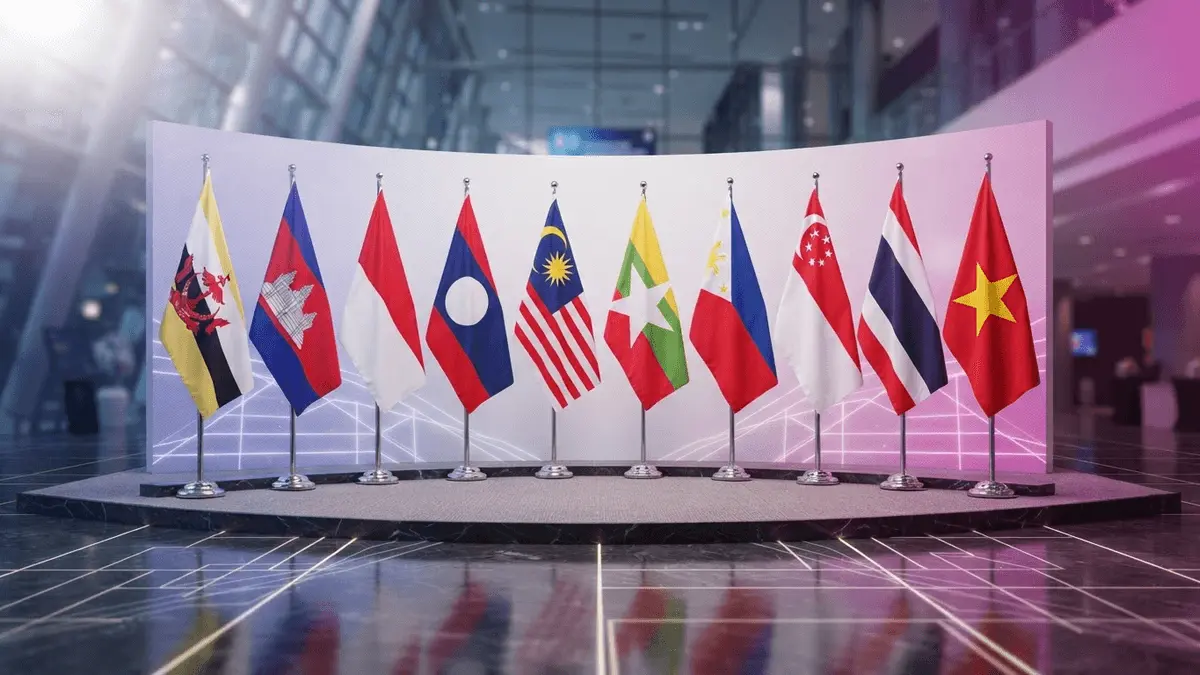
    Changpeng Zhao (CZ Binance) has publicly backed a proposal for a crypto license passporting system across ASEAN member states, suggesting that companies already licensed in one country should face a streamlined approval process to operate in others. The proposal, put forth at the ASEAN Tech Summit Manila 2026 on July 28, aims to reduce compliance overhead for crypto and stablecoin service providers operating within Southeast Asia’s fragmented regulatory landscape.

    According to Changpeng Zhao, the current system requires firms seeking a regional presence to undergo parallel licensing processes across multiple jurisdictions simultaneously. This, he argued, scales compliance costs in a way that disadvantages smaller, well-regulated operators relative to larger incumbents. Zhao endorsed an idea of license portability across the region, stating that cross-border regulatory coordination is primarily a political issue rather than a technical one.

    Southeast Asia currently lacks a bloc-wide passport for crypto companies, with each ASEAN member state maintaining its own digital asset licensing regime, including separate anti-money laundering requirements, conduct rules, and capital standards. Zhao argued that allowing more licensed platforms to compete regionally could improve services and reduce costs for consumers.

    A Model for Harmonization

    The regulatory framework proposed by Zhao mirrors the European Union’s Markets in Crypto-Assets Regulation (MiCA). Under MiCA, a crypto-asset service provider authorized in one EU member state can passport its services across all 27 member states by notifying its home regulator, without requiring a fresh application. Zhao referenced this EU model as a functional template for what ASEAN could build.

    While the comparison to MiCA is structurally apt, political dynamics between the EU and ASEAN differ. The implementation of MiCA is ongoing, with the European Securities and Markets Authority (ESMA) involved in its timeline. Brad Garlinghouse, CEO of Ripple, has made a parallel case in the U.S. context, framing regulatory incoherence as a drag on institutional crypto adoption, a problem of legislative will rather than technical incapacity.

    Regional Precedents

    There are regional precedents for streamlined processes within ASEAN. The ASEAN Capital Markets Forum’s (ACMF) Collective Investment Schemes Framework, operationalized in Malaysia, Singapore, and Thailand in 2014 and joined by the Philippines in 2021, allows funds authorized in a home jurisdiction to be offered in participating host markets through a streamlined authorization process. The ACMF Pass also extends a similar fast-track model to investment advisers.

    These existing frameworks are narrower than the crypto-specific passporting proposed by Zhao and Lito Villanueva, the FinTech Alliance PH founding chair with whom Zhao spoke. They remain subject to host-market requirements, but they establish that ASEAN regulators have accepted the logic of mutual recognition in principle. However, crypto-specific passporting would require agreement on supervision standards and consumer protection floors that do not yet exist at the bloc level, though the institutional machinery for building them is present.

    Path Forward and Uncertainties

    Regulators would retain the right to review applicants entering their jurisdiction under Zhao’s proposal, but the threshold for entry would be fundamentally lower than starting from scratch in every market. The success of such a system hinges on how nine politically distinct ASEAN regulators may agree on mutual recognition standards and the specific supervision standards and consumer protection floors that would be established.

    For crypto exchanges like Binance, the remarks in Manila align with a broader pattern of positioning Asia as a primary licensing growth market. Ripple’s multi-jurisdictional expansion strategy illustrates the operational reality CZ is addressing: operating at scale across Southeast Asia requires either accepting full licensing overhead in every market or pushing regulators toward a lighter mutual-recognition model. The adoption of the proposed streamlined approval process by ASEAN member states remains uncertain.

    Why This Matters

    The materials describe a narrow update: At the ASEAN Tech Summit Manila 2026, Changpeng Zhao (CZ Binance) publicly supported a crypto license passporting system for ASEAN. How nine politically distinct ASEAN regulators may agree on mutual recognition standards.

    Broader Context

    Source materials place the factual news in this context: Changpeng Zhao (CZ Binance) publicly backed a crypto license passporting system across ASEAN at the ASEAN Tech Summit Manila 2026 on July 28, arguing that firms already licensed in one member state should face only a streamlined approval process, not a full re-application, to operate across the rest of the bloc.