Author: Admin_Up

  • فاراژ، هاربورن و هدیه ۵ میلیونی: پول رمزارز بریتانیا چگونه اصلاحات را دگرگون کرد

    فاراژ، هاربورن و هدیه ۵ میلیونی: پول رمزارز بریتانیا چگونه اصلاحات را دگرگون کرد

    فاراج، هاربورن و هدیه ۵ میلیون پوندی: چگونه پول رمزارز بریتانیا، حزب ریفرم را دگرگون کرد

    در اخبار رمزارز بریتانیا امروز، کریستوفر هاربورن، سهامدار تتر (Tether) و بیت‌فینکس (Bitfinex)، به دلیل هدایت حدود ۳۰ میلیون پوند به سیاست بریتانیا، از جمله یک هدیه شخصی ۵ میلیون پوندی اعلام نشده به نایجل فاراج پیش از انتخابات سراسری ۲۰۲۴، تحت بررسی‌های دوگانه نظارتی در بریتانیا قرار گرفته است. این مبلغ، او را به بزرگترین اهداکننده فردی در تاریخ سیاسی بریتانیا تبدیل کرده است.

    هم کمیسیونر پارلمانی استانداردها و هم کمیسیون انتخابات، تحقیقات رسمی را آغاز کرده‌اند. در همین حال، ارجاعی جداگانه، فاراج را به استفاده از تریبون پارلمانی خود برای لابی‌گری علیه پوند دیجیتال که مستقیماً با منافع رمزارزی هاربورن رقابت می‌کند، متهم می‌کند.

    هدیه ۵ میلیون پوندی و عدم اعلام آن

    هدیه ۵ میلیون پوندی که پیش از ورود فاراج به پارلمان دریافت شد و طبق قاعده ۵ آیین‌نامه رفتار نمایندگان مجلس، اعلام نشده بود، علاوه بر بیش از ۲۵ میلیون پوند است که طبق گزارش الجزیره، هاربورن از سال ۲۰۱۹ مستقیماً به حزب ریفرم (Reform UK) و پیشینیان آن اهدا کرده است. این کمک‌های مالی، حدود دو سوم کل بودجه‌ای را که حزب ریفرم از زمان تأسیس خود دریافت کرده، تشکیل می‌دهد.

    فاراج این ۵ میلیون پوند را یک هدیه شخصی غیرسیاسی و بدون قید و شرط توصیف کرده است که به گفته او، برای تأمین امنیت مادام‌العمر او لازم بوده و هرگونه تخلفی را رد می‌کند. او در ۷ ژوئیه ۲۰۲۶ از کرسی پارلمانی خود استعفا داد و انتخابات میان‌دوره‌ای کلکتون (Clacton) ناشی از آن را به عنوان مبارزه خود در برابر “نظام حاکم” معرفی کرد.

    لابی‌گری رمزارز و سیاست بانک مرکزی

    ادعای ساختاری مهم‌تر در تقاطع لابی‌گری رمزارز و سیاست بانک مرکزی قرار دارد. فاراج در دیداری در سپتامبر ۲۰۲۵ با اندرو بیلی، رئیس بانک انگلستان، از برنامه‌های مربوط به ارز دیجیتال بانک مرکزی خرده‌فروشی (CBDC)، موسوم به “بریت‌کوین” (Britcoin)، که مستقیماً با استیبل‌کوین‌های صادر شده خصوصی مانند تتر رقابت می‌کند، انتقاد کرد.

    بانک انگلستان به الجزیره تأیید کرد که هنوز تصمیمی نهایی در مورد پوند دیجیتال اتخاذ نشده است. برای معامله‌گرانی که مقررات استیبل‌کوین‌ها را دنبال می‌کنند، این تصمیم یکی از مهم‌ترین تصمیمات سیاستی در بازار بریتانیا محسوب می‌شود.

    فیل بریکل، نماینده مجلس کارگر و رئیس گروه پارلمانی ضد فساد و مالیات مسئولانه، در ژوئیه ۲۰۲۶ به همین دلایل، ارجاعی رسمی به کمیسیونر استانداردها ارائه کرد. قرار گرفتن مالی هاربورن در برابر موقعیت رقابتی تتر در مقابل هر ارز دیجیتال دولتی، مستقیم است.

    گزارش‌ها، منافع اقتصادی او در تتر را حدود ۱۲ درصد تخمین می‌زنند، در حالی که صادرکننده استیبل‌کوین سالانه حدود ۱۰ میلیارد دلار سود از حدود ۱۸۴ میلیارد دلار USDT در گردش ایجاد می‌کند.

    همسویی ایدئولوژیک و نگرانی‌ها

    به گفته تحلیلگران، همسویی ایدئولوژیک بین فاراج، حزب ریفرم و حامیان صنعت رمزارز مانند هاربورن، تصادفی نیست. فرانسیس کوپولا، اقتصاددانی که الجزیره از او نقل قول کرده، مبانی سیاسی رمزارز را “عمدتاً آنارکو-کاپیتالیسم” توصیف کرده است، که رد کردن بانکداری متمرکز و نظارت دموکراتیک بر سیستم‌های پولی است.

    در اخبار دیگر رمزارز بریتانیا، سم پاور، کارشناس تأمین مالی سیاسی و مقررات انتخاباتی در دانشگاه بریستول، به الجزیره گفت که فاراج و حزب ریفرم “در دردسر قابل توجهی هستند”.

    رسوایی کمک مالی هاربورن به حزب ریفرم در انتخابات میان‌دوره‌ای میکر فیلد (Makerfield) آسیب رساند، جایی که نامزد آنها مغلوب نخست‌وزیر جدید، اندی برنهام، شد. تحلیل پاور این است که هسته ۲۰ درصدی رأی‌دهندگان بریتانیا برای حزب ریفرم پایدار است، اما ۱۰ درصد اضافی که حزب برای پیروزی در انتخابات سراسری نیاز دارد، “در حال حاضر در حال آب شدن است”.

    ارتباط با تتر، ریسک اعتبار را تشدید می‌کند. گزارشی در سال ۲۰۲۴ از سوی دفتر مقابله با مواد مخدر و جرم سازمان ملل متحد (UNODC) نتیجه گرفت که تتر “گزینه ارجح پولشویان رمزارز” در جنوب شرق آسیا بوده است و این استیبل‌کوین با عملیات قاچاق انسان در کامبوج و کلاهبرداری در مقیاس بزرگ مرتبط بوده است، ادعاهایی که تتر آنها را رد می‌کند.

    دیوید جرارد، نویسنده وبلاگ Pivot to AI، به الجزیره گفت که تتر زیرساخت انتخابی برای شبکه‌های کلاهبرداری باقی مانده است: “اگر به قاچاق انسان در مکان‌هایی مانند کامبوج نگاه کنید، این تتر است که عاملان آن به آن متکی هستند.”

    الگوی کمک‌های مالی سیاسی رمزارز که سیاست‌گذاری را شکل می‌دهد، به بریتانیا محدود نمی‌شود؛ مفاد اخلاقی در قوانین رمزارز ایالات متحده نیز با فشارهای مشابهی از سوی پول سیاسی همسو با صنعت مواجه است و تضاد منافع بین تأمین مالی رمزارز و سیاست‌گذاری، توجه دادستانی کل (DOJ) را در واشنگتن جلب کرده است.
  • تحلیل قیمت ریپل: ریکاوری XRP تله است تا زمانی که این اتفاق بیفتد

    تحلیل قیمت ریپل: ریکاوری XRP تله است تا زمانی که این اتفاق بیفتد

    ریپل (Ripple) و ارز دیجیتال XRP آن، علی‌رغم بهبود از کف قیمتی اواخر ماه ژوئن، همچنان در زیر یک مانع فنی مهم گرفتار مانده‌اند. بهبود اخیر احساسات کوتاه‌مدت را تقویت کرده است، اما قیمت اکنون به منطقه‌ای نزدیک می‌شود که خریداران باید قبل از هرگونه تغییر روند گسترده‌تر، حجم قابل توجهی از عرضه انباشته شده را جذب کنند.

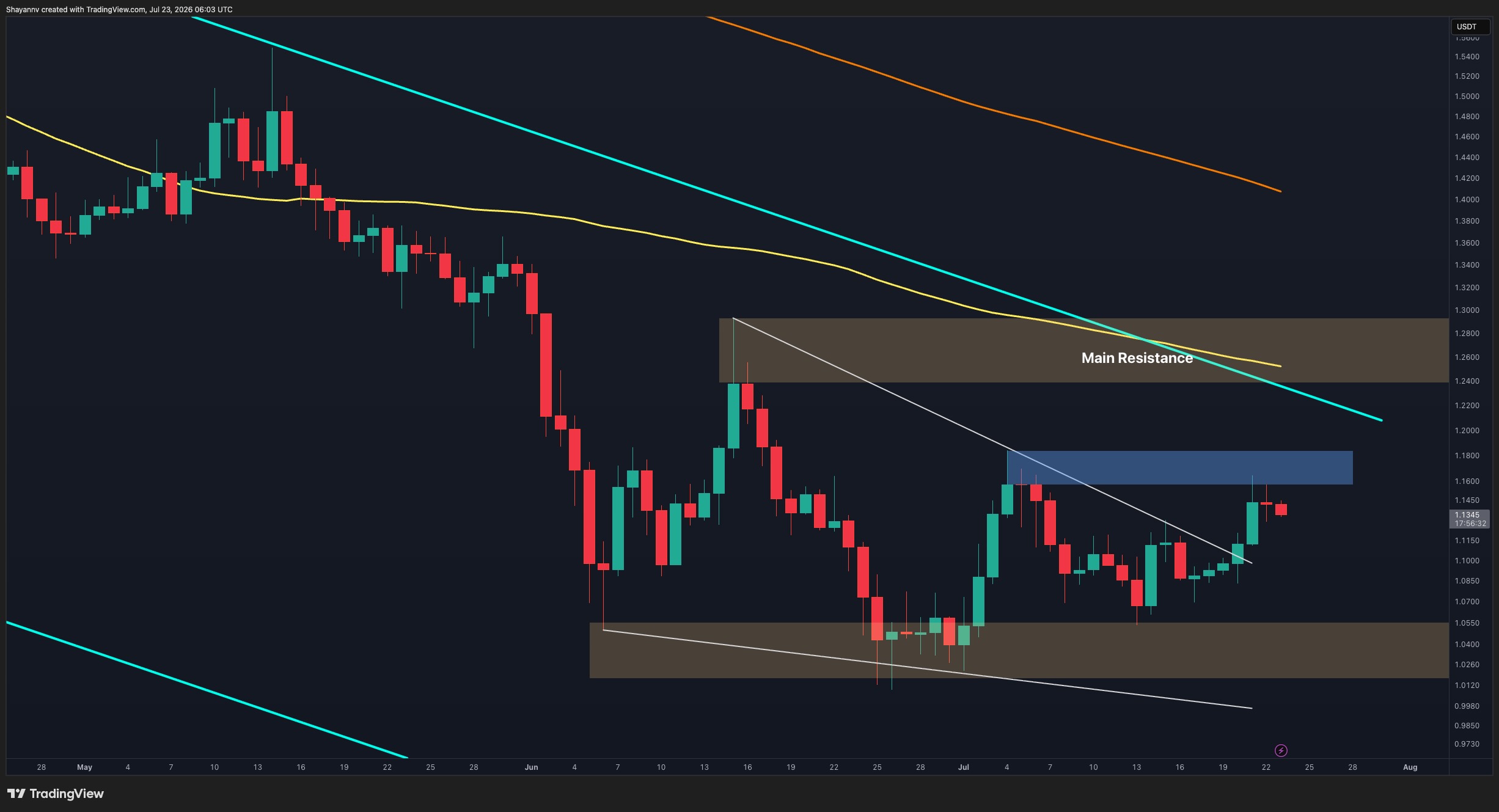
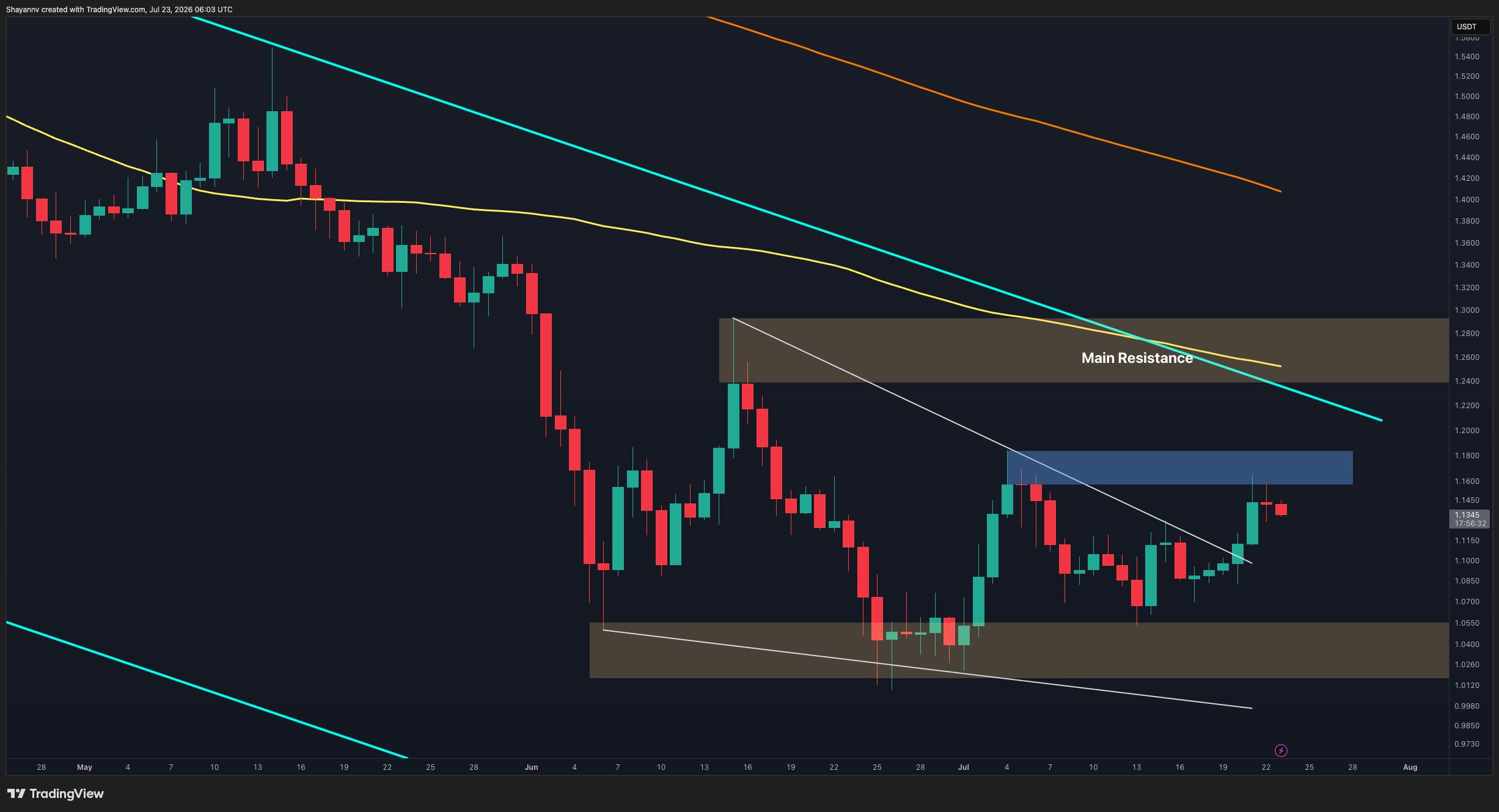
    نمودار روزانه نشان می‌دهد که XRP همچنان در یک کانال نزولی بلندمدت و مشخص معامله می‌شود. اگرچه بهبود اخیر، این دارایی را از منطقه تقاضای ۱.۰۲ تا ۱.۰۵ دلاری دور کرده است، اما ساختار کلی همچنان به نفع فروشندگان است، مادامی که این دارایی زیر مرز بالایی کانال و میانگین‌های متحرک اصلی باقی بماند.

    مقاومت فوری در منطقه ۱.۲۴ تا ۱.۲۹ دلاری قرار دارد، جایی که مرز بالایی کانال با میانگین متحرک ۱۰۰ روزه همگرا می‌شود. این همگرایی این منطقه را به‌طور ویژه مهم می‌سازد، زیرا رد شدن در این نقطه، روند نزولی غالب را تقویت خواهد کرد.

    شکست موفقیت‌آمیز بالای این منطقه، میانگین متحرک ۲۰۰ روزه را در معرض دید قرار خواهد داد، اما خریداران ابتدا باید قبل از شکل‌گیری چشم‌انداز سازنده‌تر، بتوانند بر خوشه مقاومت فعلی غلبه کنند.

    در سمت نزولی، منطقه تقاضای ۱.۰۲ تا ۱.۰۵ دلاری همچنان حمایت اصلی باقی می‌ماند. از دست دادن این منطقه احتمالاً مومنتوم را به سمت روند نزولی گسترده‌تر بازمی‌گرداند.

    نمودار ۴ ساعته تصویری سازنده‌تر در کوتاه‌مدت ترسیم می‌کند. XRP موفق شده است خط روند نزولی را که در طول ماه ژوئیه قیمت را محدود کرده بود، دوباره پس بگیرد و اکنون مستقیماً زیر منطقه عرضه ۱.۱۶ تا ۱.۱۸ دلاری در حال تثبیت است.

    این مقاومت در هفته‌های اخیر بارها تلاش‌های صعودی را رد کرده و آن را به سطح کلیدی برای نظارت تبدیل کرده است. شکست قاطع بالای ۱.۱۸ دلار می‌تواند حرکتی را به سمت مقاومت روزانه حدود ۱.۲۴ تا ۱.۲۹ دلار آغاز کند، در حالی که رد شدن مجدد احتمالاً قیمت را برای آزمایش مجدد خط روند شکسته شده به عنوان حمایت اولیه، بازمی‌گرداند.

    تا زمانی که این دارایی بالای خط روند پس گرفته شده باقی بماند، خریداران مزیت نسبی کوتاه‌مدت را حفظ می‌کنند. با این حال، روند کلی تا زمانی که قیمت بتواند پذیرش بالای خوشه مقاومت را تثبیت کند، خنثی تا نزولی باقی خواهد ماند.

  • Bybit TradFi Lists 10 Stock CFDs

    Bybit TradFi Lists 10 Stock CFDs

    New Stock CFDs Now Available

    Ten new stock Contracts for Difference (CFDs) have been introduced, offering traders the opportunity to engage with their preferred stocks and explore emerging market prospects.

    CFD Specifications

    Liquidity Notice: Traders should be aware that CFD quotes may experience reduced liquidity outside of United States trading hours.

    For comprehensive details on all available TradFi trading pairs, please consult the Help Center.

  • Bitcoin Price Action Divides Analysts Amid Shifting ETF Flows

    Bitcoin Price Action Divides Analysts Amid Shifting ETF Flows

    Bitcoin’s valuation has rebounded to hover around $65,000, a notable recovery from its dip below $58,000 in late June. This price movement has triggered a divergence of opinions among market analysts regarding whether the current surge indicates a sustainable uptrend or a potential precursor to a significant downturn.

    Bearish Outlooks and Historical Parallels

    Some analysts express caution, drawing parallels to past market events. X user BATMAN noted that the current price increase mirrors a bullish pump observed in autumn 2022, which was subsequently followed by a substantial price drop to approximately $16,000. BATMAN stated, “Side by side, this level looks concerning. It mirrors a similar bullish pump from 2022 that coincided with nothing afterward. History might not repeat itself, but it sure does rhyme.”

    Echoing this cautious sentiment, X user Kabuki views the latest price setup as a potential bull trap. Kabuki suggests that Bitcoin could decline to as low as $47,000 by August before potentially initiating a major uptrend that could lead to over $200,000 by the start of next year. These perspectives highlight a concern that the current rally might be a deceptive move before a more significant price correction.

    Bullish Undercurrents and Institutional Interest

    Conversely, other market participants point to renewed institutional interest as a positive indicator. Inflows into spot Bitcoin Exchange-Traded Funds (ETFs) have surpassed outflows for seven consecutive days, a trend not seen since April. This development suggests increasing exposure to Bitcoin by institutional investors, including pension funds and hedge funds. This contrasts with the situation at the end of June, when spot BTC ETFs experienced a weekly outflow of approximately $1.8 billion.

    Technical Indicators and Key Levels

    Technical analysis also informs the ongoing discussion. X user Ted emphasized the importance of Bitcoin maintaining its value above certain levels, suggesting that a price of $67,500 to $68,000 could be achievable if the cryptocurrency stays above key support. Meanwhile, Bitfinex’s analysts have identified a critical reaction zone between $67,900 and $68,300. This area is significant as it aligns with the short-term holder realized price and the opening level for the second quarter. According to Bitfinex’s analysts, a decisive move either above or below this range could significantly influence Bitcoin’s short-term direction.

    Navigating Market Uncertainty

    The prevailing sentiment in the market remains one of uncertainty. While recent ETF inflows offer a glimmer of optimism and suggest renewed institutional confidence, historical price patterns and key technical levels present cautionary signals. The market is left to weigh these divergent views, with the potential for both a continued uptrend and a significant price correction remaining possibilities. The future trajectory of Bitcoin’s price is currently unclear.

    Why This Matters

    The materials describe a narrow update: Bitcoin’s valuation has recently risen to around $65,000 after a dip below $58,000 in late June. Whether the current Bitcoin rally marks the start of a new bull run or will end in a major collapse.

    Broader Context

    Source materials place the market analysis in this context: The primary cryptocurrency has staged a minor resurgence over the past week, with its valuation briefly rising to nearly $67,000 and now hovering around $65,000.

  • XRP Recovery: A Trap Until This Key Event

    XRP Recovery: A Trap Until This Key Event

    XRP Faces Key Resistance as Recovery Stalls

    Ripple’s XRP is currently struggling to break through a significant technical resistance level, despite a recent recovery from its late June lows. While the uptick has boosted short-term sentiment, the cryptocurrency is approaching a critical juncture where buyers must overcome substantial overhead supply to signal a broader trend reversal.

    On the daily chart, XRP continues to trade within a clearly defined long-term descending channel. Although the recent rebound has pushed the asset away from the $1.02 to $1.05 demand zone, the overall structure still favors sellers as long as XRP remains below the channel’s upper boundary and key moving averages.

    The immediate obstacle lies within the $1.24 to $1.29 resistance area, where the upper channel boundary intersects with the 100-day moving average. This confluence of technical indicators makes this zone particularly crucial; a rejection here would serve to reinforce the prevailing downtrend. A successful breach of this region would then bring the 200-day moving average into focus, but buyers must first establish a foothold above the current resistance cluster for a more positive outlook to emerge.

    On the downside, the $1.02 to $1.05 demand zone remains the primary support level. A failure to hold this area could see momentum shift back towards the broader bearish trend.

    Short-Term Outlook Offers Glimmer of Hope

    The 4-hour chart presents a more constructive short-term scenario. XRP has successfully reclaimed a descending trendline that had capped its price action throughout July and is now consolidating just below the $1.16 to $1.18 supply zone. This resistance has repeatedly thwarted bullish attempts in recent weeks, making it a pivotal level to watch. A decisive move above $1.18 could potentially propel the price towards the daily resistance zone of $1.24 to $1.29. Conversely, another rejection at this level would likely lead to a retest of the broken trendline as initial support.

    As long as XRP maintains its position above the reclaimed trendline, buyers hold a modest short-term advantage. However, the broader trend is expected to remain neutral to bearish until the price can establish acceptance above the overhead resistance cluster.

  • عرضه سهام سنتی در بای‌بیت: ۱۰ قرارداد مابه‌التفاوت سهام فعال شد!

    عرضه سهام سنتی در بای‌بیت: ۱۰ قرارداد مابه‌التفاوت سهام فعال شد!

    ۱۰ قرارداد آتی سهام جدید اضافه شد

    ۱۰ قرارداد آتی سهام (CFD) جدید اکنون در دسترس معامله‌گران قرار گرفته است. این امکان به سرمایه‌گذاران می‌دهد تا سهام مورد علاقه خود را معامله کرده و فرصت‌های جدیدی را در بازار کشف کنند.

    مشخصات قراردادهای آتی سهام

    اطلاعیه نقدینگی: نقل‌قول‌های قراردادهای آتی سهام ممکن است در خارج از ساعات معاملاتی ایالات متحده، نقدینگی کمتری داشته باشند.

    برای کسب اطلاعات بیشتر در مورد تمامی جفت‌های معاملاتی TradFi موجود، لطفاً به مرکز راهنمای ما مراجعه فرمایید.

  • اتحادیه اروپا سخت‌ترین تحریم رمزارزی را علیه روسیه اعمال کرد

    اتحادیه اروپا سخت‌ترین تحریم رمزارزی را علیه روسیه اعمال کرد

    اتحادیه اروپا روز پنجشنبه با بیست و یکمین بسته تحریمی خود علیه روسیه موافقت کرد. بر اساس این تحریم‌ها، افراد حقیقی و حقوقی در اتحادیه اروپا از این پس مجاز به انجام تراکنش با ۱۱ اپراتور رمزارز ناشناس و ۹۴ بانک و موسسه مالی نخواهند بود.

    اگرچه نام ۱۱ پلتفرم رمزارزی تحریم شده فاش نشده است، اتحادیه اروپا اعلام کرده است که این پلتفرم‌ها عمدتاً در بلاروس و نیجریه فعالیت می‌کنند و به عنوان مجرایی برای انتقال پول بین روسیه و کشورهایی که از انجام معاملات با مسکو منع شده‌اند، عمل می‌کنند.

    پیش از این، بروکسل تنها قادر به تحریم شرکت‌های منفرد بود. اما اکنون این قدرت را یافته است که خدمات رمزارزی یک کشور یا حوزه قضایی کامل را در صورتی که به عنوان مرکزی برای پولشویی تراکنش‌های مالی روسیه تلقی شود، ممنوع کند؛ این یک تحول بی‌سابقه در مبارزه با فرار از تحریم‌ها محسوب می‌شود.

    این بسته جدید، آخرین اقدام در مجموعه‌ای از اقدامات برای تشدید فشار بر خدمات رمزارزی مرتبط با روبل است. اوایل سال جاری میلادی، استیبل کوین A7A5 که به عنوان پلی بین صرافی‌های تحریم شده Garantex و Grinex عمل می‌کرد، همراه با توکن RUBx و روبل دیجیتال، هدف تحریم قرار گرفت.

    بریتانیا نیز همسو با اتحادیه اروپا، در ماه مه صرافی HTX (که پیشتر با نام Huobi شناخته می‌شد) را به دلیل ارتباطات ادعایی با A7 و Garantex تحریم کرد. گزارشی از Global Ledger نشان داد که HTX طی پنج سال گذشته حدود ۲۱ میلیارد دلار تراکنش رمزارزی «پرخطر» را پردازش کرده است که نزدیک به ۸ میلیارد دلار از آن به بازیگران روس و بازارهای دارک‌نت مرتبط بوده است.

    این بسته تحریمی، ۹۴ موسسه مالی از جمله ۳۲ بانک و بورس مسکو را هدف قرار داده و دارایی‌های آن‌ها را که در اتحادیه اروپا نگهداری می‌شود، مسدود و انجام تراکنش با آن‌ها را ممنوع می‌کند. همچنین برای اولین بار، کشتی‌های ناوگان سایه روسیه نیز هدف این تحریم‌ها قرار گرفته‌اند.

    اورسولا فون در لاین، رئیس کمیسیون اروپا، ضمن تایید توافق بر سر بیست و یکمین بسته تحریمی علیه روسیه، اظهار داشت: «در زمانی که اوکراین شتاب نظامی خود را افزایش داده است، تحریم‌های ما به تضعیف پایه‌های اقتصادی تلاش جنگی روسیه ادامه می‌دهند.» وی همچنین افزود: «ما ۳۲ بانک دیگر روسیه را به فهرست ممنوعیت تراکنش خود اضافه می‌کنیم.»

    فون در لاین همچنین بر انجماد قیمت نفت در سقف ۴۴.۱۰ دلار برای هر بشکه تاکید کرد تا «ماشین جنگی روسیه از شوک‌های بازار سود نبرد» و افزود که بروکسل همچنین قصد دارد مانع ورود مبارزان روس به اتحادیه اروپا شود.

  • UN: Southeast Asian Scam Networks Swindle $114 Billion Annually

    UN: Southeast Asian Scam Networks Swindle $114 Billion Annually

    Southeast Asia’s Scam Industry Evolves into Vast Criminal Network, UN Reports

    Southeast Asia’s burgeoning scam industry has coalesced into a single, interconnected criminal economy, with its financial losses now rivaling the economic output of entire nations, according to a report released Tuesday by the United Nations.

    The UN Office on Drugs and Crime (UNODC) detailed a “fundamental” restructuring of the region’s criminal underworld. Syndicates, once confined by geography and specialization, have merged into a transnational network. These groups now offer a suite of services—including money laundering, fraud, human trafficking, and data harvesting—to one another, operating on shared infrastructure, the report found.

    Technology is rapidly transforming the operational models of transnational organized crime, a shift most starkly evident in Southeast Asia. The latest UNODC threat assessment report highlights the pervasive influence of cyber scams, synthetic drug production, and human trafficking.

    Delphine Schantz, UNODC Regional Representative for Southeast Asia and the Pacific, described the model as akin to “corporate franchising,” with specialized departments for money laundering, human trafficking, and data harvesting integrated into a unified, service-based network.

    The combined losses from scam offenses across East Asia, Southeast Asia, Australia, and New Zealand were estimated to be between $88.3 billion and $114.1 billion in 2025 alone. This figure, the UNODC noted, “outstrips the GDP of several countries in the region.” A significant portion of these illicit funds moves through cryptocurrency, with investment and romance scams, often termed “pig butchering,” laundering proceeds on-chain. The UNODC warned that regional police forces still lack the necessary training to trace these funds in the “new crypto context.” Schantz emphasized that seizing proceeds is now crucial, as “disruption alone does not work.”

    Instead of smuggling physical contraband, criminal groups are increasingly focused on selling cyber-enabled fraud, criminal infrastructure, and platform-based financial settlements that leave minimal traces and are difficult to attribute. This elaborate system is fueled by forced labor on a global scale, with individuals from at least 80 countries identified within scam compounds. The report also indicated that scam networks are actively broadening their recruitment efforts, placing advertisements that target individuals with European and North American language skills.

    The report specifically flags the rise of generative AI, deepfakes, and near-automated fraud. It also noted a 42% year-on-year increase in “malvertising”—the hijacking of legitimate ad networks to spread malware—in 2025. Criminal operations are increasingly “decoupled” from local telecommunications infrastructure, utilizing satellite internet services like Elon Musk’s Starlink to operate from remote locations, the report stated.

    Beyond scams, the UNODC report sheds light on other rapidly expanding criminal markets. It identifies the Sulu and Celebes Seas—the maritime region encompassing Indonesia, Malaysia, and the Philippines—as an emerging smuggling corridor. Furthermore, the report warns that criminals are increasingly employing gamification tactics in online gambling to attract younger users.

    UNODC Executive Director Monica Juma underscored the “flexible, persistent, and adaptable” nature of these networks, which can shift across borders and resume operations even after law enforcement crackdowns. This adaptability, she noted, makes international cooperation essential for their dismantling.

    Law enforcement agencies worldwide are intensifying their response to this growing threat. U.S. prosecutors recently seized over $25 million in cryptocurrency linked to investment and romance scams routed through the region, while Interpol has designated these compound networks as a global threat. The human cost is also becoming increasingly apparent, with Amnesty International documenting a humanitarian crisis as workers flee compounds in Cambodia. This same country was the site of the arrest of alleged Prince Group boss Chen Zhi, pending extradition to China, in a case that involved one of the largest Bitcoin seizures on record.

  • EU Expands Sanctions to Target Entire Crypto Jurisdictions

    EU Expands Sanctions to Target Entire Crypto Jurisdictions

    The European Union has enacted its 21st sanctions package against Russia, significantly expanding its powers to target entire cryptocurrency jurisdictions deemed complicit in facilitating Russian financial transactions. This move allows the EU to block crypto services from a nation or jurisdiction if it is viewed as a hub for laundering Russian financial transactions, a development that broadens the scope of sanctions beyond individual entities.

    Under the new package, EU persons are barred from transacting with 11 unnamed crypto operators and 94 banks and financial institutions. While the identities of the 11 crypto operators have not been disclosed, the EU has indicated that they primarily operate in Belarus and Nigeria, allegedly acting as conduits for funneling money between Russia and countries subject to sanctions. This represents a shift from previous measures, which were limited to sanctioning individual firms.

    In addition to the crypto-related measures, the sanctions package designates 32 Russian banks and the Moscow stock exchange, leading to the freezing of their assets held within the EU and a ban on transactions. The package also targets vessels within Russia’s shadow fleet for the first time. European Commission President Ursula von der Leyen reported that oil cap prices are frozen at $44.10 a barrel, aiming to prevent Russia from benefiting from market fluctuations. Brussels also plans to ban Russian combatants from entering the EU.

    These measures follow earlier actions targeting the digital ruble space. Earlier this year, the A7A5 stablecoin, which reportedly served as a bridge between sanctioned exchanges Garantex and Grinex, was designated. The RUBx token and the digital ruble were also included in previous sanctions.

    The United Kingdom has also taken parallel action, sanctioning the HTX (formerly Huobi) exchange in May due to alleged ties to A7 and Garantex. A report by Global Ledger indicated that HTX processed approximately $21 billion in high-risk crypto transactions over the past five years, with nearly $8 billion linked to Russian actors and darknet markets. The specific nature of these alleged ties and transaction volumes remains a point of scrutiny.

    The EU’s expanded authority over crypto jurisdictions is seen as a significant development in the ongoing efforts to combat sanctions evasion. However, uncertainties remain regarding the specific identities of the 11 crypto operators and the precise details of the targeted ‘shadow fleet’ vessels. The effectiveness of these broader sanctions in disrupting Russian financial flows and weakening its economic capacity will be a key area for future observation.

    Why This Matters

    The materials describe a narrow update: The EU’s 21st sanctions package bars EU persons from transacting with 11 unnamed crypto operators and 94 banks and financial institutions. The names of the 11 unnamed crypto operators have been withheld.

    Broader Context

    Source materials place the factual news in this context: The European Union agreed on Thursday to its 21st sanctions package against Russia.

  • Bitwise CIO Identifies Potential Drivers for Future Digital Asset Market Cycles

    Bitwise CIO Identifies Potential Drivers for Future Digital Asset Market Cycles

    The next digital asset market cycle may be driven by the convergence of traditional and onchain finance, rather than speculative demand, according to Bitwise Chief Investment Officer Matt Hougan. This thesis may reflect changing conditions from previous cycles fueled by speculative interest to one built on “real financial activity and revenue,” which could lead to a larger, albeit potentially slower and less volatile, market expansion.

    Hougan argued that this evolving landscape could be characterized by several key onchain financial activities. These include the increased use of stablecoins, the tokenization of traditional assets, the implementation of 24/7 trading, instant settlement capabilities, and the growth of institutional decentralized finance (DeFi) platforms. This contrasts with earlier market cycles that were primarily propelled by speculative demand.

    The article notes that the idea of revenue and crypto rails driving the next cycle is not entirely new, and institutional involvement in digital assets is also a concept that has been discussed for some time. However, it highlights the significance of the CIO of Bitwise formally presenting this thesis, covering these two factors.

    Hougan framed the opportunity within the digital asset space as two distinct “lanes.” The first, referred to as the “Hyperliquid Lane,” focuses on protocols that create demand for their own tokens, addressing a historical challenge where applications generated fees and volume without necessarily driving token value. The second lane, the “Robinhood Lane,” represents the entry of traditional finance players into the digital asset ecosystem. Examples cited include Citadel’s involvement with Crypto.com, Morgan Stanley’s presence on E*TRADE, the DTCC’s work on tokenization, and Robinhood’s continued engagement in the digital asset space.

    While the analysis and opinions presented are attributed to the author of the original piece and do not necessarily reflect the views of Decrypt, the core argument from Hougan may reflect changing conditions in the underlying forces expected to shape future digital asset market performance. The formal articulation of these drivers by a prominent figure like Hougan provides a structured outlook for the market’s potential evolution.

    It remains uncertain whether Hougan’s prediction about the drivers of the next market cycle will suggest correct. However, the thesis presented offers a framework for understanding potential future market dynamics, emphasizing a move towards more integrated and revenue-driven onchain financial activities.

    Broader Context

    Morning Minute is a daily newsletter written by Tyler Warner.