Author: Admin_Up

  • نومرای سومین بازخرید استراتژیک NMR را تکمیل کرد؛ مجموع بازخریدها به ۳.۲ میلیون دلار رسید

    نومرای سومین بازخرید استراتژیک NMR را تکمیل کرد؛ مجموع بازخریدها به ۳.۲ میلیون دلار رسید

    نومراي سومین خرید استراتژیک توکن NMR را تکمیل کرد و مجموع بازخریدها را به ۳.۲ میلیون دلار رساند

    سانفرانسیسکو، کالیفرنیا – ۱۷ ژوئیه ۲۰۲۶ – نومراي (Numerai)، صندوق پوشش ریسک غیرمتمرکز که با یادگیری ماشینی جمع‌سپاری شده فعالیت می‌کند، امروز اعلام کرد که سومین خرید استراتژیک توکن نومرِ ق (Numeraire – NMR) را با موفقیت به پایان رسانده است. این شرکت در این مرحله ۱.۲ میلیون دلار دیگر از بازار آزاد توکن NMR خریداری کرده است. با این خرید، مجموع بازخرید توکن NMR توسط نومراي در طول یک سال به ۳.۲ میلیون دلار رسیده است.

    این بازخرید نشان‌دهنده سرمایه‌گذاری مستمر نومراي در سیستم استیکینگ (Staking) است که هزاران دانشمند داده مستقل را برای بهبود مدل کلان وزنی استیکینگ (Stake-Weighted Meta Model) این شرکت، که مدل یادگیری ماشینی پشتوانه صندوق پوشش ریسک نومراي است، همسو می‌کند. مشارکت‌کنندگان، توکن‌های NMR را بر روی مدل‌های خود استیک می‌کنند و در صورت موفقیت پیش‌بینی‌هایشان بر اساس داده‌های آتی بازار، توکن‌های NMR بیشتری کسب می‌کنند و در صورت عدم موفقیت، آن را از دست می‌دهند. مدل کلان وزنی استیکینگ حاصل، همچنان عملکرد بهتری نسبت به مدل‌های معیار داخلی نومراي از خود نشان داده و ارزش همسوسازی انگیزه‌ها با عملکرد پیش‌بینی را اثبات می‌کند.

    از زمان اعلام اولین بازخرید استراتژیک در ژوئیه ۲۰۲۵، شبکه نومراي به طور قابل توجهی گسترش یافته است. تعداد حساب‌های فعال در طول سال گذشته بیش از دو برابر شده، تعداد ارسالی‌ها همچنان رو به افزایش است و این پلتفرم زیرساخت‌های جدیدی از جمله Numerai Skills، پروتکل زمینه مدل نومراي (Numerai Model Context Protocol – MCP) و استیکینگ اتمی بلاکچین (Atomic Blockchain Staking) را معرفی کرده است که امکان مشارکت خودکارتر توسط سیستم‌های هوش مصنوعی را فراهم می‌آورد.

    صندوق پوشش ریسک زیربنایی نیز به رشد خود ادامه داده است. طبق اعلام این شرکت، نومراي در حال حاضر حدود ۷۰۰ میلیون دلار دارایی را مدیریت می‌کند که این رقم در مقایسه با حدود ۵۶۰ میلیون دلار در پایان سال ۲۰۲۵، افزایش یافته است.

    نومرِ ق (NMR) یک توکن اتریوم با عرضه محدود است که سقف آن ۱۱ میلیون واحد تعیین شده است. از آنجایی که پاداش‌های مسابقات و انگیزه‌های استیکینگ از خزانه نومراي توزیع می‌شود، این شرکت در حال حاضر با خرید از بازار آزاد، ذخایر خود را دوباره پر می‌کند. پیش از این بازخرید، حدود ۳.۱ میلیون واحد NMR در خزانه نومراي باقی مانده بود.

    برخلاف دو اعلامیه قبلی، این بازخرید پیش از اعلامیه امروز تکمیل شده بود. مانند خریدهای پیشین، این تراکنش در بازار آزاد از طریق Coinbase Institutional و با قیمتی نزدیک به قیمت پیشنهادی در طول چندین هفته انجام شد تا تأثیر آن بر بازار به حداقل برسد.

    عملکرد گذشته نشان‌دهنده نتایج آینده نیست. این محتوا به منزله پیشنهاد خرید یا فروش هیچ اوراق بهاداری یا منافع هیچ حسابی که توسط Numerai GP, LLC یا شرکت‌های وابسته به آن مدیریت می‌شود، تلقی نمی‌گردد. چنین پیشنهادی تنها به افرادی که واجد شرایط سرمایه‌گذاری هستند و در حوزه‌های قضایی که چنین پیشنهادی قانونی است، ارائه خواهد شد.

    درباره نومراي
    نومراي یک صندوق پوشش ریسک و پلتفرم علم داده مستقر در سانفرانسیسکو است که در سال ۲۰۱۵ تأسیس شد. از طریق یک رقابت جهانی و API باز، هزاران دانشمند داده سیگنال‌های بازار سهام را ارسال می‌کنند که در یک مدل کلان واحد تجمیع شده و برای معامله سهام جهانی استفاده می‌شود. توکن نومرِ ق (NMR) برای استیک کردن و پاداش دادن به مدل‌هایی که صندوق را بهبود می‌بخشند، استفاده می‌شود. مأموریت نومراي ساخت آخرین صندوق پوشش ریسک جهان از طریق هوش ماشینی باز و رقابتی است.

  • XRP Eyes $1 Trillion: Analyst Predicts ‘Kaboom 4’ – Is It Realistic?

    XRP Eyes $1 Trillion: Analyst Predicts ‘Kaboom 4’ – Is It Realistic?

    Ripple’s token, XRP, is no stranger to ambitious price predictions, often bordering on the fantastical. While such forecasts can capture attention during bull market surges, their realization seems improbable when the underlying asset languishes 70% below its all-time high.

    However, market conditions akin to the present are often a prerequisite for full capitulation, paving the way for the next upward trajectory. This analysis delves into EGRAG CRYPTO’s outlook for XRP and its potential path to a $1 trillion market capitalization.

    EGRAG CRYPTO is recognized for its optimistic XRP price analyses, frequently projecting targets exceeding $10 for the next market cycle’s peak. In his latest assessment, the analyst highlighted that XRP’s monthly market cap continues to adhere to a macro pattern that has recurred throughout its 14-year history.

    He posited that each significant cycle has commenced with a retest of a long-term ascending structure, coupled with the 33-period simple moving average, preceding an explosive rally. These phases, dubbed ‘Kaboom,’ have historically delivered remarkable expansions, including a 95% surge in the first instance, followed by subsequent cycles generating gains of approximately 15 times.

    EGRAG now believes XRP has entered the fourth iteration of this pattern. He has identified $64.1 billion, $48.8 billion, and $37.2 billion as crucial support levels for the market cap, which XRP must maintain to validate the bullish structure.

    Should these levels hold, EGRAG forecasts subsequent targets based on Fibonacci extensions: $130 billion, $310 billion, $493 billion, and ultimately $955 billion.

    While acknowledging that a long-term symmetrical triangle projection could theoretically point to a market cap exceeding $2 trillion, he considers the $1 trillion target a more conservative and attainable objective.

    Despite the current XRP market cap being under $70 billion, making these trillion-dollar targets appear distant, it is noteworthy that the token has a history of surprising investors.

    Nevertheless, a surge from under $70 billion to $955 billion would necessitate an extraordinary increase of over 1,250%. While not theoretically impossible, the prevailing market environment is far from conducive.

    A $955 billion market cap would translate to an XRP price well above $10, even with the monthly unlocking of new coins. This valuation would also position XRP significantly above Ethereum’s current market cap and approach that of Bitcoin, the only cryptocurrency to have achieved a trillion-dollar market cap.

    Potential catalysts for such a substantial rally could include the growth of Ripple, the company behind XRP. Ripple has undertaken significant initiatives over the past year, including acquisitions, regional expansions, and partnerships, though these have yet to translate into a boost for its native token.

    Furthermore, ETF inflows would need to surge to levels seen shortly after their launch, rather than the current subdued interest.

    Consequently, while XRP reaching these ambitious targets is conceivable, it would require substantial shifts in market narratives, improved economic conditions, a more favorable perception of risk-on assets, and a confluence of other supportive factors.

  • ریپل در مسیر ۱ تریلیون دلاری: تحلیلگر می‌گوید “انفجار ۴” آغاز شده است – چقدر واقع‌بینانه است؟

    ریپل در مسیر ۱ تریلیون دلاری: تحلیلگر می‌گوید “انفجار ۴” آغاز شده است – چقدر واقع‌بینانه است؟

    توکن ریپل (XRP) اغلب موضوع پیش‌بینی‌های قیمتی بسیار بزرگ و گاهی دور از ذهن است. در حالی که این پیش‌بینی‌ها ممکن است در دوران رونق بازار توجه لازم را جلب کنند، تصور تحقق اکثر آن‌ها زمانی که دارایی پایه ۷۰ درصد با بالاترین رکورد خود فاصله دارد، دشوار است.

    با این حال، شرایط مشابه بازار معمولاً پیش‌نیاز فروپاشی کامل قبل از شروع موج صعودی بعدی است. امروز، چشم‌انداز EGRAG CRYPTO برای XRP و مسیر آن به سوی ارزش بازاری ۱ تریلیون دلاری را بررسی خواهیم کرد.

    چشم‌انداز EGRAG CRYPTO برای XRP

    EGRAG به دلیل ارائه تحلیل‌های سخاوتمندانه در مورد قیمت XRP شناخته شده است و اغلب اهدافی بالاتر از ۱۰ دلار را برای اوج چرخه بعدی ترسیم می‌کند. در آخرین تحلیل خود، این تحلیلگر خاطرنشان کرد که ارزش بازار ماهانه توکن پرداخت‌های فرامرزی همچنان از الگوی کلانی پیروی می‌کند که در طول ۱۴ سال تاریخ خود تکرار شده است.

    او استدلال کرد که هر چرخه اصلی با بازآزمایی یک ساختار صعودی بلندمدت در کنار میانگین متحرک ساده ۳۳ دوره‌ای آغاز شده و سپس منجر به یک رالی انفجاری شده است. این فازهای موسوم به «کابوم» (Kaboom) در گذشته انبساط‌های چشمگیری را به همراه داشته‌اند، از جمله افزایش ۹۵ درصدی در چرخه اول، در حالی که دو چرخه بعدی حدود ۱۵ برابر رشد را ایجاد کردند.

    EGRAG اکنون متقاعد شده است که XRP وارد چهارمین تکرار از همین الگو شده است و ۶۴.۱ میلیارد دلار، ۴۸.۸ میلیارد دلار و ۳۷.۲ میلیارد دلار را به عنوان سطوح حمایتی کلیدی برای ارزش بازار که برای تأیید ساختار صعودی باید حفظ شوند، شناسایی کرده است.

    اهداف بلندپروازانه و واقعیت بازار

    در صورت تحقق این امر، EGRAG اهداف بعدی را بر اساس فواصل فیبوناچی ۱۰۰ میلیارد دلار، ۳۱۰ میلیارد دلار، ۴۹۳ میلیارد دلار و در نهایت ۹۵۵ میلیارد دلار پیش‌بینی کرده است.

    اگرچه او اذعان کرد که پیش‌بینی یک مثلث متقارن بلندمدت می‌تواند از نظر تئوری به ارزش بازاری بیش از ۲ تریلیون دلار اشاره کند، اما هدف ۱ تریلیون دلاری را محافظه‌کارانه‌تر و دست‌یافتنی‌تر می‌داند.

    در حالی که این اهداف تریلیون دلاری در حال حاضر با توجه به ارزش بازار فعلی XRP که کمتر از ۷۰ میلیارد دلار است، غیرواقعی به نظر می‌رسند، شایان ذکر است که این توکن در گذشته بارها سرمایه‌گذاران را شگفت‌زده کرده است.

    با این حال، رسیدن از کمتر از ۷۰ میلیارد دلار به ۹۵۵ میلیارد دلار نیازمند افزایشی عظیم بیش از ۱۲۵۰ درصد خواهد بود. این از نظر تئوری غیرممکن نیست، اما محیط فعلی بازار، حداقل، بسیار نامساعد است.

    ارزش بازاری ۹۵۵ میلیارد دلاری به معنای قیمتی بسیار بالاتر از ۱۰ دلار برای XRP خواهد بود، حتی با وجود اینکه سکه‌های جدید ماهانه آزاد می‌شوند. این امر همچنین باعث می‌شود که این دارایی به طور قابل توجهی بزرگتر از اتریوم (در مقایسه با ارقام فعلی) و نزدیک به بیت کوین باشد، که تنها ارز دیجیتالی است که در قلمرو ارزش بازار تریلیون دلاری قرار گرفته است.

    عوامل مؤثر بر رشد XRP

    آنچه می‌تواند به طور بالقوه از چنین رشد بزرگی حمایت کند، رشد شرکت پشت آن است. ریپل در حدود یک سال گذشته اقدامات بزرگی انجام داده است، از جمله خریدها، گسترش منطقه‌ای و مشارکت‌ها، اما این اقدامات نتوانسته‌اند دارایی پایه آن را تقویت کنند.

    جریان‌های ورودی ETF نیز باید به سطوحی که پس از راه‌اندازی در اواخر سال ۲۰۲۵ مشاهده شد، افزایش یابد، نه اینکه شاهد عدم علاقه مداوم باشیم.

    در نتیجه، در حالی که رسیدن XRP به اهداف عظیم ذکر شده امکان‌پذیر است، این امر نیازمند تغییرات اساسی در روایت، بهبود شرایط بازار، درک بهتر دارایی‌های پرریسک و هر عامل دیگری است که می‌تواند به آن کمک کند.

  • Bitcoin Bottom at $57.7K? Analysis Weighs In

    Bitcoin Bottom at $57.7K? Analysis Weighs In

    Bitcoin’s Bear Market: Has the Worst Passed?

    Bitcoin’s recent slide to approximately $57,700 at the close of June may signal the end of the most severe phase of its 2026 bear market, according to a new market analysis released by BIT on July 17.

    The crypto investment firm, which accurately predicted much of Bitcoin’s recent decline, now advises traders to evaluate whether this low point represents the conclusion of the correction or merely a temporary reprieve before a further downturn.

    BIT’s latest report builds upon research published on June 12, where the firm posited that Bitcoin had entered the final stage of its bear market. At that time, BIT outlined an Elliott Wave A-B-C correction pattern originating in October 2025. This pattern predicted an initial sell-off into the $60,000 to $69,000 range, followed by a rebound towards $80,000 to $90,000, and culminating in a final Wave C drop during the 2026 FIFA World Cup, which is scheduled to conclude on July 19.

    This forecast has largely materialized. Bitcoin initially plunged from around $97,000 to $62,900 in February of this year before recovering to approximately $82,000 in May, an event the report characterized as a “counter-trend rally within a bear market.” Subsequently, the cryptocurrency fell further, eventually reaching $57,700 at the end of June, a decline attributed to geopolitical tensions and shifting expectations regarding U.S. monetary policy, which exerted significant pressure on risk assets.

    In its July 17 update, BIT acknowledged that it had underestimated the impact of the conflict between the United States and Iran, which contributed to higher-than-expected inflation, and the hawkish stance adopted by the new Federal Reserve chair, Kevin Warsh. Despite these factors, the firm maintained that the broader price structure closely aligned with its initial outlook.

    The earlier report also highlighted several technical indicators suggesting a potential market bottom, including historically depressed sentiment and oversold stochastic readings. Furthermore, at that time, Bitcoin was trading significantly below its weekly moving average. The new analysis shifts focus to the 21-week moving average, identifying it as a crucial indicator for determining whether the market has transitioned back into a longer-term uptrend.

    However, not all market observers agree that a bottom is forming. For instance, IT Tech, a contributor to CryptoQuant, expressed skepticism in a note titled “You really think the bottom is already in?” IT Tech pointed to a notable decline in spot Bitcoin ETF flows in 2026, which had been a primary driver of the cryptocurrency’s rally over the past two years.

    In 2024, cumulative net inflows exceeded 500,000 BTC, with 2025 recording similarly robust inflows of approximately 250,000 BTC. In contrast, 2026 has witnessed outflows of roughly 120,000 BTC. This trend leads the analyst to question: “If ETF demand drove the rally up, how can you be bullish while that demand reversed completely?” According to IT Tech, the market is currently experiencing headwinds rather than tailwinds.

    Earlier this week, Bitcoin briefly surpassed the $65,000 mark following the release of U.S. CPI data that came in significantly lower than market expectations. However, these gains were quickly eroded by sellers. At the time of writing, the asset was trading near $63,000, representing a nearly 3% decrease over 24 hours and approximately 2% over the past week. The cryptocurrency remains over 50% below its all-time high.

  • Gemini AI Predicts Soaring Solana Price by 2026

    Gemini AI Predicts Soaring Solana Price by 2026

    Google Gemini AI has issued a bold price prediction for Solana, bypassing conventional analysis to pinpoint a target that has captured significant attention.

    Currently, Solana processes over 96% of global on-chain equity volume, a statistic that signifies not just market share growth, but a market that has arguably already been secured.

    Gemini projects a December 2026 price target for Solana, currently trading around $74, to reach between $180 and $220. This forecast is bolstered by substantial stablecoin liquidity, exemplified by Circle’s recent infusion of $500 million in USDC into the network.

    The network’s future development hinges on the Alpenglow upgrade, designed to dramatically increase throughput and enable high-frequency use cases on-chain for the first time. Coupled with deep institutional integration for real-world assets, Gemini’s outlook suggests Solana’s infrastructure is poised to become indispensable, moving beyond mere speculation.

    However, this optimistic scenario is contingent on a sustained macroeconomic expansion. Without a broader return of risk appetite, even dominant infrastructure assets may remain undervalued.

    Gemini’s bearish outlook, by contrast, appears to be a secondary consideration. Potential regulatory hurdles concerning ecosystem ETFs or unexpected network congestion could temper retail investor enthusiasm and push Solana’s price (SOL) into a defensive range of $45 to $55. This downside scenario is presented as a contained correction rather than a market collapse, suggesting a pause rather than a reversal.

    Market Performance and Technical Analysis

    Solana’s price closed at $74.67, down 0.78%, with the session trading between $74.12 and $75.69. While this daily movement is unremarkable, the broader chart history reveals a more compelling narrative.

    SOL reached a peak near $257 in September 2025, followed by a nearly uninterrupted decline through the February crash, falling below $80. Since that downturn, the price has spent five months consolidating within a wide range of approximately $60 to $100. Three distinct rally attempts in March, May, and July have each faltered near the $95 to $100 resistance zone.

    This repeated rejection at a specific price level suggests it has become the market’s consensus on fair value.

    Immediate support is identified at $70, followed by the June low near $60, which has held firm on two occasions. Resistance levels are stacked at $80, then $85, and finally the persistent $95 to $100 zone.

    The Relative Strength Index (RSI) offers a noteworthy observation. The RSI stands at 46.03, with its signal line at 54.63. This signal line has been on a steady ascent since the June low, closely mirroring the price recovery.

    The current divergence between the RSI and its signal line indicates a slight cooling of short-term momentum following the recent bounce. However, the upward trend of the signal line itself is a more significant indicator, reaching levels not seen since October, when SOL was trading above $200.

    For Gemini AI’s prediction of $180 to become plausible, Solana must decisively break above the $100 mark with conviction, a feat it has failed to achieve on three separate occasions since February. While the fundamental case for Solana’s infrastructure may already be established, the price action has yet to fully reflect this potential.

    The Case for Undiscovered Infrastructure Plays

    The current market environment sees major cryptocurrencies like Bitcoin, Ethereum, and XRP struggling to break through persistent resistance levels, with macro catalysts and institutional adoption timelines repeatedly pushed back. Waiting for external validation is not a viable trading strategy.

    In contrast, small-cap infrastructure projects operate under different dynamics. A market rotation that might be negligible for larger assets can lead to significant repricing for undiscovered projects. The opportunity lies in the discrepancy between an asset’s intrinsic value and its current market valuation, a gap that closes once discovery occurs.

    Multi-chain fragmentation remains one of the most costly and unresolved challenges in decentralized finance. Bitcoin, Ethereum, and Solana currently function as isolated ecosystems with no native interoperability or shared architecture. Every transfer of value between these networks incurs fees, slippage, and potential transaction failures.

    LiquidChain aims to eliminate these cross-chain costs by unifying these three networks within a single execution environment, offering single deployment, complete ecosystem access, and zero transaction taxes. Gemini AI’s analysis supports this vision.

    The LiquidChain presale is currently priced at $0.01454, having raised just over $900,000. This combination of early stage and undiscovered potential is a rare and fleeting opportunity.

  • Hardware Wallet Security Debated as Investigator Questions Self-Custody Alternatives

    Hardware Wallet Security Debated as Investigator Questions Self-Custody Alternatives

    The security and practicality of cryptocurrency self-custody solutions are under scrutiny following a prominent investigator’s critique of hardware wallets. The debate, which has unfolded across platforms like Telegram and X (formerly Twitter), questions the efficacy of dedicated hardware devices compared to alternatives such as dedicated mobile phones or multi-signature setups.

    Crypto investigator ZachXBT ignited the discussion by stating on his Telegram channel that hardware wallets are “complete garbage” and not advisable for storing funds or signing transactions. He suggested that a spare iPhone could serve as a more practical alternative for users handling significant amounts of cryptocurrency. ZachXBT specifically criticized Ledger, claiming that its Ledger Live software frequently undergoes updates that disrupt basic functionalities. He also listed potential issues with hardware wallets, including battery failures, mandatory upgrades, user interface changes, and bugs that can prevent multisignature transactions.

    In response to ZachXBT’s assertions, other figures in the crypto space offered their perspectives. Axel Bitblaze questioned the security of using a phone as a replacement, noting it could represent a single point of failure. Bitblaze recommended a 2-of-3 multisignature setup using separate signing devices as a more robust solution. Roman Storm, who is facing a prison term after being convicted of operating an unlicensed money-transmitting business in 2025, agreed with the concept of using a mobile device but pointed out that current mobile wallets often lack support for BIP39 passphrases, a key advantage of hardware wallets for enhanced security.

    Wallet manufacturers also weighed in on the debate. Trezor argued that phones, running full operating systems, present numerous potential attack vectors. In contrast, hardware wallets are designed as dedicated devices that keep private keys isolated from general computing environments. Keystone Wallet acknowledged the potential of an isolated phone but maintained that purpose-built hardware wallets are generally better suited for most users, emphasizing that phone security relies heavily on strict user discipline. Ledger, while not directly addressing ZachXBT’s claims, reiterated its security model, stating that private keys which never touch the internet cannot be phished or compromised through online means.

    The discussion also touches upon the inherent risks in self-custody. An incident earlier this year saw a victim lose $282 million in Bitcoin and Litecoin from an offline device due to a social engineering scam, highlighting that even offline storage is not immune to sophisticated attacks.

    The debate underscores that no single self-custody solution is universally perfect. Users must consider the trade-offs between security, usability, and the specific risks associated with each method. While hardware wallets offer a dedicated, offline environment for private keys, their usability can be hampered by updates and potential bugs. Mobile devices, if properly secured and potentially enhanced with features like BIP39 passphrase support, could offer an alternative, but they also introduce the risks associated with general-purpose operating systems. Ultimately, the choice of self-custody solution depends on an individual’s risk tolerance, technical expertise, and security priorities.

    Why This Matters

    The materials describe a narrow update: ZachXBT claimed hardware wallets are ‘complete garbage’ and suggested a spare iPhone could be a better alternative for signing transactions and storing funds. Ledger’s direct response to ZachXBT’s claims.

    Broader Context

    Source materials place the factual news in this context: The debate was sparked by ZachXBT’s claims on his Telegram channel.

  • انتقاد زک‌ایکس‌بی‌تی از کیف پول سخت‌افزاری، بحث خودحفاظتی رمزارز را شعله‌ور کرد

    انتقاد زک‌ایکس‌بی‌تی از کیف پول سخت‌افزاری، بحث خودحفاظتی رمزارز را شعله‌ور کرد

    انتقاد ZachXBT از کیف پول‌های سخت‌افزاری، بحث‌ها را درباره نگهداری امن ارزهای دیجیتال برانگیخت

    ZachXBT، محقق حوزه ارزهای دیجیتال، با انتشار پیامی در کانال تلگرام خود مبنی بر اینکه کیف پول‌های سخت‌افزاری برای استفاده جدی در دنیای رمزارزها «کاملاً بی‌ارزش» هستند، بحث‌برانگیز شده است.

    به گفته او، افرادی که به طور مرتب با مبالغ هنگفت سر و کار دارند، بهتر است از یک آیفون قدیمی به عنوان دستگاه ورود به سیستم استفاده کنند.

    پیام تلگرامی این محقق رمزارز صریح بود: «نظر داغ: تمام کیف پول‌های سخت‌افزاری کاملاً بی‌ارزش هستند و من استفاده از آن‌ها را برای کارهای مهمی مانند امضای تراکنش‌ها یا ذخیره وجوه توصیه نمی‌کنم.»

    او پا را فراتر گذاشت و استدلال کرد که یک آیفون جداگانه که فقط به عنوان کیف پول استفاده می‌شود، می‌تواند تجربه‌ای بهتر از هر سخت‌افزار موجود در بازار ارائه دهد. او به طور خاص از Ledger انتقاد کرد.

    ZachXBT ادعا کرد: «Ledger بدترین است و Ledger Live به‌روزرسانی‌های منظمی برای رابط کاربری/اپلیکیشن‌ها بدون دلیل موجه دارد که اقدامات ساده را مختل می‌کنند.»

    در پلتفرم X (توییتر سابق)، او چندین مشکلی را که کاربران کیف پول سخت‌افزاری ممکن است هنگام انجام یک تراکنش معمول با ارزش بالا و حساس به زمان با آن مواجه شوند، برشمرد. این مشکلات شامل باتری‌های تمام شده، به‌روزرسانی‌های اجباری دستگاه و نرم‌افزار، تغییرات رابط کاربری و باگ‌های سایت که مانع امضای تراکنش‌های چند امضایی (multisig) می‌شوند، بود.

    اندکی پس از آن، محققان امنیتی، توسعه‌دهندگان کیف پول و کاربران عادی رمزارز شروع به پاسخگویی به پست ZachXBT کردند. Axel Bitblaze با انتقاد این کارشناس از کیف پول‌های سخت‌افزاری موافقت کرد، اما در مورد اینکه آیا تلفن واقعاً جایگزین بهتری برای آن‌هاست، تردید داشت، زیرا به گفته او، این امر همچنان کاربر را با «یک دستگاه و یک عبارت بازیابی (seed) به عنوان نقطه شکست واحد» مواجه می‌کند.

    در عوض، او یک راه‌اندازی چند امضایی (multisig) 2 از 3 با دستگاه‌های امضاکننده جداگانه را توصیه کرد. او همچنین به دارندگان رمزارز توصیه کرد که عبارت‌های بازیابی خود را به صورت آفلاین ذخیره کنند و قبل از انتقال مبالغ زیاد، یک آزمایش انجام دهند، در حالی که کیف پول‌های خرج را از دارایی‌های بلندمدت جدا نگه دارند.

    Roman Storm، یکی از بنیان‌گذاران Tornado Cash، نیز در این بحث شرکت کرد و با ایده پشت پیشنهاد ZachXBT موافقت کرد، اما استدلال کرد که کیف پول‌های موبایل فاقد یک ویژگی مهم هستند: پشتیبانی از عبارت عبور (passphrase) BIP39.

    این توسعه‌دهنده، که پس از محکومیت به جرم اداره یک کسب‌وکار انتقال پول بدون مجوز در سال ۲۰۲۵ با خطر زندان طولانی‌مدت روبرو است، خاطرنشان کرد که لایه اضافی عبارت عبور، مزیت اصلی کیف پول‌های سخت‌افزاری است و از سازندگان کیف پول نرم‌افزاری خواست تا پشتیبانی از آن را اضافه کنند، که به نظر او، آن‌ها را برای نگهداری خود (self-custody) مفیدتر می‌کند.

    این بحث همچنین واکنش‌هایی را از سوی شرکت‌های سازنده کیف پول سخت‌افزاری به همراه داشت. Trezor، یکی از بزرگترین‌ها، اظهار داشت که از آنجایی که تلفن یک سیستم عامل کامل را اجرا می‌کند، دارای نقاط حمله بالقوه زیادی است. در مقابل، یک کیف پول سخت‌افزاری به عنوان یک دستگاه اختصاصی طراحی شده است که کلیدهای خصوصی را از محیط‌های محاسباتی عمومی دور نگه می‌دارد.

    Keystone Wallet موضع متعادل‌تری اتخاذ کرد. این تیم اذعان داشت که ZachXBT در مورد پتانسیل یک تلفن ایزوله «اشتباه نمی‌کرد»، اما استدلال کرد که اکثر کاربران با واحدهای ساخته شده برای اهداف خاص بهتر خدمت‌رسانی می‌شوند، زیرا امنیت تلفن به شدت به نظم و انضباط سختگیرانه کاربر بستگی دارد.

    تا زمان نگارش این خبر، Ledger مستقیماً به ادعاهای ZachXBT پاسخی نداده بود. با این حال، این شرکت پستی به‌موقع در حساب X خود منتشر کرد که در آن بیان داشت مدل امنیتی اصلی آن بر اساس دور نگه داشتن کلیدهای خصوصی از دستگاه‌های متصل به اینترنت است.

    این شرکت نوشت: «کلید خصوصی که هرگز به اینترنت دسترسی پیدا نمی‌کند، نمی‌تواند مورد فیشینگ، دیپ‌فیک یا تزریق بدافزار قرار گیرد. این تمام سرمایه‌گذاری بر روی سخت‌افزار است.»

    با این حال، چنین دستگاه‌هایی کاملاً در برابر اشتباهات انسانی مصون نیستند. به عنوان مثال، در حادثه‌ای در اوایل سال جاری، قربانی ۲۸۲ میلیون دلار بیت‌کوین و لایت‌کوین را از دستگاه آفلاین خود از طریق یک کلاهبرداری مهندسی اجتماعی از دست داد.

  • ECB Flags Stablecoin Risk to Deposits, Outlines Digital Euro Safeguards

    ECB Flags Stablecoin Risk to Deposits, Outlines Digital Euro Safeguards

    The European Central Bank (ECB) has warned that the increasing adoption of stablecoins could lead to a significant drain of retail deposits from traditional European banks. Piero Cipollone, an ECB executive board member, stated that stablecoins, which allow users to hold and move money outside the banking system, pose a risk by potentially drawing away these crucial deposits. This concern follows a trend where mobile payment apps have already eroded bank revenues from fees and transaction data.

    Mobile payments have become increasingly prevalent, now exceeding one in ten point-of-sale transactions in Ireland, the Netherlands, and Finland. When customers use these services, banks often incur higher fees and lose valuable transaction data, impacting their revenue streams and business intelligence. Stablecoins, described as privately issued crypto tokens pegged 1:1 to a fiat currency, offer users a way to manage funds entirely outside of conventional banking infrastructure.

    The ECB’s proposed solution to this potential deposit drain is a digital euro. This digital currency is designed to be distributed through commercial banks, rather than replacing them. Safeguards are planned, including the digital euro paying no interest to discourage large holdings and implementing holding limits to cap the amount individuals can possess. The ECB’s financial stability analysis suggests this design poses no material risk to bank liquidity.

    Despite the ECB’s warnings and proposed measures, the stablecoin market continues to grow, with its global value estimated at approximately $300 billion. Critics remain unconvinced about the potential impact of a risk-free, government-backed digital wallet on bank deposits, suggesting it could drain them similarly to stablecoins. Legislative negotiations on the digital euro are currently underway, with a target deal anticipated by the end of 2026. A 12-month pilot program involving 36 payment providers is slated to begin in the second half of 2027, with the first issuance of the digital euro eyed for 2029.

    The potential loss of retail deposits could have significant consequences, particularly for smaller cooperative banks that rely on these deposits for lending to local businesses and homebuyers. For these institutions, a substantial reduction in deposits could present an existential challenge, rather than a mere accounting issue. The ECB’s efforts to navigate the evolving digital payment landscape aim to balance innovation with financial stability, though uncertainties remain regarding the ultimate impact of stablecoins and the effectiveness of the proposed digital euro.

    Why This Matters

    The materials describe a narrow update: An ECB executive board member, Piero Cipollone, stated that stablecoins, which allow users to hold and move money outside the banking system, pose a risk to banks by potentially drawing away retail deposits. The extent to which stablecoins will actually drain retail deposits from European banks.

    Broader Context

    Source materials place the factual news in this context: European banks are losing the payments war in installments.

  • هشدار بانک مرکزی اروپا: استیبل‌کوین‌ها سپرده‌های بانکی را تخلیه می‌کنند

    هشدار بانک مرکزی اروپا: استیبل‌کوین‌ها سپرده‌های بانکی را تخلیه می‌کنند

    بانک‌های اروپایی در جنگ پرداخت‌های اقساطی بازنده هستند. ابتدا اپلیکیشن‌های موبایل با گرفتن کارمزد و داده‌های تراکنش، جایگاه بانک‌ها را تضعیف کردند و سپس پرداخت‌های دیجیتال و استارتاپ‌ها کنترل بیشتری را به دست گرفتند. اکنون بانک مرکزی اروپا (ECB) هشدار می‌دهد که استیبل‌کوین‌ها ممکن است ضربه نهایی را وارد کنند: از دست دادن سپرده‌های بانکی.

    پیرو چیپلونه، عضو هیئت اجرایی بانک مرکزی اروپا، روز جمعه در کنفرانسی بانکی در رم این پیام را اعلام کرد و یورو دیجیتال را راه‌حلی ساختاری برای این چالش معرفی کرد.

    وی گفت: «حتی پرداخت‌های سنتی با کارت بدهی نیز محبوبیت خود را از دست می‌دهند. در واقع، پرداخت‌های موبایلی در حال افزایش هستند و در حال حاضر بیش از یک دهم تراکنش‌های نقطه فروش را در ایرلند، هلند و فنلاند به خود اختصاص داده‌اند.»

    چیپلونه افزود: «هنگامی که مشتریان از پرداخت‌های موبایلی استفاده می‌کنند، بانک‌ها معمولاً کارمزدهای بالاتری نسبت به آنچه برای کارت‌های بدهی می‌پردازند، پرداخت می‌کنند و اغلب هیچ اطلاعاتی از پرداخت دریافت نمی‌کنند، بنابراین هم کارمزد و هم داده‌ها را از دست می‌دهند. اگر استفاده از استیبل‌کوین‌ها در آینده افزایش یابد، بانک‌ها سپرده‌های خرد را نیز از دست خواهند داد.»

    او خطاب به مدیران بانک‌های تعاونی ایتالیا سخن می‌گفت که دلایل خود را برای نگرانی دارند: نیمی از شعب بانک‌های تعاونی ایتالیا به شهرهایی با کمتر از ۱۰ هزار نفر جمعیت خدمات می‌دهند، جایی که از دست دادن داده‌های پرداخت می‌تواند کسب‌وکار وام‌دهی محلی را تضعیف کند.

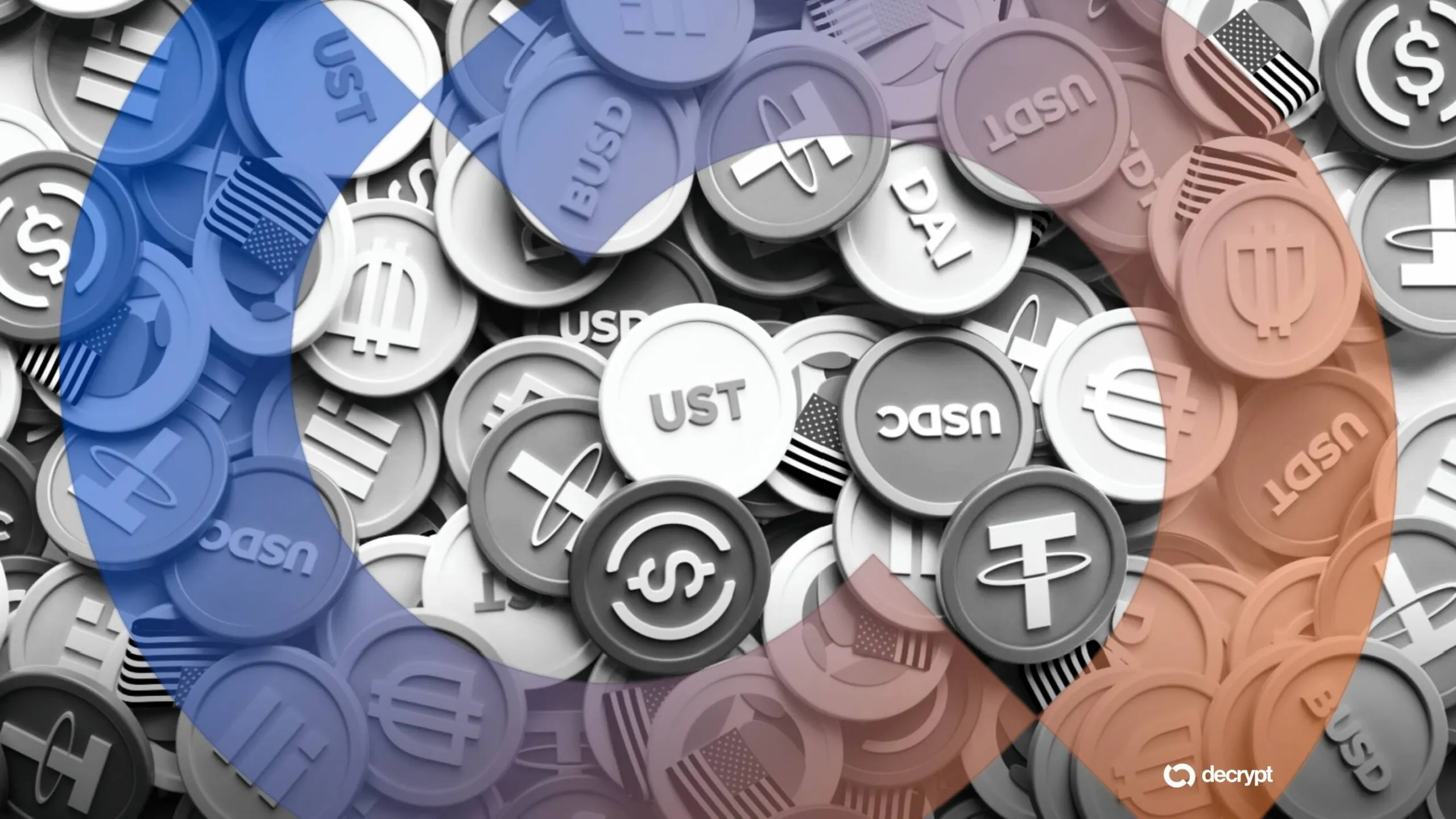
    استیبل‌کوین‌ها لایه جدیدی به این مشکل اضافه می‌کنند. این‌ها توکن‌های رمزارزی هستند که توسط بخش خصوصی صادر می‌شوند و با نسبت ۱:۱ به یک ارز فیات (تقریباً همیشه دلار) متصل هستند و به کاربران اجازه می‌دهند پول خود را کاملاً خارج از سیستم بانکی نگهداری و جابجا کنند. آن‌ها را می‌توان به عنوان دلاری دیجیتال در نظر گرفت که به جای حساب بانکی، در یک اپلیکیشن نگهداری می‌شود. حتی شرکت‌های فین‌تک مانند PayPal، Stripe و دیگران به نحوی به سیستم بانکی سنتی وابسته هستند.

    بر اساس داده‌های DeFiLlama، بازار جهانی استیبل‌کوین‌ها حدود ۳۰۰ میلیارد دلار ارزش دارد و تقریباً به طور کامل به دلار ارزش‌گذاری شده است.

    چیپلونه نگران است که رواج گسترده استیبل‌کوین‌ها ممکن است سپرده‌های نقدی را بی‌اهمیت کند. پرداخت‌های موبایلی برای بانک‌ها هزینه کارمزد و داده دارد؛ استیبل‌کوین‌ها می‌توانند پایگاه سپرده‌ای را که بانک‌ها برای وام‌دهی به آن متکی هستند، از آن‌ها بگیرند.

    سپرده‌ها صرفاً یک عدد در دفتر حسابداری نیستند. آن‌ها مواد اولیه‌ای هستند که بانک‌ها برای اعطای اعتبار به مشاغل و خریداران خانه از آن‌ها استفاده می‌کنند. کاهش سپرده‌ها به معنای کاهش وام‌دهی است و برای بانک‌های تعاونی کوچک با حاشیه سود کم و پایگاه مشتریان محلی، این یک مشکل وجودی است، نه یک مشکل در صفحه گسترده.

    راه‌حل پیشنهادی بانک مرکزی اروپا، به طور کنایه‌آمیزی، یورو دیجیتال است: شکلی الکترونیکی از پول نقد که توسط دولت صادر شده و از طریق بانک‌های تجاری توزیع می‌شود، نه به جای آن‌ها. طبق طراحی فعلی، بانک‌ها حساب‌های مشتریان را حفظ می‌کنند، کارمزدهای مبادله را دریافت می‌کنند و داده‌های تراکنش را در اختیار دارند. بانک مرکزی اروپا پیش از این ۳۶ ارائه‌دهنده پرداخت، از جمله Deutsche Bank، UniCredit و Revolut را برای یک دوره آزمایشی ۱۲ ماهه که از نیمه دوم سال ۲۰۲۷ آغاز می‌شود، معرفی کرده است.

    ایراد آشکار این است که یک کیف پول دیجیتال بدون ریسک و مورد حمایت دولت می‌تواند به همان اندازه استیبل‌کوین‌ها، سپرده‌ها را تخلیه کند. بانک مرکزی اروپا تدابیری را در نظر گرفته است: یورو دیجیتال سودی پرداخت نخواهد کرد، که انگیزه پارک کردن مبالغ زیاد در آن را از بین می‌برد، و محدودیت‌های نگهداری، حداکثر میزان قابل نگهداری در حساب یورو دیجیتال را تعیین خواهد کرد. تحلیل ثبات مالی خود بانک به این نتیجه رسیده است که طراحی آن هیچ ریسک مادی برای نقدینگی بانک‌ها ایجاد نمی‌کند.

    منتقدان هنوز کاملاً متقاعد نشده‌اند و هشدارهای مکرر بانک مرکزی اروپا در مورد استیبل‌کوین‌ها نتوانسته است بازار را به طور محسوسی کند کند. اما سازوکار قانون‌گذاری اکنون در حال حرکت است.

    به گفته چیپلونه، مذاکرات در مورد یورو دیجیتال در حال انجام است و قرار است در ۹ ژوئیه تصویب شود و اولین جلسه چهار روز بعد برگزار خواهد شد. قانون‌گذاران هدف‌گذاری کرده‌اند که تا پایان سال ۲۰۲۶ به توافق برسند. اولین انتشار در سال ۲۰۲۹ پیش‌بینی می‌شود.

  • Cardano Surges on Decentralization Push

    Cardano Surges on Decentralization Push

    Cardano’s Founding Developer Cedes Control of Core Infrastructure

    Input Output Global (IOG), the primary developer behind the Cardano blockchain, announced Friday it will transfer control of key blockchain infrastructure to external specialist firms. This significant shift, commencing in August, will see the Haskell node, Plutus smart-contract platform, Daedalus wallet, and Hydra scaling technology all transition to outside management.

    External Firms to Oversee Cardano’s Core Components

    Among the firms taking over are Se7en Labs, a development agency with prior experience in Solana infrastructure, and Teragone, a cryptographic research team already spearheading development of Mithril, Cardano’s stake-based signature protocol. The plan involves running at least three independent node implementations in Haskell, Rust, and Go concurrently. Oversight of these operations will be managed by community bodies Intersect and Pragma. This comprehensive transition is slated to conclude by 2027.

    The blockchain’s new guiding principle will be: “Built by many, owned by all.”

    Voltaire Era Nears Completion with Decentralization Push

    Charles Hoskinson, Cardano’s founder, characterized this move as the final push of the Voltaire era, the phase of governance and decentralization that Cardano has been progressively building towards since 2024. “Our partners are ready, and the ecosystem now has many diverse options,” Hoskinson stated in the IOG Group announcement.

    Cardano’s protocol and governance mechanisms are already decentralized. This transition extends that decentralization to its engineering operations.

    An official statement from Input Output Group on July 17, 2026, read: “The last stage of the Voltaire era is full decentralization of node and reference blueprint development. Since 2024, IOG and its partners have carefully managed a process that will conclude…”

    Van Rossem Hard Fork Set to Go Live

    The Van Rossem hard fork is scheduled to go live on the mainnet on July 18 at 21:44 UTC. This upgrade, ratified on July 13 with 77.63% approval from delegated community representatives, will advance Cardano to Protocol Version 11. It also introduces new Plutus built-in functions aimed at reducing smart contract execution costs.

    Market Performance and Investor Sentiment

    Cardano, trading under the ticker ADA, saw a modest increase of approximately 2% on the day, trading near $0.165 with a market capitalization of $6 billion. Open interest in ADA futures stands at around $193 million. The current long-to-short ratio of 2.84 suggests that a majority of traders are anticipating a price surge.

    Input Output Global’s Future Focus

    For Input Output Global, this handover marks the end of a significant chapter. The company will now redirect its efforts towards research and new ventures through its IO Labs and IO Ventures divisions. The responsibility will fall upon the community to demonstrate whether a decentralized engineering model can achieve greater velocity than the system it is replacing.

    Technical Analysis and Future Outlook

    From a purely technical standpoint, a rapid upward trend appears unlikely in the immediate future. ADA has not approached its 2024 highs of nearly $1.20, and current chart indicators are not encouraging. The coin has been in a downward grind since August 2025, with the 50-week exponential moving average falling below the 200-week average.

    The Relative Strength Index (RSI), a momentum indicator, is currently at 34. On a scale of 0 to 100, readings above 70 are considered overbought and below 30 oversold. The Average Directional Index (ADX), which measures trend strength, indicates a strong bearish long-term trend. Investing at current levels appears to be an act of faith rather than a conviction-based trade.

    However, ADA has surprised traders in the past. If the Van Rossem hard fork successfully delivers on its cost-reduction promises, the Leios upgrade arrives as scheduled, and decentralized engineering proves more productive than the current model, investors holding ADA at 16 cents could potentially see significant upside.