Author: Admin_Up

  • بازار آلت‌کوین‌ها در کف تاریخی، ۴۰ درصد سکه‌ها نزدیک به پایین‌ترین قیمت خود معامله می‌شوند

    بازار آلت‌کوین‌ها در کف تاریخی، ۴۰ درصد سکه‌ها نزدیک به پایین‌ترین قیمت خود معامله می‌شوند

    چرخه نزولی بازار به شدت بر آلت‌کوین‌ها تأثیر گذاشته است، همانطور که انتظار می‌رفت. در حالی که بیت‌کوین (BTC) برای حفظ موقعیت خود بالای ۶۰ هزار دلار تلاش می‌کند، این گروه از ارزهای دیجیتال وضعیت بدتری را تجربه می‌کنند.

    گزارشی از پلتفرم تحلیل بازار CryptoQuant نشان می‌دهد که حدود ۴۰ درصد از آلت‌کوین‌ها در حال حاضر در نزدیکی پایین‌ترین سطح تاریخی خود (ATL) معامله می‌شوند. این وضعیت نشان‌دهنده عملکرد بسیار ضعیف در اکثر پروژه‌ها است.

    به گفته دارک‌فاست (Darkfost)، تحلیلگر CryptoQuant، عملکرد ضعیف شدید آلت‌کوین‌ها بازتاب‌دهنده واقعیت تلخی است که پروژه‌هایی که اقدام به راه‌اندازی توکن کرده‌اند، با آن روبرو هستند. این تحلیلگر اظهار داشت که او در ابتدا نمودار “درصد آلت‌کوین‌های نزدیک به پایین‌ترین سطح تاریخی” را برای تجسم سکه‌هایی که زیر ۲۵ درصد از پایین‌ترین سطح تاریخی خود معامله می‌شوند، ایجاد کرد، اما متوجه شد که حداقل ۴۰ درصد از این دارایی‌ها در نزدیکی کف قیمتی خود معامله می‌شوند.

    با پیشرفت فصل نزولی بازار و کاهش بیشتر قیمت بیت‌کوین، عملکرد آلت‌کوین‌ها بدتر می‌شود. در واقع، زمانی که بیت‌کوین در ماه گذشته به زیر ۶۰ هزار دلار سقوط کرد، درصد آلت‌کوین‌های نزدیک به پایین‌ترین سطح تاریخی آن‌ها به ۴۵ درصد افزایش یافت.

    یکی از دلایل اصلی این عملکرد ضعیف، نقدینگی پایین است، علی‌رغم اینکه روزانه هزاران سکه ایجاد و به بازار اضافه می‌شوند. داده‌های CoinMarketCap نشان می‌دهد که در حال حاضر ۵۳.۵ میلیون ارز دیجیتال وجود دارد و روزانه ۶۰ هزار ارز جدید به آن اضافه می‌شود. متأسفانه، اکثریت قریب به اتفاق این دارایی‌ها به دلیل وضعیت بازار و کمبود فزاینده نقدینگی، محکوم به شکست هستند.

    این تحلیلگر توضیح داد: “بدون نقدینگی ورودی قوی، به راحتی می‌توان فهمید که چرا اکثریت این ارزهای دیجیتال محکوم به شکست هستند.”

    دارک‌فاست می‌گوید که در حال حاضر برای سرمایه‌گذاران ضروری است که در انتخاب پروژه‌هایی که در معرض آن‌ها قرار می‌گیرند، بسیار گزینشی عمل کنند. دلیل این امر این است که بازار ارزهای دیجیتال تغییر کرده است و تنها تعداد کمی از پروژه‌ها از مرحله نزولی جان سالم به در خواهند برد و باقی خواهند ماند.

    اظهارات این تحلیلگر، سخنان مشابهی را که کی یانگ جو (Ki Young Ju)، بنیانگذار CryptoQuant، در اوایل دسامبر ۲۰۲۴ در طول آخرین چرخه صعودی بازار بیان کرده بود، تکرار می‌کند. در آن زمان، احساسات بازار آلت‌کوین‌ها مثبت بود و چندین سکه با سرعت به بالاترین سطوح چند ساله خود صعود می‌کردند. جو معتقد بود که فصل آلت‌کوین‌ها آنطور که سرمایه‌گذاران انتظار داشتند پیش نخواهد رفت، زیرا این بخش شاهد ورود قابل توجه نقدینگی جدید نبود.

    همانطور که جو پیش‌بینی کرده بود، تنها تعداد کمی از دارایی‌ها در آن دوره و در کل مرحله صعودی بازار، سود قابل توجهی را ثبت کردند؛ کمبود نقدینگی مانع رشد سایر دارایی‌ها شد. ظاهراً، نقدینگی پایین در این فصل نزولی تشدید شده است و اکثر آلت‌کوین‌ها عملکرد ضعیف‌تری دارند.

  • Trader Realizes Significant Profit from Meme Coin Investment on Robinhood Chain

    Trader Realizes Significant Profit from Meme Coin Investment on Robinhood Chain

    A trader, identified by the Ethereum address ‘0xeEE2’, has realized substantial profits from an initial investment of approximately $85 in the CashCat meme coin on Robinhood Chain. The investment, made on June 18, 2026, grew to a peak valuation of over $2.3 million by July 8, 2026. The trader has since sold a portion of their holdings for $585,000 and retains tokens currently valued at around $1.6 million.

    The Investment and Its Growth

    This significant profit occurred within a short timeframe, between June 18 and July 8, 2026, on the Robinhood Chain, a new layer-2 network developed by Robinhood. The initial investment consisted of approximately 17.4 million CashCat tokens purchased for about $85, or 0.05 ETH. By July 8, 2026, the value of the trader’s holdings had surged, with the CashCat token price reaching $0.138 and the market capitalization hitting $138 million. At its all-time high, the trader’s full balance of CashCat tokens approached $2.5 million, a gain of approximately 27,000x from the initial stake, according to on-chain analytics platform DEXScreener.

    Robinhood Chain and Meme Coin Activity

    The performance of CashCat on Robinhood Chain has coincided with increased attention on meme coin activity on the platform. Robinhood CEO Vlad Tenev commented on July 8, 2026, via X (formerly Twitter), stating that while Robinhood Chain is designed for real-world assets, it “works great for memes too.” This statement followed a period where at least two other meme coins on the network were reported to be among the top 20 tokens by trading volume over the preceding 24 hours, according to data from DEXScreener.

    Market Context and Contrasting Performance

    The surge in meme coin activity on Robinhood Chain may be contributing to a shift in trading focus. This is suggested by the performance of the ANSEM token, a Solana-based token. The momentum of newly surging meme coins on Robinhood Chain has coincided with a steeper pullback in ANSEM. On July 8, 2026, ANSEM was trading at $0.26 with a market cap of $260 million, down 37% from its all-time high of $0.44, which had a market cap of $400 million. The ANSEM token had previously seen a significant gain of 190,000% over the preceding 13 days.

    Risk and Speculation

    While the CashCat investment demonstrates the potential for extraordinary gains in the meme coin space, it also underscores the inherent risks and speculative nature of such assets. The trader’s realized profit of $585,000 from selling 4 million tokens highlights the volatility. The remaining 12.3 million CashCat tokens held by the trader are valued at approximately $1.6 million as of July 8, 2026. The exact dates of the token’s all-time high market cap and the specific timing of the trader’s partial sale remain uncertain.

    Why This Matters

    This event highlights a significant, albeit speculative, financial outcome on a new blockchain network, prompting an examination of the underlying mechanics and risks involved. The substantial profit realized from a meme coin on Robinhood Chain, alongside the platform’s growing role in meme coin activity, illustrates the high-risk, high-reward dynamics present in this emerging market.

  • BNB Chain Plans New Layer-1 Blockchain for High-Frequency Trading and AI Agents, Researching Quantum Security

    BNB Chain Plans New Layer-1 Blockchain for High-Frequency Trading and AI Agents, Researching Quantum Security

    BNB Chain has announced plans to develop a new layer-1 blockchain designed to support high-frequency trading, AI agents, and quantum-resistant security measures. This new network will operate in parallel with the existing BNB Chain, aiming to significantly enhance transaction speeds and efficiency.

    According to BNB Chain, the new blockchain is being developed to handle demanding applications, including AI-driven transactions and automated payments, with ambitious performance targets. The network is projected to process over 100,000 transactions per second (TPS), suggest transactions in under 50 milliseconds, and finalize blocks in less than one second. These capabilities are intended to bring blockchain performance closer to that of traditional financial markets.

    A key component of the new layer-1 architecture will be TxStream, a system designed to remove the public mempool. By sending transactions directly to block leaders, TxStream aims to reduce latency and mitigate front-running opportunities, according to its developers.

    In addition to performance enhancements, BNB Chain is actively researching quantum-resistant security. The developers stated that this research is focused on preparing for future threats posed by advanced quantum computers. The team is exploring quantum-safe protections through account abstraction, which would allow users to upgrade their security without needing to change their wallet addresses. This work remains in the research phase, with developers testing hybrid protections and methods for user adoption.

    The roadmap indicates a testnet launch for the new layer-1 blockchain is expected by the end of 2026, with a mainnet release planned for early 2027. These developments follow recent upgrades to the existing BNB Smart Chain in the first half of 2026, which reduced block intervals from 750ms to 450ms and increased benchmark throughput from approximately 2,800 TPS to 5,200 TPS.

    The development of BNB Chain’s new layer-1 blockchain aligns with a broader industry trend of building infrastructure to support AI agents. Recently, companies like Tempola launched payments-focused layer-1 blockchains, while MoonPay introduced the Open Wallet Standard to facilitate transactions between AI agents. Amazon Web Services, in partnership with Coinbase and Stripe, has also launched initiatives enabling AI agents to use stablecoins for payments, and Coinbase has introduced tools for AI agents to trade crypto and manage portfolios.

    While BNB Chain is preparing for future technological shifts, including quantum computing, the exact timeline for the full implementation of quantum-safe protections and the specific methods to be employed are still under exploration. BNB Chain did not immediately respond to a request for comment.

    Why This Matters

    The materials describe a narrow update: BNB Chain announced plans for a new layer-1 blockchain to support high-frequency trading, automated payments, and AI-driven transactions, aiming for speeds comparable to traditional financial markets. The exact timeline for the full implementation of quantum-safe protections.

    Broader Context

    Source materials place the factual news in this context: The news comes as crypto and technology companies are building infrastructure for AI agents that can move money and execute transactions without constant human approval.

  • SEC’s 2026 Crypto Rulemaking Agenda Signals Proactive Regulatory Path

    SEC’s 2026 Crypto Rulemaking Agenda Signals Proactive Regulatory Path

    The U.S. Securities and Exchange Commission (SEC) has formally placed three cryptocurrency-related rulemaking initiatives on its 2026 regulatory agenda, signaling a proactive approach to establishing market structure and offering clarity for digital assets. This move compresses the timeline for market participants who may have anticipated regulatory changes primarily through legislative action.

    Broader Context

    Source materials place the factual news in this context: The CLARITY Act remains unsigned as of early July.

    Scope of Rulemaking

    The three core areas targeted for rulemaking include the offer and sale of crypto assets, amendments to broker-dealer financial responsibility rules as they apply to crypto assets, and Exchange Act amendments concerning crypto trading on alternative trading systems (ATSs) and national securities exchanges. According to the Agency Rule List, these initiatives aim to provide a structured exemptive regime and clarity for the evolving digital asset landscape.

    Implications for Market Participants

    For token issuers navigating registration ambiguity, the potential for codified safe harbor provisions is a significant development. The SEC has previously proposed an innovation exemption for tokenized securities, and this rulemaking could formalize or refine those conditions. The specifics, thresholds, timelines, and the definition of sufficiently decentralized governance remain unresolved, which is precisely why the rulemaking notice is consequential, according to the primary source.

    The agenda also addresses broker-dealer rules, specifically targeting rules such as 15c3-1, 15c3-3, 17a-3, and 17a-4. Furthermore, the rulemaking aims to clarify whether existing ATS registration frameworks apply as-is or require a parallel crypto-specific track for crypto trading. The coming rulemaking could codify previous conditions outlined by the SEC for DeFi platforms to operate without registering as broker-dealers, or potentially tighten them, a distinction that may determine compliance burdens for interface providers and aggregators.

    Political and Executive Context

    According to the primary source, SEC Chair Paul Atkins framed the agenda as embracing innovation, bringing more products onshore, and providing clarity regarding tokenized securities. This framing aligns with an executive mandate, with the Commission’s efforts reportedly tied to President Trump’s goal to make the U.S. the world’s crypto capital. The political tailwind behind the crypto regulation overhaul is noted, though political will and regulatory execution are described as separate variables, with these agenda items being proposals, not final rules.

    The SEC’s decision to queue its own rulemakings now compresses the timeline for market participants, suggesting a Commission building its own regulatory framework in parallel with Congress rather than waiting for legislation. This proactive stance may accelerate market participant adaptation to new regulations.

    Uncertainties and Next Steps

    However, significant uncertainties persist. The precise details, thresholds, timelines, and the definition of sufficiently decentralized governance for crypto asset offerings are yet to be determined. Additionally, it remains unclear whether existing ATS registration frameworks will apply as-is or require a parallel crypto-specific track, and whether front-end interface providers and aggregators will face full broker-dealer registration burdens or a narrower compliance path.

    These rulemaking items are proposals, and the SEC’s agenda reflects an intent to provide clarity and potentially create safe harbors, aligning with broader political objectives. The specifics of these initiatives will be crucial for market participants seeking to navigate the evolving regulatory landscape.

  • به‌روزرسانی اندازه تیک برای چندین قرارداد آتی دائمی USDⓈ-M (۹ ژوئیه ۲۰۲۶)

    به‌روزرسانی اندازه تیک برای چندین قرارداد آتی دائمی USDⓈ-M (۹ ژوئیه ۲۰۲۶)

    بایننس در راستای افزایش نقدینگی بازار و بهبود تجربه معاملاتی کاربران، «تیک سایز» (حداقل تغییر در قیمت واحد) برخی از قراردادهای آتی دائمی USDⓈ-M را در تاریخ ۹ ژوئیه ۲۰۲۶، ساعت ۰۳:۰۰ (به وقت هماهنگ جهانی) تغییر خواهد داد.

    این تغییرات تأثیری بر روند معاملات آتی USDⓈ-M نخواهد داشت.

    تغییرات در API

    تیک سایز در رابط برنامه‌نویسی کاربردی (API) نیز تغییر خواهد کرد. کاربران API می‌توانند برای مشاهده آخرین تغییرات تیک سایز قراردادهای آتی دائمی USDⓈ-M از دستور GET /fapi/v1/exchangeInfo استفاده کنند. برای جزئیات بیشتر، لطفاً به بخش تغییرات API (Changelog) مراجعه کنید.

    شایان ذکر است که به‌روزرسانی تیک سایز بر سفارش‌های موجود تأثیری نخواهد داشت؛ سفارش‌هایی که پیش از این تغییر ثبت شده‌اند، همچنان با تیک سایز اولیه مطابقت داده می‌شوند.

    جزئیات تغییرات

    جزئیات دقیق این تعدیل به شرح زیر است:

    | نوع قرارداد | جفت ارز معاملاتی | پیش از تغییر | پس از تغییر |
    | :— | :— | :— | :— |
    | آتی USDⓈ-M | LABUSDT | ۰.۰۰۱ | ۰.۰۰۰۱ |
    | آتی USDⓈ-M | MYXUSDT | ۰.۰۰۰۱ | ۰.۰۰۰۰۱ |
    | آتی USDⓈ-M | TAIKOUSDT | ۰.۰۰۰۱ | ۰.۰۰۰۰۱ |
    | آتی USDⓈ-M | ERAUSDT | ۰.۰۰۰۱ | ۰.۰۰۰۰۱ |

    نکات مهم

    کاربران می‌توانند برای کسب اطلاعات بیشتر به بخش «قوانین معاملاتی» (Trading Rules) مراجعه کرده و استراتژی‌های معاملاتی خود را با تغییرات مذکور هماهنگ کنند تا از بروز هرگونه اختلال احتمالی در معاملات خود جلوگیری نمایند.

    در صورت وجود هرگونه مغایرت میان نسخه انگلیسی و نسخه‌های ترجمه‌شده، نسخه انگلیسی به عنوان مرجع اصلی و دقیق‌تر ملاک عمل قرار خواهد گرفت.

    ۹ ژوئیه ۲۰۲۶

  • معامله‌گر خوش‌شانس ۸۵ دلار را به ۲ میلیون دلار در میم‌کوین رابین‌هود تبدیل کرد

    معامله‌گر خوش‌شانس ۸۵ دلار را به ۲ میلیون دلار در میم‌کوین رابین‌هود تبدیل کرد

    یک سرمایه‌گذار میم کوین با سرمایه‌ای کمتر از ۱۰۰ دلار، ثروت قابل توجهی را از طریق یک میم کوین جدید در شبکه Robinhood Chain، شبکه لایه دوم اتریوم که توسط شرکت کارگزاری و صرافی ارز دیجیتال رابین‌هود راه‌اندازی شده، به دست آورده است.

    کاربری با آدرس اتریوم که با “0xeEE2” آغاز می‌شود، در تاریخ ۱۸ ژوئن، چند هفته پیش از اعلام رسمی راه‌اندازی شبکه اصلی توسط این شرکت، به ارزش حدود ۸۵ دلار (۰.۰۵ اتریوم) توکن CashCat خریداری کرده بود. در آن زمان، این خرید معادل حدود ۱۷.۴ میلیون توکن CashCat بود.

    تنها کمی بیش از سه هفته بعد، ارزش دلاری این سرمایه‌گذاری به بیش از ۲.۳ میلیون دلار رسیده است، زیرا قیمت این توکن با افزایش ارزش بازار به بیش از ۱۳۸ میلیون دلار در زمان نگارش این خبر، هر توکن CashCat را حدود ۰.۱۳۸ دلار ارزش‌گذاری کرده است.

    این معامله‌گر ۸۵ دلار را به بیش از ۲ میلیون دلار تبدیل کرد
    0xeEE2 توکن $CASHCAT را در Robinhood Chain ظرف ۳۰ دقیقه پس از راه‌اندازی خریداری کرد
    او اکنون ۲۷,۰۰۰ برابر سود کرده است
    pic.twitter.com/w9K51J5BTj
    — Bubblemaps (@bubblemaps) ۸ ژوئیه ۲۰۲۶

    این رقم، کاهش یافته از اوج تاریخی ارزش بازار توکن است که از ۱۴۲ میلیون دلار فراتر رفته بود. در آن زمان، کل موجودی این سرمایه‌گذار به حدود ۲.۵ میلیون دلار توکن CashCat می‌رسید که نشان‌دهنده سودی نزدیک به ۳ میلیون درصد از سرمایه اولیه او بود.

    بر اساس پلتفرم تحلیل آن‌چین DEXScreener، سرمایه‌گذار پشت کیف پول “0xeEE2” در طول روند صعودی این توکن، به طور سیستماتیک بخشی از دارایی خود را فروخته و حدود ۴ میلیون توکن CashCat را به ارزش ۵۸۵,۰۰۰ دلار نقد کرده است. در حال حاضر، این سرمایه‌گذار همچنان ۱۲.۳ میلیون توکن CashCat به ارزش تقریبی ۱.۶ میلیون دلار در اختیار دارد.

    روند صعودی اخیر این میم کوین همزمان با افت شدید در یکی دیگر از توکن‌های پرطرفدار این روزها، یعنی “The Black Bull” با نماد ANSEM، رخ داده است. این توکن سولانا که به نام شخصیت برجسته و معامله‌گر ارز دیجیتال، Ansem، نام‌گذاری شده است.

    solana:9cRCn9rGT8V2imeM2BaKs13yhMEais3ruM3rPvTG
    به‌روزرسانی‌های پامپ:
    اضافه کردن نقدینگی $SOL از کارمزدهای خالق به LP، بنابراین جذب فروش از خریداران اولیه آسان‌تر می‌شود و نقدینگی عمیق‌تری برای خرید نهنگ‌های جدید فراهم می‌شود.
    اولویت‌بندی ایردراپ $SOL به بهترین فعالان شبکه‌های اجتماعی، بنابراین…
    — Ansem 🐂🀄️ (@blknoiz06) ۶ ژوئیه ۲۰۲۶

    این توکن که در ۱۳ روز گذشته بیش از ۱۹۰,۰۰۰ درصد افزایش یافته است، اکنون بیش از ۳۷ درصد از اوج تاریخی خود در حدود ۰.۴۴ دلار و ارزش بازاری بیش از ۴۰۰ میلیون دلار سقوط کرده است. در حال حاضر با قیمت ۰.۲۶ دلار و ارزش بازاری ۲۶۰ میلیون دلار معامله می‌شود، زیرا معامله‌گران میم کوین به سمت این منبع نقدینگی جدید و داغ در Robinhood Chain هجوم می‌آورند.

    فعالیت معاملاتی در Robinhood Chain توسط خود ولاد تنف، مدیرعامل رابین‌هود، تقویت شده است. او روز گذشته در پستی در X نوشت: “در حالی که ما در حال ساخت Robinhood Chain به عنوان بهترین زنجیره برای دارایی‌های دنیای واقعی (RWA) هستیم… این شبکه برای میم‌ها نیز عالی عمل می‌کند.”

    در حالی که ما در حال ساخت Robinhood Chain به عنوان بهترین زنجیره برای RWA هستیم… این شبکه برای میم‌ها نیز عالی عمل می‌کند
    — Vlad Tenev (@vladtenev) ۸ ژوئیه ۲۰۲۶

    در حال حاضر، حداقل دو میم کوین دیگر در این شبکه نوپا، طبق داده‌های DexScreener، در بین ۲۰ توکن برتر از نظر حجم معاملات در ۲۴ ساعت گذشته قرار دارند.

  • زنجیره BNB طرح لایه ۱ جدید برای عامل‌های هوش مصنوعی و آینده کوانتومی

    زنجیره BNB طرح لایه ۱ جدید برای عامل‌های هوش مصنوعی و آینده کوانتومی

    BNB Chain: بلاکچین نسل جدید برای عصر هوش مصنوعی و معاملات پرسرعت

    BNB Chain امروز اعلام کرد که در حال توسعه یک بلاکچین لایه ۱ جدید است که برای پاسخگویی به نیازهای معاملات با فرکانس بالا، پرداخت‌های خودکار و تراکنش‌های مبتنی بر هوش مصنوعی طراحی شده است. این شبکه جدید با سرعت‌هایی نزدیک به بازارهای مالی سنتی عمل خواهد کرد و در کنار بلاکچین فعلی BNB Chain اجرا می‌شود، نه جایگزین آن.

    نقشه راه فنی نیمه دوم ۲۰۲۶

    بر اساس نقشه راه فنی نیمه دوم سال ۲۰۲۶، انتظار می‌رود شبکه جدید در اواخر سال ۲۰۲۶ به صورت آزمایشی (testnet) راه‌اندازی شود و نسخه اصلی (mainnet) آن در اوایل سال ۲۰۲۷ عرضه گردد. توسعه‌دهندگان BNB Chain اعلام کردند که تمرکز اصلی در نیمه دوم سال جاری بر دو برابر کردن عملکرد و طراحی معماری برای دهه آینده خواهد بود.

    افزایش چشمگیر سرعت و توان عملیاتی

    BNB Chain پیش‌بینی می‌کند که شبکه جدید قادر به پردازش بیش از ۱۰۰,۰۰۰ تراکنش در ثانیه باشد. این امر از طریق پردازش همزمان چندین تراکنش و بهبود روش‌های ذخیره‌سازی و تأیید داده‌ها حاصل خواهد شد. هدف این است که تأیید تراکنش‌ها کمتر از ۵۰ میلی‌ثانیه و نهایی شدن بلاک‌ها کمتر از یک ثانیه طول بکشد.

    معرفی TxStream برای کاهش تأخیر و جلوگیری از Front-running

    یکی از اجزای کلیدی این لایه ۱ جدید، سیستم TxStream است. این سیستم با حذف “mempool” عمومی که در آن تراکنش‌های در انتظار تأیید قابل مشاهده هستند، تراکنش‌ها را مستقیماً به رهبران بلاک ارسال می‌کند. این رویکرد باعث کاهش تأخیر و محدود کردن فرصت‌های “front-running” (اقدام پیشگیرانه برای بهره‌برداری از اطلاعات تراکنش‌های آینده) می‌شود.

    پیشرفت‌های اخیر و برنامه‌های آینده

    در نیمه اول سال ۲۰۲۶، ارتقاهایی در BNB Smart Chain منجر به کاهش فاصله زمانی بین بلاک‌ها از ۷۵۰ میلی‌ثانیه به ۴۵۰ میلی‌ثانیه و افزایش توان عملیاتی از حدود ۲,۸۰۰ تراکنش در ثانیه به ۵,۲۰۰ تراکنش شد. فاز بعدی بر افزایش بیشتر توان عملیاتی و کاهش ازدحام بین برنامه‌ها تمرکز خواهد داشت.

    تحقیقات در زمینه امنیت مقاوم در برابر کوانتوم

    BNB Chain همچنین در حال تحقیق بر روی امنیت مقاوم در برابر کوانتوم است تا خود را برای تهدیدات آینده ناشی از کامپیوترهای کوانتومی آماده کند. توسعه‌دهندگان در حال بررسی راه‌هایی برای افزودن حفاظت‌های ایمن در برابر کوانتوم از طریق “account abstraction” هستند که به کاربران امکان می‌دهد امنیت خود را بدون تغییر آدرس کیف پول ارتقا دهند. این تحقیقات هنوز در مرحله اولیه قرار دارد.

    آمادگی برای آینده محاسبات کوانتومی

    تحقیقات امنیتی کوانتومی BNB Chain بر محافظت در برابر سناریوهای آینده متمرکز است که در آن کامپیوترهای کوانتومی پیشرفته‌تر می‌توانند داده‌های رمزگذاری شده امروزی را رمزگشایی کنند. این تیم در حال آزمایش حفاظت‌های ترکیبی و روش‌هایی برای پذیرش امنیت کوانتومی توسط کاربران بدون نیاز به تغییر آدرس کیف پول است. توسعه‌دهندگان تأکید کرده‌اند که این فرآیند تکاملی است و زیرساخت BNB Chain برای آمادگی در برابر بلوغ محاسبات کوانتومی طراحی شده است.

    همگامی با روندهای صنعت

    این تحولات در حالی رخ می‌دهد که شرکت‌های فعال در حوزه ارزهای دیجیتال و فناوری در حال ساخت زیرساخت‌هایی برای عامل‌های هوش مصنوعی (AI agents) هستند که قادر به جابجایی پول و اجرای تراکنش‌ها بدون تأیید مداوم انسانی باشند. در ماه مارس، Tempop که توسط Stripe پشتیبانی می‌شود، بلاکچین لایه ۱ متمرکز بر پرداخت خود را همراه با پروتکل Machine Payments راه‌اندازی کرد. در ماه مه، Amazon Web Services با Coinbase و Stripe برای راه‌اندازی Amazon Bedrock AgentCore Payments همکاری کرد که به عامل‌های هوش مصنوعی اجازه می‌دهد از استیبل‌کوین USDC برای پرداخت هزینه‌های APIها، فیدهای داده و خدمات آنلاین استفاده کنند. همچنین در ماه ژوئن، Coinbase ابزار Coinbase for Agents را معرفی کرد که به عامل‌های هوش مصنوعی امکان می‌دهد در چارچوب محدودیت‌های تعریف شده توسط کاربر، ارز دیجیتال معامله کرده، پرداخت انجام دهند و سبد دارایی خود را مدیریت کنند.

  • برنامه رگولاتوری ارز دیجیتال SEC در سال ۲۰۲۶: پناهگاه‌های امن، قوانین کارگزار-معامله‌گر و اصلاحات ATS

    برنامه رگولاتوری ارز دیجیتال SEC در سال ۲۰۲۶: پناهگاه‌های امن، قوانین کارگزار-معامله‌گر و اصلاحات ATS

    برنامه رگولاتوری ارزهای دیجیتال SEC برای سال ۲۰۲۶: پناهگاه‌های امن، قوانین کارگزار-معامله‌گر و اصلاحات ATS

    کمیسیون بورس و اوراق بهادار آمریکا (SEC) رسماً سه مورد از قوانین مربوط به ارزهای دیجیتال را در دستور کار رگولاتوری سال ۲۰۲۶ خود قرار داده است. این موارد شامل پیشنهاد و فروش دارایی‌های رمزارزی، قوانین مسئولیت مالی کارگزار-معامله‌گر و اصلاحات قانون بورس برای معاملات رمزارزی در بسترهای جایگزین می‌شود.

    این اقدامات نشان‌دهنده رویکرد کمیسیون در ایجاد یک نظام معافیت ساختاریافته به موازات کنگره است، به جای انتظار برای تصویب قوانین توسط کنگره که مجبور به اقدام شود.

    این تمایز اهمیت دارد. قانون CLARITY تا اوایل ماه ژوئیه همچنان امضا نشده است. تصمیم SEC برای اولویت‌بندی قوانین خود در حال حاضر، جدول زمانی را برای فعالان بازار که انتظار داشتند اصلاحات رگولاتوری ابتدا از طریق قانون تصویب شود، فشرده‌تر می‌کند.

    مورد اول به نحوه پیشنهاد و فروش دارایی‌های رمزارزی می‌پردازد و به صراحت معافیت‌های خاص و مفاد پناهگاه امن را در نظر می‌گیرد. SEC پیش از این معافیت نوآوری را پیشنهاد کرده است که به شرکت‌ها اجازه می‌دهد اوراق بهادار توکنیزه شده، به ویژه سهام توکنیزه شده آمریکا را صادر و معامله کنند و این راهنمایی احتمالاً تحت این دسته از قوانین قرار خواهد گرفت.

    پل اتکینز، رئیس کمیسیون، دستور کار گسترده‌تر را در راستای پذیرش نوآوری، ورود محصولات بیشتر به کشور و ایجاد شفافیت در مورد اوراق بهادار توکنیزه شده توصیف کرده است.

    برای صادرکنندگان توکن که در حال حاضر با ابهام در ثبت مواجه هستند، یک پناهگاه امن مدون، مهم‌ترین مورد از نظر تجاری در دستور کار است.

    این موضوع تعیین می‌کند که آیا یک پروژه اصلاً می‌تواند توکن‌ها را به مشارکت‌کنندگان خرده‌فروش آمریکایی بفروشد و تحت چه شرایط افشاگری. جزئیات، آستانه‌ها، زمان‌بندی‌ها و تعریف حاکمیت به اندازه کافی غیرمتمرکز همچنان حل نشده باقی مانده‌اند، که دقیقاً دلیل اهمیت اطلاعیه قانون‌گذاری است.

    مورد دوم، قوانین مسئولیت مالی کارگزار-معامله‌گر را هدف قرار می‌دهد: به طور خاص، قوانین ۱۵c3-1 (سرمایه خالص)، ۱۵c3-3 (حفاظت از مشتری)، ۱۷a-3 و ۱۷a-4 (دفاتر و سوابق)، با اصلاحات پیشنهادی برای پرداختن به نحوه اعمال این قوانین در مورد دارایی‌های رمزارزی.

    SEC پیش از این شرایطی را مشخص کرده بود که به پلتفرم‌های خاص DeFi اجازه می‌داد بدون ثبت نام به عنوان کارگزار-معامله‌گر فعالیت کنند. قانون‌گذاری آتی می‌تواند این شرایط را مدون کند یا آنها را سخت‌گیرانه‌تر کند، تمایزی که تعیین خواهد کرد آیا ارائه‌دهندگان رابط کاربری و تجمیع‌کننده‌ها با بار کامل ثبت نام مواجه خواهند شد یا یک مسیر انطباق محدودتر.

    مورد سوم مجموعه‌ای از اصلاحات قانون بورس است که معاملات رمزارزی در ATSها (بسترهای معاملاتی جایگزین) و بورس‌های اوراق بهادار ملی را پوشش می‌دهد. این بخش ساختار بازار است، قوانینی که نحوه عملکرد بسترهای معاملاتی، چه افشاهایی را باید ارائه دهند و چگونه جریان سفارش در اوراق بهادار رمزارزی نسبت به سهام سنتی مورد رسیدگی قرار می‌گیرد.

    یک ATS که در حال حاضر در حوزه رمزارز فعالیت می‌کند، در یک منطقه خاکستری انطباق قرار دارد؛ قوانین اصلاح شده قانون بورس روشن خواهد کرد که آیا چارچوب‌های ثبت ATS موجود به همان شکل اعمال می‌شوند یا نیاز به یک مسیر موازی و خاص رمزارز دارند.

    رئیس اتکینز، طبق منبع اصلی، بر تلاش کمیسیون برای پذیرش نوآوری، ورود محصولات بیشتر به کشور، ایجاد قوانین روشن برای جمع‌آوری سرمایه در اکوسیستم رمزارزی و ارائه شفافیت در مورد اوراق بهادار توکنیزه شده تأکید کرده و هر سه مورد را بخشی از تحقق هدف پرزیدنت ترامپ برای تبدیل آمریکا به پایتخت رمزارزی جهان توصیف کرده است.

    این چارچوب‌بندی از نظر سیاسی عمدی است: این امر سرعت قانون‌گذاری SEC را مستقیماً به یک فرمان اجرایی گره می‌زند، که دستور کار را از مقاومت داخلی مصون می‌دارد و به مشارکت‌کنندگان بازار نهادی سیگنال می‌دهد که جهت‌گیری پایدار است.

    پرزیدنت ترامپ در مراسم رسمی راه‌اندازی حساب‌های ترامپ، اعلام کرد که از طرفداران بزرگ رمزارز است و پیشنهاد داد که بیت‌کوین می‌تواند در نهایت در این حساب‌ها گنجانده شود.

    باد سیاسی حمایتی از اصلاحات رگولاتوری رمزارز مبهم نیست، اما اراده سیاسی و اجرای رگولاتوری متغیرهای جداگانه‌ای هستند و موارد دستور کار SEC پیشنهاد هستند، نه قوانین نهایی.

  • XRP Price: Critical Level to Defend Against Breakdown

    XRP Price: Critical Level to Defend Against Breakdown

    XRP Faces Persistent Selling Pressure, Key Support Level Under Scrutiny

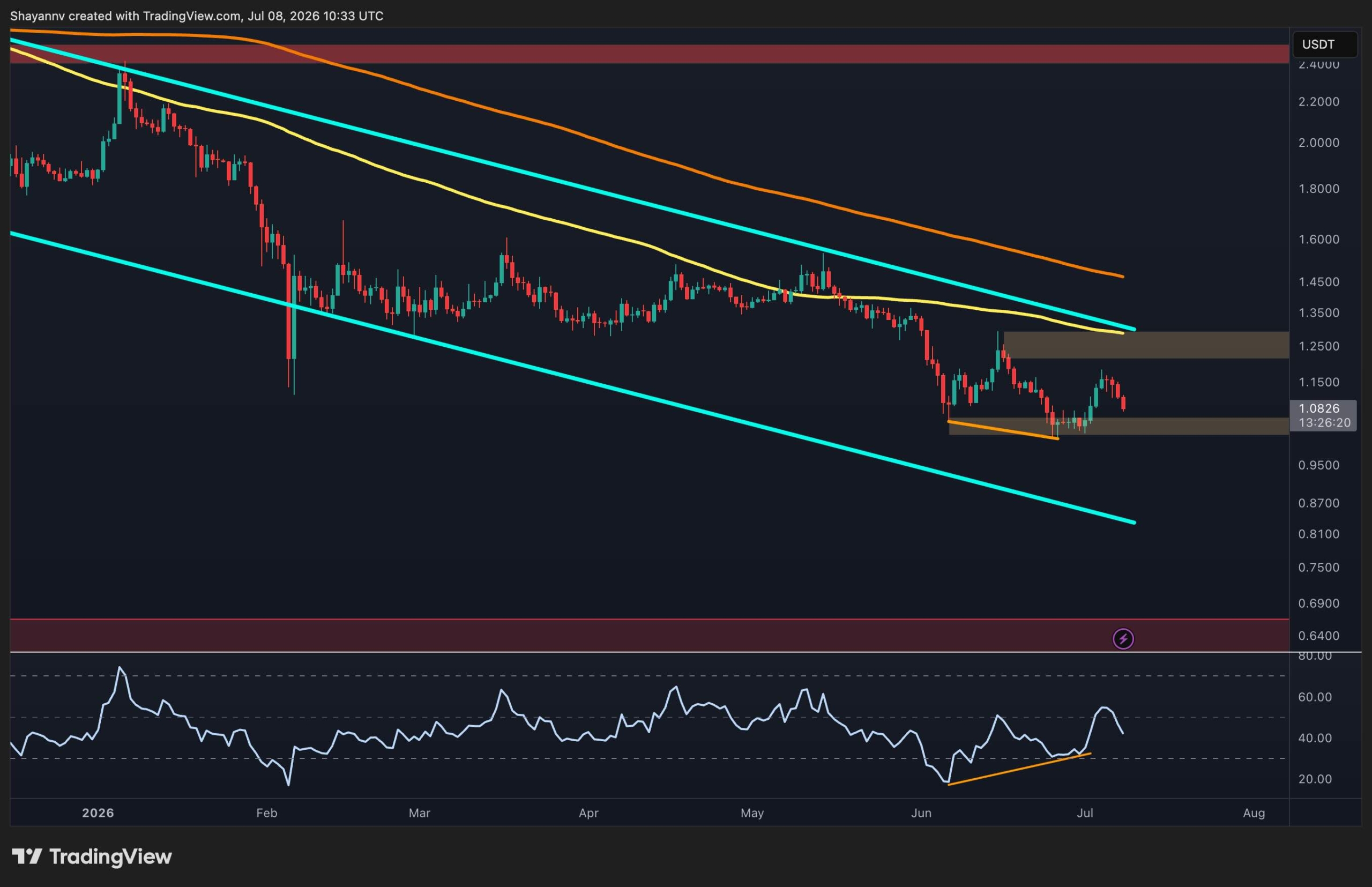
    XRP is currently experiencing sustained downward pressure against both Tether (USDT) and Bitcoin (BTC). Despite intermittent attempts at recovery, sellers continue to dictate the prevailing trend. While the USDT chart indicates buyers are actively defending a crucial support zone, the XRP/BTC pair is trading near multi-month lows, underscoring XRP’s ongoing relative weakness compared to the market leader.

    Technical Outlook for XRP/USDT

    On the daily chart, XRP remains confined within a clearly defined descending channel, signaling a firmly bearish market structure. The cryptocurrency is trading below both its 100-day and 200-day moving averages, which are both trending downwards and acting as dynamic resistance points above $1.25. This technical alignment suggests that seller momentum is still dominant, and a significant trend reversal would be required to shift the balance.

    Following the loss of the $1.25 level in early June, XRP found demand around the critical $1 mark. This region has repeatedly seen buyers step in to halt further declines and has now emerged as the most important support level to monitor. As long as this $1 support holds, the market may continue to establish a short-term base.

    On the upside, the immediate significant resistance is located around $1.25. This area coincides with the descending 100-day moving average and the upper boundary of the channel, presenting a substantial obstacle for any sustained recovery. A successful breach above this level would then target the 200-day moving average near $1.45. Conversely, a failure to hold the $1 support could trigger another downward move, potentially testing the channel’s lower trendline around $0.80.

    Meanwhile, the Relative Strength Index (RSI) has been printing higher lows, even as the price has made lower lows near $1. This developing bullish divergence suggests that bearish momentum may be waning, and buyers could initiate another recovery attempt if resistance levels begin to falter.

    XRP/BTC Pair Shows Continued Weakness

    Against Bitcoin, XRP’s technical picture remains weaker. The pair is trading below both major moving averages, which are continuing their downward trajectory and reinforcing the long-term bearish structure.

    After several weeks of range-bound trading, XRP/BTC is once again testing key horizontal support at approximately 1,700 satoshis. This level has served as the floor for recent consolidation, and another breakdown attempt is currently underway. A confirmed daily close below 1,700 satoshis would likely invalidate the current trading range and increase the likelihood of a decline toward the next significant demand zone, situated between 1,450 and 1,500 satoshis.

    To regain bullish momentum, buyers must first reclaim the 1,850 satoshis resistance area, which also aligns closely with the declining 100-day moving average. Until this resistance is overcome, rallies are likely to be viewed as corrective within the broader downtrend, potentially leading to further depreciation of XRP against Bitcoin.

  • Payward Secures $22 Million Arbitration Award Against Former Auditor Mazars USA

    Payward Secures $22 Million Arbitration Award Against Former Auditor Mazars USA

    Payward, the parent company of cryptocurrency exchange Kraken, has been awarded $22 million in arbitration against its former auditor, Mazars USA, following the auditor’s abandonment of a nearly completed audit. Payward is seeking to have this award entered as a final judgment by the Delaware Court of Chancery.

    According to Arjun Sethi, co-CEO of Kraken, the auditor’s withdrawal occurred during a period Payward claims was associated with reputational harm and financial losses, particularly during what critics describe as ‘Operation Choke Point 2.0’—a campaign to pressure banks into cutting off the crypto industry. Sethi stated that when an auditor walks away without findings, the client is left to repair reputational damage at a significant cost.

    Mazars USA had audited Kraken’s financials for three years, delivering two clean opinions. However, the firm quit the third audit in December 2023, days before its completion. Mazars reported in writing that it had no disagreement with management, no concerns about integrity, and found no fraud before withdrawing. The firm cited legal uncertainty, including an SEC complaint filed against Kraken weeks prior, as a reason for its withdrawal.

    This dispute unfolded against a backdrop of increased regulatory scrutiny on the crypto industry. In December 2022, Mazars Group had already halted its proof-of-reserves work for the crypto sector. In January 2023, regulators including the Federal Reserve, FDIC, and OCC issued a joint statement warning banks about crypto risks. Around the same time, the FDIC sent approximately 25 ‘pause letters’ to 24 banks, which advocates say instructed lenders to halt or reconsider crypto-related activities.

    The SEC had filed a complaint against Kraken weeks before Mazars abandoned its audit. This suit was later dismissed with prejudice in March 2025, with no penalties or admission of wrongdoing by Kraken, noted as part of a broader shift in regulatory approach.

    In a related development, Kraken co-founder and former CEO Jesse Powell’s home was raided by federal agents in March 2023. The investigation was reportedly closed about two years later with no charges filed.

    Sethi has pointed to these events as a reason to support legislative efforts like the Clarity Act, a bill aimed at dividing oversight of digital assets between the SEC and the CFTC. The Clarity Act cleared the Senate Banking Committee in May with a 15-9 vote, after passing the House in the previous year, but has faced hurdles and requires further votes to become law.

    Payward’s claim in arbitration centered on the reputational and financial damage was associated with by Mazars’ abrupt departure from the audit. Sethi argued that proving a lawful crypto business deserves ordinary banking and professional services should not require winning a legal fight.

    Uncertainties remain regarding the exact date of the arbitration award announcement and the specific years the Clarity Act passed the House and cleared the Senate Banking Committee. The full extent of legal uncertainty cited by Mazars and whether the firm acted independently or under pressure are also points of ambiguity. The precise reasons for the SEC’s initial complaint against Kraken and the full impact of ‘Operation Choke Point 2.0’ on the broader crypto industry are also not fully detailed.

    Why This Matters

    The materials describe a narrow update: Payward, the parent company of Kraken, received a $22 million arbitration award from its former auditor, Mazars USA. The exact date of the Tuesday announcement.

    Broader Context

    Source materials place the factual news in this context: Operation Choke Point 2.0 is a widely used term for what critics describe as the Biden administration’s unofficial campaign to pressure banks into cutting off the crypto industry after the collapse of FTX.