Author: Admin_Up

  • Zcash Surges 90% in a Month: Is This Sustainable?

    Zcash Surges 90% in a Month: Is This Sustainable?

    Major altcoins, including Ethereum (ETH), Ripple (XRP), and Solana (SOL), have experienced declines over the past 30 days, mirroring the market’s overall bearish trend. However, Zcash (ZEC) has bucked this trend, recording a price increase of approximately 90% during the same period.

    Zcash’s Recent Surge

    The privacy coin ZEC gained significant attention late last year when its price surged from around $50 to over $700 within two months. While the entire crypto market was booming at that time, Zcash’s recent surge appears more unexpected. Earlier this month, the token’s valuation briefly surpassed $630 before settling around its current price of $585, according to CoinGecko data. Its market capitalization neared $10 billion, positioning ZEC as the 14th-largest cryptocurrency, surpassing Cardano (ADA) and Bitcoin Cash (BCH). The overall uptrend in privacy coins, with Monero (XMR) and Dash (DASH) also showing gains, may have contributed to Zcash’s rise.

    Market Sentiment and Technical Analysis

    Crypto social media platforms are buzzing with users anticipating further gains for ZEC. For example, CryptoJack suggested the asset has broken out of a descending channel, indicating a potential upward move. Sjuul | AltCryptoGems and JAVON MARKS also shared their perspectives, with the former noting a “bullish” outlook due to a potential bull flag breakout, and the latter forecasting a possible rise above $700.

    Despite these bullish predictions, ZEC’s Relative Strength Index (RSI) suggests a potential near-term cooling off. The RSI, a technical analysis tool ranging from 0 to 100, indicates that readings above 70 signal an overbought condition, potentially leading to a pullback. ZEC’s RSI briefly exceeded 80 but is now around 66.

    Analyst Perspectives

    Some analysts anticipate a correction. Altcoin Sherpa, for instance, expressed interest in buying if the price drops to $470 or lower.
  • Hyperliquid ETFs Drive HYPE Toward Record Highs

    Hyperliquid ETFs Drive HYPE Toward Record Highs

    Market analyst Aletheia released a report on Wednesday analyzing the first six days of trading for Hyperliquid ETFs launched by 21Shares and Bitwise. The report examines early inflows across major crypto assets and what these movements may indicate for future demand.

    Initial Trading Performance

    Aletheia’s analysis, adjusted for market capitalization, revealed that the Hyperliquid ETFs generated more inflows than Bitcoin (BTC) on three of the first six trading days. The comparison also showed strength against Ethereum (ETH), with Hyperliquid’s ETF products logging higher inflows than Ethereum on five out of six days.

    The Solana (SOL) spot exchange-traded fund sector presented a different picture. According to the report, Solana recorded higher market-cap-adjusted flows than Hyperliquid on four of the first six trading days. However, on Tuesday, Hyperliquid spot ETFs experienced significantly stronger inflows than their competitors. The analyst cautioned that it is premature to determine whether this surge signals a sustained trend or a short-term increase in demand that may stabilize in the coming days.

    Hyperliquid Nears Bull Run Highs

    Beyond the raw inflow data, the report highlights another factor: the Hyperliquid spot ETFs are competing with the Assistance Fund – the platform’s economic structure for token buybacks – in terms of market buying pressure. In the initial six trading days, the ETFs purchased 2.5 times more HYPE than the Assistance Fund bought and burned. The “burning” aspect is significant, as it differs from a simple accumulation mechanism. Aletheia argues that, considering buying pressure and market impact, the ETFs are clearly contributing to the momentum.

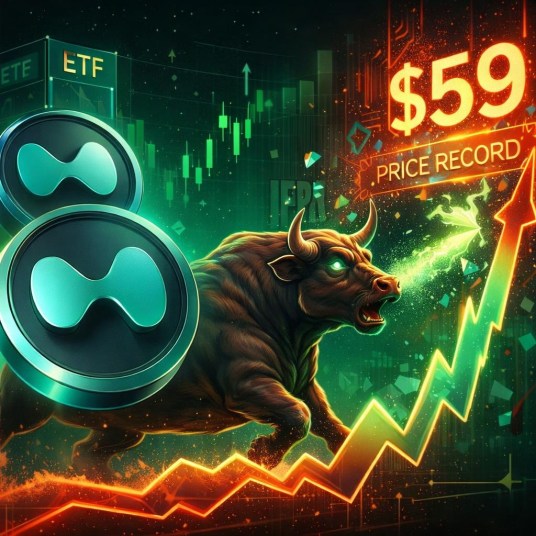
    The combined effect of ETF-driven activity and rising token demand has pushed Hyperliquid close to its current price peak of $59, reached during last year’s bull run. Data from CoinGecko shows the altcoin trading at $51.88 at the time of writing, up 33% over the past week. At this level, the token is only 12% below its current record, potentially allowing for a “discovery” phase if ETF-related inflows continue to grow.

  • ‏*   **تقویت فنی زک (ZEC) بالای مقاومت کلیدی کلان ادامه دارد.**

    ‏* **تقویت فنی زک (ZEC) بالای مقاومت کلیدی کلان ادامه دارد.**

    ‏ساختار فنی ZEC پس از عبور از یک سطح مقاومت کلیدی کلان که قیمت را برای مدت طولانی محدود کرده بود، همچنان در حال تقویت است. پس از یک شکست موفقیت‌آمیز از خط روند نزولی طولانی‌مدت، این دارایی همچنان بالای سطوح کلیدی که قبلاً به عنوان مقاومت قوی در سراسر روند نزولی گسترده‌تر عمل می‌کردند، باقی مانده است. این حرکت نشان‌دهنده یک تغییر احتمالی در شتاب است، زیرا فشار صعودی به تدریج به نمودار بازمی‌گردد.

    چگونه شتاب Zcash پس از شکست فنی همچنان در حال افزایش است

    Zcash پس از تکمیل یک شکست ترکیبی قابل توجه در بالای یک خط روند نزولی طولانی‌مدت و منطقه مقاومت کلیدی 540 دلاری، نشانه‌هایی از قدرت فنی تجدید شده را نشان می‌دهد. تحلیلگر فنی آردی در X اشاره کرد که این دارایی همچنین برای اولین بار از زمان تغییر گسترده‌تر در ساختار بازار، بالای کف‌های پایین‌تر قبلی در حدود 560 دلار بسته شده است.

    این سطح اکنون به یک نقطه محوری حیاتی تبدیل می‌شود، اینکه آیا ZEC می‌تواند سطح بازپس‌گرفته شده خود را به عنوان حمایت حفظ کند و شتاب را به سمت منطقه مقاومت اصلی بعدی بین 590 تا 600 دلار افزایش دهد یا خیر. با این حال، اگر ZEC نتواند این ساختار را حفظ کند، به سرعت قیمت را به سمت سطح 540 دلار به عنوان منطقه حمایت کلیدی بعدی تغییر می‌دهد. آردی تأکید کرد که تمیزترین تنظیم ریسک و پاداش در نقاط انتهایی باقی می‌ماند، که یا یک شکست تأیید شده بالای سقف‌های 640 دلاری است یا یک آزمایش مجدد در حمایت 540 دلاری با یک ابطال واضح در زیر آن.

    محدوده فعلی ZEC احتمالاً ناهموار باقی خواهد ماند، با این که عملکرد قیمت فاقد جهت‌گیری واضح بین سطوح کلیدی است. آردی توصیه می‌کند که با توجه به احتمال تثبیت بیشتر قبل از یک شکست قاطع، رویکرد استراتژیک‌تر این است که از تعقیب قیمت در میانه محدوده خودداری شود. در عوض، ساختار معاملاتی بهتر این است که موقعیت‌های خرید را در حمایت قرار دهید.

    آیا رالی Zcash پس از تأیید شکست تمیز، قدرت می‌گیرد؟

    Zcash پس از تأیید موفقیت‌آمیز یک شکست از یک الگوی ادامه پرچم صعودی روزانه که به خوبی تعریف شده است، از نظر فنی همچنان در حال تقویت است و نشان‌دهنده یک شتاب ادامه صعودی پایدار پس از هفته‌ها تثبیت است.

    بر اساس پستی در X از یک تحلیلگر به نام Team LAMBO، حرکت تنظیم‌شده در داخل حق بیمه از منطقه شکست 510 دلاری به سمت 560 دلار، در حال حاضر تقریباً 20٪ گسترش از کف محلی شناسایی‌شده قبلی را ارائه کرده است و خوش‌بینی فزاینده‌ای را در مورد ساختار بازه زمانی بالاتر (HTF) ZEC تقویت می‌کند.

    علیرغم این حرکت، ساختار گسترده‌تر هنوز ناقص به نظر می‌رسد. تا زمانی که قیمت بالای منطقه شکست باقی بماند، سوگیری صعودی دست نخورده باقی می‌ماند و شتاب به نفع افزایش بیشتر است. از دیدگاه بازه زمانی بالاتر (HTF)، اهداف گسترش کلیدی بعدی در حدود 625 دلار قرار دارند و پس از آن منطقه مقاومت 680 دلاری قرار دارد، جایی که انتظار می‌رود یک مجموعه قابل توجه از نقدینگی قرار داشته باشد.

  • ‏**سهم سهم‌بنیاد سولانا عقب ماند، XRP پول بیشتری جمع کرد؛ عامل این تفاوت چیست؟**

    ‏**سهم سهم‌بنیاد سولانا عقب ماند، XRP پول بیشتری جمع کرد؛ عامل این تفاوت چیست؟**

    صندوق‌های قابل معامله در بورس XRP در مقابل صندوق‌های قابل معامله در بورس Solana

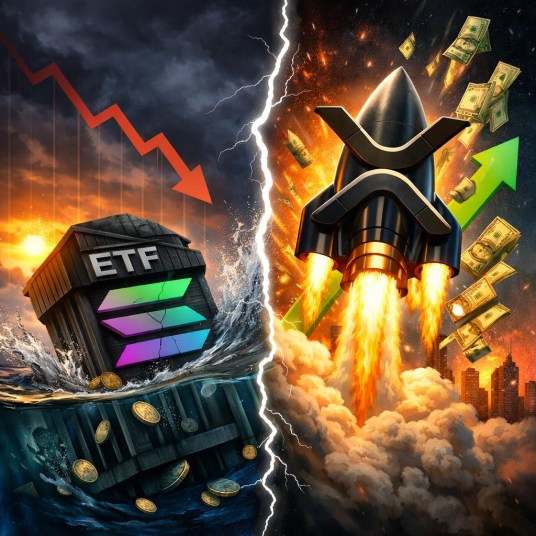
    صندوق‌های قابل معامله در بورس (ETF) XRP پول بیشتری نسبت به همتایان خود در صندوق‌های ETF Solana جذب کرده‌اند، حتی با وجود اینکه SOL در بیشتر سال جاری عملکرد قیمتی بهتری نسبت به XRP داشته است.

    به گفته سام دائودو، کارشناس بازار، این تفاوت به آنچه در زمینه نظارتی و نهادی در حال وقوع است، برمی‌گردد.

    مسیرهای متفاوت برای صندوق‌های قابل معامله در بورس XRP و Solana

    دائودو خاطرنشان کرد که صندوق‌های ETF XRP از زمان راه‌اندازی در نوامبر 2025، 1.39 میلیارد دلار ورودی تجمعی داشته‌اند. صندوق‌های ETF Solana که در اکتبر راه‌اندازی شدند، در همین بازه زمانی 1.12 میلیارد دلار جمع‌آوری کرده‌اند. به عبارت دیگر، با وجود اینکه XRP از اوج تابستان 2025 خود وارد روند نزولی شد و با وجود قدرت نسبی قیمت SOL، جریان ورودی ETFهای XRP همچنان بیشتر بوده و شکاف ورودی در سطح تجمعی ادامه دارد.

    الگوی تقاضای ETF برای XRP نیز به طور خاصی ثابت به نظر می‌رسد. دائودو خاطرنشان کرد که ETFهای XRP در اوایل دسامبر 2025 یک دوره 13 روزه از جریان‌های خالص مثبت را ثبت کردند، که این روند قبل از مجموع جریان ورودی تجمعی Solana به مبلغ 618.59 میلیون دلار در آن 13 روز معاملاتی رخ داد.

    با نگاهی به داده‌های جریان اخیر، XRP در آوریل 81.6 میلیون دلار ورودی را گزارش کرد که همراه با یک دوره 14 روزه ورودی بود. تا پایان آوریل، این رقم ورودی‌های XRP از ابتدای سال را به حدود 124 میلیون دلار رساند.

    ورودی‌های Solana در آوریل بسیار کمتر بود – 38.69 میلیون دلار، که کمتر از نیمی از رقم آوریل XRP است. دائودو همچنین اشاره کرد که ورودی‌های ماهانه Solana از 419 میلیون دلار در نوامبر 2025 به 38.69 میلیون دلار در آوریل کاهش یافته است، که نشان‌دهنده یک دوره ضعیف‌تر است که به نظر می‌رسد اکنون در حال بهبود است. این بهبودی در ماه مه نشان داده می‌شود. Solana پس از 19 روز معاملاتی بیش از 99 میلیون دلار ثبت کرده است، در حالی که XRP با حدود 95 میلیون دلار در همین دوره، نزدیک به آن است.

    با این وجود، داستان بزرگتر این است که XRP یک پروفایل ورودی ثابت‌تری نسبت به Solana حفظ کرده است و دائودو معتقد است که یک کاتالیزور از این ثبات حمایت می‌کند – کاتالیزوری که Solana ندارد.

    Alpenglow در مقابل قانون CLARITY

    به نظر دائودو، تفاوت ساختاری، قانون CLARITY است. او استدلال کرد که این “تفاوت ساختاری است که نمودارهای قیمت نشان نمی‌دهند”، زیرا رأی‌گیری کامل در سنا به ایجاد یک چارچوب قانونی روشن‌تر در مورد مسائل مهم برای نهادهای تنظیم‌شده کمک می‌کند.

    به طور خاص، دائودو گفت که این لایحه قوانین مشخصی را برای نگهداری XRP، برخورد با وثیقه و قرار گرفتن در معرض ترازنامه ایجاد می‌کند – یک “فهرست دقیق انطباق” برای صندوق‌های بازنشستگی و مدیران دارایی تنظیم‌شده که قبل از تخصیص سرمایه در مقیاس بزرگ، به شفافیت نیاز دارند.

    Solana، در مقابل، با نوع متفاوتی از کاتالیزور مرتبط است: Alpenglow، یک ارتقاء شبکه با هدف دستیابی به نهایی‌سازی تراکنش در کمتر از 150 میلی‌ثانیه. با این حال، دائودو تأکید کرد که بهبود توان عملیاتی به تنهایی همان نوع پول نهادی را که شفافیت نظارتی ایجاد می‌کند، آزاد نمی‌کند.

    او پیشنهاد کرد که سرمایه جذب شده توسط شفافیت، نوعی است که می‌تواند به پر کردن شکاف بین 1.39 میلیارد دلار ورودی XRP و محدوده ورودی 4 تا 8 میلیارد دلاری که JPMorgan پیش‌بینی کرده است، در صورت تصویب این لایحه، کمک کند.

    این کارشناس نتیجه گرفت که برای اینکه XRP از نظر قیمت بالاتر برود، بازار احتمالاً به یک کاتالیزور بزرگتر نیاز دارد – به ویژه شفافیت نظارتی از طریق قانون CLARITY و مشارکت نهادی قوی‌تر.

    در زمان نگارش این مقاله، XRP با قیمت 1.37 دلار معامله می‌شد که 3.8 درصد کاهش در بازه زمانی هفتگی را نشان می‌داد، در حالی که SOL با قیمت 86 دلار معامله می‌شد و در همین دوره 6 درصد ضرر بیشتری را ثبت کرد.

  • Zcash (ZEC) Technicals Improve, Holding Above Key Resistance

    Zcash (ZEC) Technicals Improve, Holding Above Key Resistance

    Zcash Technical Strength Builds After Breakout

    The technical structure of Zcash (ZEC) continues to strengthen after surpassing a key macro resistance level that had previously capped price action for an extended period. Following a successful breakout above a long-standing descending trendline, the asset has maintained its position above key levels that previously acted as strong resistance throughout the broader downtrend. This move signals a potential shift in momentum as bullish pressure gradually returns to the chart.

    How Zcash Momentum Continues Building After Technical Breakout

    Zcash is demonstrating signs of renewed technical strength after completing a significant compound breakout above both a long-standing descending trendline and the critical $540 macro resistance zone. Technical analyst Ardi noted on X that the asset has also closed above the previous lower high near $560 for the first time since the broader shift in market structure.

    This level now becomes a critical pivot point, determining whether ZEC can hold its reclaimed level as support and build momentum toward the next major resistance region between $590 and $600. However, if ZEC fails to maintain this structure, the price could quickly revert back toward the $540 level as the next key support zone. Ardi highlighted that the cleanest risk setup and reward remain at the extremes, either a confirmed breakout above $640 highs or a retest into $540 support with a clear invalidation below. The current range of ZEC is likely to remain choppy, with price action lacking clear direction between key levels. Ardi advises that with further consolidation still possible before a decisive breakout, the more strategic approach is to avoid chasing price in the middle of the range. Instead, the better trade structure is to position longs at support.

    Will Zcash Rally Gains Strength Following Clean Breakout Confirmation

    Zcash has continued to strengthen technically after successfully confirming a breakout from a well-defined daily bull flag continuation pattern, signaling a sustained upside bullish continuation momentum following weeks of consolidation. According to a post on X from an analyst known as Team LAMBO, the setup move inside the premium from the $510 breakout zone toward $560 has already delivered nearly 20% expansion from the previously identified local bottom, reinforcing growing optimism around the ZEC higher timeframe structure. Despite this move, the broader structure still appears incomplete. As long as the price holds above the breakout region, the bullish bias will remain intact, with momentum favoring further upside. From a higher timeframe (HTF) perspective, the next key expansion targets are positioned around $625, followed by the $680 resistance zone, where a significant pool of liquidity is expected to be situated.

  • ‏تِتِر سهامِ سافت‌بَنک در شرکتِ بیت‌کوین‌محورِ XXI را خرید.

    ‏تِتِر سهامِ سافت‌بَنک در شرکتِ بیت‌کوین‌محورِ XXI را خرید.

    ‏Tether International اعلام کرد که سهام اقلیت شرکت سرمایه‌گذاری چندملیتی ژاپنی SoftBank در شرکت Twenty One Capital (XXI)، که بر روی بیت‌کوین متمرکز است، را خریداری کرده است.

    خروج SoftBank از هیئت مدیره XXI

    با نهایی شدن این معامله، نمایندگان SoftBank در هیئت مدیره XXI طبق توافق سهامداران از سمت خود کناره‌گیری کردند.

    بیانیه Tether

    Tether در پست وبلاگ رسمی خود اعلام کرد که این معامله “نشان‌دهنده توسعه مستمر XXI است، زیرا این شرکت بر اساس بنیان خود بنا می‌کند و استراتژی بلندمدت بیت‌کوین خود را پیش می‌برد.” با نهایی شدن این معامله، نقش SoftBank در مدیریت به پایان رسید.

    اظهارات مدیرعامل Tether

    پائولو آردوینو، مدیرعامل Tether، در مورد این تحول گفت:

    “مشارکت SoftBank به XXI عمق سازمانی‌ای بخشید که کمتر شرکتی در مراحل اولیه توسعه آن را تجربه می‌کند. تجربه آن‌ها در حمایت از برخی از مهم‌ترین شرکت‌های فناوری در جهان، اعتبار، دیدگاه و نظم را در یک دوره حیاتی برای شکل‌گیری XXI به ارمغان آورد. آن‌ها شرکتی با بنیانی قوی‌تر، مأموریتی روشن‌تر و مسیری جاه‌طلبانه‌تر را پشت سر گذاشتند. اعتقاد Tether به XXI تنها عمیق‌تر شده است و ما مشتاقانه منتظر هستیم تا بر اساس این بنیاد، با ورود شرکت به فصل بعدی، بنا کنیم.”

    تأسیس Twenty One Capital

    در آوریل 2025، Twenty One Capital به عنوان یک شرکت جدید در حوزه ارزهای دیجیتال با جک مالرز، بنیانگذار Strike، به عنوان مدیرعامل راه‌اندازی شد. این شرکت در زمان راه‌اندازی توسط Tether International و Bitfinex به عنوان مالکان اکثریت، و همچنین SoftBank Group و Cantor Fitzgerald به عنوان سرمایه‌گذاران اولیه حمایت شد. اعلام شد که این شرکت با حدود 3.6 میلیارد دلار بیت‌کوین در خزانه خود آغاز به کار خواهد کرد. SoftBank به عنوان سهامدار اقلیت در زمان تأسیس حضور داشت، در حالی که Tether مالکیت کنترلی را در اختیار داشت.

    عرضه عمومی XXI

    Twenty One Capital در دسامبر همان سال از طریق ادغام SPAC در نیویورک به صورت عمومی عرضه شد.

    طرح ادغام Twenty One Capital

    ماه گذشته، Tether یک طرح چندمرحله‌ای را با مشارکت Twenty One Capital ارائه کرد که شامل ادغام این شرکت با Strike بود. پس از این مرحله اولیه، این طرح مرحله دوم را پیشنهاد می‌کند که در آن نهاد ادغام‌شده با شرکت استخراج بیت‌کوین Elektron Energy ادغام می‌شود.

    جایگاه Twenty One Capital در بازار بیت‌کوین

    بر اساس آخرین داده‌ها، Twenty One Capital در حال حاضر دومین شرکت عمومی بزرگ دارنده بیت‌کوین است که 43,514 BTC در اختیار دارد. این شرکت پس از شرکت اطلاعات تجاری Strategy به رهبری مایکل سیلور قرار دارد که 843,738 BTC در اختیار دارد.

  • Analyst: XRP Price Discovery Will Be “Biblical”

    Analyst: XRP Price Discovery Will Be “Biblical”

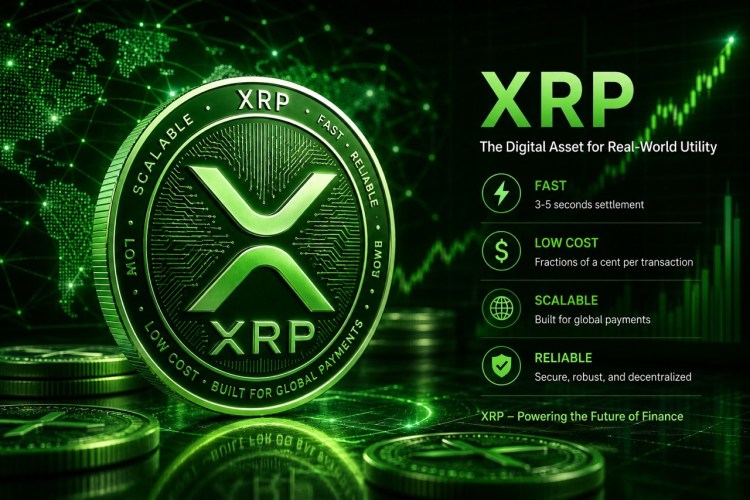
    A recent analysis suggests that structural shifts within the global financial system could trigger a significant market repricing for XRP. Crypto analyst Pumpius posits that a pattern of institutional alignment involving Ripple technology, central banks, and emerging digital infrastructure could set the stage for a historic price discovery phase.

    XRP Catalysts Emerging From Global Financial Infrastructure

    The analyst’s thesis centers on developments within the Bank for International Settlements (BIS). On May 12, the BIS appointed central bank governors from Italy, Brazil, Australia, and Japan to several key leadership positions. These appointments include Fabio Panetta of the Bank of Italy, Gabriel Galípolo of the Central Bank of Brazil, Michele Bullock of the Reserve Bank of Australia, and Kazuo Ueda of the Bank of Japan.

    According to the analyst, the significance lies in how these regions already interact with Ripple’s technology. For example, Italian banking giant Intesa Sanpaolo has implemented Ripple custody infrastructure, while financial institutions in Brazil have explored Ripple-powered payment services as the country develops digital asset licensing frameworks. Japan maintains close ties with Ripple through the partnership between SBI Holdings and Ripple, which has supported payment pilots and helped classify XRP as a financial asset within the Japanese market. Australia is also involved through digital asset research programs such as Project Acacia, while Ripple continues to pursue licenses across multiple jurisdictions.

    Pumpius further highlighted BIS-led cross-border interoperability initiatives that include both SWIFT and Ripple, as well as experiments such as Project Nexus and the multi-CBDC initiative known as mBridge. In the analyst’s view, these developments collectively form the structural catalysts that could boost XRP’s role in global payment infrastructure and, consequently, its price.

    Price Discovery Narrative Gains Momentum

    Beyond institutional positioning, the analyst argues that the next phase of XRP adoption could be driven by new technological layers forming around the XRP Ledger. Among the developments highlighted is Ripple’s work on zero-knowledge proof capabilities designed to support tokenization and privacy-focused financial infrastructure. One emerging project within this ecosystem is DNA Protocol, which has conducted zero-knowledge proof transactions on the XRP Ledger. The initiative aims to anchor sensitive biological or genomic data onto blockchain networks, potentially creating a compliance and identity layer for financial systems.

    The analyst suggests that this type of infrastructure could enable institutions to verify identity and regulatory requirements without exposing private data, effectively linking payments, digital identity, and compliance within a single blockchain framework. He also referenced remarks from Japanese commentator Yuto Kanzaki, who indicated that a close associate had recently assumed a highly influential role at the Bank for International Settlements.

    In summary, the analyst outlines a pattern: Ripple built banking partnerships, central banks began testing the technology, and global financial bodies started involving blockchain firms in policy discussions. If these trends lead to real cross-border payment flows on XRPL infrastructure, XRP could become the liquidity layer linking financial institutions, potentially triggering the price discovery he predicts.

  • South Carolina Bans CBDCs, Safeguards Crypto Users and Miners

    South Carolina Bans CBDCs, Safeguards Crypto Users and Miners

    Individuals, businesses, and Bitcoin miners in South Carolina now have legal protections for the use, custody, and mining of digital assets, following the signing of a new bill by Governor Henry McMaster.

    Key Provisions of the Bill

    Originally introduced in January 2025, Bill 163 also prohibits the state from using any central bank digital currency (CBDC), often referred to as a “digital dollar,” and from participating in any CBDC trials.

    The bill states that individuals and businesses cannot be prevented from accepting digital assets for legal goods or services, nor can they be restricted from using self-hosted or hardware wallets to maintain self-custody of their digital assets.

    Furthermore, the legislation prevents restrictions on digital asset mining businesses operating in industrial zones, provided they adhere to general sound pollution limits and do not overburden the electrical grid. The bill also clarifies that miners, node operators, and blockchain software developers are exempt from money transmitter licensing requirements.

    Legislative Process

    The Senate passed the bill in April 2025, after which it was referred to the House Labor, Commerce and Industry Committee in May. The committee issued a favorable report nearly a year later, in April. A House vote in early May resulted in 110 “yeas” and 1 “nay.”

    Related Legislation

    This crypto-friendly legislation is not the only such bill considered by the state’s general assembly. Last year, a South Carolina representative introduced the Strategic Digital Assets Reserve Act, also known as House Bill 4256.

    That bill proposed allowing the state treasurer to allocate up to 10% of certain public funds into Bitcoin, based on the general assembly’s finding that “inflation has eroded the purchasing power of assets held in state funds managed by the State Treasurer, as well as state retirement funds.”

    The bill was referred to the Committee on Ways and Means in March 2025, but has not been updated since.

    A representative for South Carolina Governor Henry McMaster did not immediately respond to a request for comment.

  • Japan Eyes Crypto Growth: Low Tax, ETF Access

    Japan Eyes Crypto Growth: Low Tax, ETF Access

    Japan’s Crypto Regulatory Shift

    Japan is undergoing a significant regulatory shift in the cryptocurrency space, potentially becoming a more attractive jurisdiction for crypto businesses. The country, which previously imposed a high tax rate of up to 55% on crypto gains, driving liquidity offshore, is now implementing new rules. These rules, effective June 1, will allow foreign trust-type stablecoins to operate as regulated payment instruments. This is part of a broader regulatory reform package being developed in Tokyo.

    Tax Reform and Reclassification

    Currently, Japan’s National Tax Authority classifies most crypto gains as “miscellaneous income,” subject to progressive tax rates that can reach 55%. This has led high-frequency traders, market makers, and Web3 startups to relocate to locations like Singapore and Dubai.

    The proposed reform aims to introduce a flat 20% settlement tax, mirroring the rate applied to equities and investment trusts under Japan’s Financial Instruments and Exchange Act (FIEA). The Japan Cryptoasset Business Association has highlighted that competing Asian hubs tax retail crypto gains at rates between 0% and 15%.

    Beyond the tax rate, the reclassification of crypto assets is crucial. For the 20% rate to apply, assets like Bitcoin (BTC) and Ethereum (ETH) must be reclassified as financial instruments under the FIEA, rather than remaining under the looser framework of the Payment Services Act. This reclassification would make spot and derivative ETFs legally viable, managed by licensed financial instruments business operators.

    Institutional Framework and Market Dynamics

    Japanese regulators are drawing inspiration from the U.S. market. The U.S. Securities and Exchange Commission’s (SEC) approval of Bitcoin ETFs in January 2024 led to billions in institutional inflows, validating a market structure that Japan has been unable to replicate under its existing legal framework.

    Japan’s institutional groundwork is already underway. Nomura’s digital-asset subsidiary Laser Digital and Mitsubishi UFJ Trust and Banking have been testing tokenized securities and fund units under existing FIEA frameworks. They have publicly stated that similar structures could be applied to spot Bitcoin and Ethereum products once classification and tax rules align.

    SBI Holdings has filed for crypto ETF products in Japan, positioning itself at the forefront of a potentially new domestic market.

    The Financial Services Agency’s (FSA) June 1 stablecoin framework is part of this institutional logic. SBI VC Trade is exploring licensed services involving USDC under the new rules, which reclassify qualifying foreign trust-type stablecoins as Electronic Payment Instruments under the Payment Services Act. This provides the regulated stablecoin infrastructure, licensed intermediaries, and equivalence standards for foreign issuers, which are essential for a functional ETF market.

    Global Context and Strategic Advantage

    Regulatory reform is occurring within a global context. The U.S. Senate Banking Committee advanced the CLARITY Act, which defines jurisdictional boundaries between the SEC and CFTC. The EU’s MiCA framework is already in effect, and Hong Kong has launched spot Bitcoin and Ethereum ETFs. Singapore maintains a 0% capital gains tax on crypto. Japan’s advantage lies in its substantial domestic savings pool.

    Analysts at Latham & Watkins have described Japan’s approach as a convergence toward a “rules-first but innovation-tolerant” stance, aligning more closely with MiCA than with the ongoing jurisdictional disputes in the U.S.

  • ‏*   **کارولینای جنوبی قانونی برای ممنوعیت ارزهای دیجیتال بانک مرکزی و حمایت از کاربران رمزارزها تصویب کرد.**

    ‏* **کارولینای جنوبی قانونی برای ممنوعیت ارزهای دیجیتال بانک مرکزی و حمایت از کاربران رمزارزها تصویب کرد.**

    ‏افراد، کسب‌وکارها، و ماینرهای بیت‌کوین در کارولینای جنوبی، به لطف لایحه جدیدی که توسط هنری مک‌مستر، فرماندار ایالت امضا شد، از حمایت‌های قانونی برای استفاده، نگهداری، و استخراج دارایی‌های دیجیتال برخوردار شدند.

    جزئیات لایحه 163

    لایحه 163 که اولین بار در ژانویه 2025 معرفی شد، همچنین استفاده ایالت از هرگونه ارز دیجیتال بانک مرکزی (CBDC)، که به عنوان “دلار دیجیتال” نیز شناخته می‌شود، و مشارکت آن در هرگونه آزمایش CBDC را عملاً ممنوع می‌کند.

    این لایحه تصریح می‌کند: «هیچ فرد یا کسب‌وکاری نباید از پذیرش دارایی‌های دیجیتال برای خرید کالاها یا خدمات قانونی، یا استفاده از کیف پول خود-میزبان یا کیف پول سخت‌افزاری، برای حفظ خود-نگهداری دارایی‌های دیجیتال، منع، محدود، یا به هر نحو دیگری بازداشته شود.»

    همچنین اشاره می‌کند که محدودیت‌هایی نمی‌تواند برای کسب‌وکارهای استخراج دارایی‌های دیجیتال در مناطقی که برای استفاده صنعتی طراحی شده‌اند، اعمال شود، به شرطی که با محدودیت‌های کلی آلودگی صوتی مطابقت داشته باشند و «فشار اضافی بر شبکه برق» وارد نکنند.

    بخش پایانی لایحه نشان می‌دهد که مجوز انتقال پول برای ماینرها، اپراتورهای گره، یا کسانی که نرم‌افزار بلاک‌چین توسعه می‌دهند، لازم نیست.

    روند تصویب لایحه

    این لایحه در آوریل 2025 توسط سنا تصویب شد و سپس در ماه می به کمیته کار، بازرگانی و صنعت مجلس ارجاع داده شد – که تقریباً یک سال بعد، در آوریل امسال، با گزارشی مطلوب بازگشت. در اوایل ماه می، رأی‌گیری در مجلس 110 رأی موافق و 1 رأی مخالف را ثبت کرد.

    سایر اقدامات قانونی

    این قانون دوستدار ارزهای دیجیتال، تنها قانونی نیست که در مجمع عمومی ایالت مطرح شده است. سال گذشته، نماینده‌ای از کارولینای جنوبی، قانون ذخیره دارایی‌های دیجیتال استراتژیک را معرفی کرد که به عنوان لایحه 4256 مجلس نیز شناخته می‌شود.

    این لایحه پیشنهاد می‌کرد که خزانه‌دار ایالت مجاز باشد تا حداکثر 10 درصد از وجوه عمومی منتخب را به بیت‌کوین اختصاص دهد، زیرا مجمع عمومی تشخیص داد که «تورم قدرت خرید دارایی‌های نگهداری شده در صندوق‌های ایالتی که توسط خزانه‌دار ایالت و همچنین صندوق‌های بازنشستگی ایالتی مدیریت می‌شوند را تضعیف کرده است.»

    این لایحه در مارس 2025 به کمیته راه‌ها و وسایل ارجاع داده شد، اما تاکنون به‌روزرسانی نشده است.

    نماینده‌ای از طرف هنری مک‌مستر، فرماندار کارولینای جنوبی، فوراً به درخواست دکریپت برای اظهارنظر پاسخ نداد.