Author: Admin_Up

  • Dogecoin: Timing the Bottom and Predicting $2

    Dogecoin: Timing the Bottom and Predicting $2

    Dogecoin’s future trajectory may hinge less on speculative fervor and more on market fatigue, according to a new technical analysis. Crypto analyst Cryptollica suggests the leading meme coin is currently trading within another cycle-bottom zone. The weekly chart displays the same Relative Strength Index (RSI) washout and prolonged price compression that preceded previous significant Dogecoin rallies.

    Dogecoin’s Fourth Cycle Bottom Appears Imminent

    Dogecoin has faced considerable skepticism over the past year. Sentiment has plummeted, prices have compressed, and the initial enthusiasm surrounding the meme coin has waned. However, a pattern that has accurately identified every major Dogecoin bottom since 2015 indicates this could be a crucial moment.

    This analysis is based on the premise that Dogecoin’s chart reflects not only price movements but also the cyclical psychology of the market. Cryptollica identifies the 2015 bottom as a period of disbelief, the 2020 bottom as one of boredom, and the 2022 bottom as one of anger. The current setup is thus considered the fourth cycle bottom, characterized by exhausted sentiment and a bullish structure resetting.

    The analyst’s weekly chart shows Dogecoin trading along a long-term rising support structure, with each major low coinciding with the weekly RSI entering or approaching oversold territory. Notably, the latest RSI reading indicates the Dogecoin price rebounding from this level in early 2026 and gradually trending upward.

    Identifying the Bottom

    Dogecoin currently appears to be establishing a bottom around $0.10. However, the analysis emphasizes that the timing of the bottom is not solely determined by price. It is determined by a combination of factors: an oversold weekly RSI, prolonged price compression, and the price holding within the cycle support zone.

    The first signal, the oversold weekly RSI, is already visible on the chart. The second signal is compression. Dogecoin has spent months consolidating within a broad range around $0.10, rather than exhibiting a clear upward trend. While this may appear weak, in cycle analysis, extended compression often indicates sellers are gradually losing control.

    The third signal is confirmation. For the bottom argument to strengthen, Dogecoin needs to maintain its current support around $0.10 and begin forming higher lows on the weekly chart. A move above the nearest major resistance zones at $0.15 and $0.2 would further validate the claim that the cycle bottom has been established. Consequently, $0.10 is now a critical level for Dogecoin’s price.

    If the fourth cycle bottom is confirmed, the focus shifts from the current price to how Dogecoin has rallied from similar structural positions in the past. Cryptollica’s analysis suggests a potential target above $2.

    At the time of writing, Dogecoin is trading at $0.104, retesting the $0.10 level after reaching an intraday high of $0.1126.


  • Vitalik Buterin: AI Verification Could Bolster Crypto Security

    Vitalik Buterin: AI Verification Could Bolster Crypto Security

    Ethereum Co-founder Advocates for Mathematically Verified Software to Combat AI-Assisted Cyberattacks

    Vitalik Buterin, co-founder of Ethereum, has stated that mathematically verified software is becoming crucial for protecting Ethereum and the broader cryptocurrency industry from AI-assisted cyberattacks and software vulnerabilities.

    AI-Assisted Formal Verification

    In a blog post published on Monday, Buterin argued that AI-assisted “formal verification” could help secure blockchain networks, smart contracts, and cryptographic systems against software flaws that can lead to irreversible financial losses for users.

    “If done right, this has the potential to both output extremely efficient code and be far more secure than the way programming has been done before,” Buterin wrote, noting that developer Yoichi Hirai refers to it as the “final form of software development.”

    Formal verification involves mathematically testing whether software behaves correctly, a technique with roots in foundational work from the 1950s and 1960s. Buterin believes recent advancements in AI are making this technique more practical for software engineering and security research.

    “If you formally verify end-to-end, then you are proving not just that some description of the protocol is secure in theory, but that the specific piece of code that the user runs is secure in practice,” he wrote. “From a user’s perspective, this greatly improves trustlessness: In order to fully trust the code, you don’t need to check over the entire code; you simply need to check over the statements that are proven about it.”

    Growing Threat of AI-Powered Cyberattacks

    Buterin’s post comes as researchers and governments are warning that advanced AI models are rapidly improving at discovering and exploiting software vulnerabilities. Anthropic restricted access to its cybersecurity-focused Claude Mythos model after tests showed the system could autonomously identify and exploit software flaws at levels far beyond previous public AI models.

    The model has garnered attention from intelligence and security agencies due to these capabilities. In April, Anthropic’s Claude Mythos identified 271 vulnerabilities in Mozilla Firefox during internal testing. Earlier this month, security researchers said a preview version of the model helped develop an exploit targeting Apple’s M5 chip protections. Researchers at the U.K. AI Security Institute also found that OpenAI’s GPT-5.5 has demonstrated advanced offensive cyber capabilities.

    “Bugs in computer code are scary,” Buterin wrote.

    Undiscovered bugs can be devastating for crypto projects, where software flaws can be exploited to permanently steal users’ funds with little chance of recovery.

    In April, attackers from the North Korea-backed Lazarus Group were able to drain $292 million worth of tokens from Kelp DAO’s infrastructure after “poisoning” internal RPCs used by LayerZero Labs. North Korean state-sponsored hackers are believed to have stolen more than $6 billion worth of cryptocurrency to date.

    Improving Trust and Security

    Buterin said formal verification could also improve trust in AI-generated software by proving that optimized low-level code matches a more readable reference implementation.

    “A huge part of the value-add is that the proofs are truly end-to-end,” Buterin wrote. “Often, the nastiest bugs are interaction bugs that sit at the edge of two sub-systems that are considered separately.”

    However, while Buterin sees the potential for AI to help secure crypto network code, he cautioned that formal verification cannot fully eliminate security risks.

    “Formal verification is not a panacea. But it is particularly well-suited for situations where the goal is much simpler than the implementation,” he wrote. “This is particularly true in some of the most devilishly hard pieces of technology that we will need to deploy in the next major iteration of Ethereum: quantum-resistant signatures, STARKs, consensus algorithms, and ZK-EVMs.”

    Buterin rejected the idea that increasingly advanced cyberattacks will eventually make open-source software or decentralized systems impossible to secure.

    “This would be a bleak future for cybersecurity. It’s especially an extremely bleak future for those of us who care about internet decentralization and freedom,” he said. “The entire cypherpunk ethos is fundamentally based on the idea that on the internet, the defender has an advantage.”

    Instead, Buterin argued that future systems will likely depend on highly secured “core” infrastructure protected through formal verification and restricted security environments.

    “When it comes to the secure core, we don’t let the buggy code multiply,” he said. “We act aggressively to keep the size of the secure core small, and indeed even shrink it further.”

  • ‏**چگونه کف قیمت دوج‌کوین را تشخیص دهیم و چه زمانی به ۲ دلار می‌رسد؟**

    ‏**چگونه کف قیمت دوج‌کوین را تشخیص دهیم و چه زمانی به ۲ دلار می‌رسد؟**

    ‏تحلیل فنی جدید حاکی از آن است که حرکت بعدی دوج‌کوین ممکن است کمتر به هایپ و بیشتر به فرسودگی بستگی داشته باشد. کریپتولیکا، تحلیلگر ارزهای دیجیتال، در یک تحلیل فنی جدید پیشنهاد می‌کند که این میم‌کوین پیشرو در حال حاضر در یک منطقه کف چرخه‌ای دیگر معامله می‌شود و نمودار هفتگی همان نوع واگرایی RSI و فشرده‌سازی طولانی‌مدت را نشان می‌دهد که قبلاً قبل از رالی‌های قابل توجه دوج‌کوین ظاهر شده بود.

    چشم‌انداز کف چرخه چهارم دوج‌کوین

    دوج‌کوین بخش عمده‌ای از سال گذشته را صرف نادیده گرفته شدن کرده است. احساسات فروپاشیده، قیمت فشرده شده و جمعیتی که زمانی این میم‌کوین را جشن می‌گرفتند، ساکت شده‌اند. با این حال، ساختاری که هر کف اصلی دوج‌کوین را از سال 2015 به درستی شناسایی کرده است، می‌گوید که این دقیقاً لحظه‌ای است که ارزش تماشا کردن دارد.

    این تحلیل ساختاری مورد بحث بر این ایده استوار است که نمودار دوج‌کوین فقط یک نمودار قیمت نیست، بلکه سوابقی از روانشناسی چرخه بازار نیز هست. به گفته تحلیلگر کریپتولیکا، کف سال 2015 دوره‌ای از بی‌اعتمادی، کف سال 2020 خستگی و کف سال 2022 خشم بود. این امر، تنظیمات فعلی را به چهارمین کف چرخه تبدیل می‌کند، جایی که به نظر می‌رسد احساسات فرسوده شده و ساختار صعودی در حال بازنشانی است.

    نمودار هفتگی به اشتراک گذاشته شده توسط این تحلیلگر، دوج‌کوین را نشان می‌دهد که در امتداد یک ساختار حمایتی صعودی بلندمدت حرکت می‌کند، به طوری که هر کف اصلی در دوره‌ای شکل می‌گیرد که RSI هفتگی وارد محدوده اشباع فروش یا نزدیک به آن می‌شود. جالب اینجاست که آخرین قرائت RSI نشان داده شده در نمودار، قیمت دوج‌کوین را نشان می‌دهد که در اوایل سال 2026 از آن RSI جهش کرده و به آرامی روند صعودی دارد.

    جایی که ساختار، کف را نشان می‌دهد

    در حال حاضر به نظر می‌رسد دوج‌کوین در حال ثبت کف در حدود 0.10 دلار است. با این حال، مهم‌ترین نکته در این تحلیل این است که زمان‌بندی کف دوج‌کوین تنها با قیمت تأیید نمی‌شود. زمان‌بندی کف دوج‌کوین از ترکیبی از سه چیز حاصل می‌شود: RSI هفتگی اشباع فروش، فشرده‌سازی طولانی‌مدت و حفظ قیمت در اطراف منطقه حمایتی چرخه.

    اولین سیگنال در حال حاضر در نمودار قابل مشاهده است. RSI هفتگی دوج‌کوین به همان منطقه‌ای سقوط کرده است که کف‌های چرخه‌ای قبلی در آن قرار داشتند. سیگنال دوم فشرده‌سازی است. دوج‌کوین ماه‌ها را صرف حرکت در یک پایه گسترده در حدود 0.10 دلار کرده است، به جای اینکه در یک روند صعودی مشخص حرکت کند. این ممکن است در ظاهر ضعیف به نظر برسد، اما در تحلیل چرخه، فشرده‌سازی طولانی‌مدت اغلب به این معنی است که فروشندگان به تدریج کنترل را از دست می‌دهند.

    سیگنال سوم تأیید است. برای اینکه استدلال کف قوی‌تر شود، دوج‌کوین باید منطقه حمایتی فعلی را در 0.10 دلار حفظ کند و شروع به تشکیل کف‌های بالاتر در نمودار هفتگی کند. حرکت به بالای مناطق مقاومت اصلی نزدیک در 0.15 و 0.2 دلار، وزن بیشتری به این ادعا اضافه می‌کند که کف چرخه ایجاد شده است. این بدان معناست که 0.10 دلار در حال حاضر یکی از مهم‌ترین مناطق برای قیمت دوج‌کوین است. اگر کف چرخه چهارم تأیید شود، آنگاه این سوال تغییر می‌کند که دوج‌کوین اکنون کجاست تا اینکه چگونه از موقعیت‌های ساختاری مشابه رالی کرده است. تحلیل کریپتولیکا به یک هدف بالای 2 دلار اشاره دارد.

    در زمان نگارش این مقاله، دوج‌کوین با قیمت 0.104 دلار معامله می‌شود و از اوج درون‌روزی 0.1126 دلار به 0.10 دلار بازگشته است.

    تصویر ویژه از Getty Images، نمودار از Tradingview.com.

  • ‏بانک انگلستان و FCA چشم‌انداز مشترک خود را برای توکنیزه‌سازی اعلام کردند.

    ‏بانک انگلستان و FCA چشم‌انداز مشترک خود را برای توکنیزه‌سازی اعلام کردند.

    ‏بانک انگلستان و سازمان رفتار مالی بریتانیا (FCA) روز دوشنبه «دیدگاه مشترکی» را برای توکنیزه‌سازی در بازارهای مالی عمده‌فروشی بریتانیا ارائه کردند. این اقدام با راه‌اندازی یک «فراخوان برای مشارکت» مشترک صورت گرفت که هدف آن ارائه اطمینان بیشتر نظارتی و زیرساختی به شرکت‌ها در حالی است که فناوری دفتر کل توزیع‌شده از مرحله «آزمایشی به تولید» می‌رود.

    شفاف‌سازی مقررات

    در بیانیه‌ای، تنظیم‌کننده‌ها اعلام کردند که رویکرد خود را در حوزه‌هایی که شرکت‌ها خواستار شفافیت بیشتری هستند، از جمله نحوه برخورد احتیاطی، وثیقه‌های توکنیزه‌شده و ابزارهای تسویه، روشن خواهند کرد.

    سارا بریدن، معاون فرماندار ثبات مالی در بانک انگلستان، از بخش‌های خصوصی و دولتی خواست تا بر «بنیادهای مستحکم» ایجاد شده توسط بانک و FCA تکیه کنند، زیرا صنعت رمزارز در حال حرکت از «آزمایشی به تولید» برای حمایت از ثبات مالی و رشد پایدار است.

    سایمون والز، مدیر اجرایی بازارهای FCA، گفت که توکنیزه‌سازی این پتانسیل را دارد که «بازارهای عمده‌فروشی را متحول کند و نحوه انتشار، معامله و تسویه دارایی‌ها را تغییر دهد».

    برنامه‌های آتی بانک مرکزی

    بانک مرکزی همچنین از برنامه‌های خود برای راه‌اندازی یک سرویس همگام‌سازی زنده تا سال ۲۰۲۸ خبر داد. این بانک همچنین در نظر دارد در مورد گسترش ساعات تسویه RTGS و CHAPS به سمت عملیات تقریباً ۲۴ ساعته و ۷ روز هفته مشاوره دهد و از انتشار آزمایشی یک ابزار اوراق قرضه دیجیتال به نام DIGIT توسط وزارت خزانه‌داری بریتانیا حمایت کند.

    استقبال از اعلامیه

    کتی هریس، رئیس سیاست‌گذاری اروپا در Coinbase، از این اعلامیه به عنوان یک «دیدگاه روشن برای توکنیزه‌سازی در بازارهای مالی» استقبال کرد و از بانک انگلستان و FCA خواست تا از DeFi به عنوان فرصتی برای «ارائه مزایای معنادار برای شهروندان خود با اتخاذ رویکردی بلندپروازانه و آینده‌نگرانه نسبت به توکنیزه‌سازی» استفاده کنند.

    بانک و تنظیم‌کننده خاطرنشان کردند که به همکاری با ۱۶ شرکت در زمینه انتشار و تسویه زنده دارایی‌های توکنیزه‌شده از طریق Digital Securities Sandbox ادامه می‌دهند، در حالی که سازمان مقررات احتیاطی (PRA) نامه‌هایی را به مدیران عامل منتشر کرده است که راهنمایی‌ها را در مورد نحوه برخورد احتیاطی با دارایی‌های توکنیزه‌شده، استیبل‌کوین‌ها و سایر مواجهه‌های رمزارزی به‌روزرسانی می‌کند.

    بررسی سیاست‌های موجود

    این اعلامیه چند روز پس از آن منتشر شد که بانک انگلستان در حال بررسی امتیازات قابل توجهی به صنعت دارایی‌های دیجیتال بود. بریدن به فایننشال تایمز گفت که این بانک در حال بررسی این موضوع است که آیا کف ذخیره استیبل‌کوین پیشنهادی و سقف نگهداری خرده‌فروشی آن پس از مخالفت‌های مداوم صنعت، «بیش از حد محافظه‌کارانه» بوده است یا خیر.

    اظهارات بریدن یک روز پس از آن مطرح شد که ساشا میلز، مدیر زیرساخت بازار مالی بانک مرکزی، در نشست دیجیتال دارایی FT گفت که بانک انگلستان با استیبل‌کوین‌ها به عنوان «شکل جدیدی از پول» رفتار می‌کند و تأیید کرد که انتظار دارد تا پایان سال درخواست‌های صادرکنندگان سیستمی احتمالی را بپذیرد.

  • Hive Shares Soar on Ontario AI Gigafactory Plan

    Hive Shares Soar on Ontario AI Gigafactory Plan

    Hive Digital Technologies’ stock price surged on Monday, reaching its highest point of the year following the Bitcoin miner’s announcement of a significant data center expansion in Ontario, Canada.

    The company’s shares traded around $3.39, reflecting a 26% increase for the day, according to Yahoo Finance. Just before Monday’s opening bell, Hive’s stock price briefly hit $3.92, temporarily extending its year-to-date gains beyond 35%.

    AI Gigafactory Planned

    Hive announced that its subsidiary, Buzz High Performance Computing, intends to build an “AI Gigafactory” in the Greater Toronto Area. The facility will have approximately 320 megawatts (MW) of utility capacity, sufficient to power at least 200,000 average homes.

    The firm, which began its strategic shift away from being a pure-play Bitcoin miner in 2022, indicated that the artificial intelligence facility is expected to be one of the largest in Canada. Hive added that the site will support fully vertically integrated AI supercomputers upon completion.

    In a statement, Hive and Buzz Executive Chairman Frank Holmes described the company’s latest move as a means to accelerate Canada’s tech boom, providing “sovereign AI infrastructure that turns Canadian intelligence into Canadian dominance.”

    Buzz anticipates the Ontario facility will become operational in the second half of next year, which will likely require 800 construction workers. The total buildout is estimated to cost roughly $3.5 billion Canadian dollars ($2.55 billion), ultimately leading to the creation of highly skilled jobs.

    Water-Efficient Design

    At the same time, Hive stated that Buzz’s facility is designed to minimize water usage, incorporating closed-loop cooling systems. Across North America, local residents are increasingly voicing concerns about the proliferation of data centers, which have the potential to raise electricity rates due to their substantial power demands.

    With a capacity of 320 MW, the Ontario site would bring Hive’s total global power capacity to 850 MW. Currently, the company utilizes 450 MW to power its data centers. Hive stated that it possesses sufficient land and power resources to establish facilities supporting approximately 130,000 GPUs.

    Financial Performance and Bitcoin Holdings

    In the three months ending December 31, Hive generated $88.2 million from mining digital assets, compared to $26.6 million a year earlier. High-performance computing revenue reached $4.8 million and $2.5 million, respectively, representing a smaller portion of its overall business.

    As Hive has embraced AI, the company has reduced its Bitcoin holdings. As of December 31, the company held 481 Bitcoin on its balance sheet, recently valued at $36.7 million, with the digital asset trading around $76,300, according to CoinGecko. A year prior, Hive controlled 2,805 Bitcoin, a cache currently worth $214.5 million.

  • Early Ripple Partner Joins X Money Initiative

    Early Ripple Partner Joins X Money Initiative

    Ripple’s early push into banking partnerships may be finding renewed relevance in an unexpected arena. One of its long-standing collaborators has re-emerged at the heart of X Money, the payments initiative linked to X’s broader ambition to become a global financial super app. What once served as a bridge for Ripple’s cross-border settlement network is now part of the infrastructure aimed at scaling digital payments to a massive user base.

    How a Ripple-Linked Bank Became Part of Elon Musk’s Payment Push

    A banking partner linked to Ripple from the company’s early expansion phase has now surfaced within Elon Musk’s X Money ecosystem. RippleXity revealed on X that Cross River Bank, one of the first U.S. banks to integrate Ripple’s payment protocol back in 2014 for real-time cross-border transfers between the U.S. and Europe, is now powering part of X Money’s beta rollout through its regulated banking services.

    The same Cross River Bank that reportedly issues the Visa Debit and Flex Cards appears in X Money’s beta program. With X building its payments layer through regulated banking and card infrastructure, this places a Ripple-linked financial institution within Musk’s expanding digital payments infrastructure.

    Furthermore, the development has quickly drawn attention across the XRP community because it creates a direct historical overlap between Ripple’s early settlement technology and X Money’s regulated banking framework. While there is still no official confirmation of XRP integration within X Money, many see Cross River Bank’s role as a significant connection that is difficult to dismiss.

    Ripple Prime Revenue Surges Despite XRP Trading Below All-Time High

    Although XRP continues to trade below 50% of its all-time high, Ripple’s broader infrastructure business appears to be gaining momentum behind the scenes. A technical analyst known as ChartNerd has noted that institutional adoption across Ripple’s ecosystem is accelerating, with Ripple Prime emerging as one of the company’s strongest growth drivers.

    The platform reportedly tripled its revenue over the past 12 months, processed more than 60 million transactions, and now clears over $3 trillion annually while operating across the United States. This is just one component of a broad infrastructure stack that Ripple is building during a bear market, and the projects being built now will accelerate the next bull run.

    Ripple and XRP have been building this infrastructure for over a decade, from surviving regulatory battles and securing a major victory against the SEC to expanding XRP Ledger functionality. XRP rules as a commodity, expanding XRPFI and DeFi capabilities, strategic acquisitions, banking partnerships, and strengthening its global infrastructure through XRPL upgrades. With more than 300 institutional clients and increasing global licensing approvals, these fundamentals have never been stronger, and clarity is on the horizon.

  • UK Regulators Outline Joint Plan for Tokenization

    UK Regulators Outline Joint Plan for Tokenization

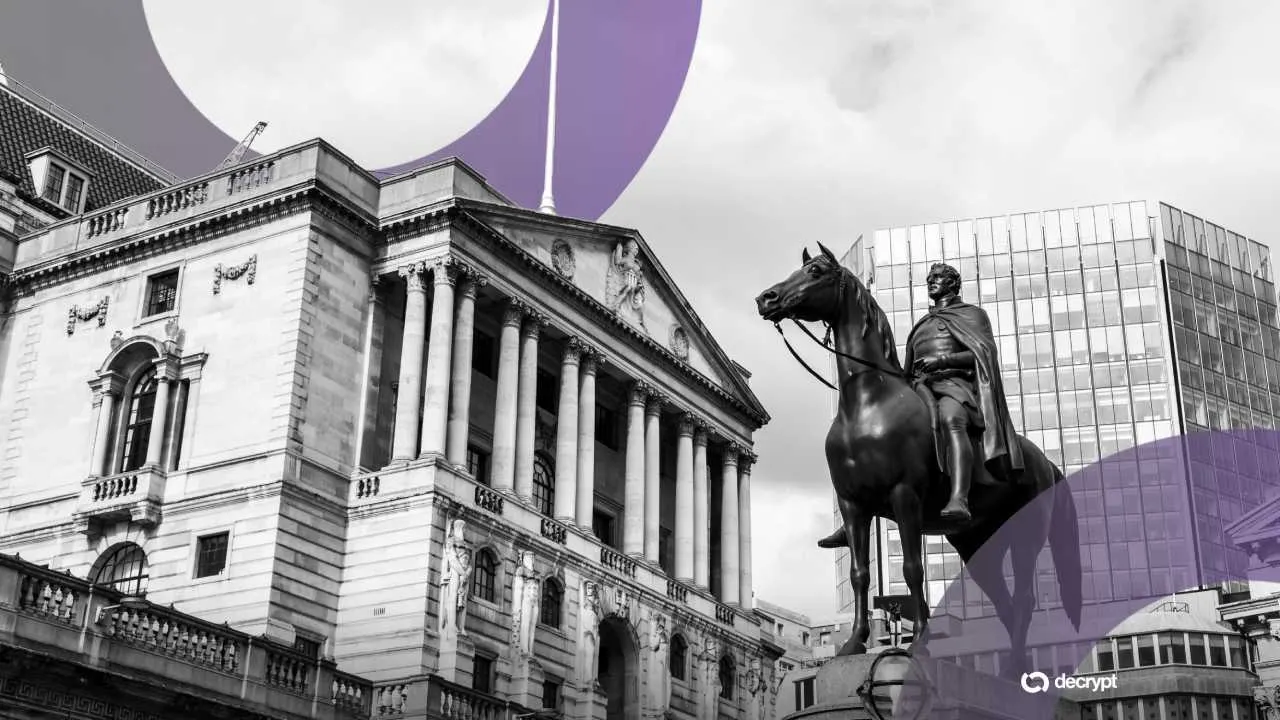
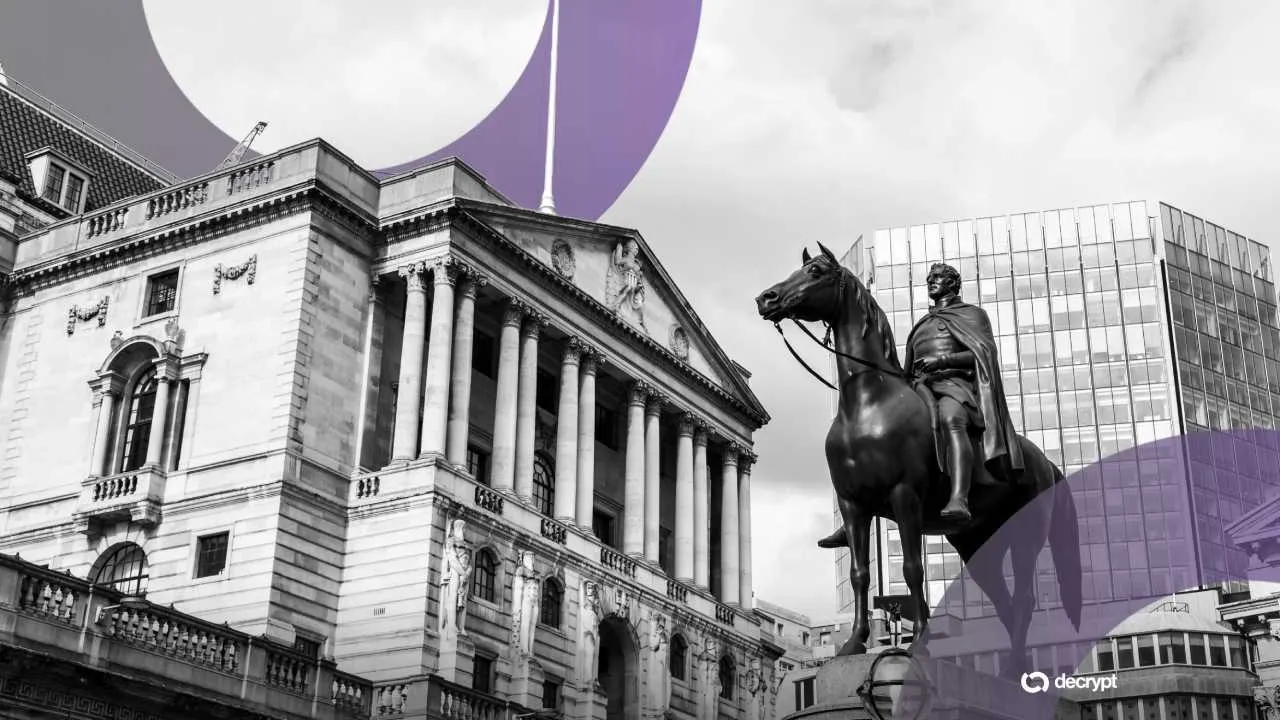
    The Financial Conduct Authority (FCA) and the Bank of England unveiled a “shared vision” for tokenization in UK wholesale financial markets on Monday, initiating a joint Call for Input to provide firms with greater regulatory and infrastructure certainty as distributed ledger technology transitions from pilot projects to full-scale implementation.

    Regulatory Clarity Sought

    In a statement, the regulators indicated they would clarify their approach in areas where firms seek greater clarity, including prudential treatment, tokenized collateral, and settlement instruments.

    Sarah Breeden, Deputy Governor for Financial Stability at the Bank of England, encouraged both the private and public sectors to build upon the “strong foundations” established by the Bank and the FCA as the crypto industry advances “from pilots to production to support financial stability and sustainable growth.”

    Simon Walls, the FCA’s Executive Director of Markets, stated that tokenization has the potential to “transform wholesale markets – reshaping how assets are issued, traded, and settled.”

    Bank of England Initiatives

    The central bank also confirmed plans to launch a live synchronization service targeted for 2028, to consult on extending RTGS and CHAPS settlement hours towards near 24/7 operation, and to support HM Treasury’s pilot issuance of a digital gilt instrument known as DIGIT.

    Industry Response

    Katie Harries, Head of Policy for Europe at Coinbase, welcomed the announcement as a “clear vision for tokenization in financial markets,” urging the BoE and FCA to embrace DeFi as an opportunity to “deliver meaningful benefits for its citizens by taking an ambitious, forward-looking approach to tokenisation.”

    Ongoing Collaboration and Guidance

    The Bank and the regulator noted that they continue to collaborate with 16 firms on the live issuance and settlement of tokenized assets through the Digital Securities Sandbox. The Prudential Regulation Authority has also published Dear CEO letters updating guidance on the prudential treatment of tokenized assets, stablecoins, and other cryptoasset exposures.

    Broader Context

    The announcement follows recent indications that the Bank of England may be considering concessions to the digital asset industry. Breeden told the Financial Times that the Bank was reviewing whether its proposed stablecoin reserve floor and retail holding caps had been “overly conservative” following industry feedback.

    Breeden’s remarks followed a statement by Sasha Mills, the Bank of England’s financial market infrastructure director, at the FT Digital Asset Summit, where she stated that the Bank of England was treating stablecoins as a “new form of money” and confirmed that it expected to accept applications from prospective systemic issuers by the end of the year.

  • ‏همکار بانکی اولیه ریپل به توسعه X Money پیوست.

    ‏همکار بانکی اولیه ریپل به توسعه X Money پیوست.

    بازگشت یک شریک قدیمی ریپل در طرح پرداخت X

    به نظر می‌رسد تلاش‌های اولیه ریپل برای ایجاد شراکت با بانک‌ها، در یک مکان غیرمنتظره، دوباره اهمیت یافته است.

    یکی از همکاران قدیمی این شرکت، در مرکز X Money، طرح پرداخت مرتبط با جاه‌طلبی گسترده‌تر X برای تبدیل شدن به یک سوپر اپلیکیشن مالی جهانی، دوباره ظاهر شده است. آنچه زمانی به عنوان پلی برای شبکه تسویه حساب فرامرزی ریپل عمل می‌کرد، اکنون بخشی از زیرساختی است که هدف آن گسترش پرداخت‌های دیجیتال به یک پایگاه کاربری عظیم است.

    چگونه یک بانک مرتبط با ریپل به بخشی از طرح پرداخت ایلان ماسک تبدیل شد

    یک شریک بانکی مرتبط با ریپل از روزهای اولیه توسعه این شرکت، اکنون در اکوسیستم X Money ایلان ماسک ظاهر شده است. RippleXity در X فاش کرد که Cross River Bank، یکی از اولین بانک‌های ایالات متحده که در سال 2014 پروتکل پرداخت ریپل را برای انتقال‌های فرامرزی بلادرنگ بین ایالات متحده و اروپا ادغام کرد، اکنون از طریق خدمات بانکی تنظیم‌شده خود، بخشی از راه‌اندازی آزمایشی X Money را پشتیبانی می‌کند.

    مطالب مرتبط: چرا XRP ریپل نسبت به SWIFT انتخاب بهتری برای تراکنش است

    همان Cross River Bank که طبق گزارش‌ها کارت‌های Visa Debit و Flex را صادر می‌کند، در برنامه آزمایشی X Money ظاهر می‌شود. با توجه به اینکه X لایه پرداخت خود را از طریق زیرساخت‌های بانکی و کارت‌های تنظیم‌شده ایجاد می‌کند، این موضوع یک موسسه مالی مرتبط با ریپل را در زیرساخت‌های پرداخت دیجیتال در حال گسترش ماسک قرار می‌دهد.

    علاوه بر این، این توسعه به سرعت توجه جامعه XRP را به خود جلب کرده است، زیرا یک همپوشانی تاریخی مستقیم بین فناوری تسویه حساب اولیه ریپل و چارچوب بانکی تنظیم‌شده X Money ایجاد می‌کند. در حالی که هنوز هیچ تایید رسمی در مورد ادغام XRP در X Money وجود ندارد، بسیاری نقش Cross River Bank را به عنوان یک ارتباط مهم می‌دانند که نادیده گرفتن آن دشوار است.

    افزایش درآمد Ripple Prime با وجود معامله XRP زیر بالاترین حد خود

    اگرچه XRP همچنان زیر 50 درصد بالاترین حد خود معامله می‌شود، اما به نظر می‌رسد کسب‌وکار زیرساختی گسترده‌تر ریپل در پشت صحنه در حال کسب شتاب است. یک تحلیلگر فنی به نام ChartNerd خاطرنشان کرده است که پذیرش سازمانی در سراسر اکوسیستم ریپل در حال شتاب گرفتن است و Ripple Prime به عنوان یکی از قوی‌ترین محرک‌های رشد این شرکت ظاهر می‌شود.

    مطالب مرتبط: آیا XRP ریپل می‌تواند پرداخت‌های فرامرزی را تقویت کند؟ آزمایش‌های اولیه روسیه پتانسیل را نشان می‌دهد

    طبق گزارش‌ها، این پلتفرم درآمد خود را در 12 ماه گذشته سه برابر کرده، بیش از 60 میلیون تراکنش را پردازش کرده و اکنون سالانه بیش از 3 تریلیون دلار را تسویه می‌کند و در سراسر ایالات متحده فعالیت دارد. بنابراین، این تنها یکی از یک مجموعه زیرساختی گسترده است که ریپل در طول یک بازار نزولی در حال ساخت آن است و پروژه‌هایی که اکنون در حال ساخت هستند، به روند صعودی بعدی سرعت می‌بخشند.

    ریپل و XRP بیش از یک دهه است که در حال ساخت این زیرساخت‌ها هستند، از زنده ماندن از نبردهای نظارتی و کسب یک پیروزی بزرگ در برابر SEC گرفته تا گسترش عملکرد XRP Ledger. XRP به عنوان یک کالا حاکم است، قابلیت‌های XRPFI و DeFi را گسترش می‌دهد، خریدهای استراتژیک انجام می‌دهد، شراکت‌های بانکی ایجاد می‌کند و زیرساخت‌های جهانی خود را از طریق ارتقاء XRPL تقویت می‌کند. با بیش از 300 مشتری سازمانی و افزایش تاییدیه مجوزهای جهانی، این اصول اساسی هرگز قوی‌تر از این نبوده‌اند و شفافیت در افق است.

    تصویر ویژه از iStock، نمودار از Tradingview.com

  • ‏هایپرلیکوئید در برابر رکود بازار مقاومت می‌کند؛ در حالی که عرضه اولیه سهام اسپیس‌ایکس، آنتروپیک و اوپن‌ای‌آی نزدیک است.

    ‏هایپرلیکوئید در برابر رکود بازار مقاومت می‌کند؛ در حالی که عرضه اولیه سهام اسپیس‌ایکس، آنتروپیک و اوپن‌ای‌آی نزدیک است.

    توکن بومی Hyperliquid در برابر رکود بازار ارزهای دیجیتال مقاومت می‌کند

    توکن بومی Hyperliquid با نام HYPE در حال حاضر عملکرد بهتری نسبت به رکود گسترده‌تر بازار ارزهای دیجیتال دارد، زیرا اکوسیستم معاملات آتی دائمی پیش از عرضه اولیه سهام (IPO) آن، در آستانه موج تاریخی عرضه سهام شرکت‌های فناوری، در حال کسب شتاب است.

    بر اساس داده‌های CoinGecko، توکن HYPE در روز دوشنبه با قیمت 45.17 دلار معامله می‌شد که نسبت به 24 ساعت گذشته حدود 5 درصد و در طول یک سال گذشته 69 درصد افزایش داشته است.

    این واگرایی به بازار HIP-3 Hyperliquid مرتبط است، جایی که معامله‌گران بر روی سهام پیش از عرضه اولیه SpaceX، Anthropic و OpenAI شرط‌بندی می‌کنند؛ فرصتی با حجم 120 میلیارد دلاری که امور مالی سنتی نمی‌تواند ارائه دهد.

    بر اساس داده‌های Dune Analytics، چارچوب HIP-3 که به تیم‌های شخص ثالث اجازه می‌دهد بازارهای معاملات آتی دائمی خود را راه‌اندازی کنند، از زمان راه‌اندازی تاکنون بیش از 120 میلیارد دلار حجم کل معاملات را پردازش کرده است. در 8 آوریل، توسعه‌دهندگان HIP-3، 48.1 درصد از کل حجم معاملات پلتفرم Hyperliquid را به خود اختصاص دادند که به برابری با بازارهای بومی خود پلتفرم نزدیک می‌شود.

    این برابری به این معنی است که معامله‌گران خرد اکنون می‌توانند به قیمت‌های پیش از عرضه اولیه دسترسی داشته باشند که قبلاً فقط از طریق مکان‌های ثانویه برای سرمایه‌گذاران نهادی در دسترس بود.

    TradeXYZ، توسعه‌دهنده پیشرو HIP-3، نشان داد که این مدل چگونه کار می‌کند، زمانی که معاملات آتی دائمی Cerebras را با 3 درصد اختلاف نسبت به عرضه اولیه این شرکت تولیدکننده تراشه هوش مصنوعی در نزدک قیمت‌گذاری کرد، در حالی که پلتفرم‌های ثانویه سنتی 35 درصد اختلاف داشتند.

    این شکاف نشان داد که بازارهای پیش از عرضه اولیه در زنجیره، کشف قیمت سریع‌تر و دقیق‌تری نسبت به جایگزین‌های خارج از زنجیره به دست آوردند.

    دیگو مارتین، مدیرعامل Yellow Capital، به Decrypt گفت: «سال‌هاست که سرمایه‌گذاران خرد اغلب زمانی وارد می‌شوند که شرکت‌ها قبلاً عمومی شده‌اند و بخش زیادی از سودآوری قبلاً محقق شده است. این احساس، آغاز یک تغییر بزرگتر در مورد اینکه چه کسانی می‌توانند مشارکت کنند را می‌دهد.»

    مجموعه بعدی موارد آزمایشی در حال شکل‌گیری است و چندین عرضه اولیه سهام محبوب برای سال 2026 برنامه‌ریزی شده است.

    به گزارش رویترز، SpaceX در نظر دارد در ماه ژوئن عرضه اولیه سهامی را انجام دهد که می‌تواند بین 75 تا 80 میلیارد دلار سرمایه جمع‌آوری کند که تقریباً دو برابر کل سرمایه جمع‌آوری شده در تمام عرضه اولیه‌های سهام سال 2025 است، با ارزیابی تا 1.75 تا 2 تریلیون دلار. Anthropic و OpenAI هر کدام به دنبال عرضه سهامی هستند که می‌تواند 60 میلیارد دلار سرمایه با ارزیابی بیش از 1 تریلیون دلار جمع‌آوری کند.

    قرارداد آتی دائمی پیش از عرضه اولیه سهام SpaceX با نام SPCX، در حال حاضر در TradeXYZ با قیمت مرجع 150 دلار فعال است. این قیمت‌گذاری، ارزیابی حدود 1.78 تریلیون دلار را نشان می‌دهد. این توکن در حال حاضر با قیمت 207 دلار معامله می‌شود که حدود 10 درصد کمتر از سقف محلی 230 دلاری روز دوشنبه است.

    انتظارات بازار در حال حاضر، بزرگی این عرضه سهام را قیمت‌گذاری می‌کند.

    در بازار پیش‌بینی Myriad، متعلق به شرکت مادر Decrypt یعنی Dastan، کاربران 91 درصد احتمال می‌دهند که ارزش بازار SpaceX از 1.3 تریلیون دلار فراتر رود و به Anthropic 67 درصد شانس می‌دهند که قبل از OpenAI عمومی شود.

    متیو پیناک، مدیر ارشد عملیاتی Altura DeFi، به Decrypt گفت که بازار Cerebras نشان داد که چگونه زیرساخت‌های درون زنجیره‌ای می‌تواند از بازارهای ثانویه سنتی در شکل‌گیری قیمت پیشی بگیرد. وی افزود: «ریل‌های رمزنگاری 24 ساعته، موقعیت‌های اهرمی و مشارکت جهانی می‌تواند اجماع سریع‌تری را در مورد دارایی‌های خصوصی در مراحل پایانی ایجاد کند، به‌ویژه برای بخش‌هایی مانند هوش مصنوعی که تقاضا در آن به شدت توسط خرده‌فروشان هدایت می‌شود و اطلاعات به سرعت منتقل می‌شود.»

    پیناک افزود که این دسته از دارایی‌ها، ریسک نظارتی قابل توجهی را به همراه دارد و او انتظار دارد که تنظیم‌کننده‌ها در نهایت بررسی کنند که آیا محصولات آتی دائمی پیش از عرضه اولیه سهام، به عنوان قرار گرفتن در معرض اوراق بهادار ثبت‌نشده برای معامله‌گران خرد عمل می‌کنند یا خیر. OpenAI و Anthropic قبلاً به سرمایه‌گذاران در مورد معامله اوراق بهادار مرتبط با شرکت‌هایی که آن‌ها تأیید نکرده‌اند، هشدار داده‌اند.

    جاه‌طلبی‌های این پلتفرم، توجه اولیه وال استریت را به خود جلب کرده است: طبق گزارش‌ها، Intercontinental Exchange و CME Group از CFTC خواسته‌اند تا به خطرات بالقوه یکپارچگی بازار مرتبط با محیط معاملاتی مستعار Hyperliquid رسیدگی کند. مرکز سیاست‌گذاری Hyperliquid در پاسخ استدلال کرد که شفافیت این پلتفرم، «خصمانه» با معاملات داخلی است.

    مارتین گفت: «زیرساخت‌های رمزنگاری، به جای تمرکز صرف بر دارایی‌های دیجیتال، به روشی برای مشارکت مردم در فرصت‌های مالی گسترده‌تر تبدیل می‌شود. این داستانی است که مخاطبان بسیار بیشتری می‌توانند آن را درک کنند.»

  • Ethereum Poised to Surge to $8,000, Breaking Bear Cycle

    Ethereum Poised to Surge to $8,000, Breaking Bear Cycle

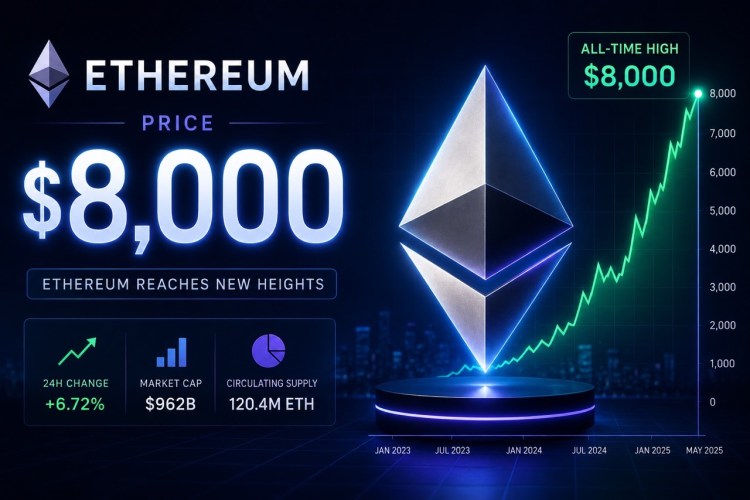
    Ethereum’s price weakness may be nearing a critical turning point, according to a new technical analysis that compares the current ETH structure with previous market cycles. The pattern that preceded the 2017 parabolic run and the 2020 breakout is re-emerging in 2026, with the long-term chart suggesting the potential start of a phase that could drive its price as high as $8,000.

    A Recurring Cycle

    Ethereum has spent the past several months building, a trend largely overlooked by the market. While the leading altcoin has underperformed compared to Bitcoin, its weekly chart is exhibiting the same structural sequence that preceded two of its most significant price rallies.

    Technical analysis indicates that ETH has followed a recognizable four-phase sequence in the previous two cycles: a prolonged downtrend, a compression phase with declining volatility, a breakout from the compression zone, and a vertical rally. In 2017, this cycle resulted in a gain of approximately 17,581%. The 2020 iteration, starting from a similar compression structure, produced a rally of about 4,348% during the 2021 bull run. The chart now presents a third instance of this structure. ETH bottomed around $1,800 in February 2026, a low that briefly breached support before a recovery brought the price back above the structure. This sequence of a fake breakdown followed by a swift recovery and the formation of a higher low mirrors the price behavior seen before the two prior cycles. The current compression is tighter than those that came before it, with buyers defending support around $2,200 and sellers capping rallies around $2,400, creating the pressure that could lead to a rally.

    Ethereum Breakout Anticipated

    The most intriguing aspect of this setup is the divergence between market sentiment and the technical structure. Currently, sentiment suggests ETH is weak. Ethereum has underperformed Bitcoin, particularly when struggling to maintain momentum above the $2,000 region. However, if the 2026 compression resolves similarly to 2017 and 2020, the projected expansion phase could yield a percentage gain smaller than those prior cycles, yet still substantial enough to push ETH well into the five-figure range.

    The prediction is that Ethereum will break out of its range below $2,400, continue this run to break out of the higher timeframe resistance around $4,900, and then reach new price highs. This could see the Ethereum price reaching at least $8,000, which, from the current trading range near $2,200, represents a gain of about 264%. Many market experts are predicting an Ethereum price rally above $10,000. Major upcoming catalysts for such a rally include the Glamsterdam upgrade, which could triple Ethereum’s Layer 1 throughput, and the expected passage of the CLARITY Act.