Author: Admin_Up

  • بیت‌فینکس: افزایش بی‌سابقه اتریوم در چهار سال اخیر

    بیت‌فینکس: افزایش بی‌سابقه اتریوم در چهار سال اخیر

    معامله‌گران اهرمی در بیت‌فینکس به اتریوم دل بسته‌اند؛ موقعیت‌های خرید به اوج چهار ساله رسید

    داده‌های صرافی بیت‌فینکس نشان می‌دهد که معامله‌گران اهرمی در این پلتفرم به طور فزاینده‌ای بر روی افزایش قیمت اتریوم شرط‌بندی می‌کنند و موقعیت‌های خرید (long positions) به بالاترین سطح خود در بیش از چهار سال گذشته رسیده‌اند.

    بر اساس اطلاعات موجود در تاریخ ۱۱ اکتبر ۲۰۲۶، حجم موقعیت‌های خرید اتریوم در بیت‌فینکس به حدود ۲۸۳,۴۱۰ واحد ETH رسیده است. با احتساب قیمت‌های فعلی، این رقم معادل تقریبی ۷۰۹ میلیون دلار است که بزرگترین شرط‌بندی صعودی در این پلتفرم از سال ۲۰۲۲ به این سو محسوب می‌شود.

    موقعیت خرید اهرمی به شرط‌بندی یک معامله‌گر بر روی افزایش قیمت یک دارایی اشاره دارد. در این روش، معامله‌گر با قرض گرفتن وجوه، بیش از توان مالی خود از یک دارایی را خریداری می‌کند و در صورت افزایش قیمت، سود کسب می‌کند.

    در اواخر ماه اوت، موقعیت‌های خرید اتریوم در بیت‌فینکس حدود ۸۲,۵۰۰ واحد ETH بود. افزایش چشمگیر این رقم به بیش از ۲۸۳,۰۰۰ واحد ETH از آن زمان تاکنون، که بخش عمده‌ای از آن به سرعت رخ داده است، قابل توجه است. داده‌های اهرمی حاکی از آن است که موقعیت‌های خرید تنها در طول هفت روز، ۱۵۷ درصد افزایش یافته‌اند. رقم فعلی اندکی پایین‌تر از اوج ۹۰ روزه ۲۸۳,۵۹۸ واحد ETH است که در تاریخ ۸ اکتبر ثبت شده بود.

    در مقابل، موقعیت‌های فروش (short positions) داستان متفاوتی را روایت می‌کنند. شرط‌بندی‌ها علیه اتریوم در بیت‌فینکس به حدود ۳,۵۳۰ واحد ETH، معادل تقریبی ۸.۸ میلیون دلار، کاهش یافته است.

    با مقایسه این دو رقم، نسبت موقعیت‌های خرید به فروش به حدود ۸۰ به ۱ می‌رسد.

    این انباشت موقعیت‌های خرید در حالی رخ داده است که اتریوم در حدود قیمت ۲,۵۰۰ دلار معامله می‌شد. این اتفاق همچنین پس از دوره‌ای از نوسانات قیمتی، از جمله یک افت اخیر، رخ داده است که نشان می‌دهد برخی معامله‌گران از این ضعف قیمتی به عنوان نقطه ورود استفاده کرده‌اند.

    وضعیت فعلی با چند هفته پیش کاملاً متفاوت است. در اواخر سپتامبر ۲۰۲۶، موقعیت‌های فروش در بیت‌فینکس به اوج چهار ساله خود رسید و بین ۷۳,۰۰۰ تا ۱۰۱,۰۰۰ واحد ETH در نوسان بود. این موقعیت‌های فروش سپس به شدت کاهش یافتند و رقم فعلی حدود ۳,۵۳۰ واحد ETH تنها بخش کوچکی از اوج اواخر سپتامبر را تشکیل می‌دهد.

    تحلیل‌ها در شبکه‌های اجتماعی، این انباشت موقعیت‌های خرید را نشانه‌ای از اطمینان معامله‌گران بزرگ موسوم به “نهنگ” در این پلتفرم تلقی کرده‌اند.

    این عدم توازن، بحث‌هایی را در مورد احتمال “فشار فروش استقراضی” (short squeeze) برانگیخته است. فشار فروش استقراضی زمانی رخ می‌دهد که افزایش قیمت‌ها، فروشندگان استقراضی را مجبور به بازخرید دارایی برای بستن موقعیت‌های زیان‌ده خود می‌کند و این خریدها باعث افزایش بیشتر قیمت‌ها می‌شوند.

    با توجه به اینکه موقعیت‌های فروش حدود ۸.۸ میلیون دلار در مقابل حدود ۷۰۹ میلیون دلار موقعیت خرید قرار دارند، علاقه فروش استقراضی اندکی در بیت‌فینکس باقی مانده است. سوخت این آتش‌بازی به احتمال زیاد در اواخر سپتامبر و در جریان کاهش موقعیت‌های فروش، مصرف شده است.

    هنگامی که موقعیت‌های خرید تا این حد غالب می‌شوند، ریسک بزرگتر می‌تواند “فشار خرید استقراضی” (long squeeze) باشد؛ وضعیتی که در آن افت قیمت، فروش اجباری توسط خریداران اهرمی را تحریک کرده و روند نزولی را تسریع می‌بخشد.

    برای کسانی که اتریوم را دنبال می‌کنند، رصد اینکه آیا موقعیت‌های خرید از اوج ۲۸۳,۵۹۸ واحد ETH در تاریخ ۸ اکتبر فراتر خواهند رفت یا خیر، حائز اهمیت است، زیرا این امر می‌تواند نشان‌دهنده ادامه روند انباشت باشد. همچنین باید به سمت موقعیت‌های فروش نیز توجه کرد؛ چرا که بازسازی موقعیت‌های فروش از سطح پایین فعلی، می‌تواند نشان‌دهنده بازگشت بدبینان باشد. در نهایت، نحوه واکنش اتریوم در محدوده قیمتی ۲,۵۰۰ دلار، جایی که بخش عمده‌ای از این انباشت رخ داده است، نیز قابل توجه خواهد بود.

  • کولدکارد: در حال بررسی چگونگی نمایش لینک فیشینگ در حساب ایکس هستیم

    کولدکارد: در حال بررسی چگونگی نمایش لینک فیشینگ در حساب ایکس هستیم

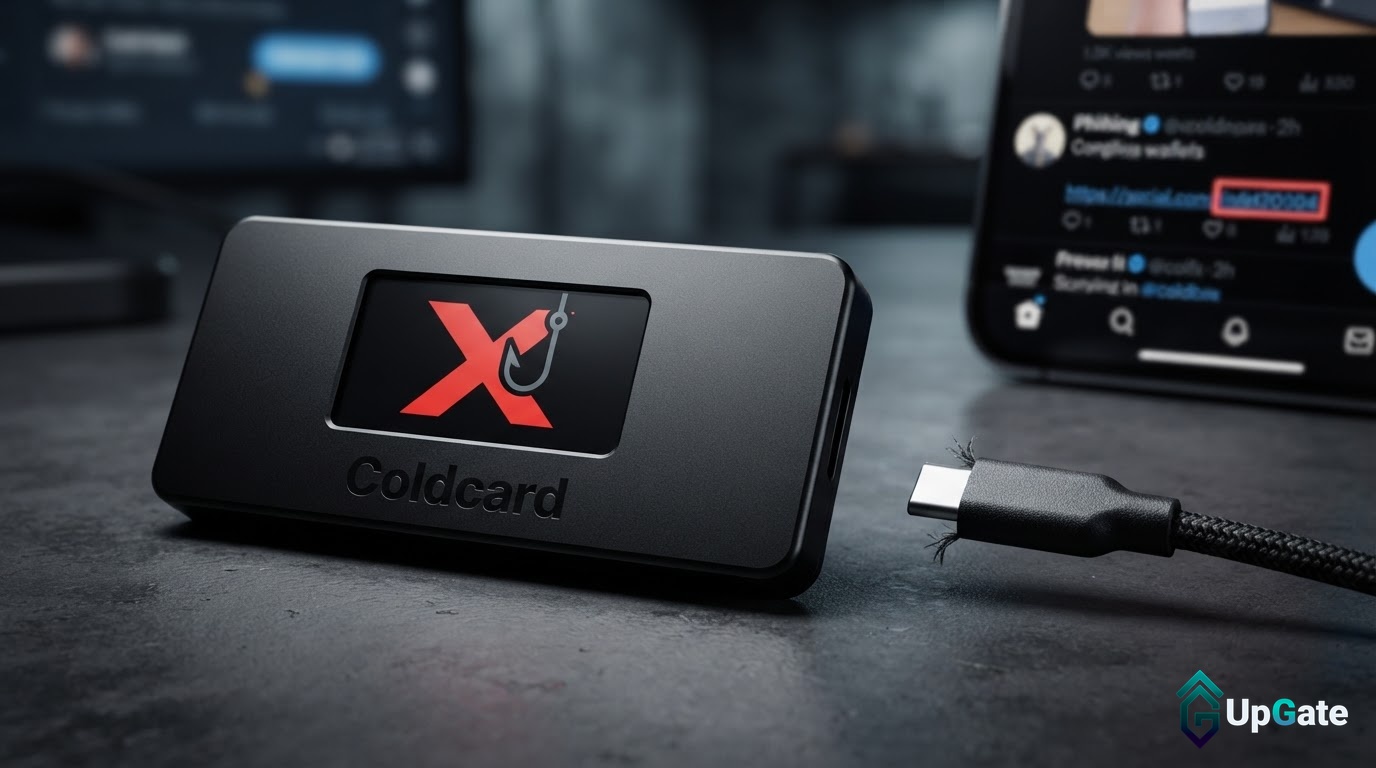
    حساب رسمی X شرکت Coldcard هک شد؛ هشدار به کاربران

    شرکت Coldcard، تولیدکننده کیف پول سخت‌افزاری بیت‌کوین، اعلام کرد که یک لینک فیشینگ روز یکشنبه در حساب رسمی این شرکت در پلتفرم X (توییتر سابق) ظاهر شده است. این شرکت از سال ۲۰۱۷ از احراز هویت دو مرحله‌ای آفلاین و دسترسی محدود برای حساب خود استفاده می‌کرده است.

    تحقیقات در مورد نحوه انتشار پست مخرب

    Coldcard اعلام کرد که در حال بررسی چگونگی انتشار این پست مخرب، که از حساب کاربری این شرکت منتشر شده و از آن زمان حذف شده است، می‌باشد. این شرکت به کاربران خود توصیه کرده است که از مراجعه یا تعامل با لینک مورد نظر خودداری کنند و تاکید کرده است که تنها وب‌سایت رسمی Coldcard، آدرس https://coldcard.com است.

    اقدامات Coldcard و به‌روزرسانی‌های آتی

    این شرکت با پلتفرم X تماس گرفته و در حال بررسی تمام دسترسی‌های حساب کاربری خود است. Coldcard اعلام کرده است که هرگونه به‌روزرسانی تایید شده بعدی را منتشر خواهد کرد.

    ماه جولای، ماه دوم بد برای سرقت ارزهای دیجیتال

    پیش از این، گزارش شده بود که ماه جولای با توجه به سرقت‌های گسترده ارزهای دیجیتال، به ویژه به دلیل یک سوءاستفاده مرتبط با Coldcard، به دومین ماه بد سال ۲۰۲۶ برای این حوزه تبدیل شده است. طبق داده‌های DefiLlama، هکرها در ماه جولای ۲۴۷.۴ میلیون دلار ارز دیجیتال به سرقت برده‌اند که بیشترین میزان پس از ۶۴۴ میلیون دلار سرقت شده در ماه آوریل است.

    جزئیات سوءاستفاده از Coldcard

    سوءاستفاده از Coldcard بزرگترین مورد سرقت در ماه جولای بوده است. طبق گزارش Galaxy Digital، حداقل ۱۰۰ میلیون دلار بیت‌کوین (BTC) از ۷۳۰۰ کیف پول در سه موج حمله تایید شده به سرقت رفته است. این شرکت همچنین موج چهارم احتمالی را شناسایی کرده که می‌تواند مجموع خسارات را به حدود ۱۳۰ میلیون دلار برساند. ردیاب هک DefiLlama، خسارات مرتبط با سوءاستفاده از Coldcard را ۱۱۵ میلیون دلار تخمین زده است.

  • آلت‌کوین وایرال با ۵۳ درصد جهش، بازار خفته را بیدار کرد؛ بیت‌کوین در ۸۳ هزار دلار آرام گرفت

    آلت‌کوین وایرال با ۵۳ درصد جهش، بازار خفته را بیدار کرد؛ بیت‌کوین در ۸۳ هزار دلار آرام گرفت

    بیت‌کوین در محدوده ۸۳ هزار دلاری آرام گرفت؛ انتظار نوسانات بیشتر در روزهای آینده

    رکود در بازار ارزهای دیجیتال؛ آلت‌کوین‌های کوچک‌تر پیشتاز شدند

    بازار ارزهای دیجیتال در تعطیلات آخر هفته شاهد رکود نسبی بود و بیت‌کوین طی ۳۶ ساعت گذشته تغییر چندانی در محدوده ۸۳ هزار دلاری نداشته است. با این حال، انتظار می‌رود نوسانات بیشتری در اواخر امروز یا صبح فردا به بازار بازگردد. آلت‌کوین‌های بزرگ‌تر نیز در روز گذشته حرکات قابل توجهی در هیچ جهتی از خود نشان ندادند، اما در میان آلت‌کوین‌های با ارزش بازار متوسط، یک ستاره جدید ظهور کرده است.

    بیت‌کوین ماه اکتبر را با قدرت آغاز کرد و در دومین روز ماه به بیش از ۸۷ هزار دلار رسید. اما خرس‌ها به سرعت وارد عمل شدند و قیمت را در همان روز به زیر ۸۴ هزار دلار رساندند. در تعطیلات آخر هفته گذشته، قیمت تا نزدیکی ۸۵ هزار دلار بهبود یافت، اما تلاش مجدد برای شکستن این مقاومت در صبح دوشنبه با رسیدن به ۸۶,۶۰۰ دلار متوقف شد.

    افت‌های بعدی شدیدتر بودند. در ابتدا، بیت‌کوین به ۸۳,۶۰۰ دلار سقوط کرد. پس از یک جهش موقت به ۸۴,۴۰۰ دلار، خرس‌ها کنترل کامل بازار را به دست گرفتند و قیمت را در روز چهارشنبه به ۸۲,۴۰۰ دلار و در روز پنجشنبه به پایین‌ترین سطح چند هفته اخیر یعنی ۸۰,۴۰۰ دلار رساندند. پس از از دست دادن حدود ۷ هزار دلار در عرض چند روز، ارز دیجیتال مورد انتظار بود که شاهد بازگشت قیمت باشد، که این اتفاق در روز جمعه رخ داد.

    با این حال، تلاش گاوها در ۸۳,۵۰۰ دلار متوقف شد. از آن زمان، بیت‌کوین در حدود ۸۳ هزار دلار به صورت جانبی معامله شده و هیچ حرکت عمده‌ای نداشته است. انتظار می‌رود با توجه به حملات جدید به عربستان سعودی و اشاره رئیس‌جمهور ترامپ مبنی بر احتمال پیوستن آمریکا به درگیری، نوسانات بیشتری در اواخر امشب یا صبح فردا رخ دهد.

    ارزش بازار بیت‌کوین همچنان ۱.۶۶۰ تریلیون دلار و سهم آن از کل بازار ۵۹.۵ درصد در سایت CoinMarketCap است.

    همانطور که اشاره شد، در میان آلت‌کوین‌های بزرگ‌تر، حرکت چندانی مشاهده نمی‌شود. اتریوم نزدیک به ۲,۵۰۰ دلار معامله می‌شود، ریپل (XRP) به زیر ۱.۴۰ دلار سقوط کرده است، در حالی که ZEC و HYPE حدود ۱ درصد افزایش یافته‌اند. BNB، SOL، TRX، DOGE، XMR، LINK و ADA اندکی کاهش قیمت داشته‌اند.

    در همین حال، استارک‌نت (STRK) امروز با جهش بیش از ۵۳ درصدی و رسیدن به نزدیک ۰.۱۱ دلار، توجهات را به خود جلب کرده است. این دارایی در هفته گذشته بیش از ۱۰۵ درصد رشد داشته است. دیگر آلت‌کوین‌هایی که شاهد رشد دو رقمی بوده‌اند، شامل TIA (۲۱ درصد) و AERO (۱۵ درصد) هستند. TIA نزدیک به ۰.۶۰ دلار و AERO تا ۱ دلار معامله می‌شود.

    ارزش کل بازار تمام دارایی‌های رمزارزی در CoinMarketCap همچنان ۲.۸ تریلیون دلار است.

  • ویتالیک بوترین: هوش مصنوعی می‌تواند نقشه راه اتریوم را ده‌ها سال جلو بیندازد

    ویتالیک بوترین: هوش مصنوعی می‌تواند نقشه راه اتریوم را ده‌ها سال جلو بیندازد

    ویتالیک بوترین، هم‌بنیان‌گذار اتریوم، معتقد است هوش مصنوعی چندین دهه به پیشرفت این شبکه کمک کرده است. او در کنفرانس “شبکه دولت ۲۰۲۶” در سنگاپور اظهار داشت که هوش مصنوعی با سرعتی چشمگیر، روند به‌روزرسانی پروتکل اتریوم را تسریع بخشیده است.

    بوترین پیش‌بینی کرد که بدون کمک هوش مصنوعی، دستیابی به برخی از اهداف نقشه راه اتریوم ممکن بود تا سال‌های ۲۰۴۰ یا حتی ۲۰۵۰ به طول بینجامد. این مصاحبه در تاریخ ۹ اکتبر ۲۰۲۶ انجام شد و روز بعد گزارش گردید. تمرکز اصلی بوترین بر “نقشه راه لاغر” (Lean Roadmap) بود؛ طرح اتریوم برای بازنگری اساسی در پروتکل اصلی خود.

    ادعای کلیدی او این بود که هوش مصنوعی اکنون بخش قابل توجهی از تحقیقات و کدنویسی مورد نیاز این نقشه راه را بر عهده گرفته است، از جمله دشوارترین وظایف. یکی از برجسته‌ترین نمونه‌ها، تأیید رسمی (formal verification) با استفاده از Lean 4 است. Lean 4 یک زبان برنامه‌نویسی و دستیار اثبات است که برای نوشتن اثبات‌های ریاضیاتی به کار می‌رود که کامپیوتر می‌تواند خط به خط آن‌ها را بررسی کند. طبق خلاصه تحقیقات، مشارکت هوش مصنوعی در Lean 4 نیاز به ممیزی دستی حجم عظیمی از کد توسط انسان را کاهش می‌دهد.

    نقشه راهی که بوترین توصیف کرد، صرفاً یک تنظیم جزئی نیست. اتریوم در حال حرکت به سمت معماری‌ای است که بر پایه STARKهای بازگشتی (recursive STARKs)، تأیید رسمی خودکار و مقاومت قوی‌تر در برابر کوانتوم بنا شده است. STARKها اثبات‌های رمزنگاری هستند که به یک طرف اجازه می‌دهند اثبات کند یک محاسبه به درستی انجام شده است، بدون اینکه همه مجبور به تکرار آن باشند. STARKهای بازگشتی نیز اثبات‌هایی هستند که می‌توانند اثبات‌های دیگر را تأیید کنند. مقاومت در برابر کوانتوم نیز به حفاظت از شبکه در برابر کامپیوترهای کوانتومی آینده اشاره دارد که می‌توانند رمزنگاری امروزی را بشکنند.

    نقش هوش مصنوعی در پیشرفت اتریوم

    بوترین معتقد است هوش مصنوعی در این زمینه نقش کلیدی ایفا می‌کند. خلاصه تحقیقات، هوش مصنوعی را به عنوان یک توانمندساز حیاتی توصیف می‌کند که اتریوم را به سمت این طراحی پیچیده‌تر هدایت می‌کند.

    نقطه عطف بعدی در تقویم، ارتقاء “هگوتا” (Hegota) است که انتظار می‌رود حدود سال ۲۰۲۷ رخ دهد. این ارتقاء به عنوان آخرین فورک “عادی” در تاریخ اتریوم توصیف شده است. پس از آن، انتظار می‌رود تمرکز به سمت روش‌های پیشرفته رمزنگاری و تأیید رسمی معطوف شود و ادغام هوش مصنوعی نقشی محوری ایفا کند.

    شواهد اولیه حاکی از آن است که هوش مصنوعی می‌تواند کارهای پروتکلی معنی‌داری انجام دهد. در اوایل سال ۲۰۲۶، آزمایش‌ها منجر به تولید یک نمونه اولیه از کلاینت اتریوم شد که حدود ۶۵ مورد از موارد نقشه راه را پوشش می‌داد. این نمونه اولیه همچنین با شبکه اصلی اتریوم (mainnet) همگام‌سازی شد.

    این اولین بار نیست که بوترین امسال در مورد هوش مصنوعی اظهار نظر می‌کند. او در اوایل سال ۲۰۲۶، نقش دوگانه هوش مصنوعی در توسعه رمزارزها را مورد بحث قرار داد. از یک سو، هوش مصنوعی می‌تواند کارهای فنی را تسریع بخشد و از سوی دیگر، نگرانی‌های امنیتی در مورد آسیب‌پذیری‌ها را افزایش می‌دهد، از جمله این احتمال که همین ابزارها بتوانند به مهاجمان در یافتن سریع‌تر نقاط ضعف کمک کنند.

    این تنش، جنبه تأیید رسمی را به‌ویژه جالب می‌کند. اگر هوش مصنوعی بتواند کد را به سرعت تولید کند، اثبات ریاضی صحت آن کد، به یک سازوکار حفاظتی طبیعی در برابر ریسک‌هایی که خود هوش مصنوعی ایجاد می‌کند، تبدیل می‌شود.

    برای توسعه‌دهندگان، واضح‌ترین پیامد، تغییر در شرح وظایف است. اگر هوش مصنوعی بخش بیشتری از نوشتن اثبات و ممیزی کد را بر عهده بگیرد، محققان اصلی ممکن است زمان بیشتری را صرف تصمیم‌گیری‌های طراحی و زمان کمتری را صرف تأیید دستی کنند.

    چارچوب زمانی ۲۰۴۰ تا ۲۰۵۰ که بوترین مطرح کرد، نشان می‌دهد که او هوش مصنوعی را عاملی می‌داند که تفاوت بین “روزی” و “این دهه” را ایجاد می‌کند. مسئله امنیت نیز همچنان پابرجا است. اتکا به هوش مصنوعی برای کد زیرساخت حیاتی، اهمیت حصول اطمینان از صحت تأیید را افزایش می‌دهد، زیرا یک خطای جزئی در یک بلاک‌چین پرکاربرد می‌تواند پرهزینه باشد.

    آنچه در ادامه باید رصد کرد: پیشرفت در ارتقاء هگوتا، نتایج بیشتر از آزمایش‌های کلاینت‌های ساخته شده با هوش مصنوعی، و اینکه چه میزان از تأیید رسمی نقشه راه لاغر، در نهایت توسط ماشین تولید خواهد شد.

  • نبرد ۱۶۵ میلیون دلاری پنسیلوانیا علیه هوش مصنوعی: چالشی بی‌سابقه در سراسر طیف سیاسی

    نبرد ۱۶۵ میلیون دلاری پنسیلوانیا علیه هوش مصنوعی: چالشی بی‌سابقه در سراسر طیف سیاسی

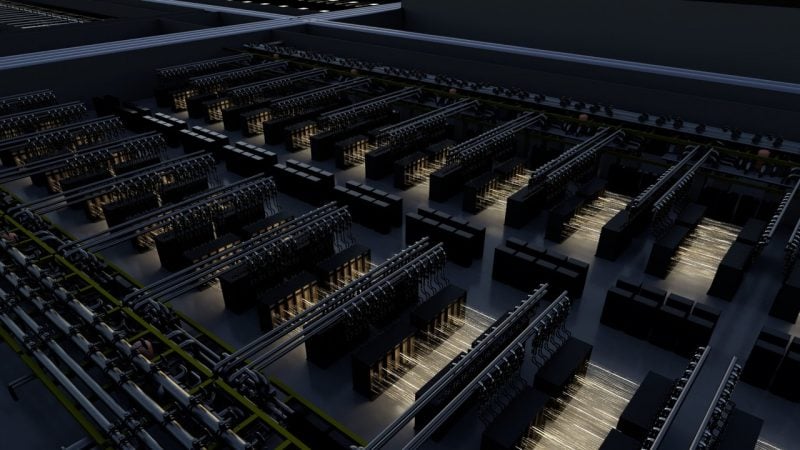
    مقاومت فزاینده در برابر مراکز داده در مناطق روستایی ممکن است اقدامات قانونی را آغاز کند و پیش‌بینی‌های بازار را در چندین ایالت تحت تاثیر قرار دهد.

    مبارزه ۱۶۵ میلیون دلاری در پنسیلوانیا: نمادی از نبرد دوحزبی علیه هوش مصنوعی

    مخالفت‌ها با ساخت مراکز داده در مناطق روستایی در حال افزایش است و این روند می‌تواند منجر به تصویب قوانین جدید و تغییر پیش‌بینی‌های بازار در ایالت‌های مختلف شود. در پنسیلوانیا، مبارزه ۱۶۵ میلیون دلاری علیه یک مرکز داده در منطقه روستایی، به نمادی از نبرد دوحزبی علیه گسترش هوش مصنوعی تبدیل شده است. این پدیده که “هرگز چیزی شبیه به آن ندیده‌ام” توصیف شده است، نشان‌دهنده نگرانی‌های رو به رشد در مورد تاثیرات مراکز داده بر جوامع محلی است.

  • Win and Wait, Lose and Earn: Understand Papertrade’s 1000x “Liquidation Mining”

    Win and Wait, Lose and Earn: Understand Papertrade’s 1000x “Liquidation Mining”

    Papertrade Launches with High Leverage, Zero Liquidity, and Immediate Scrutiny

    Papertrade, a new decentralized exchange (DEX) that launched on October 10th, has immediately drawn attention for its high-leverage trading, a novel approach to liquidity, and significant risks highlighted even before its debut. The protocol operates as the counterparty to all trades, meaning it directly assumes the risk of winning traders’ payouts. If a winner’s profits cannot be covered by losers’ funds, they are placed in a queue to be paid later. MONI Research had previously identified the price oracle and the queuing system for payouts as major risks, and on its first day of operation, accusations of price manipulation on Hyperliquid to exploit Papertrade’s pricing emerged.

    Opening Day Performance: A Tale of Two Extremes

    The launch day for Papertrade presented a starkly divided picture. At 10 AM EST on October 10th, the pre-deposit phase saw 11,465 addresses deposit approximately $138 million. Within 24 hours, the nominal trading volume reached an astonishing $596.28 billion. However, the protocol’s internal statistics revealed that traders incurred a net realized loss of approximately $30.24 million. TradingBeats data indicated that 14,158 positions were liquidated, resulting in a loss of approximately $23.116 million in isolated margin.

    Price Manipulation Allegations Surface on Day One

    Just eight hours after the platform went live, a user on X, @Dr_bobo54, posted allegations that someone was manipulating Hyperliquid’s price feed to open multi-billion dollar long positions on Papertrade for arbitrage. This concern was not unexpected, as MONI Research analyst HONKAYO had identified the price source as the primary risk in a pre-launch analysis on October 2nd.

    Papertrade operates without a traditional liquidity provider (LP). Instead, the protocol itself acts as the counterparty for all positions, with the losses of one set of traders funding the profits of another. This analysis juxtaposes HONKAYO’s pre-launch assessment with the events of the first trading day.

    Protocol Mechanics: A Casino-Like Model

    HONKAYO’s analysis pointed out that Papertrade uses the midpoint of the best bid and ask prices from Hyperliquid as its reference price. The protocol does not hedge its positions on Hyperliquid; rather, it records the trades and settles profits and losses using its own cash pool, making its economic nature more akin to a casino.

    Initially, Papertrade only supports BTC and ETH markets, employing isolated margin and a zero funding rate system. Founder Blurr explained in an interview that even major assets are difficult to manage with 1000x leverage, and more volatile cryptocurrencies would lead the protocol to lose more than it collects.

    The absence of a local order book means all trades are executed at the midpoint of the bid and ask prices, which is marketed as “zero slippage.” However, HONKAYO cautioned that winning trades are subject to a “payment curve” before funds are credited. Small price fluctuations result in a heavier discount, meaning an initial profit of $1,000 might only yield $600. Blurr admitted that this calculation method is largely adapted from Rollbit. The protocol charges a fee of 1% of the profit or loss, according to Blurr.

    Therefore, “zero slippage” refers to the entry and exit prices, not the final amount credited to the user.

    The Queuing System: A Debt of Future Losses

    HONKAYO illustrated the queuing system with an empty pool scenario: if a trader deposits $100 and profits $100, the protocol can return the initial margin but lacks the additional $100. This profit then becomes a queued debt.

    If the next loser incurs a $40 loss, this amount is paid to the winning trader, leaving a remaining debt of $60. Only when another trader loses $60 is the debt fully cleared. Subsequent winners then join the queue. Blurr provided a larger example: if a pool has $5 million and a trader wins $6 million, they receive the $5 million from the pool, with the remaining $1 million pending future losses.

    The risk lies in the waiting period. If traders leave due to prolonged queues, the funds needed to cover debts may disappear. The team views the queuing system as an early safety net, ideally used minimally. The risk disclosures, however, permit the cash pool to go negative. Blurr’s explanation can be cross-referenced with an interview video.

    PAPER Tokenomics and Inflationary Concerns

    PAPER, the native token, has an initial supply of zero. The team claims there is no pre-mining or allocation for the team or venture capitalists; tokens are minted when users realize losses or are liquidated. When the protocol’s tracked cash falls below $2 million, 100 PAPER tokens are minted for every $1 lost. Above this threshold, the minting curve tightens. HONKAYO calculated a tiered system: approximately 50 tokens per dollar when the LP cumulative earnings reach a high of $50 million, 10 tokens at $260 million, and 1 token at $1.08 billion. The 12 billion token cap is not absolute; if the LP cash falls below $2 million again, the rate reverts to 100 tokens per dollar, creating a path for unlimited inflation.

    PAPER can be staked immediately, with stakers receiving a majority of protocol fees and any cash exceeding target balances. However, initial transfers are restricted, and there is no market price.

    This mechanism could incentivize users to intentionally incur losses to farm tokens. HONKAYO expressed concern that once the emission rate decreases, trading volume driven by bots could evaporate. His simulations indicated that PAPER at 100x leverage has the lowest cost, at approximately $2.55 per 1,000 tokens, while 1000x leverage costs $5.06, suggesting that the highest leverage is not always the cheapest way to farm tokens.

    Price Manipulation: The Core Risk

    The primary risk stems from Papertrade directly reading Hyperliquid’s public price quotes. HONKAYO pointed out that attackers can manipulate the best bid and ask prices to execute trades on Papertrade at distorted rates, then wait for the market to correct. This strategy becomes profitable when the pool’s funds exceed the cost of price manipulation. The team has implemented a $5 million cash cap to mitigate this, hoping the pool remains below the cost of manipulating the BTC or ETH order books, but this assumption has not been independently tested.

    First Day Exploitation Allegations

    The risks were immediately apparent on the first day. On October 10th, @Dr_bobo54 posted that two wallets were manipulating Hyperliquid’s ETH price by 10 to 20 basis points using approximately $20 million per trade, while simultaneously opening nine-figure long positions on Papertrade.

    Paper trade @papertrade_xyz getting actively exploited by two wallets moving ETH 10-20bps on hyperliquid using $20m clips or so and trading 9 fig longs on paper.

    >

    Glaring issue with the protocol as is, needs to be fixed ASAP for any chance at sustainability pic.twitter.com/KHXjp9qF5s

    >

    — Boblob (@Dr_bobo54) October 10, 2026

    Trader Rune retweeted this, noting that the official explanation itself revealed this risk. On-chain monitoring also showed an address that, approximately eight hours after launch, had a net profit of about $1.28 million. This address then opened 30 short positions at $2,507.35, totaling approximately $297 million in nominal value, and sold about 6,600 ETH on Hyperliquid, pushing the price down to $2,504.40. However, the positions were not closed, ETH rebounded to $2,509.95, and all short positions were liquidated, resulting in a loss of approximately $450,000.

    The community speculated that the team blocked the liquidation. Some analyses suggested using official oracle prices aggregated from multiple exchanges on Hyperliquid instead. However, these are currently unconfirmed allegations, monitoring, and speculation, and the team has not issued a public response as of this report.

    Simulation Limitations and Centralized Operations

    HONKAYO also reviewed an independent simulation that analyzed approximately 3.6 million historical high-leverage trades on Hyperliquid across 608 scenarios. All scenarios maintained solvency, with the worst-case queued debt at around $61,974. However, the weakest scenario assumed only 25% of selected activity flowed in and excluded price manipulation and relay delays, leading HONKAYO to conclude it was only suitable for testing assumptions and insufficient to guarantee deposits.

    Early operational aspects also leaned towards centralization. Trades were initially routed through the official website and the project’s proprietary relayers. Liquidations took precedence over position closures, and new positions were prioritized last. The team retained the authority to halt new positions and close markets in emergencies.

    papertrade launch details

    >

    papertrade is a fair launched smart contract exchange built on the hyperevm blockchain. as a fully onchain protocol, papertrade has significant advantages – decentralization, reliability, composability, transparency. it also has the usual onchain…

    >

    — papertrade.xyz (@papertrade_xyz) October 1, 2026

    As of MONI’s deadline, the official contract address and verified source code had not been published. The audit report from Guardian Audits, hired by the team, was also not yet available in their repository. It remains unverified whether these will be provided post-launch.

    Team and Origins

    The Papertrade team was initiated by Jez and Blurr. Jez is identified as Colin Hong, whose resume includes MIT, Morgan Stanley, and a Venture Partner role at Standard Crypto. However, HONKAYO cautioned that this does not imply an investment by the fund in Papertrade. Blurr remains anonymous, stating the project was built by only two to three individuals, and funding details have not been disclosed. The concept originates from a paper on queuing mechanisms and the Martingaler whitepaper from the summer of 2024.

    Introducing @papertradexyz – a fair-launched, fully-onchain perpetuals exchange built on Hyperliquid by @izebeleth & @blurr
    -1000x leverage -0 slippage -No funding costs -Self-bootstrapping LP

    >

    Coming soon. Learn more at: https://t.co/izPx6pov7h pic.twitter.com/KHXjp9qF5s

    >

    — papertrade.xyz (@papertrade_xyz) May 12, 2026

    Competitive Landscape

    Compared to competitors like Hyperliquid and Lighter, which offer deeper markets and real-time settlement, or gTrade, which requires pre-funding, HONKAYO believes the mechanics are easily replicable. The primary advantages are seen in reliable payouts, pool liquidity, execution, and distribution.

    Key Observations for the Future

    Overlaying pre-launch projections with first-day data, three key areas warrant observation moving forward.

    First, the mathematics of price manipulation: at 1000x leverage, a 0.1% move in the reference price effectively doubles the margin. If the reported multi-billion dollar nominal volume is accurate, a 10 to 20 basis point move would translate to hundreds of thousands to millions of dollars in paper profits, with the attacker’s cost on Hyperliquid limited to slippage and fees. While the payment curve discounts small fluctuations, the official range for this discount remains undisclosed.

    Second, the $5 million cash cap may not be sufficient. The queuing mechanism allows winners’ claims to exceed the pool’s balance, with the excess becoming a debt owed to future losers. The cap limits immediate payout capacity, not the total debt incurred. The ultimate cost falls on queued winners and PAPER stakers. Traders on Papertrade avoid slippage, but the slippage is merely shifted to Hyperliquid, paid by the manipulator, becoming an attack cost.

    Third, the leverage distribution on the first day: 5,836 addresses (73.3%) utilized 1000x leverage. Positions with 1000x leverage accounted for 89.4% of liquidations and 86.9% of margin losses, with a median time from opening to liquidation of just 7 minutes and 35 seconds. However, the remaining open nominal positions of approximately $1.979 billion correspond to only about $17.377 million in margin, averaging around 114x leverage.

    It is speculated that most 1000x leverage positions were liquidated within minutes. The remaining open positions likely consist of lower leverage trades, aligning with MONI’s simulations suggesting that maximum leverage is not always the most cost-effective strategy. The top 15 profit earners were all long ETH positions. The champion, with $10,000 in margin, opened a $10 million nominal long position, held for 31 minutes, saw ETH rise by 0.78%, and profited approximately $66,400. Roughly calculated at 1000x, the initial profit should have been around $78,000. The actual received amount of about 85% suggests the difference is likely the discount from the payment curve and the 1% fee, serving as a practical demonstration of the “zero slippage” caveat.

    Moving forward, attention should be paid to the metrics highlighted by MONI.

    In conclusion, Papertrade is best viewed as a high-risk mechanism experiment rather than a stable trading venue. In the short term, the focus should be on the veracity of the manipulation allegations and the official response, as well as the rapid clearing of queued debts after significant market movements, rather than nominal trading volume.

    If the team publicly releases its contracts and audit reports, adopts multi-source pricing, and clears all queued debts within a week following major market swings, the design will have passed its initial test. Conversely, if the allegations prove true and no remedies are implemented, even substantial trading volumes will merely be amplified numbers under 1000x leverage.
  • Argentina’s Central Bank Rejects Crypto Integration for Two Years

    Argentina’s Central Bank Rejects Crypto Integration for Two Years

    Argentina’s Central Bank has rejected the integration of cryptocurrencies into payment service providers and the banking sector for the next two years. This decision leaves open the possibility of such integration in a potential second term for President Milei.

    The Central Bank’s move establishes a clear two-year period during which new cryptocurrency integrations within the formal financial system will not be permitted. This regulatory stance highlights a cautious approach to digital assets within Argentina’s established financial infrastructure.

    While the immediate future sees a rejection of crypto integration, the Central Bank has hinted at a potential shift in policy beyond the initial two-year timeframe. This potential change is contingent on political developments, specifically the possibility of a second term for President Milei. In such a scenario, the Central Bank suggested it might reconsider the current prohibition on banks managing cryptocurrencies.

    However, significant uncertainties surround these future possibilities. The occurrence of a second Milei term is not guaranteed, and consequently, the timeline for any potential crypto banking integration beyond the initial two-year period remains undefined. These factors contribute to a landscape where future regulatory directions are conditional and subject to political outcomes.

    The decision by Argentina’s Central Bank impacts the immediate landscape for cryptocurrency adoption within the country’s formal financial sector. It signals a period of regulatory caution while leaving the door ajar for future policy adjustments, albeit under specific political conditions.

    Why This Matters

    The materials describe a narrow update: The Central Bank of Argentina has decided against integrating cryptocurrencies into payment service providers and the banking sector for the immediate future, specifically for the next two years. Whether a second Milei term will occur.

    Broader Context

    Source materials place the factual news in this context: Argentina has reached one […].

  • OpenAI’s 722 Math Papers Render Years of Scholar Work Obsolete

    OpenAI’s 722 Math Papers Render Years of Scholar Work Obsolete

    Mathematicians Weigh In on OpenAI’s 722 Math Papers: Promising, But Verification Will Take Years

    Four days after OpenAI released 722 AI-generated mathematics manuscripts, The Verge spoke with over 30 mathematicians who concluded that the papers contain genuine breakthroughs, though discerning which results are reliable could take years.

    Initial Reactions and Concerns

    Mathematicians’ initial assessment of OpenAI’s batch of AI-generated math papers is that they contain “real stuff,” but it will likely take years to determine which papers are correct. OpenAI uploaded the 722 AI-produced math manuscripts to GitHub on October 7th, only to retract three of them the following day in an update log.

    The Verge’s interviews with more than 30 mathematicians revealed descriptions of the work as “astonishing,” “unprecedented,” and “surreal.” The majority agreed that simply understanding what OpenAI has released will take years, and expressed concern that OpenAI might release another batch before the mathematical community has had a chance to digest the current one.

    The Challenge of Verification

    Currently, no one can definitively answer the question of accuracy, and OpenAI itself admits uncertainty. The README states that the model was tested on approximately 4,000 problems during its evaluation, which OpenAI then grouped and filtered to produce the current catalog of 719 manuscripts, organized into 372 groups. These numbers cannot be directly divided to calculate a success rate, as a single problem might be incorporated into multiple groups after categorization.

    The degree of verification varies significantly. Lean, a programming language for computer-assisted proof checking, offers a higher degree of logical certainty for results that have been formalized in Lean. OpenAI’s update log indicates that 300 out of 719, or about 42%, of the main results have formalizations, less than half. The README also concedes that results without formalization may be problematic.

    Furthermore, formalization does not guarantee correctness. Interviewees pointed out that the statements verified by computers do not always align with the claims made in the papers, requiring individual verification.

    Kevin Buzzard of Imperial College London noted that in his field of algebraic number theory, only about six of the papers immediately appeared noteworthy, and almost none of these had undergone Lean verification. He faces the choice of reading “potentially incorrect garbage” or waiting for others to read and formalize the work before confirming its accuracy.

    Some researchers have privately commented that certain papers seem to retrace paths already explored by others, while others mentioned that results originally intended for hundreds of pages have been condensed into a few dozen.

    Errors and Retractions Emerge

    Errors have already surfaced. The update log reveals a sign error in a paper discussing Weil classes, rendering its argument invalid. Two other papers related to the Hodge conjecture, which built upon this work, were also retracted. An additional 14 papers have been revised. Crucially, none of the results have yet undergone peer review.

    High Standards, Despite Presentation

    Setting aside the presentation, multiple interviewees believe the overall standard of the work is high. Before the advent of AI, many of these findings would have been sufficient for publication in top journals and would have secured academic positions for their authors. Jared Duker Lichtman of Stanford University even suggested that “dozens” of the results are strong enough to make their authors serious contenders for the Fields Medal, one of mathematics’ highest honors. These include advancements towards the Riemann Hypothesis, special cases of the Hodge Conjecture, and the four-dimensional Kakeya Conjecture. This is his personal assessment.

    However, OpenAI’s README notes that the Riemann and Hodge conjecture papers were not produced through the same standardized process as the other results, and does not explain the differences. One version of the Riemann conjecture paper also underwent manual editing.

    Scott Armstrong of Sorbonne University emphasized that these are not obscure problems; many are well-known challenges that have eluded mathematicians for decades.

    Impact on the Research Community

    For some mathematicians, OpenAI’s release of these papers feels like their own research projects have been rendered obsolete overnight. Colva Roney-Dougal of the University of St Andrews stated, “A group of my friends and colleagues just had their research grant applications completely wiped out.” Armstrong is aware of an entire research program by a team that has been nearly eliminated. Tristan Buckmaster of New York University has also heard of three individuals whose projects have been erased.

    The most severely affected are PhD students, early-career researchers, and those without tenure, as unsolved problems often form the basis of doctoral dissertations, grant applications, and job searches. Bartosz Naskręcki of Adam Mickiewicz University in Poland commented, “This is a social problem that AI labs are completely ignoring.”

    Mixed Feelings on AI in Mathematics

    The majority of interviewees do not oppose the use of AI in mathematics, and many use AI tools themselves.

    The unease stems from OpenAI’s approach: a high-profile announcement, preliminary drafts, leaving the mathematical community to digest the findings, and then immediately moving on to the next objective. Rumors are already circulating among mathematicians about a potential next wave of releases, and OpenAI has not responded to The Verge’s inquiries about whether another batch is forthcoming. Armstrong remarked, “Something will come along in two months to overshadow this.” Despite being one of the more optimistic mathematicians about AI and using it himself, he admitted, “I have trouble sleeping at night,” with his immediate goal being to complete his current research “before OpenAI beats me to it.”

  • لجر هک شد؛ ضرر احتمالی ۸۶ میلیون دلاری

    لجر هک شد؛ ضرر احتمالی ۸۶ میلیون دلاری

    لجر تأیید کرد که حادثه به یک فروشنده خاص و بازار جنوب شرق آسیا محدود بوده است.

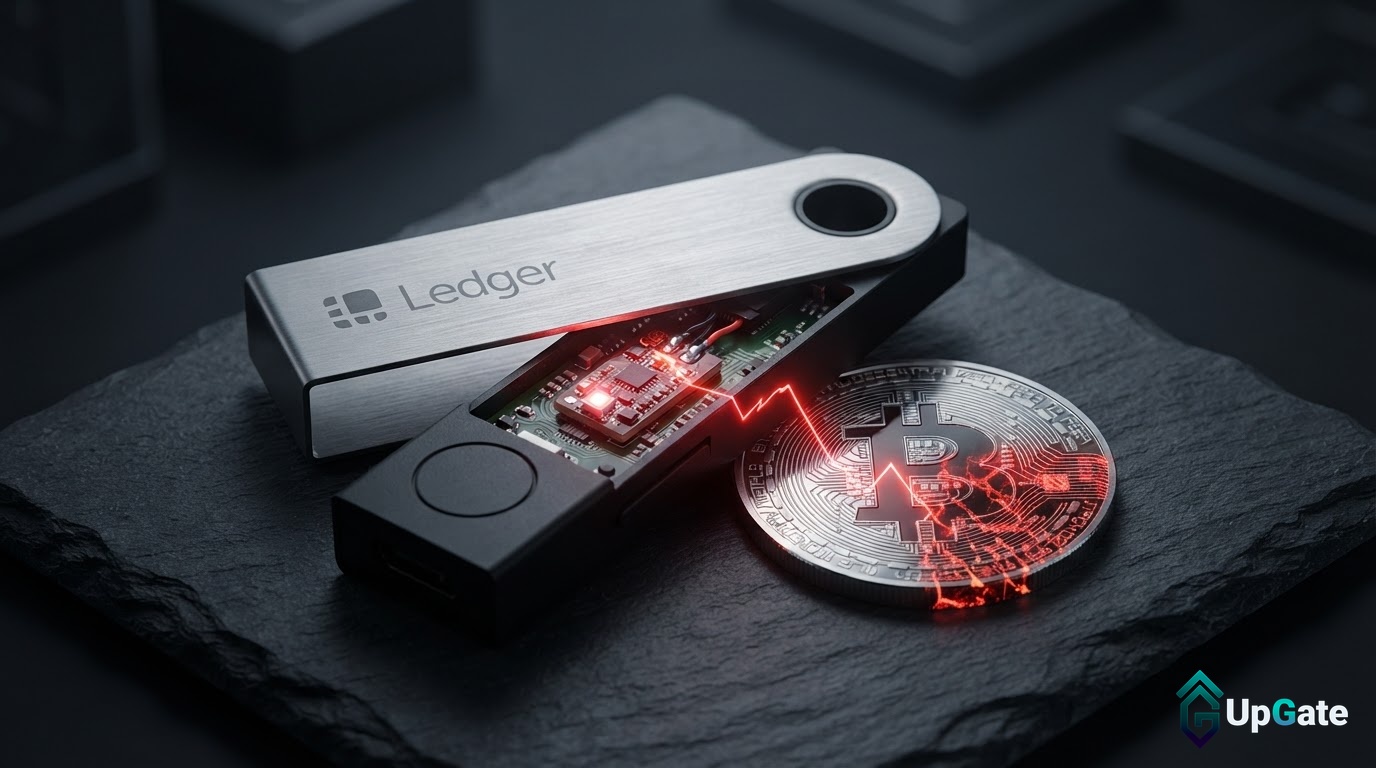
    شرکت سازنده کیف پول سخت‌افزاری لجر (Ledger)، که در حال بررسی گزارش‌های مربوط به از دست رفتن ارزهای دیجیتال مرتبط با دستگاه‌های خریداری شده از فروشنده جنوب شرق آسیایی خود، CryptoBilis، بود، تأیید کرد که یکی از دستگاه‌های کاربران آسیب‌دیده حاوی یک قطعه سخت‌افزاری غیرمجاز بوده است.

    لجر روز یکشنبه در پستی در پلتفرم X اعلام کرد که در راستای تحقیقات جاری خود در مورد این زیان‌ها که طبق تخمین محقق Specter ممکن است از ۸۶ میلیون دلار فراتر رود (شامل بیت‌کوین، اتریوم و ترون)، با کاربران در تماس است.

    لجر از افرادی که اطلاعاتی در مورد این تحقیقات دارند درخواست کرده است تا از طریق برنامه پاداش این شرکت به آدرس [email protected] با آن‌ها تماس بگیرند.

    به عنوان یک اقدام احتیاطی، CryptoBilis نیز در این پست تأیید کرد که فروش تمامی موجودی کیف پول‌های سخت‌افزاری خود را تا پایان تحقیقات متوقف کرده است. لجر در حال حاضر در ارتباط فعال با CryptoBilis برای تعیین گام‌های بعدی است.

    لجر به کاربرانی که دستگاهی را از این فروشنده خریداری کرده‌اند توصیه می‌کند در صورتی که هنوز دستگاه خود را راه‌اندازی نکرده‌اند، این کار را انجام ندهند. اگر دستگاه لجر خود را راه‌اندازی کرده‌اند، باید انتقال دارایی‌های خود به یک دستگاه لجر جدید (با یک عبارت بازیابی جدید) را در نظر بگیرند.

    خبرگزاری کوین‌تلگراف (Cointelegraph) روز جمعه گزارش داد که CryptoBilis به عنوان یکی از فروشندگان مجاز لجر در اندونزی، مالزی و فیلیپین معرفی شده بود.

    لجر هنوز تأیید نکروته است که چه تعداد از مشتریان ممکن است تحت تأثیر قرار گرفته باشند یا ارزش زیان‌های گزارش شده چقدر است.

    این شرکت در بیانیه‌ای به کوین‌تلگراف اعلام کرد که به نظر می‌رسد این حادثه به یک فروشنده خاص و بازار آن محدود بوده است.

    این شرکت افزود: “زیرساخت‌ها، سیستم‌ها و خدمات لجر مورد نفوذ قرار نگرفته‌اند” و تحقیقات همچنان ادامه دارد.

    برای دریافت کمک یا طرح سوال، از طریق کانال‌های رسمی پشتیبانی مشتریان لجر در آدرس http://support.ledger.com تماس حاصل فرمایید.

    فرانسه خطرناک‌ترین مکان برای بیت‌کوینی‌ها در جهان: ۹۰ حمله در ۷ ماه

  • بانک مرکزی آرژانتین ادغام بانکی رمزارزها را در کوتاه‌مدت رد کرد

    بانک مرکزی آرژانتین ادغام بانکی رمزارزها را در کوتاه‌مدت رد کرد

    آرژانتین ادغام ارزهای دیجیتال در بخش بانکی را در آینده نزدیک رد کرد

    دولت آرژانتین ادغام ارزهای دیجیتال در ارائه‌دهندگان خدمات پرداخت و بخش بانکی را برای دو سال آینده رد کرده است. این تصمیم در حالی اتخاذ می‌شود که درها برای چنین اقداماتی در دوره احتمالی دوم ریاست جمهوری خاویر میلی باز گذاشته شده است. این موضع‌گیری همچنین به معنای احتمال لغو ممنوعیت فعلی بانک‌ها در مدیریت ارزهای دیجیتال است.

    آرژانتین در حالی که به یکی از […]