Author: Admin_Up

  • سیلور: استراتژی رشد با ۸۴۸ هزار بیت‌کوین افزایش می‌یابد

    سیلور: استراتژی رشد با ۸۴۸ هزار بیت‌کوین افزایش می‌یابد

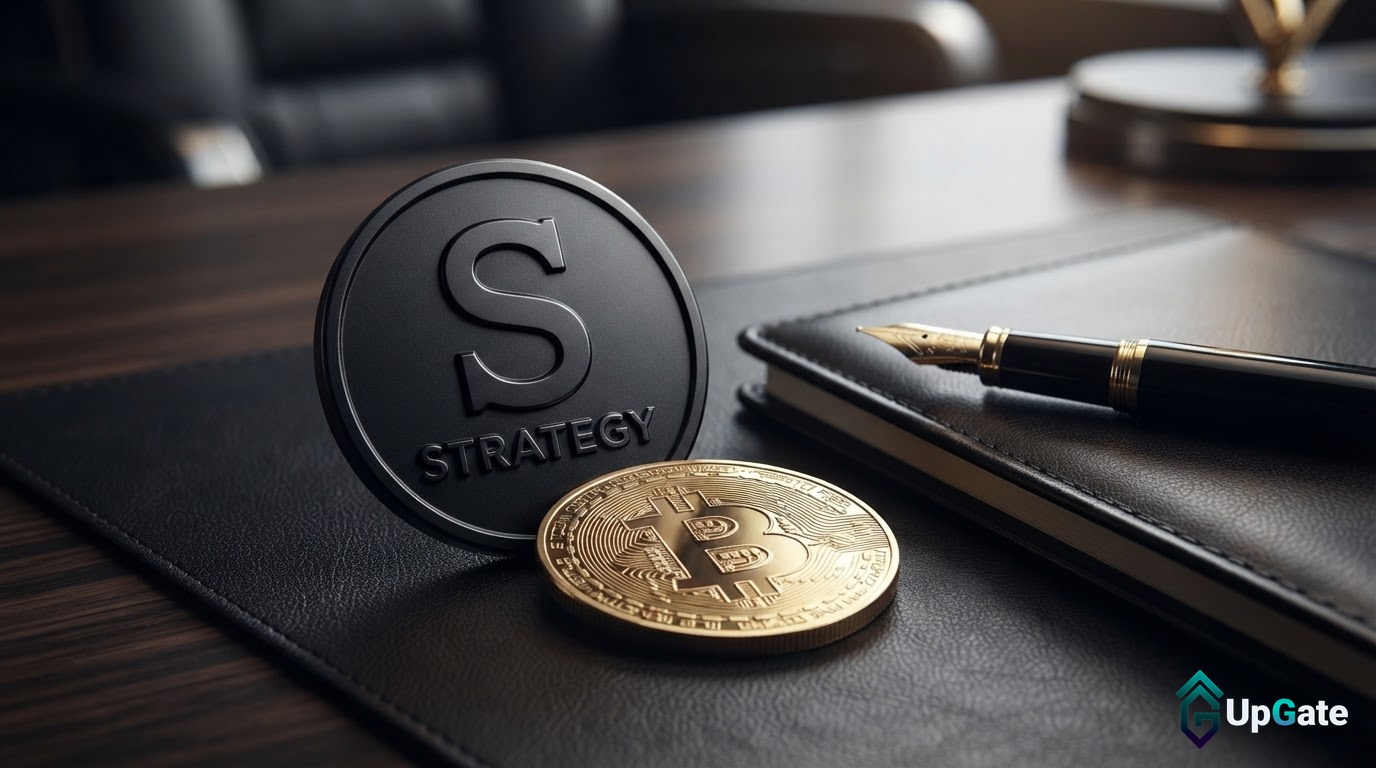
    استراتژی ممکن است دارایی‌های بیت‌کوین خود را افزایش دهد؛ مایکل سیلر، مدیرعامل این شرکت، با انتشار پیامی با تم نارنجی، نشانه‌هایی از خرید بیشتر را منتشر کرده است. این آخرین پیام او پس از خرید ۲۸.۷ میلیون دلاری بیت‌کوین صورت می‌گیرد، در حالی که این شرکت در حال متعادل کردن خرید رمزارز با تعهدات نقدی خود به سهامداران و اعتباردهندگان است.

    سیگنال‌های سیلر حاکی از ظرفیت بیشتر برای بیت‌کوین

    شرکت استراتژی (Strategy Inc.) با نماد MSTR در نزدک، ممکن است در آینده شاهد خرید دیگری از سوی این شرکت در حوزه بیت‌کوین باشیم. این گمانه‌زنی‌ها پس از آن قوت گرفته است که مایکل سیلر، مدیرعامل و یکی از بنیان‌گذاران این شرکت، در شبکه‌های اجتماعی پیامی با رنگ نارنجی منتشر کرد که به طور سنتی به عنوان نمادی از خرید بیت‌کوین توسط او تلقی می‌شود.

    این اقدام در حالی صورت می‌گیرد که استراتژی اخیراً ۲۸.۷ میلیون دلار دیگر را صرف خرید بیت‌کوین کرده است. این شرکت در حال حاضر به طور مداوم در حال افزایش ذخایر بیت‌کوین خود است، اما همزمان باید تعهدات مالی خود را در قبال سهامداران و اعتباردهندگان نیز مدیریت کند. این تعادل میان سرمایه‌گذاری در دارایی‌های دیجیتال و حفظ ثبات مالی، یکی از چالش‌های اصلی استراتژی در دوره اخیر بوده است.

    با این حال، پیام‌های سیلر نشان می‌دهد که مدیران شرکت همچنان به چشم‌انداز بلندمدت بیت‌کوین خوش‌بین هستند و احتمالاً در صورت مساعد بودن شرایط بازار، شاهد خرید‌های بیشتری از سوی این شرکت خواهیم بود. استراتژی یکی از بزرگترین دارندگان بیت‌کوین در میان شرکت‌های عمومی است و تحرکات آن همواره مورد توجه فعالان بازار رمزارزها قرار دارد.

  • زکش: پنهان کردن کلیدهای شما از هوش مصنوعی و حملات کوانتومی

    زکش: پنهان کردن کلیدهای شما از هوش مصنوعی و حملات کوانتومی

    در حالی که بسیاری در دنیای ارزهای دیجیتال همچنان در حال بحث درباره “حالت پناهگاه” هستند، تیمی از توسعه‌دهندگان Zcash می‌گویند که از قبل برنامه‌ای دارند.

    برنامه Zakura برای امنیت پسا‌کوانتومی در Zcash

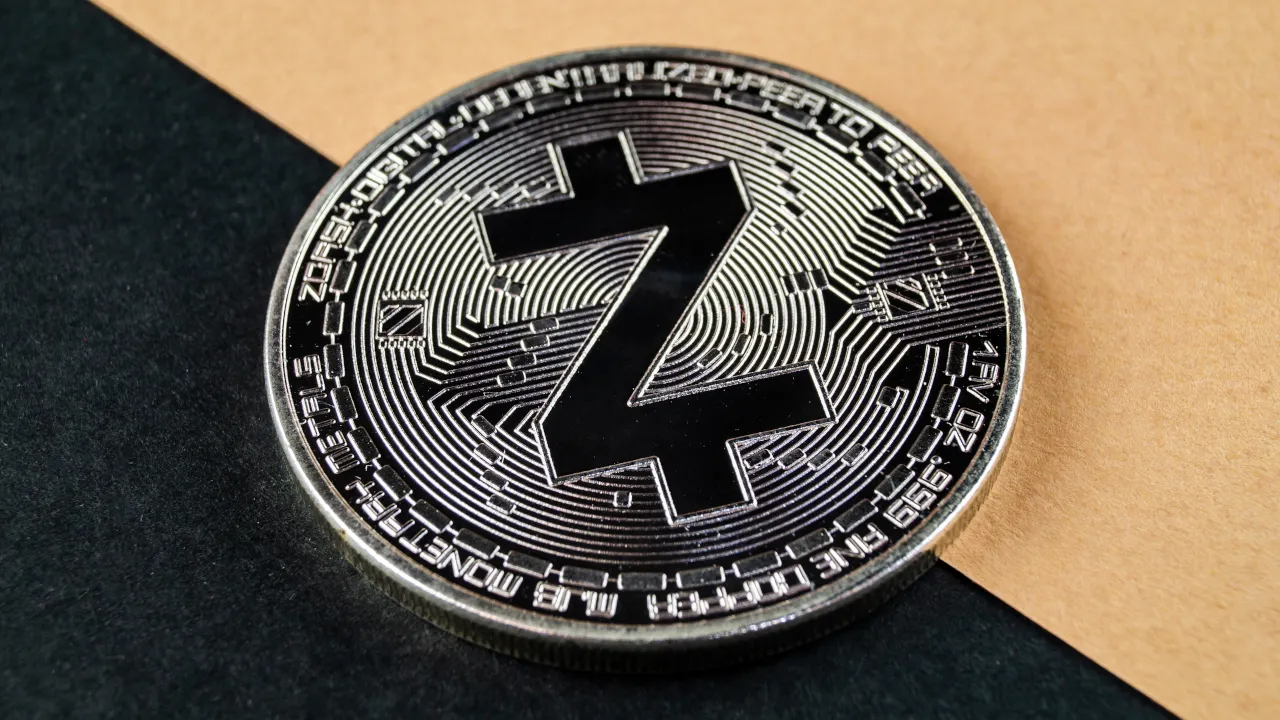
    Zakura، شرکتی که گره کامل Zcash را می‌سازد، اعلام کرده است که انتظار دارد دستورالعمل‌های امضای پسا‌کوانتومی در ماه ژانویه به شبکه Zcash اضافه شوند. این دستورالعمل‌ها، که به عنوان “opcode” شناخته می‌شوند، به شبکه امکان تأیید نوع جدیدی از امضا را خواهند داد.

    هدف از این اقدام، طبق پستی مهندسی از سوی Roman Akhtariev، دستیابی به “استخرهای شفاف کاملاً ایمن در برابر کوانتوم با امضاهای مبتنی بر هش” است.

    Zcash از دو نوع تراکنش پشتیبانی می‌کند: تراکنش‌های محافظت‌شده (shielded) که فرستنده، گیرنده و مبلغ را پنهان می‌کنند، و تراکنش‌های شفاف (transparent) که مانند بیت‌کوین، به صورت عمومی قابل مشاهده هستند. یک آدرس شفاف حاوی هش کلید عمومی است که تا زمانی که مالک از آن تراکنش انجام ندهد و کلید را در زنجیره عمومی نکند، پنهان می‌ماند.

    Zakura در توییتر خود در تاریخ ۸ اکتبر ۲۰۲۶ نوشت: “اینجا برنامه ما برای آدرس‌های شفاف قابل چرخش و غیرقابل ردیابی، ایمن در برابر کوانتوم است. با Zcash، امروز ممکن است. در حالی که دیگران نگران قابلیت چرخش آدرس‌های شفاف هستند، ما در حال حل مشکل قابلیت ردیابی هستیم.”

    رویکرد Zakura: ترکیبی از چرخش آدرس و امضای مبتنی بر هش

    رویکرد Zakura دو لایه دفاعی را ترکیب می‌کند. کیف پول‌ها پس از هر تراکنش به یک آدرس جدید تغییر مکان می‌دهند و کلیدهای عمومی را از دید پنهان نگه می‌دارند. همچنین، یک امضای پشتیبان مبتنی بر هش به نام WOTS اضافه می‌شود. طرح‌های مبتنی بر هش از محاسبات منحنی بیضوی که محققان نگرانند هوش مصنوعی یا کامپیوترهای کوانتومی بتوانند آن را بشکنند، اجتناب می‌کنند.

    با این حال، چرخش آدرس یک مشکل حریم خصوصی ایجاد می‌کند. هنگامی که یک کیف پول از یک سرور می‌خواهد موجودی چندین آدرس را بررسی کند، سرور می‌تواند تشخیص دهد که این آدرس‌ها متعلق به یک کاربر هستند. Zakura ادعا می‌کند که این مشکل را با استفاده از “بازیابی اطلاعات خصوصی” (PIR)، یک تکنیک رمزنگاری که به کیف پول اجازه می‌دهد سوابق را بدون افشای اینکه کدام‌ها را درخواست می‌کند، بازیابی کند، حل می‌کند. این قابلیت در حال حاضر در کیف پول Vizor در حال راه‌اندازی است و کاربران می‌توانند با فعال کردن “پرس‌وجوهای خصوصی” در تنظیمات، آن را آزمایش کنند.

    Zakura در پلتفرم X نوشت: “در حالی که دیگران نگران قابلیت اطمینان آدرس‌های شفاف در حال چرخش هستند، ما در حال حل مشکل قابلیت ردیابی هستیم.”

    این اظهارات اشاره‌ای به جاستین دریک، پژوهشگر بنیاد اتریوم، دارد که این هفته از دارندگان خواست تا وجوه خود را با آرامش به آدرس‌های جدید منتقل کنند. با این حال، واکنش عمومی به فراخوان دریک، آرام نبود.

    دریک هشدار داد که ریاضیات مبتنی بر هوش مصنوعی می‌تواند امضاهای ECDSA را که از بیت‌کوین و اتریوم محافظت می‌کنند، پیش از کامپیوترهای کوانتومی بشکند، “در بدترین حالت در عرض چند ماه نه سال.” ویتالیک بوترین، هم‌بنیان‌گذار اتریوم، از آن زمان در این بحث شرکت کرده و گفته است که معتقد است “محتمل” است که پیشرفت‌های مبتنی بر هوش مصنوعی در ریاضیات بتوانند رمزنگاری را در دو سال آینده بشکنند.

    برنامه Zakura تنها بخش شفاف Zcash را پوشش می‌دهد و در این پست اشاره‌ای به نحوه یا زمان فعال‌سازی این دستورالعمل‌ها در سراسر شبکه نشده است.

    این تلاش‌ها در حالی صورت می‌گیرد که Zcash شاهد افزایش علاقه نهادی است، از جمله پیشنهاد یک صندوق قابل معامله در بورس (ETF) دیگر در ایالات متحده مرتبط با دوقلوهای وینکلواس و اولین صندوق قابل معامله در بورس (ETP) Zcash در اروپا. همچنین، این تحولات پس از یک ارتقاء با هدف سه برابر کردن سرعت پرداخت‌های خصوصی صورت می‌گیرد.

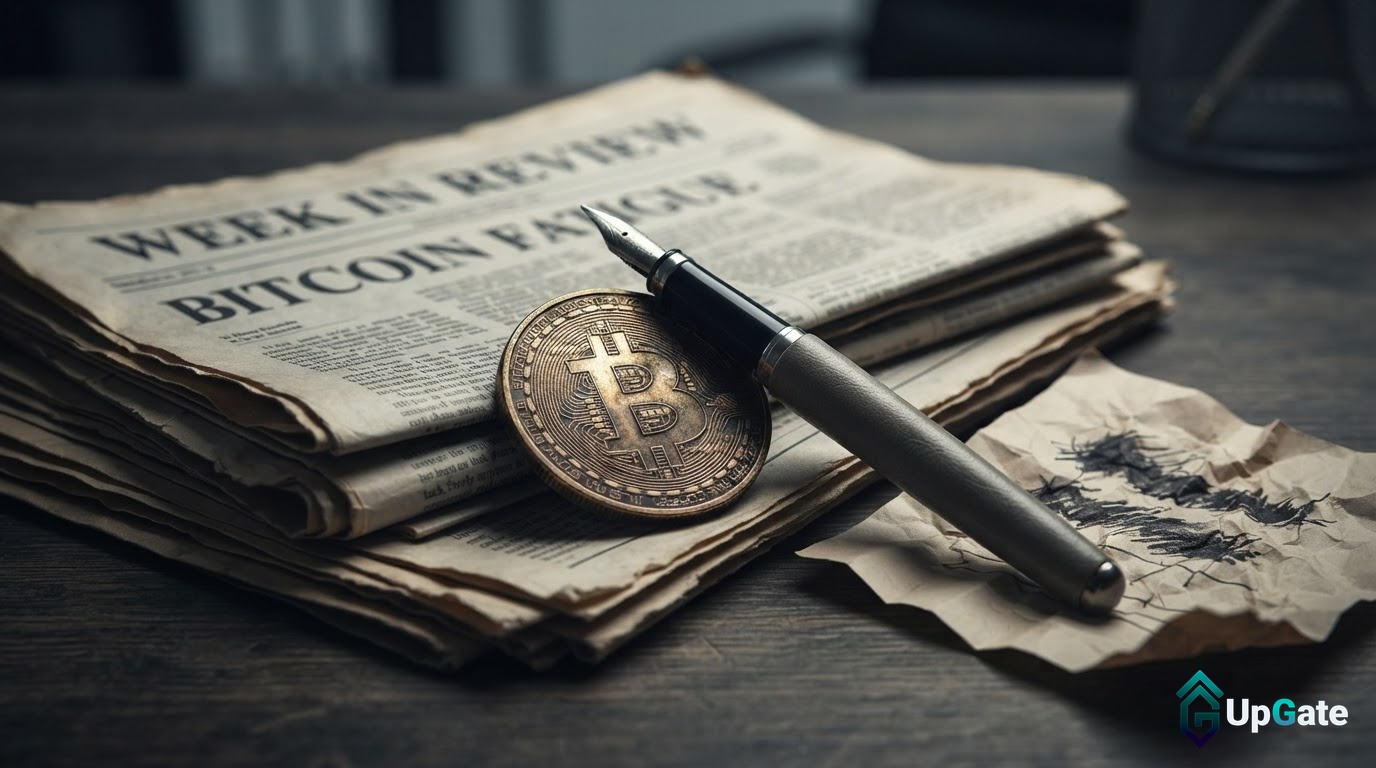
  • Editorial in ‘Week in Review’ Newsletter Suggests Bitcoin Fatigue, Lacks Specifics

    Editorial in ‘Week in Review’ Newsletter Suggests Bitcoin Fatigue, Lacks Specifics

    An editorial in this week’s ‘Week in Review’ newsletter suggests that Bitcoin is showing signs of fatigue. The newsletter, a weekly publication sent to subscribers, includes commentary on major stories, with this particular piece offering an opinion on Bitcoin’s market condition.

    The editorial states that Bitcoin is “finally showing signs of fatigue.” However, the source material does not provide specific metrics or data points to support this assertion, nor does it detail the potential duration or extent of this perceived fatigue.

    This commentary originates from an opinion piece within a newsletter, distinct from a data-driven market analysis. While the ‘Week in Review’ aims to provide weekly insights, the editorial’s claim about Bitcoin’s fatigue should be understood within this context.

    The editorial’s signal of potential Bitcoin fatigue is noted, but its implications remain uncertain due to the lack of specific evidence and context. The piece does not offer a comprehensive analysis of Bitcoin’s future performance or definitively declare a market downturn.

    Readers should consider this editorial’s claim with an awareness of its limitations. It serves as an observation within the broader market landscape rather than a conclusive prediction or a detailed, evidence-based assessment of a market shift.

    Why This Matters

    The materials describe a narrow update: The editorial notes that Bitcoin is exhibiting signs of fatigue. The specific duration or extent of Bitcoin’s fatigue is not detailed.

    Broader Context

    Source materials place the opinion in this context: This editorial is from this week’s edition of the newsletter Week in Review, sent to subscribers on Friday. Subscribe to the newsletter to get this weekly editorial the second it’s finished. The newsletter also includes the biggest stories of the week, with a comment on each story. Bitcoin is finally showing signs of fatigue after […].

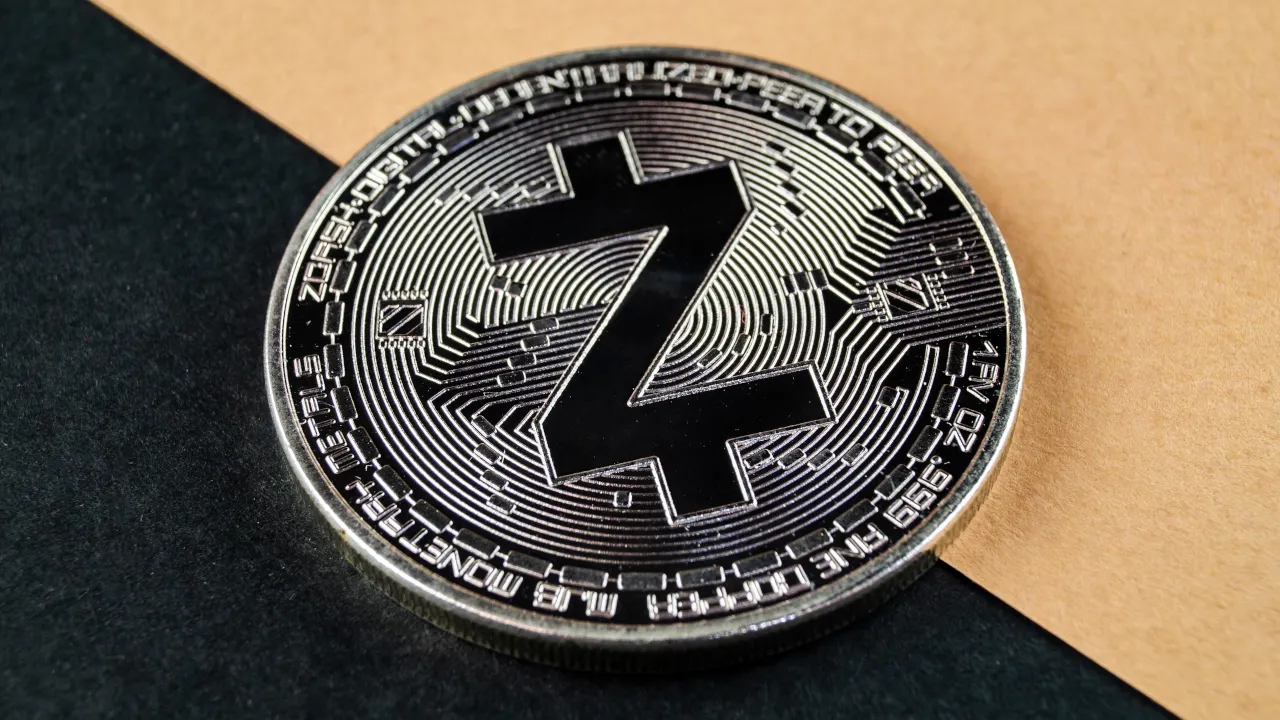
  • Zcash: Securing Keys Against AI and Quantum Threats

    Zcash: Securing Keys Against AI and Quantum Threats

    Zcash Developers Unveil Quantum-Resistant Plan for Transparent Transactions

    While much of the cryptocurrency community remains in a state of cautious deliberation, a team of Zcash developers has announced a concrete plan to address future cryptographic threats. Zakura, a company developing a Zcash full node, anticipates the integration of post-quantum signature opcodes into the Zcash network as early as January. These opcodes are fundamental instructions that will enable the network to validate a new class of digital signatures.

    The stated objective, as detailed in an engineering post by Roman Akhtariev, is to achieve “full post-quantum safe transparent pools with hash based signatures.”

    Zcash offers two distinct transaction types: shielded payments, which obscure the sender, recipient, and transaction amount, and transparent payments, which are publicly verifiable, similar to those on the Bitcoin network. A transparent address comprises a hash of a public key, which remains concealed until the owner initiates a transaction and reveals the key on the blockchain.

    Zakura’s strategy employs a dual-layered defense. Wallets will be designed to adopt a new address after each transaction, thereby keeping public keys from being exposed. This will be complemented by the addition of a hash-based backup signature known as WOTS. Hash-based cryptographic schemes are designed to circumvent the elliptic-curve mathematics that experts fear could eventually be compromised by artificial intelligence or quantum computing.

    However, the practice of rotating addresses introduces a potential privacy challenge. When a wallet requests a server to check balances across multiple addresses, the server can infer that these addresses belong to the same user. Zakura claims to mitigate this issue through private information retrieval (PIR), a cryptographic technique that allows a wallet to retrieve specific data without disclosing which records it is querying. This feature is set to be rolled out this week within the Vizor wallet, where users can already test it by enabling “private queries” in the settings.

    “While others are worrying about the viability of rotating transparent addresses, we’re already solving linkability,” Zakura stated on the social media platform X.

    This statement appears to be a direct response to Ethereum Foundation researcher Justin Drake, who recently advised cryptocurrency holders to calmly transfer their funds to new addresses. The public reaction to Drake’s call to action, however, was notably less composed.

    Drake had previously warned that advancements in AI-driven mathematics could compromise the ECDSA signatures that secure Bitcoin and Ethereum even before quantum computers become a threat, potentially occurring “in the worst case in months not years.” Ethereum co-founder Vitalik Buterin has since commented on the discussion, expressing his belief that it is “plausible” that AI-driven mathematical breakthroughs could break encryption within the next two years.

    The Zakura plan currently addresses only the transparent aspects of Zcash. The company’s post did not specify the timeline or method for activating the new opcodes across the broader network.

    This development occurs as Zcash garners increasing interest from institutional investors, evidenced by a proposed U.S. ETF linked to the Winklevoss twins and Europe’s first Zcash ETP. It also follows a recent network upgrade aimed at accelerating private payment processing by a factor of three.

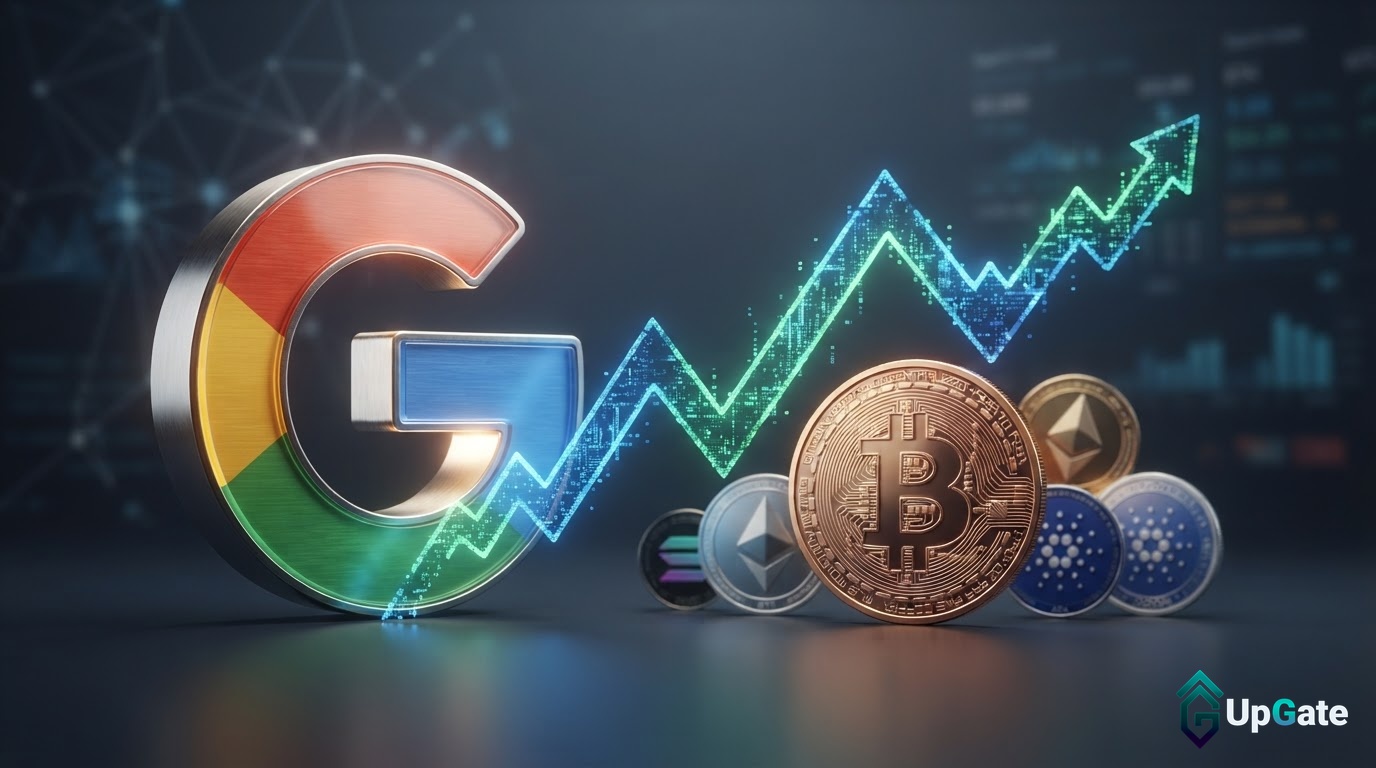
  • جستجوی «خرید ارز دیجیتال» در گوگل به اوج سالانه رسید: آیا سرمایه‌گذاران خرد بازمی‌گردند؟

    جستجوی «خرید ارز دیجیتال» در گوگل به اوج سالانه رسید: آیا سرمایه‌گذاران خرد بازمی‌گردند؟

    جستجوهای گوگل برای «خرید ارز دیجیتال» به اوج سالانه رسید: آیا سرمایه‌گذاران خرد بازمی‌گردند؟

    در ابتدا، لازم است نکته‌ای را روشن کنیم. سال‌ها پیش، ما مقالات مشابه زیادی منتشر می‌کردیم. دلیل آن ساده بود: جستجوها در گوگل معمولاً تقاضای سرمایه‌گذاران خرد برای صنعت ارزهای دیجیتال را نشان می‌داد. در نهایت، نهادهای بزرگ برای پرس‌وجو درباره خرید بیت‌کوین (BTC) یا آلت‌کوین‌ها به موتور جستجوی گوگل مراجعه نمی‌کنند؛ آن‌ها روش‌های خاص خود را دارند.

    با این حال، از آن زمان تاکنون اوضاع تغییر کرده است، زیرا سرمایه‌گذاران خرد رویکرد متفاوتی از خود نشان داده‌اند. نمودارهایی که در این مقاله ارائه خواهیم داد، اثبات می‌کنند که جستجوهای واقعی گوگل درباره بیت‌کوین یا ارزهای دیجیتال به طور کلی، به‌ویژه در سال‌های بازار نزولی، کاهش یافته است. اما اکنون، تغییری جالب رخ داده است.

    اولین نمودار زیر نشان می‌دهد که جستجوهای «خرید ارز دیجیتال» در پایان سال ۲۰۲۱ – درست زمانی که بیت‌کوین و آلت‌کوین‌ها به بالاترین سطوح خود در آن زمان دست یافته بودند – به شدت کاهش یافت و برای بیش از یک سال زیر ۲۰ باقی ماند؛ بله، این همزمان با بازار نزولی بود. این جستجوها در ماه مه ۲۰۲۴ (با افزایش قیمت‌ها) اندکی افزایش یافت، با سرد شدن بازار دوباره افت کرد و در پایان سال، زمانی که بیت‌کوین و آلت‌کوین‌ها پس از انتخابات ریاست‌جمهوری آمریکا رونق گرفتند، جهش بلندی داشت.

    کاهش دیگری در اواسط سال ۲۰۲۵ رخ داد، زیرا بازار با افت تازه‌ای روبرو شد و در ماه اوت به بالاترین سطح پنج ساله خود رسید. کمی بعد، بیت‌کوین به بالاترین رکورد خود یعنی کمی بیش از ۱۲۶,۰۰۰ دلار دست یافت. پس از سقوط اکتبر ۲۰۲۵، این ارز دیجیتال پیشرو وارد یک بازار نزولی ۱۰ تا ۱۱ ماهه شد که در آن جستجوها برای «خرید ارز دیجیتال» به طور قابل توجهی کاهش یافت.

    پایین‌ترین نقطه سالانه در ماه ژوئیه بود که بیت‌کوین به زیر ۵۸,۰۰۰ دلار سقوط کرد و اکثر آلت‌کوین‌ها نیز با مشکلات مشابهی روبرو بودند. از آن زمان به بعد، جستجوها به شدت افزایش یافته و پیش‌بینی می‌شود که در ماه اکتبر رکورد سال ۲۰۲۶ را بشکنند. ناگفته نماند که قیمت‌ها بهبود یافته‌اند و ما از پایین‌ترین سطوح اخیر فاصله زیادی داریم. به عبارت دیگر: الگوی سرمایه‌گذاران خرد دوباره به طور کامل تکرار شده است.

    چشم‌انداز پیرامون خود بیت‌کوین کمتر سرراست است. جستجوهای «خرید بیت‌کوین» به طور متوسط برای چهار سال متوالی – از اواخر سال ۲۰۲۱ تا اواخر سال ۲۰۲۵ – زیر ۴۰ باقی ماند. حتی انتخابات آمریکا نیز نتوانست این روند نزولی را بشکند. این جستجوها سرانجام در اوت ۲۰۲۵، تنها چند ماه قبل از افزایش قیمت بیت‌کوین به ۱۲۶,۰۰۰ دلار، افزایش یافت، در ماه ژانویه دوباره افت کرد و سپس ناگهان در ماه فوریه به اوج چند ساله جدیدی رسید.

    این وضعیت تنها یک ماه دوام داشت، زیرا جستجوها به سرعت برای چند ماه آینده به ۴۰-۵۰ کاهش یافت. اگرچه در ماه سپتامبر دوباره افزایش یافت، اما پیش‌بینی‌های ماه اکتبر با آنچه برای «خرید ارز دیجیتال» مشاهده می‌شود، کاملاً متفاوت است، زیرا داده‌های فعلی Google Trends نشان‌دهنده کاهش چشمگیر به سمت ۲۰ است. بنابراین، تا حدودی می‌توان با اطمینان گفت که حتی اگر سرمایه‌گذاران خرد واقعاً در حال بازگشت باشند، آن‌ها به طور خاص به دنبال بیت‌کوین نیستند.

  • Bitfinex ETH Longs Hit Four-Year High

    Bitfinex ETH Longs Hit Four-Year High

    Ethereum Long Positions on Bitfinex Hit Four-Year High Amid Bullish Bets

    Margin traders on the cryptocurrency exchange Bitfinex are demonstrating a significant bullish sentiment towards Ethereum, with long positions reaching their highest level in over four years.

    As of October 11, 2026, data from Bitfinex’s margin trading platform indicated approximately 283,410 ETH held in long positions. Valued at current prices, this represents a substantial bullish bet of roughly $709 million, marking the largest such wager on the platform since at least 2022.

    A margin long position is a leveraged trade where a trader borrows funds to acquire more of an asset than they could afford outright, anticipating a price increase to profit.

    This surge is particularly notable given that Bitfinex longs stood at around 82,500 ETH in late August. The increase to over 283,000 ETH since then represents a dramatic shift, with a significant portion of this growth occurring rapidly.

    According to margin data, long positions experienced a 157% surge in just seven days. The current total is hovering just below the 90-day peak of 283,598 ETH, recorded on October 8.

    Conversely, short positions on Bitfinex, which represent bets against ETH, have diminished considerably, totaling approximately 3,530 ETH, or about $8.8 million. This creates a stark long-to-short ratio of roughly 80:1.

    The buildup in long positions occurred while Ethereum was trading around the $2,500 mark. This accumulation followed a period of price volatility that included a recent dip, suggesting that some traders viewed this weakness as an opportune entry point.

    The current market dynamic stands in sharp contrast to the situation just a few weeks prior. In late September 2026, short positions on Bitfinex had surged to a four-year high, ranging between 73,000 and 101,000 ETH. These short positions have since unwound sharply, with the current figure of approximately 3,530 ETH representing a small fraction of that late-September peak.

    Commentary on social media platform X has interpreted the significant increase in long positions as a sign of strong conviction among large “whale” traders on Bitfinex.

    This pronounced imbalance has also fueled discussions about a potential short squeeze. Such an event occurs when rising prices compel short sellers to buy back the asset to cover their losing positions, thereby driving prices even higher. However, with short interest at approximately $8.8 million against $709 million in longs, there appears to be limited short interest remaining on Bitfinex to fuel a significant squeeze. The momentum for such a move likely dissipated during the late-September unwind.

    When long positions dominate to this extent, a more significant risk could be a “long squeeze.” This scenario involves a price decline triggering forced selling from leveraged bullish traders, which can then accelerate the downward price movement.

    For observers tracking Ethereum’s trajectory, key indicators to watch include whether long positions surpass the October 8 peak of 283,598 ETH, which would signal continued accumulation. Monitoring the short side is also crucial; a resurgence in short positions from the current low base could indicate a return of skeptical sentiment. Finally, attention should be paid to Ethereum’s price action around the $2,500 level, where much of this recent buildup has taken place.
  • Altcoin Surges 53% Amidst Market Calm, BTC Holds $83K

    Altcoin Surges 53% Amidst Market Calm, BTC Holds $83K

    Bitcoin’s weekend inertia persists, with the cryptocurrency trading largely unchanged around $83,000 over the past 36 hours. However, increased volatility is anticipated later today or tomorrow morning.

    Larger-cap altcoins have also seen minimal price action in either direction over the past day, but a new contender has emerged among the mid-cap segment.

    The primary cryptocurrency began October with a significant surge, surpassing $87,000 on the second day of the month. This rally was short-lived, as bearish sentiment quickly emerged, pushing the price back below $84,000 on the same day. A rebound to around $85,000 occurred last weekend, followed by an attempt to break higher on Monday morning, which stalled at $86,600.

    Subsequent price declines proved more substantial. Bitcoin initially fell to $83,600, then bounced to $84,400. However, bears regained control, driving the price down to $82,400 on Wednesday and a multi-week low of $80,400 on Thursday. After shedding nearly $7,000 in a matter of days, the cryptocurrency experienced a rebound on Friday.

    This bullish attempt was capped at $83,500. Since then, Bitcoin has been trading sideways, hovering around $83,000 with no significant price movements. Further volatility is expected tonight or tomorrow morning, potentially influenced by recent geopolitical developments, including attacks on Saudi Arabia and President Trump’s remarks regarding potential U.S. involvement.

    Bitcoin’s market capitalization remains at $1.660 trillion, with its dominance over altcoins at 59.5% according to CoinMarketCap.

    As noted, larger-cap altcoins have shown little movement. Ethereum is trading near $2,500, XRP has fallen below $1.40, while Zcash and HYPE have seen gains of approximately 1%. BNB, Solana, Tron, Dogecoin, Monero, Chainlink, and Cardano are trading slightly in the red.

    Meanwhile, Starknet (STRK) has captured market attention, surging over 53% to nearly $0.11. The asset has gained more than 105% in the past week. Other notable double-digit gainers include Celestia (TIA), up 21% to trade near $0.60, and Aerodrome Finance (AERO), up 15% to $1.

    The total market capitalization of all cryptocurrency assets remains stable at $2.8 trillion on CoinMarketCap.

  • Buterin: AI Could Accelerate Ethereum Roadmap by Decades

    Buterin: AI Could Accelerate Ethereum Roadmap by Decades

    Vitalik Buterin believes artificial intelligence has effectively granted Ethereum an additional two decades for its development. Speaking at the Network State Conference 2026 in Singapore, the Ethereum co-founder stated that AI is significantly accelerating progress on the network’s protocol upgrades.

    Without AI’s assistance, Buterin suggested, some of the ambitious goals outlined in Ethereum’s roadmap might not have been achievable until 2040 or even 2050.

    The interview, which took place on October 9, 2026, and was reported the following day, centered on the Lean Roadmap, Ethereum’s comprehensive plan to revamp its core protocol. Buterin’s central assertion was that AI is now shouldering a considerable portion of the research and coding required for this overhaul, including some of the most complex tasks.

    A prime example of this AI contribution is in formal verification, specifically using Lean 4. Lean 4 is a programming language and proof assistant designed for creating mathematical proofs that can be meticulously checked by a computer. According to a research summary, AI’s involvement in Lean 4 substantially reduces the need for human auditors to meticulously review vast quantities of code.

    The roadmap Buterin detailed is far from a minor adjustment. Ethereum is transitioning towards an architecture built upon recursive STARKs, automated formal verification, and enhanced quantum resistance. To clarify these terms: STARKs are cryptographic proofs that allow one party to demonstrate a computation was performed correctly without requiring everyone else to re-execute it. Recursive STARKs are proofs capable of verifying other proofs. Quantum resistance refers to the network’s ability to withstand future quantum computers, which could potentially compromise current cryptographic methods.

    AI as a Crucial Enabler

    This is precisely where AI plays a pivotal role, according to Buterin. The research summary highlights AI as a critical enabler as Ethereum progresses toward this more sophisticated technical design.

    The next significant milestone on the development calendar is the Hegota upgrade, anticipated around 2027. This upgrade is characterized as the final “normal” fork in Ethereum’s history. Following Hegota, the focus is expected to shift towards advanced cryptographic techniques and formal verification, with AI integration playing a central role.

    Evidence already suggests AI’s capacity for meaningful protocol work. In early 2026, experimental efforts yielded a prototype Ethereum client that addressed approximately 65 roadmap items. This prototype also successfully synchronized with the Ethereum mainnet.

    The Dual Role of AI

    This is not the first time Buterin has commented on AI’s impact this year. Earlier in 2026, he discussed what the research summary terms AI’s dual role in cryptocurrency development. On one hand, AI can significantly accelerate technical progress. On the other, it introduces security concerns regarding vulnerabilities, including the potential for the same AI tools to aid attackers in discovering weaknesses more rapidly.

    This inherent tension makes the formal verification aspect particularly compelling. If AI can generate code at an accelerated pace, the ability to mathematically prove that code’s correctness serves as a natural safeguard against the very risks AI introduces.

    For developers, the most apparent implication is a shift in their roles. As AI takes on more responsibility for proof-writing and code auditing, core researchers may find themselves dedicating more time to design decisions and less to manual verification. Buterin’s projection of achieving goals between 2040 and 2050 suggests he views AI as the catalyst that transforms a distant possibility into a near-term reality.

    Navigating Security Risks

    The security implications of AI integration remain a critical consideration. Relying on AI for essential infrastructure code heightens the importance of rigorous verification, as even a subtle error in widely adopted blockchain technology can have significant consequences.

    Key developments to monitor include progress on the Hegota upgrade, further outcomes from AI-assisted client experiments, and the extent to which formal verification within the Lean Roadmap ultimately becomes machine-generated.

  • آن‌سِمی‌کانداکتور: رشد سالانه ۱۲ تا ۱۴ درصدی درآمد تا ۲۰۳۰

    آن‌سِمی‌کانداکتور: رشد سالانه ۱۲ تا ۱۴ درصدی درآمد تا ۲۰۳۰

    ON Semiconductor اهداف رشد بلندمدت خود را افزایش داد؛ تمرکز بر مراکز داده هوش مصنوعی

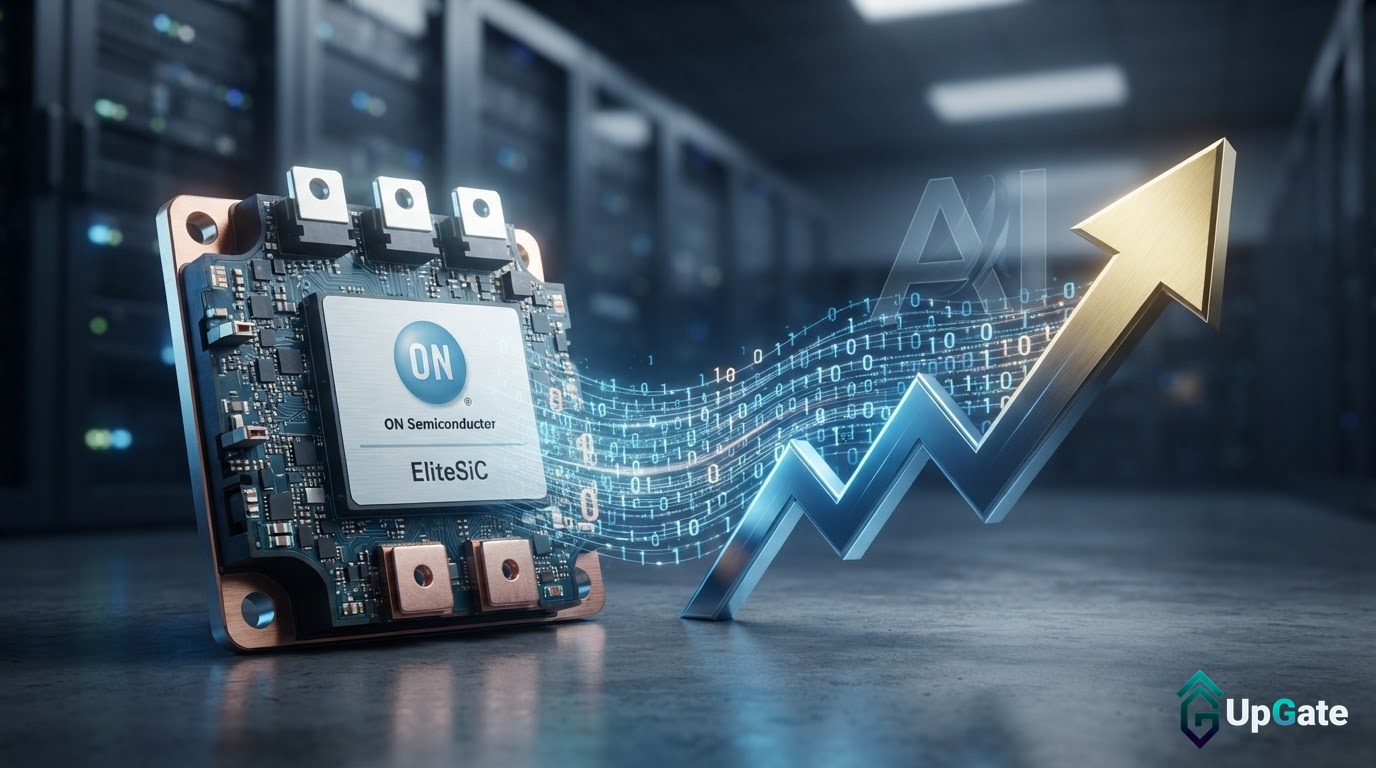
    شرکت ON Semiconductor در روز سرمایه‌گذار و تحلیلگر خود که در تاریخ ۱۶ سپتامبر ۲۰۲۶ برگزار شد، اعلام کرد که قصد دارد با سرعتی بیش از پیش‌بینی‌های قبلی خود رشد کند. این شرکت هدف رشد درآمد بلندمدت خود را تا سال ۲۰۳۰ به نرخ سالانه مرکب ۱۲ تا ۱۴ درصد افزایش داد. این رقم در مقایسه با محدوده قبلی ۱۰ تا ۱۲ درصد، افزایش قابل توجهی محسوب می‌شود.

    بر اساس مدل تجدیدنظر شده، ON Semiconductor (با نماد ON در بورس نزدک) در نظر دارد تا سال ۲۰۳۰ به درآمد کل حدود ۱۱ میلیارد دلار دست یابد.

    مهم‌ترین بخش این رشد، کسب‌وکار مراکز داده هوش مصنوعی این شرکت است. ON Semiconductor پیش‌بینی می‌کند که درآمد این بخش در سال ۲۰۲۶ از ۵۰۰ میلیون دلار فراتر رفته و تا سال ۲۰۳۰ از ۲.۵ میلیارد دلار عبور کند. این به معنای نرخ رشد سالانه مرکب بیش از ۵۰ درصد است که به گفته این شرکت، به طور قابل توجهی سریع‌تر از رشد بازار گسترده‌تر مراکز داده هوش مصنوعی خواهد بود.

    این شرکت پیش‌بینی می‌کند که محتوای نیمه‌هادی در هر رک هوش مصنوعی از حدود ۱۵ هزار دلار در حال حاضر، تا سال ۲۰۳۰ به بیش از ۱۱۵ هزار دلار افزایش یابد. این رشد ناشی از تغییر صنعت به سمت معماری‌های ولتاژ بالاتر است.

    چشم‌انداز رشد در بخش‌های دیگر

    ON Semiconductor انتظار دارد بخش خودروی این شرکت سالانه حدود ۹ درصد و بخش صنعتی حدود ۱۰ درصد رشد کند.

    بازار هدف و اکتساب‌های آینده

    این شرکت همچنین بازار کل قابل آدرس‌دهی (TAM) برای کسب‌وکار اصلی خود در حوزه برق را تا سال ۲۰۳۰، ۲۱۳ میلیارد دلار هدف‌گذاری کرده است. طبق گفته ON Semiconductor، این رقم با اکتساب جاری Synaptics می‌تواند بیشتر نیز افزایش یابد.

    روابط استراتژیک و پیش‌بینی‌ها

    بخشی از چشم‌انداز مثبت این شرکت به روابط آن با Nvidia بازمی‌گردد. ON Semiconductor در اکوسیستم MGX شرکت Nvidia مشارکت دارد و موفق به کسب یک پیروزی مهم در طراحی سوکت Vcore شده است که انتظار می‌رود از اواخر سال ۲۰۲۶ درآمدزایی داشته باشد.

    حسن الخوری، مدیرعامل ON Semiconductor، با اشاره به دیده‌شدن پروژه‌های مراکز داده تا سال ۲۰۲۷، اعلام کرد که هیچ نشانه‌ای از کند شدن روند هوش مصنوعی مشاهده نمی‌شود.

    بانک J.P. Morgan پتانسیل سود هر سهم ۱۰ تا ۱۱ دلاری را تا سال ۲۰۳۰ پیش‌بینی کرده و رتبه خرید خود را برای این سهم حفظ کرده است.

    در مقابل، شرکت Stifel دیدگاه محتاطانه‌تری اتخاذ کرده و اهداف ON Semiconductor را متوسط ارزیابی کرده و قیمت هدف خود را کاهش داده است.

    پس از این رویداد، سهام ON Semiconductor در محیطی که به طور کلی برای سهام فناوری قوی بود، شتاب اولیه مثبتی را نشان داد.

  • بیت‌ماین ۳۵۰ میلیون دلار سهام بازخرید کرد؛ تام لی: بزرگترین در ارز دیجیتال

    بیت‌ماین ۳۵۰ میلیون دلار سهام بازخرید کرد؛ تام لی: بزرگترین در ارز دیجیتال

    بیت‌ماین ایمرژن تکنالوجیز (BitMine Immersion Technologies) حدود ۳۵۰ میلیون دلار برای بازخرید سهام خود هزینه کرده است.

    بازخرید سهام بی‌سابقه

    تام لی، رئیس اجرایی این شرکت، اعلام کرد که بیت‌ماین ۲۱ میلیون سهم خود را بازخرید کرده است. او این اقدام را بزرگترین بازخرید سهام در تاریخ شرکت‌های مرتبط با ارزهای دیجیتال توصیف کرد. این در حالی است که این شرکت بیشتر به دلیل انباشت اتریوم (Ethereum) شناخته شده است و این بازخرید نشان‌دهنده تغییری قابل توجه در نحوه تخصیص نقدینگی شرکت است.

    جزئیات برنامه بازخرید

    این بازخریدها از اواسط ماه ژوئیه تا ۱۷ اوت ۲۰۲۶ ادامه داشت و در این دوره، بیت‌ماین (با نماد BMNR در بورس نیویورک) ۲۱ میلیون سهم عادی خود را به ارزش تقریبی ۳۵۰ میلیون دلار بازپس گرفت. روند خرید سهام یکنواخت نبود؛ در اوج خود، خرید هفتگی به نزدیک ۶ میلیون سهم رسید و به‌روزرسانی‌های بعدی شرکت نیز از خرید میلیون‌ها سهم دیگر خبر می‌داد.

    پشتوانه استراتژیک

    این اقدام ناگهانی نبود. این خریدها بخشی از یک برنامه گسترده‌تر بازخرید سهام است که بیت‌ماین در آوریل ۲۰۲۶ آن را از ۱ میلیارد دلار به ۴ میلیارد دلار افزایش داد. منطق اعلام شده این استراتژی ساده است: رهبری بیت‌ماین معتقد است که ارزش سهام شرکت کمتر از ارزش دارایی‌های دیجیتال موجود در ترازنامه آن است.

    عملکرد دفاعی

    لی، این بازخرید را یک موفقیت دفاعی قلمداد کرده است. او با مقایسه عملکرد سهام شرکت، اظهار داشت که BMNR حدود ۳ درصد کاهش یافته، در حالی که اتریوم (ETH) تقریباً ۱۰ درصد افت داشته است. برای شرکتی که سرنوشتش به اتریوم گره خورده است، این اختلاف اهمیت دارد. سهام خزانه معمولاً مانند شرط‌بندی‌های اهرمی بر روی دارایی زیربنایی خود عمل می‌کنند و نوسانات صعودی و نزولی را تشدید می‌کنند. لی بازخرید سهام را دلیل اصلی عدم سقوط شدیدتر قیمت سهام می‌داند.

    هویت اصلی شرکت

    با این حال، این اقدامات هویت اصلی بیت‌ماین را تغییر نمی‌دهد. این شرکت استراتژی خزانه خود را با تمرکز بر اتریوم در ۳۰ ژوئن ۲۰۲۵ آغاز کرد و از آن زمان تاکنون به صورت هفتگی اتریوم خریداری کرده است. در نتیجه، این شرکت اکنون حدود ۶ میلیون اتریوم در اختیار دارد که تقریباً ۴.۹ درصد از کل عرضه اتریوم را تشکیل می‌دهد و بیت‌ماین را به بزرگترین خزانه شرکتی اتریوم تبدیل کرده است.

    کسب درآمد از اتریوم

    بیت‌ماین صرفاً این توکن‌ها را نگهداری نمی‌کند. حدود ۸۷ درصد از دارایی‌های اتریوم آن از طریق پلتفرم MAVAN استیک شده‌اند، به این معنی که اتریوم برای کمک به امنیت شبکه اتریوم قفل شده و در ازای آن پاداش دریافت می‌کند. بسته به سطوح بازده، بیت‌ماین پیش‌بینی می‌کند که از این فعالیت، درآمد سالانه بین ۲۵۰ میلیون تا ۳۶۳ میلیون دلار کسب کند.

    سهام ممتاز

    بیت‌ماین همچنین از طریق سهام ممتاز (preferred equity) سرمایه‌گذارانی را جذب کرده است. سهام BMNP این شرکت، که یک سهام ممتاز دائمی سری A با سود ۹.۵ درصد است، از قیمت اولیه ۸۰ دلاری خود حدود ۲۴ درصد افزایش یافته است. در سطوح فعلی، BMNP بازدهی ۹.۵۶ درصدی دارد.

    چشم‌انداز سهامداران

    برای سهامداران، بازخرید ۲۱ میلیون سهم به این معنی است که هر سهم باقی‌مانده، سهم بزرگتری از دارایی‌های اتریوم و درآمد حاصل از استیکینگ بیت‌ماین را نمایندگی می‌کند.

    توازن و آینده

    البته، ملاحظاتی نیز وجود دارد. هر دلاری که صرف بازخرید سهام می‌شود، دلاری است که صرف خرید اتریوم بیشتر نمی‌شود و تعادل مناسب به میزان اختلاف بین قیمت سهام و ارزش دارایی بستگی دارد. ظرفیت باقی‌مانده تحت مجوز ۴ میلیارد دلاری، معیاری است که باید رصد شود. میزان سرمایه‌گذاری بیشتر و زمان‌بندی آن نشان خواهد داد که مدیریت تا چه حد به ارزیابی کمتر از واقعیت سهام خود جدی است.