Category: Uncategorized

  • Bitcoin Whale Accumulation Amidst Analyst Caution and Price Uncertainty

    Bitcoin Whale Accumulation Amidst Analyst Caution and Price Uncertainty

    In the past week, Bitcoin whales have accumulated approximately $3 billion worth of BTC, a significant influx of capital from major market participants. This accumulation occurred as the cryptocurrency experienced a notable price rally, surging from under $65,000 to over $81,000 within a seven-day period. During this time, whales added more than 39,150 BTC to their holdings, according to reported data. Concurrently, ETF buyers poured over $920 million into Bitcoin-related funds.

    Despite this substantial accumulation, some analysts are expressing caution regarding Bitcoin’s recent price action. The cryptocurrency’s inability to sustain its push above the $81,000 resistance level, marked by two rejections, has fueled concerns. This technical resistance, coupled with macroeconomic factors, has coincided with divided opinions on whether the recent price movement signals a sustained upward trend or a temporary relief rally.

    Data suggests that the recent rally was primarily driven by these large investors, while retail investors have largely remained on the sidelines or have been selling. The Federal Reserve’s hawkish stance, particularly following remarks from Fed Chair Kevin Warsh on Friday, has added to the uncertainty surrounding the market’s future direction. Analysts are not universally convinced that the bear market phase is over, highlighting the need for Bitcoin to demonstrate sustained strength at elevated levels.

    Some market observers suggest that if the recent surge suggests to be a bear-market relief rally, Bitcoin could experience pullbacks in the coming weeks. Specific price targets from analysts vary, with some anticipating a decline to around $74,000, potentially followed by a further drop to the $67,000 region. Others have offered broader predictions, suggesting a fall to $62,000 before a potential eventual rise to $90,000. However, these predictions are subject to significant uncertainty.

    The current market situation presents a divergence between the actions of large-scale investors and the cautious outlook of some analysts. While whale accumulation indicates continued interest from a key cohort of investors, the price action around the $81,000 mark and broader economic signals suggest that the path forward for Bitcoin remains uncertain. Investors are observing whether Bitcoin can consolidate its gains or if it may face further downward pressure.

    Why This Matters

    The materials describe a narrow update: Major market participants, referred to as ‘whales’, have purchased a significant amount of Bitcoin, while some market analysts express caution about the cryptocurrency’s recent price action, citing technical resistance and macroeconomic factors. Whether the recent surge is a bear-market relief rally or the end of the bear phase.

    Broader Context

    Source materials place the factual news in this context: Bitcoin’s major rally from under $65,000 to over $81,000 within a week or so changed the broader market sentiment from fear to greed, with analysts initially rushing to call the end of the bear phase.

  • Bitcoin ETFs Attract Over $900M as Ethereum Funds Continue Strong Run

    Bitcoin ETFs Attract Over $900M as Ethereum Funds Continue Strong Run

    Bitcoin ETFs See Strong Inflows Despite Hawkish Fed Speech

    Spot Bitcoin exchange-traded funds experienced another robust week, attracting over $900 million in net inflows. However, sentiment shifted on Friday following a hawkish speech by former Federal Reserve Governor Kevin Warsh at the Jackson Hole Economic Symposium.

    Ethereum ETFs Continue Uninterrupted Gains

    Meanwhile, exchange-traded funds tracking the largest altcoin have maintained a consistent upward trend, with their actual inflows closely mirroring those of their Bitcoin counterparts.

    CryptoPotato previously reported a significant shift in investor behavior toward spot Bitcoin ETFs, with nearly $2 billion flowing in, marking the highest inflow since the October 2025 market downturn. This surge followed a pivot in U.S. Treasury Department monetary policy, which contributed to a substantial uptick across the entire cryptocurrency market.

    This trend continued into the new business week, with Bitcoin’s price challenging the $80,000 resistance level on multiple occasions. Investors injected $337.56 million on Monday, followed by $314.37 million on Tuesday, $232.12 million on Wednesday, and $242.24 million on Thursday. This sustained activity resulted in nine consecutive days of net inflows for Bitcoin ETFs.

    Friday Outflows Snap Inflow Streak

    The streak of positive inflows was broken on Friday, potentially influenced by the hawkish stance articulated by former Federal Reserve Chairman Kevin Warsh. The funds experienced net outflows totaling $201.81 million.

    Despite Friday’s reversal, the week concluded with a net inflow of $924.48 million. In the past two weeks alone, these funds have attracted nearly $3 billion. Cumulative net inflows have climbed from under $52.8 billion on August 14 to $54.63 billion by August 28.

    Ethereum ETFs Maintain Momentum

    In contrast to the spot Bitcoin ETFs, which ended Friday with net outflows, their Ethereum counterparts attracted just over $102 million on the same day, extending their impressive streak of positive inflows. These funds have not recorded a single day of net outflows since August 11. Overall, the week closed with more than $824 million in net inflows for Ethereum ETFs.

    Thursday proved to be the most significant day for Ethereum ETFs, with $234.51 million entering the funds. Wednesday saw an inflow of $192.35 million, followed by $179.80 million on Thursday, and $115.57 million on Friday. Cumulative net inflows have risen from $11.44 billion on August 11 to nearly $13 billion by August 28.

    The price of the underlying asset, Ether, surged from $1,900 to over $2,500 within the same period, before facing resistance and currently trading just below that mark.

  • Bitcoin’s Surge: Short Squeezes and ETF Mania

    Bitcoin’s Surge: Short Squeezes and ETF Mania

    Bitcoin Rebounds Sharply Fueled by Short Squeeze and Robust ETF Demand

    Bitcoin (BTC) has surged approximately 26% from its mid-August low, a rebound significantly accelerated by a powerful short-liquidation event. Data from Glassnode indicates that the price action on August 19th triggered the largest single-day liquidation event since 2019.

    The majority of these liquidations occurred on major centralized exchanges, primarily impacting short positions. Analysts believe the actual total volume of liquidations may be even higher, as the available data excludes certain platforms like Hyperliquid. This significant squeeze has effectively cleared much of the liquidation liquidity that was positioned above the Bitcoin market. Consequently, Glassnode now observes short-liquidation levels situated above the current market price, with a comparatively smaller pool of long-liquidation levels remaining below.

    However, the recent price recovery has not been solely driven by forced closures. Spot demand has also played a crucial role. U.S. spot Bitcoin ETFs experienced a substantial net inflow of $2.23 billion over a seven-day period, marked by consistent inflows and no days of outflows. This represents their strongest weekly intake of 2026, and the period included the largest ETF creation session observed since mid-January.

    Concurrently, Bitcoin has continued to move away from exchanges as various wallet groups have adjusted their holdings. Notably, entities holding between 1,000 and 10,000 BTC have reduced their balances by a significant 50,500 BTC since June 30th. In contrast, larger entities, those holding over 100,000 BTC, have been net accumulators, adding 59,100 BTC to their reserves. This latter group includes exchanges, custodians, and wallets associated with ETF activity.

    During the week of the short squeeze, the custody group alone added 31,500 BTC. While Glassnode noted this amount was comparable in scale to weekly ETF creations, the data does not confirm that these specific coins were directly transferred into ETFs.

    Furthermore, every wallet-size cohort has shifted towards net accumulation, as indicated by Glassnode’s 30-day trend score. The firm described this as the most persistent all-cohort buying activity observed since late 2024.

    Leverage has not returned to the market at the same pace as Bitcoin’s price recovery. Futures open interest has declined by 11% in BTC terms. Perpetual funding rates have remained near neutral and have recently turned negative, suggesting limited upward pressure from new leveraged long positions.

    Beyond accumulation trends and leverage dynamics, on-chain data indicates that recent buyers are currently positioned below the prevailing price, while long-term holders represent the primary supply zone overhead. Bitcoin is now trading within this critical range, presenting a key market test for demand.

    Several indicators point to a similar supply area above the current price, including cost-basis levels, ask liquidity, options positioning, and remaining liquidation clusters. A sustained move above this zone will be crucial in determining whether buyers can effectively absorb the available supply.

  • XRP’s August Surge Nears End, September Poised for Greater Gains

    XRP’s August Surge Nears End, September Poised for Greater Gains

    XRP’s Volatile August Nears End, September Outlook Brightens

    As the eighth month of the year draws to a close, August has proven to be one of the most eventful periods, particularly concerning significant price surges. Ripple’s XRP was no exception, experiencing a dramatic mid-month rally that saw its value climb from $1.00 to $1.70 within days before encountering resistance. While this surge may have caught some by surprise, historical data offers insights into what September might hold for the cryptocurrency.

    A Sluggish Start to August

    Earlier in the month, reports indicated that August was not shaping up to be an optimistic period for XRP. Following a generally bullish July, the token entered August having closed the previous four months in negative territory, with some losses in 2022 and 2023 being in the double digits. Consequently, expectations for the 2026 edition were not high, and its initial performance was sluggish. XRP continued to shed value, dipping below the psychologically significant $1.00 mark on several occasions for the first time in nearly two years.

    Bulls Reassert Control

    However, XRP’s bulls staged a remarkable comeback. Bolstered by a broader market resurgence, renewed exchange-traded fund (ETF) inflows, and accumulating whale activity, XRP rebounded sharply from its key support level. The cryptocurrency skyrocketed by approximately 70% in less than 72 hours between August 19 and August 22, reaching a multi-month peak of $1.70. Although this ascent was halted, XRP remains up by roughly 33% for August, according to data from CryptoRank. Barring any unforeseen major market disruptions in the coming days, XRP is poised to enter September from a considerably stronger position than it began August.

    Historical September Performance

    In contrast to August’s initial downturn, XRP has historically performed well in September. The past four Septembers have all seen positive returns for the asset. While the increase in September 2023 was a modest 0.42%, and last year saw a 2.5% jump, previous years have been significantly more bullish. September 2018, 2016, and 2013 recorded gains of 73%, 47%, and 94.4%, respectively. The year 2022 also delivered an impressive surge of over 46%.

    Analyst Insights and Key Legislation

    Popular analyst EGRAG CRYPTO has noted that Septembers in even-numbered years have historically been more bullish for XRP. Furthermore, the analyst observed that when August closes in the green, September has followed suit approximately 66.7% of the time. Conversely, nearly 86% of subsequent Septembers have been in the red following a bearish August.

    With the August recess in the U.S. Senate nearing its end, attention is expected to shift back to the CLARITY Act in September. Following its failure to advance key cryptocurrency legislation, the Senate is anticipated to revisit the bill around September 15. XRP’s price action has been significantly influenced by developments surrounding this legislation, and a positive outcome could potentially trigger another upward price movement, while a negative turn could have the opposite effect.

  • Zcash Social Buzz Disappears Ahead of ETF Launch

    Zcash Social Buzz Disappears Ahead of ETF Launch

    Zcash has emerged as one of the year’s top-performing digital assets, successfully attracting substantial institutional investment. This week, asset manager Grayscale Investments unveiled the first exchange-traded fund designed to track the spot price of ZEC.

    However, interest in the privacy-focused cryptocurrency appears to have peaked shortly before its price reached a recent high.

    Data compiled by Santiment indicates that social media discussion surrounding Zcash began to wane by the time its spot ETF was launched. Grayscale converted its existing Zcash trust, established in 2017, into a spot ETF that commenced trading on NYSE Arca on August 25.

    In the lead-up to the ETF’s debut, ZEC experienced a significant price surge. From approximately $509 on August 18, the cryptocurrency climbed to around $878 by August 23, marking a gain of roughly 72%. Social media mentions of ZEC reached a high of 232 on August 22, a figure approximately six times the typical baseline for August. This surge in attention, however, proved to be short-lived.

    By the day the ETF launched, mentions had already returned to their baseline levels. Santiment’s analysis suggests that social activity reached its apex one day prior to ZEC’s price peak, indicating that much of the public’s interest had already materialized before the market’s high point.

    Since hitting its recent peak of approximately $878, the token has seen a pullback to around $789, representing a decline of about 10% from its recent high.

    Grayscale’s Bullish Outlook

    Grayscale Research posits that Zcash could become a significant contender to Bitcoin’s network effects as the demand for financial privacy intensifies. In a report authored by Head of Research Zach Pandl, the firm acknowledged Bitcoin’s continued dominance among digital currencies. While alternatives like Litecoin have emerged, none have posed a serious challenge to BTC’s established position.

    Grayscale, however, suggests that Zcash possesses unique attributes that could set it apart. The report highlights its combination of Bitcoin-like characteristics with advanced privacy features, which may gain increasing importance in an era of expanding AI-powered surveillance. The research also points to the ongoing development within the Zcash ecosystem, which is actively working to mitigate cybersecurity risks, including potential threats to traditional cryptography posed by quantum computing.

    An additional advantage cited is Zcash’s cross-chain interoperability, facilitated by “intents” technology integrated into modern blockchain wallets. This feature allows Zcash to function as a private asset hub without necessitating widespread merchant adoption. Despite having appreciated around 19-fold over the past year, ZEC’s market capitalization remains less than 1% of Bitcoin’s. Grayscale concludes that Zcash’s financial privacy and other differentiating features may currently be undervalued, potentially leaving ample room for future growth.

  • Sanders Pledges Bill to Halt AI Mass Surveillance

    Sanders Pledges Bill to Halt AI Mass Surveillance

    Sanders Targets Surveillance Camera Company, Citing AI and “Totalitarianism” Fears

    Senator Bernie Sanders has announced his intention to introduce legislation targeting surveillance camera company Flock Safety, warning that artificial intelligence is propelling the United States toward a “surveillance state.”

    In a lengthy post on X on Wednesday, the independent senator from Vermont framed the issue in stark terms, opening with the declaration “STOP FLOCK. STOP AI MASS SURVEILLANCE.” He cautioned that unchecked tracking technology risks steering the U.S. toward totalitarianism.

    Sanders stated that Flock, which he described as backed by tech figures Marc Andreessen and Peter Thiel, has deployed over 120,000 AI-powered cameras nationwide. These cameras, he noted, scan and record 20 billion vehicles monthly across more than 6,000 communities.

    The senator argued that the company’s reach extends into daily life, asserting that wherever Flock operates, its cameras log residents dropping off children at school, visiting doctors, or going on dates. He also highlighted newer capabilities, contending that Flock’s AI can cross-reference images of individuals and their vehicles with databases of phone numbers, relatives, and court records to identify people and track their movements. Sanders concluded his post by promising to introduce a bill to curb the technology.

    The pledge adds a prominent voice to a growing bipartisan backlash against Flock’s automated license plate readers. Opposition has already surfaced on Capitol Hill, with Representative Thomas Massie of Kentucky announcing plans for legislation to withhold federal funding from agencies that utilize the cameras. Local governments, from Los Angeles to Monroe County, Indiana, have suspended or canceled contracts due to privacy concerns, while activists in numerous states have vandalized or disabled the devices.

    Flock, an Atlanta-based company founded in 2017, maintains that its cameras do not employ facial recognition and typically retain footage for 30 days. CEO Garrett Langley has argued that critics often change their views once they understand the technology primarily photographs vehicles. He recently apologized for previously labeling anti-Flock activists a “terroristic organization.”

    In an interview with FOX News earlier this week, Langley urged Americans to “compromise” on their privacy, suggesting that citizens should prioritize safety over surveillance concerns.

    Flock has pursued aggressive expansion over the past year, including a nationwide plate-scanning initiative involving Uber drivers and a police tool for tracking drivers.

    Senator Sanders did not specify a timeline for introducing his proposed bill.

  • XRP Rally Falters: Key Level to Watch

    XRP Rally Falters: Key Level to Watch

    Ripple’s XRP token experienced one of the most significant recoveries in recent days, soaring from just under $1.00 to a multi-month high of $1.70. However, this impressive rally has stalled, with momentum waning. The digital asset is currently struggling to maintain its position at $1.40, marking a 20% decline from its peak last Saturday. The market sentiment further soured on Friday following a hawkish address by Federal Reserve Chair Kevin Warsh at Jackson Hole.

    Underlying Activity and Whale Accumulation

    Prominent analyst Ali Martinez has been closely monitoring shifts in XRP’s underlying network activity during this recent price surge. As previously reported, active addresses on the XRP Ledger saw a dramatic increase, skyrocketing by over 650% at one point, jumping from 47,180 to more than 356,000. Concurrently, large holders, often referred to as “whales,” engaged in substantial accumulation, acquiring over 300 million tokens within a mere 96-hour period.

    Key Support and Resistance Levels

    The critical question now is whether this underlying demand can prevent the current pullback from escalating into a more severe downturn. The token’s technical structure has weakened since its rejection at the $1.70 mark, and it is now facing pressure at $1.40. According to Martinez, this signifies that XRP failed to hold above the 50-week exponential moving average, which stood at $1.54.

    This development has shifted focus to the $1.35-$1.38 region as the next crucial support zone, which is currently being tested. Martinez noted that approximately 3.2 billion XRP were traded within this area, according to URPD data, highlighting its significance.

    Fellow market commentator CRYPTOWZRD observed a bearish and volatile trend in XRP’s recent price action, with the token closing lower for the day. They emphasized that holding above $1.40 is vital, a level that XRP has struggled to maintain.

    Martinez also identified key resistance barriers that XRP would need to overcome should it resume its rally from the previous week. The initial hurdle is at $1.60, where 1.99 billion tokens were traded. Following that is the $1.68 level, with a similar volume of traded coins. The most significant obstacle, however, lies at $1.86, where a substantial 3.47 billion XRP changed hands. A decisive breakout above this level could pave the way for a push towards the psychologically important $2.00 mark and potentially up to $2.19.

    XRP AT KEY SUPPORT

    After rallying 71.8% from $0.988 to $1.698, XRP has entered a 20% correction and is now testing a major support zone.

    According to the URPD, roughly 3.2 billion XRP were traded between $1.35 and $1.38, making this one of the most important demand levels.

    As… pic.twitter.com/i5r1tPsMJe

    — Ali Charts (@alicharts) August 29, 2026

  • BitGo Acquires NYDIG’s Institutional Trading Business to Bolster Integrated Digital Asset Services

    BitGo Acquires NYDIG’s Institutional Trading Business to Bolster Integrated Digital Asset Services

    BitGo has acquired the institutional trading business of NYDIG, a strategic move designed to enhance its comprehensive suite of services for professional clients. This integration brings derivatives, financing, and capital-markets solutions under the BitGo umbrella, complementing its existing custody, settlement, and wallet infrastructure.

    The transaction, reported on Wednesday, aligns with BitGo’s strategy to provide a unified platform for institutional digital asset needs. “Institutions increasingly want custody, trading, financing and settlement under one roof,” the company stated, indicating this acquisition is a key step toward meeting that demand.

    NYDIG’s former institutional trading division offers services such as derivatives, structured products, financing, and capital-markets solutions to asset managers, hedge funds, corporations, and family offices. BitGo said the addition strengthens its trading platform and enhances its regulated custody, settlement, and wallet infrastructure.

    Structured as a two-step merger, the total consideration for the acquisition was approximately $42.5 million. This includes $7 million in cash and roughly $35.5 million in BitGo stock, with additional earnout provisions included in the deal.

    For NYDIG, the divestiture enables a strategic refocus on its core operations in power generation, Bitcoin mining, and high-performance computing data centers. NYDIG CEO Tejas Shah highlighted the company’s significant development pipeline of 3 gigawatts, emphasizing its focus on the HPC opportunity.

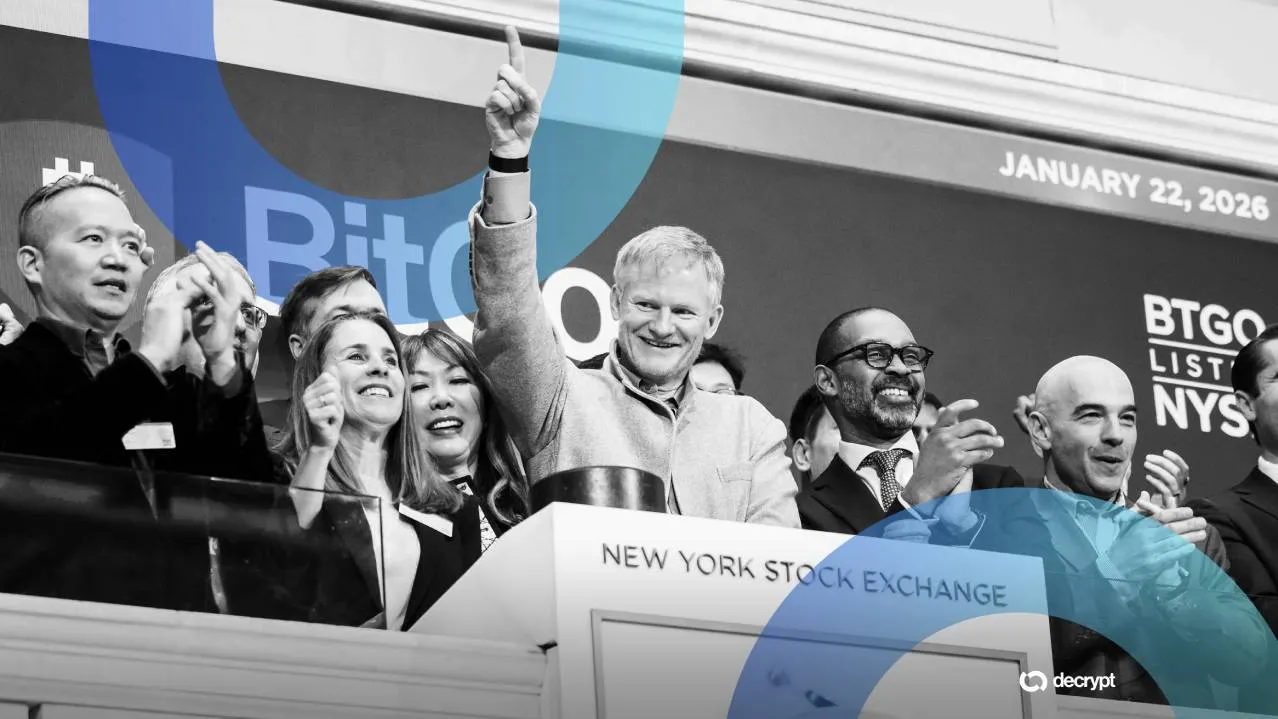
    The acquisition reflects a broader trend of consolidation within the digital asset infrastructure sector. BitGo, which recently completed an initial public offering on the NYSE valuing it around $2 billion, has been expanding its services beyond custody. The company has also launched its USDS token, aiming to compete with established stablecoin providers like Circle and Tether.

    In parallel, BitGo recently reduced its staff by approximately 15%, a move consistent with industry-wide workforce adjustments. CEO and co-founder Mike Belshe underscored the strategic importance of integrating trading capabilities to address institutional demand for end-to-end digital asset solutions.

    While the core acquisition details are reported, certain aspects, such as the precise value of a second earnout provision tied to additional shares and the value of retention awards for transferred staff, remain subject to earnout provisions and are considered uncertainties.

    Why This Matters

    The materials describe a narrow update: BitGo acquired NYDIG’s institutional trading business, which offers derivatives, financing, and capital-markets solutions. The exact value of the second earnout provision tied to additional shares.

    Broader Context

    Source materials place the factual news in this context: BitGo is a digital-asset infrastructure firm.

  • US Secures Majority Control Over Venezuelan Oil Reserves

    US Secures Majority Control Over Venezuelan Oil Reserves

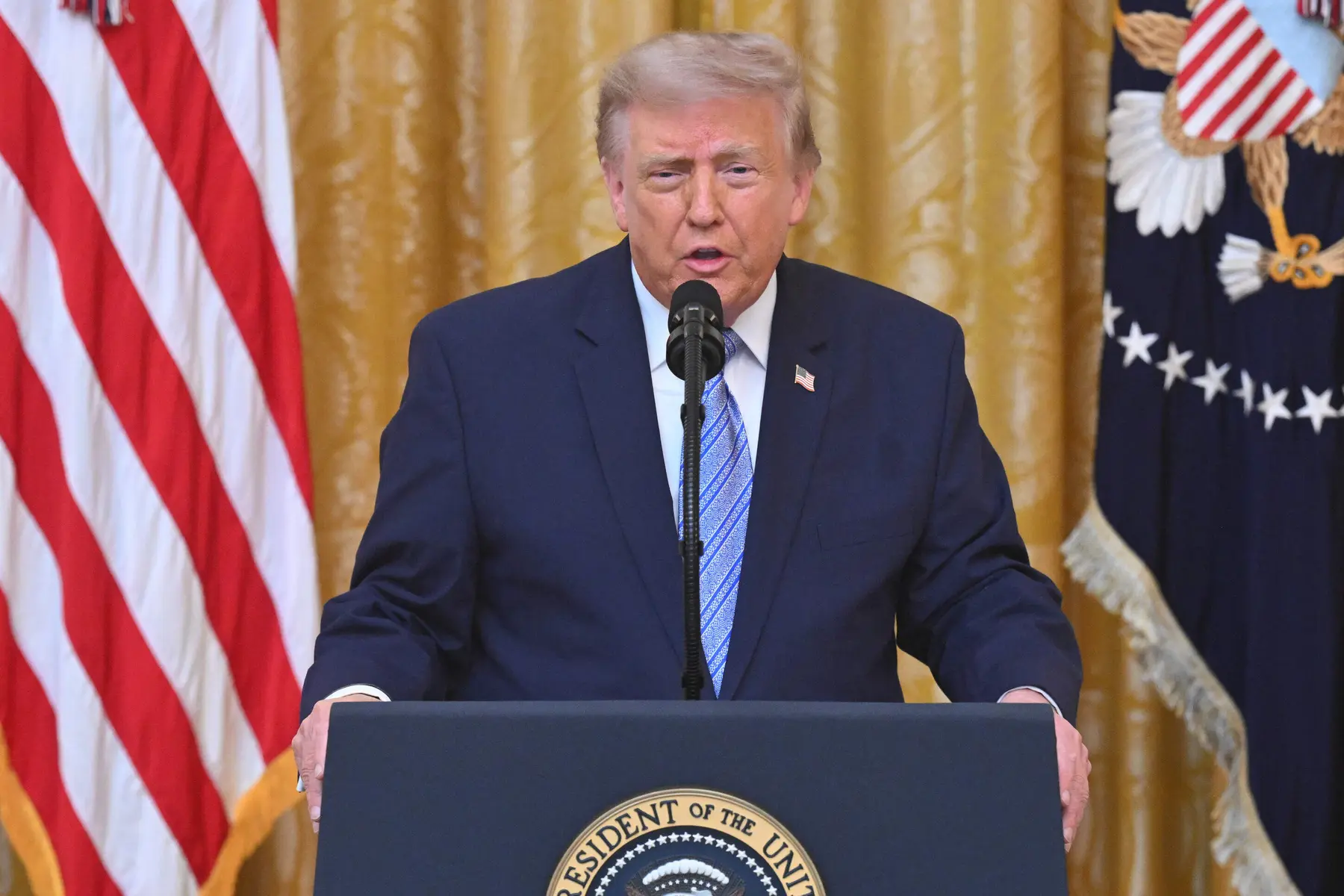
    The United States has secured majority operational control over approximately 65 billion barrels of Venezuelan oil reserves through an agreement involving the US, Venezuela, and private businesses, President Trump announced on Friday. This development could potentially reshape global energy markets, though its direct impact on cryptocurrency markets remains speculative.

    Broader Context

    Source materials place the factual news in this context: The United States has secured majority control of more than 65 billion barrels of Venezuela’s oil reserves, which could reshape global energy markets, but does it actually matter for bitcoin and crypto?.

    Reported Deal Details

    The agreement grants the US a majority operational position in 17 Venezuelan oilfields, including those in the Orinoco Belt and Lake Maracaibo. American companies are expected to provide capital and expertise to boost production. Venezuela has projected close to $100 billion in private investment tied to the broader agreement. This deal could substantially increase America’s effective oil reserves, which currently stand at around 46 billion barrels, bringing the combined total to over 110 billion barrels. This represents roughly 7% of global proven reserves and would place US-controlled reserves on par with the UAE and ahead of Kuwait.

    Potential Energy Market Impact

    However, the immediate impact on global oil supply is uncertain. Venezuela currently produces around 1.2 million barrels per day, a fraction of its potential capacity, due to years of underinvestment, infrastructure deterioration, and other issues. Reports indicate that the country’s ports are already struggling to handle current export volumes, with some tankers experiencing significant delays.

    Macroeconomic Connections

    Analysts suggest that if Venezuelan supply expands significantly in the coming years and contributes to lower oil prices, it could lead to weaker inflationary pressure. This, in turn, might provide the Federal Reserve with more room to ease monetary policy. Fed Chair Kevin Warsh has recently warned that inflation remains too high and that policymakers may need to take further action if price pressures do not move convincingly toward the central bank’s 2% target. If oil prices remain elevated due to geopolitical factors, such as the conflict in the Middle East, inflation could continue to prevent the Fed from altering its monetary policy stance.

    Cryptocurrency Outlook

    While a decrease in inflation and potential easing of monetary policy could be considered favorable for cryptocurrency assets, the connection is indirect and speculative. Experts note that the oil deal between the US and Venezuela is unlikely to have an immediate impact on Bitcoin and other cryptocurrencies, as there is no direct link between the two. The long-term perspective for crypto is considered more uncertain than bearish, particularly if Venezuela can improve its production capabilities and oil prices indeed fall as predicted.

    The deal was reported by Venezuela’s President. While the agreement represents a significant development in energy resources, its practical implications for immediate oil supply, consumer prices, and broader economic conditions are subject to various factors, including Venezuela’s production capacity and global market dynamics.

  • UAE Sheikh Linked to Trump Crypto Bank: 49% Stake, $500M Raise Questions

    UAE Sheikh Linked to Trump Crypto Bank: 49% Stake, $500M Raise Questions

    UAE Official Linked to Largest Stake in Trump Crypto Bank Venture

    Sheikh Tahnoon bin Zayed al Nahyan and his co-investors are reportedly the largest shareholders in the holding company established for World Liberty Financial’s planned U.S. banking venture, according to sources cited by The Wall Street Journal. This entity holds a 49% stake in the holding company, positioning Tahnoon-linked investors as the primary stakeholders behind the Trump family’s cryptocurrency venture’s banking initiative.

    This ownership structure follows a significant $500 million investment in World Liberty Financial last year, also backed by Tahnoon, which secured him a 49% stake in the company. The new development deepens the business ties between the Trump-backed crypto firm and a senior foreign government official.

    Preliminary Approval for Banking Venture

    World Liberty Financial recently received preliminary conditional approval from the Office of the Comptroller of the Currency (OCC) to establish a federally chartered national trust bank. The proposed bank is slated to handle the issuance, redemption, and safeguarding of USD1, World Liberty’s dollar-backed stablecoin launched last year.

    This preliminary approval places the planned bank at the core of World Liberty Financial’s stablecoin operations and highlights the ownership of its holding company, where Tahnoon and his co-investors are reported to hold the largest share.

    Sheikh Tahnoon’s Role and Financial Influence

    Sheikh Tahnoon bin Zayed, who serves as the United Arab Emirates’ national security adviser and is the brother of the country’s president, is identified as a key backer of the Trump family’s new crypto bank. He reportedly oversees a vast financial empire, estimated to be worth over $1.3 trillion, funded by both personal wealth and state resources.

    While the report details the size of the stake and the investors involved, it does not provide specifics on the banking venture’s board composition, governance rights, or any veto arrangements tied to the ownership position. These details are considered crucial for understanding how the holding company’s ownership will influence the venture’s operations.

    The reporting establishes a substantial financial connection between World Liberty Financial and investors associated with a high-ranking UAE official. However, it does not indicate that Sheikh Tahnoon personally directs the planned bank’s daily management or dictates its U.S. regulatory strategy. Sheikh Tahnoon has been referred to in some media coverage as the “spy sheikh,” but the Journal’s report focuses on his official role and the ownership stake, without linking the nickname to operational control of the bank.

    The proposed bank’s role in managing USD1, the dollar-backed stablecoin, is central to the OCC’s preliminary approval. However, further details regarding the venture’s governance structure and the precise relationship between the holding company’s ownership and specific banking functions remain undisclosed.