Category: Uncategorized

  • Pragmatic Play’s Crypto Genesys Slot Game Debuts on 1win Platform

    Pragmatic Play’s Crypto Genesys Slot Game Debuts on 1win Platform

    As of August 19th, 2026, Pragmatic Play’s new crypto-themed slot game, Crypto Genesys, is now available on the 1win crypto entertainment platform. This release signifies an expansion of 1win’s entertainment offerings, specifically targeting audiences interested in crypto-related gaming experiences.

    According to the press release, Crypto Genesys features a scatter-pays system across a 6-reel, 5-row grid, allowing winning symbols to land anywhere. The game incorporates mechanics such as tumbles, which clear winning symbols for consecutive wins, and multiplier symbols that can enhance payouts. Players can also engage with Free Spins, utilize an Ante Bet option to increase their chances of triggering bonus rounds, or opt for the Buy Free Spins feature for direct access to the bonus round.

    The article states that Crypto Genesys is characterized by high volatility, offering a maximum win potential of up to 15,000 times the player’s stake. This high-risk, high-reward profile is designed for players seeking significant potential returns within a crypto-inspired digital environment. The game’s visual identity includes a cyberpunk metropolis setting and crypto-inspired tokens, notably a Bitcoin symbol.

    1win, founded in 2016 and operating across Asia, Latin America, and Africa, is positioned as one of a limited number of platforms offering Crypto Genesys. This strategic selection of platforms suggests a targeted approach by Pragmatic Play and highlights 1win’s role in diversifying its entertainment portfolio beyond traditional cryptocurrency transactions to include specialized gaming content.

    The introduction of Crypto Genesys on 1win can be interpreted as a strategic move by the platform to cater to a specific demographic interested in the intersection of cryptocurrency and entertainment. This aligns with 1win’s broader strategy of adapting its entertainment products to regional audiences and engaging with a diverse range of public figures.

    Why This Matters

    The materials describe a narrow update: Crypto Genesys, a new slot game with a crypto theme, has been made available on the 1win platform. 1win is expanding its entertainment offerings beyond cryptocurrency transactions to include gaming experiences designed specifically for crypto-oriented audiences.

    Broader Context

    Source materials place the factual news in this context: Crypto Genesys takes players into a neon-lit cyberpunk metropolis where digital currencies meet futuristic gameplay.

  • XRP Hovers Near $1 Support Amidst Range-Bound Trading and Market Uncertainty

    XRP Hovers Near $1 Support Amidst Range-Bound Trading and Market Uncertainty

    XRP’s price has been confined to a trading range between $1.00 and $1.18 since late June, with recent activity testing the critical $1 support level. This consolidation phase, characterized by a tight intraday band, indicates market indecision and leaves the potential for a directional move undetermined.

    According to the article, XRP briefly dipped below $1 earlier this week, reaching a low of $0.9888. This test of the support level has drawn attention, as the article notes that the “more interesting question is what happens if this dollar floor cracks again.” However, the price has since hovered near $1, suggesting a temporary hold on the support.

    The intraday trading band on live trackers has shown a low of $0.9888 and a high near $1.007. This narrow fluctuation is often interpreted as a precursor to a more significant price movement, though the article suggests such tight squeezes can also lead to continued range-bound trading rather than a clean break.

    Broader macroeconomic factors are also contributing to the uncertainty. According to the article, sell-offs in chip stocks, resurfaced inflation concerns, and rising Treasury yields have negatively impacted risk assets. This environment has reportedly compressed crypto ranges, making decisive directional breaks less common.

    Analysis of XRP’s recent performance shows a 7-day change of -2%. CoinGecko data indicates a 24-hour volume of $756.5 million, which the article suggests implies conviction is currently thin on both sides of the market. Despite the slight weekly decline, the 24-hour volume reading indicates that trading activity is present, though not indicative of strong directional sentiment.

    Potential Scenarios and Limitations

    The article outlines several potential scenarios. In a bull case, a reclaim and hold above $1.007 could open the door to the $1.06–$1.08 zone, with $1.18–$1.20 seen as a level that would improve the technical structure. A base case scenario anticipates continued trading between $0.99 and $1.03 as the market awaits a fresh catalyst. The bear case suggests that a clean break below $0.9888 could expose the $0.97 level, with a potential drop into the $0.90–$0.95 pocket if selling accelerates.

    Recent technical coverage and institutional exposure reports, as reported by the source, suggest that XRP’s range may hold until a significant macro trigger influences the market. The article emphasizes that holding a large-cap asset through such multi-week ranges tests investor patience, especially with a -2% weekly print accompanying a failed defense of the $1 level.

    For traders seeking more dynamic opportunities, the article briefly mentions that the calculus may shift towards newer projects when established assets exhibit limited movement. Bitcoin Hyper ($HYPER) is cited as an example of a project aiming to enhance Bitcoin’s programmability, with its presale having raised $33 million at a token price as low as $0.0136849. However, the article advises researching such projects to determine if they fit a rotation strategy.

    Ultimately, XRP’s current price action near the $1 support level presents an uncertain outlook. The tight trading range, combined with broader market pressures, indicates a period of consolidation. Further catalysts or a clear break from its established range will be necessary to provide a more definitive direction for XRP’s price.

    Why This Matters

    The materials describe a narrow update: XRP has been trading within a range of $1. Whether the current price action is a shakeout or the start of something uglier for XRP.

    Broader Context

    Source materials place the market analysis in this context: XRP price is sitting right on top of the prediction level everyone’s been watching for weeks.

  • SEC Introduces New Crypto Token Offering Pathways

    SEC Introduces New Crypto Token Offering Pathways

    SEC Proposes New Rule to Streamline Crypto Fundraising

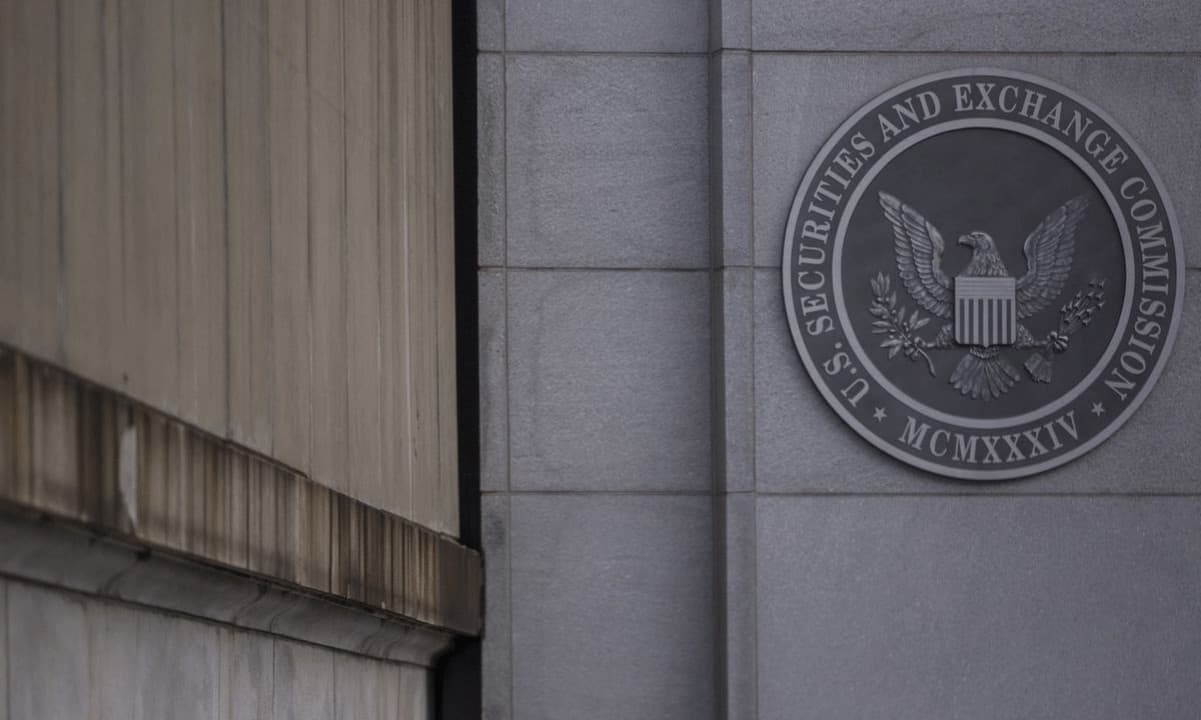
    The Securities and Exchange Commission (SEC) has put forth a new rule designed to ease fundraising for cryptocurrency companies by offering two exemptions from standard securities registration requirements. The proposal, dubbed “Regulation Crypto Assets,” outlines two distinct pathways for capital raising: one capped at $5 million every four years and another at $75 million annually. Additionally, it includes a safe harbor provision that could exclude certain crypto assets from the legal definition of a security.

    Details of the Proposed Exemptions

    Under the proposed framework, the smaller exemption allows for a one-time offering of up to $5 million over a four-year period. Companies utilizing this exemption would be required to provide investors with narrative disclosures about the offering in plain language, a departure from the detailed format typically found in full registration statements. The requirements for this smaller exemption are described as relatively informal.

    The larger exemption permits companies to raise up to $75 million within any 12-month period. However, this option comes with more stringent obligations, including the submission of financial statements and ongoing reporting requirements for as long as the company continues to raise funds under this exemption.

    Safe Harbor for Certain Crypto Assets

    The proposed rules also introduce a conditional safe harbor that would remove specific crypto assets from the “investment contract” definition, a key component of both the Securities Act of 1933 and the Securities Exchange Act of 1934. If a project meets the stipulated conditions, primarily related to whether management has completed or permanently ceased the work promised to investors, the associated token would no longer be considered an investment contract and, consequently, not a security. SEC Chairman Paul Atkins stated that this change would take effect “once an issuer has completed or permanently ceased all essential managerial efforts” it committed to.

    “Congress designed our securities laws to amplify – within specific guardrails – opportunities for entrepreneurs to innovate and build new products,” Atkins commented. “Advancing this regulatory framework is a key element in our strategy to advance the rule books for the modern era and another step by the Commission to onshore innovation in crypto asset markets for generations to come.”

    Preemption of State Regulations and Broader Context

    The proposed rule would also preempt state securities registration and qualification requirements for offerings conducted under either exemption, as well as certain secondary market sales.

    This proposal builds upon the SEC’s interpretation from March 2026, which initially clarified the application of federal securities law to certain crypto assets and transactions. The announcement comes just one day before a White House meeting scheduled for August 19. Executives from prominent crypto firms including Ripple, Coinbase, Chainlink, Paradigm, Kalshi, and a16z are expected to attend this meeting with regulators, as previously reported.

    President Donald Trump is reportedly expected to participate, and Chairman Atkins is also slated to attend, according to updates from journalist Eleanor Terrett. While some reports suggest that executives from traditional finance sectors might also be present, an official guest list has not been confirmed.

    The timing of the SEC’s proposal and the upcoming White House meeting occurs as the CLARITY Act, a broader legislative effort to delineate authority between the SEC and the Commodity Futures Trading Commission (CFTC) over digital assets, remains stalled in the Senate. Lawmakers departed for their August recess without a vote on the bill, and Majority Leader John Thune has filed for cloture, setting a potential vote for September 15.

    Disputes over ethics provisions, anti-money laundering rules, and proposals for stablecoin rewards for customers have contributed to the legislative delays. Banks, in particular, have reportedly lobbied against the stablecoin reward concept, fearing it could divert deposits from traditional financial systems.

    The SEC will accept public comments on “Regulation Crypto Assets” for a period of 60 days following its publication in the Federal Register.

  • Bitcoin Halving Cycle Predictions Face Scrutiny Amidst Market Uncertainty

    Bitcoin Halving Cycle Predictions Face Scrutiny Amidst Market Uncertainty

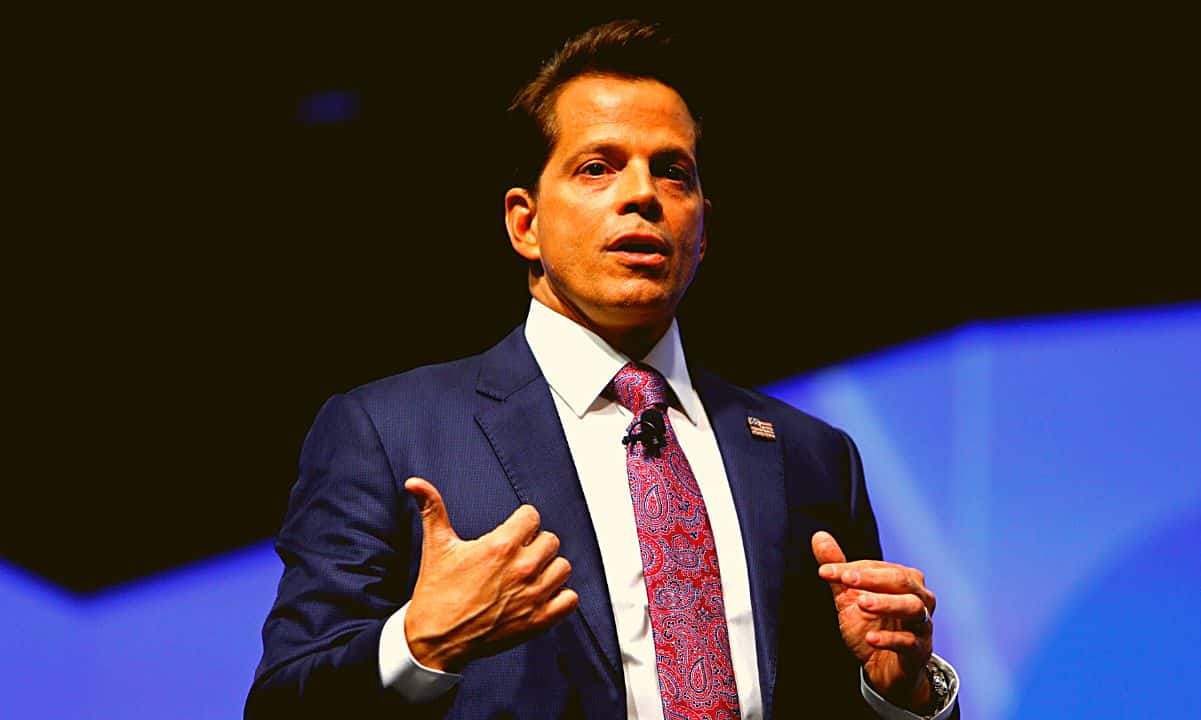
    The reliability of historical Bitcoin halving cycles as predictors of future price movements is increasingly being questioned by analysts, introducing significant uncertainty. While prominent figures like Anthony Scaramucci reiterate optimistic price targets, the market’s future trajectory remains speculative.

    Scaramucci recently stated on CNBC’s Squawk Box that Bitcoin is expected to surpass $100,000. This forecast is attributed to the anticipated tightening of prices associated with the next halving cycle, projected for around April 2028. This prediction echoes a similar forecast Scaramucci made in early 2024, when Bitcoin was trading near $43,000. However, the market landscape and analyst sentiment have evolved. Bitcoin last closed at or above $100,000 on November 13, 2025, reaching $100,035. The cycle following the previous halving on April 20, 2024, saw Bitcoin peak at over $126,000 on October 6, 2025. The upcoming halving, expected at block 1,050,000, will reduce the block subsidy from 3.125 BTC to 1.5625 BTC.

    Despite historical patterns and Scaramucci’s continued optimism, a growing number of analysts are expressing skepticism about the predictability of the traditional four-year Bitcoin cycle. Scott Melker, for instance, has noted that Bitcoin has already traded for 1,080 days since its last major low, exceeding the historical peak window of 1,060 to 1,070 days. Other analysts, such as Arthur Hayes, are also questioning whether the established cycle still holds true.

    Adding another layer of complexity to the market’s outlook is the legislative process surrounding the Digital Asset Market Clarity Act (H.R. 3633). This bill, intended to provide regulatory clarity for digital assets, is scheduled for a Senate cloture vote on September 15 at 2:15 PM ET. The motion for cloture requires 60 votes, and current indications suggest the bill faces an uncertain path to becoming law this year, with Democrats reportedly declining to back the procedural vote.

    The future trajectory of Bitcoin’s price remains subject to significant uncertainty. While the halving event is historically associated with price tightening, the questioning of established cycle patterns by market observers introduces a new variable. Furthermore, the outcome of regulatory developments, such as the Digital Asset Market Clarity Act, could also influence market sentiment and price action.

    Therefore, while predictions like Scaramucci’s offer a glimpse into potential future scenarios, they are made against a backdrop of evolving market dynamics and regulatory uncertainties. The precise impact of the next halving and the broader market’s response remain speculative, underscoring the inherent unpredictability of cryptocurrency markets.

    Why This Matters

    The materials describe a narrow update: Anthony Scaramucci stated on CNBC’s Squawk Box that Bitcoin is expected to rise above $100,000 due to the tightening of prices was associated with by the next halving cycle, which is anticipated around April 2028. Whether Bitcoin may indeed climb back over $100,000.

    Broader Context

    Source materials place the factual news in this context: Bitcoin last closed above $100,000 on November 13, 2025.

  • Bitcoin Range Bound Amid ETF Outflows and Miner Selling, Analysis Shows

    Bitcoin Range Bound Amid ETF Outflows and Miner Selling, Analysis Shows

    Bitcoin’s potential for a range notable move is currently being suppressed by substantial outflows from US spot Exchange Traded Funds (ETFs) and persistent selling pressure from miners, despite a backdrop of reduced interest rate hike expectations. This confluence of factors suggests that while macroeconomic signals might typically favor risk assets, they are not currently translating into positive price action for the cryptocurrency.

    ETF Outflows Dampen Demand

    Last week, approximately $390 million exited US spot Bitcoin ETFs between August 10 and 14, marking a significant outflow. This trend, coupled with ongoing sales from Bitcoin miners, has left the market without a strong source of fresh demand, according to analysis from Wintermute. The trading firm notes that an asset failing to rally on positive news while its dedicated vehicles experience outflows indicates a return of the marginal seller, weakening previous arguments for market depletion.

    Macroeconomic Signals Overshadowed

    Despite a decrease in the likelihood of interest rate hikes, with September odds falling to about one-in-three, Bitcoin has not seen a corresponding price increase. July’s Consumer Price Index (CPI) came in at a modest 0.1% month-on-month, and retail sales posted their steepest decline since May 2025. Typically, such data would support risk assets, but Bitcoin, currently trading around $64,000, has shown resilience only in the short term, up 1.2% over 24 hours, but down nearly 1% over 30 days and significantly below its all-time high.

    Market dynamics suggest that inflation concerns may be shifting towards oil prices. Brent crude jumped 7.91% last week amid geopolitical tensions, with potential re-escalation risks. Wintermute points out that this situation, where lower rate-hike expectations are overshadowed by rising oil prices, presents a complex scenario for risk assets like Bitcoin.

    Miner Selling Adds to Pressure

    Further contributing to the selling pressure is the activity of Bitcoin miners. Riot Platforms, for instance, sold 4,300 BTC in the second quarter, following the sale of 3,778 BTC in the first quarter. This has reduced its treasury holdings to 11,380 BTC, especially as mining costs have approached $91,000 per unit. Bitcoin trading below $64,000 contributed to Riot’s $237 million quarterly loss. Riot is also diversifying into AI data centers, with a significant contract to supply capacity to Anthropic.

    Uncertainties Remain

    While the ETF picture is not entirely negative, with firms like Jane Street disclosing over $1 billion in US spot Bitcoin ETF holdings as of the second quarter, this data represents quarter-end figures and does not capture the full scope of their market exposure. The primary narrative remains one of suppressed price action due to consistent outflows and miner selling, outweighing the potential positive impact of a less hawkish monetary policy.

    Key uncertainties remain regarding the full impact of the shift in inflation concerns to oil prices on future economic indicators and the extent of institutional derivatives exposure to Bitcoin ETFs. The ongoing selling by miners also presents a persistent supply-side factor that the market must absorb.

    Why This Matters

    The materials describe a narrow update: Bitcoin’s price is failing to break out of its current trading range. The exact impact of the shift in inflation concerns from Fed policy to oil prices on future CPI prints.

    Broader Context

    Source materials place the market analysis in this context: Bitcoin is struggling to hold its June range floor after $390 million left US spot BTC ETFs last week, according to Wintermute’s newest market update.

  • Bybit Converts UNITREEUSDT Pre-Market Perpetual to Standard

    Bybit Converts UNITREEUSDT Pre-Market Perpetual to Standard

    Bybit to Transition UNITREEUSDT Pre-Market Contract to Standard Perpetual Offering

    Bybit announced that it will convert the UNITREEUSDT Pre-Market Perpetual Contract to a standard Perpetual Contract on or around August 19, 2026, at 2:29 AM UTC. Following this transition, traders will have the ability to engage with the UNITREEUSDT pair with leverage of up to 25x.

    It is important for users to note that the contract parameters will undergo significant changes once it is converted to a standard Perpetual Contract.

  • Pennsylvania Governor Signs Executive Order Introducing New Requirements for Large AI Data Centers

    Pennsylvania Governor Signs Executive Order Introducing New Requirements for Large AI Data Centers

    Pennsylvania Governor Josh Shapiro signed an executive order on Tuesday that establishes new requirements for large AI data centers, aiming to ensure they address their impact on the state’s electrical grid and environmental resources. The order specifically targets data centers with a peak electricity demand exceeding 25 megawatts.

    Key provisions of the executive order include removing data centers from the state’s Permit Fast Track Program, which offers streamlined review processes. Additionally, state agencies will be prohibited from entering into non-disclosure agreements related to data center projects. Pennsylvania will also create a public map of proposed data center facilities.

    Operating data centers will be required to report their energy and water consumption annually, with these requirements set to begin in July 2027. The executive order also directs the state’s Special Counsel for Energy Affordability to pursue utility rules that would make data centers responsible for certain grid costs and prioritize them for curtailment during emergencies, unless they can secure sufficient power to meet their demand.

    According to Governor Shapiro, the order is intended to prevent developers from negatively impacting Pennsylvanians by disregarding the constitutional right to clean air and pure water and driving up utility bills. He indicated that the order aims to block projects deemed objectionable and unwarranted, establishing what he described as the nation’s strictest set of protections.

    Governor Shapiro noted that more than 100 data centers have reportedly been proposed in Pennsylvania, though only 20 have submitted permit applications to the state’s Department of Environmental Protection. Shapiro stated that he has heard concerns from communities across the state, including Archbald and Montgomery County, regarding the potential for AI data centers to raise utility costs and pollute resources.

    The executive order comes amid a broader trend of opposition to AI data centers across the U.S., driven by concerns over electricity consumption and environmental impacts. A Brookings analysis from January warned that local resistance could slow or block AI infrastructure projects and called for community benefit agreements. In March, major technology companies including Amazon, Google, Meta, Microsoft, OpenAI, Oracle, and xAI signed a White House pledge to cover the costs of new electricity generation and infrastructure needed for their data centers.

    Protests against AI data centers have also occurred nationwide, with at least 37 people arrested this year in connection with such demonstrations. The fight over data center development has increasingly shifted to local government levels.

    This executive order signifies a notable shift in Pennsylvania’s approach to regulating large AI data centers, reflecting growing national concerns about their energy consumption and infrastructure demands. The new requirements aim to ensure these facilities are developed and operated in a manner that addresses their impact on the state’s electrical grid and environment.

    Specific details regarding the utility rule changes sought by the state’s Special Counsel and the precise metrics for energy and water consumption reporting are still to be determined. The exact start date for the “this year” in relation to the arrests and the specific year of the Brookings analysis and White House pledge are also not detailed.

    Why This Matters

    The materials describe a narrow update: Pennsylvania’s Governor Josh Shapiro signed an executive order that establishes new requirements for data centers with peak electricity demand above 25 megawatts. The exact start date for the “this year” in relation to the arrests.

    Broader Context

    Source materials place the factual news in this context: Pennsylvania Governor Josh Shapiro signed an executive order Tuesday imposing new restrictions on large AI data centers, including rules aimed at making developers pay for their impact on the state’s electrical grid.

  • Mozilla Tests Opt-In AI ‘Smart Window’ for Firefox, Prioritizing User Control

    Mozilla Tests Opt-In AI ‘Smart Window’ for Firefox, Prioritizing User Control

    Mozilla is currently testing a new feature for its Firefox browser called ‘Smart Window.’ This optional, separate window allows users to interact with an AI assistant of their choice while browsing. Mozilla emphasizes user control and privacy, positioning the feature as an alternative to browsers that may integrate AI more intrusively.

    Users must explicitly opt-in to use the ‘Smart Window,’ and it can be disabled at any time, according to Mozilla’s announcements. The company is inviting interested users to join a waitlist to try the feature, with sign-ups available at firefox.com/ai.

    Mozilla states that in Firefox, users will “never be locked into one ecosystem or have AI forced into your browsing experience.” This approach aims to provide flexibility in how users engage with AI, drawing a line with browsers developed by AI companies, which Mozilla suggests may present users with a less flexible choice between constant AI use or none at all.

    This development occurs as AI integration in browsers becomes a significant area of competition and a potential privacy battleground. Mozilla’s strategy aligns with its privacy-first stance, offering AI capabilities while ensuring users remain in control. The company has indicated that the open-source nature of AI tools is important for transparency and verification of claims.

    Firefox already includes AI-powered features such as a chatbot in the desktop sidebar and a ‘Shake to Summarize’ function on iOS. The ‘Smart Window’ feature is presented as an extension of these efforts, building on Mozilla’s commitment to user choice. This initiative also echoes aspects of Mozilla’s Project Nova redesign, which included a unified control to disable all AI features.

    In the broader browser market, other companies are also exploring AI integration. Brave offers its LEO assistant, built with Anthropics, as a privacy-focused alternative. Perplexity Comet, Microsoft Edge, and Opera Neon are described as browsers with a strong AI focus. Google has also experimented with locally running AI models within its browser.

    Mozilla’s approach with the ‘Smart Window’ appears to be an effort to appeal to a wider user base while reinforcing its core values of privacy and user control. The company has stated its belief that AI should be “open, accessible, and driven by choice.”

    Uncertainties remain regarding the exact timeline for the wider release of the ‘Smart Window’ feature, the specific AI assistants that may be supported, and the full extent of data collection and privacy implications beyond the stated opt-in and user-controlled nature of the feature.

    Why This Matters

    The materials describe a narrow update: Mozilla is developing and testing a new feature called ‘Smart Window’ for its Firefox browser. The exact timeline for the wider release of the ‘Smart Window’ feature.

    Broader Context

    Source materials place the factual news in this context: Mozilla is testing a new “Smart Window” in Firefox—a separate, optional window where you can chat with an AI assistant of your choice while you browse.

  • Nasdaq Explores Extended Trading Hours, Approaching Crypto Market Models

    Nasdaq Explores Extended Trading Hours, Approaching Crypto Market Models

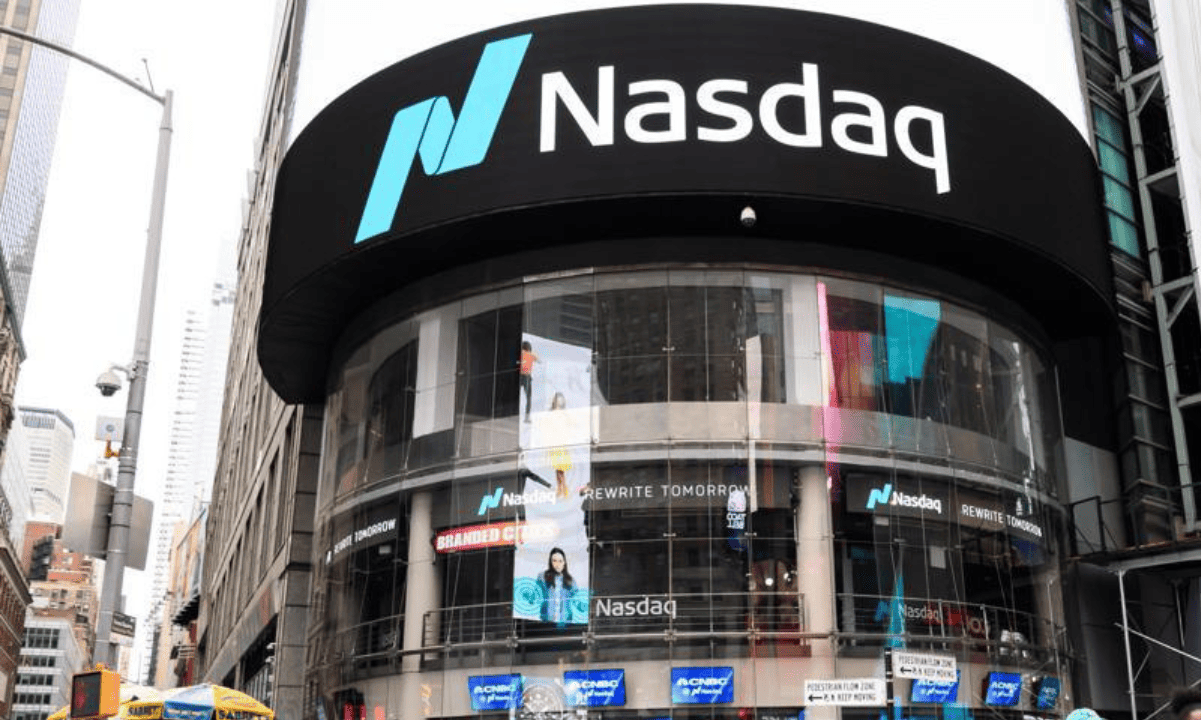
    Nasdaq is planning to introduce a nearly continuous trading week, operating 23 hours a day, five days a week, starting in December 2026. This development, which is subject to SEC approval and other technical requirements, introduces an overnight trading session from 9 p.m. to 4 a.m. Eastern Time, in addition to the exchange’s existing extended hours. The core trading session, from 9:30 a.m. to 4 p.m. ET, will remain the primary window for price discovery.

    The proposed overnight session will run from 9 p.m. Sunday through 8 p.m. Friday, with a one-hour daily pause for processing. Nasdaq is targeting Sunday, December 6, 2026, for the launch. However, certain order types, including unpriced market orders and opening and closing auction orders, will not be available during the overnight period. Any order that remains open at 4 a.m. will be automatically canceled.

    Convergence with Crypto Markets

    Nasdaq’s move to extend trading hours into overnight periods mirrors operational models long utilized by cryptocurrency exchanges. According to BitGo CEO Mike Belshe and crypto analyst Nate Geraci, traditional markets are increasingly adopting concepts pioneered in the crypto space. Geraci commented on X that traditional finance exchanges are now “playing by crypto’s rules” and predicted that major exchanges might eventually move toward 24/7 trading. Belshe indicated that innovations from the crypto industry have already influenced traditional markets.

    While Nasdaq’s plan brings its trading schedule closer to the always-on model characteristic of crypto markets, it does not equate to a 24/7 trading environment. Nasdaq Texas, PSX, and Nasdaq’s options exchanges will maintain their current schedules. The core 9:30 a.m. to 4 p.m. session will continue to be the primary pricing window.

    Broader Market Context

    This development occurs amidst broader trends in financial markets. Equity perpetual futures, a product offering exposure to stocks through continuously trading contracts, reached $250 billion in monthly volume in July, a significant increase from approximately $15 billion in April. Binance accounted for about 76% of this activity. Separately, stablecoins are seeing increased integration into mainstream payments, with PayPal reporting $486.4 billion in payment volume for the second quarter. PayPal’s PYUSD stablecoin has a supply of about $2.75 billion, while the total stablecoin market capitalization is just over $300 billion.

    The implementation of Nasdaq’s 23-hour trading day is contingent on regulatory approval from the SEC and the readiness of the industry’s Securities Information Processor. The specific limitations on order types and the automatic cancellation of open orders at 4 a.m. highlight the operational differences that may persist between Nasdaq’s extended hours and a fully continuous market.

    Why This Matters

    The materials describe a narrow update: Nasdaq intends to launch a nearly continuous trading week, operating 23 hours a day, five days a week, starting in December 2026. SEC approval for Nasdaq’s 23-hour trading plan.

  • Trump Crypto Firm Linked to Chinese AI Flagged as Security Risk

    Trump Crypto Firm Linked to Chinese AI Flagged as Security Risk

    World Liberty Financial Partners with AI Firm Using Chinese Models Flagged by U.

    S.

    World Liberty Financial, a company backed by former President Donald Trump, is collaborating with an artificial intelligence firm that utilizes models from Chinese technology companies previously identified by the Trump administration for national security risks. The partnership involves World Liberty’s USD1 stablecoin, which is accepted by the AI firm, WorldClaw, as payment for access to its AI models. Ryan Fang, an executive at World Liberty, also serves as an advisor to WorldClaw.

    WorldClaw’s AI Model Offerings

    Hong Kong-based WorldClaw provides access to a wide array of AI models, with 43 out of its 90 offerings developed by Chinese companies, including prominent names like Alibaba, Baidu, and Z.ai. The platform also features models from U.S. companies OpenAI and Anthropic.

    A spokesperson for World Liberty, David Wachsman, stated that WorldClaw operates independently and pointed out that major U.S. firms also offer AI models from both Chinese and American developers. “This is a common and widely accepted approach,” Wachsman told Reuters.

    However, several of the Chinese AI firms featured on WorldClaw have faced scrutiny from the U.S. government. In January 2025, Z.ai, formerly Zhipu AI, was added to the Commerce Department’s Entity List, which restricts its access to U.S. technology. In June, the Pentagon designated Alibaba and Baidu as “Chinese Military Companies Operating in the United States,” prohibiting the Department of Defense from engaging in business with them.

    An Alibaba spokesperson contested the designation, asserting that the company is neither a Chinese military entity nor part of any military-civil fusion strategy. The spokesperson described the Pentagon’s decision as “arbitrary and capricious” and indicated plans to sue for its removal.

    The extent of any financial gains by the Trump family from WorldClaw, or the specific financial terms between the companies, remains undisclosed. While World Liberty executive Ryan Fang advises WorldClaw, Donald Trump Jr. and Eric Trump have publicly promoted the firm.

    Allegations of AI Model Distillation

    The news emerges amid accusations that several Chinese AI firms available through WorldClaw have engaged in distillation attacks against U.S. AI developers. In February, Anthropic alleged that DeepSeek, Moonshot AI, and MiniMax used approximately 24,000 fraudulent accounts to generate over 16 million exchanges with its Claude model. This was achieved through model distillation, a method where one AI model learns by analyzing the outputs of another. In June, Anthropic urged Congress to strengthen export controls and impose penalties for large-scale model extraction.

    “We believe combating the threat of illicit distillation requires coordinated action between government and industry, and we will continue working with Congress and the administration to maintain American AI leadership,” an Anthropic spokesperson told Decrypt.