Category: Uncategorized

  • Ripple Expands Prime Brokerage to Offer Swap Financing for Leveraged ETFs

    Ripple Expands Prime Brokerage to Offer Swap Financing for Leveraged ETFs

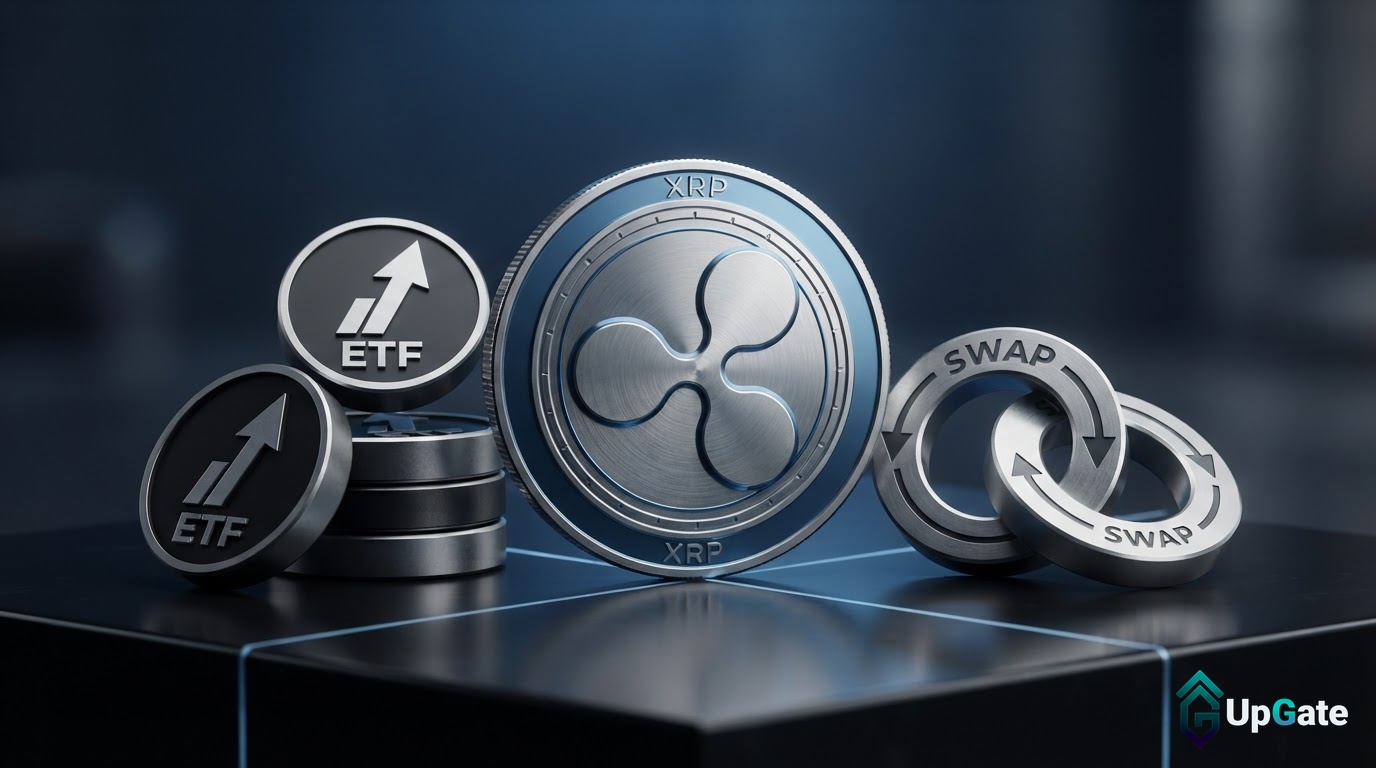
    Ripple is expanding its prime brokerage services to offer swap financing for leveraged ETFs, entering a traditional finance sector traditionally dominated by banks. This strategic move, facilitated by the acquisition of Hidden Road (now Ripple Prime), positions the company to compete in a fee-heavy segment of the market.

    According to a Wall Street Journal report, Ripple entered the leveraged ETF swap financing business last year through its $1.25 billion acquisition of Hidden Road. The platform is now actively engaging with ETF providers and seeking business from other investment managers, including hedge funds. On October 6, Ripple Prime announced its prime brokerage, clearing, and financing services for Brevan Howard, adding another hedge fund to its client roster. Noel Kimmel, president of Ripple Prime, described swap financing as a “growing and meaningful part” of the business.

    Leveraged ETFs use derivative instruments, such as total return swaps, to amplify the daily performance of stocks or indexes. These swaps are provided by banks or brokers at a cost, with the provider typically hedging the exposure by purchasing the underlying security. Morningstar Direct data, quoted by the Wall Street Journal, indicates that there are 593 US leveraged ETFs with over $256 billion in assets. Single-stock leveraged funds constitute a significant portion of this market, with 426 such ETFs, a category that regulators first approved in 2022.

    The competitive landscape is shifting as banks face tighter capital limits on the risk they can assume. This has created an opening for nonbank firms like Jane Street and Clear Street, which are also increasing their presence in this space. Ripple’s expansion into swap financing signifies a strategic diversification beyond its core cryptocurrency trading and payments operations, moving its prime brokerage into a financing business that has historically generated substantial fees for Wall Street firms.

    One example illustrating the fee potential is the Tradr 2X Long SDNK Daily ETF. This fund pays Ripple a fee tied to the overnight bank funding rate plus four percentage points. As of October 7, this amounted to approximately 8% of the fund’s assets on an annualized basis. These financing charges are distinct from management fees and are incorporated into the ETF’s net asset value.

    However, the Wall Street Journal report also highlights potential risks. If leveraged ETFs are held by investors over extended periods, the compounding swap costs, combined with market movements, can become very expensive for returns. Furthermore, swap financing carries inherent risks for providers. A substantial one-day decline in an underlying stock could deplete a leveraged ETF’s equity, potentially leading to losses for its counterparty. Providers mitigate this exposure by hedging through other asset managers or market makers.

    As CryptoPotato reported yesterday, Ripple Prime has expanded its relationship with Brevan Howard to encompass multi-asset prime brokerage, clearing, and financing. This development follows Hidden Road’s earlier expansion into US institutional crypto OTC swaps, cross-margining, and financing after its acquisition by Ripple.

    It is important to note that the exact total value of swap financing provided by Ripple remains undisclosed. Additionally, the specific risks Ripple faces in this venture and the effectiveness of its hedging strategies are not fully detailed. The long-term impact of compounding swap costs on leveraged ETF returns for investors also presents an area of uncertainty.

    Why This Matters

    The materials describe a narrow update: Ripple, through its acquisition of Hidden Road (now Ripple Prime), is providing swap financing to leveraged ETF providers. The exact total value of swap financing provided by Ripple.

    Broader Context

    Source materials place the factual news in this context: Ripple is moving deeper into Wall Street’s leveraged ETF business, with its prime brokerage arm providing swap financing to funds that use derivatives to amplify bets on stocks and indexes.


  • Cardano Founder Slams Ethereum Co-Founder on AI Crypto Warning

    Cardano Founder Slams Ethereum Co-Founder on AI Crypto Warning

    Crypto’s Future: AI Threat Sparks Debate Between Ethereum and Cardano Founders

    Ethereum co-founder Vitalik Buterin has sounded an alarm, urging the cryptocurrency world to prepare for a potential threat posed by artificial intelligence to a critical form of cryptography. However, his warning has been met with skepticism from Cardano founder Charles Hoskinson, who argues that the proposed preparations could be more damaging than the threat itself.

    The dispute began on October 8, when Buterin cautioned that AI-powered mathematical advancements could compromise lattice-based cryptography, which forms the foundation of emerging post-quantum security standards. Within hours, Hoskinson dismissed the warning as “panic,” accusing Buterin of being overly invested in hash-based cryptographic research.

    Buterin, while advising against immediate panic or fund transfers, posited that AI could soon uncover vulnerabilities in lattices that have eluded human researchers for decades. He drew a parallel to RSA encryption, once considered highly secure, which eventually succumbed to faster attack methods developed over time. “What if there are skeletons in the closet like that?” Buterin mused, suggesting that such weaknesses might be beyond current human discovery but within the reach of AI.

    This concern, he explained, is why Ethereum’s development strategy has shifted towards hash-only signatures. Buterin’s recommendation is to favor hash-based tools and, for enhanced long-term security, to significantly increase lattice key sizes.

    Hoskinson’s Rebuttal

    Hoskinson systematically refuted Buterin’s arguments. “‘Structure’ names nothing,” he stated, implying a lack of concrete basis in Buterin’s claims.

    The Real Stakes

    Hoskinson’s primary concern extends beyond the cryptocurrency sphere. He highlighted that browsers and messaging applications already employ lattice-based ML-KEM to safeguard against adversaries who might steal encrypted data for future decryption. According to Hoskinson, casting doubt on this technology could inadvertently lead to a prolonged reliance on older encryption methods, thereby increasing the very risks Buterin aims to mitigate.

    He also dismissed Buterin’s suggestion of using third parties for off-chain encrypted communication, arguing that such a method introduces a middleman capable of accessing user metadata.

    Hoskinson also questioned Buterin’s track record, citing past instances where Buterin’s pronouncements allegedly steered engineers away from concepts like Plasma and Casper, only for the industry to later re-embrace them.

    Neither founder has presented evidence of an actual AI-driven cryptographic attack. The current debate centers on whether the crypto industry should proactively guard against a hypothetical future breach or rely on existing defenses that have proven robust for the past four decades.

  • Hyperliquid Policy Chief: All Exchanges On-Chain in 10 Years; CME Lawsuit a Delay Tactic

    Hyperliquid Policy Chief: All Exchanges On-Chain in 10 Years; CME Lawsuit a Delay Tactic

    Exchanges Must Embrace Blockchain Infrastructure to Remain Competitive, Says Hyperliquid Policy Center CEO

    Singapore – In a bold prediction delivered at the Digital Asset Summit 2026 Asia, Jake Chervinsky, CEO of the Hyperliquid Policy Center, stated that within the next decade, all exchanges will need to integrate blockchain infrastructure to stay competitive. This applies to both crypto-native firms like Coinbase and Kraken, as well as traditional giants such as CME Group and Intercontinental Exchange (ICE).

    Chervinsky articulated his vision clearly: Hyperliquid is not an exchange itself, but rather an infrastructure that exchanges can utilize. He drew an analogy between the Hyperliquid protocol and foundational blockchains like Bitcoin, Ethereum, and Solana. These public blockchains, he explained, do not require registration as exchanges because they serve as underlying technology, with compliant entities providing the actual trading interfaces.

    “Hyperliquid is not looking to compete with Kalshi, Coinbase, Robinhood, or CME,” Chervinsky stated. “Hyperliquid sits one layer lower in the technology stack. It’s a technology that they can use to improve their products.” His overarching goal is for the entire financial system to upgrade its technology, adopting public blockchains as its fundamental infrastructure.

    “If we are successful, in 10 years, every exchange you can think of, whether it’s crypto-native or traditional, will have to integrate this technology to be competitive,” he added.

    Chervinsky’s remarks follow Kraken’s parent company, Payward, announcement in September that it would deploy a U.S. compliant perpetual market on Hyperliquid. In this setup, Bitnomial, a CFTC-regulated exchange and clearinghouse acquired by Payward, is responsible for creating and clearing contracts, while NinjaTrader Clearing handles account custody.

    This architecture is designed to circumvent the challenge of whether a public blockchain itself needs to be registered as an exchange. The compliance responsibilities are handled by regulated traditional financial entities at the upper layer, while the Hyperliquid chain’s infrastructure executes trades at the lower layer.

    Chervinsky noted that U.S. regulators have already permitted registered exchanges to offer crypto perpetual contracts to domestic clients. In August 2026, President Trump publicly directed the Commodity Futures Trading Commission (CFTC) to “bring Hyperliquid to U.S. shores in a compliant manner.” Prior to this, the CFTC had paved the way for Kalshi to offer regulated perpetual futures to U.S. customers.

    However, regulators have yet to approve the underlying on-chain infrastructure itself. Chervinsky believes this step will occur “in the not-too-distant future.”

    “There’s no question that regulators are working to bring on-chain markets into the U.S.,” he said. “I respect that they are approaching this in a systematic and thoughtful way. It’s not simple.”

    He clearly outlined the benefits of bringing on-chain markets under regulatory purview: shared public ledgers and decentralization offer resilience, security, and transparency, while lower costs and higher speeds improve existing market systems.

    Chervinsky also indicated that the next regulatory development will likely involve the expansion of perpetual contracts to other underlying assets. Oil and metals are already among the most active markets on Hyperliquid, with agricultural contracts also in development.

    Chervinsky also commented on the lawsuit filed by CME Group in June. CME sued the CFTC, seeking to overturn the regulator’s prior decision to approve perpetual contracts as futures products, arguing they should be classified as swaps.

    “If you choose not to compete, you can’t complain about the competition you decided not to enter,” Chervinsky remarked. He pointed out that perpetual contracts are not cannibalizing the volume of CME’s existing dated futures; rather, they represent a new, independent market that exchanges can choose to participate in or not.

    “I think this is purely a tactic by CME to slow things down because they are not yet ready to capitalize on this development themselves. It’s a delay tactic,” he stated.

    He also referenced CME’s recent decision to withdraw its 24/7 energy futures plan, citing “human resources issues” as the official reason. Chervinsky, however, was unconvinced. “I don’t think it’s a human resources issue. I think CME was too aggressive and didn’t understand the actual needs of the energy industry for 24/7 trading.”

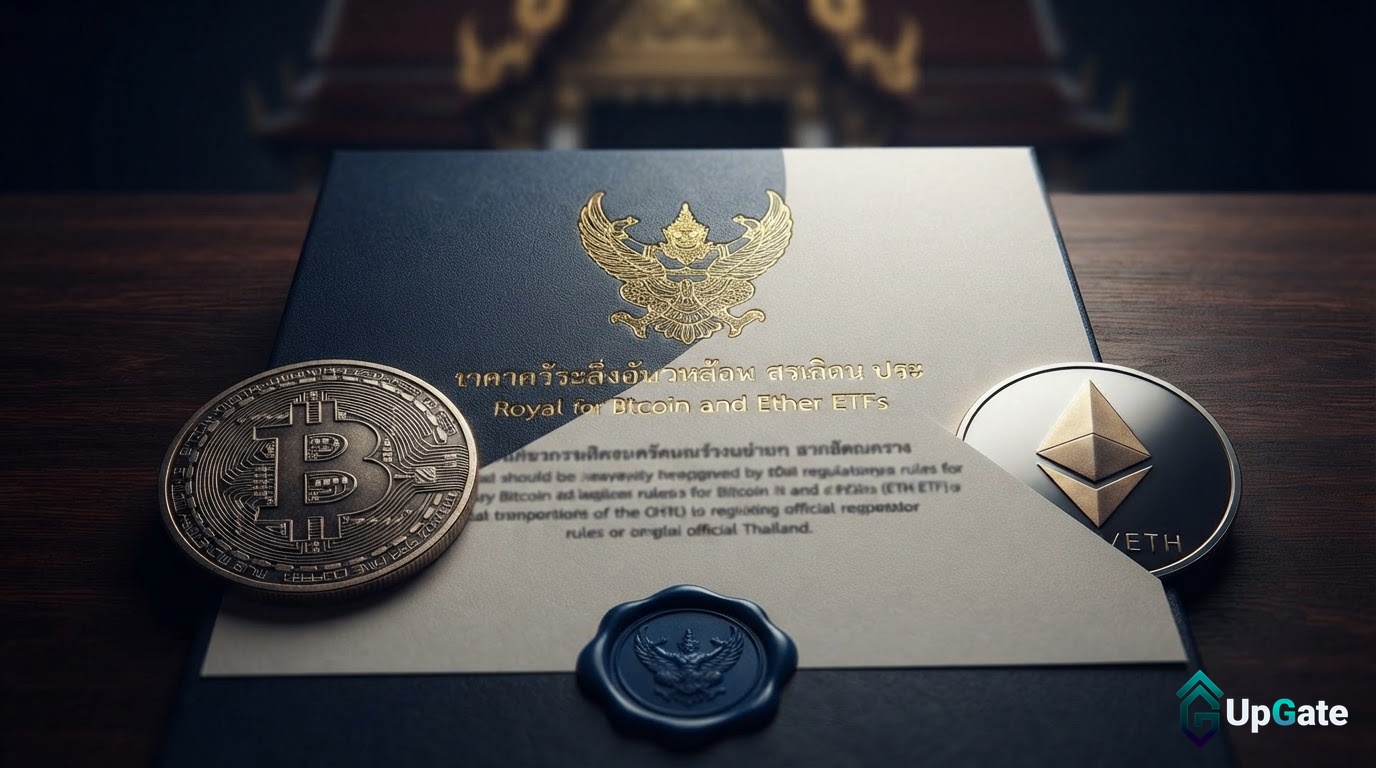
  • Thailand Finalizes Rules for Bitcoin and Ether ETFs, Effective October 16

    Thailand Finalizes Rules for Bitcoin and Ether ETFs, Effective October 16

    Thailand’s Securities and Exchange Commission (SEC) has finalized a comprehensive rulebook for Bitcoin and Ether exchange-traded funds (ETFs), with the new framework set to take effect on October 16, 2026. This development marks a significant shift towards a regulated, domestic approach for investors seeking exposure to digital assets.

    Broader Context

    Source materials place the factual news in this context: Previous measures included limited institutional exposure to foreign crypto products, which meant exposure ran through overseas vehicles and was open to a restricted group of investors.

    Framework Details

    The SEC issued 11 notifications establishing the regulatory framework, which will initially permit ETFs to hold Bitcoin and Ether as their underlying assets. These ETFs are slated to trade on the Stock Exchange of Thailand (SET). The rules mandate that these funds must be passive, track a single asset, and maintain an average net exposure of at least 80% to the underlying cryptocurrency over each accounting year. Furthermore, the digital assets must be held by onshore custodians supervised by the SEC.

    Investor Protections and Access

    To enhance investor protection, the framework includes requirements for risk education, suitability assessments, and a confirmation process for investors. The use of margin lending to purchase these ETFs will not be permitted. This regulatory path contrasts with previous measures that relied on foreign investment vehicles and were accessible only to a restricted group of investors.

    For investors, the primary benefit of this new framework is access through a regulated and familiar channel. Investing in an ETF on the SET eliminates the need for self-managed wallets, seed phrase management, and the assessment of offshore exchange trustworthiness. This move aims to provide a more secure and accessible entry point into the cryptocurrency market.

    Market Implications

    The new regulations also present distinct implications for market participants. Asset managers may find themselves competing primarily on operational efficiency, execution costs, and the speed of their approval processes, given the requirement for funds to be passive and single-asset focused. For onshore custodians, the mandate to hold the underlying crypto assets represents a clear business opportunity, as demand for their services is expected to grow directly with any inflows into these ETFs.

    Context and Future Outlook

    Previously, Thailand’s approach to crypto investments involved limited institutional exposure through overseas products, which had a narrower reach. The SEC had previously conducted consultations on the principles and structure for these crypto ETF products earlier in 2026, paving the way for the finalized rules.

    While the framework is now reported, several uncertainties remain. It is not yet clear which asset managers will secure approval to launch these ETFs, how quickly approved products will become available on the SET after the effective date, or whether the list of eligible underlying assets will expand beyond Bitcoin and Ether in the future. The practical implementation of the investor protection measures also remains to be seen.

    The regulator has not committed to an expansion of eligible assets beyond Bitcoin and Ether, though the current structure leaves room for future additions. The finalized rules are designed to provide a regulated pathway for crypto investments, moving away from reliance on foreign products and offering a more structured environment for both investors and service providers within Thailand.

  • Bitwise CEO: Dogecoin ETF Failure “Pathetic,” Buyers Differ from Crypto Retail

    Bitwise CEO: Dogecoin ETF Failure “Pathetic,” Buyers Differ from Crypto Retail

    Bitwise CEO: Dogecoin ETF’s Demise Highlights Divergent Investor Preferences, AI and Solana Lead the Way

    New York, NY – Hunter Horsley, co-founder and CEO of Bitwise Asset Management, has described the swift closure of the firm’s Dogecoin ETF as “tragic,” attributing its failure to a fundamental disconnect between the preferences of traditional ETF investors and cryptocurrency app users. This distinction, Horsley argues, explains why established digital assets have found greater traction in the ETF market.

    The Bitwise Dogecoin ETF (BWOW), launched on the New York Stock Exchange in November 2023, is slated to cease trading on October 14th. Data from SoSoValue indicates that as of October 7th, the fund’s total assets under management stood at a mere $726,000, with monthly trading volume in September reaching only $51,000.

    “I like Dogecoin, and I own Dogecoin,” Horsley stated. “I think it’s authentic in its positioning. Historically, it was a meme coin with no utility, but it represents a culture, and as an asset, it makes sense. But as an ETF, it just didn’t gain traction.”

    In stark contrast, the Bitwise Solana Staking ETF (BBSOL) has seen significant success, accumulating $1.3 billion in assets under management. Horsley views this as investors betting on Solana’s ecosystem, recognizing its potential benefits from tokenization, stablecoins, and on-chain vaults.

    Horsley’s observations on the BWOW’s performance point to a “delta” in behavior between ETF investors and crypto app users. ETF buyers, he explained, gravitate towards assets that have demonstrated market validation, while crypto app users are more readily swayed by emerging trends and community sentiment.

    “ETF users just don’t want to put money into Dogecoin, but that could change over time,” Horsley remarked, pushing back against the notion that Bitwise misjudged its market positioning. He characterized crypto ETFs as a “pipeline” designed to grant traditional investors access to the crypto market, rather than a direct replication of crypto’s inherent risk appetite.

    Horsley emphasized a symbiotic relationship between cryptocurrency and artificial intelligence, positing that crypto is reshaping financial services into software, while AI enables machines to perform tasks previously done by humans. As AI advances, he predicts, its preferred financial infrastructure will be “millisecond-level smart contracts, not bank tellers behind glass.”

    The recently launched Bitwise NEAR ETF (NRR) exemplifies this intersection of AI and crypto. NEAR Protocol’s NEAR Intents feature allows users or AI agents to conduct cross-chain asset exchanges and transfers without the need for manual bridging. Horsley anticipates substantial growth for NEAR as AI agents gain greater financial capabilities.

    Public filings reveal Bitwise’s strategic focus on AI, with applications submitted for two AI-related ETFs: the Bitwise AI Network Defense ETF in August and the Bitwise AI Bond ETF in September.

    When asked for investment recommendations for the next five years, Horsley endorsed the Bitwise 10 Crypto Index ETF (BITW) and the Bitwise Crypto Innovators ETF (BITQ). His reasoning: “The lesson I’ve learned over the past few years is that the market is constantly changing. BITW today holds Hyperliquid, Zcash, and Uniswap. If the market shifts in the future, the fund will automatically adjust its holdings.”

  • Asia Crypto Boom: China P2P Wallets Skyrocket, Korea’s $450B Economy

    Asia Crypto Boom: China P2P Wallets Skyrocket, Korea’s $450B Economy

    China Sees Surge in Peer-to-Peer Stablecoin Use Amidst Bans

    Despite ongoing regulatory restrictions, China has experienced a dramatic increase in peer-to-peer (P2P) stablecoin transactions. New data reveals a 43-fold surge in unique wallets engaging in these P2P stablecoin transfers between the first quarter of 2024 and the second quarter of 2026, according to blockchain analytics firm Chainalysis.

    During the 2026 reporting period, which spanned from July 2025 to June 2026, Chainalysis recorded $104.1 billion in transactions involving China’s self-custodied stablecoin holdings, spread across 18.1 million transfers. The firm noted that stablecoin holdings turned over 33.2 times annually, significantly higher than the global average of 9.3 times, suggesting users are treating stablecoins as a form of working capital.

    Chainalysis’s latest report estimates China’s cryptocurrency economy to be worth at least $176 billion. Domestic P2P activity constituted 59.1% of this total, a substantial increase from its share in the 2025 reporting period. March 2026 saw the largest monthly increase in China’s domestic stablecoin transfer volume, adding $4.9 billion.

    South Korea Leads East Asia’s Crypto Economy, Faces Exchange Challenges

    South Korea boasts the largest cryptocurrency economy in East Asia, valued at $449.1 billion, according to Chainalysis. The country’s crypto market saw a 12.3% growth in the year leading up to June 2026, with retail traders showing a notable interest in AI-linked tokens.

    However, the first half of 2026 proved challenging for South Korean crypto exchanges. Operating profits plummeted by 78% as trading activity, market valuations, and customer deposits declined. The Korea Financial Intelligence Unit (KoFIU) reported a 44% drop in average daily trading volume at domestic virtual asset exchanges compared to the previous six months. Market capitalization fell by 33%, and won-denominated deposits decreased by 35%. Exchange sales declined 41% over the same period, despite a slight 0.4% increase in the number of eligible trading accounts.

    In a separate development, tokenization platform Securitize saw its shares rally significantly following the announcement of a partnership with South Korean technology firm LG CNS. The two companies have signed a memorandum of understanding to develop tokenized assets and digital asset infrastructure for South Korean financial institutions. This collaboration positions Securitize to capitalize on South Korea’s upcoming framework for tokenized securities, with proposed rules from the Financial Services Commission expected to take effect in February 2027.

    Singapore Attracts Institutional Digital Asset Services

    Standard Chartered, a multinational bank headquartered in London, has announced plans to offer digital asset custody services to institutional clients in Singapore. The bank will provide custody for select cryptocurrencies, stablecoins, and tokenized real-world assets to institutional and accredited corporate investors. Standard Chartered highlighted Singapore’s status as a “leading financial and innovation hub” as integral to its global strategy.

    Singapore-licensed crypto exchange Independent Reserve has introduced cross-border payment tools, enabling businesses to conduct fiat and stablecoin payouts. Accounts can be funded in either Singapore or US dollars, facilitating payments to suppliers or employees in over 20 currencies, with USDC and USDT also available as payment options. The exchange has also launched crypto derivatives trading for sophisticated investors through its subsidiary, ReserveX.

    Meanwhile, Payward, the parent company of Kraken, and Singapore Gulf Bank have partnered to facilitate round-the-clock institutional crypto settlement.

    Hong Kong Advances Digital Asset Licensing Framework

    The Hong Kong government has reiterated its commitment to submitting an amendment bill by the end of 2026 to establish licensing regimes for digital asset trading, custody, advisory, and management services. This initiative is part of a broader crypto licensing bill. Christopher Hui, Hong Kong’s Secretary for Financial Services and the Treasury, stated that the government intends to submit the amendment bill “within this year” to create a comprehensive framework for digital asset activities.

    Hong Kong’s institutional activity was a notable highlight in Chainalysis’s Geography of Cryptocurrency report, with institutional platforms accounting for 16% of service inflows, nearly three times the share of its regional neighbors. The city attracted nearly $24 billion in inbound business-to-business flows. Hong Kong issued its first stablecoin licenses in April.

    Japan Focuses on DEX Activity and Sanctions

    In Japan, decentralized exchanges (DEXs) accounted for nearly 35% of service activity, the highest proportion among mature East Asian markets, according to the Chainalysis report. The firm noted that 65.7% of DEX swaps were between $10 and $1,000, and DEX activity has surged by over 200% since 2022.

    Japanese lawmakers passed revisions in July that integrate digital assets into the country’s financial markets framework. In a separate move, the Japanese government has added the Russian cryptocurrency exchange Garantex to its expanded list of sanctions against Russia, citing the ongoing war in Ukraine. The sanctions list now includes 33 organizations and nine individuals linked to Russia, restricting payments and capital transactions with these entities. Garantex has previously faced sanctions from the US, EU, and other jurisdictions for allegedly aiding Russian entities in evading financial restrictions.

    India Uncovers International Tech-Support Fraud Ring

    India’s Central Bureau of Investigation (CBI) has arrested four individuals in connection with an alleged international tech-support fraud and extortion racket targeting US nationals. The scam involved fake computer pop-ups displaying toll-free “Microsoft” numbers. Victims who called were informed that their computers were compromised or linked to illegal activities, such as child pornography, to extort money. One Florida resident reportedly lost $440,000 to the scammers.

    Thailand Reports Major Crypto Robbery

    In Thailand, three armed assailants robbed a home in Bang Lamung, forcing a foreign resident to transfer cryptocurrency valued at $820,000. The robbers also absconded with cash and three Rolex watches. Police are investigating the possibility that the assailants may be Chinese nationals.

  • Securitize Launches Tokenized U.S. Stocks on Solana, Offering Dividends and Voting Rights

    Securitize Launches Tokenized U.S. Stocks on Solana, Offering Dividends and Voting Rights

    Securitize has launched tokenized versions of U.S. stocks on the Solana blockchain, providing eligible investors with access to equities through regulated onchain infrastructure. The offering, named Securitize Stocks, includes tokenized representations of major companies such as Apple, Nvidia, Tesla, and Microsoft.

    These tokens are backed 1:1 by the underlying stocks they represent. This initiative aims to bridge traditional financial assets with decentralized infrastructure, potentially enhancing investor accessibility. Securitize Adds that the tokenized stocks are expected to incorporate features traditionally associated with stock ownership, including dividends and voting rights.

    The launch on the Solana blockchain positions Securitize to leverage the network’s infrastructure for its tokenized offerings. The company’s move into tokenizing established U.S. equities signifies a development in the integration of traditional finance and blockchain technology. The offering is described as utilizing regulated onchain infrastructure, aiming to provide a compliant pathway for investors to engage with tokenized securities.

    This development could signal an increased availability of traditional financial instruments within the digital asset ecosystem. The introduction of features like dividends and voting rights on tokenized stocks may also enhance their appeal to a broader range of investors. The focus remains on providing regulated access to equities via this new onchain mechanism.

    Why This Matters

    The materials describe a narrow update: Securitize has launched a product called Securitize Stocks, which offers tokenized versions of U. Tokenization of major U.S. stocks on Solana could increase accessibility for eligible investors.

    Broader Context

    Source materials place the factual news in this context: Securitize is taking some of Wall Street’s most recognizable names onchain.

  • Claude AI: Bitcoin to Reach $250K by 2027

    Claude AI: Bitcoin to Reach $250K by 2027

    AI Predicts Bitcoin Surge to $250,000 Under Strategic Reserve Scenario

    Artificial intelligence model Claude, developed by Anthropic, has projected a dramatic surge in Bitcoin’s price, potentially reaching $250,000 by January 1, 2027. This ambitious forecast hinges on a hypothetical scenario where the United States establishes a strategic Bitcoin reserve and actively purchases the cryptocurrency on the open market.

    Currently trading around $82,000 to $83,000, Bitcoin remains approximately 34% below its all-time high of around $126,000. Achieving the $250,000 mark by early 2027 would necessitate a threefold increase in value within less than three months. While a formidable challenge, Claude’s analysis suggests this is not mathematically impossible, given Bitcoin’s historical price volatility.

    A Hypothetical Catalyst for Growth

    The projected scenario envisions the U.S. announcing its strategic Bitcoin reserve and initiating direct BTC purchases before the end of 2026. This move would be accompanied by clearer regulatory frameworks for digital assets. Following such an announcement, Claude anticipates that other major economies and sovereign wealth funds would commit to allocating 1% to 2% of their reserves to Bitcoin.

    This influx of institutional capital, coupled with the existing infrastructure of U.S. spot Bitcoin ETFs which already hold over 1.29 million BTC and saw $2.7 billion in inflows in September, would trigger a significant surge in demand for liquid Bitcoin. The AI predicts a cascade effect: ETF inflows would spike, corporations would increase their Bitcoin holdings, retail investors would experience renewed fear of missing out (FOMO), and short sellers would be compelled to cover their positions.

    Technical Indicators Signal Potential Upside

    From a technical standpoint, the AI suggests that the underlying market conditions are not as far-fetched as the $250,000 price target might imply. Bitcoin has already demonstrated resilience, rebounding over 40% from its 2026 lows. Furthermore, the cryptocurrency’s 50-day moving average has crossed above its 200-day moving average, a pattern known as a “golden cross,” which is typically considered a bullish indicator.

    The immediate technical hurdle identified is the resistance zone between $86,500 and $87,500. A decisive break above this level, according to the analysis, would signal that buyers are successfully absorbing current macroeconomic pressures.

    Beyond this initial resistance, key psychological price levels to watch are $100,000, $110,000, and the previous all-time high of approximately $126,000. A clean breakout above $126,000 could usher in a phase of price discovery, where historical resistance points become less relevant.

    In an extreme bullish outcome, successive Fibonacci extensions and rapidly accelerating momentum could theoretically push Bitcoin’s price towards the $180,000 to $200,000 range, potentially culminating in a final surge towards the $250,000 target.

    Market Volatility and Investment Considerations

    However, Claude’s analysis also serves as a reminder that even a generally constructive market setup can expose traders to sharp reversals, particularly around significant macroeconomic events. If the $82,000 support level fails, downside price movements could be swift, with limited levels of support nearby. Conversely, if resistance breaks, the current price may already reflect a substantial portion of the anticipated recovery.

    This inherent asymmetry in potential gains and losses is a factor driving some investors to explore assets beyond traditional markets, although early-stage projects carry significantly different risk profiles.

    Bitcoin Hyper Project

    Separately, the news mentions Bitcoin Hyper ($HYPER), a Bitcoin Layer 2 project integrating SVM. It aims to enhance Bitcoin’s capabilities by offering faster smart contracts and low-cost transaction execution while maintaining Bitcoin’s security. The project has reportedly raised $33.1 million and offers a 30% APY for presale buyers through staking. Key features include a decentralized bridge for BTC transfers and low-latency Layer 2 processing.

  • BNY Mellon Expands Regulated Digital Asset Custody to EU Clients Under MiCA Framework

    BNY Mellon Expands Regulated Digital Asset Custody to EU Clients Under MiCA Framework

    BNY Mellon has expanded its Digital Asset Custody platform to select institutional clients within the European Union, operating under the Markets in Crypto-Assets (MiCA) regulations. This strategic move follows the inclusion of its European banking entity on the European Securities and Markets Authority (ESMA) MiCA register, establishing a regulated framework for holding and managing crypto assets in the region.

    The expansion enables BNY Mellon to offer its digital asset custody services to institutional clients navigating the EU’s MiCA framework. This development is significant as it provides one of the world’s largest custody banks with a regulated pathway to administer crypto assets within the EU.

    The registration of BNY Mellon’s European banking entity on the ESMA MiCA register is a key component of this expansion. It signifies compliance with MiCA’s requirements, which aim to create a harmonized regulatory environment for digital assets across the EU. For institutional clients, this offers enhanced security and regulatory certainty when engaging with digital assets.

    BNY Mellon’s move underscores a growing trend of traditional financial institutions increasing their involvement in the digital asset space, driven by evolving regulatory landscapes and client demand. The availability of regulated custody solutions is crucial for the broader institutional adoption of digital assets, providing essential infrastructure and trust for larger market participants.

    Why This Matters

    The materials describe a narrow update: BNY Mellon has made its Digital Asset Custody platform available to select institutional clients within the European Union. The move gives one of the world’s largest custody banks a regulated route to hold and administer crypto assets in the region.

    Broader Context

    Source materials place the factual news in this context: BNY has expanded its Digital Asset Custody platform to selected institutional clients across the European Union under MiCA.

  • Blumenthal Investigates Tether-Cantor Fitzgerald Links

    Blumenthal Investigates Tether-Cantor Fitzgerald Links

    Tether Under Scrutiny as Senator Links Stablecoin to Terrorist Financing

    The world’s leading stablecoin, Tether (USDT), is once again facing intense scrutiny from Congress, with allegations now extending to its ties with Wall Street firms. A report released on September 28, 2026, by Democratic Senator Richard Blumenthal claims that Tether’s USDT has become a significant payment channel for Iran-linked networks and sanctioned entities associated with terrorist proxies. The report also questions Tether’s relationship with Cantor Fitzgerald, a firm that holds an equity stake in Tether and manages a substantial portion of its U.S. reserves.

    “Tethered to Terrorism” Report Highlights USDT’s Role

    Titled “Tethered to Terrorism,” the report details findings from a review of 846 cryptocurrency wallets designated by the U.S. Treasury’s Office of Foreign Assets Control (OFAC) and Israel’s National Bureau for Counter Terror Financing. The analysis, covering the period from June 2021 to August 2026, revealed that 84% of these flagged wallets heavily utilized USDT, making it the predominant digital asset transacted through these addresses.

    The report further breaks down the usage by designation list. Among wallets flagged by Israeli authorities, USDT was used in 87% of cases, while for OFAC-designated wallets, the figure stood at 57%. The report specifically identifies two sanctioned Iranian oil smugglers who allegedly moved over $603 million in USDT through networks connected to Hezbollah and Houthi factions.

    Concerns Over Potential Self-Dealing with Cantor Fitzgerald

    Cantor Fitzgerald’s involvement with Tether includes a 5% equity stake and the management of a significant portion of Tether’s U.S. reserves, estimated to be over $100 billion. Senator Blumenthal’s report raises concerns about potential self-dealing arising from these connections. The core worry, as outlined in the report, is that a firm with both an ownership interest and a custodial role in Tether’s reserves may lack the necessary neutrality when overseeing the stablecoin’s usage.

    Calls for Investigations into Sanctions Compliance and AML Practices

    To address these concerns, Senator Blumenthal has formally requested that Treasury Secretary Scott Bessent and Attorney General Todd Blanche initiate inquiries into Tether’s operations. The focus of these potential investigations would be on the company’s adherence to sanctions regulations and its anti-money laundering (AML) practices.

    Tether has stated its commitment to cooperating with law enforcement agencies. The company claims to have assisted in freezing approximately $550 million in Iran-affiliated USDT during 2026. Unlike decentralized cryptocurrencies such as Bitcoin, USDT is issued by a central entity, Tether, which possesses the ability to freeze tokens at specific addresses. Tether highlights this capability as evidence of its collaboration with authorities.

    Enforcement Gaps and Investor Caution

    While the freezing of $550 million is noted as significant, critics point out that the two alleged smugglers alone are reported to have moved over $603 million in USDT. This discrepancy could be interpreted as a sign that Tether’s enforcement tools are more reactive than preventive.

    For traders and investors, the immediate question is whether these senatorial requests will translate into formal regulatory action. A senator’s letter does not constitute an indictment, and neither the Treasury Department nor the Department of Justice has announced any investigations in response.

    The report suggests that investors may adopt a more cautious approach, particularly those with substantial exposure to USDT. Heightened scrutiny could potentially impact USDT’s liquidity and its adoption among institutional investors.

    Broader Implications for Stablecoin Regulation

    The involvement of Cantor Fitzgerald introduces an additional layer of risk. If concerns about self-dealing gain traction, the investigation could broaden to encompass how Tether’s reserves are managed, not solely how its tokens are utilized.

    According to the research, should probes uncover systemic issues within Tether’s operations, regulators might impose stricter operational rules across the entire stablecoin sector. This could lead to significant changes in how dollar-pegged tokens handle wallet screening, transaction freezes, and reporting requirements.

    Key Developments to Watch

    Several key developments will be closely monitored in the coming weeks. These include public responses from Secretary Bessent’s Treasury Department and Attorney General Blanche’s Justice Department to Senator Blumenthal’s requests. Additionally, attention will be paid to whether Tether expands its token-freezing activities or provides more detailed information on its sanctions screening processes. Finally, the public’s response from Cantor Fitzgerald regarding its dual role as a shareholder and reserve manager will be significant.