Category: Uncategorized

  • Bitcoin Price Reacts to Fed Rate Hike Amidst Analyst Uncertainty

    Bitcoin Price Reacts to Fed Rate Hike Amidst Analyst Uncertainty

    Bitcoin experienced price volatility on Wednesday following the US Federal Reserve’s announcement of a 25 basis point interest rate hike. The Federal Reserve increased its target interest rate range to 3.75%-4%. While this move was largely anticipated, Bitcoin’s price briefly dipped below $75,000 before recovering to around $76,400.

    Analysts hold divided opinions on the implications of this decision for Bitcoin’s future trajectory. Doctor Profit, for instance, dismissed the bearish reaction, suggesting that Bitcoin’s bottom may already be established at $57,000. Doctor Profit stated a commitment to holding BTC acquired between $60,000 and $64,000, with no intention to sell. This commentator had previously identified $71,000 as a key level, maintaining a bullish outlook toward $88,000.

    Conversely, Ali Martinez expressed readiness for a potential sell-off. Martinez highlighted Bitcoin’s Short-Term Holder Realized Price near $71,200 as a significant level to watch, indicating it could serve as an accumulation zone if BTC prices decline further.

    Santiment reported a notable increase in social media discussions concerning the Federal Open Market Committee (FOMC) and interest rates as the meeting approached, underscoring the market’s sensitivity to monetary policy.

    Prior to the rate decision, Bitcoin faced several headwinds. The cryptocurrency’s price had already pulled back following a setback related to the CLARITY Act. Additional pressures included ETF outflows, rising Treasury yields, and liquidations, all contributing to the prevailing market sentiment.

    The central question for market participants now centers on whether this rate hike will be an isolated event or the beginning of another tightening cycle. The Federal Reserve’s latest projections suggest the possibility of at least one more rate hike in 2026, keeping future policy decisions under scrutiny for crypto traders.

    Market observers note that traders had previously anticipated more aggressive rate-hike scenarios. The current projections offer a less aggressive baseline, with another 25-basis-point move considered a central possibility. For Bitcoin, the focus is shifting towards expectations surrounding future Fed policy. Factors such as softer inflation data, lower energy prices, or weaker economic indicators could influence these expectations, while persistent inflation might push them in the opposite direction.

    Some analysts present a bullish case, arguing that traders had already priced in a more severe outcome. With the first hike now behind them, an additional move might be manageable if inflation begins to cool. Ultimately, for the cryptocurrency market, the direction of future expectations may suggest more significance than the recently implemented 25 basis point increase.

    Broader Context

    Source materials place the factual news in this context: Bitcoin and crypto markets turned volatile on Wednesday after the US Federal Reserve raised interest rates by 25 basis points.

  • Strategy Inc. Trading Volume Surpasses Berkshire Hathaway, Driven by Bitcoin Correlation

    Strategy Inc. Trading Volume Surpasses Berkshire Hathaway, Driven by Bitcoin Correlation

    Strategy Inc., formerly MicroStrategy, has seen its daily stock trading volume surpass that of Berkshire Hathaway, a notable shift in market activity that began in late December 2025 and has continued into 2026. This trend underscores evolving investor interest and the increasing influence of companies with substantial digital asset holdings.

    In August 2026, Strategy Inc. (MSTR) recorded days with trading volumes between 46 and 49 million shares, generating up to $4.4 billion in daily turnover. On these occasions, MSTR ranked as the 10th most active U.S. equity. At various other points in 2026, its trading volume has outpaced firms like Goldman Sachs and Morgan Stanley, and it has ranked between the 25th and 27th most-traded U.S. equity.

    Drivers of Increased Trading Activity

    The surge in trading activity is closely linked to Strategy Inc.’s significant Bitcoin holdings. By mid-2026, the company held over 800,000 BTC on its balance sheet, representing approximately 4% of the total Bitcoin supply that may ever exist. Strategy Inc. accumulated this position through aggressive capital raises, including billions secured via preferred equity offerings.

    A primary factor driving the increased volume is the stock’s tight correlation with Bitcoin, attracting significant activity whenever the cryptocurrency markets experience movement. Strategy’s capital structure further amplifies this effect; the company has raised substantial capital through various equity and debt instruments to acquire more Bitcoin, which in turn increases the available float and broadens trader access to its shares.

    Market Context and Contributing Factors

    Passive fund flows also contribute to Strategy Inc.’s elevated trading volume. As MSTR’s market capitalization and trading activity have grown, it has been included in various indices and has become a core holding in several thematic Exchange Traded Funds (ETFs). This creates a self-reinforcing cycle where passive fund inflows add to the volume generated by active traders.

    While Strategy Inc.’s trading volume has surpassed that of Berkshire Hathaway, a company historically associated with a long-term investment philosophy, the increased activity in MSTR reflects a complex interplay of factors. It signals a heightened level of market attention driven by its Bitcoin correlation and capital structure, rather than a fundamental shift in the company’s core investment approach.

    Why This Matters

    The materials describe a narrow update: Strategy Inc. High volume in MSTR reflects several overlapping dynamics: tight correlation with Bitcoin, Strategy’s capital structure amplifying effects, and the index and ETF effect.

  • CryptoQuant: Bear Cycle Return Unlikely Amid Macro Headwinds

    CryptoQuant: Bear Cycle Return Unlikely Amid Macro Headwinds

    Bitcoin’s On-Chain Data Suggests Bear Market’s End, Not Beginning

    On-Chain Metrics Signal Shift Amidst Macro Headwinds

    Despite a prevailing sense of pessimism in cryptocurrency markets, on-chain data for Bitcoin is painting a more optimistic picture. A recent CryptoQuant Quicktake report, published on September 17 and authored by contributor Crypto Dan, highlights a significant drop in the percentage of Bitcoin UTXOs (unspent transaction outputs) currently held at a loss. Historically, this pattern has been indicative of the latter stages of bear cycles, rather than the onset of new downturns.

    The report acknowledges that recent macroeconomic events, including the Federal Reserve’s first interest rate hike since 2023 and the US Senate’s narrow rejection of the CLARITY Act just two days prior, have provided ample reason for trader apprehension. However, CryptoQuant’s analysis concludes that structural improvements within the Bitcoin network are more influential than these macro pressures, making a full return to bear market territory improbable.

    Understanding UTXOs and Market Distress

    UTXOs, the fundamental components of Bitcoin’s ledger, can be visualized as individual units of cryptocurrency within wallets. Each UTXO carries the price at which it was last transacted. When a substantial portion of UTXOs are “in loss”—meaning their current market value is below the price at which they were last moved—it signifies widespread financial pain across the network.

    The core finding of Crypto Dan’s analysis is the notable decline in this “in loss” percentage. This is significant because, historically, a rapid decrease in UTXOs at a loss has coincided with market transitions from bearish to bullish phases.

    Network Health Outweighs External Factors

    While the report does not offer specific price targets, its directional signal is clear: the Bitcoin network’s structural health is improving in ways that have reliably preceded bullish periods in past cycles.

    The Federal Reserve’s decision to increase interest rates, the first such move since 2023, has tightened financial conditions at a time when risk assets might benefit from more accommodative circumstances.

    Separately, on September 15, the US Senate voted 49-50 against the CLARITY Act. This procedural failure has dampened hopes for comprehensive cryptocurrency legislation, leaving the industry in a prolonged state of regulatory ambiguity.

    CryptoQuant recognizes these challenges. Nevertheless, the report’s central thesis posits that on-chain dynamics typically exert a greater influence on Bitcoin’s long-term trajectory than transient economic or political events.

    A Shift in CryptoQuant’s Stance

    This report signifies a notable shift in CryptoQuant’s own market assessment. The analytics firm had previously confirmed bear market conditions in late 2025, a call that proved accurate as Bitcoin navigated a protracted downturn. The transition from this bearish outlook to a more optimistic view has been gradual, unfolding throughout mid-to-late 2026 as on-chain metrics showed consistent improvement.

    The analytical approach employed here prioritizes blockchain-native signals over external catalysts. The primary focus is on on-chain activity: investor holding patterns, selling behavior, and the extent of financial distress within the network.

    Investor Outlook and Future Considerations

    For investors, the UTXO analysis provides a data-driven counterpoint to the anxiety generated by the Federal Reserve’s actions and the Senate’s vote. While it does not guarantee a market rally or eliminate the risk of short-term price declines, it suggests that the underlying conditions necessary for sustained downward pressure—the widespread holder distress that fuels extended bear markets—are diminishing.

    Traders operating in the current environment face a common dilemma concerning time horizons. In the short term, the macroeconomic landscape appears challenging, with rate hikes creating potential resistance and the failure of the CLARITY Act leaving regulatory clarity elusive. However, looking at the longer term, the on-chain data presents a more constructive narrative, indicating that the network is moving past the distress characteristic of the bear phase. The key uncertainty remains whether the current macroeconomic environment, particularly a tightening Federal Reserve, will exert enough influence to overshadow these on-chain improvements. CryptoQuant, based on its analysis, believes this is unlikely.

  • BitMEX sued by Celsius ahead of exchange closure

    BitMEX sued by Celsius ahead of exchange closure

    Celsius Estate Sues BitMEX Over Alleged $490 Million in Wrongful Liquidations

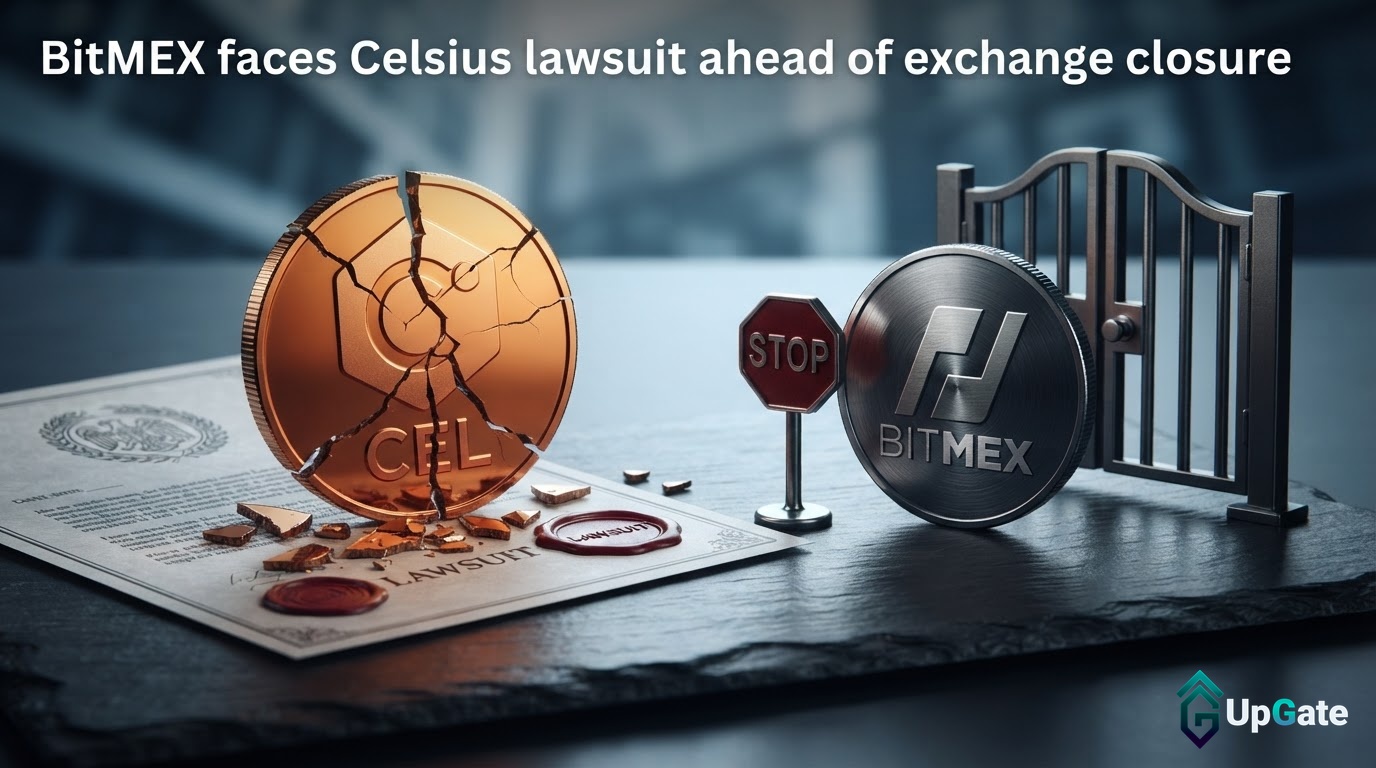
    The bankruptcy estate of cryptocurrency lender Celsius has filed a lawsuit against five companies linked to the BitMEX exchange, accusing them of fraud, market manipulation, and wrongful liquidations during the severe market downturn in March 2020.

    Legal Action Filed in New York

    The complaint, lodged on September 12 in the U.S. Bankruptcy Court for the Southern District of New York, was brought by Celsius entities represented by the estate representative, Blockchain Recovery Investment Consortium (BRIC). The defendants named in the suit are HDR Global Trading, ABS Global Trading, Shine Effort, 100x Holdings, and HDR Global Services.

    Allegations of Seized Bitcoin

    According to the estate’s allegations, BitMEX improperly liquidated and seized a total of 6,360 Bitcoin (BTC), valued at approximately $490 million at the time of the lawsuit’s filing. Specifically, the estate claims that 1,325.84 BTC in collateral was wrongfully liquidated from Celsius on March 12, 2020. The following day, an additional 5,034.33 BTC was seized from the investment fund JST, which has since assigned its claims to the Celsius estate.

    The lawsuit seeks the recovery of this Bitcoin, or its equivalent market value. The filing comes just 11 days before BitMEX is scheduled to cease its exchange services on September 23.

    Claims of Price Manipulation

    The Celsius estate contends that BitMEX exerted control over the prices used to trigger liquidations, the system that executed these sales, and the insurance fund that benefited from some of the liquidated positions. The complaint asserts that certain liquidation orders were executed at prices more than 24% below the next available bid on the platform. Furthermore, it alleges that Bitcoin traded at lower prices on BitMEX compared to competing exchanges as the liquidation process intensified.

    Service Disruption Cited as Evidence

    The estate points to a service disruption experienced by BitMEX on March 13, 2020, as evidence supporting its claim that the exchange’s liquidation engine exacerbated the market sell-off. The lawsuit alleges that liquidation orders ceased when the platform became unavailable, and Bitcoin’s price subsequently recovered. This sequence of events, the estate argues, indicates that forced selling on BitMEX was artificially suppressing the price. BitMEX had previously stated that it experienced two distributed denial-of-service (DDoS) attacks on March 13, 2020.

    Damages Sought

    The Celsius estate is seeking actual damages equivalent to at least 6,360.16 BTC or its current market value, along with the return of the Bitcoin in kind or its equivalent. The complaint also requests statutory damages, punitive damages, any applicable treble damages, profits allegedly earned by BitMEX from these liquidations, and reimbursement for legal fees and costs. The filing notes that additional claims will be quantified at trial.

    Previous Class Action Lawsuit

    This is not the first legal challenge against BitMEX related to liquidations. On July 23, BKX Services and David Namdar filed a separate proposed class action lawsuit, alleging losses of 622.66 BTC through forced liquidations. That complaint suggested an internal trading desk had access to private customer information and continued trading during server freezes. A BitMEX spokesperson previously described that July lawsuit as an “opportunistic claim with no basis” and stated the company would vigorously defend itself.

  • Goldman Sachs Reverses Stance: Fed Rate Hike Expected in October

    Goldman Sachs Reverses Stance: Fed Rate Hike Expected in October

    Goldman Sachs Shifts Stance, Predicts October Fed Rate Hike

    Goldman Sachs has revised its interest rate forecast, now predicting the Federal Reserve will implement another 25-basis-point rate hike in October. This marks a significant pivot from its previous expectation of a pause following the September increase, signaling a “not enough” stance from the influential investment bank. The shift places Goldman Sachs ahead of market expectations in adopting a more hawkish outlook.

    Fed Signals Further Tightening

    Following its September rate hike, which brought the target range to 3.75%-4.00%, the Federal Reserve’s latest dot plot indicated that a majority of policymakers anticipate at least one more increase this year. Fed Chair Kevin Warsh reinforced this hawkish sentiment during a press conference, stating that inflation remains “too high” and that the recent hike merely removed “a dose of accommodation,” with policy not yet reaching restrictive territory. This suggests the Fed itself is signaling the possibility of further rate increases.

    Goldman Sachs Interprets Fed’s Signals

    Goldman Sachs appears to be acting on these signals. According to Reuters, the bank’s revised forecast directly correlates with the Fed’s dot plot and Warsh’s hawkish remarks, effectively translating the Fed’s hints into a concrete rate path. The question is no longer if the Fed will raise rates again, but rather if the market is adequately prepared.

    Market Pricing Adjusts to New Outlook

    The CME FedWatch tool now shows traders assigning a probability of just over 50% to a 25-basis-point hike in October. This aligns with Goldman Sachs’ new prediction but starkly contrasts with the market consensus in early September, which largely anticipated a pause after the September hike. While the market was betting on the Fed concluding its tightening cycle in September just weeks ago, Goldman Sachs is now making it clear that further hawkish action from the Fed is likely.

    Implications for Financial Markets

    This pricing is still considered moderate. As a key influencer of Fed policy pricing, Goldman Sachs typically adjusts its expectations ahead of the broader market. The bank’s decision to include an October hike in its formal report suggests they are privy to stronger supporting data than publicly available market participants, potentially derived from unreleased inflation figures, insights from internal Fed discussions, or an overreliance on Warsh’s hawkish tone.

    Bitcoin’s Resilience Amidst Rate Hike Uncertainty

    Traditionally, interest rate hikes are bearish for cryptocurrency markets due to increased funding costs and pressure on risk assets. However, Bitcoin saw a modest 0.5% increase following the news, holding steady around the $76,000 mark. Previous analysis suggested that a weaker dollar and rising U.S. Treasury yields post-rate hike could benefit Bitcoin. The market appears to have already priced in the immediate impact of rate hikes, now focusing on their marginal effects.

    An alternative explanation for Bitcoin’s stability is that its recent trading range between $75,000 and $78,000 indicates its short-term trajectory is no longer solely dictated by the Fed’s interest rate narrative. On-chain data shows no significant selling by large holders due to the rate hike, nor a sharp decline in ETF inflows. This suggests that the bearish impact of the rate hike was largely absorbed on September 16th, with Goldman Sachs’ revised forecast on the 17th serving as a confirmation of existing headwinds rather than introducing new ones.

    Future Outlook Hinges on Inflation Data

    While Goldman Sachs’ revised forecast warrants attention, it does not guarantee an October rate hike. The Fed’s ultimate decision will depend on upcoming inflation data (CPI, PCE) and labor market indicators over the next few months. If inflation recedes faster than anticipated, Goldman Sachs may adjust its forecast again. Conversely, if inflation proves persistent, their prediction may simply be an early indication of the Fed’s eventual course of action.

    The true focus should be on the longevity of Warsh’s hawkish stance. His assertion that policy has not yet entered restrictive territory implies a lack of consensus within the Fed regarding the timing of a pause. If subsequent statements from Fed officials in the coming weeks continue to lean hawkish, Goldman Sachs’ forecast could become a crucial anchor for market pricing, raising questions about Bitcoin’s ability to maintain its $76,000 level.

  • Seven Democratic Senators Signal Renewed Bipartisan Push for CLARITY Act Ahead of Year-End Deadline

    Seven Democratic Senators Signal Renewed Bipartisan Push for CLARITY Act Ahead of Year-End Deadline

    Seven Democratic senators are signaling a willingness to re-engage in bipartisan negotiations to advance the CLARITY Act before the end of the year, following a recent procedural vote failure in the U.S. Senate. This renewed effort suggests that legislative attempts to establish a framework for stablecoin interest rate mechanisms and clarify the tax classification of digital assets like Bitcoin and Ether are not entirely stalled.

    The CLARITY Act faced a setback on September 16th when it failed a procedural vote with a 49-50 margin, delaying its progression to full Senate debate. Despite this outcome, a group of Democratic senators, including Kirsten Gillibrand, Mark Warner, Ruben Gallego, and Angela Alsobrooks, are reportedly in early discussions to explore the feasibility of reviving the bill. Their commitment to working in a bipartisan manner underscores a desire to find common ground on digital asset regulation.

    Industry figures have reacted to the vote failure with a mix of disappointment and cautious optimism. Ripple CEO Brad Garlinghouse described the result as “heartbreaking,” while Galaxy CEO Mike Novogratz pointed to “ethical differences” as a contributing factor. Senator John Kennedy acknowledged that the vote failure was “not surprising” but emphasized that the bill is “not necessarily dead.”

    The U.S. Senate is set to enter a lame-duck session following the November presidential election, a period often characterized by increased legislative activity. This timeframe presents a narrow window for senators to revise, negotiate, and vote on the CLARITY Act, with the end of 2026 as the target for potential passage. The success of these renewed efforts hinges on the ability of lawmakers to overcome existing hurdles and establish a revised legislative approach.

    If passed by year-end, the CLARITY Act could establish the interest rate mechanism for USD stablecoins, potentially impacting the cost of dollar funding. Furthermore, it aims to clarify the tax classification of Bitcoin and Ether in the U.S., which could lead to corresponding adjustments in compliance rules for Asian exchanges. However, the full impact of such regulatory certainty may not be felt by market participants until the first quarter of the following year, drawing a parallel to Taiwan’s experience with implementing its crypto regulations, which took nearly a year after their announcement.

    Significant uncertainties remain regarding the CLARITY Act’s future. It is unclear whether bipartisan negotiations will successfully restart or what specific ‘repackaged’ approach the bill might take if it is advanced. The exact timeline for the implementation of its provisions, even if passed by year-end, is also uncertain. Additionally, the SEC has indicated it may proceed with its regulatory framework regardless of the CLARITY Act’s passage, adding another layer of complexity to the evolving regulatory landscape for digital assets.

    While the renewed commitment from Democratic senators offers a potential path forward, the legislative process remains challenging. The limited time remaining in the current session and the need for bipartisan consensus mean that the CLARITY Act’s ultimate fate is still undetermined.

    Why This Matters

    The materials describe a narrow update: Following a failed procedural vote on the CLARITY Act in the Senate, seven Democratic senators have expressed their commitment to working in a bipartisan manner to pass the bill by year-end. Whether bipartisan negotiations will successfully restart.

    Broader Context

    Source materials place the factual news in this context: CLARITY Act vote failure in the Senate was postponed until September.

  • Dunamu Partners with Alatau City for Digital Finance Infrastructure Development

    Dunamu Partners with Alatau City for Digital Finance Infrastructure Development

    South Korean company Dunamu has signed a Memorandum of Understanding (MOU) with the Alatau City Administration and Alatau City Bank to develop digital financial infrastructure in Central Asia. The agreement, formalized in Seoul on September 15-16, 2026, aims to establish key digital financial services, including real-world asset tokenization, security token offerings (STOs), stablecoins, and digital payment solutions.

    This partnership is a significant component of the broader Alatau City megaproject, which has an estimated total investment target of $6 billion. Dunamu, known for operating South Korea’s largest cryptocurrency exchange, Upbit, will contribute its technical expertise to the initiative. The Alatau City Administration is expected to handle regulatory coordination and local institutional connections, with Alatau City Bank serving as the operational center for the project.

    As part of the agreement, Alatau City Bank is targeting up to $60 million in tokenization pilots focused on real estate and logistics projects. These programs are slated to launch before the end of 2026, leveraging the infrastructure of the Kazakhstan Stock Exchange. This initiative positions Alatau City as a potential hub for digital finance in Kazakhstan.

    Alatau City Bank has already demonstrated progress in digital payments, having integrated Binance Pay across more than 5,000 point-of-sale terminals. The megaproject has also attracted partnerships with Halyk Bank and Solana for payment integrations, underscoring a broader effort to build a comprehensive digital finance ecosystem.

    While the MOU outlines ambitious goals, several uncertainties remain. The exact nature and success of the pilot programs are yet to be determined, as is the specific regulatory framework that may govern these proposed digital financial services in Kazakhstan. The extent of Dunamu’s technical contribution beyond its established experience and the precise roles of other partners like Halyk Bank, Solana, and Binance in the broader project also require further clarity.

    The signing of the MOU coincided with Kazakh President Kassym-Jomart Tokayev’s state visit to Seoul, suggesting a deliberate diplomatic effort to foster technology partnerships within Kazakhstan’s emerging fintech sector. The success of the tokenization pilots by the end of 2026 could serve as a key indicator of Alatau City’s progress towards its digital finance hub ambitions.

    Broader Context

    Source materials place the factual news in this context: Dunamu is the company behind South Korea’s largest crypto exchange Upbit.

    Why This Matters

    This partnership signifies a significant move towards establishing digital financial infrastructure in Central Asia, with potential implications for tokenization, stablecoins, and payment solutions. The agreement between Dunamu, Alatau City Administration, and Alatau City Bank aims to develop these services, with specific targets for tokenization pilots by 2026. However, the full success and regulatory landscape remain to be seen, highlighting the developing nature of this story.

  • XRP’s 70% Surge Preceded by 85 Millionaire Wallet Activity

    XRP’s 70% Surge Preceded by 85 Millionaire Wallet Activity

    Early On-Chain Signal Preceded XRP’s 70% Rally

    XRP’s recent 70% surge may have been foreshadowed by an early on-chain indicator. Analytics firm Santiment observed the emergence of 85 new wallets, each holding at least 1 million XRP tokens, just two days prior to the price increase observed between August 17th and 21st.

    This development is significant because large-scale holders, often referred to as “whales,” possess the capacity to absorb substantial supply and bolster buying pressure. Their transactions can also shift liquidity more rapidly than those of retail traders, and changes in their wallet numbers have frequently preceded significant price movements in XRP.

    Developments on the XRP Ledger

    Beyond price action, the XRP Ledger is also experiencing notable activity. Ripple has provided backing for an RLUSD credit fund specifically targeting fintech and payments lending on the XRPL. Furthermore, investments from ZILO and Licuido have introduced tokenization, transfer agency, and collateral mobility capabilities to Ripple’s existing infrastructure.

    Constructive Outlook for the Remainder of the Year

    Looking ahead, Santiment views the current market setup for XRP as constructive. The number of whale wallets remains elevated, while the introduction of RLUSD enhances settlement utility. Additionally, institutional interest in tokenization is providing XRP with a narrative that extends beyond retail speculation.

    AI Integration in Ripple’s Treasury Operations

    In parallel, artificial intelligence is increasingly being integrated into Ripple’s treasury operations. The company recently announced the expansion of its GSmart platform to manage a broader spectrum of tasks for enterprise finance teams. These enhanced capabilities encompass forecasting, liquidity management, risk assessment, reconciliation, and reporting, and are already being utilized by Ripple’s enterprise clientele.

    Regulatory Setback Impacts XRP

    Despite previous gains, XRP experienced a significant downturn among major cryptocurrencies following the U.S. Senate’s failure to advance the CLARITY Act. This legislative development represents a considerable blow to an industry that has actively lobbied for a comprehensive regulatory framework in the United States. Over the past 24 hours, the token has seen a decline of more than 8%.

    The broader cryptocurrency market also experienced widespread losses by Tuesday afternoon.

    Analyst Views on XRP’s Price Trajectory

    Crypto analyst Diana indicated that XRP could face further downward pressure after losing the $1.34 support level and rapidly falling towards $1.26. This move has weakened its prior bullish outlook, which had projected a target range of $1.70-$1.78. Bulls will now need to defend the $1.24-$1.26 area.

    Should this level fail, the analyst suggested that the $1.14-$1.10 range could come into focus, followed by the $1.00 mark if XRP drops below $1.1. Diana also noted that XRP’s one-hour Relative Strength Index (RSI) had fallen close to 21, placing the token in deeply oversold territory, which could potentially trigger a short-term bounce.

    Continued Inflows for Spot XRP ETFs

    On the institutional front, U.S.-based spot XRP Exchange Traded Funds (ETFs) continue to attract capital. In August alone, these funds have seen inflows exceeding $43 million. If this trend persists, these ETFs could extend their streak of consecutive weekly inflows to 10.

  • SEC Chair: CLARITY Act Update Coming Soon

    SEC Chair: CLARITY Act Update Coming Soon

    SEC Pledges Action on Investor Certainty, Regardless of Legislation

    Securities and Exchange Commission Chairman Paul Atkins expressed gratitude to all parties involved in advancing the CLARITY Act, including administration officials, members of Congress, investors, and innovators. He reaffirmed the SEC’s commitment to proceeding with regulatory actions, irrespective of the bill’s legislative fate.

    “I have been unequivocal: with or without legislation, we will act decisively within the SEC’s statutory authority to deliver certainty for American investors and for the entrepreneurs shaping our technological future,” Atkins stated. “Stay tuned.”

    Agency-Level Regulatory Moves Highlighted

    Atkins’ remarks came on the heels of a separate announcement detailing the SEC’s recent regulatory initiatives. He characterized these moves as reflecting a deliberate effort to ensure Commission rules remain within the agency’s statutory authority while adapting to current and anticipated market practices.

    The SEC proposed rescinding Rule 14a-8, asserting that the rule extends beyond the agency’s statutory scope and encroaches upon matters of state law. Additionally, the Commission proposed amendments to Rule 14a-4(c), intended to grant companies greater flexibility and shareholders enhanced control over proposals subject to discretionary proxy voting authority.

    House Advances Cryptocurrency Tax Legislation

    In parallel developments, the House Ways and Means Committee voted 38-5 to advance the Digital Asset Tax Certainty Act. This legislation aims to simplify the tax treatment of small cryptocurrency transactions, provide clarity on stablecoin handling, and address regulations pertaining to mining, staking, and wash sales. The bill now requires full House approval before it can proceed to the Senate.

    The proposed legislation would exempt cryptocurrency transactions and network fees under $10 from capital gains tax, with specific exceptions. It also encompasses provisions for staking, mining, tokenized assets, wash sales, and rules governing cryptocurrency brokers.

    Second Legislative Proposal Under Consideration

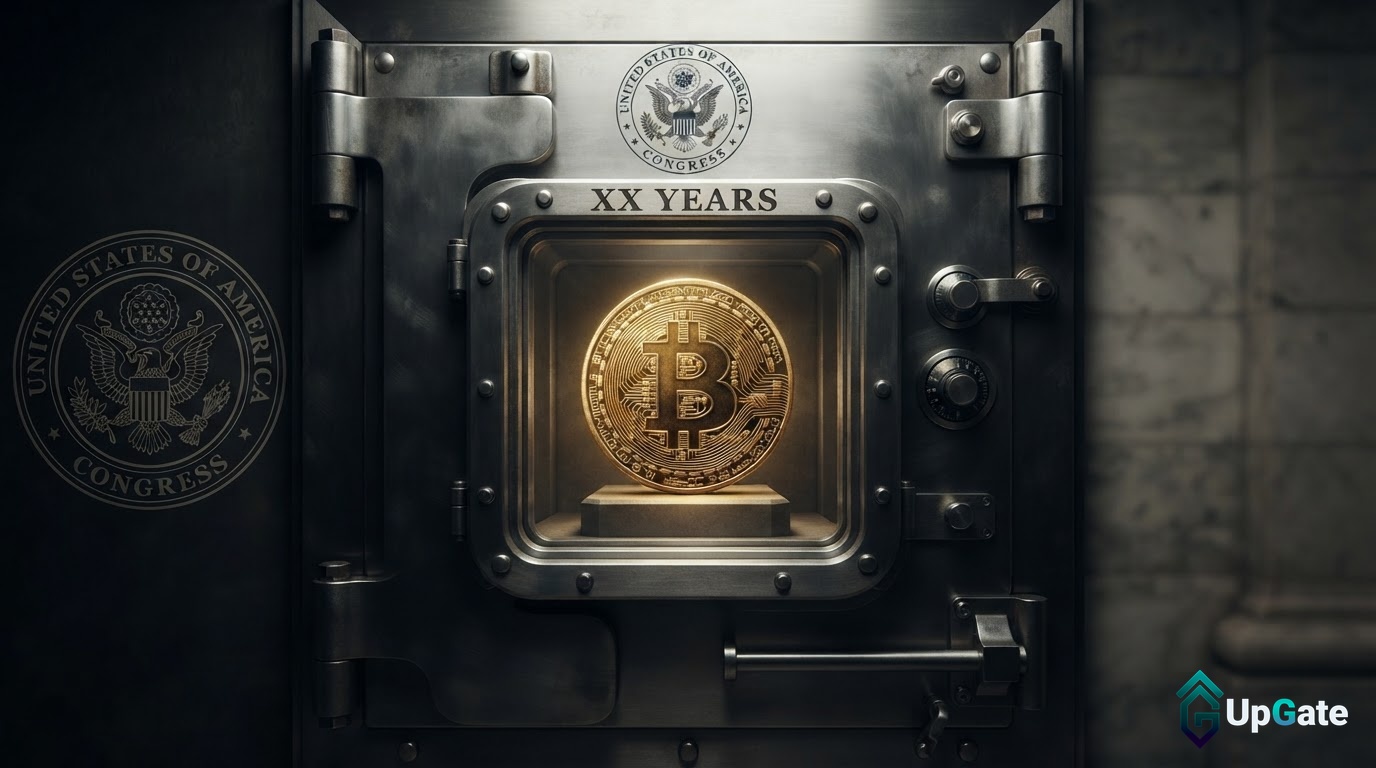
    In addition to the tax bill, lawmakers are also reviewing the Strategic Bitcoin Reserve Bill. This proposal would place a 20-year lock on the approximately $25 billion in Bitcoin currently held by the U.S. government.

    Shifting Legislative Landscape

    With the CLARITY Act facing delays in the Senate, the focus in Washington has pivoted towards more specific and targeted measures. This includes regulatory rulemaking by the SEC on one front, and House-level tax and reserve legislation on another, rather than the comprehensive market structure framework originally envisioned by the CLARITY Act.

  • US House Committee Advances Bill to Institutionalize Bitcoin Reserves with 20-Year Freeze

    US House Committee Advances Bill to Institutionalize Bitcoin Reserves with 20-Year Freeze

    The US House Financial Services Committee has passed the American Reserve Modernization Act (H.R. 8957), a bill that seeks to institutionalize Bitcoin reserves by mandating a 20-year freeze on confiscated cryptocurrency. The legislation advanced on June 16 with a vote of 28-21.

    The bill aims to codify a policy that would require Bitcoin confiscated by the government to be held for a minimum of 20 years, preventing its sale. Additionally, it mandates quarterly transparency audits and proof-of-reserve reports for these digital assets. This move could transform Bitcoin from a liquidatable law enforcement asset into a long-term national reserve asset, comparable to gold reserves.

    According to the bill, the US government currently holds approximately 324,527 Bitcoin, valued at around $24.7 billion at the time of writing. The bill proposes consolidating confiscated Bitcoin into a ‘Strategic Bitcoin Reserve’ and other confiscated crypto assets into a ‘Digital Asset Stockpile’ managed by the Treasury Department. The current fragmented custody of these assets poses cybersecurity risks and lacks accountability.

    Introduced by Representative Nicholas Begich on May 21, the American Reserve Modernization Act also acknowledges the right to private Bitcoin ownership and self-custody. The bill defines ‘holding private keys’ as a foundational principle of financial sovereignty, privacy, and individual liberty in the digital age. This federal recognition of self-custody rights is considered a significant development in cryptocurrency policy.

    While the bill has passed the committee stage, it still requires approval from the full House and Senate, presenting potential obstacles. The exact implementation details and the potential impact on the Bitcoin market are yet to be determined.

    The bill allows for research into ‘budget-neutral’ Bitcoin expansion strategies and permits state governments to store their Bitcoin holdings within the Federal Reserve system. Much of the government’s Bitcoin holdings were seized from dark web markets like Silk Road.

    If enacted, this legislation would mark the first time the US government legally recognizes Bitcoin as a national reserve asset. The bill’s passage through the committee is seen by some as increasingly likely due to Republican control in Congress and a potential shift in former President Trump’s stance on Bitcoin.

    Why This Matters

    The materials describe a narrow update: The US House Financial Services Committee passed the American Reserve Modernization Act (H. The bill still needs to pass the full House and Senate.

    Broader Context

    Source materials place the factual news in this context: The bill was proposed by Representative Nicholas Begich on May 21.