Blog

  • Ethereum Liquidity Dips to 35-45% of Bitcoin’s Amid Divergent Market Depth Trends

    Ethereum Liquidity Dips to 35-45% of Bitcoin’s Amid Divergent Market Depth Trends

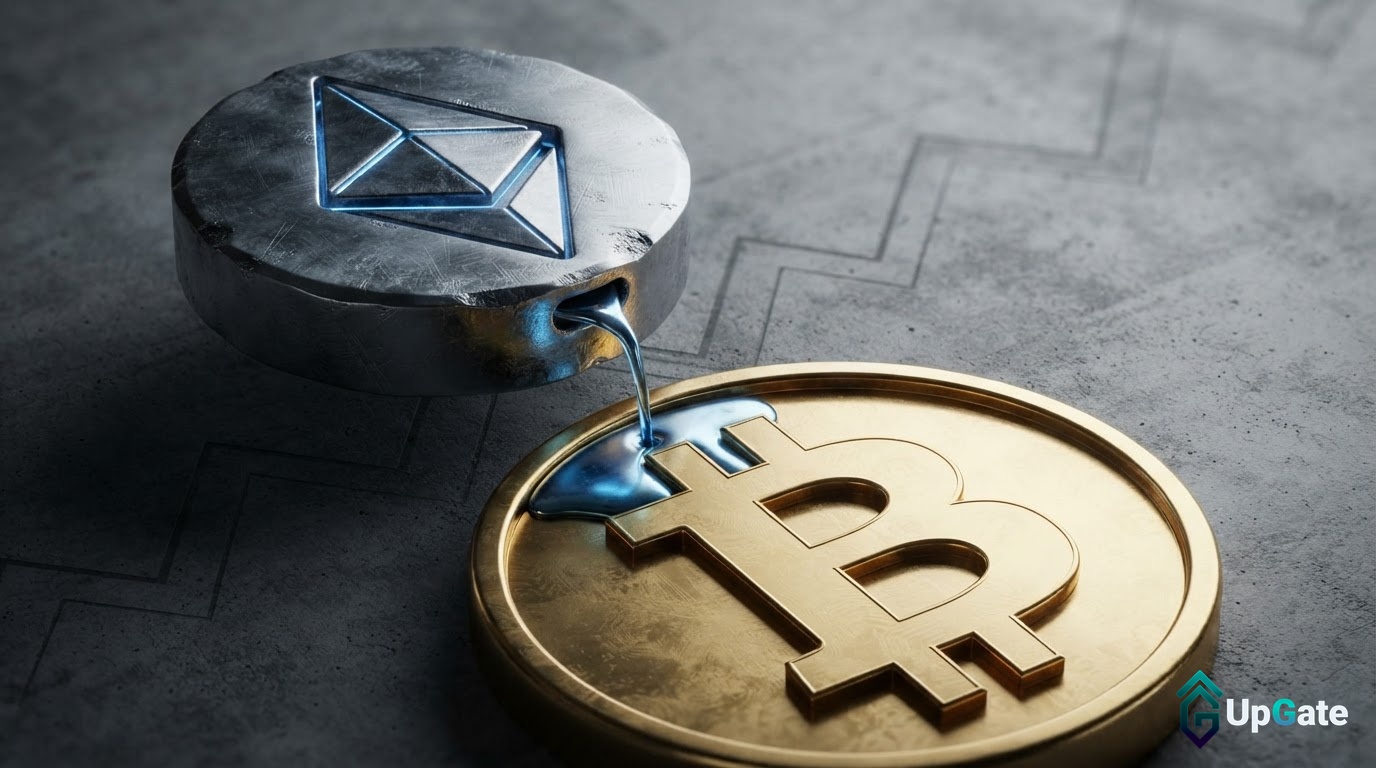
    Ethereum’s market liquidity has fallen to between 35% and 45% of Bitcoin’s level, a significant decrease from over 60% a year ago, according to a CoinGecko analysis of order-book depth across eight major centralized exchanges. The report, published by Traders Union on September 30, 2026, highlights a divergence where Bitcoin’s liquidity has substantially improved while Ethereum’s has remained relatively flat.

    Quantifying the Shift in Market Depth

    Ethereum’s median market depth across these exchanges is currently between $13 million and $14 million. In contrast, Bitcoin’s median aggregate depth stands at approximately $29 million on the bid side and $37 million on the ask side. This represents a roughly 50% increase in Bitcoin’s median aggregate depth compared to 2025.

    The analysis measured order-book depth at approximately 0.15% from the mid-price. For Bitcoin, this translates to about $100 on either side of the mid-price, while for Ethereum, it equates to approximately $3. Binance was identified as leading in liquidity for both cryptocurrencies among the studied exchanges, with MEXC showing liquidity around $450,000.

    Drivers and Implications of the Liquidity Gap

    The widening gap is attributed not to a decline in Ethereum’s absolute liquidity, but rather to Bitcoin’s significant gains. This shift in relative liquidity could influence how large trades are structured. Algorithmic traders and institutions that divide orders across different venues may need to account for Ethereum’s shallower order book, particularly during volatile periods when spreads tend to widen.

    Interpretations suggest that increased institutional interest in Bitcoin, potentially driven by spot exchange-traded products, could be a factor in the deeper order books observed for Bitcoin. Despite Ethereum’s own spot ETF approvals, it has not attracted the same scale of order-book commitment, according to the analysis. These market dynamics reflect a steady evolution rather than a sudden shift.

    The report notes that the gap between Ethereum’s and Bitcoin’s liquidity is now substantial enough to impact trading strategies. While Bitcoin’s liquidity has seen considerable improvement, Ethereum’s has remained largely stagnant in absolute terms, leading to the decreased ratio. The exact figures for Bitcoin’s median market depth in 2025 remain uncertain, as does the precise scale of order-book commitment attracted by Ethereum’s spot ETFs.

    Why This Matters

    The materials describe a narrow update: Ethereum’s median market depth across eight major centralized exchanges is now between $13 to $14 million, representing 35-45% of Bitcoin’s liquidity. The exact figures for Bitcoin’s median market depth in 2025.

    Broader Context

    Source materials place the factual news in this context: A CoinGecko analysis of order-book depth across eight major centralized exchanges.

  • OKX Seeks SEC Approval for Tokenized Stock Trading in US

    OKX Seeks SEC Approval for Tokenized Stock Trading in US

    OKX Seeks US Entry with Tokenized Stock Platform

    New York, NY – Cryptocurrency exchange OKX has filed with the U.S. Securities and Exchange Commission (SEC) to launch a tokenized-stock trading platform in the United States, according to a report by Bloomberg.

    The filing had not yet appeared in public SEC records as of early October, but the timing aligns with recent regulatory developments. Washington has recently established a formal framework for this type of trading.

    OKX is no stranger to tokenized equities. In July 2026, the company introduced its “Unified Tokenized Stocks” product line, also known as xStocks-powered products. Initially, this offering featured over 40 U.S. stocks and exchange-traded funds (ETFs). By September 2026, the selection had expanded to more than 70, available through a dedicated Money app.

    These tokens allow users to trade around the clock, 24/7, with prices pegged against the USDT stablecoin. Settlements are processed on the Solana blockchain and on X Layer, OKX’s proprietary network. The tokens are backed one-to-one by underlying shares held by third-party issuers, with OKX acting as a distributor rather than the issuer.

    Currently, these products are subject to Regulation S, an SEC rule governing securities offered outside the U.S. Consequently, they are not accessible to U.S. persons or users in the European Union. Despite being backed by actual shares, these tokens are classified as synthetic. Token holders gain price exposure but do not receive shareholder rights such as dividends or voting privileges.

    Regulatory Shift Paves Way for New Opportunities

    The regulatory landscape for tokenized securities shifted significantly on September 17, 2026, when the SEC introduced a five-year “Innovation Exemption.” This exemption permits qualified Tokenized Securities Venues (TSVs) to trade tokenized National Market System (NMS) stocks on-chain. NMS stocks generally refer to shares listed on major U.S. exchanges. Trading under this exemption can occur through approved automated market makers and liquidity pools.

    The exemption is set to expire on September 17, 2031, and carries a crucial condition: tokens must preserve actual shareholder rights, including dividends and voting. This stipulation presents a challenge for OKX’s existing Unified Tokenized Stocks, which are synthetic and do not currently meet this requirement. Simply enabling access for U.S. users would not qualify these products under the new exemption.

    OKX Pursues U.S. Market Through Joint Venture

    OKX is also pursuing entry into the U.S. market through a separate initiative. In June 2026, the company announced a joint venture with Intercontinental Exchange, the parent company of the New York Stock Exchange (NYSE). This venture, branded OKXICE, aims to offer tokenized NYSE equities once it obtains the necessary U.S. broker-dealer and futures commission merchant (FCM) statuses.

    These approvals are currently pending with the SEC and the Commodity Futures Trading Commission (CFTC). A broker-dealer license authorizes a firm to handle securities trades for clients, while FCM status pertains to futures and derivatives business regulated by the CFTC.

    Future Outlook for OKX in the U.S.

    For OKX, establishing a U.S. tokenized-stock platform would unlock access to the world’s largest equity market, a market currently excluded from its flagship product’s reach. The limitations imposed by Regulation S have capped the scope of its offerings, regardless of the number of securities added.

    The Innovation Exemption incentivizes tokens that incorporate full shareholder rights. Any U.S. platform launched by OKX would likely need to differ from its current synthetic offshore tokens, necessitating the distribution of real dividends and the attachment of actual voting rights to each token.

    Key developments to monitor include the public release of OKX’s filing and the specific structure it outlines. Additionally, it will be important to observe whether OKX’s proposed U.S. product is designed to qualify as a TSV under the Innovation Exemption, and how the SEC and CFTC rule on OKXICE’s broker-dealer and FCM applications.

  • اوکی‌ایکس برای عرضه سهام توکنیزه در آمریکا به کمیسیون بورس و اوراق بهادار مراجعه کرد

    اوکی‌ایکس برای عرضه سهام توکنیزه در آمریکا به کمیسیون بورس و اوراق بهادار مراجعه کرد

    OKX برای راه‌اندازی پلتفرم معاملاتی سهام توکنیزه در آمریکا اقدام کرد

    به گزارش بلومبرگ، صرافی ارز دیجیتال OKX با کمیسیون بورس و اوراق بهادار آمریکا (SEC) برای راه‌اندازی پلتفرم معاملاتی سهام توکنیزه در ایالات متحده پرونده‌ای را ثبت کرده است.

    این پرونده تا اوایل ماه اکتبر در سوابق عمومی SEC منتشر نشده بود، اما زمان‌بندی آن منطقی به نظر می‌رسد، چرا که واشنگتن به تازگی مسیری رسمی برای این نوع معاملات ایجاد کرده است.

    OKX با سهام توکنیزه بیگانه نیست. این صرافی در تاریخ ۱۵ تا ۱۶ ژوئیه ۲۰۲۶، خط تولیدی به نام “سهام توکنیزه یکپارچه” (Unified Tokenized Stocks) را معرفی کرد که به عنوان محصولات مبتنی بر xStocks نیز شناخته می‌شوند. در ابتدا، این مجموعه شامل بیش از ۴۰ سهام و ETF آمریکایی بود و تا سپتامبر ۲۰۲۶، این تعداد به بیش از ۷۰ مورد افزایش یافت و از طریق اپلیکیشن اختصاصی Money ارائه شد.

    کاربران می‌توانند این توکن‌ها را به صورت ۲۴ ساعته و ۷ روز هفته، با قیمت‌گذاری در برابر استیبل‌کوین USDT، معامله کنند. تسویه معاملات در شبکه‌های Solana و X Layer، شبکه اختصاصی OKX، انجام می‌شود. این توکن‌ها به نسبت ۱:۱ توسط سهام زیربنایی که توسط صادرکنندگان شخص ثالث نگهداری می‌شوند، پشتیبانی می‌شوند و OKX به عنوان توزیع‌کننده عمل می‌کند، نه صادرکننده.

    این محصولات تحت مقررات Regulation S، که قوانین SEC برای اوراق بهادار ارائه شده در خارج از آمریکا را تنظیم می‌کند، محدود شده‌اند و برای اشخاص آمریکایی و همچنین کاربران اتحادیه اروپا در دسترس نیستند. با وجود پشتیبانی سهام، محصولات فعلی به عنوان “ترکیبی” (synthetic) طبقه‌بندی می‌شوند. دارندگان توکن از نوسانات قیمت بهره‌مند می‌شوند، اما حقوق سهامداری مانند سود سهام و حق رأی را دریافت نمی‌کنند.

    تغییرات نظارتی و فرصت‌های جدید

    زمینه نظارتی در ۱۷ سپتامبر ۲۰۲۶ تغییر کرد. در این روز، SEC “معافیت نوآوری” (Innovation Exemption) پنج ساله را معرفی کرد. این معافیت به “مکان‌های مجاز اوراق بهادار توکنیزه” (Tokenized Securities Venues – TSVs) اجازه می‌دهد تا سهام سیستم بازار ملی (National Market System – NMS) را به صورت آن‌چین معامله کنند. سهام NMS به طور کلی شامل سهامی است که در بورس‌های اصلی آمریکا فهرست شده‌اند. معاملات می‌تواند از طریق بازارسازان خودکار و استخرهای نقدینگی تأیید شده انجام شود.

    این معافیت تا ۱۷ سپتامبر ۲۰۳۱ اعتبار دارد و با یک شرط اساسی همراه است: توکن‌ها باید حقوق واقعی سهامداری، از جمله سود سهام و حق رأی را حفظ کنند. این شرط برای OKX اهمیت زیادی دارد، زیرا سهام توکنیزه یکپارچه فعلی آن، به دلیل ماهیت ترکیبی، با چارچوب جدید مطابقت ندارد و صرفاً فعال کردن دسترسی برای کاربران آمریکایی، این محصولات را تحت پوشش معافیت قرار نمی‌دهد.

    مسیر OKX به بازار آمریکا از طریق سرمایه‌گذاری مشترک

    OKX مسیر دیگری را نیز برای ورود به بازار آمریکا در دست اقدام دارد. در ژوئن ۲۰۲۶، این صرافی از سرمایه‌گذاری مشترک با Intercontinental Exchange، شرکت مادر بورس نیویورک (NYSE)، خبر داد. این سرمایه‌گذاری مشترک با نام OKXICE شناخته می‌شود و هدف آن ارائه سهام توکنیزه NYSE پس از کسب مجوزهای کارگزار-معامله‌گر (broker-dealer) و کارگزار-تاجر آتی (futures commission merchant) در آمریکا است.

    این مجوزها هنوز در انتظار تأیید SEC و کمیسیون معاملات آتی کالا (CFTC) هستند. مجوز کارگزار-معامله‌گر به یک شرکت اجازه می‌دهد تا معاملات اوراق بهادار را برای مشتریان انجام دهد، در حالی که وضعیت کارگزار-تاجر آتی، کسب و کار معاملات آتی و مشتقه را تحت نظارت CFTC پوشش می‌دهد.

    برای OKX، یک پلتفرم سهام توکنیزه در آمریکا، بزرگترین بازار سهام جهان را باز خواهد کرد؛ بازاری که در حال حاضر محصول اصلی این صرافی از آن غافل است. دیوار Regulation S، دامنه ارائه این صرافی را محدود کرده است، صرف نظر از تعداد نمادهایی که اضافه می‌کند. معافیت نوآوری به توکن‌هایی که حقوق کامل سهامداری را دارند، پاداش می‌دهد. هر پلتفرم آمریکایی از سوی OKX احتمالاً باید با توکن‌های ترکیبی که در خارج از کشور می‌فروشد، متفاوت باشد و نیازمند پرداخت واقعی سود سهام به دارندگان توکن و تخصیص واقعی حق رأی به هر واحد باشد.

    تحولات آتی که باید رصد شوند:

    • آیا پرونده OKX عمومی خواهد شد و چه ساختاری را توصیف می‌کند؟
    • آیا محصول آمریکایی OKX برای واجد شرایط شدن به عنوان TSV تحت معافیت نوآوری طراحی شده است؟
    • SEC و CFTC چگونه در مورد درخواست‌های مجوز کارگزار-معامله‌گر و FCM برای OKXICE تصمیم‌گیری خواهند کرد؟
  • بیت‌ورز خزانه PAPY را برای وام‌دهی مبتنی بر USDC به Arc سیرکل آورد

    بیت‌ورز خزانه PAPY را برای وام‌دهی مبتنی بر USDC به Arc سیرکل آورد

    بیت‌ویو صندوق دارایی‌های واقعی خود را به بلاک‌چین Arc معرفی کرد

    شرکت مدیریت دارایی بیت‌ویو (Bitwise Asset Management) صندوق دارایی‌های واقعی ممتاز خود، که بیشتر با نام PAPY شناخته می‌شود، را به بلاک‌چین Arc متعلق به Circle منتقل کرده است. این صندوق اکنون در رتبه‌بندی بازدهی در میان صندوق‌های Morpho در این شبکه پیشتاز است و بازده سالانه خالص (APY) ۴.۷۹ درصدی را به ثبت رسانده است.

    این توسعه در تاریخ ۱۶ سپتامبر ۲۰۲۶، همزمان با راه‌اندازی عمومی شبکه اصلی Arc، اجرایی شد. محصول جدید که PAPY-USDC نام دارد، بر روی پروتکل وام‌دهی Morpho و با استفاده از معماری Vault V2 آن اجرا می‌شود.

    کاربران در این صندوق USDC واریز می‌کنند و صندوق این وجوه را به وام‌گیرندگانی که دارایی‌های واقعی توکنیزه شده (RWAs) را به عنوان وثیقه ارائه می‌دهند، وام می‌دهد. این وام‌ها بیش از حد وثیقه‌گذاری شده‌اند؛ به این معنی که وام‌گیرندگان باید ارزشی بیش از آنچه دریافت می‌کنند، قفل کنند، که این امر در صورت بروز مشکلات، حاشیه‌ای امن برای وام‌دهندگان فراهم می‌آورد.

    وثایق پذیرفته شده شامل PST و sUSDai از Huma Finance است. این صندوق همچنین ممکن است به بازارهای cirBTC نیز تخصیص یابد و یک مسیر بالقوه دیگر برای وام‌دهی اضافه کند.

    بیت‌ویو به عنوان متولی عمل می‌کند اما ماهیت غیرامانی خود را حفظ می‌کند. این شرکت هرگز وجوه واریزکنندگان را مستقیماً در اختیار ندارد. در عوض، قوانین را تعیین می‌کند: کدام وثیقه واجد شرایط است، نسبت‌های وام به ارزش (LTV) اعمالی چگونه است و صندوق از کدام مدل‌های نرخ بهره استفاده می‌کند.

    PAPY-USDC بازده سالانه متغیری بین ۵ تا ۶ درصد را هدف قرار داده است. تا اوایل اکتبر ۲۰۲۶، این صندوق بازده سالانه خالص بین ۴.۸ تا ۵.۵۵ درصد را گزارش کرده بود و اپلیکیشن Morpho نیز بازده ۴.۷۹ درصدی را نشان می‌داد.

    ساختار کارمزد این صندوق سبک است. بیت‌ویو کارمزد مدیریتی تقریباً ۰.۳۹ تا ۰.۴ درصد دریافت می‌کند و هیچ کارمزد عملکردی وجود ندارد.

    واریزهای اولیه

    واریزها هنوز در مقیاس کم هستند. در اوایل اکتبر ۲۰۲۶، این صندوق بین ۴۱۸ هزار تا ۴۲۲ هزار دلار USDC در اختیار داشت. ظرفیت این صندوق به حدود ۱ میلیارد دلار محدود شده است.

    این صندوق از استاندارد ERC-4626 پیروی می‌کند و هیچ الزامی برای قفل کردن وجوه ندارد. واریزکنندگان می‌توانند هر زمان که بخواهند برداشت کنند، مشروط بر نقدینگی موجود در صندوق.

    سابقه فعالیت

    Arc اولین مقصد برای PAPY نیست. بیت‌ویو در تاریخ ۲ سپتامبر ۲۰۲۶ یک صندوق PAPY-AUSD را در اتریوم راه‌اندازی کرد که در عرض دو هفته بیش از ۲۰ میلیون دلار سپرده جذب کرد.

    نسخه Arc تنها دو هفته پس از راه‌اندازی در اتریوم عرضه شد. تفاوت کلیدی در ارز مورد استفاده است: صندوق Arc از ابتدا بر پایه USDC ساخته شده است.

    بیت‌ویو با ۹ میلیارد دلار دارایی مشتری، حضوری تثبیت شده در این حوزه دارد.

    اهمیت برای Morpho

    برای Morpho، این توسعه نقش آن را به عنوان زیرساختی که متولیان می‌توانند در شبکه‌های متعدد مستقر کنند، تقویت می‌کند. بیت‌ویو اکنون PAPY را بر روی Morpho هم در اتریوم و هم در Arc اجرا می‌کند.

    بازدهی این صندوق متغیر بوده و در گزارش‌های اخیر بین ۴.۸ تا ۵.۵۵ درصد در نوسان بوده و گاهی اوقات از هدف ۵ تا ۶ درصدی پایین‌تر آمده است. کیفیت وثیقه متغیر کلیدی دیگر است: بیش از حد وثیقه‌گذاری کردن محافظت ایجاد می‌کند، اما ایمنی صندوق در نهایت به میزان حفظ ارزش و نقدینگی دارایی‌هایی مانند PST و sUSDai از Huma بستگی دارد.

  • Zcash در واشنگتن؛ ۷۵۰ هزار دلار برای لابی‌گری Clarity Act

    Zcash در واشنگتن؛ ۷۵۰ هزار دلار برای لابی‌گری Clarity Act

    Zcash اکوسیستم گروه لابی اختصاصی خود را تأسیس کرد

    اکوسیستم Zcash با تأسیس گروه لابی‌گری اختصاصی خود، Pretty Good Policy for Zcash (PGPZ)، گامی مهم در جهت تأثیرگذاری بر سیاست‌گذاری‌های مربوط به دارایی‌های دیجیتال در ایالات متحده برداشته است. این گروه رسماً در دفتر افشای لابی‌گری (LDA) آمریکا ثبت شده و با نمایندگی Divij Pandya، افسر سابق سیاست‌گذاری در حوزه رمزارزها، فعالیت خود را آغاز کرده است. هدف اصلی PGPZ، پیشبرد قانون Clarity Act و دو لایحه اصلاح مالیات دارایی‌های دیجیتال است. بودجه سال اول فعالیت این گروه، که ۷۵۰ هزار دلار است، از طریق کمک‌های مالی Zcash Community Grants در ماه اوت تأمین شده است.

    ورود PGPZ به عرصه واشنگتن

    PGPZ که از اول اکتبر فعالیت خود را آغاز کرده، با هدف تضمین مشارکت «مستحکم، سازمان‌یافته و معتبر» Zcash در سیاست‌گذاری‌های واشنگتن تأسیس شده است. Divij Pandya به عنوان تنها نماینده ثبت شده این گروه، بر اهمیت درک و دفاع از Zcash در بحث‌های کلیدی پیرامون آینده پول نقد دیجیتال خصوصی، مشروعیت استفاده از آن و منافع عمومی که می‌تواند ارائه دهد، تأکید کرده است. این اقدام نشان‌دهنده تغییر استراتژی نظارتی اکوسیستم Zcash از «ابتکارات گسترده رمزارزی» به «پیشبرد پروژه‌های خاص» است.

    اهداف کلیدی PGPZ

    مهم‌ترین اهداف سیاست‌گذاری PGPZ شامل قانون Clarity Act (قانون شفافیت بازار دارایی‌های دیجیتال) و دو پیشنهاد اصلاح مالیات دارایی‌های دیجیتال است. قانون Clarity Act که از سال ۲۰۲۳ مطرح شده، به دنبال روشن کردن مسئولیت‌های نظارتی بر دارایی‌های دیجیتال (بین SEC و CFTC) و ایجاد چارچوب ثبت و راهنمایی‌های انطباق است. اولویت دادن به این قانون توسط Zcash، آینده پول‌های خصوصی را به شفافیت کلی نظارتی در حوزه رمزارزها گره می‌زند.

    در بخش مالیات، اگرچه نام لوایح مشخص نشده، اما با توجه به پیشنهادات موجود در واشنگتن، احتمالاً موضوعاتی مانند آستانه گزارش‌دهی سالانه (معافیت تا سقف ۱۰ هزار دلار) و معیارهای شناسایی درآمد DeFi و رمزارزها مطرح خواهد بود. این مفاد تأثیر مستقیمی بر هزینه‌های انطباق کاربران پول خصوصی دارند. هرچه الزامات شفافیت مالیاتی بیشتر باشد، قابلیت‌های حفظ حریم خصوصی Zcash بیشتر در «منطقه خاکستری» قرار می‌گیرد. برعکس، اگر مالیات‌ها شفاف‌سازی شوند، Zcash می‌تواند در چارچوب «ابزار حفظ حریم خصوصی قانونی» وارد بازار انطباق شود.

    زمان‌بندی و سیگنال‌های استراتژیک

    زمان‌بندی تأسیس گروه لابی‌گری اختصاصی Zcash قابل توجه است. با نزدیک شدن به فعال‌سازی ارتقاء NU7 در ماه نوامبر (شامل لایه توسعه Tachyon و هدف بلوک ۲۵ ثانیه‌ای) و افزایش قیمت ZEC و ورود سرمایه ETF در ماه‌های اخیر، Zcash دوباره در کانون توجه بازار قرار گرفته است. ورود به عرصه لابی‌گری در این مقطع، حداقل دو سیگنال را منتقل می‌کند: اول اینکه اکوسیستم Zcash معتقد است محیط نظارتی برای پول‌های خصوصی در آمریکا به مرحله‌ای رسیده که «قابل لابی‌گری و مذاکره» است، نه صرفاً مرحله‌ای برای پذیرش انفعالی فشارها. دوم اینکه Zcash قصد دارد خود را از اتهام «ابزار پولشویی» به «زیرساخت حفظ حریم خصوصی مالی» تبدیل کند و به تصمیم‌گیرندگان نشان دهد که تراکنش‌های محافظت‌شده (shielded transactions) می‌توانند با اهداف انطباق‌پذیری همزیستی داشته باشند.

    نکات کلیدی برای رصد آینده

    هزینه‌های لابی‌گری PGPZ در سال اول فعالیت، به صورت فصلی به LDA گزارش خواهد شد. این داده‌ها می‌توانند به عنوان شاخص پیشرو برای سنجش روند نظارت واشنگتن بر پول‌های خصوصی عمل کنند. اگر هزینه‌های فصلی PGPZ به طور مداوم افزایش یابد و تعداد نمایندگان کنگره‌ای که با آن‌ها تعامل می‌شود، افزایش یابد، نشان‌دهنده اثربخشی استراتژی لابی‌گری Zcash خواهد بود. برعکس، اگر قانون Clarity Act در کنگره با مانع مواجه شود یا پیشنهادهای مالیاتی شامل بندهای نامطلوب برای پول‌های خصوصی شوند، Zcash ممکن است مجبور به بازنگری در مسیر سیاست‌گذاری خود شود.

  • بیت‌کوین به ۸۶ هزار دلار رسید، اتریوم ۲۷۴۰ دلار؛ بازار صعودی، لیکوییدیشن بیش از ۱۰۰ میلیون دلار، شاخص طمع افزایش یافت

    بیت‌کوین به ۸۶ هزار دلار رسید، اتریوم ۲۷۴۰ دلار؛ بازار صعودی، لیکوییدیشن بیش از ۱۰۰ میلیون دلار، شاخص طمع افزایش یافت

    بازار ارزهای دیجیتال در آغاز هفته با رنگ سبز، بیت‌کوین بالای ۸۶ هزار دلار و اتریوم بالای ۲۷۲۸ دلار

    بازار ارزهای دیجیتال هفته جدید را با روندی صعودی آغاز کرده است. در صبح امروز (پنجم ماه)، بیت‌کوین (BTC) با قیمت ۸۶,۵۷۸ دلار تثبیت شد که نشان‌دهنده رشد ۲.۱ درصدی در ۲۴ ساعت گذشته و بازپس‌گیری سطح ۸۶,۰۰۰ دلاری است. اتریوم (ETH) نیز همگام با بیت‌کوین به ۲,۷۲۸ دلار رسید و ۱.۲۷ درصد رشد را ثبت کرد. سولانا (SOL) و ریپل (XRP) نیز به ترتیب با رشد ۰.۸۳ و ۲.۲۸ درصدی همراه بودند. با این حال، مجموع لیکویید شدن در سراسر شبکه از ۱۲۹ میلیون دلار فراتر رفت و بیش از ۴۱ هزار معامله‌گر دچار زیان شدند. شاخص ترس و طمع نیز از ۶۵ به ۷۰ بازگشت که نشان‌دهنده بهبود احساسات بازار، اما همچنان وجود ریسک نوسانات است.

    جزئیات لیکویید شدن‌ها و وضعیت بازار

    با وجود بازگشت قیمت‌ها، داده‌های Coinglass نشان می‌دهد که مجموع لیکویید شدن در ۲۴ ساعت گذشته به ۱۲۸.۷ میلیون دلار رسیده است. از این میزان، ۱۰۳.۷ میلیون دلار مربوط به لیکویید شدن پوزیشن‌های فروش (Short) و تنها ۲۴.۹۷ میلیون دلار مربوط به پوزیشن‌های خرید (Long) بوده است. این موضوع نشان‌دهنده وجود شرط‌بندی‌های بزرگ در کوتاه‌مدت است که در جریان روند صعودی بازار دچار لیکویید شدن شده‌اند. تعداد افراد لیکویید شده به ۴۱,۶۲۴ نفر رسید و بزرگترین لیکویید شدن در جفت ارز ETH/USDT با مبلغ ۵.۶۳ میلیون دلار رخ داد.

    عملکرد ارزهای اصلی

    ریپل (XRP) با رشد ۲.۲۸ درصدی در ۲۴ ساعت گذشته، پیشتاز ارزهای اصلی بود و تا ۱.۵۲۶۸ دلار نیز افزایش یافت. سولانا (SOL) با قیمت ۱۲۱.۲۳ دلار و رشد ۰.۸۳ درصدی، نوسانات نسبتاً کمتری را تجربه کرد. به طور کلی، ارزهای اصلی همگام با هم تقویت شدند و پدیده “جذب سرمایه توسط بیت‌کوین” مشاهده نشد.

    تحلیل تکنیکال بیت‌کوین (BTC)

    با در نظر گرفتن کندل روزانه بسته شده در این دوره (بسته شدن در ۱۰-۰۴ UTC)، بیت‌کوین با قیمت ۸۶,۵۳۰ دلار بسته شد. شاخص RSI14 برابر با ۶۸.۷ است که در محدوده “قوی” قرار دارد. میانگین‌های متحرک نمایی (SMA) به ترتیب SMA20=۸۲,۸۸۴، SMA50=۷۹,۰۴۷ و SMA200=۷۱,۵۳۹ هستند و قیمت بسته شده بالاتر از همه آن‌ها قرار دارد. اندیکاتور MACD در وضعیت نزولی (DIF پایین‌تر از DEA) قرار دارد، اما میله‌های آن نسبت به روز قبل جمع شده‌اند که نشان‌دهنده کاهش شتاب است. خط میانی بولینگر (۲۰,۲) در ۸۲,۸۸۴ قرار دارد و قیمت بسته شده بالاتر از آن است. سطوح مقاومت در بالا به ترتیب شامل بالاترین قیمت ۳۰ روزه ۸۷,۳۹۶ و خط بالایی بولینگر ۸۹,۳۵۶ هستند. سطوح حمایتی در پایین شامل SMA20 ۸۲,۸۸۴، SMA50 ۷۹,۰۴۷ و خط پایینی بولینگر ۷۶,۴۱۳ می‌باشند.

    تحلیل تکنیکال اتریوم (ETH)

    اتریوم با قیمت ۲,۷۲۷ دلار بسته شد. شاخص RSI14 برابر با ۶۳.۹ است که در محدوده “قوی” قرار دارد. میانگین‌های متحرک نمایی (SMA) به ترتیب SMA20=۲,۶۴۹، SMA50=۲,۵۰۲ و SMA200=۲,۱۱۹ هستند و قیمت بسته شده بالاتر از همه آن‌ها قرار دارد. اندیکاتور MACD نیز در وضعیت نزولی با میله‌های جمع شده قرار دارد. خط بالایی بولینگر ۲,۸۵۳، خط میانی ۲,۶۴۹ و خط پایینی ۲,۴۴۴ است و قیمت بسته شده بالاتر از خط میانی قرار دارد. سطوح مقاومت شامل بالاترین قیمت ۳۰ روزه ۲,۸۰۷ و خط بالایی بولینگر ۲,۸۵۳ هستند. سطوح حمایتی شامل SMA20 ۲,۶۴۹، SMA50 ۲,۵۰۲ و خط پایینی بولینگر ۲,۴۴۴ می‌باشند.

    شاخص ترس و طمع

    شاخص ترس و طمع امروز ۷۰ را نشان می‌دهد که در محدوده “طمع” قرار دارد و نسبت به روز قبل ۵ واحد افزایش یافته است. در ۸ روز گذشته، این شاخص بین ۶۵ تا ۷۴ در نوسان بوده و همگی در محدوده طمع قرار داشته‌اند که نشان‌دهنده خوش‌بینی کلی بازار است، اما دامنه نوسانات شروع به کاهش کرده است.

  • زکش با لابی‌گر واشنگتن برای پیشبرد سیاست ارز دیجیتال

    زکش با لابی‌گر واشنگتن برای پیشبرد سیاست ارز دیجیتال

    گروه حامی Zcash برای تأثیرگذاری بر سیاست‌گذاری دارایی‌های دیجیتال در واشنگتن ثبت شد

    یک گروه حامی متمرکز بر Zcash، با هدف شکل‌دهی به سیاست‌های آمریکا در زمینه دارایی‌های دیجیتال، فعالیت لابی‌گری خود را در واشنگتن ثبت کرده است. این اقدام، تلاش‌های اکوسیستم ارزهای دیجیتال با تمرکز بر حریم خصوصی را برای تأثیرگذاری بر تصمیم‌گیران افزایش می‌دهد.

    گروه “سیاست‌گذاری خوب برای Zcash” (PGPZ) با ثبت‌نام لابی‌گری که از اول اکتبر لازم‌الاجرا شده است، دیویج پانڈیا، مدیر اجرایی خود را به عنوان تنها لابی‌گر معرفی کرده است. این ثبت‌نام، “قانون شفافیت بازار دارایی‌های دیجیتال” (Digital Asset Market Clarity Act) و دو پیشنهاد مالیاتی مربوط به دارایی‌های دیجیتال را به عنوان موضوعات فعلی و آتی لابی‌گری خود ذکر کرده است.

    PGPZ در ماه ژوئن سال جاری راه‌اندازی شد و از دل گروه “سیاست‌گذاری خوب برای کریپتو” (Pretty Good Policy for Crypto) بیرون آمد که در سال ۲۰۲۲ توسط شرکت Electric Coin Co. تأسیس شده بود. این ابتکار در سال ۲۰۲۳ میزبان میزگردهای سیاست‌گذاری در واشنگتن و یک جلسه توجیهی کنگره در مورد فناوری‌های رمزنگاری بود.

    پل برینگر، بنیان‌گذار PGPZ و افسر ارشد سیاست‌گذاری و مقررات در ZODL، اظهار داشت که هدف این است که “اطمینان حاصل شود Zcash دارای تعاملات سیاستی جدی، سازمان‌یافته و معتبر در واشنگتن است.”

    وی افزود: “سیاست‌گذاران در حال اتخاذ تصمیماتی هستند که بر امکان وجود، استفاده قانونی و خدمت‌رسانی پول نقد دیجیتال حفظ‌کننده حریم خصوصی به منافع عمومی تأثیر خواهد گذاشت. PGPZ برای اطمینان از درک، نمایندگی و دفاع از Zcash در این گفتگوها است.”

    در ماه اوت، “گرنت‌های جامعه Zcash” مبلغ ۷۵۰,۰۰۰ دلار را برای تأمین مالی سال اول فعالیت PGPZ تصویب کرد.

  • Pandl to Argue Zcash’s Macro Case in Singapore

    Pandl to Argue Zcash’s Macro Case in Singapore

    Grayscale’s Head of Research, Zach Pandl, is set to present a compelling case for Zcash to institutional investors in Singapore, a proposition that would have been met with skepticism just a few years ago.

    Institutional Pitch for Zcash

    Pandl is scheduled to speak at the Digital Asset Yield Summit (DAYS) on October 6, 2026, at 10:20 AM SGT. This appearance comes amid what appears to be a concerted effort by Grayscale to promote the privacy-focused cryptocurrency. The DAYS event is not a casual retail gathering; it is designed for a curated audience of approximately 300 institutional allocators and asset managers primarily interested in on-chain yield. Pandl’s presentation will focus on his macroeconomic thesis for Zcash, a targeted analysis of a single asset rather than a broad market overview, delivered by the research chief of a prominent digital asset management firm.

    Grayscale’s Zcash Initiatives

    The push for Zcash by Grayscale includes significant strategic moves. Around September 25-26, 2026, the firm filed for a Zcash-linked income ETF, a proposed fund designed to provide bi-weekly cash distributions. This follows the launch of ZCSH, a spot ETF that began trading on NYSE Arca in August 2026, offering direct exposure to Zcash. As of September 25, 2026, ZCSH managed approximately $996 million in assets.

    In late September 2026, Grayscale identified Zcash as a top growth prospect within its “Currencies” category, alongside Bitcoin, Litecoin, and XRP. Analysts have posited that ZEC could potentially capture up to 5% of Bitcoin’s market share, a scenario that could drive significant price appreciation.

    Zcash’s Growth and Privacy Features

    Zcash’s market capitalization has seen a dramatic surge, climbing from roughly $4 billion in March 2026 to approximately $24.27 billion by late September 2026. During this period, ZEC’s trading price rose to the $1,400-$1,500 range.

    At its core, Zcash is a privacy-preserving digital asset distinguished by its ability to conduct shielded transactions. This feature, powered by zk-SNARKs technology, obscures transaction details from public view. The 2026 market rally for Zcash has been accompanied by increased adoption of shielded transactions and a growing public awareness of privacy concerns, particularly in light of advancements in artificial intelligence and surveillance technologies. Pandl has highlighted Zcash’s “second-mover advantages” with its shielded transaction technology, positioning it favorably at a time when AI is intensifying scrutiny of on-chain activities.

    Broader Appeal and Future Outlook

    Grayscale’s multifaceted approach—including research advocacy, the filing for a new income product, managing an existing Zcash fund nearing $1 billion, and direct engagement with institutional allocators—underscores its commitment to the asset. The proposed ETF, with its bi-weekly cash distribution feature, aims to attract allocators who prioritize cash flow alongside potential price appreciation. While regulatory approval for the ETF is not guaranteed and the timeline remains uncertain, Grayscale has been providing Zcash exposure through investment products for nearly nine years.

    The firm categorizes Zcash alongside Bitcoin, Litecoin, and XRP in its “Currencies” segment, arguing that even modest gains in market share from Bitcoin could yield substantial upside for ZEC, albeit with higher volatility and lower liquidity compared to the larger digital currencies. The upcoming presentation by Pandl to approximately 300 yield-focused allocators in Singapore on October 6, 2026, represents a key milestone in Grayscale’s strategy to bolster institutional interest in Zcash.

  • Bitcoin Surges on Strong European Demand

    Bitcoin Surges on Strong European Demand

    Bitcoin’s Shifting Geography: Europe Outpaces US as Demand Data Diverges

    Bitcoin is facing a geographical shift, and for a change, Europe is emerging as the stronger market. Since early September 2026, Europe’s Bitcoin market has seen a 4% increase, while the US market has experienced a 3% decline over the same period.

    Price Movements and Market Indicators

    The cryptocurrency’s price trajectory offers a glimpse into this divergence. In mid-September 2026, Bitcoin hovered near $75,000, a level that prompted caution among traders. By September 23, it had surged to over $87,000 before settling back into a range between $83,000 and $85,000.

    A key indicator of this trend is the Coinbase Premium Index. This metric compares the price of Bitcoin on Coinbase, a platform favored by US investors, against its price on global exchanges like Binance. A positive reading signifies that American investors are willing to pay a premium for Bitcoin, while a negative reading suggests they are bidding below the global market rate. Around October 3, 2026, the index registered negative values for 29 consecutive days, fluctuating between -0.01% and -0.03%.

    Demand Data Paints a Mixed Picture

    Broader demand metrics further illuminate this trend. CryptoQuant’s apparent spot demand metric indicated a contraction of approximately 170,000 BTC in the 30 days leading up to early October.

    Conversely, during the week of September 21-25, 2026, US spot Bitcoin Exchange-Traded Funds (ETFs) recorded net inflows of about $2.39 billion, marking the largest weekly inflow in roughly a year. Products from BlackRock and Fidelity were at the forefront of this surge.

    However, ETF inflows represent a specific investor segment, often institutions and advisors utilizing brokerage accounts. The Coinbase premium, on the other hand, reflects activity on cryptocurrency exchanges. The juxtaposition of a strong ETF week with a negative premium suggests that US demand is not uniformly robust but rather uneven.

    European Innovation and Regulatory Clarity

    Adding to the European momentum, HANetf launched what it described as the first euro-hedged Bitcoin exchange-traded commodity (ETC) on September 29, 2026. ETCs are listed products traded on stock exchanges, offering investors exposure to Bitcoin without the complexities of managing digital wallets or private keys. The euro-hedged feature is designed to appeal to European investors seeking to mitigate volatility, as Bitcoin is predominantly priced in dollars, exposing euro-based investors to both the coin’s price fluctuations and currency swings.

    This launch coincides with Europe’s increasing regulatory clarity under the Markets in Crypto-Assets (MiCA) framework. MiCA establishes a unified set of rules for crypto assets across EU member states, replacing fragmented national approaches.

    Outlook and Key Watchpoints

    While the substantial ETF inflows indicate that confidence among certain US investors remains, the contraction in apparent demand serves as a more significant cautionary signal. The drop of around 170,000 BTC in spot demand over 30 days suggests that the price rally from $75,000 might have been supported by less robust fundamentals than initially perceived, potentially explaining Bitcoin’s retreat from above $87,000 to the low-to-mid $80,000s.

    Investors will be closely monitoring the Coinbase premium for signs of renewed US buyer interest, ETF flow data for sustained institutional appetite, and European product launches to determine if the continent’s 4% outperformance can translate into a more significant trend.

  • SEC Veteran Tapped as AI Czar; Bitcoin Eyes $600K

    SEC Veteran Tapped as AI Czar; Bitcoin Eyes $600K

    Trump Appoints Former SEC Chair Jay Clayton as AI Czar, Sparking Crypto Backlash

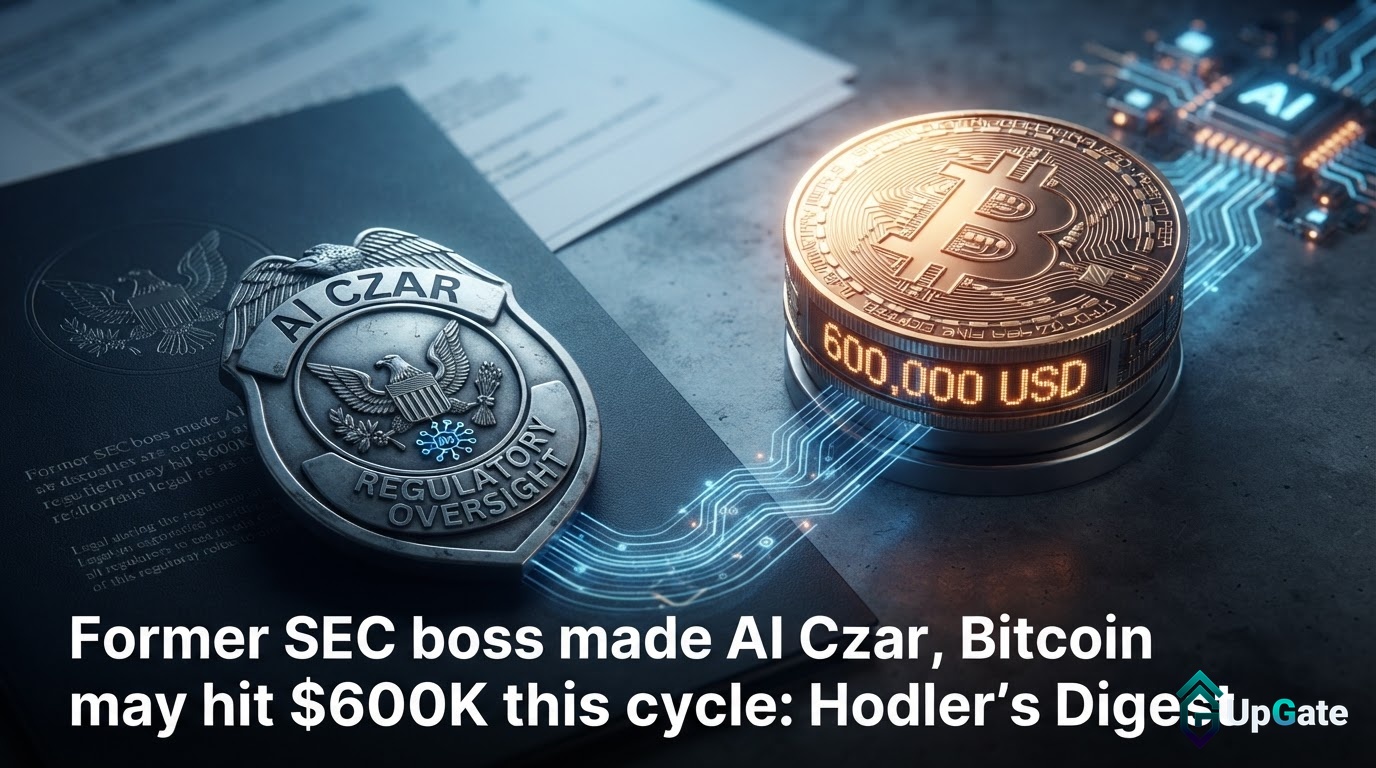
    President Donald Trump has appointed former Securities and Exchange Commission (SEC) Chair Jay Clayton to lead the nation’s new “Super Intelligence Force,” a move that has drawn sharp criticism from figures within the cryptocurrency community, including Roman Storm and the XRP army. The announcement, made via Truth Social on Sunday, follows media reports from Friday indicating Trump’s intention to establish an “AI Force” modeled after the Space Force.

    Trump stated in his post that the Super Intelligence Force will be responsible for “coordinating the effort of the Federal Government to ensure that America continues to lead the World in Super Intelligence.” Clayton, who served as SEC Chair during Trump’s first term, initiated legal action against Ripple on his final day in office. He also led the criminal trial against Roman Storm for his alleged involvement in Tornado Cash during his tenure as U.S. Attorney for the Southern District of New York.

    Roman Storm, a defendant in the Tornado Cash case, commented on the development, suggesting that “Trump’s good buddy Elon Musk is renaming SpaceXAI to SpaceXSI to honor the President’s directive renaming ‘artificial intelligence’ to ‘superintelligence.’”

    NEAR Protocol’s SHIELD AI System Blocks Hacked Funds, Ignites Decentralization Debate

    The NEAR Protocol has experienced a significant surge in positive sentiment, with its price more than doubling in the past month. This week, its SHIELD AI system garnered both praise and criticism for blocking Bitget’s hacked funds from its INTENTS cross-chain swap platform.

    The system also played a role in halting a $3.8 million exploit of NEAR Intents, attributed to a “bug in the Omni deposit and withdrawal infrastructure interaction with NEAR Intents smart contract.” While sentiment briefly turned bearish, NEAR Intents General Manager Alex Shevchenko announced the identification of the perpetrator and issued a 48-hour ultimatum for the funds to be returned. The funds were subsequently returned, and Shevchenko advised potential exploiters to utilize bug bounties rather than disrupting services.

    However, the decision to block the stolen funds has sparked controversy, contrasting with THORChain’s stance of refusing to block swaps on its platform, citing ideals of decentralization. A debate is also underway regarding whether SHIELD’s action of blocking funds could render it legally liable for future platform incidents. NEAR is down 11% this week.

    Arthur Hayes Predicts “Money Printing” Amidst AI Revolution and Global Financial Stress

    Arthur Hayes, Chief Investment Officer at Maelstrom fund, has predicted a surge in money printing driven by the AI revolution, the United States’ debt crisis, and escalating financial pressures in France. Speaking at a fireside chat at CONNECT by Cointelegraph: Seoul Edition during Korea Blockchain Week, Hayes highlighted the immense capital requirements for AI companies to finance data centers, even as service prices decline.

    “They’ve not really given themselves a lot of options other than print money and make it less bad,” Hayes stated. He also pointed to potential monetary stimulus from China and increasing financial stress in France, citing credit-default swaps tied to BNP Paribas and widening French government bond spreads.

    Ethereum Layer-2 Network Blast Ceases Operations Due to Unsustainable Economics

    The Ethereum layer-2 network Blast has announced its shutdown, citing that its operating costs have surpassed its revenue generation. In a post on X, Blast stated that it sees “no credible path” to achieving economic sustainability and has advised users to withdraw their assets to the Ethereum mainnet.

    “We launched Blast with the goal of building a self-sustaining chain for users and developers,” the team explained. “Unfortunately, the economics of operating the chain no longer make sense.” Founded in November 2023 by Tieshun “Pacman” Roquerre, founder of NFT marketplace Blur, Blast offered native yield on Ether (ETH) and stablecoins, along with a points program for an anticipated token airdrop. This strategy attracted over $2 billion in deposits before its mainnet launch in February 2024. However, its total value locked in decentralized finance (DeFi) has fallen by over 98% from its peak in June 2024, according to DeFiLlama data.

    Ethereum’s Glamsterdam Upgrade Set for Sepolia Testnet Activation

    Ethereum developers have scheduled the network’s next major upgrade, codenamed “Glamsterdam,” to activate on the Sepolia testnet on October 6. Sepolia node operators are required to update both their execution-layer and consensus-layer clients prior to the activation, according to the Ethereum Foundation.

    Key changes in Glamsterdam include enshrined proposer-builder separation, which will integrate the handoff between specialized block builders and validators directly into Ethereum’s protocol, reducing reliance on external middleware. The upgrade will also introduce block-level access lists, recording account and storage usage for each block, and enable parallel processing by clients to enhance throughput.

    Market Update: Bitcoin Hovers Near $86K, Altcoin Performance Mixed

    At the close of the week, Bitcoin (BTC) has seen a 1.4% increase, trading at $85,821. Ethereum (ETH) is up 0.6% to $2,701, while XRP (XRP) has declined 0.8% to $1.50. The total cryptocurrency market capitalization stands at $2.92 trillion, according to CoinMarketCap.

    Among the top 100 cryptocurrencies, the leading altcoin gainers this week are Midnight (NIGHT) with a 60.6% increase, StarkNet (SRK) up 14.5%, and Pump.fun (PUMP) with a 26.3% rise. Conversely, the top altcoin losers include Lighter (LIT), down 22.2%, Zcash (SEC), down 16.4%, and Ethena (ENA), down 14%.

    Peter Brandt Turns Bullish on Bitcoin, Predicts $600K Peak by 2029

    Veteran trader Peter Brandt has adopted a bullish outlook on Bitcoin, a shift from his July warning of potential price drops into the high $40,000s. “There’s a good possibility we have seen the low and now are entering a new bull market cycle in Bitcoin,” Brandt stated in the latest episode of Trade Secrets.

    Brandt has also revised his forecast for Bitcoin’s next peak, now anticipating a high between $300,000 and $600,000 by late 2029, an upward revision from his previous projection of $250,000 to $300,000. He believes the current bull market cycle has a strong chance of reaching half a million dollars.

    September Sees Record Crypto Hacks, Exceeding $766 Million in Losses

    September marked the worst month of the year for cryptocurrency hacks and exploits, with two blockchain security firms estimating total losses at over $766 million. PeckShield reported 55 major incidents resulting in $766.5 million in stolen funds, while CertiK recorded 97 incidents with estimated losses of $768.4 million.

    Notable incidents in September included the $388 million Bitget hack and a $320 million hack of the Liquid Network. Reports indicate that over $270 million was subsequently recovered. “September was a stark reminder of how quickly the threat landscape can shift,” CertiK commented. Other significant hacks during the month affected Safe Wallet ($7.8 million), DCENT ($6 million), and Duelbits ($5.9 million).

    Aave v3 Unaffected by Third-Party Exploit; Tether Freezes $550M in Iran-Linked USDT

    Aave founder Stani Kulechov clarified that Aave v3 was not impacted by an exploit that drained approximately $305,000 from two Safe multisig wallets. The exploit targeted a third-party adapter built on top of the lending protocol. “This is not Aave v3 contract, it’s third party external adapter built on top of Aave, zero effect on Aave v3,” Kulechov stated on X.

    In separate news, stablecoin issuer Tether announced its role in assisting authorities to freeze nearly $550 million in Iran-linked USDT. The company reported working closely with international law enforcement for years, freezing over $130 million in USDT across four wallets this year alone, including over $344 million linked to the Central Bank of Iran in April. Tether’s statement comes as a Senate subcommittee report alleged that USDT has become a primary channel for Iran to evade sanctions, with 84% of sanctioned Iran-linked crypto wallets transacting exclusively or nearly exclusively in USDT. This prompted U.S. Senator Richard Blumenthal to call for investigations into potential sanctions violations by the Treasury and Justice departments.

    THORChain’s Refusal to Block Bitget Hack Funds Fuels Decentralization Debate

    The ongoing debate surrounding Bitget’s $387.7 million in hacked funds centers on the core principle of whether “permissionless and decentralized” technology necessitates an absolute refusal to intervene, even when intervention is possible. THORChain has stated it will not, or cannot, block addresses linked to the $387.5 million Bitget hack. Crypto lawyer Yuriy Brisov commented on the complexity of whether developers could face prosecution for money laundering in such scenarios. The rapid settlement capabilities of stablecoins, which can move across borders at high speeds, present both risks and opportunities, depending on one’s perspective.