Blog

  • بینگ‌ایکس اتحادیه اروپا مجوز میسا اتریش را دریافت کرد

    بینگ‌ایکس اتحادیه اروپا مجوز میسا اتریش را دریافت کرد

    بینگ‌ایکس مجوز اروپایی دریافت کرد؛ تاریخ راه‌اندازی در اروپا نامشخص است

    بینگ‌ایکس ای‌یو (BingX EU)، بازوی اروپایی پلتفرم معاملاتی جهانی مستقر در وین، در تاریخ ۱۴ اکتبر ۲۰۲۶ اعلام کرد که سازمان بازارهای مالی اتریش (FMA) به این شرکت مجوز فعالیت تحت مقررات بازارهای دارایی‌های رمزارزی اتحادیه اروپا (MiCA) را اعطا کرده است. این مجوز خدمات دارایی‌های رمزارزی را در ۲۹ کشور منطقه اقتصادی اروپا (EEA) پوشش می‌دهد.

    پس از پایان دوره گذار MiCA در اول ژوئیه، تنها ارائه‌دهندگان مجاز می‌توانند به مشتریان در داخل منطقه اقتصادی اروپا خدمات ارائه دهند. بینگ‌ایکس ای‌یو اکنون مجوز لازم را دریافت کرده است.

    این مجوز، بینگ‌ایکس ای‌یو را در چارچوب MiCA به عنوان ارائه‌دهنده خدمات دارایی‌های رمزارزی (CASP) معرفی می‌کند. به طور مشخص، این مجوز به بینگ‌ایکس ای‌یو اجازه می‌دهد تا خدمات نگهداری، مبادله و کارگزاری را ارائه دهد.

    نهاد پشت این برند با نام MEGE zweite GmbH در وین فعالیت می‌کند.

    آنچه شرکت اعلام نکرده، تاریخ شروع فعالیت است. بینگ‌ایکس ای‌یو هنوز اعلام نکرده است که خدماتش چه زمانی برای مشتریان اروپایی به طور رسمی راه‌اندازی خواهد شد.

    تا اواسط اکتبر ۲۰۲۶، بینگ‌ایکس هنوز در فهرست ارائه‌دهندگان خدمات دارایی‌های رمزارزی که توسط ESMA، نهاد ناظر بازارهای اوراق بهادار اتحادیه اروپا، نگهداری می‌شود، ثبت نشده بود.

    درخواست بینگ‌ایکس ای‌یو برای MiCA در FMA تا تاریخ ۱۶ ژوئن ۲۰۲۶ به مرحله پیشرفته‌ای رسیده بود. ضرب‌الاجل اول ژوئیه برای دوره گذار MiCA پیش از امضای نهایی فرا رسید و این مجوز چندین ماه پس از پایان آن مهلت صادر شد.

    بینگ‌ایکس در سال ۲۰۱۸ تأسیس شد و ادعا می‌کند که به بیش از ۴۰ میلیون کاربر در سراسر جهان خدمات ارائه می‌دهد.

    تحت چارچوب یکپارچه MiCA، تأییدیه از سوی رگولاتور یک کشور عضو، دسترسی در سراسر اتحادیه را فراهم می‌کند. بینگ‌ایکس ای‌یو، FMA اتریش را به عنوان مرجع صدور مجوز خود انتخاب کرده است. اتریش در حال تبدیل شدن به یک مرکز صدور مجوز تحت MiCA است و پلتفرم‌هایی مانند Bybit و Bitpanda نیز در این کشور مجوز دریافت کرده‌اند.

    برای بینگ‌ایکس، این مجوز، اروپا را از یک علامت سؤال نظارتی به یک فرصت تبدیل می‌کند. این شرکت اکنون می‌تواند به جای دریافت مجوزهای جداگانه برای هر کشور، مشتریان خرد و نهادی را در سراسر منطقه اقتصادی اروپا تحت یک مجموعه قوانین واحد جذب کند.

    چندین نکته باز و قابل توجه وجود دارد که هر کسی که پیشرفت بینگ‌ایکس ای‌یو را دنبال می‌کند، باید به آن‌ها توجه کند:

    اول، تاریخ راه‌اندازی. بدون تاریخ مشخص، این مجوز یک قابلیت است نه یک محصول. مشتریان اروپایی هنوز نمی‌توانند از آن استفاده کنند.

    دوم، ثبت ESMA. ورود به این فهرست، تأیید عمومی و سراسری مجوز را فراهم می‌کند. تا زمانی که این اتفاق بیفتد، کاربران محتاط ممکن است بخواهند وضعیت شرکت را مستقیماً از FMA تأیید کنند.

    سوم، مجموعه خدمات. این مجوز شامل خدمات نگهداری، مبادله و کارگزاری است، اما محصولات خاصی که بینگ‌ایکس ای‌یو ارائه می‌دهد، تعیین‌کننده جایگاه آن در مقایسه با رقبایی خواهد بود که در حال حاضر تحت همین رژیم فعالیت می‌کنند.

    در نهایت، نقش اتریش. اگر صرافی‌های جهانی بیشتری درخواست‌های MiCA خود را از طریق وین پیگیری کنند، رویکرد نظارتی FMA می‌تواند تأثیر قابل توجهی بر نحوه ارائه خدمات رمزارزی در کل منطقه اقتصادی اروپا داشته باشد.

  • Microsoft Copilot AI Forecasts Massive Chainlink (LINK) Surge

    Microsoft Copilot AI Forecasts Massive Chainlink (LINK) Surge

    Microsoft Copilot AI has generated a bold prediction for Chainlink (LINK), suggesting the cryptocurrency could reach between $200 and $350 by January 1, 2027. This forecast, however, hinges on a significant crypto bull market resurgence, potentially amplified by a major catalyst, which could even push LINK’s price beyond $500.

    Currently, LINK is trading in the $12.70–$13.05 range as of October 14, 2026.

    Speculative Bull Market Scenario

    The optimistic outlook anticipates a robust bull market emerging in late 2026. This surge would be fueled by the widespread adoption of Chainlink’s Cross-Chain Interoperability Protocol (CCIP) and its decentralized oracle network. The scenario envisions major asset managers and an international standards body designating these Chainlink services as the default for regulated tokenized funds and cross-border settlements.

    Under this speculative framework, staking LINK would become a critical component, driving substantial demand. Such a scenario could see LINK’s price ascend from its current approximately $12.80–$13.00 level to the predicted $200–$350 range, or even $500, by early 2027.

    This prediction relies on a confluence of institutional adoption and speculative interest. However, it remains a highly speculative scenario, requiring an unlikely level of coordination among various stakeholders.

    Technical Analysis and Price Targets

    On higher timeframes, LINK has been consolidating within the $12.50–$13.50 region, having pulled back from earlier peaks near $15–$16. The price is currently holding above key intermediate support levels and longer-term moving averages.

    In a typical bull market, a sustained break above the $15–$18 range would pave the way toward the previous all-time high of approximately $53. However, in the extraordinary scenario of adoption by standards bodies and asset managers, surpassing this prior high could trigger significant measured-move extensions and Fibonacci projections from its multi-year base. This could theoretically support a move into the $200–$350+ zone, contingent on a dramatic expansion in trading volume and institutional inflows.

    The Relative Strength Index (RSI) is currently neutral, indicating ample room for it to reach the extreme overbought levels often seen during parabolic price movements. Nearer-term support levels are identified in the $12.00–$12.50 and $11.00–$11.50 zones. Maintaining these levels would preserve the broader recovery structure, allowing the market to price in any significant narrative shifts.

    In summary, while current chart patterns suggest potential for continued upside in a standard bull market, achieving the multi-thousand-percent gains implied by the $200–$500 price targets would necessitate an exceptional surge in structural demand driven by regulated tokenized infrastructure.

    Broader Market Context

    Ethereum (ETH) is not experiencing a freefall, but consecutive outflows from exchange-traded funds (ETFs) and an uncertain macroeconomic outlook are putting pressure on the $2,500 support level. A failure to hold this support could lead to increased pressure on leveraged long positions. Conversely, positive inflation data (CPI) could boost risk appetite and potentially trigger a rebound.

    In this environment, a single large, unverified position should not be considered a substitute for broader market confirmation. Traders looking for diversification beyond single assets might consider exploring early-stage infrastructure projects.

    One such project is LiquidChain ($LIQUID), a Layer 3 infrastructure initiative on its own L3 network. LiquidChain aims to consolidate liquidity from Bitcoin, Ethereum, and Solana into a single execution environment. The project’s token is currently priced at $0.014965 and has raised over $984,000. It is offering a substantial 1100% Annual Percentage Yield (APY) reward, exclusively for presale buyers.

    Key features of the LiquidChain project include a Unified Liquidity Layer, Single-Step Execution, Verifiable Settlement, and a Deploy-Once Architecture. This design allows developers to deploy applications once and gain access to all three major ecosystems.

    Interested parties are advised to research LiquidChain before the presale window closes.

  • Solana Establishes Shanghai ‘Builder Station’ Focused on Developer Infrastructure Amidst China’s Crypto Regulations

    Solana Establishes Shanghai ‘Builder Station’ Focused on Developer Infrastructure Amidst China’s Crypto Regulations

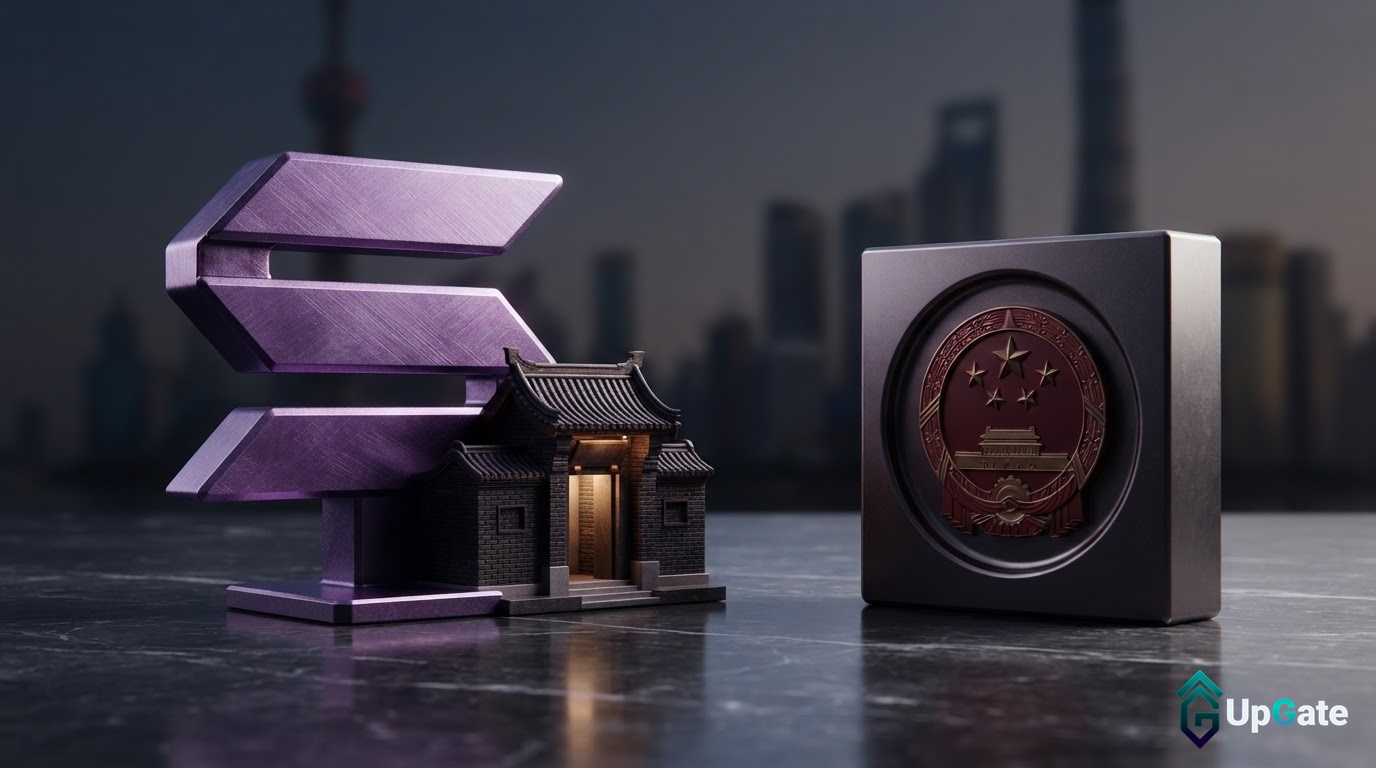
    Solana has established a physical presence in Shanghai with the opening of its first “Builder Station,” a strategic initiative aimed at fostering developer collaboration on Layer 1 infrastructure and applications. The initiative, which commenced on March 20, 2026, at the Hongqiao Alibaba Center, operates within China’s stringent regulatory environment for virtual currencies.

    The “Builder Station” is positioned as a hub for developers rather than traders, deliberately avoiding direct promotion of digital assets. This approach aligns with China’s restrictive rules on virtual currencies, focusing instead on technology infrastructure, AI development, and robotics. Solana’s Chief Product Officer Vibhu drew attention to the Shanghai location on October 14, 2026, with Solana Foundation President Lily Liu backing up his statement. A subsequent “Solana Accelerate China” tour is scheduled from October 16-22, 2026, with planned stops in Shanghai, Hangzhou, Shenzhen, and Beijing.

    The establishment of the “Builder Station” has support from the local government of Shanghai’s Minhang District. This backing suggests that local officials may see value in hosting developer activity tied to technology, even as virtual currency regulations remain strict. By focusing on infrastructure, AI, and robotics, Solana aims to engage engineers and companies in sectors that already garner significant attention in China, potentially making its blockchain proposition more accessible.

    In contrast to Solana’s reported physical presence, no comparable recent initiatives from BNB Chain in China have been documented. The strategic decision to avoid token promotion means that any benefits derived from this initiative are more likely to manifest in developer activity and partnerships rather than direct retail demand from mainland users.

    Uncertainties remain regarding the long-term success and impact of Solana’s developer-first strategy in China, the specific nature of collaborations on Layer 1 infrastructure and applications, and the verifiability of claims about the office space. The effectiveness of this approach will likely become clearer following the “Solana Accelerate China” tour and subsequent developer engagement.

    Why This Matters

    The materials describe a narrow update: Solana opened its first “Builder Station” in Shanghai on March 20, 2026, at the Hongqiao Alibaba Center, with support from the local Minhang District government. The long-term success and impact of Solana’s developer-first approach in China.

    Broader Context

    Source materials place the factual news in this context: Solana now has a physical address in Shanghai.

  • Samsung Wallet to Support USDC Transfers on Solana for Eligible US Users

    Samsung Wallet to Support USDC Transfers on Solana for Eligible US Users

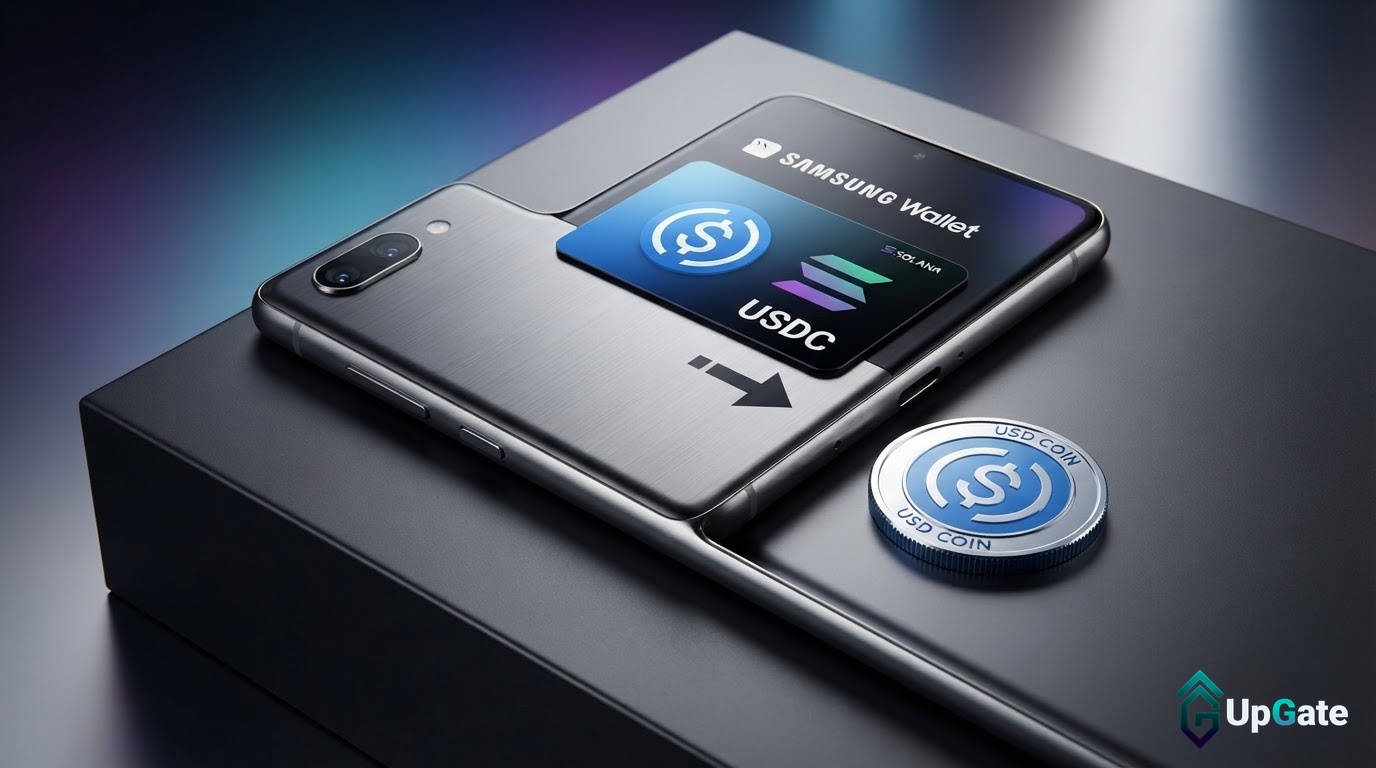
    Samsung Wallet and Pay applications are set to support USD Coin (USDC) stablecoin transfers on the Solana blockchain for eligible users in the United States. The feature is scheduled for rollout in the last week of October 2026, as announced on October 7, 2026.

    This integration will allow eligible users to send USDC to external wallets, convert it to their local currency, and deposit it into bank accounts in over 60 countries. The service will be available on 82 million compatible Galaxy devices. To be eligible, users must be 18 years or older, pass identity verification, and use biometric authentication for transactions. A compatible device running Android 13 or later is also required.

    Samsung states it may not charge a fee for sending USDC to external wallets. However, network fees or fees on the recipient’s side may still apply. The company is integrating this capability directly into its existing Wallet and Pay apps, aiming to leverage its user base without requiring new app downloads or account creations.

    Solana provides the blockchain infrastructure for these transfers. Bastion supplies a licensed stablecoin framework for the payment service, and Coinbase acts as the sub-custodian for the USDC. Sui is also listed as a supporting blockchain partner.

    The integration occurs as Solana’s stablecoin ecosystem shows growth. Stablecoin supply on the Solana network increased by nearly 20% year over year. In 2026, Solana processed more than $5.25 trillion in stablecoin transaction volume, and its stablecoin supply reached a record $17.51 billion in September 2026.

    Samsung had previously teased upcoming stablecoin features in July 2026. The October announcement clarified the use of USDC on Solana.

    Cross-border transfers are a potential use case, with the ability to cash out into local bank accounts in numerous countries. Some commentary suggests this integration could positively influence the market for Solana.

    However, the service has limitations. Expansion beyond the United States is dependent on local regulations. Not all 82 million device owners will meet eligibility criteria due to factors such as age and operating system version. Users should also be aware that network or recipient-side fees may still be incurred.

    Why This Matters

    The materials describe a narrow update: Samsung Electronics has integrated USDC stablecoin transfers on the Solana blockchain into its Wallet and Pay apps for eligible US users. Expansion to markets outside the US depends on local regulations.

    Broader Context

    Source materials place the factual news in this context: Samsung is putting a stablecoin in the same app where people keep their boarding passes.

  • هوش مصنوعی مایکروسافت: پیش‌بینی باورنکردنی قیمت چین‌لینک

    هوش مصنوعی مایکروسافت: پیش‌بینی باورنکردنی قیمت چین‌لینک

    گوش کنید: اگر شما از اعضای ارتش Chainlink سرگئی ناظروف هستید، هوش مصنوعی مایکروسافت کوپایلوت پیش‌بینی می‌کند که تا اول ژانویه ۲۰۲۷، قیمت LINK می‌تواند بین ۲۰۰ تا ۳۵۰ دلار معامله شود و در صورت بازگشت یک بازار صعودی تمام‌عیار ارزهای دیجیتال که با یک کاتالیزور مهم تقویت می‌شود، هدف آن تا ۵۰۰ دلار یا بیشتر نیز افزایش یابد. در حال حاضر، LINK در تاریخ ۱۴ اکتبر ۲۰۲۶، نزدیک به ۱۲.۷۰ تا ۱۳.۰۵ دلار معامله می‌شود.

    این سناریو، بازار صعودی قوی در اواخر سال ۲۰۲۶ را پیش‌بینی می‌کند که توسط مدیران دارایی بزرگ و یک نهاد استاندارد بین‌المللی هدایت می‌شود و شبکه اوراکل غیرمتمرکز و CCIP چین‌لینک را به عنوان پیش‌فرض برای صندوق‌های توکنیزه شده تحت نظارت و تسویه حساب‌های فرامرزی اتخاذ می‌کنند.

    در این سناریوی گمانه‌زنی، استیکینگ LINK ضروری می‌شود و تقاضای قابل توجهی ایجاد می‌کند. این امر می‌تواند LINK را از قیمت فعلی حدود ۱۲.۸۰ تا ۱۳.۰۰ دلار به طور بالقوه به ۲۰۰ تا ۳۵۰ دلار، یا حتی ۵۰۰ دلار تا اوایل سال ۲۰۲۷ برساند.

    این پیش‌بینی به استفاده نهادی که با علاقه گمانه‌زنی مطابقت دارد، متکی خواهد بود. با این حال، این موضوع همچنان بسیار گمانه‌زنی است و نیازمند هماهنگی بعید بین ذینفعان مختلف است.

    در بازه‌های زمانی بالاتر، LINK پس از عقب‌نشینی از اوج‌های قبلی نزدیک به ۱۵ تا ۱۶ دلار، در محدوده ۱۲.۵۰ تا ۱۳.۵۰ دلار در حال تثبیت بوده است. قیمت همچنان بالاتر از مناطق کلیدی حمایت میانی و میانگین‌های متحرک بلندمدت قرار دارد.

    در یک بازار صعودی استاندارد، شکست پایدار بالای ۱۵ تا ۱۸ دلار، مسیر را به سمت اوج تاریخی قبلی نزدیک به ۵۳ دلار باز می‌کند. تحت سناریوی اتخاذ گسترده توسط نهادهای استاندارد و مدیران دارایی که در بالا تشریح شد، عبور از این اوج قبلی احتمالاً باعث ایجاد امتدادهای قدرتمند اندازه‌گیری شده و پیش‌بینی‌های فیبوناچی چند چرخه‌ای از پایه چند ساله می‌شود که از نظر تئوری از حرکتی به منطقه ۲۰۰ تا ۳۵۰ دلار یا بیشتر پشتیبانی می‌کند، اگر حجم و جریان‌های نهادی به طور چشمگیری گسترش یابد.

    شاخص قدرت نسبی (RSI) در حال حاضر خنثی است و فضای زیادی برای رسیدن به سطوح بیش از حد خرید شدید که معمولاً در پیشرفت‌های پارابولیک دیده می‌شود، وجود دارد. حمایت‌های کلیدی کوتاه‌مدت در مناطق ۱۲.۰۰ تا ۱۲.۵۰ دلار و ۱۱.۰۰ تا ۱۱.۵۰ دلار قرار دارند؛ حفظ این سطوح، ساختار بازیابی گسترده‌تر را دست‌نخورده نگه می‌دارد در حالی که بازار هرگونه تغییر روایت عمده را قیمت‌گذاری می‌کند.

    در مجموع، در حالی که نمودار فعلی از افزایش مداوم در یک بازار صعودی عادی پشتیبانی می‌کند، تنها افزایش فوق‌العاده در تقاضای ساختاری از زیرساخت‌های توکنیزه شده تحت نظارت می‌تواند نوع امتداد چند هزار درصدی را که توسط اهداف ۲۰۰ تا ۵۰۰ دلاری تلویحاً بیان می‌شود، توجیه کند.

    اتریوم و فرصت‌های نوظهور

    اتریوم در سقوط آزاد نیست، اما خروج‌های متوالی ETF و جهت‌گیری نامشخص اقتصاد کلان، تست ۲۵۰۰ دلاری را ناخوشایند می‌کند. اگر حمایت شکسته شود، موقعیت‌های اهرمی خرید (long) ممکن است تحت فشار قرار گیرند؛ اگر شاخص قیمت مصرف‌کننده (CPI) به اشتیاق ریسک کمک کند، ممکن است شاهد بازگشت باشیم.

    در هر صورت، یک موقعیت بزرگ و تأیید نشده جایگزین تأیید نیست. معامله‌گرانی که به دنبال قرار گرفتن در معرض دارایی‌های فراتر از یک دارایی واحد هستند، ممکن است به زیرساخت‌های اولیه توجه کنند.

    LiquidChain (LIQUID) یک پروژه زیرساخت لایه ۳ بر روی LiquidChain L3 است که هدف آن ادغام نقدینگی بیت‌کوین، اتریوم و سولانا در یک محیط اجرایی واحد است. قیمت آن با ۰.۰۱۴۹۶۵ دلار پایین است و بیش از ۹۸۴ هزار دلار جمع‌آوری کرده است. همچنین پاداش APY عظیم ۱۱۰۰٪ را ارائه می‌دهد، اما فقط برای خریداران پیش‌فروش.

    ویژگی‌های اعلام شده این پروژه شامل لایه نقدینگی یکپارچه، اجرای تک مرحله‌ای، تسویه قابل تأیید و معماری استقرار یکباره است. با Liquid، توسعه‌دهندگان یک بار استقرار می‌دهند و به هر سه اکوسیستم دسترسی پیدا می‌کنند.

    قبل از پایان پنجره پیش‌فروش، LiquidChain را تحقیق کنید.

    کشف کنید: بهترین پیش‌فروش‌های توکن

  • کوین‌بیس: قفل گاوصندوق‌های سرد با قفس فارادی

    کوین‌بیس: قفل گاوصندوق‌های سرد با قفس فارادی

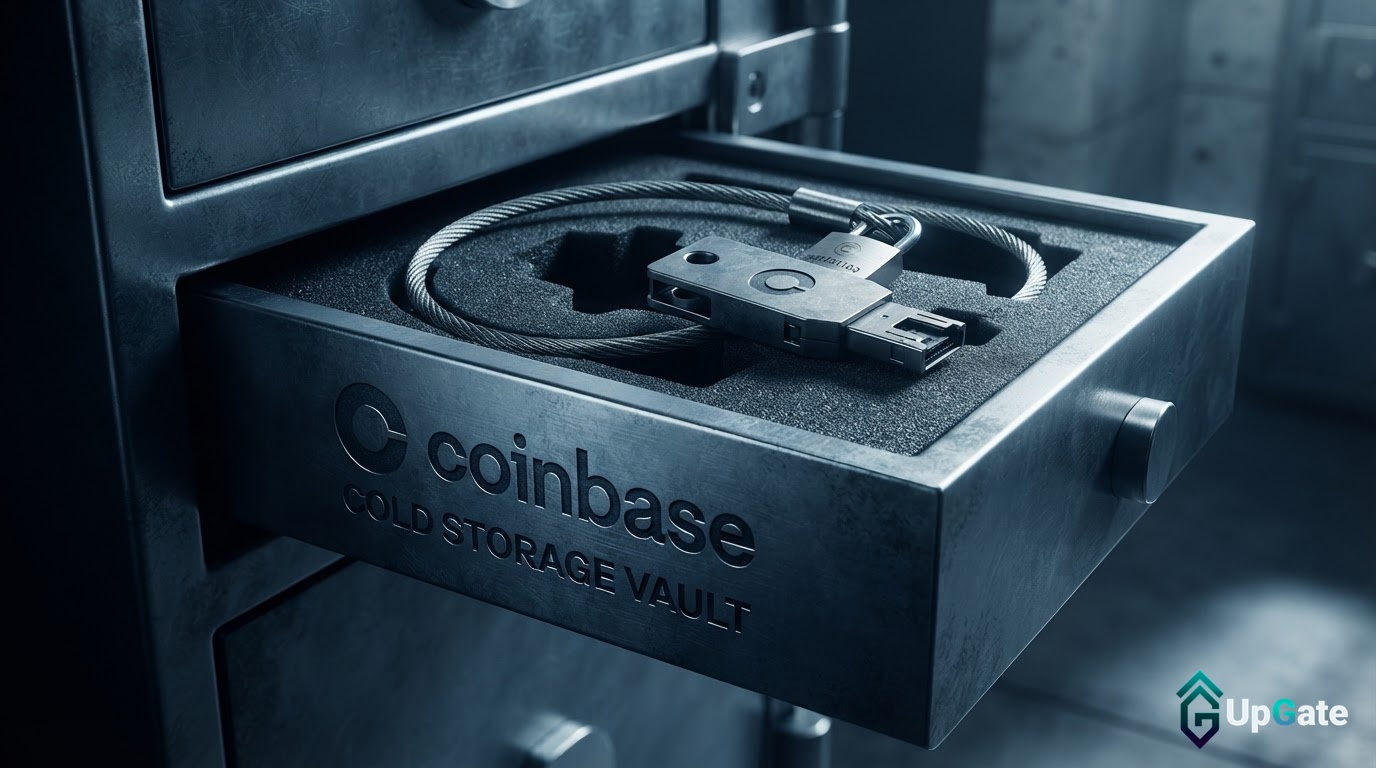
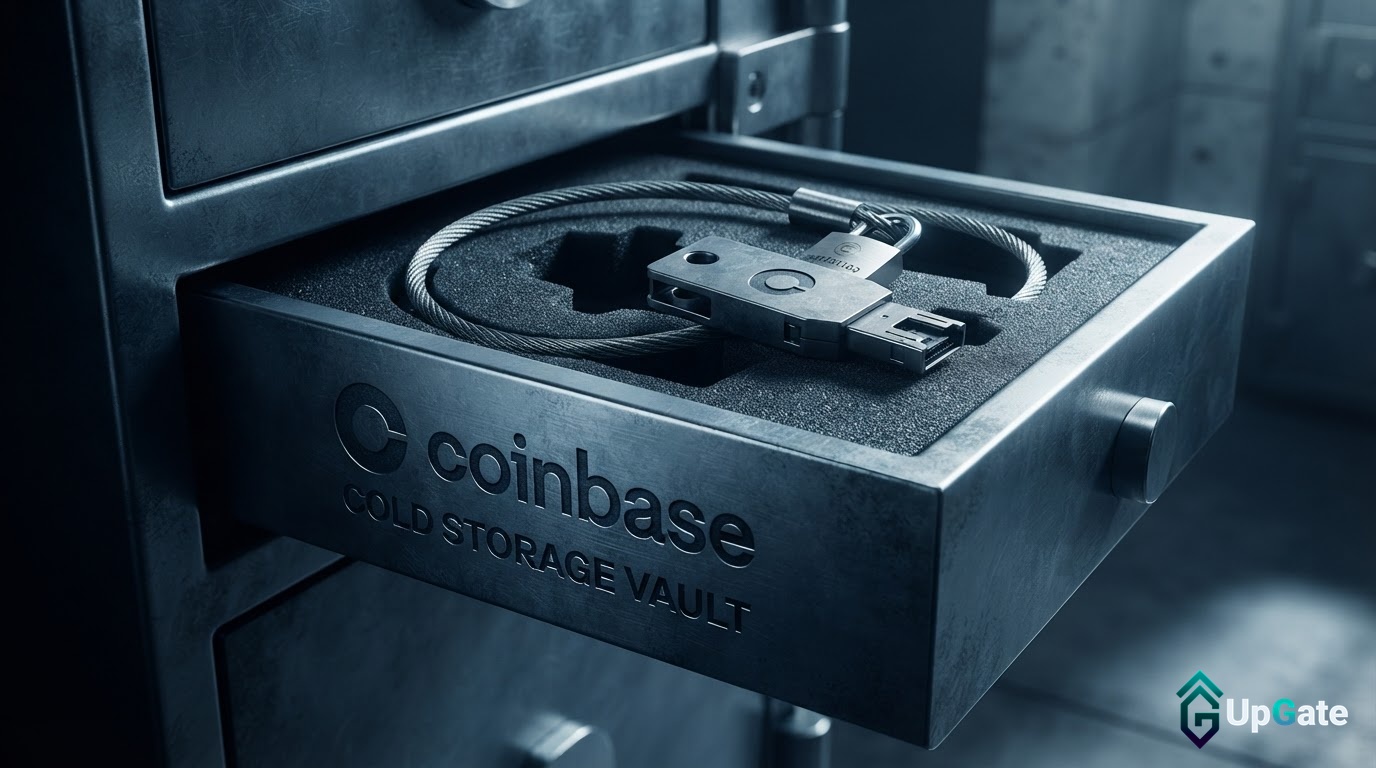
    کوین‌بیس کلیدهای ذخیره‌سازی سرد خود را در چادرهای مجهز به قفس فارادی، در مکان‌های مخفی در سراسر سانفرانسیسکو تولید می‌کرد.

    قفس فارادی را در نظر بگیرید؛ محفظه‌ای توری که از ورود یا خروج سیگنال‌های الکترومغناطیسی جلوگیری می‌کند. دستگاه‌های الکترونیکی هنگام کار، سیگنال‌های ضعیفی را نشت می‌دهند. از نظر تئوری، یک مهاجم مجهز می‌تواند این امواج را دریافت کرده و داده‌های حساس را بازسازی کند. محققان امنیتی این حملات را «حملات کانال جانبی الکترومغناطیسی» می‌نامند.

    پاسخ کوین‌بیس این بود که کل فرآیند تولید کلید را در یک سپر محافظ قرار دهد. کلیدها در داخل چادرهای مجهز به قفس فارادی تولید می‌شدند، بنابراین هر آنچه دستگاه‌ها منتشر می‌کردند، درون چادر باقی می‌ماند. این چادرها همچنین جابجا می‌شدند. کوین‌بیس آن‌ها را در مکان‌های غیرقابل پیش‌بینی در سانفرانسیسکو برپا می‌کرد، که این امر برنامه‌ریزی برای نظارت از قبل را برای هر کسی بسیار دشوار می‌ساخت.

    سخت‌افزار نیز همین رویه را طی کرد. کوین‌بیس از دو لپ‌تاپ پلمپ کارخانه‌ای برای این کار استفاده کرد: یکی برای تولید کلید و دیگری برای چاپ. یکی از آن‌ها سیستم‌عامل لینوکس داشت و دیگری مک‌بوک بود. هر دو دستگاه «ایربارپ» (air-gapped) بودند، به این معنی که هرگز به هیچ شبکه‌ای متصل نشدند.

    سپس نوبت به پرتاب سکه رسید. لپ‌تاپ‌ها با پرتاب سکه انتخاب می‌شدند. اگر از قبل مشخص نباشد که کدام دستگاه استفاده خواهد شد، هیچ‌کس نمی‌تواند از قبل آن را دستکاری کند.

    پس از ایجاد کلیدها، سخت‌افزار دیگر یک دارایی محسوب نمی‌شد، بلکه به یک ریسک تبدیل می‌شد. بنابراین کوین‌بیس تمام آن‌ها را از بین برد. این شامل لپ‌تاپ‌ها و چاپگرها می‌شد که برای این مراسم نو بودند. چاپگرها اغلب نادیده گرفته می‌شوند، اما می‌توانند داده‌های مربوط به کارهای چاپی را ذخیره کنند. از بین بردن آن‌ها دری را می‌بندد که اکثر مردم هرگز به آن فکر نمی‌کنند.

    کلیدها سپس با استفاده از روش «اشتراک‌گذاری راز شمیر» (Shamir’s secret sharing) تقسیم شدند. طرح شمیر این کار را به صورت ریاضی برای کلیدهای رمزنگاری انجام می‌دهد. در عمل، این بدان معنا بود که چندین شرکت‌کننده باید برای بازسازی یک کلید همکاری می‌کردند، بنابراین هیچ فرد داخلی نمی‌توانست با وجوه مشتریان فرار کند. در تکرارهای بعدی این فرآیند، کوین‌بیس همچنین یک حسابرس مستقل را برای تأیید اینکه مراسم طبق برنامه پیش رفته است، به کار گرفت.

    این پیکربندی همیشه به این پیچیدگی نبود. در ابتدا، این شرکت به درایوهای USB و پشتیبان‌های کاغذی متکی بود که در صندوق‌های امانات بانکی نگهداری می‌شدند. حتی با این سیستم ساده‌تر، حدود ۸۷ درصد از وجوه مشتریان تا اواخر سال ۲۰۱۲ به صورت آفلاین نگهداری می‌شد.

    برای مشتریان، این داستان یادآوری می‌کند که ذخیره‌سازی سرد تنها به اندازه‌ی لحظه‌ی تولد کلیدها قوی است. اگر یک کلید در زمان ایجاد به خطر بیفتد، تمام اقدامات امنیتی بعدی از چیزی محافظت می‌کنند که از قبل در معرض خطر قرار گرفته است. برای هر کسی که در مورد محل نگهداری دارایی‌های خود تصمیم می‌گیرد، نکته‌ی عملی این است که نه تنها از محل نگهداری کلیدها، بلکه از نحوه‌ی تولید آن‌ها توسط امین (custodian) پرس‌وجو کند.

  • پیش‌بینی قیمت اپتیمیسم: آیا OP پیشران جهش سوپرچین اتریوم خواهد بود؟

    پیش‌بینی قیمت اپتیمیسم: آیا OP پیشران جهش سوپرچین اتریوم خواهد بود؟

    خوش‌بینی (Optimism) با پشته OP (OP Stack) به پروژه‌ها امکان می‌دهد تا زنجیره‌های سفارشی خود را با استفاده از فناوری و استانداردهای مشترک بسازند.
    رشد سوپرچین (Superchain) می‌تواند دامنه نفوذ Optimism را فراتر از شبکه لایه ۲ خود گسترش دهد.
    رقابت و عدم قطعیت پیرامون جذب ارزش توکن OP همچنان ریسک‌های عمده‌ای هستند.

    مقیاس‌پذیری اتریوم فرصت بزرگی است، اما شرط‌بندی بر روی زیرساخت مناسب به سادگی خرید یک توکن و انتظار کشیدن نیست. داستان پیش‌بینی قیمت Optimism حول محور OP Stack و چشم‌انداز سوپرچین آن می‌چرخد: شبکه‌ای از زنجیره‌ها که بر اساس فناوری مشترک ساخته شده‌اند، به جای اتکا به یک لایه ۲ واحد برای انجام همه کارها.

    Optimism به برنامه‌ها کمک می‌کند تا سریع‌تر و ارزان‌تر از شبکه اصلی اتریوم اجرا شوند و در عین حال به اتریوم تسویه شوند. طبق پستی از یک تحلیلگر در X، اکوسیستم آن می‌تواند از امور مالی غیرمتمرکز (DeFi)، برنامه‌های مصرفی، بازی و زنجیره‌های سفارشی پشتیبانی کند.

    با این حال، شرط بزرگتر، OP Stack است. این فناوری به جای تمرکز صرف بر شبکه خود Optimism، به پروژه‌ها اجازه می‌دهد تا زنجیره‌های خود را با استفاده از زیرساخت و استانداردهای مشترک راه‌اندازی کنند. اگر پذیرش افزایش یابد، Optimism می‌تواند از یک اکوسیستم در حال گسترش بهره‌مند شود، نه فقط یک شبکه واحد.

    اتریوم دارای نقدینگی عمیق و فعالیت قابل توجه توسعه‌دهندگان است، اما یک زنجیره واحد نمی‌تواند به طور مؤثر از هر برنامه‌ای در مقیاس پشتیبانی کند. چشم‌انداز سوپرچین Optimism قصد دارد رشد را در چندین زنجیره از طریق فناوری مشترک به هم متصل کند.

    استدلال صعودی ساده است: اگر برنامه‌ها و شرکت‌های بزرگ بیشتری شبکه‌های لایه ۲ خود را راه‌اندازی کنند، OP Stack می‌تواند به یک استاندارد اصلی برای مقیاس‌پذیری اتریوم تبدیل شود. همچنین، توکن OP که شروع به افزایش کرده است، می‌تواند به زودی با هدف ۰.۲۵ دلار یا حتی ۰.۳۶ دلار، بسته به افزایش تقاضا، معامله شود.

    این امر Optimism را در مرکز یک روند زیرساختی گسترده‌تر قرار می‌دهد. با این حال، پذیرش خودکار نیست و راه‌اندازی زنجیره‌های بیشتر لزوماً تضمین‌کننده ارزش بیشتر برای دارندگان توکن OP نیست.

    رقابت در مقیاس‌پذیری اتریوم شدید است. پروژه‌های دیگر نیز برای برنامه‌ها، توسعه‌دهندگان و نقدینگی رقابت می‌کنند، بنابراین Optimism برای برجسته شدن به چیزی بیش از یک روایت فنی قانع‌کننده نیاز دارد.

    مشکل دیگری نیز وجود دارد. سوپرچین می‌تواند رشد کند در حالی که سرمایه‌گذاران همچنان می‌پرسند که این گسترش چقدر مستقیماً به نفع توکن OP است. موفقیت شبکه و عملکرد توکن همیشه یکسان نیستند.

    در حال حاضر، پیش‌بینی قیمت Optimism کمتر به هیجان و بیشتر به پیشرفت‌های قابل اندازه‌گیری بستگی دارد: فعالیت سوپرچین، پذیرش OP Stack، راه‌اندازی زنجیره‌های جدید، نقدینگی استیبل‌کوین‌ها، حجم صرافی‌های غیرمتمرکز، رشد توسعه‌دهندگان و کاربرد توکن OP. تئوری زیرساخت قانع‌کننده است، اما توکن همچنان باید ارزش را از اکوسیستمی که امیدوار است آن را نیرو بخشد، جذب کند.

  • تایید SEC بر گزینه‌های بازار پیش‌بینی Cboe مرتبط با معیارهای کوین‌بیس، انویدیا و تسلا

    تایید SEC بر گزینه‌های بازار پیش‌بینی Cboe مرتبط با معیارهای کوین‌بیس، انویدیا و تسلا

    شرکت‌های سهامی عام اکنون می‌توانند شاخص‌های کلیدی عملکرد خود را به عنوان مبنای معاملات آپشن باینری قرار دهند.

    تأیید SEC برای محصولات جدید معاملاتی

    کمیسیون بورس و اوراق بهادار ایالات متحده (SEC) با تغییر قوانینی موافقت کرده است که به بورس Cboe Global Markets اجازه می‌دهد تا آپشن‌های باینری مرتبط با شاخص‌های کلیدی عملکرد شرکت‌های سهامی عام را لیست و معامله کند. این اقدام، Cboe را به اولین بورس اوراق بهادار تبدیل می‌کند که مجوز ارائه چنین محصولاتی را دریافت کرده است.

    این قراردادها را می‌توان به عنوان یک سوال “بله یا خیر” با پشتوانه مالی در نظر گرفت. آیا معیار گزارش‌شده توسط یک شرکت به سطح تعیین‌شده می‌رسد یا از آن فراتر می‌رود؟ اگر پاسخ مثبت باشد، قرارداد ۱ دلار پرداخت می‌کند و در غیر این صورت، صفر دلار. پاسخ این سوال از طریق اعداد و ارقامی که شرکت‌ها در گزارش‌های خود به SEC ارائه می‌دهند، مشخص می‌شود.

    در مرحله اولیه، بیش از ۱۰۰ معیار از ۲۳ شرکت مختلف تحت پوشش قرار گرفته‌اند. نام‌هایی مانند Coinbase، Nvidia، Tesla و Apple در این فهرست دیده می‌شوند. به عنوان مثال، حجم معاملات Coinbase، درآمد بخش مراکز داده Nvidia و تحویل خودروهای Tesla از جمله معیارهای قابل معامله هستند. این معیارها، اعداد عملیاتی مشخصی هستند و نه بازتابی از قیمت کلی سهام.

    نقش Robinhood و موانع پیش رو

    شرکت Robinhood Markets اولین کارگزار خرده‌فروشی خواهد بود که این قراردادها را توزیع می‌کند. هر دو شرکت Cboe و Robinhood قصد دارند تا پایان سال ۲۰۲۶ هزینه‌های مربوط به این محصولات را لغو کنند، هرچند این توافق همچنان تحت بررسی‌های نظارتی قرار دارد.

    نکته قابل توجه این است که هنوز هیچ‌کس نمی‌تواند این قراردادها را معامله کند. Cboe Clear U.S. هنوز منتظر ثبت موقت خود برای انجام فرآیند تسویه است، بنابراین قراردادها تأیید شده‌اند اما هنوز فعال نیستند. این محصولات تحت حفاظت‌های سرمایه‌گذار فعلی در حوزه آپشن‌های اوراق بهادار قرار می‌گیرند و این امر آن‌ها را از قراردادهای رویداد که توسط کمیسیون معاملات آتی کالا (CFTC) نظارت می‌شوند، متمایز می‌کند.

    واکنش اولیه بازار به این خبر متفاوت بود. سهام Cboe بیش از ۴ درصد افزایش یافت، در حالی که سهام Robinhood نزدیک به ۹ درصد کاهش یافت.

    تأثیر بر بازار رمزارز

    جنبه مرتبط با رمزارز در این موضوع مستقیم است. حجم معاملات Coinbase یکی از معیارهای ارائه شده است و به طور موثر، یک شاخص کلیدی از فعالیت بازار رمزارز را به یک سوال قابل معامله “بله یا خیر” تبدیل می‌کند. معامله‌گرانی که فعالیت صرافی‌ها را از نزدیک دنبال می‌کنند، اکنون راهی برای شرط‌بندی بر روی آن عدد خاص بدون پذیرش ریسک سهام Coinbase دارند.

    چند نکته برای پیگیری وجود دارد: اول، زمان دریافت ثبت موقت توسط Cboe Clear U.S.، که دروازه ورود به معاملات واقعی است. دوم، اینکه آیا لغو هزینه‌ها تا پایان سال ۲۰۲۶ از بررسی‌های نظارتی عبور خواهد کرد یا خیر.

  • Coinbase’s Historical Cold Storage Key Generation: A Deep Dive into Security Measures

    Coinbase’s Historical Cold Storage Key Generation: A Deep Dive into Security Measures

    Coinbase historically implemented exceptionally rigorous security protocols for generating its cold storage keys, a critical process designed to safeguard customer assets against sophisticated threats. These measures included the use of Faraday-caged tents at secret San Francisco locations and air-gapped laptops, all aimed at preventing potential electromagnetic side-channel attacks and insider compromises during the nascent stages of key creation.

    Elaborate Physical and Digital Safeguards

    The cornerstone of Coinbase’s security was the generation of keys within Faraday cages. These specialized enclosures block electromagnetic signals, thereby thwarting potential attackers who might attempt to capture faint emissions from electronic devices to reconstruct sensitive data. To further complicate surveillance, these tents were frequently relocated to unpredictable sites across San Francisco.

    For the actual key generation and printing, Coinbase employed two factory-sealed laptops—one running Linux and the other a MacBook. Crucially, both machines were air-gapped, meaning they were never connected to any network. To mitigate the risk of pre-ceremony tampering, the specific laptops to be used were selected via a coin toss, ensuring that no single machine could be targeted for compromise beforehand.

    Procedural Security and Evolution

    Upon completion of the key generation, all hardware, including the laptops and printers, underwent physical destruction. This step was particularly important for printers, which can retain data from print jobs, thus closing a potential vulnerability that might otherwise be overlooked.

    The generated keys were then secured using Shamir’s secret sharing, a cryptographic technique that divides a key into multiple parts. This method necessitates the cooperation of several individuals to reconstruct the complete key, significantly reducing the risk of a single insider gaining access to customer funds.

    Over time, Coinbase refined these procedures. Later iterations of the key generation process included an independent auditor to verify the integrity of the ceremony, adding an extra layer of assurance and transparency.

    Historical Context and Key Takeaways

    These sophisticated measures were not Coinbase’s initial approach. Early on, the company relied on simpler methods, such as USB drives and paper backups stored in bank safe-deposit boxes. Despite these less complex systems, Coinbase reported that approximately 87% of customer funds were held offline by late 2012, underscoring an early commitment to asset security.

    The fundamental lesson from Coinbase’s historical practices is that the security of cold storage is intrinsically linked to the moment its keys are born. If keys are compromised during their creation, any subsequent storage safeguards become moot. This highlights the importance for cryptocurrency users to inquire not only about where their assets are stored but also about the methods their custodians employ for generating and protecting the critical keys that control those assets.

    Why This Matters

    The materials describe a narrow update: Coinbase generated cold storage keys within Faraday-caged tents at secret, moving locations in San Francisco. Cold storage is only as strong as the moment the keys are born.

    Broader Context

    Source materials place the factual news in this context: Coinbase once generated the keys to its cold storage inside Faraday-caged tents, set up at secret locations around San Francisco.

  • SEC Greenlights Cboe Prediction Market Options for Coinbase, Nvidia, Tesla

    SEC Greenlights Cboe Prediction Market Options for Coinbase, Nvidia, Tesla

    SEC Approves Novel Binary Options Tied to Company Performance Metrics

    The U.S. Securities and Exchange Commission (SEC) has greenlit a new class of financial products that allow investors to bet on specific company performance indicators, moving beyond traditional stock price speculation. Cboe Global Markets has received approval to list and trade binary options linked to key performance metrics reported by public companies, marking a significant development in the exchange-traded derivatives market.

    How the New Contracts Work

    These binary options function as straightforward “yes” or “no” propositions with financial stakes. Investors will wager on whether a company’s reported metric will meet or exceed a predetermined threshold. If the metric achieves the target, the contract pays out $1; if it falls short, it pays $0. The outcome is determined by the official figures disclosed by companies in their SEC filings.

    Initial Offerings and Participating Companies

    The initial rollout will feature over 100 metrics from 23 companies, including prominent names such as Coinbase, Nvidia, Tesla, and Apple. These metrics are distinct operational figures, such as Coinbase’s trading volume, Nvidia’s data-center revenue, and Tesla’s vehicle delivery numbers, rather than broader stock price movements.

    Retail Access and Fee Waivers

    Robinhood Markets is set to be the first retail broker to offer these new contracts to its clients. Both Cboe and Robinhood have announced plans to waive fees on these products until December 31, 2026, although this fee arrangement is subject to ongoing regulatory review.

    Trading Yet to Commence

    Despite the SEC’s approval, trading in these binary options has not yet begun. Cboe Clear U.S. is awaiting its temporary registration to handle the clearing of these contracts, meaning they are approved in principle but not yet live for trading.

    Investor Protections and Regulatory Distinction

    These new products will operate under existing securities-options investor protection frameworks. This distinguishes them from “event contracts” typically overseen by the Commodity Futures Trading Commission (CFTC), which generally governs similar derivative products.

    Market Reaction

    The market’s initial response was mixed. Cboe shares saw a gain of over 4% following the announcement, while Robinhood shares experienced a decline of nearly 9%.

    Crypto Market Implications

    The introduction of these contracts has a direct implication for the cryptocurrency sector. With Coinbase’s trading volume as one of the available metrics, a key indicator of crypto market activity can now be traded as a binary option. This provides traders with an avenue to speculate on specific exchange activity without the direct risk associated with holding Coinbase stock.

    Key Factors to Watch

    Several developments will be crucial moving forward. The securing of temporary registration by Cboe Clear U.S. is the immediate prerequisite for actual trading to commence. Additionally, the survival of the proposed fee waivers through regulatory review by the end of 2026 will be closely monitored.