Blog

  • کنسنسیس و متا‌مسک تا پایان ۲۰۲۶ دو شرکت مستقل می‌شوند

    کنسنسیس و متا‌مسک تا پایان ۲۰۲۶ دو شرکت مستقل می‌شوند

    کنسنسیس (Consensys) اعلام کرد که به دو شرکت مستقل تقسیم خواهد شد: متامسک (MetaMask) برای امور مالی خود-سرپرست مصرف‌کنندگان و کنسنسیس برای پروتکل‌های اتریوم (ETH) و زیرساخت‌های سازمانی. انتظار می‌رود این تفکیک تا پایان سال ۲۰۲۶ نهایی شود.

    این سازماندهی مجدد به ساختار تک شرکتی که بیش از یک دهه پابرجا بود، پایان می‌دهد. متامسک کیف پول خود-سرپرست را بر عهده خواهد گرفت که طبق گفته این شرکت، بیش از ۱۰۰ میلیون بار در حدود ۱۹۰ کشور دانلود شده و حجم تراکنش‌های تجمعی آن به تریلیون‌ها دلار رسیده است.

    کنسنسیس جدید، گروه پروتکل‌ها را شامل شبکه لایه ۲ لینیئا (Linea)، کلاینت اجرایی بسو (Besu) و تکو (Teku) را حفظ خواهد کرد، به همراه فعالیت‌های توکنیزه‌سازی و استیبل‌کوین برای بانک‌ها و مدیران دارایی.

    جو لوبین (Joe Lubin)، یکی از بنیان‌گذاران کنسنسیس، به صورت تمام‌وقت به عنوان رئیس هیئت مدیره و مدیر عامل متامسک فعالیت خواهد کرد و همزمان به عنوان رئیس اجرایی هیئت مدیره کنسنسیس نیز خدمت می‌کند. مایک کریاک (Mike Kriak) به عنوان مدیر عامل و دیوید کانینگهام (David Cunningham) به عنوان رئیس، هدایت کنسنسیس را بر عهده خواهند داشت.

    لوبین اظهار داشت: «متامسک از دل آن کارها به پرکاربردترین کیف پول خود-سرپرست جهان تبدیل شد و امروز به چیزی بزرگتر تبدیل می‌شود: پلتفرمی که در آن افراد نه تنها دارایی‌های خود را نگهداری می‌کنند، بلکه پول خود را در اشکال و جنبه‌های متنوع آن مدیریت می‌کنند. ورود تمام‌وقت به این نقش، اذعان به این است که امور مالی مصرف‌کننده شایسته همان تمرکز و جاه‌طلبی است که ما برای ساخت خود اتریوم به کار بردیم.»

    این شرکت مستقل، تمرکز خود را بر اتریوم حفظ خواهد کرد و در عین حال “حساب پول” (Money Account) را توسعه خواهد داد؛ حسابی خود-سرپرست که کسب درآمد خودکار، هزینه‌های فوری و معاملات با یک کلیک را در یک موجودی واحد ترکیب می‌کند.

    این اقدام پس از راه‌اندازی استیبل‌کوین دلار خود متامسک، یعنی mUSD، از طریق بریج (Bridge) متعلق به استرایپ (Stripe) صورت می‌گیرد. این بخشی از حرکت به سمت پرداخت‌های روزمره است که شامل کارتی مرتبط با مسترکارت (Mastercard) نیز می‌شود. لوبین همچنین تایید کرده است که متامسک توکن خود را منتشر خواهد کرد و یک سازمان خودمختار غیرمتمرکز (DAO) برای تامین مالی رشد این کیف پول برنامه‌ریزی شده است.

    کنسنسیس بر زیرساخت‌هایی تمرکز خواهد کرد که بانک‌ها و اپراتورهای بازار برای انتقال دارایی‌های توکنیزه شده در بلاک‌چین استفاده می‌کنند. کلاینت بسو این شرکت در حال حاضر شبکه‌های EVM مجاز در امور مالی سنتی را پشتیبانی می‌کند و این شرکت انجمن لینیئا (Linea Association) مستقر در سوئیس را برای غیرمتمرکز کردن شبکه zkEVM لینیئا تأسیس کرده است که توکن LINEA را برای حاکمیت راه‌اندازی کرده است.

    دیوید کانینگهام، رئیس کنسنسیس، گفت: «مؤسسات مالی و زیرساخت‌های بازار به سمت عملیات همیشه فعال با توکنیزه‌سازی در هسته خود حرکت می‌کنند. کنسنسیس سافت‌ور اینک (Consensys Software Inc.) فناوری متن‌باز را ساخته است که اساس این انتقال است.»

    گزارش “Tokenization 2030” سیتی (Citi) در ژوئن ۲۰۲۶ که در این اعلامیه به آن استناد شده است، تخمین زده است که دارایی‌های توکنیزه شده تا سال ۲۰۳۰ می‌توانند به ۵.۵ تریلیون تا ۸.۲ تریلیون دلار برسند. لوبین گفت که این دو شرکت «همان اکوسیستم را خواهند ساخت، فقط با تمرکزی که هر بازار اکنون نیازمند آن است.»
  • Consensys to Split into Two Independent Companies, MetaMask and Consensys, by End of 2026

    Consensys to Split into Two Independent Companies, MetaMask and Consensys, by End of 2026

    Consensys has announced plans to separate into two independent companies by the end of 2026: MetaMask, which will focus on consumer self-custodial finance and wallets, and Consensys, which will concentrate on Ethereum protocols and institutional infrastructure. This reorganization is expected to conclude by the end of 2026.

    The separation marks a significant shift, ending a single-company structure that has been in place for over a decade, according to Consensys. The move aims to allow each entity to focus more intently on its respective market demands.

    Why This Matters

    The materials describe a narrow update: Consensys is splitting into two distinct entities: MetaMask, focused on consumer self-custodial finance and wallets, and Consensys, focused on Ethereum protocols and institutional infrastructure. The exact date of the separation’s closure within the end of 2026.

    MetaMask: Expanding Consumer Finance

    MetaMask, the self-custodial wallet, has seen substantial growth, surpassing 100 million downloads across approximately 190 countries and facilitating trillions of dollars in cumulative transaction volume. Under the new structure, MetaMask will become a platform for managing diverse financial assets, moving beyond its role as just a wallet. This includes the development of a “Money Account,” a self-custodial account designed to combine automated earning, instant spending, and one-click trading within a single balance. The company is also exploring everyday payment integrations, including a Mastercard-linked card, and has launched its own dollar stablecoin, mUSD, issued through Stripe-owned Bridge. Joe Lubin, co-founder of Consensys, is expected to step in full-time as Chairman and Chief Executive Officer of MetaMask, while also serving as Executive Chairman of Consensys. MetaMask is also planning a Decentralized Autonomous Organization (DAO) to fund its growth.

    Consensys: Building Institutional Infrastructure

    Consensys, the remaining entity, will focus on the infrastructure that banks and market operators utilize for on-chain tokenized asset transactions. This includes the Protocols Group, which encompasses the Linea Layer-2 network, the Besu execution client, and Teku. Consensys’s Besu client is already utilized in permissioned EVM networks within traditional finance. To further decentralize the Linea zkEVM network, the Linea Association was established, which launched the LINEA token for governance. David Cunningham will serve as Chief Executive Officer of Consensys, with Mike Kriak as President.

    Market Context and Future Outlook

    This strategic specialization aligns with broader market trends. A Citi report from June 2026, cited in the announcement, projected that tokenized assets could reach between $5.5 trillion and $8.2 trillion by 2030. “Financial institutions and market infrastructure are moving to always-on operations with tokenization at the core,” said David Cunningham, President of Consensys. “Consensys Software Inc. has built the open-source technology that is the foundation of this transition.”

    While the separation is expected by the end of 2026, the exact closure date remains to be specified. Further details regarding MetaMask’s token issuance and the full scope of its DAO plans are also anticipated. Both companies are expected to continue developing the same ecosystem, albeit with a more focused approach on their respective market segments.

  • XRPL Re-releases Permission Delegation Amendment (XLS-75) After Critical Bug Fix

    XRPL Re-releases Permission Delegation Amendment (XLS-75) After Critical Bug Fix

    XRPL’s Permission Delegation amendment (XLS-75) has been re-released on the mainnet following the discovery and subsequent fix of a critical bug that previously coincided with its withdrawal. The updated V1.1 version has now successfully passed security review and quality assurance checks, clearing it for production.

    The Permission Delegation amendment, initially introduced in May 2025, is designed to allow one account to grant specific operational powers to another. However, before its intended mainnet deployment as V1.0, a high-severity vulnerability was identified by a bug bounty researcher. This flaw, reported by researcher Shotes, pertained to irrevocable delegate permissions. It enabled a delegate to delete and subsequently recreate their account while retaining granted permissions, which the original granting account could not revoke.

    As CryptoPotato reported, this critical issue prompted the withdrawal of the V1.0 implementation before it could be deployed to the mainnet. The scope of the necessary fixes extended beyond this single vulnerability.

    Further analysis during the review process also uncovered a medium-severity unsigned integer overflow in the isDelegable function. Researchers indicated, however, that this specific issue posed no significant risk without deliberate misbehavior from the delegator.

    The V1.1 release incorporates comprehensive fixes for these identified issues, alongside addressing other edge cases. This hardened version not only resolves the critical permission vulnerability but also prevents the unintentional delegation of new capabilities like Vault and Lending, corrects reserve accounting, and closes a potential multi-signing bypass route.

    A rigorous testing regimen was implemented to ensure the stability and security of V1.1. This included 179 dedicated tests for Permission Delegation, encompassing 112 functional tests, 48 adversarial security tests, and 19 cross-feature tests. The security of the implemented fixes was independently verified by the Cantina security firm. Furthermore, XRPL Ledger Operations reported that their Quality Assurance (QA) team conducted over 5,088 regression tests, confirming no regressions and verifying the resolution of all critical and high-severity bugs.

    The development timeline for XLS-75 includes its introduction in May 2025, its designation as unsupported in September 2025 pending a security fix, a renaming in October 2025, and its eventual re-support in June 2026 with the V1.1 implementation.

    This incident underscores the inherent complexities and risks associated with developing and deploying protocol-level features, highlighting the critical need for robust safeguards that extend beyond basic functionality. The successful resolution and re-release of XLS-75 serve as a testament to the effectiveness of rigorous security vetting, bug bounty programs, and comprehensive testing in maintaining the integrity of the XRPL mainnet.

    Why This Matters

    The materials describe a narrow update: The Permission Delegation amendment (XLS-75) was initially pulled from XRPL due to a high-risk flaw found by a bug bounty researcher. The exact date the bug bounty report was filed.

    Broader Context

    Source materials place the factual news in this context: XRPL Fixes Permission Delegation After Critical Bug Found.

  • رفع مشکل تفویض اختیار در XRPL پس از کشف باگ حیاتی

    رفع مشکل تفویض اختیار در XRPL پس از کشف باگ حیاتی

    XRPL مجوز تفویض اختیار را پس از کشف نقص امنیتی پرخطر پس گرفت

    لجر XRP (XRPL) پس از آنکه گزارش یک برنامه پاداش باگ، نقص امنیتی پرخطری را در طول آزمایش‌ها کشف کرد، اصلاحیه مجوز تفویض اختیار خود را پس گرفت. نسخه اصلاح‌شده V1.1 اکنون مراحل بازبینی امنیتی و بررسی کیفیت را تکمیل کرده است. این رویداد نشان می‌دهد که چرا تفویض اختیار در سطح پروتکل نیازمند سازوکارهای حفاظتی فراتر از خود ویژگی اصلی است.

    جزئیات مجوز تفویض اختیار (XLS-75)

    مجوز تفویض اختیار، که با نام XLS-75 شناخته می‌شود، به یک حساب اجازه می‌دهد تا قدرت‌های مشخصی را به حساب دیگری برای اقدام از طرف خود واگذار کند. این مجوزها باید محدود باشند و کنترل کامل حساب را به نماینده ندهند.

    دلیل پس گرفتن نسخه اولیه

    جی. آیو آکین‌یله، رئیس مهندسی RippleX، توضیح داد که پیاده‌سازی اولیه V1.0 پس از گزارش یک آسیب‌پذیری از طریق برنامه پاداش باگ، پیش از رسیدن به شبکه اصلی XRPL، پس گرفته شد. به جای رفع اشکال در همان نسخه، تیم V1.1 را معرفی کرد تا پیاده‌سازی اولیه را از نسخه اصلاح‌شده جدا کند.

    نقص امنیتی کشف شده

    یک محقق به نام شوتس (Shotes) یک مشکل با شدت بالا را در زمینه مجوزهای تفویض اختیار غیرقابل فسخ کشف کرد. در این حالت، نماینده می‌توانست حساب خود را حذف کرده و سپس دوباره آن را ایجاد کند، در حالی که مجوزهای دریافتی از حساب دیگر را حفظ می‌کرد و حساب اصلی هیچ راهی برای لغو این مجوزها نداشت.

    اصلاحات در نسخه V1.1

    تغییرات در نسخه V1.1 فراتر از رفع یک باگ واحد است. این نسخه به موارد خاص مربوط به هویت نماینده رسیدگی می‌کند و از تفویض ناخواسته قابلیت‌های جدیدتر، از جمله عملیات Vault و Lending، جلوگیری می‌کند. همچنین، حسابداری ذخیره برای پرداخت‌های تفویض شده را اصلاح کرده و مسیری را که می‌توانست بررسی‌های تفویض اختیار را دور بزند، مسدود می‌کند. رفتار لغو مجوز نیز سخت‌گیرانه‌تر شده است.

    یافته‌های دیگر و تست‌ها

    در بازبینی، یک سرریز عدد صحیح امضا نشده با شدت متوسط در تابع isDelegable نیز کشف شد که می‌توانست باعث تفسیر نادرست مقدار مجوز به عنوان یک نوع تراکنش قابل تفویض شود. با این حال، محققان اعلام کردند که این مشکل بدون رفتار نادرست از سوی تفویض‌کننده، تأثیر معناداری نداشته است.

    گزارش کیفیت محصول منتشر شده توسط رام‌کومار اس‌جی (Ramkumar SG) در ۲۶ اوت، شامل ۱۷۹ تست اختصاصی مجوز تفویض اختیار بود که شامل ۱۱۲ تست عملکردی، ۴۸ تست امنیتی تهاجمی و ۱۹ تست بین‌قابلیتی می‌شد. آزمایش‌ها همچنین تعامل با Batch، Confidential MPT، صف تراکنش و امضای چندگانه را پوشش دادند.

    عملیات XRP Ledger اعلام کرد که تمام یافته‌ها در V1.1 رفع شده و توسط شرکت امنیتی Cantina تأیید شده‌اند. تیم کیفیت محصول این شرکت نیز هیچ رگرسیونی را در ۵۰۸۸ تست گزارش نکرده و اشاره کرد که هیچ باگ داخلی باز و با اولویت حیاتی وجود ندارد. در نتیجه، این ویژگی در سطح کامیت آزمایش شده، آماده استفاده در محیط عملیاتی است.

    مجوز تفویض اختیار در ماه مه ۲۰۲۵ معرفی شد، در سپتامبر ۲۰۲۵ به دلیل نیاز به رفع امنیتی، فاقد پشتیبانی اعلام شد، در اکتبر به PermissionDelegationV1_1 تغییر نام داد و در ژوئن ۲۰۲۶ مجدداً پشتیبانی شد.

    همانطور که CryptoPotato هفته گذشته گزارش داد، یک داشبورد عمومی که توسط دنیس آنجل (Denis Angell) ساخته شده است، میزان استفاده از اصلاحیه‌های XRPL را در devnet پیش از رسیدن به شبکه اصلی ردیابی می‌کند و تفویض اختیار در میان اصلاحیه‌هایی بود که به عنوان ناقص علامت‌گذاری شده بود.

    برای کاربران و ارائه‌دهندگان خدمات نگهداری، قابلیت مورد نظر همچنان بدون تغییر است. به گفته آکین‌یله، V1.1 چیزی را که XLS-75 می‌تواند انجام دهد تغییر نمی‌دهد؛ بلکه شرایطی را که تحت آن این قابلیت فعال می‌شود، تغییر می‌دهد.

  • Trezor Users Warned of Phishing Attempt via Compromised Third-Party Email Provider

    Trezor Users Warned of Phishing Attempt via Compromised Third-Party Email Provider

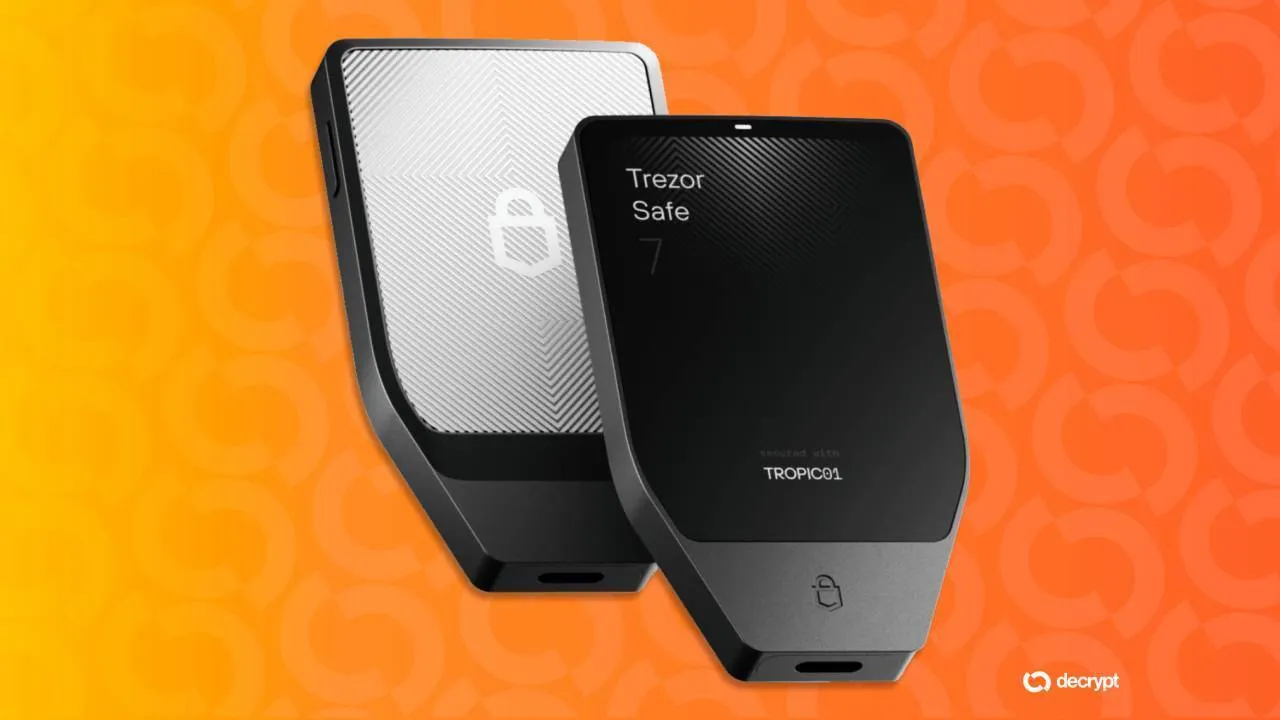
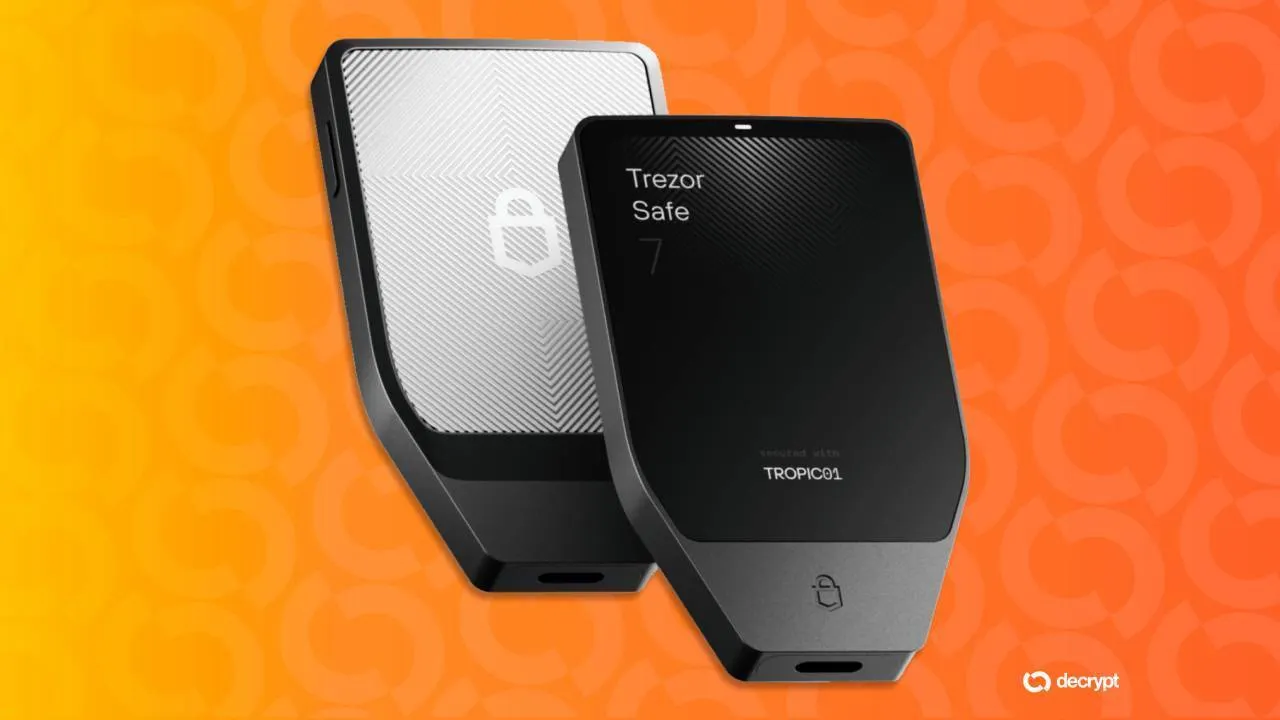
    Trezor users were alerted on Wednesday to a phishing campaign that originated from a breach of the company’s third-party email provider. The fraudulent email, disguised as a critical security alert, falsely claimed a vulnerability in STM32 microcontrollers affecting Trezor devices and urged recipients to click a malicious link.

    Trezor stated the email was not from them and issued a warning to users after 4:30 p.m. Eastern Time. However, users reported receiving the deceptive message hours earlier, appearing to come from a legitimate Trezor email address. The fake alert claimed that engineers had discovered a “critical hardware-level vulnerability” in the STM32 microcontrollers used in Trezor devices, alleging that an estimated one in four devices could be affected. This claim likely played on recent fears within the cryptocurrency community, particularly concerning the Coldcard exploit that reportedly cost users over $130 million in Bitcoin.

    “Please be aware that the email named ‘Critical Security Alert: STM32 Entropy Vulnerability’ is not coming from us, and it’s a phishing attempt. Do not click on any link,” Trezor stated in its warning. The company has since taken down the domain used in the attack and is investigating how hackers gained access to the email provider. The exact third-party email provider that was compromised remains uncertain, as does the full scope of how hackers gained access.

    Security professionals noted that such attacks often leverage compromised third-party services. Nick Neuman, co-founder and CEO of Casa, suggested that a marketing email provider was likely compromised. Similarly, Jameson Lopp, a Bitcoin security researcher, posted that threat actors may have compromised the email providers used by both Trezor and BitBox. Lopp added that malicious emails claiming issues with random number generators (RNGs) requiring security updates were being sent and did not appear to be spoofed, emphasizing that “No such security advisory has been issued!”

    This incident echoes previous security concerns within the hardware wallet ecosystem. In August, Trezor and Foundation issued warnings about phishing attempts that exploited fears surrounding hardware wallet vulnerabilities, following disclosures affecting Coldcard devices. In the same month, Trezor reported a breach at its shipping provider, ShipMonk, which exposed customer data for 80,689 individuals, including names, email addresses, phone numbers, and shipping addresses. Trezor had cautioned that this leaked information could be used for more sophisticated phishing attacks.

    The recurring nature of third-party service compromises highlights a significant and persistent threat to cryptocurrency companies and their users, underscoring the need for constant vigilance and verification of all communications.

    Why This Matters

    The materials describe a narrow update: Hackers gained access to Trezor’s third-party email provider and sent a phishing email disguised as a critical security alert. How hackers gained access to Trezor’s legitimate domain.

    Broader Context

    Source materials place the factual news in this context: Trezor warned users Wednesday that hackers breached its third-party email provider and used it to distribute a phishing email disguised as a critical security warning.

  • ترزور: هکرها به ارائه‌دهنده ایمیل ما نفوذ کردند

    ترزور: هکرها به ارائه‌دهنده ایمیل ما نفوذ کردند

    سازنده کیف پول سخت‌افزاری ترزور (Trezor) روز چهارشنبه به کاربران خود هشدار داد که هکرها به ارائه‌دهنده ایمیل شخص ثالث این شرکت نفوذ کرده و از آن برای توزیع ایمیل فیشینگ با پوشش هشدار امنیتی حیاتی استفاده کرده‌اند.

    هشدار ترزور درباره ایمیل فیشینگ

    ترزور در پلتفرم X نوشت: «لطفاً توجه داشته باشید که ایمیل با عنوان «هشدار امنیتی حیاتی: آسیب‌پذیری آنتروپی STM32» از سوی ما ارسال نشده و یک تلاش برای فیشینگ است. روی هیچ لینکی کلیک نکنید.»

    این شرکت اعلام کرد که دامنه مورد استفاده در این حمله را مسدود کرده و در حال تحقیق درباره چگونگی دسترسی هکرها به دامنه قانونی خود است.

    ایمیل جعلی ترزور ادعا می‌کند که مهندسان این شرکت «یک آسیب‌پذیری حیاتی در سطح سخت‌افزار» را در میکروکنترلرهای STM32 مورد استفاده در دستگاه‌های خود کشف کرده‌اند. سپس به دروغ ادعا می‌کند که این نقص، تخمین زده می‌شود یک چهارم دستگاه‌ها را تحت تأثیر قرار داده و ممکن است عبارات بازیابی (recovery phrases) را با آنتروپی (تصادفی بودن) ناکافی مواجه کند. این ادعا احتمالاً با هدف سوءاستفاده از ترس‌های مرتبط با اکسپلویت اخیر Coldcard که بیش از ۱۳۰ میلیون دلار بیت‌کوین را از کاربران ربود، مطرح شده است.

    ترزور بیانیه‌ای صادر کرد و این ایمیل را جعلی خواند و درست پس از ساعت ۴:۳۰ بعدازظهر به وقت شرقی به کاربران خود هشدار داد. این هشدار ساعت‌ها پس از آن منتشر شد که چندین کاربر گزارش دادند ایمیل کلاهبرداری فیشینگ را از آدرسی دریافت کرده‌اند که به نظر می‌رسید آدرس ایمیل قانونی ترزور باشد.

    گسترش احتمالی حمله

    نیک نیومن، هم‌بنیان‌گذار و مدیرعامل شرکت Casa، گفت که این کمپین ممکن است فراتر از ترزور گسترش یافته باشد و افزود که او همین موضوع را از کاربران Bitbox نیز شنیده است.

    نیومن در X گفت: «به احتمال زیاد یک ارائه‌دهنده ایمیل بازاریابی مورد نفوذ قرار گرفته است. هوشیار باشید و به ایمیل‌های ارائه‌دهندگان که سعی دارند شما را از طریق لینک‌های مشکوک وادار به انجام اقداماتی کنند، اعتماد نکنید.»

    هشدارهای مشابه از سوی کارشناسان امنیتی

    جیمسون لوپ، محقق امنیت بیت‌کوین و مدیر ارشد امنیتی Casa، هشدار مشابهی را مطرح کرد.

    او در پلتفرم X نوشت: «عوامل تهدید ممکن است ارائه‌دهندگان ایمیل مورد استفاده ترزور و BitBox را به خطر انداخته باشند. ایمیل‌های مخربی که ادعا می‌کنند هر دو دارای مولدهای عدد تصادفی (RNG) معیوب هستند و نیاز به به‌روزرسانی امنیتی دارند، ارسال می‌شوند و این ایمیل‌ها به نظر نمی‌رسد جعل شده باشند. هیچ توصیه امنیتی رسمی در این زمینه صادر نشده است!»

    سابقه حملات فیشینگ

    در ماه اوت، ترزور و شرکت سازنده کیف پول سخت‌افزاری Foundation به کاربران در مورد تلاش‌های فیشینگ که از ترس‌های امنیتی کیف پول سخت‌افزاری سوءاستفاده می‌کردند، هشدار دادند. این هشدار پس از آن صادر شد که محققان آسیب‌پذیری‌هایی را در دستگاه‌های Coldcard افشا کردند.

    در همان ماه، ترزور گزارش داد که نفوذ در ارائه‌دهنده خدمات حمل‌ونقل ShipMonk، داده‌های مشتریان متعلق به ۸۰,۶۸۹ نفر از جمله نام، آدرس ایمیل، شماره تلفن و آدرس پستی را افشا کرده است. این شرکت هشدار داد که اطلاعات فاش شده می‌تواند در حملات فیشینگ پیچیده‌تر مورد استفاده قرار گیرد.

  • سقوط امپراتوری جرم ارز دیجیتال با اعتراف جوان ۲۲ ساله

    سقوط امپراتوری جرم ارز دیجیتال با اعتراف جوان ۲۲ ساله

    مالون لام، شهروند سنگاپوری و ساکن جدید میامی، در واشینگتن دی.سی. به مشارکت در یک توطئه بین‌المللی جرایم سایبری که بیش از ۲۴۵ میلیون دلار ارز دیجیتال را سرقت و پولشویی کرده بود، اعتراف کرد.

    اعتراف به گناه

    ژانین فریس پیرو، دادستان، پس از حضور لام در برابر قاضی فدرال، کالین کولار-کوتلی، این اعتراف را اعلام کرد. طبق اطلاعیه مطبوعاتی رسمی، لام ۲۲ ساله به یک فقره مشارکت در توطئه RICO (قانون سازمان یافته فساد و اعمال اخاذی) اعتراف کرد و قاضی جلسه رسیدگی به وضعیت پرونده را برای ۸ دسامبر ۲۰۲۶ تعیین کرد. اسناد دادگاه ادعا می‌کنند که این تشکیلات جنایی حداقل از اکتبر ۲۰۲۳ آغاز شده و تا ماه مه ۲۰۲۵ ادامه داشته است.

    شبکه گسترده و روش‌های فریب

    این گروه از طریق ارتباطات در پلتفرم‌های بازی آنلاین گسترش یافته و شامل افرادی از کالیفرنیا، کنتیکت، نیویورک، فلوریدا و همچنین سایر کشورها بود. اعضای آن برای جمع‌آوری اطلاعاتی که به آنها در تخلیه کیف پول‌های ارز دیجیتال قربانیان کمک می‌کرد، از مهندسی اجتماعی و گاهی اوقات از ورود غیرقانونی به منازل استفاده می‌کردند.

    دادستان آمریکا، پیرو، اظهار داشت: «اگر امپراتوری جرایم سایبری بسازید، ما شما را پیدا خواهیم کرد، عملیاتتان را متلاشی خواهیم کرد و شما را پاسخگو خواهیم دانست. این متهم یک شبکه بین‌المللی را رهبری می‌کرد که از طریق فریب قربانیان را مورد آزار و اذیت قرار می‌داد، حریم خصوصی آنها را نقض می‌کرد و صدها میلیون دلار ارز دیجیتال را سرقت می‌کرد. ما با همکاری شرکای خود در FBI و IRS-CI، به شکار مجرمانی که از فناوری برای سرقت از مردم بی‌گناه استفاده می‌کنند، ادامه خواهیم داد.»

    سبک زندگی لوکس و دستگیری

    لام که با نام‌های مستعار “آن هاتاوی”، “$$$” و “کینگ گریوی” فعالیت می‌کرد، ظاهراً سازماندهی عملیات را بر عهده داشت، اهداف را انتخاب می‌کرد و نقش‌ها را بین همدستان تقسیم می‌کرد. وجوه سرقت شده سپس به شدت صرف کالاهای لوکس و خدمات می‌شد. این گروه تا ۵۰۰ هزار دلار برای یک شب خدمات کلوب شبانه پرداخت می‌کرد، کیف‌های دستی به ارزش ده‌ها هزار دلار برای هدیه دادن در مهمانی‌های کلوب شبانه خریداری می‌کرد و ساعت‌هایی به ارزش ۱۰۰ هزار دلار تا بیش از ۵۰۰ هزار دلار می‌خرید.

    آنها همچنین ده‌ها هزار دلار صرف لباس‌های لوکس می‌کردند، خانه‌هایی را در لس آنجلس، همپتونز و میامی اجاره می‌کردند، جت‌های خصوصی و یک تیم امنیتی خصوصی استخدام می‌کردند و خودروهای لوکس به ارزش بین ۱۰۰ هزار دلار تا ۳.۸ میلیون دلار خریداری می‌کردند. نیروهای انتظامی لام را در ۱۸ سپتامبر ۲۰۲۵ در خانه اجاره‌ای‌اش در میامی دستگیر کردند.

  • Jump Trading’s Hyperliquid Trading Volume Approaches $150 Billion

    Jump Trading’s Hyperliquid Trading Volume Approaches $150 Billion

    Jump Trading’s cumulative trading volume on the Hyperliquid exchange has approached $150 billion since its first deposit on December 12, 2025, according to data mapped by Hyperdash co-founder Hanson Birringer. This substantial activity positions Jump Trading as a key participant, significantly influencing Hyperliquid’s market share and revenue.

    Jump Trading operates a complex structure on Hyperliquid, utilizing one master account and 16 subaccounts, enabling specialized trading strategies across various asset classes. Currently, Jump’s trading accounts for approximately 8% of Hyperliquid’s total perpetual futures volume and 19% of its volume in “xyz markets.” In July, Jump’s market share saw a notable increase, reaching nearly 18% of the total exchange volume and 29% of the xyz markets volume.

    After an initial testing phase in December, during which it traded $153 million across BTC, SOL, and HYPE, Jump Trading funded its master account and established subaccounts. These accounts are reportedly dedicated to specific assets like crude oil, Brent, and natural gas, as well as new stock listings, while a larger book manages positions in the S&P 500, XYZ100, SK Hynix, silver, gold, and memory-related products.

    The firm’s strategy on Hyperliquid is primarily taker-driven, with maker volume constituting only 11% to 35% of its fills. According to Birringer, this approach suggests a hedging or arbitrage book paired with other trading venues to capture differences in spreads and funding rates. Jump’s current open positions include a long position of $32 million in Brent and $16 million in CL, alongside shorts in gold, silver, MU, NVDA, DRAM, SK Hynix, XYZ100, and megacap stocks. These positions total $145 million in notional value against $63.6 million in account value.

    Jump Trading’s influence is significant across various markets on Hyperliquid, accounting for 38% of DRAM volume, 36% of NATGAS, 33% of Brent, 32% of SP500, 26% of XYZ100, and 16% of CL. Its share in BTC volume is comparatively lower at 2.6%.

    Between April and August, Jump Trading also utilized Hyperliquid’s gossip priority feature, paying 966 HYPE tokens, primarily in May, before discontinuing its use. To date, Jump has paid approximately $7 million in fees to Hyperliquid. Despite these fees, the firm has generated only a few hundred thousand dollars in profit and loss (PNL), supporting the view that its Hyperliquid activity is part of a broader, multi-venue market-making operation. Jump’s approximately $65 million in USDC margin on the exchange is estimated to generate an additional $1.8 million in annual revenue for Hyperliquid through AQAV2 fee accrual.

    In parallel, the HYPE token reached an all-time high of $89.60 on September 6. This price movement coincided with new data revealing institutional holdings across three HYPE-focused exchange-traded funds: the Bitwise Hyperliquid ETF, 21Shares Hyperliquid ETF, and Grayscale Hyperliquid Staking ETF. According to Bloomberg Intelligence ETF analyst James Seyffart, second-quarter 13F filings showed 30 investment managers holding a combined total of around $75 million in these funds. Wealth High Governance Asset Management held the largest position at nearly $24 million, followed by OLP Capital Management ($10.5 million), UBS ($7.5 million), Bank of Montreal ($6.7 million), and Jane Street Group ($4.4 million), among others.

    Recent discussions have also touched upon Hyperliquid’s regulatory landscape. Last month, it was reported that Trump commented on efforts by Commodity Futures Trading Commission Chair Michael Selig to bring the perpetuals-focused trading platform into the U.S. in a “fully compliant and legal fashion,” fueling expectations regarding its potential expansion into the country.

    Why This Matters

    The core event is Jump Trading’s cumulative trading volume on the Hyperliquid exchange approaching $150 billion since December 12, 2025. The exact total trading volume on Hyperliquid remains an uncertainty.

    Broader Context

    Jump Trading’s cumulative trading volume on Hyperliquid has nearly reached $150 billion since the firm made its first deposit on December 12, 2025, according to Hyperdash co-founder Hanson Birringer, who mapped the firm’s entire activity on the exchange. This activity represents a significant portion of Hyperliquid’s overall volume and revenue.

  • حجم معاملات هایپرلیکویید جم به ۱۵۰ میلیارد دلار نزدیک شد

    حجم معاملات هایپرلیکویید جم به ۱۵۰ میلیارد دلار نزدیک شد

    حجم معاملات تجمعی شرکت Jump Trading در پلتفرم Hyperliquid به نزدیک ۱۵۰ میلیارد دلار رسیده است. این رقم از زمان اولین واریز این شرکت در تاریخ ۱۲ دسامبر ۲۰۲۵ محاسبه شده است. هانسون بیرینگر، هم‌بنیان‌گذار Hyperdash، که فعالیت‌های این شرکت را در این صرافی رصد کرده، این آمار را اعلام کرده است.

    فعالیت گسترده Jump Trading در Hyperliquid

    شرکت Jump Trading با استفاده از یک حساب اصلی و ۱۶ حساب فرعی، بخش قابل توجهی از حجم معاملات در Hyperliquid را به خود اختصاص داده است. در حال حاضر، معاملات این شرکت تقریباً ۸ درصد از کل حجم معاملات آتی دائمی (perpetual futures) در Hyperliquid و ۱۹ درصد از حجم معاملات در بازارهای xyz را شامل می‌شود. در ماه جولای به تنهایی، سهم Jump Trading به حدود ۱۸ درصد از کل حجم معاملات صرافی و ۲۹ درصد از حجم معاملات بازارهای xyz افزایش یافته است. این شرکت در ابتدا حدود یک هفته در ماه دسامبر را صرف آزمایش پلتفرم کرد و در این مدت با حجم ۱۵۳ میلیون دلار در بازارهای BTC، SOL و HYPE معامله کرد، پیش از آنکه حساب اصلی خود را شارژ کرده و فرآیند ایجاد حساب‌های فرعی را آغاز کند.

    استراتژی و سبد معاملاتی Jump Trading

    هر یک از کیف پول‌های Jump Trading نقش مشخصی دارد؛ برخی حساب‌ها به طور اختصاصی برای معاملات نفت خام، برنت، گاز طبیعی و هر فهرست جدید سهام در نظر گرفته شده‌اند، در حالی که یک دفتر معاملاتی بزرگتر مسئولیت مدیریت S&P 500، XYZ100، SK Hynix، نقره، طلا و نام‌های مرتبط با حافظه را بر عهده دارد. استراتژی اصلی این شرکت عمدتاً بر حجم معاملات “تیکر” (taker volume) متمرکز است، زیرا حجم معاملات “میکر” (maker volume) تنها ۱۱ تا ۳۵ درصد از معاملات انجام شده را تشکیل می‌دهد. به گفته بیرینگر، این رویکرد به نظر می‌رسد بخشی از یک استراتژی پوشش ریسک یا آربیتراژ باشد که با سایر پلتفرم‌ها برای بهره‌برداری از تفاوت در اسپردها و نرخ‌های تامین مالی (funding rates) ترکیب شده است.

    در حال حاضر، سبد معاملاتی Jump Trading شامل موقعیت‌های خرید به ارزش ۳۲ میلیون دلار در برنت و ۱۶ میلیون دلار در CL است، در حالی که موقعیت‌های فروش در طلا، نقره، MU، NVDA، DRAM، SK Hynix، XYZ100 و نام‌های بزرگ (megacap) دارد. ارزش کل این موقعیت‌ها به صورت اسمی ۱۴۵ میلیون دلار در برابر ۶۳.۶ میلیون دلار ارزش حساب است. در سطح بازارهای انفرادی، این شرکت معاملاتی ۳۸ درصد از حجم معاملات DRAM، ۳۶ درصد از NATGAS، ۳۳ درصد از Brent، ۳۲ درصد از SP500، ۲۶ درصد از XYZ100 و ۱۶ درصد از CL را به خود اختصاص داده است، در مقایسه با ۲.۶ درصد از حجم معاملات BTC.

    هزینه‌ها و درآمدزایی Jump Trading

    بین ماه‌های آوریل و آگوست، حساب اصلی Jump Trading همچنین استفاده خود از ویژگی اولویت‌بندی “گاسیپ” (gossip priority) در Hyperliquid را افزایش داد و ۹۶۶ واحد HYPE پرداخت کرد که بیشتر آن در ماه می بود، پیش از آنکه این فعالیت متوقف شود. این شرکت تاکنون حدود ۷ میلیون دلار کارمزد به صرافی پرداخت کرده است، در حالی که تنها چند صد هزار دلار سود خالص (PNL) کسب کرده است. این موضوع این دیدگاه را تقویت می‌کند که فعالیت Jump Trading در Hyperliquid بخشی از یک عملیات بازارسازی چندجانبه است.

    حاشیه سود (margin) حدود ۶۵ میلیون دلاری این شرکت در قالب USDC در این صرافی، همچنین سالانه ۱.۸ میلیون دلار درآمد اضافی برای Hyperliquid از طریق مکانیزم اخیر “AQAV2 fee accrual” ایجاد می‌کند.

    رشد قیمت HYPE و سرمایه‌گذاری نهادی

    توکن HYPE در تاریخ ۶ سپتامبر به بالاترین قیمت خود یعنی ۸۹.۶۰ دلار رسید و سه روز بعد نیز در نزدیکی این سطح باقی ماند. افزایش اخیر قیمت این توکن همزمان با انتشار داده‌های جدیدی بود که نشان‌دهنده افزایش دارایی‌های نهادی در سه صندوق مبتنی بر HYPE بود: ETF بیت‌ویو Hyperliquid، ETF 21Shares Hyperliquid و ETF Grayscale Hyperliquid Staking. جیمز سیفارت، تحلیلگر ETF در بلومبرگ اینتلیجنس، اخیراً اعلام کرد که گزارش‌های فصل دوم 13F نشان می‌دهد ۳۰ مدیر سرمایه‌گذاری در مجموع حدود ۷۵ میلیون دلار در این صندوق‌ها سرمایه‌گذاری کرده‌اند.

    شرکت Wealth High Governance Asset Management با دارایی نزدیک به ۲۴ میلیون دلار، بیشترین سهم را داشت و پس از آن OLP Capital Management با ۱۰.۵ میلیون دلار قرار گرفت. UBS نیز ۷.۵ میلیون دلار، بانک مونترال حدود ۶.۷ میلیون دلار و Jane Street Group تقریباً ۴.۴ میلیون دلار سرمایه‌گذاری کرده بودند. سایر دارندگان گزارش شده شامل Discovery Capital، Brevan Howard، Flow Traders، Virtu Financial و HighTower Advisors بودند.

    ماه گذشته، ترامپ اعلام کرد که مایکل سلیگ، رئیس کمیسیون معاملات آتی کالا (CFTC)، در تلاش است تا این پلتفرم معاملاتی متمرکز بر معاملات دائمی را به شیوه‌ای “کاملاً منطبق و قانونی” وارد ایالات متحده کند، که این امر انتظارات پیرامون گسترش آن به این کشور را افزایش داده است.

  • Cardano (ADA) Price Rises 13% Weekly, Analysts Offer Divergent Predictions

    Cardano (ADA) Price Rises 13% Weekly, Analysts Offer Divergent Predictions

    Cardano’s native token, ADA, has seen a significant price increase of approximately 13% over the past seven days, solidifying its position among the top 20 cryptocurrencies. This recent performance has spurred a variety of price predictions from market analysts, with forecasts ranging from modest short-term gains to more ambitious long-term targets.

    As of press time, ADA is valued at around $0.22, according to CoinGecko. The token’s 13% rise in the last week places it among the top performers in the crypto market during this period. This recent price movement has coincided with discussions about its future trajectory, with several analysts sharing their outlooks.

    Analyst Outlooks and Technical Signals

    X user More Crypto Online observed that the recent bounce on ADA’s chart remains intact, suggesting that a break above $0.23 is a key objective for bullish investors. Crypto With Gopal identified an inverted head-and-shoulders formation in ADA’s price graph, noting that buyers are defending the neckline around $0.22. According to the analyst, momentum is shifting bullish as the price pushes into resistance, and a clean notable move above the neckline could potentially lead to a target of $0.26.

    Further adding to the optimistic outlook, X user Sssebi suggested there is a significant possibility of ADA reaching $0.30 if it reclaims the $0.25 price level. The popular analyst Ali Martinez previously reported that Cardano’s Tom DeMark Sequential indicator had flashed a buy signal, contributing to a positive sentiment within the community.

    However, some predictions extend to more speculative territory. X user Cup recently opined that the market is on the cusp of a major altcoin season, projecting that ADA could potentially surge to a new all-time high of $8. While such a substantial increase may seem unlikely at this stage, the cryptocurrency market is known for its volatility and unexpected movements.

    Technical Indicators and Market Context

    Technical indicators offer a more nuanced perspective. ADA’s Relative Strength Index (RSI) currently stands at approximately 73. Generally, an RSI reading above 70 is considered to indicate that an asset may have entered overbought territory, suggesting a potential for a short-term correction. Conversely, readings below 30 are often viewed as potential buying opportunities.

    Broader market trends, such as the ongoing shift of assets from centralized platforms to self-custody methods, are also noted as factors that could reduce immediate selling pressure and support a bullish outlook for ADA.

    Uncertainties and Conclusion

    Despite the various predictions and positive technical signals, significant uncertainties remain. The exact timing and magnitude of any potential short-term pullback are difficult to predict. Furthermore, the broader performance of the crypto market, often referred to as ‘altseason,’ remains a key factor influencing ADA’s trajectory. The possibility of ADA reaching a new all-time high of $8 is highly speculative, and the market’s future performance is subject to numerous variables.

    In conclusion, Cardano’s recent 13% price increase is a significant development, supported by several analyst predictions and technical observations. However, the market remains dynamic, and the RSI indicator suggests that a short-term correction is also a plausible scenario. Investors are advised to approach price predictions with caution, acknowledging the inherent uncertainties in the cryptocurrency market.

    Why This Matters

    The materials describe a narrow update: Cardano’s native token, ADA, has seen a significant price increase of approximately 13% in the last seven days, placing it among the top 20 cryptocurrencies. Whether ADA will reach a new all-time high of $8.