Blog

  • Bybit to Support Nibiru Network Upgrade

    Bybit to Support Nibiru Network Upgrade

    Bybit to Support Nibiru Network Upgrade

    Cryptocurrency exchange Bybit has announced its support for the upcoming Nibiru (NIBI) v2.18.1 network upgrade. The upgrade is scheduled to occur on August 21, 2026, at approximately 06:50 AM UTC, or at block height 44,788,180.

    To facilitate a seamless transition, Bybit will temporarily suspend all deposits and withdrawals for the Nibiru (NIBI) token. This suspension will commence on August 21, 2026, at 06:00 AM UTC.

    Trading activities on the platform will remain unaffected during the upgrade period.

    Bybit has stated that there will be no additional announcements regarding the resumption of deposit and withdrawal services. Users wishing to be notified when these services are back online are advised to visit the Deposit or Withdrawal page and select the “Set Alert” option.

    Further details regarding the network upgrade can be found in the official release notes.

  • بایبیت از ارتقاء شبکه نیبیریو (NIBI) v2.18.1 پشتیبانی می‌کند

    بایبیت از ارتقاء شبکه نیبیریو (NIBI) v2.18.1 پشتیبانی می‌کند

    بیت‌بای از ارتقاء شبکه نیبیریو (NIBI) پشتیبانی می‌کند

    صرافی ارز دیجیتال بیت‌بای (Bybit) اعلام کرد که از ارتقاء نسخه v2.18.1 شبکه نیبیریو (Nibiru) پشتیبانی خواهد کرد. این ارتقاء قرار است در تاریخ ۲۱ اوت ۲۰۲۶، حدود ساعت ۰۶:۵۰ به وقت جهانی هماهنگ (UTC) و در ارتفاع بلاک ۴۴,۷۸۸,۱۸۰ انجام شود.

    تعلیق موقت واریز و برداشت

    به منظور اطمینان از اجرای روان این فرآیند، واریز و برداشت توکن نیبیریو (NIBI) از ساعت ۰۶:۰۰ به وقت جهانی هماهنگ (UTC) در تاریخ ۲۱ اوت ۲۰۲۶ به طور موقت متوقف خواهد شد.

    تأثیر بر فعالیت‌های معاملاتی

    بیت‌بای تأکید کرده است که سایر فعالیت‌ها از جمله معاملات تحت تأثیر این ارتقاء قرار نخواهند گرفت.

    نحوه دریافت اعلان از سرگیری خدمات

    این صرافی اعلام کرده است که هیچ اطلاعیه دیگری در خصوص از سرگیری خدمات واریز و برداشت منتشر نخواهد کرد. کاربران برای دریافت اعلان هنگام از سرگیری این خدمات، می‌توانند به صفحه واریز یا برداشت مراجعه کرده و گزینه “تنظیم هشدار” (Set Alert) را فعال کنند.

    برای کسب اطلاعات بیشتر در خصوص جزئیات این ارتقاء، لطفاً به یادداشت‌های انتشار رسمی مراجعه فرمایید.

    بیت‌بای از حمایت مستمر کاربران خود سپاسگزاری می‌کند.

  • بای‌بیت از ارتقای شبکه Secret (SCRT) v1.26.0 پشتیبانی می‌کند

    بای‌بیت از ارتقای شبکه Secret (SCRT) v1.26.0 پشتیبانی می‌کند

    بای‌بیت از ارتقاء شبکه Secret (SCRT) پشتیبانی می‌کند

    صرافی ارز دیجیتال بای‌بیت (Bybit) اعلام کرد که از ارتقاء نسخه ۱.۲۶.۰ شبکه Secret (SCRT) پشتیبانی خواهد کرد. این ارتقاء قرار است در تاریخ ۲۱ اوت ۲۰۲۶، حدود ساعت ۱۵:۳۰ به وقت جهانی (UTC) و در ارتفاع بلاک ۲۶,۷۹۰,۳۲۷ صورت پذیرد.

    تعلیق موقت واریز و برداشت

    به منظور اطمینان از انتقال روان و بدون اختلال، خدمات واریز و برداشت توکن Secret (SCRT) از ساعت ۱۴:۳۰ به وقت جهانی (UTC) در تاریخ ۲۱ اوت ۲۰۲۶ به طور موقت متوقف خواهد شد.

    ادامه فعالیت‌های معاملاتی

    بای‌بیت تاکید کرده است که سایر فعالیت‌ها از جمله معاملات تحت تأثیر این ارتقاء قرار نخواهند گرفت و به صورت عادی ادامه خواهند یافت.

    اطلاعیه از سرگیری خدمات

    این صرافی همچنین اعلام کرد که اطلاعیه جداگانه‌ای در خصوص از سرگیری خدمات واریز و برداشت منتشر نخواهد کرد. کاربران برای دریافت هشدار هنگام از سرگیری این خدمات، می‌توانند به صفحه واریز یا برداشت مراجعه کرده و گزینه “تنظیم هشدار” (Set Alert) را فعال کنند.

    برای کسب اطلاعات بیشتر در خصوص جزئیات این ارتقاء، کاربران می‌توانند به یادداشت‌های رسمی انتشار یافته در وب‌سایت Secret مراجعه کنند.

    بای‌بیت از همراهی و حمایت مستمر کاربران خود سپاسگزاری کرد.

  • HSBC, Standard Chartered Execute First Live Tokenized Deposit Transfer on SWIFT Blockchain Ledger

    HSBC, Standard Chartered Execute First Live Tokenized Deposit Transfer on SWIFT Blockchain Ledger

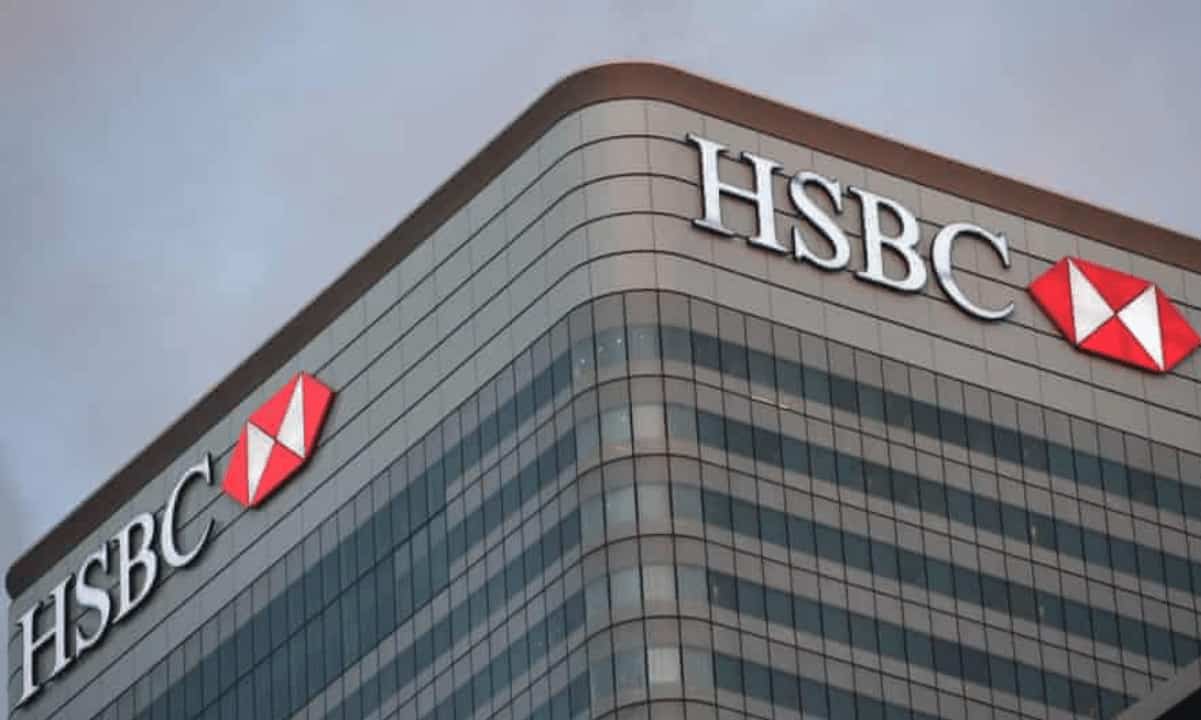
    HSBC and Standard Chartered have completed the first live tokenized deposit transfer utilizing SWIFT’s new blockchain-based ledger, a development that signals a move toward integrating digital assets into traditional financial infrastructure. The transaction, which took place on August 19, involved the exchange of payment messages between the banks’ respective tokenized deposit services, with the resulting obligations recorded on both systems.

    SWIFT’s ledger functioned as an orchestration layer, netting obligations between HSBC and Standard Chartered before final settlement occurred through existing payment rails. This event is part of a broader pilot program involving 17 banks from six continents actively testing live transactions on the network.

    The SWIFT ledger’s minimum viable product (MVP) is built on open-source foundations, employing an Ethereum Virtual Machine-compatible architecture based on Hyperledger Besu. Consensys developed the conceptual prototype for the project, announced in September 2025. According to SWIFT, the ledger is designed for integration with the broader digital asset ecosystem, with SWIFT managing the ledger to oversee transaction workflows, validate funding commitments, and coordinate interbank processes.

    “HSBC’s interoperability transaction with Standard Chartered via SWIFT is a landmark moment for the promise of tokenised deposits,” said Lewis Sun, Head of Digital Currencies at HSBC. Mark Willis, Head of Emerging Payments, Transaction Services and Digital Assets at Standard Chartered, noted that “tokenized deposits are a key pillar of Standard Chartered’s digital assets strategy, which aims to build end-to-end solutions.”

    Other banks piloting transactions on the network include ANZ, BNP Paribas, BNY, Citi, DBS, MUFG, UBS, and Wells Fargo. “With our new ledger capability, we’re extending the trust and stability of established finance into the frontiers of digital money,” said Thierry Chilosi, Chief Business Officer at Swift.

    Meanwhile, American banks are developing their own infrastructure. The Clearing House is creating a tokenized deposit network named The Bridge, with participation from JPMorgan Chase, Bank of America, Citigroup, and Wells Fargo. This network is slated for launch in the first half of 2027 and is intended to be accessible to all U.S. banks. However, Bank of America’s Mark Monaco has stated that clients are not yet demonstrating significant demand for tokenized deposits.

    HSBC has previous experience with digital asset transactions, having participated in a S$400 million digital bond issuance with SGX and Temasek that reduced primary settlement time from five days to two. SWIFT itself is a critical component of global financial infrastructure, processing the equivalent of world GDP every two to three days across more than 200 markets, with 75% of payments reaching beneficiary banks within 10 minutes.

    The successful execution of this live tokenized deposit transfer by HSBC and Standard Chartered on SWIFT’s platform represents a step toward integrating tokenized deposits into existing financial infrastructure. The ongoing piloting by 17 banks indicates industry adoption and testing of this technology. However, the development of competing networks like ‘The Bridge’ suggests a dynamic and potentially fragmented market for tokenized deposit solutions.

    Why This Matters

    The materials describe a narrow update: HSBC and Standard Chartered successfully executed a live tokenized deposit transaction on SWIFT’s new blockchain ledger. Client demand for tokenized deposits is not yet high, according to Bank of America.

    Broader Context

    Source materials place the factual news in this context: HSBC and Standard Chartered executed the first live tokenized deposit transaction on SWIFT’s blockchain-based ledger, the two banks said on August 19, six weeks after the network opened to an initial cohort of 17 banks.

  • Prediction Markets Navigate Regulatory Uncertainty Amid Industry Debate

    Prediction Markets Navigate Regulatory Uncertainty Amid Industry Debate

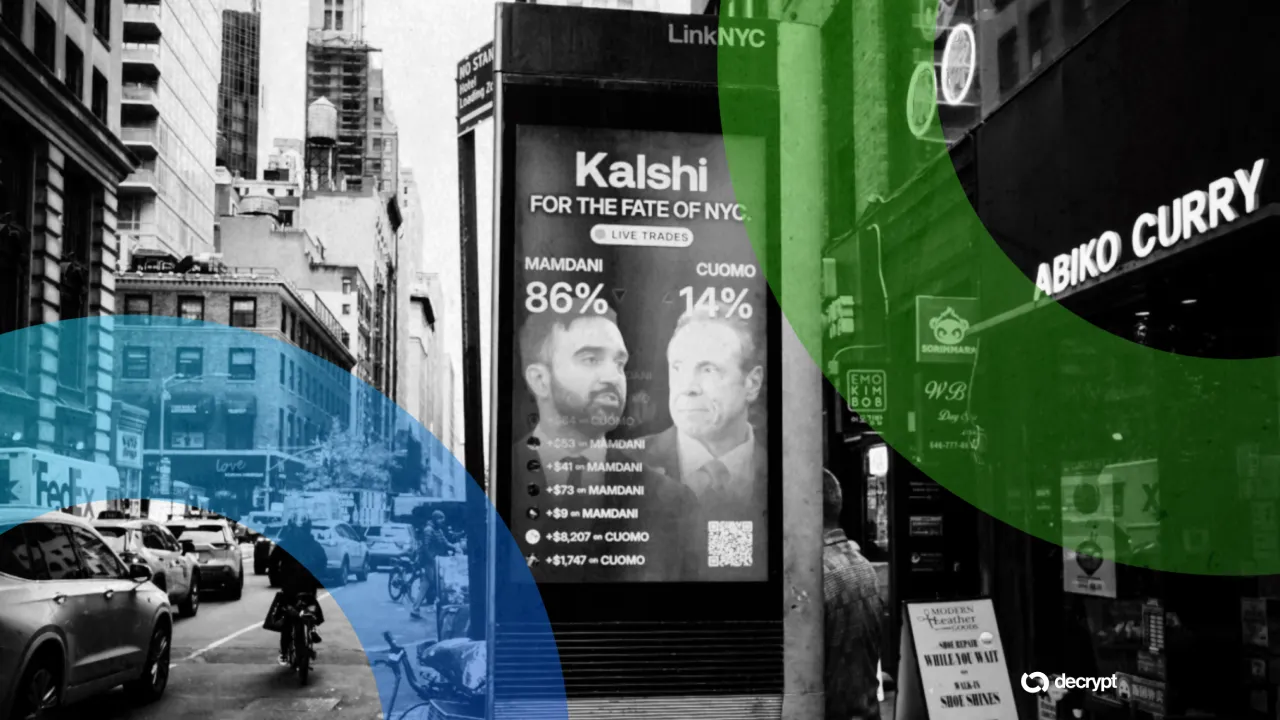
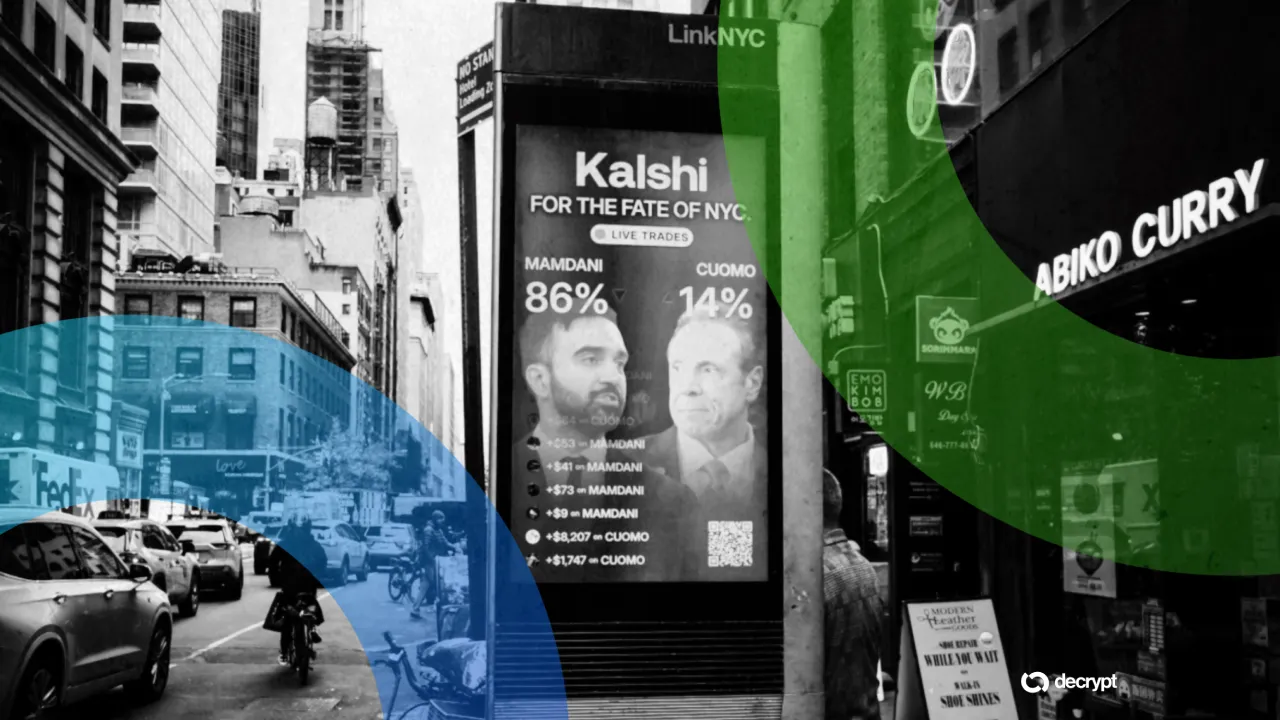
    The integrity and oversight of prediction markets are subjects of ongoing debate, with established players like CME Group expressing concerns about manipulation and newer platforms like Kalshi advocating for regulatory frameworks to address market risks. This tension was evident during a recent Commodity Futures Trading Commission (CFTC) roundtable in Washington, D.C., where executives from traditional finance, crypto, and prediction markets discussed the evolving regulatory landscape.

    During the roundtable, CME Group Chairman Terry Duffy voiced concerns regarding the potential for market manipulation and the types of contracts offered by platforms such as Kalshi. According to Duffy, “We are running the most envious markets in the United States of America,” and he questioned the nature of some prediction market contracts, referencing the “Nathan’s hot dog eating contest” as an example. He also commented on regulatory resources, stating, “I have more people in my regulatory department than you have in your whole company.”

    Kalshi co-founder Luana Lopes Lara responded by emphasizing that all markets carry risks and that regulation is the appropriate mechanism for addressing issues. Lara stated, “Every market has risk and every nascent market may have risks as well, and there have been issues in every single traditional market and every single exchange here, onshore and offshore.” She added, “And I think the point of having regulation is that you find these issues, you address these issues, and there’s a way to address them in a correct way.”

    DraftKings CEO Jason Robins urged participants to focus on the issues at hand and avoid personal attacks, underscoring a desire for more constructive discourse as the industry navigates regulatory questions.

    Prediction markets allow users to wager on the outcomes of future events through futures contracts, with a typical settlement value of $1. The CFTC has been actively scrutinizing these markets, contributing to significant regulatory uncertainty. The agency has taken legal action against states attempting to regulate event contracts under gambling laws, asserting its own jurisdiction.

    In June, the CFTC proposed restrictions on certain contracts, particularly those involving war, assassination, or specific sports proposition bets, which are considered more susceptible to manipulation. Earlier this month, nine Democratic senators also urged the CFTC to prohibit wildfire event contracts, citing concerns about potential incentives for arson, insider trading, and disaster profiteering.

    Adding to the complex regulatory environment, a Washington judge recently ordered Kalshi to cease offering certain contracts within the state, finding they likely violated state gambling and consumer protection laws. This ruling came shortly after the CFTC ordered Kalshi to continue trading amidst a separate dispute concerning New York’s attempt to block its contracts, illustrating the fragmented and contested nature of regulatory oversight.

    The core of the debate revolves around whether these contracts constitute federally regulated derivatives or gambling products subject to state law. This ongoing regulatory uncertainty impacts the future development and oversight of prediction markets, with the ultimate framework for their operation remaining unclear. The differing perspectives from established exchanges and newer platforms highlight the challenges in defining market integrity and appropriate regulatory measures in this evolving financial space.

    Why This Matters

    The materials describe a narrow update: During a CFTC roundtable discussion on prediction markets, CME Group Chairman Terry Duffy expressed concerns about market manipulation and the types of contracts offered by Kalshi. The ultimate regulatory framework for prediction markets.

    Broader Context

    Source materials place the factual news in this context: The confrontation unfolded during a Commodity Futures Trading Commission meeting in Washington, D.C., as executives from traditional finance, crypto, and prediction markets debated how event contracts should be regulated.

  • سم آلتمن از چت‌جی‌پی‌تی پرسید: بیت‌کوین در پایان ۲۰۲۶ کجا خواهد بود؟

    سم آلتمن از چت‌جی‌پی‌تی پرسید: بیت‌کوین در پایان ۲۰۲۶ کجا خواهد بود؟

    سه روز در ماه اوت، بیش از سه ماه گذشته بر احساسات بازار تأثیر گذاشت. هوش مصنوعی ChatGPT پیش‌بینی می‌کند که این روند ادامه خواهد داشت و پیش‌بینی قیمت، بیت‌کوین را تا پایان سال ۲۰۲۶ در محدوده ۹۵,۰۰۰ تا ۱۱۰,۰۰۰ دلار قرار می‌دهد که میانگین مورد انتظار ۱۰۲,۰۰۰ دلار است.

    قوی‌ترین سیگنال کوتاه‌مدت، تقاضای مجدد است. صندوق‌های قابل معامله در بورس (ETF) اسپات بیت‌کوین در ایالات متحده در تاریخ ۱۷ اوت ۲۹۷.۵ میلیون دلار جذب کردند. این رقم، خروج سرمایه در چندین جلسه معاملاتی قبلی را جبران کرد. ChatGPT این موضوع را نشانه‌ای بالقوه برای بازگشت خرید پایدار در حاشیه بازار تفسیر می‌کند. پس از آن، یک روز بعد، مقررات جدیدی مطرح شد. کمیسیون بورس و اوراق بهادار (SEC) چارچوب جدید مقررات دارایی‌های رمزارزی خود را در ۱۸ اوت پیشنهاد داد.

    این اقدام، عدم قطعیت سیاستی پیرامون بازارهای رمزارزی ایالات متحده را کاهش می‌دهد. قوانینی که افراد بتوانند بر اساس آن‌ها برنامه‌ریزی کنند، ارزشمندتر از قوانینی مطلوب هستند که ممکن است تغییر کنند.

    قانون شفافیت (CLARITY Act) پشتوانه هر دو این تحولات است. این قانون از کمیته بانکی سنا عبور کرده و برای اقدام سنا در نظر گرفته شده است که در صورت تصویب، اعتماد بازار را بیش از پیش افزایش خواهد داد. سناریوی نزولی، همین مکانیسم‌ها را معکوس می‌کند. اولین ریسک، معکوس شدن روند خروج سرمایه از ETFها است.

    انقباض پولی کلان (Macro tightening) این وضعیت را تشدید می‌کند. این دو عامل در کنار هم می‌توانند قیمت بیت‌کوین را به سمت ۵۵,۰۰۰ تا ۶۰,۰۰۰ دلار بازگردانند.

    روند نزولی شکسته شد

    نمودار روزانه، روند نزولی را نشان می‌دهد که به تازگی شکسته شده است. بیت‌کوین در اکتبر گذشته به اوج خود در نزدیکی ۱۲۶,۰۰۰ دلار رسید و سپس روند نزولی را آغاز کرد. در نوامبر و دسامبر، قیمت به سمت ۸۰,۰۰۰ دلار کاهش یافت. در فوریه، شاهد افت شدید تا نزدیکی ۵۹,۰۰۰ دلار بودیم. در بهار، قیمت تا ماه مه به ۸۲,۰۰۰ دلار بهبود یافت، اما در ماه ژوئن دوباره کاهش یافت. پایین‌ترین قیمت در حدود ۵۸,۰۰۰ دلار ثبت شد.

    در ماه ژوئیه و اوت، با افزایش کف‌های قیمتی، یک سطح حمایتی شکل گرفت. آخرین جلسه معاملاتی، خط مقاومت نزولی را که از ماه ژوئن هر جهشی را محدود کرده بود، شکست.

    قیمت پایانی در روز ۶۸,۷۴۶ دلار بود که ۶.۲۸ درصد و ۴,۰۶۰ دلار افزایش را در روز نشان می‌دهد. محدوده روزانه بین ۶۴,۱۱۳ دلار تا ۶۹,۷۴۹ دلار بود. سطوح حمایتی در ۶۵,۰۰۰ دلار، سپس ۶۰,۰۰۰ دلار و ۵۸,۰۰۰ دلار قرار دارند. سطوح مقاومت در ۷۲,۰۰۰ دلار، سپس ۷۶,۰۰۰ دلار و ۸۲,۰۰۰ دلار دیده می‌شوند.

    شاخص قدرت نسبی (RSI) عدد ۷۲.۱۱ را نشان می‌دهد و خط سیگنال آن در ۵۰.۷۵ قرار دارد. این اختلاف بیش از ۲۱ واحدی، نشان‌دهنده تغییر شدید در شتاب بازار است. نوسان‌گر نیز وارد منطقه اشباع خرید شده است. شتاب بازار به شدت صعودی است، هرچند خوانشی که اینقدر کشیده شده باشد، اغلب نشان‌دهنده نیاز به تثبیت است.

    مورد پایه پیش‌بینی ChatGPT، ۴۸ درصد بالاتر از این سطح قرار دارد. حفظ قیمت بالای خط روند شکسته شده، عاملی است که یک روز قوی را به یک روند تبدیل می‌کند.

    واکنش سریع بازارها

    آخرین حرکت بیت‌کوین نشان می‌دهد که بازارها در صورت ورود همزمان چندین عامل محرک، با چه سرعتی می‌توانند واکنش نشان دهند. سوال دشوارتر این است که قبل از رسیدن خبر بعدی چه اتفاقی خواهد افتاد.

    Kalshi به معامله‌گران راهی برای موقعیت‌گیری مستقیم در قبال این نتایج ارائه می‌دهد.

    بازارهای این پلتفرم، رویدادهای دنیای واقعی را در حوزه‌های رمزارز، مقررات، اقتصاد، سیاست فدرال رزرو، سیاست و سایر عوامل محرکی که قادر به تغییر قیمت دارایی‌ها هستند، پوشش می‌دهند. به جای خرید بیت‌کوین هر بار که انتظار اخبار مطلوب دارید، می‌توانید دیدگاه خود را در مورد خود رویداد معامله کنید و احتمالاتی را که بازار به آن نتیجه اختصاص می‌دهد، مشاهده کنید.

    این امر به ویژه زمانی مفید است که بیت‌کوین پس از یک حرکت ۶ درصدی روزانه، در منطقه اشباع خرید قرار دارد. انتشار بعدی داده‌های ETF، تصمیمات نظارتی یا تحولات سنا می‌تواند مهم باشد، اما واکنش بیت‌کوین ممکن است قبل از وقوع، در بازار پیش‌خور شده باشد.

    Kalshi راه دیگری برای معامله این فرضیه قبل از تبدیل شدن آن به یک کندل دیگر در نمودار ارائه می‌دهد.

    کاربران جدید واجد شرایط که از طریق CryptoNews ثبت‌نام می‌کنند، می‌توانند ۲۵ دلار از طریق لینک معرفی ما دریافت کنند.

    پست: از هوش مصنوعی ChatGPT سم آلتمن پرسیدیم بیت‌کوین در پایان سال ۲۰۲۶ کجا خواهد بود. اولین بار در Cryptonews منتشر شد.

  • تنش در واشنگتن؛ مدیران سی‌ام‌ای و کالشی بر سر بازارهای پیش‌بینی درگیر شدند

    تنش در واشنگتن؛ مدیران سی‌ام‌ای و کالشی بر سر بازارهای پیش‌بینی درگیر شدند

    نشست کمیسیون معاملات آتی کالا (CFTC) درباره بازارهای پیش‌بینی روز پنجشنبه شاهد درگیری لفظی شدیدی میان تری دافی، رئیس گروه CME و لوآنا لوپس لارا، هم‌بنیان‌گذار Kalshi، بر سر دستکاری بازار و مقررات بود.

    درگیری در نشست CFTC

    این رویارویی در جریان نشست کمیسیون معاملات آتی کالا در واشینگتن دی.سی. رخ داد، جایی که مدیران بخش‌های مالی سنتی، ارزهای دیجیتال و بازارهای پیش‌بینی درباره نحوه تنظیم قراردادهای رویداد به بحث و تبادل نظر پرداختند.

    تری دافی، که گروه CME او بزرگترین بورس آتی جهان از نظر حجم معاملات را اداره می‌کند، اعلام کرد که “بسیار نگران” بازارهای پیش‌بینی است و استدلال کرد که برخی قراردادها مستعد دستکاری هستند.

    دافری گفت: “ما دسته‌ای از شیادان سیرک نیستیم. ما در حال اداره سودآورترین بازارهای جهان در ایالات متحده آمریکا هستیم.”

    سپس دافی به انواع قراردادهایی که Kalshi ارائه می‌دهد حمله کرد و یکی از آن‌ها را به سخره گرفت.

    دافری با طعنه گفت: “یک قرارداد اقتصادی دیگر وجود دارد که برای ایالات متحده بسیار مهم بوده است. آن هم مسابقه هات‌داگ‌خوری ناتان است.”

    او همچنین پرسید که چرا Kalshi می‌تواند بازار پیش‌بینی محاسباتی را ارائه دهد، در حالی که قراردادهای محاسباتی پیشنهادی CME همچنان در حال بررسی هستند.

    پس از آنکه نام Kalshi برده شد، لارا دافی را به چالش کشید و به سابقه خود گروه CME اشاره کرد.

    لارا گفت: “من فقط می‌خواستم پاسخ دهم چون نام ما برده شد. در واقع باید از تری بپرسم: آیا گروه CME تا به حال با هرگونه دستکاری بازار، هرگونه مشکلی در طول تاریخ خود مواجه شده است؟”

    دافری پاسخ داد: “اگر مایل به مناظره هستید، من خوشحال می‌شوم با شما مناظره کنم.”

    لارا گفت: “من فقط به یک پاسخ ساده به یک سوال نیاز دارم.”

    دافری با اشاره به اندازه عملیات گروه CME در مقایسه با Kalshi گفت: “من افراد بیشتری در بخش نظارتی خود دارم تا شما در کل شرکتتان.”

    لارا در پاسخ گفت: “شاید بهتر باشد کمی درباره کارایی یاد بگیرید.”

    دافری قبل از مداخله مجری، والت لوکن، پاسخ داد: “خب، شاید شما باید درباره بازارهای معتبر یاد بگیرید.”

    لارا سپس استدلال کرد که مشکلاتی که دافری مطرح کرده بود، مختص بازارهای پیش‌بینی نیست.

    او گفت: “هر بازاری ریسک دارد و هر بازار نوپایی نیز ریسک‌هایی خواهد داشت، و در هر بازار سنتی و هر بورس در اینجا، چه در داخل و چه در خارج از کشور، مشکلاتی وجود داشته است. و من فکر می‌کنم نکته داشتن مقررات این است که شما این مشکلات را پیدا می‌کنید، به این مشکلات رسیدگی می‌کنید و راهی برای رسیدگی صحیح به آن‌ها وجود دارد.”

    جیسون رابینز، مدیرعامل DraftKings، بعداً از شرکت‌کنندگان خواست تا از حمله به کسب‌وکارهای یکدیگر دست بردارند.

    رابینز گفت: “من فقط از همه می‌خواهم، هم در این جلسه و هم در ارتباطات آینده، سعی کنند از حمله به مدل‌های کسب‌وکار یکدیگر یا تصمیماتی که ممکن است ۱۰۰٪ با آن‌ها موافق نباشید، خودداری کنند. این بحث را پیش نمی‌برد.”

    بازارهای پیش‌بینی با مبارزه نظارتی روبرو هستند

    بازارهای پیش‌بینی به کاربران خود اجازه می‌دهند تا با استفاده از قراردادهای آتی که با ۱ دلار تسویه می‌شوند، بر روی نتیجه هر رویدادی شرط‌بندی کنند و قیمت قرارداد نشان‌دهنده شانس وقوع آن رویداد است. به عنوان مثال، در Myriad – یک بازار پیش‌بینی که توسط شرکت مادر Decrypt، یعنی Dastan اداره می‌شود – قرارداد رویداد “بالاترین قیمت بیت‌کوین در ماه اوت” با قیمت ۵۹ سنت برای نتیجه ۷۵ هزار دلاری معامله می‌شود، که نشان می‌دهد کاربران معتقدند ۵۹ درصد شانس وجود دارد که بیت‌کوین قبل از پایان ماه به ۷۵ هزار دلار برسد.

    پلتفرم‌های بازار پیش‌بینی که در ایالات متحده فعالیت می‌کنند، مانند Polymarket و Kalshi، به کانون مبارزه میان رگولاتورهای فدرال و ایالتی تبدیل شده‌اند که آیا قراردادهای مرتبط با ورزش، انتخابات و سایر رویدادهای دنیای واقعی، مشتقات تحت نظارت فدرال هستند یا محصولات قمار که مشمول قوانین ایالتی می‌شوند.

    چیر سلیگ، رئیس CFTC، از صلاحیت این سازمان بر بازارهای پیش‌بینی تحت نظارت فدرال دفاع کرده و در ماه فوریه به ایالت‌هایی که این اختیار را به چالش می‌کشند، هشدار داده بود.

    سلیگ در ویدیویی که در X منتشر شد، گفت: “شما را در دادگاه خواهیم دید.” این سازمان از آن زمان اقدامات قانونی علیه ایالت‌هایی که به دنبال تنظیم قراردادهای رویداد تحت قوانین قمار خود هستند، انجام داده است.

    در ماه ژوئن، CFTC محدودیت‌هایی را برای قراردادهای خاص مربوط به جنگ یا ترور و برخی شرط‌بندی‌های ورزشی که به شدت مستعد دستکاری تلقی می‌شوند، پیشنهاد کرد.

    اوایل این ماه، نه سناتور دموکرات از سلیگ خواستند تا قراردادهای رویدادهای مربوط به آتش‌سوزی جنگل‌ها را ممنوع کند و هشدار دادند که این قراردادها می‌توانند انگیزه‌هایی برای آتش‌افروزی، معاملات داخلی و سودجویی از فجایع ایجاد کنند.

    Kalshi در چندین ایالت با موانع قانونی روبرو شده است. هفته گذشته، یک قاضی واشنگتن به این شرکت دستور داد تا ارائه قراردادهایی در مورد ورزش، انتخابات، سیاست و سایر رویدادها را در این ایالت متوقف کند و دریافت که این امر به احتمال زیاد قوانین قمار و حمایت از مصرف‌کننده ایالت را نقض می‌کند. دو روز قبل از آن، CFTC به Kalshi دستور داد تا در میان اختلاف جداگانه‌ای بر سر تلاش نیویورک برای مسدود کردن قراردادهایش، به معاملات ادامه دهد.

  • بانک‌های HSBC و استاندارد چارترد اولین انتقال سپرده توکنیزه را روی بلاک‌چین سوئیفت انجام دادند

    بانک‌های HSBC و استاندارد چارترد اولین انتقال سپرده توکنیزه را روی بلاک‌چین سوئیفت انجام دادند

    HSBC و استاندارد چارترد اولین تراکنش واریز توکنیزه زنده را بر بستر بلاکچین SWIFT اجرا کردند

    لندن، ۱۹ اوت – بانک‌های HSBC و استاندارد چارترد روز گذشته اعلام کردند که اولین تراکنش واریز توکنیزه زنده را بر روی دفتر کل مبتنی بر بلاکچین SWIFT با موفقیت به انجام رسانده‌اند. این اقدام شش هفته پس از آن صورت می‌گیرد که شبکه SWIFT برای گروه اولیه ۱۷ بانک گشوده شد.

    پیام‌های پرداخت بین سرویس واریز توکنیزه (TDS) HSBC و زیرساخت واریز توکنیزه اختصاصی استاندارد چارترد منتقل شد و تعهدات حاصل از آن در سیستم‌های هر دو بانک ثبت گردید. دفتر کل SWIFT به عنوان یک لایه هماهنگ‌کننده عمل کرد و تعهدات بین دو موسسه را مطابقت داده و خالص‌سازی نمود، پیش از آنکه تسویه نهایی از طریق مسیرهای پرداخت موجود انجام شود.

    لوئیس سان، رئیس بخش ارزهای دیجیتال در HSBC، این تراکنش بین‌بانکی را “لحظه‌ای تعیین‌کننده برای تحقق وعده واریزهای توکنیزه” توصیف کرد. مارک ویلیس، رئیس بخش پرداخت‌های نوظهور، خدمات تراکنش و دارایی‌های دیجیتال در استاندارد چارترد، نیز اظهار داشت که “واریزهای توکنیزه ستون فقرات استراتژی دارایی‌های دیجیتال استاندارد چارترد را تشکیل می‌دهند و هدف آن ایجاد راه‌حل‌های جامع است.”

    SWIFT اعلام کرده است که حداقل محصول پذیرفتنی (MVP) دفتر کل خود بر پایه‌های متن‌باز بنا شده و از معماری سازگار با ماشین مجازی اتریوم (EVM) با استفاده از Hyperledger Besu بهره می‌برد. این دفتر کل به گونه‌ای طراحی شده است که با اکوسیستم گسترده‌تر دارایی‌های دیجیتال ادغام شود. SWIFT خود مسئولیت اداره این دفتر کل را بر عهده دارد و وظایفی چون هماهنگی گردش کار تراکنش‌ها، اعتبارسنجی تعهدات تامین مالی و هماهنگی فرآیندهای بین‌بانکی را انجام می‌دهد. شرکت ConsenSys نمونه اولیه مفهومی این پروژه را در سپتامبر ۲۰۲۵، زمانی که SWIFT پروژه را اعلام کرد، توسعه داد.

    هفده بانک از شش قاره از جمله ANZ، BNP Paribas، BNY، Citi، DBS، MUFG، UBS و Wells Fargo در حال آماده‌سازی برای آزمایش تراکنش‌های زنده هستند. پیش از این نیز SWIFT تجربه‌هایی در زمینه انتقال ارزش توکنیزه در بلاکچین‌های عمومی و خصوصی داشته است. HSBC نیز پیش از این با مشارکت در انتشار اوراق قرضه دیجیتال ۴۰۰ میلیون دلاری با SGX و Temasek، که زمان تسویه اولیه را از پنج روز به دو روز کاهش داد، از پول بانکی بر روی دفتر کل استفاده کرده بود.

    تیری شیلوسی، مدیر ارشد کسب‌وکار در Swift، در این باره گفت: “با قابلیت دفتر کل جدید خود، ما اعتماد و ثبات مالی سنتی را به مرزهای پول دیجیتال گسترش می‌دهیم.”

    در سوی دیگر، بانک‌های آمریکایی در حال توسعه یک مسیر رقابتی هستند. The Clearing House در حال توسعه شبکه‌ای برای واریز توکنیزه به نام The Bridge با همکاری JPMorgan Chase، Bank of America، Citigroup و Wells Fargo است که هدف آن نیمه اول سال ۲۰۲۷ است و برای تمامی بانک‌های آمریکایی باز خواهد بود. با این حال، مارک موناکو از Bank of America اشاره کرده است که مشتریان هنوز “با اشتیاق فراوان” به دنبال واریزهای توکنیزه نیستند.

    SWIFT روزانه معادل تولید ناخالص داخلی جهان را در بیش از ۲۰۰ بازار جابجا می‌کند و اعلام کرده است که ۷۵ درصد از پرداخت‌ها در شبکه آن ظرف ۱۰ دقیقه به بانک‌های ذینفع می‌رسد.

  • Grayscale in Talks for 200,000 ZEC Contribution to Zcash Trust

    Grayscale in Talks for 200,000 ZEC Contribution to Zcash Trust

    Grayscale in Talks for Significant Zcash Contribution as Trust Eyes NYSE Arca Listing

    Grayscale has revealed ongoing discussions with a subsidiary of Digital Currency Group (DCG) concerning a potential contribution of approximately 200,000 ZEC to its Zcash Trust. This development, disclosed in an August 18 amendment to a registration statement, signals a move to list the trust on the NYSE Arca.

    Grayscale Investments Sponsors, the entity overseeing the trust, stated it is in talks with DCG International Investments Ltd. for the subsidiary to acquire shares via an authorized participant in exchange for the specified tokens. The filing clarifies that “because these discussions are not binding agreements or commitments to purchase, the Potential Investor could determine to purchase more, fewer, or no Shares.”

    The trust also intends to trade under the ticker ZCSH, a symbol already associated with its shares on the OTCQX market. As of June 30, the trust’s net asset value stood at $155.2 million, holding roughly 2.3% of circulating ZEC. On August 12, its shares closed at $36.6, representing a 7% discount to the net asset value per share.

    Since October 2021, the trust’s shares have traded at a discount for 700 days, with a maximum discount reaching 55% and a peak premium of 240%. The Securities and Exchange Commission (SEC) has yet to approve or disapprove these shares.

    Should the proposed contribution proceed, Grayscale’s parent company would assume a controlling stake. The filing indicates that DCG “may, directly and indirectly through the Potential Investor and other affiliates, own a majority of the Shares representing ownership in the Trust,” thereby holding “the ability to control the outcome of virtually all matters presented to our shareholders for their approval.”

    DCG is also actively involved in mining the asset. Its subsidiary, Fortitude Mining, mines ZEC and manages network infrastructure. Furthermore, Foundry Digital operates a ZEC mining pool that accounted for approximately 15.4% of the Zcash Network’s hash rate for the month ending July 2026.

    The filing warns that DCG “could prioritize its own interests in these and other investments over those of the Trust.” This comes as Zcash recently implemented the Ironwood upgrade and its turnstile mechanism following the discovery of a counterfeiting bug in the Orchard shielded pool.

    The Sponsor’s Fee, identified as the trust’s sole anticipated ordinary recurring expense, is noted in Amendment No. 4 with its annual rate left unspecified, similar to the trust’s intended new name. Coinbase Custody Trust Company currently holds the ZEC, with Coinbase acting as the prime broker.

    Grayscale has previously navigated similar conversions. The SEC previously approved its Digital Large Cap Fund for NYSE Arca listing under generic listing standards that eliminated the need for a 19(b) filing. The asset manager had also previously filed to convert its XRP trust into an ETF on the same exchange.

    As of August 19, ZEC was trading at $550.78, with a market capitalization of $9.3 billion, according to CoinGecko.

  • AI Predicts XRP Growth Potential by 2030

    AI Predicts XRP Growth Potential by 2030

    AI and Analysts Offer Divergent XRP Price Predictions for 2030

    Artificial intelligence and financial analysts are presenting a wide spectrum of potential values for XRP by the end of 2030, with the ultimate outcome hinging on crucial factors like regulatory clarity and the adoption of Ripple’s products.

    An investment of $1,000 in XRP at $1.07 would yield approximately 935 tokens. AI chatbot Claude AI projects that these tokens could be worth anywhere from $4,675 to $26,180 by 2030. This broad range underscores the significant impact of underlying assumptions on the final prediction.

    Standard Chartered’s Bullish Outlook Tied to Regulatory and ETF Factors

    Geoffrey Kendrick of Standard Chartered has put forth what is described as a “bank-grade roadmap,” forecasting XRP prices of $7 in 2027, $12.60 in 2028, and $28 by 2030. However, this optimistic scenario is contingent on two key conditions: the passage of the CLARITY Act and spot ETF inflows exceeding $4 billion.

    Current inflows stand at approximately $1 billion since November 2025, indicating a fourfold gap between existing flows and the level required by Kendrick’s model.

    Bitwise’s Similar Projections and Downside Risks

    Bitwise arrives at a comparable conclusion through a similar analytical path. Its most optimistic model forecasts a price of $29.32, which includes a speculative allocation for a U.S. strategic XRP reserve. Claude, meanwhile, does not treat downside scenarios as hypothetical. Bitwise’s own bear case predicts a price of $0.13, which would reduce the initial $1,000 investment to roughly $122.

    Structural Concerns and the Rise of RLUSD

    A more immediate structural concern is the increasing institutional volume on the network being captured by Ripple’s RLUSD stablecoin, rather than XRP itself. This dynamic leads several analysts to consider price targets between $8 and $12 as more realistic than the higher projections. While utility is emerging, it may not be directly benefiting the XRP token.

    Recent Price Action and Technical Indicators

    The recent daily chart activity offers context for why lower price predictions warrant attention. XRP traded near $2.65 last October and experienced a ten-month decline. In February, the price broke below the $1.80 level, pushing it towards $1.15. The spring saw a trading range between $1.30 and $1.55, which persisted into May.

    June saw this range broken, and the downward trend continued through the summer, with the price touching $0.995 before the latest trading session. This recent session marked a significant shift, with a sharp reversal lifting XRP back above $1.08 in a single day.

    The closing price was $1.08250, an increase of 8.13%, or $0.08136. The daily trading range spanned from $0.99524 to $1.08261.

    Immediate support levels are identified at $1.00, followed by $0.95 and $0.85. Resistance is anticipated at $1.15, then $1.25 and $1.40. The Relative Strength Index (RSI) stands at 59.05, with its signal line considerably lower at 38.23. This gap of nearly 21 points is unusually wide and reflects a dramatic one-day shift in momentum.

    The oscillator has moved from oversold territory to above the midline, indicating a bullish flip in momentum. However, such rapid price movements rarely sustain without a period of consolidation.

    The Crucial Distinction: XRP Token vs.

    Stablecoin Adoption

    The vast difference between the $122 and $26,180 potential outcomes hinges on whether institutions ultimately utilize the XRP token or the stablecoin. Observing where new volume is directed will be key to determining which end of the predicted range becomes reality.

    XRP’s long-term upside potential is increasingly dependent on whether institutional activity directly benefits XRP itself or is instead absorbed by products like RLUSD.

    LiquidChain’s Approach to Interoperability

    LiquidChain is addressing this challenge from a different perspective. Instead of betting on the success of a single asset within one ecosystem, it is developing infrastructure designed to connect liquidity across several of the largest blockchain networks.

    Currently, Bitcoin, Ethereum, and Solana largely operate as distinct markets. Moving assets between them involves bridges, additional fees, fragmented liquidity, and the need to redevelop applications for each chain.

    LiquidChain is creating a unified execution layer intended to integrate these three major networks. This would allow a single deployment to access multiple ecosystems without incurring repeated cross-chain transaction costs.

    This strategy positions the project to benefit from capital movement itself, irrespective of which large-cap token leads the next market cycle. The presale is currently priced at $0.01454, with over $940,000 raised, leaving substantial room for price adjustments if this infrastructure thesis gains traction.