Blog

  • XRP Price Resilience Tested by Technical Warnings and Regulatory Uncertainty

    XRP Price Resilience Tested by Technical Warnings and Regulatory Uncertainty

    XRP’s notable streak of closing above the $1 mark for 635 consecutive days, a period dating back to November 2024, is now facing significant headwinds. Despite this sustained price stability, emerging technical indicators suggest a potential downturn, while an uncertain regulatory environment adds another layer of risk, according to recent analyses.

    The central tension of this story lies in the divergence between XRP’s prolonged defense of the crucial $1 psychological level and the growing cautionary signals from its technical charts. While the cryptocurrency has largely held its ground, recent price action and charting patterns indicate a shift in momentum that warrants careful examination.

    Technical Indicators Signal Weakening Trend

    Analysis of XRP’s daily chart reveals technical damage. The 50-day exponential moving average (EMA) has crossed below the 200-day EMA, a pattern traders often refer to as a ‘death cross.’ This suggests that sellers have dominated the short-to-medium-term trend for weeks. Furthermore, the daily Average Directional Index (ADX), which measures trend strength, stands at 21.8. This reading is just below the 25 threshold that traders typically use to suggest strong conviction, indicating that while the current decline is real, it may not be characterized by extreme volatility at this moment.

    On the weekly chart, the picture is more nuanced. XRP’s 50-week EMA remains above its 200-week EMA, suggesting the longer-term trend is still intact. However, the gap between these two averages has been narrowing over recent months. The weekly ADX, currently at 33.7, signals a genuinely strong trend. As reported by the source, for those holding XRP long, this strong trend is currently pointing in an unfavorable direction.

    Further technical analysis indicates that XRP has not yet reclaimed its shallowest Fibonacci retracement level at $1.0281. The ‘golden zone’ for Fibonacci retracement, situated between $1.0754 and $1.0965, represents a significant climb from current price levels. Immediate resistance is observed near $1.07–$1.09, with a potential push to $1.1264 if momentum is sustained. On the support side, this week’s low was around $0.98, with major support identified at $0.9061.

    External Pressures and Market Dynamics

    Recent events have also tested XRP’s stability. A bridge exploit resulted in the draining of approximately $200,000 through a connection between the TX Chain and the XRP Ledger. This incident was associated with XRP to briefly trade below $1 on August 11 and again on August 14. In both instances, buyers intervened before the daily close, preventing a sustained breach of the $1 level.

    The broader cryptocurrency market is also navigating a challenging period. Bitcoin has struggled to hold above $64,000, and Ethereum has faced difficulties maintaining the $1,900 level, with traders uncertain about when the current slide will end. This contrasts with Wall Street, where sectors like AI stocks have shown strength, with companies like Anthropic reportedly posting significant quarterly revenue.

    Regulatory and Legislative Uncertainty Looms

    The upcoming calendar introduces further uncertainty for the crypto market. The Senate has begun a five-week August recess without voting on the Clarity Act, a crypto market structure bill, pushing the next realistic vote to around September 15. Adding to this, the SEC abruptly postponed its own vote on new crypto-startup fundraising rules, citing scheduling issues.

    These external factors contribute to a cautious outlook. Analyst Geoff Kendrick of Standard Chartered significantly revised his 2026 XRP price target downward from $8 to $2.80 in the first quarter of 2026, reflecting a bearish sentiment among some market observers.

    Trader Positioning and Potential Risks

    Whales have reportedly purchased around 380 million XRP near the $1 level over the past week. However, this buying activity is occurring alongside approximately $1.5 billion in newly opened leveraged long positions. As reported by the source, this combination could exacerbate price drops if forced liquidations are triggered by a sustained break below $1.

    Conclusion: Navigating Uncertainty

    While XRP’s ability to hold above $1 for an extended period is notable, the confluence of weakening technical indicators, recent price volatility, and an uncertain regulatory environment presents significant risks. The market awaits further developments regarding the Clarity Act and SEC actions, with traders closely monitoring technical levels and positioning. The current situation suggests a need for caution, as XRP navigates a complex landscape where past resilience may not fully insulate it from future challenges.

    Why This Matters

    The materials describe a narrow update: XRP has maintained a streak of closing above $1 for 635 days, despite recent price dips below this level due to a bridge exploit and general market volatility. When the current crypto market slide will end.

    Broader Context

    Source materials place the factual news in this context: Crypto is grinding through what can be considered an extended bear market with no reported bottom in sight.

  • Treasury Drafts Rules for Stablecoin Sales

    Treasury Drafts Rules for Stablecoin Sales

    Treasury Proposes Rules for Stablecoin Issuance Under GENIUS Act

    The U.S. Department of the Treasury unveiled proposed regulations Monday that will define which stablecoins can be issued or sold within the United States, as mandated by the GENIUS Act.

    The proposal, which implements Section 3 of the GENIUS Act signed into law last summer, stipulates that beginning January 18, 2027, stablecoin issuers will generally be required to secure a federal or state license. Platforms will also be permitted to offer foreign-issued stablecoins, provided the foreign issuer adheres to U.S. legal orders and any agreements in place between the U.S. and their country of regulation.

    “President Trump and Congress delivered the GENIUS Act, establishing a landmark framework and clear rules of the road for payment stablecoins, and Treasury is moving quickly to implement that framework,” Treasury Secretary Scott Bessent stated on X.

    Starting July 18, 2028, more comprehensive restrictions are set to take effect, generally prohibiting crypto exchanges and other digital asset platforms from selling stablecoins to U.S. customers, “unless the payment stablecoin is issued by a permitted payment stablecoin issuer.”

    Secretary Bessent indicated that the regulations aim to provide businesses with regulatory certainty while simultaneously reinforcing the prominence of the U.S. dollar. He also extended an invitation for public feedback.

    “Treasury welcomes input from stakeholders as we work to provide the regulatory certainty businesses need to innovate and grow in America, cement the role of the U.S. dollar as the world’s reserve currency, and keep America the crypto capital of the world,” Bessent wrote.

    Potential violations of these proposed rules could encompass directly soliciting U.S. buyers, advertising a stablecoin as accessible to them, agreeing to a sale following an unsolicited inquiry, or assisting buyers in circumventing location restrictions such as IP checks.

    Public comments on the proposal are due by October 19, 2026, which is 60 days following its publication in the Federal Register.

    This announcement comes as federal agencies continue to draft the implementing rules for the GENIUS Act, legislation signed into law by President Donald Trump in July 2025 to establish a federal framework for stablecoins in the U.S.

    Earlier this year, the Office of the Comptroller of the Currency proposed rules governing the issuance and oversight of stablecoins in February. In April, the FDIC followed with proposed requirements concerning reserves, redemptions, capital, and risk management. That same month, the Treasury put forth proposed anti-money laundering and sanctions rules, mandating that issuers report suspicious activities and maintain the capacity to block or freeze transactions.

    These proposed compliance measures have encountered opposition from the cryptocurrency industry. In June, Paradigm and the Hyperliquid Policy Center cautioned that holding issuers responsible for stablecoins after they enter secondary markets could lead them to withdraw from decentralized finance.

  • ریپل (XRP): سقوط زیر یک دلار، پیش از بهبود بدتر خواهد شد

    ریپل (XRP): سقوط زیر یک دلار، پیش از بهبود بدتر خواهد شد

    XRP در ماه اوت در حفظ جایگاه خود با مشکل مواجه شده و پس از سقوط زیر سطح روانی مهم ۱ دلار، با خطر نزولی مجددی روبرو است.

    چشم‌انداز نزولی و سطوح حمایتی

    تحلیلگران هشدار می‌دهند که این دارایی رمزارزی ممکن است قبل از تثبیت یک کف بازار پایدار، فضای بیشتری برای سقوط داشته باشد. پاتل، تحلیلگر رمزارز، انتظار دارد XRP با افت ۲۰ تا ۴۰ درصدی دیگر مواجه شود که منطقه انباشت کلان پیش‌بینی شده را بین ۰.۸۵ تا ۰.۶۵ دلار قرار می‌دهد. این چشم‌انداز پس از افت شدید توکن از اوج چرخه خود مطرح شده است. در واقع، XRP از ژوئیه ۲۰۲۵ بیش از ۷۰ درصد کاهش یافته است.

    پاتل به جای دیدن ضعف فعلی به عنوان یک فرصت خرید فوری، تحلیل خود را بر این محدوده متمرکز می‌کند که در صورت تشدید فشار فروش، انباشت کلان می‌تواند جذاب‌تر شود.

    نشانه‌های تثبیت و سطوح مقاومتی

    با این حال، با زوم کردن بر روی نمودارها، یکی از شاخص‌های مومنتوم شروع به تثبیت کرده است. دیانا، ناظر دیگر بازار، اشاره کرده است که شاخص RSI در بازه ۴ ساعته در حدود ۴۲ در حال تثبیت است و کمی بالاتر از خط سیگنال خود در نزدیکی ۴۱.۸ حرکت کرده است، در حالی که قیمت عمدتاً ثابت مانده و کندل‌های اخیر به جای افت شدید، فشرده‌تر می‌شوند.

    به گفته وی، گاوها برای افزایش قیمت XRP نیاز دارند که این ارز از سطوح ۱.۰۱۵ دلار، ۱.۰۵ دلار و ۱.۰۸۱ دلار عبور کند. شکست بالای ۱.۰۸۱ دلار، سطوح ۱.۱۴۵ دلار و ۱.۲۰ دلار را در کانون توجه قرار خواهد داد. در سمت نزولی، دیانا بیان کرد که شکست قاطع زیر ۱ دلار با پیگیری، سطوح ۰.۹۰۶ دلار و ۰.۸۶۱ دلار را دوباره به رادار بازمی‌گرداند.

    او افزود: “اگر این انباشت باشد، XRP نیازی به انفجار فوری ندارد. این ارز باید جذب فروش در حدود ۱ دلار را ادامه دهد تا زمانی که خریداران در نهایت مجبور به شکست مقاومت شوند.”

    انباشت آرام در وال استریت

    علیرغم نوسانات قیمتی، وال استریت به آرامی در حال انباشت صندوق‌های قابل معامله در بورس (ETF) مبتنی بر XRP است. اخیراً گزارش شده است که چندین شرکت مالی بزرگ در پایان سه ماهه دوم، در این صندوق‌ها سرمایه‌گذاری کرده‌اند.

    به عنوان مثال، Jane Street Group با بیش از ۱.۲ میلیون سهم در Bitwise XRP ETF، در مقایسه با تنها ۲۰,۶۰۵ سهم در پایان سه ماهه اول، برجسته بود. این شرکت معاملاتی همچنین در ETFهای XRP از Franklin Templeton، Grayscale، Canary Capital و 21Shares نیز موقعیت‌هایی داشت.

    در همین حال، Bank of America گزارش داد که ۱۳,۲۶۰ سهم در Volatility Shares XRP ETF دارد که ارزشی حدود ۷۶,۰۰۰ دلار دارد. Morgan Stanley نیز دارایی‌هایی را در سه صندوق از جمله محصولات Franklin، REX-Osprey و Bitwise افشا کرد.

    سایر دارندگان گزارش شده شامل Wolverine Asset Management با نزدیک به ۲۰۰,۰۰۰ سهم Bitwise و Gallacher Capital Management با ۸۶,۷۴۴ سهم Capital XRP ETF بودند. Main Street Group و National Bank of Canada نیز موقعیت‌های کوچکتری مرتبط با این دارایی گزارش کردند.

  • سولانا پیشتاز بازار رمزارزها با عبور طلایی نمودار

    سولانا پیشتاز بازار رمزارزها با عبور طلایی نمودار

    بازار ارزهای دیجیتال در روز دوشنبه ۱.۱ درصد رشد را تجربه کرد. شاخص ترس و طمع (Fear & Greed Index) در ابتدای روز روی ۳۹ قرار داشت که نشان‌دهنده ترس در بازار است، اما نه در حد وحشت. در همین حال، شاخص فصل آلت‌کوین‌ها (Altcoin Season Index) عدد ۴۴ از ۱۰۰ را نشان می‌دهد، که معمولاً به این معنی است که معامله‌گران برای پوشش ریسک در برابر نوسانات و حرکات نزولی شدید، به بیت‌کوین روی می‌آورند. سلطه بیت‌کوین همچنان بالاست و بیشتر آلت‌کوین‌ها درجا می‌زنند.

    اما توکن بومی کارخانه میم‌کوین‌های سولانا، Pump.fun، درجا نمی‌زند. توکن PUMP، بهترین عملکرد را در میان ۱۰۰ ارز برتر بازار در روز جاری داشته و در جلسه معاملاتی امروز نزدیک به ۹ درصد رشد را ثبت کرده است. سیگنال‌های فنی نیز سرانجام آنچه را که اعداد درآمدی هفته‌ها پیش نشان می‌دادند، تأیید می‌کنند.

    توکن PUMP در ماه جولای در پایین‌ترین قیمت ۰.۰۰۱۴۹۱ دلار قرار گرفت و از آن زمان تاکنون تقریباً دو برابر شده و امروز در طول روز به ۰.۰۰۳۰۰۰ دلار رسید و در نهایت در قیمت ۰.۰۰۲۹۳۳ دلار تثبیت شد. طبق گزارش CoinMarketCap، رشد ماهانه این توکن حدود ۹۰ درصد است.

    میانگین متحرک نمایی ۵۰ روزه (EMA) که شتاب قیمت کوتاه‌مدت را با وزن‌دهی بیشتر به قیمت‌های اخیر ردیابی می‌کند، از میانگین متحرک نمایی ۲۰۰ روزه که روند بلندمدت را نشان می‌دهد، عبور کرده است. این تقاطع که “تقاطع طلایی” نامیده می‌شود، نشان‌دهنده تغییر ساختاری از روند نزولی به روند صعودی است.

    این تقاطع تضمین‌کننده ادامه روند نیست، اما اولین بار از زمان راه‌اندازی PUMP در اواسط سال ۲۰۲۵ است که شتاب کوتاه‌مدت از میانگین بلندمدت پیشی گرفته است. پس از ماه‌ها که میانگین ۲۰۰ روزه به عنوان سقف عمل می‌کرد، اکنون شروع به ایفای نقش به عنوان کف کرده است.

    شاخص جهت‌دار میانگین (ADX) که قدرت روند را مستقل از جهت آن در مقیاس ۰ تا ۱۰۰ اندازه‌گیری می‌کند، برای PUMP عدد ۴۵.۳ را نشان می‌دهد. مقادیر بالای ۲۵ نشان‌دهنده بازار رونددار و مقادیر بالای ۴۰ نشان‌دهنده روند قوی است. در PUMP، شاخص جهت‌دار مثبت بالاتر از شاخص منفی قرار دارد که به این معنی است که گاوها کنترل حرکت تقویتی را در دست دارند. شاخص قدرت نسبی (RSI) نیز در ۵۱.۴ قرار دارد که بالاتر از خط میانی ۵۰ است که مناطق مومنتوم صعودی و نزولی را جدا می‌کند، اما به اندازه‌ای از ۷۰ دور است که بدون پرچم قرمز اشباع خرید، فضا برای ادامه روند وجود دارد.

    نمودار در خلاء عمل نمی‌کند. طبق گزارش DefiLlama، این پروتکل در هفت روز گذشته ۱۱.۵۲ میلیون دلار درآمد داشته است که از این مبلغ، ۵.۳۷ میلیون دلار مستقیماً از طریق برنامه بازخرید و سوزاندن (buyback-and-burn) به دارندگان توکن PUMP سرازیر شده است. این برنامه، درآمد حاصل از کارمزد را به فشار خرید مستقیم بر روی توکن تبدیل می‌کند.

    این بدان معناست که عرضه در گردش بالغ شده، توزیع اولیه تا حد زیادی انجام شده و بازخرید مداوم، بنیادی قوی برای نمودار ایجاد کرده است که الگوهای نموداری به تنهایی قادر به ایجاد آن نیستند.

    علاوه بر این، ویژگی‌های جدید معاملاتی اجتماعی Pump.fun که برای رقابت با پیشنهادات اپلیکیشن معاملاتی Fomo به معامله‌گران برتر معرفی شده است، به نظر می‌رسد اعتماد به موقعیت‌یابی پروتکل را بازگردانده است.

    بازار مشتقات نیز همسو است. طبق گزارش Coinglass، ارزش باز بودن (Open Interest) در قراردادهای دائمی PUMP به ۲۳۸.۴۲ میلیون دلار رسیده است که نسبت به حدود ۱۸۹ میلیون دلار دو هفته پیش که توکن هنوز در حال آزمایش قیمت ۰.۰۰۲۵ دلار بود، افزایش یافته است.

    افزایش همزمان قیمت و ارزش باز بودن نشان‌دهنده ورود سرمایه جدید است، نه بسته شدن موقعیت‌های فروش. نرخ‌های تأمین مالی (Funding rates) در طول دوره ریکاوری مثبت شده‌اند، به این معنی که موقعیت‌های خرید اهرمی (leveraged longs) اکنون به فروشندگان اهرمی (shorts) برای حفظ موقعیت‌هایشان پرداخت می‌کنند. این نشانه‌ای از افزایش اطمینان در بازار است، هرچند که این وضعیت را در صورت معکوس شدن قیمت، در برابر یک افت شدید آسیب‌پذیرتر می‌کند.

  • Solana Token Surges, Golden Cross Signals Crypto Rally

    Solana Token Surges, Golden Cross Signals Crypto Rally

    Crypto Market Shows Modest Gains Amidst Lingering Fear

    The cryptocurrency market experienced a modest uptick of 1.1% on Monday, opening with the Fear & Greed Index at 39. This score indicates that while market sentiment remains fearful, it has moved beyond outright panic. Concurrently, the Altcoin Season Index stands at 44 out of 100, a level that typically prompts traders to favor Bitcoin as a hedge against volatility and bearish trends. Bitcoin’s continued dominance means that most altcoins are currently experiencing stagnant price action.

    Pump.

    fun Token Surges Amidst Technical and Fundamental Strength

    In contrast to the broader altcoin market, Pump.fun, a native token associated with a Solana-based meme coin platform, is defying the trend. The token, trading under the ticker PUMP, has emerged as the top performer among the top 100 cryptocurrencies, registering nearly 9% gains in the current trading session. This price action is now being supported by technical indicators, which align with revenue figures that have been strong for weeks.

    PUMP reached a low of $0.001491 in July and has since seen its value nearly double, touching an intraday high of $0.003000 before settling at $0.002933. According to CoinMarketCap, its monthly gain is approximately 90%.

    Technical Indicators Signal Bullish Momentum Shift

    Key technical indicators are now pointing towards a bullish outlook for PUMP. The 50-day Exponential Moving Average (EMA), which emphasizes recent price action, has crossed above the 200-day EMA, a longer-term trend indicator. This “golden cross” is widely interpreted as a signal of a structural shift from a bearish to a bullish trend.

    While not a definitive guarantee of sustained growth, this marks the first instance since PUMP’s launch in mid-2025 that short-term momentum has surpassed the long-term average from below. The 200-day EMA, which previously acted as resistance, now appears to be transitioning into support.

    The Average Directional Index (ADX), which measures trend strength irrespective of direction, stands at 45.3, well above the 25 threshold for a trending market and approaching the 40 mark for a strong trend. The positive directional indicator outperforming the negative suggests that bullish forces are driving a strengthening upward move. The Relative Strength Index (RSI) is at 51.4, above the 50 midline that separates bullish and bearish momentum, yet far enough from the overbought territory of 70 to allow for further price appreciation without immediate concern.

    Fundamental Drivers Bolster PUMP’s Performance

    These technical signals are underpinned by strong fundamental performance. The Pump.fun protocol generated $11.52 million in revenue over the past seven days, according to DefiLlama. Of this amount, $5.37 million was directly distributed to PUMP token holders through a buyback-and-burn program, a mechanism that converts fee income into direct buying pressure on the token. This process has effectively seasoned the token’s float, cleared early distribution, and established a consistent fundamental bid that complements chart patterns.

    Furthermore, Pump.fun’s recent introduction of social trading features, designed to compete with offerings from trading app Fomo, appears to have bolstered confidence in the protocol’s market position.

    Derivatives Market Shows Growing Conviction

    The derivatives market also reflects a positive sentiment towards PUMP. Open interest in PUMP perpetuals has risen to $238.42 million, up from approximately $189 million two weeks ago when the token was trading around $0.0025. This simultaneous increase in price and open interest suggests the influx of new capital rather than the mere closing of short positions. Funding rates have turned positive during this recovery, indicating that leveraged long positions are now paying short positions to maintain their trades. While this signals growing market conviction, it also makes the setup more susceptible to sharp price reversals if the trend falters.

  • وال استریت مانع چارچوب تامین مالی رمزارز SEC شد

    وال استریت مانع چارچوب تامین مالی رمزارز SEC شد

    لغو ناگهانی نشست کمیسیون بورس و اوراق بهادار آمریکا در مورد مقررات رمزارزها؛ گمانه‌زنی‌ها درباره نقش کاخ سفید و انجمن صنایع اوراق بهادار

    واشنگتن – روز جمعه، در بحبوحه بحث‌های داغ پیرامون سیاست‌گذاری رمزارزها در آمریکا، کمیسیون بورس و اوراق بهادار (SEC) به طور ناگهانی نشستی را که قرار بود آغازگر فرآیند رسمی تدوین مقررات جدید برای چارچوب جمع‌آوری سرمایه در حوزه رمزارزها، موسوم به “مقررات دارایی‌های رمزارزی” (Regulation Crypto Assets)، باشد، لغو کرد.

    این نشست تنها سه روز پیش اعلام شده بود و به طور گسترده‌ای به عنوان اقدامی از سوی نهاد ناظر بر اوراق بهادار برای پایه‌ریزی قوانین شفاف‌تر در حوزه رمزارزها تلقی می‌شد، در حالی که قانون کلیدی این صنعت موسوم به “قانون شفافیت” (Clarity Act) تا بازگشت قانون‌گذاران از تعطیلات در اواسط سپتامبر در هاله‌ای از ابهام باقی مانده است.

    سخنگوی SEC دلیل این لغو را “مسئله‌ای غیرمنتظره در برنامه‌ریزی” عنوان کرد و جزئیات بیشتری ارائه نداد.

    با این حال، با گفتگو با افراد مطلع در محافل سیاست‌گذاری رمزارزها، جزئیات بیشتری در مورد نقش انجمن صنایع اوراق بهادار و بازارهای مالی (SIFMA) و کاخ سفید آشکار می‌شود.

    برای درک بهتر موضوع، لازم است به پیش‌زمینه اشاره کنیم: در طول سال گذشته، SIFMA که نماینده بسیاری از کارگزاران اصلی، بانک‌های سرمایه‌گذاری و مدیران دارایی در وال استریت است، بارها در برابر اعطای معافیت‌های نظارتی گسترده به شرکت‌های رمزارزی و اوراق بهادار توکنی شده مقاومت کرده است. این گروه در نامه‌ای در ژوئن ۲۰۲۵ از SEC خواسته بود تا از ایجاد تغییرات عمده در قوانین حاکم بر اوراق بهادار توکنی شده و سایر بخش‌های بازارهای اوراق بهادار از طریق نامه‌های عدم اقدام (no-action letters) یا معافیت‌ها خودداری کند. در عوض، این انجمن خواستار فرآیند اطلاع‌رسانی و اظهارنظر عمومی شد و هشدار داد که اعطای معافیت‌های گسترده می‌تواند منجر به آربیتراژ نظارتی، تضعیف حمایت از سرمایه‌گذاران و شکاف در نقدینگی بازار شود.

    گروه ویژه رمزارزهای SEC ماه‌ها بر روی یک “معافیت نوآوری” (innovation exemption) کار می‌کرد که می‌توانست به شرکت‌های رمزارزی انعطاف‌پذیری بیشتری برای معامله اوراق بهادار توکنی شده بدون مواجهه با تمام قوانین مشابه شرکت‌های سنتی وال استریت بدهد. بلومبرگ گزارش داده بود که این نهاد در حال بررسی رونمایی از جزئیات این معافیت در روز جمعه گذشته، احتمالاً همزمان با چارچوب پیشنهادی خود برای جمع‌آوری سرمایه رمزارزی، بود. برخلاف پیشنهاد جمع‌آوری سرمایه، معافیت نوآوری بر اختیارات معافیتی موجود SEC تکیه داشت و نیازی به فرآیند رسمی تدوین مقررات نداشت.

    منابع متعدد در صنعت که با Crypto In America صحبت کرده‌اند، می‌گویند کاخ سفید از SEC خواسته است تا نشست روز جمعه را به دلیل نگرانی از اینکه “مقررات دارایی‌های رمزارزی” و به طور جداگانه، “معافیت نوآوری” می‌تواند مذاکرات “قانون شفافیت” را پیش از رأی‌گیری رویه‌ای سنا در سپتامبر پیچیده کند، به تعویق بیندازد. این لایحه به هر دو موضوع جمع‌آوری سرمایه رمزارزی و اوراق بهادار توکنی شده می‌پردازد.

    اما ممکن است لایه‌ای دیگر نیز در این داستان وجود داشته باشد.

    طبق گفته دو منبع آگاه از موضوع، SIFMA امکان اقدام قانونی را در صورتی که تشخیص دهد SEC از اختیارات قانونی خود تحت قوانین اوراق بهادار فدرال، از جمله از طریق معافیت‌ها یا عدم اقدام، فراتر رفته است، مورد بحث قرار داده است. این منابع افزودند که احتمال یک چالش قانونی ممکن است به تصمیم کاخ سفید برای درخواست از SEC برای عقب‌نشینی و لغو نشست کمک کرده باشد.

    هنگامی که در مورد بحث‌ها پیرامون احتمال اقدام قانونی سوال شد، سخنگوی SIFMA از اظهارنظر در این مورد خودداری کرد و گفت: “SIFMA در مورد تئوری‌های بی‌اساس یا فرضی اظهارنظر نمی‌کند. به طور خاص در این وضعیت، اظهارنظر در مورد چیزی که در حال حاضر وجود ندارد، زود هنگام است.”

    کاخ سفید و SEC بلافاصله به درخواست‌ها برای اظهارنظر در مورد این گزارش پاسخ ندادند.

    هنوز مشخص نیست که آیا SEC پیش از بازگشت سنا در ماه آینده، نشست را مجدداً برنامه‌ریزی خواهد کرد یا خیر.

    در همین حال، انتظار می‌رود کاخ سفید و مقامات ارشد نظارتی رمزارزها در این هفته به گفتگوهای سیاستی خود ادامه دهند و رویدادهای جداگانه‌ای در روزهای چهارشنبه و پنجشنبه برگزار خواهد شد.

    پل اتکینز، رئیس SEC، و مایکل سلیگ، رئیس CFTC، روز چهارشنبه در رویدادی در کاخ سفید در کنار مدیران ارشد از سراسر حوزه رمزارزها، بازارهای پیش‌بینی و امور مالی سنتی شرکت خواهند کرد، جایی که انتظار می‌رود رئیس‌جمهور ترامپ سخنرانی کند.

    رهبران صنعت که انتظار می‌رود در این رویداد حضور یابند، شامل برایان آرمسترانگ، مدیرعامل Coinbase؛ برد گارلینگهاوس، مدیرعامل Ripple؛ تایلر و کمرون وینکلواس، بنیان‌گذاران Gemini؛ آرجون ستی، مدیرعامل مشترک Kraken؛ کریس دیکسون، شریک مدیریت a16z crypto؛ مایک بلشه، مدیرعامل BitGo؛ پیتر اسمیت، مدیرعامل Blockchain.com؛ شین کاپلن، مدیرعامل Polymarket؛ طارق منصور، مدیرعامل Kalshi؛ سرگئی نظروف، مدیرعامل Chainlink؛ جف اسپرچر، مدیرعامل Intercontinental Exchange؛ و آدنا فریدمن، مدیرعامل Nasdaq، در میان دیگران هستند.

    روز پنجشنبه، سلیگ میزبان اولین جلسه کمیته مشورتی نوآوری CFTC خواهد بود که ۴۳ عضو آن شامل چندین نفر از مدیران ارشد ذکر شده در بالا هستند. والت لوکن، رئیس و مدیرعامل انجمن صنعت آتیه (Futures Industry Association)، ریاست این کمیته را بر عهده خواهد داشت. دستور کار شامل مقررات رمزارزها، نقش‌های رو به رشد هوش مصنوعی و امور مالی عامل (agentic finance)، و البته بازارهای پیش‌بینی است.

    در همین حال، انتظار می‌رود قانون‌گذاران و کارکنان آنها به مذاکره در مورد مسائل حل نشده “قانون شفافیت” پیش از رأی‌گیری انسداد (cloture vote) که برای بعدازظهر ۱۵ سپتامبر برنامه‌ریزی شده است، ادامه دهند. مسائل مربوط به امور مالی غیرمتمرکز (DeFi) و حمایت از توسعه‌دهندگان، مفاد بخش کمیته کشاورزی سنا در این لایحه، و قوانین اخلاقی برای مقامات دولتی همچنان باز هستند.

    مذاکره‌کنندگان همچنین باید با لابی‌گری مداوم صنعت بانکداری برای ایجاد تغییراتی در مفاد سود استیبل‌کوین‌ها در این لایحه مقابله کنند. علی‌رغم این فشار، برخی از مدیران عامل بزرگترین بانک‌های کشور همچنان از تصویب گسترده‌تر این قانون حمایت می‌کنند، از جمله دیوید سولومون، مدیرعامل Goldman Sachs، و جین فریزر، مدیرعامل Citi.

    فریزر هفته گذشته در مصاحبه‌ای با FOX Business گفت: “ما از تلاش برای ایجاد برخی بهبودها در لایحه دست نکشیده‌ایم، اما مایل هستیم شاهد تصویب یک لایحه خوب باشیم. فکر می‌کنم این برای سیستم عالی خواهد بود.”

    Crypto in America خبرنامه‌ای است که توسط الینور ترت نوشته شده است.

  • Stripe’s $7 Billion OpenRouter Deal: AI’s New Landscape

    Stripe’s $7 Billion OpenRouter Deal: AI’s New Landscape

    Stripe has reportedly agreed to acquire AI routing startup OpenRouter for over $7 billion, a deal that comes just three months after OpenRouter secured $113 million in funding at a valuation of $1.3 billion.

    A Negotiated Price

    While The Wall Street Journal reported last month that talks were closer to $10 billion, the final figure suggests significant negotiation. OpenRouter’s annualized revenue was estimated at around $50 million in March, according to Sacra. This implies a deal multiple approaching 50 times revenue, a valuation typically not seen for cash flow alone.

    Strategic Acquisition

    The acquisition raises questions about Stripe’s motives, given its primary business in digital payments. OpenRouter’s value lies in its position connecting approximately 8 million developers with over 400 AI models, offering a single API key that eliminates the need for multiple integrations. The company does not own GPUs or train models, instead taking a small percentage of the value from overall usage.

    Stripe already handled OpenRouter’s invoicing and tax services, making this a case of a vendor acquiring a key customer. The integration means that the decision of which AI model to use for a request and its associated cost will now reside within the same company as the payment collection. This also provides Stripe with real-time insight into enterprise AI spending across major AI labs.

    A Pattern of Expansion

    This move aligns with Stripe’s recent acquisition strategy. The company previously paid $1.1 billion for stablecoin firm Bridge and acquired wallet infrastructure company Privy. In January 2026, Stripe also acquired Metronome, a usage-based billing startup already utilized by OpenAI and Anthropic. Furthermore, Stripe co-developed Tempo, which features a Machine Payments Protocol enabling AI agents to request, authorize, and settle payments autonomously.

    The Question of Neutrality

    OpenRouter’s core appeal was its perceived neutrality, routing requests to models based on budget, latency, and quality requirements without favoring any specific provider. This stance was credible when its owners were venture capital firms without their own AI products. However, its neutrality may be perceived differently now that it is owned by a company that also provides payment services to AI labs. Stripe has not yet specified whether OpenRouter will remain an independent product, be integrated into its developer tools, or be refocused to align with Stripe’s own priorities. For now, users are not expected to notice any immediate changes.

    Geopolitical and Market Implications

    The acquisition also introduces a geopolitical dimension. U.S.-origin models saw their share of OpenRouter’s token volume decrease from roughly 70% in mid-2025 to about 30% a year later, with cheaper Chinese open-weight models filling the gap. The entity controlling the routing defaults will therefore have influence over this trend.

    Additionally, the acquisition could impact pricing power. As developers opt for more cost-effective models that meet their performance needs, routers like OpenRouter capture value while AI labs may see their leverage diminish.

    OpenRouter has already been actively shaping this landscape. Its Fusion API allows a single prompt to be sent to a selection of budget models, with their answers then merged. In Perplexity’s DRACO benchmark, a combination of Gemini 3 Flash, Kimi K2.6, and DeepSeek V4 Pro achieved a score of 64.7%, surpassing solo performances from GPT-5.5 (60%) and Claude Opus 4.8 (58.8%). Stripe now gains control over this capability.

    Neither Stripe nor OpenRouter has publicly confirmed the deal, and no timeline for regulatory review has been announced. In 2025, Stripe processed $1.9 trillion in payment volume and was valued at $159 billion in a February tender offer. At over $7 billion, the OpenRouter acquisition significantly surpasses its previous largest acquisition, Bridge, by more than six times.

  • SEC Postpones Crypto Fundraising Rulemaking Amid Reported Industry and Political Pressures

    SEC Postpones Crypto Fundraising Rulemaking Amid Reported Industry and Political Pressures

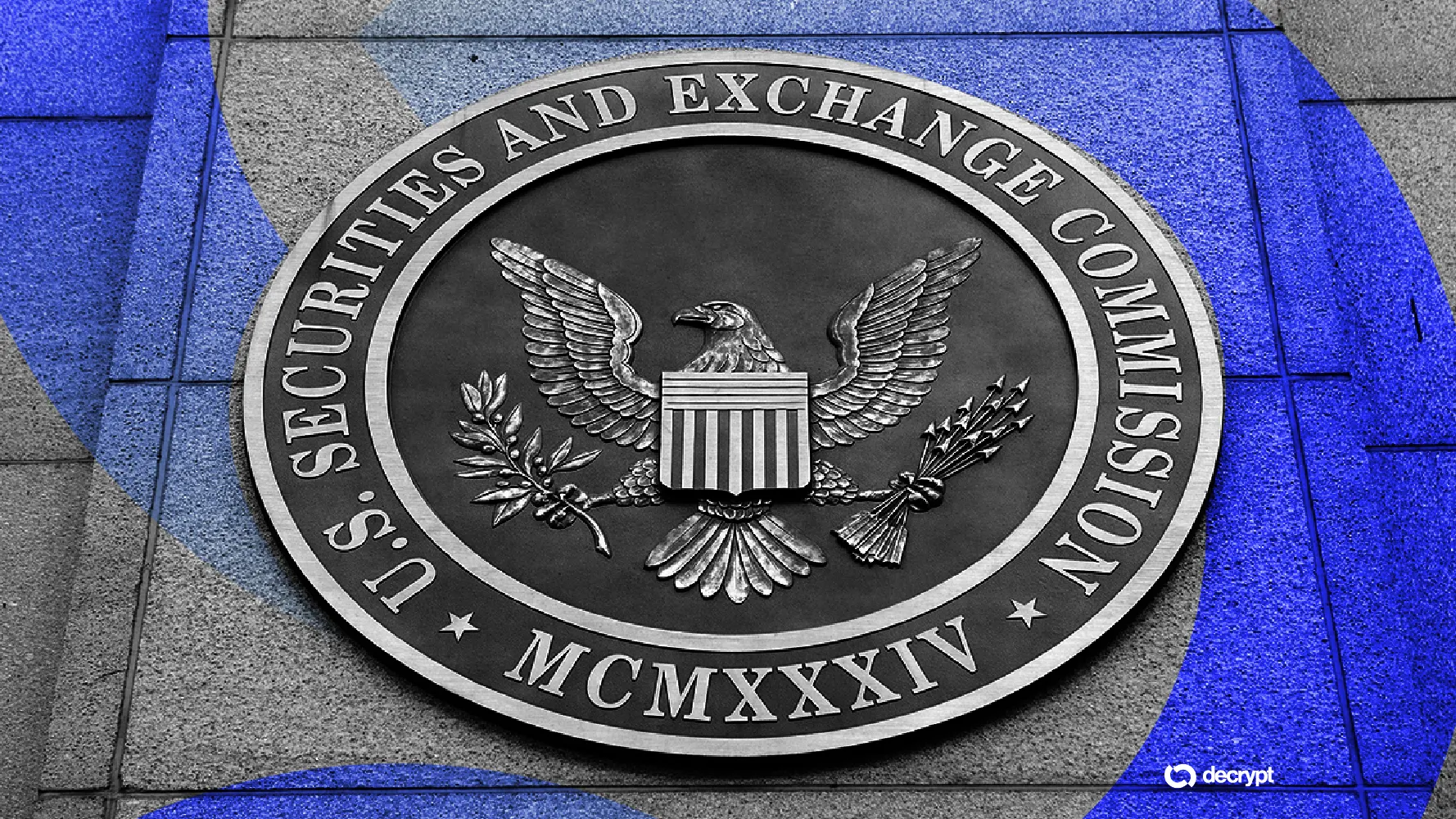
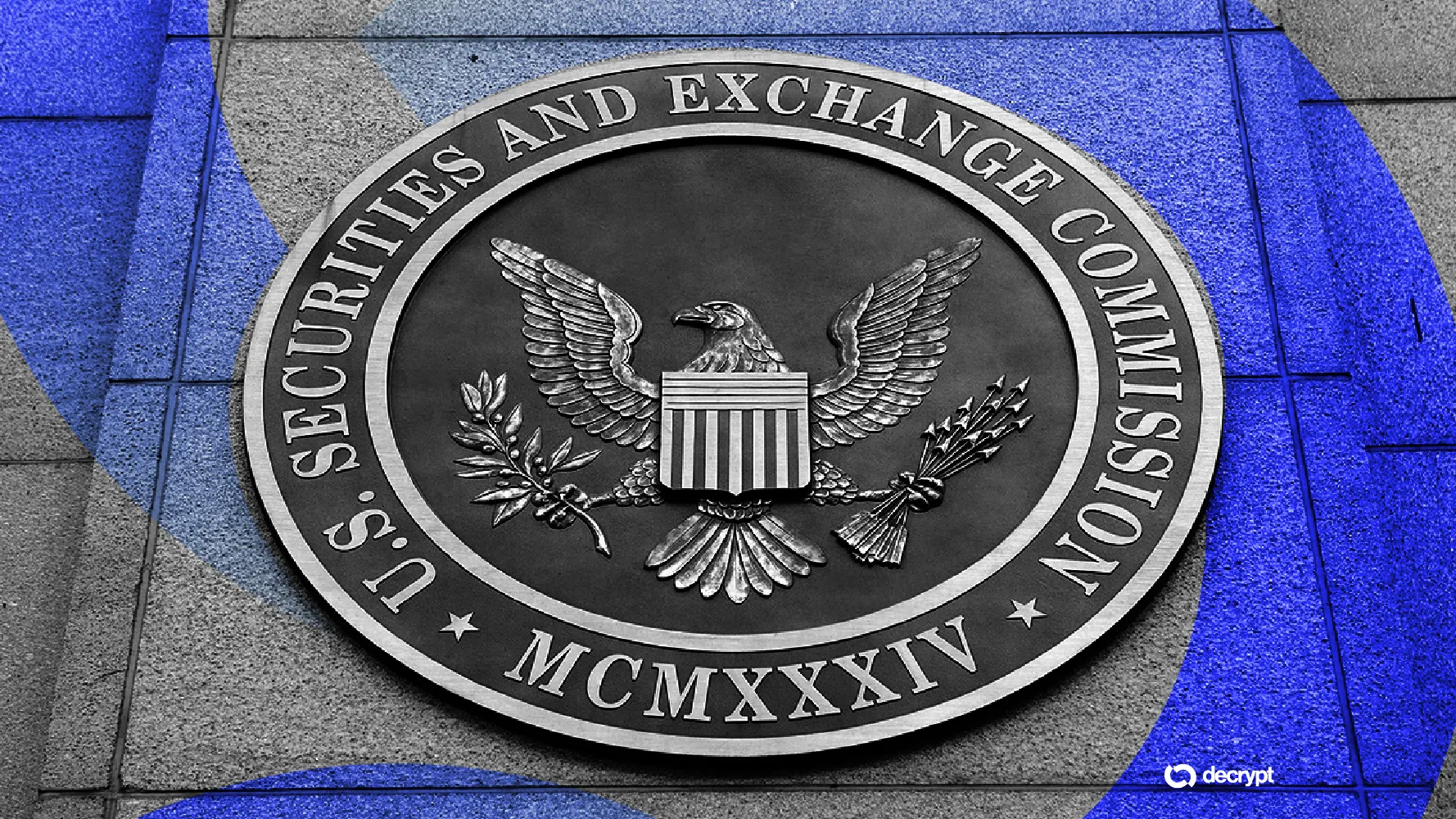
    The Securities and Exchange Commission (SEC) has canceled a planned meeting that would have initiated the formal rulemaking process for a new crypto fundraising framework, citing an “unforeseen scheduling issue.” However, multiple industry sources report that the postponement was influenced by pushback from Wall Street firms and concerns from the White House regarding ongoing legislative negotiations for the Clarity Act.

    The cancellation, which occurred just three days after the meeting was announced for Friday, prolongs regulatory uncertainty for the crypto sector. The meeting was widely viewed as the SEC’s attempt to establish clearer rules for crypto fundraising while the industry’s primary legislative effort, the Clarity Act, remains in limbo.

    Regulatory Landscape and Legislative Hurdles
    The Clarity Act, which addresses both crypto fundraising and tokenized securities, is not expected to see significant movement until lawmakers return from recess in mid-September. A cloture vote for the bill is scheduled for the afternoon of September 15. Until then, negotiations are expected to continue on unresolved issues, including those related to decentralized finance (DeFi) and developer protections, as well as provisions within the Senate Agriculture Committee’s portion of the bill and ethics rules.

    Sources familiar with the matter indicate that the White House requested the SEC postpone the meeting. The concern was that the proposed “Regulation Crypto Assets” and a separate innovation exemption initiative by the SEC’s Crypto Task Force could complicate negotiations for the Clarity Act. This intervention suggests a strategic effort to avoid introducing new regulatory complexities that might derail the legislative process ahead of the critical September 15 vote.

    Industry Pushback and Potential Legal Challenges
    Adding to the pressure, the Securities Industry and Financial Markets Association (SIFMA), a trade group representing major broker-dealers, investment banks, and asset managers, has previously expressed strong opposition to broad regulatory relief for crypto and tokenized securities firms. In a letter sent in June 2025, SIFMA urged the SEC to avoid making significant changes to rules governing tokenized securities through no-action letters or exemptions, advocating instead for a public notice-and-comment rulemaking process. According to sources, SIFMA had also discussed the possibility of legal action if it determined the SEC had exceeded its statutory authority. The prospect of such a legal challenge may have contributed to the White House’s decision to ask the SEC to stand down.

    The SEC’s innovation exemption, unlike the fundraising proposal, would reportedly rely on existing exemptive authority rather than formal rulemaking. However, the timing of its development alongside the formal rulemaking effort for crypto fundraising appears to have raised concerns about potential regulatory arbitrage, weakened investor protections, and fractured market liquidity, issues SIFMA has previously highlighted.

    Lingering Uncertainties and Upcoming Events
    The postponement leaves several uncertainties. It remains unclear whether the SEC will reschedule the meeting before Congress reconvenes. The specific details of the SEC’s innovation exemption are also not fully disclosed. Furthermore, the exact nature of the White House’s concerns and the extent to which SIFMA’s discussions of legal action influenced the decision are not definitively known.

    Upcoming events may shed further light on the regulatory landscape. SEC Chairman Paul Atkins and CFTC Chairman Michael Selig are scheduled to attend a White House event this Wednesday, where President Trump is also expected to speak. On Thursday, Chairman Selig will host the inaugural meeting of the CFTC’s Innovation Advisory Committee.

    The situation underscores the complex interplay between industry lobbying, political considerations, and regulatory development in the United States. The SEC’s decision to postpone its rulemaking initiative, reportedly due to external pressures, highlights the challenges in establishing a clear regulatory framework for the burgeoning crypto industry amidst ongoing legislative efforts and traditional finance sector concerns.

    Why This Matters

    The materials describe a narrow update: The SEC canceled a scheduled meeting to begin formal rulemaking for a crypto fundraising framework, known as Regulation Crypto Assets. Whether the SEC will reschedule the meeting before the Senate returns next month.

    Broader Context

    Source materials place the factual news in this context: The ongoing crypto policy debate in Washington.

  • معامله‌گر با رصد کیف پول CZ، ۹.۶ هزار دلار را به ۲۸۲ هزار دلار تبدیل کرد

    معامله‌گر با رصد کیف پول CZ، ۹.۶ هزار دلار را به ۲۸۲ هزار دلار تبدیل کرد

    معامله‌گر با رصد کیف پول «CZ» بیش از ۲۸۰ هزار دلار سود کرد

    یک معامله‌گر با سرمایه‌گذاری حدود ۹۶۰۰ دلار، در کمتر از پنج ساعت در تاریخ ۱۶ اوت، به سود تقریبی ۲۸۲ هزار دلاری دست یافت. این موفقیت پس از آن حاصل شد که او با رصد کیف پول عمومی «چانگ‌پنگ ژائو» (Changpeng Zhao) معروف به «CZ»، اقدام به خرید توکن‌های MARSCOIN درست در لحظه سوزانده شدن دسته‌ای از این توکن‌ها کرد.

    ابزار رصد بلاکچین Lookonchain، این کیف پول را به عنوان سودآورترین آدرس در معامله MARSCOIN در آن روز معرفی کرد و این معامله به مطالعه موردی تبدیل شده است که نشان می‌دهد چگونه برخی معامله‌گران با دقت تمام حرکات «CZ» را در بلاکچین دنبال می‌کنند.

    در ساعت ۰۸:۱۲:۵۵ به وقت جهانی (UTC)، کیف پول «CZ» تعداد ۴۴۴۴ توکن MARSCOIN را به آدرس از پیش تعیین شده در شبکه BNB Chain ارسال کرد. این یک تراکنش سوزاندن (burn) معمول بود که هزینه گس آن کسری از یک سنت بود. در بلاک بعدی، تنها یک ثانیه بعد، کیف پول با آدرس 0x30f1…da577، با استفاده از ۱۶ واحد BNB که در آن زمان ارزشی حدود ۹۶۰۰ دلار داشت، ۸۴.۶ میلیون توکن MARSCOIN خریداری کرد.

    برای اطمینان از قرار گرفتن در این بلاک، معامله‌گر حدود ۹.۹۰ دلار هزینه گس پرداخت کرد که صدها برابر نرخ معمول بود. این اقدام صرفاً برای اولویت‌دهی به تراکنش خود نسبت به سایرین که به سوزاندن واکنش نشان می‌دادند، انجام شد. معامله‌گر منتظر نماند تا ببیند قیمت به کجا می‌رود. تقریباً بلافاصله، نیمی از دارایی خود، یعنی ۴۲.۳ میلیون توکن را به قیمت حدود ۱۶.۴ BNB فروخت که سرمایه اولیه او را پوشش داد و مقداری سود نیز به همراه داشت.

    Lookonchain این حرکت را «۲ برابر کردن سرمایه و برداشت اصل پول» توصیف کرد؛ رویکردی که در آن باقی‌مانده دارایی بدون ریسک باقی می‌ماند، صرف نظر از اتفاقات بعدی.

    از آن پس، معامله‌گر باقی‌مانده توکن‌ها را به تدریج و در ده‌ها تراکنش کوچک‌تر فروخت، نه با یک فروش یکباره. این کار باعث شد قیمت MARSCOIN همچنان رو به بالا حرکت کند و او به تدریج سود خود را برداشت کند. در نهایت، کیف پول او ۴۶۵ واحد BNB از این فروش‌ها به دست آورد که نزدیک به ۲۸۲ هزار دلار بود و هیچ توکن MARSCOIN در آن باقی نماند. همانطور که Lookonchain اشاره کرد، بازده کل حدود ۲۹ برابر سرمایه اولیه معامله‌گر بود.

    البته، همه کسانی که همین سیگنال را دنبال کردند، سودآور نبودند. معامله‌گر دیگری با کیف پول 0xacbf، درست پس از سوزاندن توکن‌ها، ۶.۱۵ میلیون توکن MARSCOIN را با ۱۳۳ هزار دلار USDT خریداری کرد، اما تنها دو ساعت بعد، پس از اعلام «CZ» مبنی بر توقف استفاده از آن کیف پول و افت بیش از ۹۰ درصدی قیمت توکن، تمام آن را به قیمت حدود ۲۲۴۰۰ دلار فروخت.

    «CZ» مستقیماً به این موضوع پرداخت و گفت که در حال آزمایش Trust Wallet بوده و متوجه شده که آدرس او مملو از میم‌کوین‌هایی است که افراد برایش ارسال می‌کردند. بنابراین، او تلاش کرد تا با سوزاندن برخی از آن‌ها، فضا را پاک کند. اما شفافیت بلاکچین باعث شد که یک اقدام نظافتی به یک رویداد بازار تبدیل شود.

    او در ادامه اعلام کرد که «استفاده از این آدرس را متوقف خواهد کرد». او پیش از این نیز چنین هشدارهایی داده بود. در ماه ژانویه، پس از آنکه معامله‌گران به توکن‌های میم مرتبط با شوخی‌های غیررسمی او هجوم بردند، «CZ» به طور عمومی اعلام کرد که کپی کردن پست‌های معمولی او به عنوان سیگنال معاملاتی معمولاً به پایان بدی ختم می‌شود؛ الگویی که نوسانات اخیر MARSCOIN نیز آن را تأیید کرد.

  • توافق ۷ میلیارد دلاری استرایپ با اوپن‌روتر: معنای واقعی برای هوش مصنوعی

    توافق ۷ میلیارد دلاری استرایپ با اوپن‌روتر: معنای واقعی برای هوش مصنوعی

    استرایپ قرارداد خرید اوپن‌راوتر را به ارزشی بیش از ۷ میلیارد دلار نهایی کرد. این خبر سه ماه پس از آن منتشر می‌شود که این استارتاپ مسیریابی هوش مصنوعی، ۱۱۳ میلیون دلار سرمایه جذب کرده بود و ارزش‌گذاری آن حدود ۱.۳ میلیارد دلار گزارش شده بود.

    مذاکرات و ارزش‌گذاری

    وال استریت ژورنال ماه گذشته مذاکرات را با رقمی نزدیک به ۱۰ میلیارد دلار گزارش کرده بود، که نشان‌دهنده چانه‌زنی قابل توجهی در این معامله است. بر اساس تخمین‌های Sacra، درآمد سالانه اوپن‌راوتر در ماه مارس حدود ۵۰ میلیون دلار بوده است. این رقم، معامله را در حدود ۵۰ برابر درآمد سالانه قرار می‌دهد؛ ضریبی که معمولاً برای جریان نقدی پرداخت نمی‌شود.

    استراتژی استرایپ در خرید اوپن‌راوتر

    حال این سوال مطرح می‌شود که استرایپ، شرکتی که به پردازش پرداخت‌های دیجیتال شهرت دارد، دقیقاً چه چیزی را خریداری می‌کند؟ پاسخ در “موقعیت” اوپن‌راوتر نهفته است. این شرکت بین حدود ۸ میلیون توسعه‌دهنده و بیش از ۴۰۰ مدل هوش مصنوعی قرار گرفته و به آن‌ها به جای ده‌ها ادغام جداگانه، تنها یک کلید API ارائه می‌دهد. اوپن‌راوتر مالک هیچ پردازنده‌ی گرافیکی (GPU) نیست، هیچ مدلی را آموزش نمی‌دهد و حدود ۵ درصد از ارزش پرداختی برای استفاده کلی را دریافت می‌کند.

    ادغام و مزایای استراتژیک

    استرایپ پیش از این مسئولیت صورتحساب و مالیات اوپن‌راوتر را بر عهده داشته است، که این امر خرید یک مشتری توسط فروشنده را توجیه می‌کند. اکنون، تصمیم‌گیری برای مسیریابی و صورتحساب در یک شرکت واحد قرار می‌گیرد: اوپن‌راوتر انتخاب می‌کند که کدام مدل به درخواست پاسخ دهد و هزینه آن چقدر است، و استرایپ آن را دریافت می‌کند. این اقدام همچنین به استرایپ امکان می‌دهد تا به صورت زنده، هزینه‌های هوش مصنوعی سازمانی را در تمام آزمایشگاه‌های بزرگ به طور همزمان رصد کند.

    الگوی تکراری در استراتژی استرایپ

    این الگو برای استرایپ جدید نیست. این شرکت پیش از این ۱.۱ میلیارد دلار برای شرکت استیبل‌کوین Bridge پرداخت کرده، زیرساخت کیف پول Privy را خریداری کرده و در ژانویه ۲۰۲۶ استارتاپ صورتحساب مبتنی بر استفاده Metronome را که پیش از این توسط OpenAI و Anthropic استفاده می‌شد، تصاحب کرده است. استرایپ همچنین در ساخت Tempo، که پروتکل پرداخت ماشین آن به عوامل هوش مصنوعی اجازه می‌دهد بدون دخالت انسان، پرداخت‌ها را درخواست، تأیید و تسویه کنند، مشارکت داشته است.

    بی‌طرفی و پیامدهای آن

    به طور بالقوه، این خرید به معنای بی‌طرفی، یا حداقل نسخه ساده‌تری از آن است. تمام ادعای اوپن‌راوتر بر بی‌طرفی استوار بود: این شرکت درخواست‌ها را به هر مدلی که با بودجه، تأخیر و معیارهای کیفیت کاربر مطابقت داشت، هدایت می‌کرد و هیچ نفعی در انتخاب مدل خاصی نداشت. این ادعا زمانی که مالکان آن صندوق‌های سرمایه‌گذاری خطرپذیر بدون محصول هوش مصنوعی اختصاصی خود بودند، به راحتی قابل باور بود.

    اما این موضوع زمانی که مالک، ترافیک را برای آزمایشگاه‌هایی که خدمات پرداخت نیز به آن‌ها ارائه می‌دهد، مدیریت می‌کند، معنای متفاوتی پیدا می‌کند. استرایپ هنوز اعلام نکرده است که آیا اوپن‌راوتر به عنوان یک محصول مستقل به کار خود ادامه خواهد داد، در ابزارهای توسعه‌دهنده آن ادغام خواهد شد، یا برای اولویت‌های خود استرایپ محدود خواهد شد. در حال حاضر، کاربران نباید تفاوتی احساس کنند.

    پیچیدگی‌های ژئوپلیتیکی

    با این حال، یک پیچیدگی ژئوپلیتیکی در زیر این ماجرا نهفته است. مدل‌های مبدأ ایالات متحده از حدود ۷۰ درصد حجم توکن اوپن‌راوتر در اواسط سال ۲۰۲۵ به حدود ۳۰ درصد در یک سال بعد کاهش یافته‌اند و مدل‌های ارزان‌قیمت چینی با وزن باز، این تفاوت را جبران کرده‌اند. هر کسی که پیش‌فرض‌های مسیریابی را تعیین کند، بر این روند تأثیرگذار است.

    کاهش قدرت قیمت‌گذاری

    هر بار که یک توسعه‌دهنده یک مدل پرچمدار گران‌قیمت را با مدلی ارزان‌تر که استانداردها را برآورده می‌کند، جایگزین می‌کند، مسیریاب ارزش را جذب کرده و آزمایشگاه کمی از قدرت خود را از دست می‌دهد. اوپن‌راوتر خود در حال تیز کردن این تیغ بوده است. API Fusion این شرکت، یک درخواست واحد را به مجموعه‌ای از مدل‌های مقرون‌به‌صرفه ارسال کرده و سپس پاسخ‌ها را ادغام می‌کند. در معیار DRACO، که ۱۰۰ وظیفه تحقیقاتی عمیق واقعی را توسط یک قاضی هوش مصنوعی در برابر معیارهای تخصصی ارزیابی و به درصد نرمال‌سازی می‌کند، ترکیبی از Gemini 3 Flash، Kimi K2.6 و DeepSeek V4 Pro به امتیاز ۶۴.۷٪ دست یافت و از GPT-5.5 با امتیاز ۶۰٪ و Claude Opus 4.8 با امتیاز ۵۸.۸٪ به تنهایی پیشی گرفت. اکنون استرایپ مالک این قابلیت نیز هست.

    جزئیات معامله

    هیچ یک از دو شرکت این معامله را به طور عمومی تأیید نکرده‌اند و هیچ جدول زمانی برای بررسی‌های نظارتی اعلام نشده است. استرایپ در سال ۲۰۲۵ حجم پرداختی معادل ۱.۹ تریلیون دلار را پردازش کرده و در یک پیشنهاد در ماه فوریه به ارزش ۱۵۹ میلیارد دلار ارزش‌گذاری شده بود. اوپن‌راوتر با ارزشی بیش از ۷ میلیارد دلار، بزرگترین خرید استرایپ تا به امروز محسوب می‌شود و بیش از شش برابر ارزشی است که برای Bridge پرداخت کرده بود.