Blog

  • بایننس ریسرچ: نسل زد، صندوق‌های قابل معامله در بورس را به ۲۵ درصد حجم سهام در ماه اوت رساند

    بایننس ریسرچ: نسل زد، صندوق‌های قابل معامله در بورس را به ۲۵ درصد حجم سهام در ماه اوت رساند

    تحقیق بایننس: نسل زد، صندوق‌های قابل معامله در بورس (ETF) را به ۲۵ درصد از حجم معاملات سهام خود در ماه اوت رساند

    تهران، ایران – تحقیقات اخیر منتشر شده توسط Binance Research نشان می‌دهد که صندوق‌های قابل معامله در بورس (ETF) سهم قابل توجهی از حجم معاملات سهام نسل زد (Gen Z) را در صرافی بایننس در اوایل ماه اوت به خود اختصاص داده‌اند. این سهم از ۱۴.۶ درصد در ماه ژوئن به ۲۵ درصد در اوایل ماه اوت افزایش یافته است.

    سهم ETF ها در معاملات نسل زد

    بر اساس گزارشی که در تاریخ ۱۲ اوت منتشر شد، نسل هزاره (Millennials) نیز ۹.۵ درصد از حجم معاملات سهام خود را در اوایل ماه اوت به همین ابزارهای مالی اختصاص داده‌اند. در همین حال، ETF های بدون اهرم، ۲۱.۹ درصد از خالص ورودی سهام نسل زد را در ماه ژوئیه جذب کرده‌اند، در حالی که سهم سهام تک‌شرکتی از ۷۷ درصد به ۷۴.۲ درصد کاهش یافته است.

    لیم کیم تای، نویسنده گزارش، هشدار داد که “دو ماه برای ایجاد یک روند کافی نیست.”

    ورود بایننس به بازار سهام توکنیزه

    بایننس در ژوئن ۲۰۲۶ معاملات مستقیم سهام را آغاز کرد و سهام توکنیزه ایالات متحده آن در عرض دو هفته پس از راه‌اندازی به ۱۰۰ میلیون دلار دارایی تحت مدیریت رسید. ۴۷ درصد از فعالیت معاملاتی خارج از ساعات معمول بازار ایالات متحده انجام شده است.

    کاهش کلی سرمایه‌گذاری نسل زد

    کل سرمایه‌گذاری خالص سهام نسل زد در ماه ژوئیه ۱۷.۴ درصد کاهش یافت. خالص ورودی به ETF های بدون اهرم در همین دوره ۲.۰ درصد کاهش داشت، در حالی که این رقم برای سهام تک‌شرکتی ۲۰.۴ درصد و برای محصولات اهرمی ۲۸.۵ درصد بود.

    رشد پایگاه دارندگان ETF در نسل زد

    نکته جالب توجه این است که نسل زد تنها گروهی بود که پایگاه دارندگان ETF آن رشد کرد و ۲.۹ درصد افزایش یافت، در حالی که در نسل هزاره ۴.۵ درصد و در نسل ایکس (Gen X) ۵.۹ درصد کاهش مشاهده شد. خریداران ETF نسل زد در ماه ژوئیه کمترین میزان معامله را با ۷.۹ بار در مقایسه با ۱۰.۳ بار برای نسل هزاره داشتند. در کل نمونه مورد بررسی، خریداران ETF به طور متوسط ۱.۴ تا ۱.۶ نماد صندوق را در اختیار داشتند و در گروه ژوئن، موقعیت‌ها به طور متوسط ۱۰ تا ۱۴ روز باز بودند و ۳۶ تا ۴۵ درصد در زمان ثبت وضعیت همچنان باز بودند.

    اندازه معاملات و سهام محبوب

    اندازه معاملات نیز در همین راستا حرکت کرد. بزرگترین میانگین خرید در سهام مستقیم به ETF سود تقسیمی SCHD با ۱۶,۵۶۷ دلار در هر معامله و Broadcom (AVGO) با ۱۲,۳۷۰ دلار اختصاص یافت، در حالی که کوچکترین میانگین خرید به نام‌های شناخته شده‌تر، تسلا (TSLA) با ۶۳۳ دلار و انویدیا (NVDA) با ۵۱۲ دلار در سهام تعلق گرفت.

    سهم ETF های اهرمی و معکوس

    ETF های اهرمی و معکوس ۹.۲۵ درصد از گردش سهام مستقیم نسل زد را در ماه ژوئیه تشکیل دادند، اما تنها ۳.۹۳ درصد از خالص ورودی ماهانه را به خود اختصاص دادند، سهمی که از ۴.۵۵ درصد در ماه ژوئن به ۲.۶۵ درصد در روزهای ابتدایی ماه اوت کاهش یافته است. گزارش حاکی از آن است که “به نظر نمی‌رسد نسل زد سرمایه خود را به سمت مواضع اهرمی سوق دهد.”

    فعالیت معاملاتی در بازارهای سنتی و مشتقات

    با این حال، ۸۸.۲ درصد از حساب‌های نسل زد هیچ فعالیت اهرمی یا معکوسی در بازارهای سنتی و مشتقات دائمی (TradFi-Perps) ثبت نکردند، در حالی که این رقم برای نسل هزاره ۸۴.۵ درصد و برای نسل ایکس ۸۵.۹ درصد بود. در سهام مستقیم، این رقم ۹۶.۵ درصد است، اگرچه نسل انفجار جمعیت (Baby Boomers) در همه محصولات پیشتاز است و به ۹۸.۹ درصد در آنجا می‌رسد.

    نسل زد به طور متوسط ۱۳ معامله در ماه در مشتقات دائمی انجام می‌دهد در حالی که این رقم برای نسل هزاره ۱۷ است و ۲۲ درصد از حساب‌های سهام مستقیم آنها هرگز سفارش فروش ثبت نکرده‌اند، که کمتر از نسل هزاره با ۳۰ درصد است.

  • Gen Z’s ETF Trading Grows on Binance, But Cautious Risk Approach Remains

    Gen Z’s ETF Trading Grows on Binance, But Cautious Risk Approach Remains

    Gen Z investors on Binance are increasingly allocating capital to Exchange Traded Funds (ETFs), with ETF trading volume rising to 25.0% of their equity transactions in early August, a significant jump from 14.6% in June. This trend is particularly noteworthy as Gen Z is the only demographic group to experience growth in its ETF holder base, which increased by 2.9% during this period, contrasting with declines seen among Millennials and Gen X. Despite this growing interest in ETFs, Gen Z continues to demonstrate a cautious stance towards leveraged investment products.

    According to a Binance Research report, Millennials directed 9.5% of their equity volume to ETFs in early August. While Gen Z’s ETF holder base expanded, the report also indicated that Gen Z ETF buyers traded less frequently than their Millennial counterparts. In July, Gen Z ETF buyers made an average of 7.9 trades, compared to 10.3 trades by Millennials, suggesting a potentially more passive or long-term investment strategy for ETFs among younger users on the platform.

    Further underscoring Gen Z’s risk-averse approach, leveraged and inverse ETFs constituted a mere 9.25% of their direct-equity turnover in July and 3.93% of their net monthly inflow. By early August, this share decreased to 2.65% of their equity trading volume. The vast majority of Gen Z accounts—88.2% for TradFi-Perps and 96.5% for direct equities—showed no leveraged or inverse activity.

    This behavior occurs within the context of Binance’s recent expansion into direct stock trading, which launched in June 2026. Tokenized US equities rapidly attracted attention, reaching $100 million in assets under management within two weeks. Notably, 47% of this trading activity occurred outside regular US market hours.

    The divergence in ETF holder base trends is clear: Gen Z’s grew by 2.9%, while Millennials’ fell by 4.5% and Gen X’s by 5.9%. This suggests a unique shift in investment preferences among younger demographics on Binance. For unleveraged ETFs specifically, Gen Z’s net equity inflow share rose from 18.5% in June to 21.9% in July, despite a slight 2.0% dip in overall net inflow to these funds during July.

    It is crucial to acknowledge the report’s caveat that “two months is not enough to establish a trend.” The precise timeframe for the growth and decline in ETF holder bases across different demographics is also not explicitly defined. Additionally, ‘snapshot’ data regarding ETF buyer positions, including the number of fund symbols held and the proportion of open positions, lacks specific temporal context.

    Despite the increase in ETF trading volume, Gen Z’s total net equity deployment experienced a 17.4% decrease in July. Within July’s net inflow, single stocks accounted for 20.4% and leveraged products for 28.5%. As the report stated, “Gen Z does not appear to be committing capital to leveraged exposure.”

    Why This Matters

    The materials describe a narrow update: Exchange-traded funds (ETFs) accounted for 25. Whether the observed trend in Gen Z’s ETF trading volume is sustainable, as two months is insufficient to establish a trend.

    Broader Context

    Source materials place the factual news in this context: Binance opened direct stock trading in June 2026.

  • Apple Develops AI Model for China with Alibaba, Secures Regulatory Registration

    Apple Develops AI Model for China with Alibaba, Secures Regulatory Registration

    Apple has partnered with Alibaba to develop a generative AI model for the Chinese market, a development that has secured registration with the Cyberspace Administration of China. This collaboration is a key step in Apple’s strategy to bring its “Apple Intelligence” features to iPhones in China, navigating the country’s regulatory environment.

    Alibaba Chairman Joe Tsai reported the arrangement in February 2025, stating that Apple “chose to do business with us” after discussions with several Chinese companies. The registration of Apple’s generative AI service by the Cyberspace Administration of China last month represents a regulatory step, a process that has kept services like OpenAI’s ChatGPT and Anthropic’s Claude unavailable in the country.

    According to Reuters, Apple plans to integrate its model with technology from Alibaba’s Qwen and potentially from Baidu. The exact roles of these different systems remain unclear. The “Apple Intelligence” initiative is expected to be rolled out to Chinese iPhones via an iOS update in the coming months.

    This development occurs against a backdrop of challenges for Apple’s AI endeavors. The company previously indicated that its next-generation Foundation Models would utilize Google’s Gemini, a decision reportedly made following delays and a less-than-ideal reception for Apple Intelligence. In May, Apple agreed to a $250 million settlement to resolve claims that it had misled consumers about the availability of AI features at the launch of its products.

    The delay in rolling out advanced AI features has put Apple behind Chinese competitors such as Huawei, which already offers phones with integrated AI capabilities. Apple unveiled its revamped Siri AI in June, with plans for a beta release later this year. However, Siri AI will not be immediately available in China as Apple works through regulatory requirements.

    The partnership with Alibaba and the subsequent registration by Chinese authorities are seen as adaptations by Apple to compete in the Chinese market while complying with local regulations. The company’s ability to successfully deploy its AI features in China is critical for its global growth and competitive standing.

    Why This Matters

    Apple’s collaboration with Alibaba to build a generative AI model for China, which was registered by the Cyberspace Administration of China, is a significant step in its strategy to bring AI features to the Chinese market. However, it remains unclear what role each system (Alibaba’s Qwen, Baidu’s technology) will play in Apple’s AI model for China.

    Broader Context

    Apple trained its own AI model for China with Alibaba’s help as it races to bring Apple Intelligence to Chinese customers, Reuters reported.

  • اپل برای ساخت مدل هوش مصنوعی در چین به علی‌بابا روی آورد

    اپل برای ساخت مدل هوش مصنوعی در چین به علی‌بابا روی آورد

    اپل با کمک علی‌بابا مدل هوش مصنوعی خود را برای چین آموزش داده است تا بتواند سرویس “Apple Intelligence” را به مشتریان چینی عرضه کند.

    موانع رگولاتوری و همکاری با غول‌های چینی

    به گزارش رویترز، با استناد به گفته‌های سه منبع آگاه، اداره ملی فضای سایبری چین ماه گذشته سرویس هوش مصنوعی مولد اپل را ثبت کرده است. این اقدام، مانع کلیدی رگولاتوری را که دسترسی به سرویس‌هایی مانند ChatGPT اوپن‌ای‌آی و Claude آنتروپیک را در چین مسدود کرده بود، برطرف می‌کند.

    جو تسای، رئیس هیئت مدیره علی‌بابا، در فوریه ۲۰۲۵ این همکاری را تأیید کرد. او در آن زمان گفته بود: «آنها با تعدادی شرکت در چین صحبت کردند و در نهایت تصمیم گرفتند با ما همکاری کنند.»

    ادغام با فناوری‌های چینی

    طبق گزارش رویترز، اپل قصد دارد مدل خود را با مدل Qwen علی‌بابا و همچنین فناوری بایدو ادغام کند. نقش دقیق هر یک از این سیستم‌ها هنوز مشخص نیست، اما انتظار می‌رود “Apple Intelligence”، ابتکار عمل برند شده اپل در زمینه هوش مصنوعی، طی ماه‌های آینده از طریق به‌روزرسانی سیستم‌عامل iOS به آیفون‌های چینی راه یابد.

    چالش‌های اپل در حوزه هوش مصنوعی

    این خبر در حالی منتشر می‌شود که اپل سال دشواری را در زمینه کسب‌وکار هوش مصنوعی خود پشت سر گذاشته است. در ماه ژانویه، این شرکت اعلام کرد که مدل‌های نسل بعدی خود (Foundation Models) به جای طراحی اختصاصی، از Gemini گوگل استفاده خواهند کرد. این تصمیم پس از تأخیرها و استقبال ضعیف از “Apple Intelligence” اتخاذ شد.

    در ماه مه، اپل با پرداخت ۲۵۰ میلیون دلار موافقت کرد تا ادعاهایی مبنی بر گمراه‌کردن خریداران آیفون در مورد ویژگی‌های هوش مصنوعی که در زمان عرضه در دسترس نبودند را حل کند. این تأخیر باعث شده است که اپل از رقبای چینی خود مانند هواوی که پیش از این گوشی‌هایی با قابلیت‌های هوش مصنوعی عرضه کرده‌اند، عقب بماند.

    در ماه ژوئن، این شرکت از Siri AI رونمایی کرد؛ دستیاری بازطراحی شده که قادر به مکالمه، تحلیل تصاویر و استفاده از زمینه شخصی است. اپل اعلام کرده بود که این دستیار اواخر سال جاری میلادی وارد مرحله بتا خواهد شد، اما تا زمان رفع الزامات رگولاتوری در چین در دسترس نخواهد بود.

  • XRP دو سیگنال متناقض نشان می‌دهد: تریدرهای ریپل به کدام اعتماد کنند؟

    XRP دو سیگنال متناقض نشان می‌دهد: تریدرهای ریپل به کدام اعتماد کنند؟

    XRP دو سیگنال متناقض را نشان می‌دهد: معامله‌گران ریپل به کدام یک اعتماد کنند؟

    هفته‌ها و ماه‌های اخیر، به‌ویژه نزدیک به یک سال گذشته، برای توکن محبوب فرامرزی XRP چندان خوشایند نبوده است. این ارز دیجیتال حداقل دو بار در طول تقریباً دو سال گذشته، از سطح روانی مهم ۱.۰۰ دلار عبور کرده و پایین‌تر رفته است.

    طبیعی است که این وضعیت بر احساسات سرمایه‌گذاران تأثیر منفی گذاشته باشد، اما دو مجموعه داده تصویری جالب از آنچه ممکن است در آینده رخ دهد، ارائه می‌دهند.

    داده‌های ارائه‌شده توسط Santiment Intelligence نشان می‌دهد که در هفته گذشته، با ناکامی XRP در بازیابی خود از سقوط به زیر و کمی پایین‌تر از ۱.۰۰ دلار، اظهارنظرهای منفی آنلاین پیرامون این ارز دیجیتال به شدت افزایش یافته است. در واقع، فضای روانی جامعه در محبوب‌ترین پلتفرم‌های رسانه‌های اجتماعی به پایین‌ترین سطح خود در سه ماه گذشته رسیده است.

    در همین حال، Bird، توسعه‌دهنده XRP Ledger، تحول نگران‌کننده دیگری را برجسته کرده است. بهره باز (Open Interest) XRP به سطوحی نزدیک می‌شود که در زمان رویداد نقدینگی بدنام ۱۰ اکتبر مشاهده شد؛ رویدادی که در آن بیش از ۱۹ میلیارد دلار موقعیت اهرمی در کمتر از یک روز از بین رفت.

    بهره باز، ارزش کل موقعیت‌های مشتق شده باز را نشان می‌دهد. به طور کلی، افزایش این ارقام نشان‌دهنده ورود سرمایه و اهرم بیشتر معامله‌گران به بازار است. این موضوع می‌تواند به‌ویژه تهدیدآمیز باشد اگر دارایی پایه در حال حاضر بسیار پرنوسان باشد، که اخیراً این‌گونه نبوده است، برخلاف “قتل عام” ۱۰ اکتبر.

    با این حال، Bird هشدار داده است که اگر این وضعیت تغییر کند، بهره باز بالا می‌تواند منجر به یک حرکت قیمتی شدید دیگر و حتی نقدینگی‌های قابل توجه‌تری شود. شایان ذکر است که بهره باز بالا، جهت حرکت را تعیین نمی‌کند. موقعیت‌های خرید بیش از حد اهرمی می‌توانند یک سقوط را تشدید کنند و بالعکس.

    هشدار دیگری نیز اخیراً از سوی CryptoQuant صادر شده است؛ تحلیلگران این شرکت خاطرنشان کردند که فشار فروش XRP در صرافی بایننس در چند هفته گذشته به طور قابل توجهی افزایش یافته است.

    اگرچه تمام موارد فوق به یک اصلاح بزرگ اشاره دارند، اما داستان به این سادگی نیست. به عنوان مثال، در حالی که معامله‌گران به طور فزاینده‌ای بدبین شده‌اند، فعالیت در شبکه پایه در جهت مخالف در حرکت است. همان گزارش Santiment نشان داد که XRP Ledger در یک دوره ۲۴ ساعته نزدیک به ۵۰,۰۰۰ آدرس فعال را ثبت کرده است که بالاترین میزان در دو ماه گذشته محسوب می‌شود.

    این یک چرخش قابل توجه نسبت به آمار ماه جولای بود، زمانی که فعالیت به پایین‌ترین سطح نزدیک به سالانه خود سقوط کرده بود. افزایش مشابهی در فعالیت شبکه در ماه مه، پیش‌درآمد یک رالی بزرگ XRP بود که در آن زمان قیمت این توکن را به ۱.۵۵ دلار رساند.

    اگرچه شرایط در حال حاضر متفاوت است، اما ترکیب فعالیت رو به رشد شبکه و بدبینی شدید معامله‌گران XRP می‌تواند به زودی منجر به نوسانات شدید شود، به‌ویژه هنگامی که بهره باز رو به افزایش را نیز در نظر بگیریم.

  • XRP’s Conflicting Signals: Which to Trust?

    XRP’s Conflicting Signals: Which to Trust?

    XRP Flashes Contradictory Signals, Leaving Traders at a Crossroads

    The past year has been challenging for the popular cross-border token XRP, which has fallen below the psychologically significant $1.00 mark at least twice for the first time in nearly two years. This downturn has understandably dampened investor sentiment, but two distinct data points offer a compelling glimpse into potential future movements.

    Social Media Sentiment Plummets

    Analysis from Santiment Intelligence reveals a dramatic surge in negative online commentary surrounding XRP over the past week, coinciding with the asset’s struggle to rebound from its dip below $1.00. Sentiment across major social media platforms has reached its lowest point in three months.

    Open Interest Approaches Critical Levels

    Meanwhile, Bird, a developer for the XRP Ledger, has flagged another potentially concerning trend: XRP’s open interest is nearing levels seen around the significant liquidation event on October 10. That incident saw over $19 billion in leveraged positions erased in less than a day.

    Open interest quantifies the total value of outstanding derivatives contracts. Generally, an increase in this metric suggests traders are committing more capital and leverage to the market. This can be particularly risky for assets experiencing high volatility, though XRP has not been in such a state recently, unlike during the October 10 event.

    However, Bird cautioned that if volatility increases, the current elevated open interest could trigger another sharp price movement and even more substantial liquidations. It is important to note that high open interest alone does not dictate the direction of a price swing. Overleveraged long positions can exacerbate a downturn, and vice versa.

    Selling Pressure Mounts on Binance

    Adding to the cautionary signals, CryptoQuant analysts recently observed a significant rise in selling pressure for XRP on the Binance exchange in recent weeks.

    Network Activity Paints a Different Picture

    Despite these indicators pointing towards a potential major correction, the situation is not entirely straightforward. While traders have grown increasingly pessimistic, activity on the underlying XRP Ledger network is moving in the opposite direction. The same Santiment report indicated that the XRP Ledger recorded nearly 50,000 active addresses within a single 24-hour period, marking a two-month high.

    This represents a notable recovery from July figures, when network activity had fallen to near year-lows. A similar surge in network activity in May preceded a significant XRP rally that propelled the token to $1.55 at the time.

    While current circumstances differ, the confluence of rising network activity and extreme pessimism among XRP traders could soon lead to heightened volatility, especially when considering the soaring open interest.

  • Meta Patents Facial Recognition Cameras

    Meta Patents Facial Recognition Cameras

    Camera System Patent Could Identify and Log Individuals by Face

    Meta Platforms Technologies, the division responsible for Meta’s research and development and hardware intellectual property, has filed a patent for a camera system capable of identifying individuals by their faces and recording their actions.

    The patent application details how cameras would feed footage into an artificial intelligence system that tags individuals within the frame, detects their activities, and compiles this information into media clips that can be accessed on demand via a phone or headset.

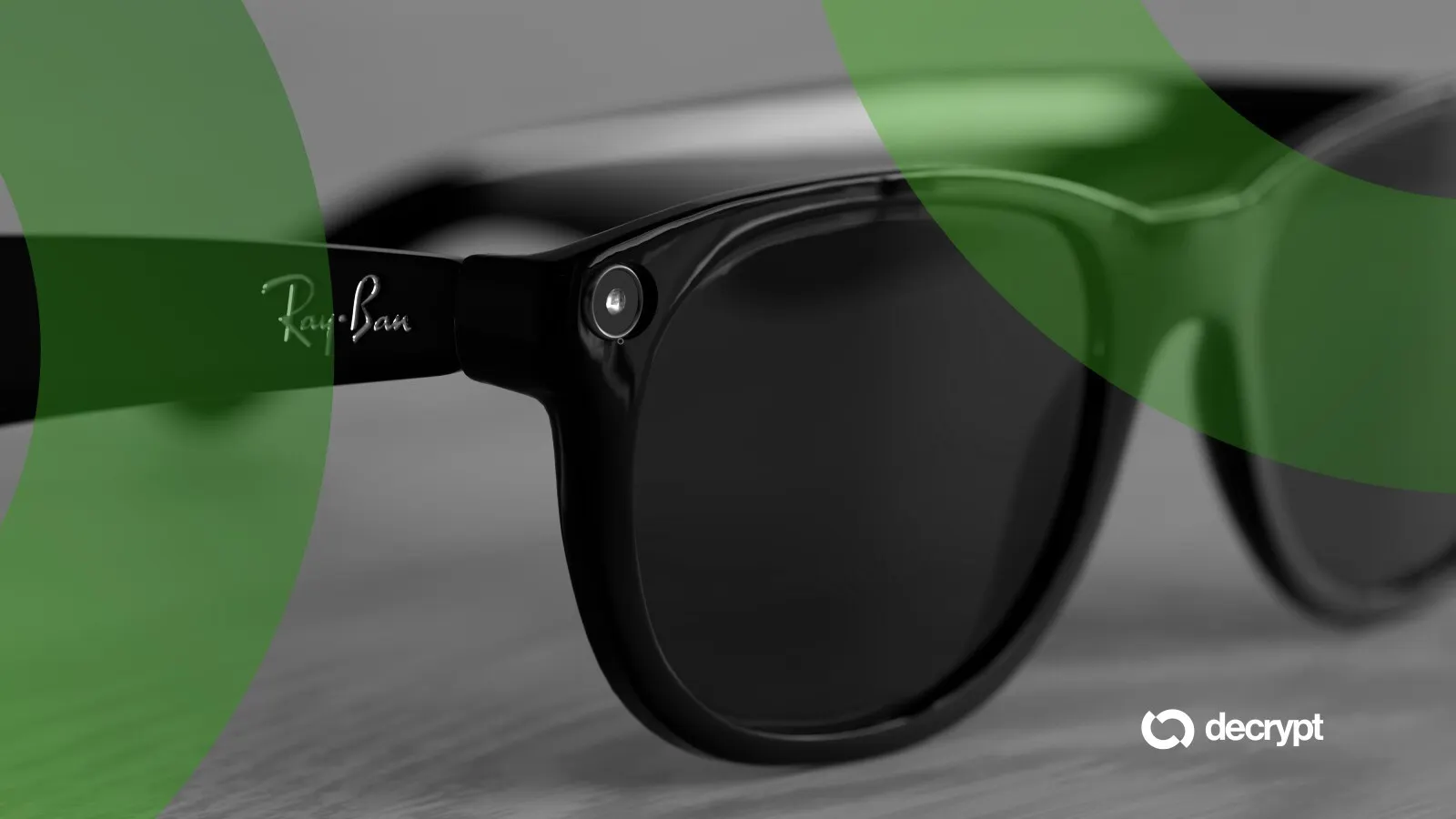
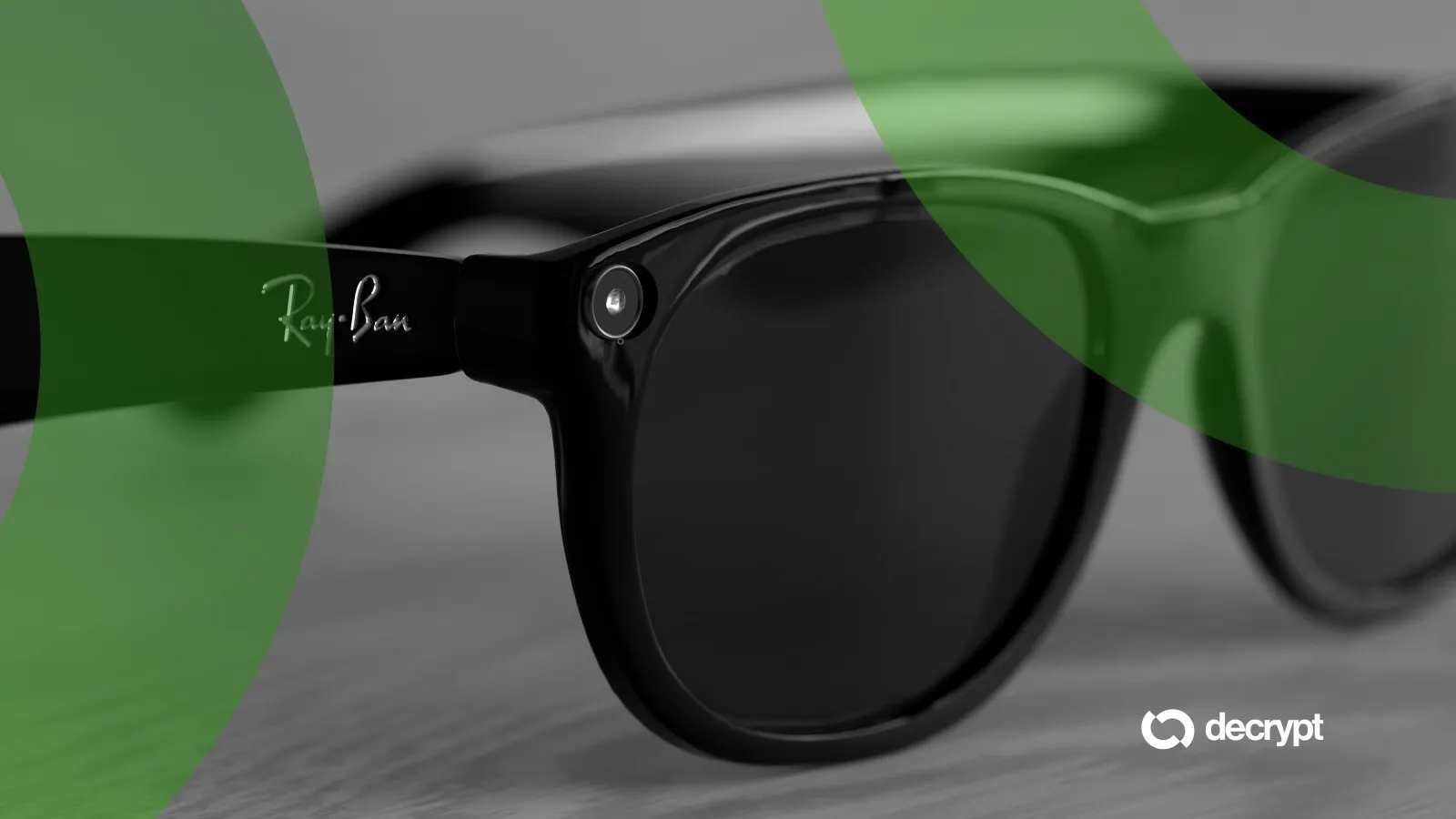
    This concept is not entirely new for Meta. The company’s smart glasses, developed in partnership with EssilorLuxottica and launched in 2023, have been worn by users for years. These glasses, which have drawn criticism and are sometimes referred to as “pervert glasses” online, can record first-person video and allow wearers to query an AI about what they are seeing.

    The same Meta entity that developed these smart glasses and the Quest headsets is behind this new patent filing. The accompanying drawings depict a glasses wearer observing a room full of people. The proposed facial recognition technology would elevate the hardware’s capability from simply “recording what I point at” to “knowing and naming who is in the room.”

    The patent outlines a four-step process. First, cameras capture live or recorded footage and transmit it to the system. A facial recognition layer then analyzes the frames to identify specific individuals present, not just the presence of a person.

    A separate action detection layer operates in conjunction with facial recognition, identifying movements such as picking up an object, leaving a room, or a group gathering. Finally, the system consolidates its findings into individual media files, each tagged with the identified person, their action, or both.

    What distinguishes this system from a standard smart doorbell is its integrated assistant layer. The patent describes footage retrieval as a conversational process, where a connected device can request specific video content through a query. The system would then generate the response using the tagged clips, eliminating the need for manual scrubbing through footage. The drawings illustrate both server-side and on-device processing workflows, with a natural language understanding pipeline feeding into the clip composer.

    The most contentious aspect of this patent is its potential capability to identify and log specific individuals by face without their explicit consent. This mirrors concerns previously voiced by Democratic senators who questioned Meta about facial recognition technology in its smart glasses. As previously reported, these senators warned that real-time facial identification could increase the risk of stalking and harassment.

    Meta’s existing hardware is already at the center of this debate. Owners of the recently released Ray-Ban smart glasses from Meta have been able to record strangers in public, and contractors have reviewed private footage. A wearable camera that also identifies individuals by name would further amplify the disparity between Meta’s portrayal of its technology as a “helpful assistant” and its actual capabilities, prompting public apprehension and the development of countermeasures.

    It is important to note that this is a patent filing, not a released product. The patent is currently in the “Ready for Examination” stage, with Patentlyze assessing the likelihood of its grant as medium. Meta has previously filed patents for similar computer vision technologies for glasses, and its publication signifies that the idea is officially documented, not that the feature is under development or approved for release.

  • Trump to Meet Crypto Leaders Amid Regulatory Uncertainty for CLARITY Act

    Trump to Meet Crypto Leaders Amid Regulatory Uncertainty for CLARITY Act

    President Donald Trump is scheduled to host a meeting at the White House on August 19 with leaders from cryptocurrency companies and regulatory agencies to discuss digital asset frameworks. This gathering occurs as legislative efforts to establish a comprehensive federal framework for cryptocurrencies, known as the CLARITY Act, face ongoing challenges.

    The meeting’s timing is significant, taking place shortly before a potential Senate vote on the CLARITY Act. This legislation aims to clarify the respective roles of the Securities and Exchange Commission (SEC) and the Commodity Futures Trading Commission (CFTC) in the digital asset space. Reports claimed that key industry participants expected at the event include representatives from Ripple, Coinbase, Chainlink, Paradigm, Kalshi, and a16z. SEC Chair Paul Atkins is also expected to attend.

    CLARITY Act Faces Hurdles
    The CLARITY Act has encountered several obstacles prior to the Senate’s August recess. Disagreements persist on various provisions, including ethics requirements, anti-money laundering (AML) safeguards, and the controversial issue of allowing digital asset companies to offer rewards on customers’ stablecoin holdings—a point of opposition from the banking industry. The Senate departed for its five-week recess without voting on the legislation.

    More recent updates reported that Senate Majority Leader John Thune filed cloture on a motion related to the CLARITY Act, with a vote now slated for September 15. However, lobbyists and policy experts suggest that the odds of the bill’s approval this year continue to decline, with passage unlikely before the upcoming midterm elections cast further uncertainty.

    Regulatory Dialogue and Uncertainty
    The White House meeting is seen as an effort to bring together various stakeholders to address the complex regulatory landscape for digital assets. Washington’s efforts to establish a clear digital asset framework remain unfinished. The upcoming discussions are expected to highlight the ongoing dialogue between industry players and regulatory bodies. Despite this engagement, significant disagreements on the CLARITY Act’s specifics mean that legislative clarity remains elusive.

    As reported, the CLARITY Act seeks to provide a federal structure for cryptocurrencies, but senators have yet to resolve outstanding issues. The meeting scheduled for August 19, therefore, takes place against a backdrop of legislative uncertainty and ongoing debate over the future regulation of digital assets in the United States. The exact impact of this meeting on the legislative process remains to be seen, with significant hurdles still to overcome before any comprehensive framework is enacted.

    Broader Context

    Source materials place the factual news in this context: Washington’s efforts to establish a comprehensive digital asset framework remain unfinished.

    Why This Matters

    The meeting signifies increased attention on digital asset regulation, with President Trump engaging directly with industry leaders and regulators. This high-level discussion occurs at a critical juncture, shortly before a key Senate vote on the CLARITY Act, highlighting the ongoing efforts and challenges in establishing a comprehensive digital asset framework in the United States. Despite the engagement, significant disagreements on the CLARITY Act’s specifics mean that legislative clarity remains elusive.

  • متا دوربین‌هایی ثبت اختراع کرد که چهره‌ها را تشخیص داده و اقدامات شما را ثبت می‌کنند

    متا دوربین‌هایی ثبت اختراع کرد که چهره‌ها را تشخیص داده و اقدامات شما را ثبت می‌کنند

    متا پلتفرمز تکنالوجیز، نهادی که مالکیت معنوی تحقیق و توسعه و سخت‌افزار متا را در اختیار دارد، حق اختراعی را برای یک سیستم دوربین منتشر کرده است که افراد را از طریق چهره شناسایی کرده و فعالیت‌های آن‌ها را ثبت می‌کند.

    این درخواست ثبت اختراع، دوربین‌هایی را توصیف می‌کند که تصاویر را به یک هوش مصنوعی تغذیه می‌کنند. این هوش مصنوعی افراد حاضر در تصویر را برچسب‌گذاری کرده، حرکات آن‌ها را تشخیص می‌دهد و هر دو مورد را در قالب کلیپ‌های رسانه‌ای که به صورت درخواستی به تلفن یا هدست ارائه می‌شوند، دسته‌بندی می‌کند.

    این ایده کاملاً جدید نیست. سخت‌افزار دوربین متا سال‌هاست که بر روی صورت‌ها قرار گرفته است: عینک‌های هوشمند ری-بن (Ray-Ban)، که اکنون بسیاری در اینترنت آن‌ها را با نامی نه چندان محبت‌آمیز “عینک‌های منحرف” می‌شناسند، با همکاری EssilorLuxottica ساخته شده و اولین بار در سال ۲۰۲۳ عرضه شدند. این عینک‌ها ویدئوهای اول شخص را ضبط کرده و به کاربر اجازه می‌دهند تا از هوش مصنوعی در مورد آنچه می‌بیند سوال کند.

    همین نهاد متا که پشت این قاب‌ها و هدست‌های Quest قرار دارد، مالک این درخواست ثبت اختراع است. نقشه‌ها نشان‌دهنده فردی با عینک است که اتاقی پر از افراد را مشاهده می‌کند. تشخیص چهره، این سخت‌افزار را از “ثبت آنچه به آن اشاره می‌کنم” به “شناختن و نام بردن از افراد حاضر در اتاق” ارتقا می‌دهد.

    این حق اختراع یک چرخه چهار مرحله‌ای را شرح می‌دهد. دوربین‌ها تصاویر زنده یا ضبط شده را ثبت کرده و به سیستم منتقل می‌کنند. یک لایه تشخیص چهره، فریم‌ها را اسکن کرده و حضور افراد را مشخص می‌کند – نه فقط اینکه شخصی در آنجا حضور دارد، بلکه کدام شخص خاص.

    یک لایه جداگانه تشخیص عمل، بر روی لایه قبلی اجرا می‌شود و حرکاتی مانند برداشتن چیزی، ترک کردن اتاق یا جمع شدن گروهی را می‌خواند. در نهایت، سیستم یافته‌های خود را در فایل‌های رسانه‌ای مجزا دسته‌بندی می‌کند که هر کدام با یک شخص، یک عمل یا هر دو برچسب‌گذاری شده‌اند.

    آنچه این سیستم را فراتر از یک زنگ درب هوشمند می‌برد، لایه دستیار آن است. این درخواست، بازیابی اطلاعات را به صورت مکالمه‌ای چارچوب‌بندی می‌کند: یک دستگاه متصل می‌تواند با پرس‌وجو، درخواست تصاویر را داشته باشد و سیستم به جای اینکه شما را مجبور به جستجوی دستی کند، پاسخ را از کلیپ‌های برچسب‌گذاری شده ترکیب می‌کند. نقشه‌ها جریان‌های پردازش سمت سرور و روی دستگاه را ترسیم می‌کنند، با یک خط لوله درک زبان طبیعی که آهنگساز کلیپ را تغذیه می‌کند.

    بخشی که مورد انتقاد قرار می‌گیرد، خود قابلیت شناسایی و ثبت افراد خاص از طریق چهره بدون رضایت فعال آن‌هاست. این دقیقاً همان نگرانی است که سناتورهای دموکرات هنگام پرس‌وجو از متا در مورد تشخیص چهره در عینک‌های هوشمندش مطرح کردند. همانطور که پیشتر توسط Decrypt گزارش شده بود، سناتورها هشدار دادند که شناسایی چهره در لحظه می‌تواند افراد را در معرض تعقیب و آزار قرار دهد.

    سخت‌افزار خود متا در حال حاضر در مرکز این مبارزه قرار دارد. صاحبان عینک‌های اخیر ری-بن از متا توانستند به طور مخفیانه از غریبه‌ها در مکان‌های عمومی فیلم بگیرند و پیمانکاران به تصاویر خصوصی دسترسی داشتند. یک دوربین پوشیدنی که همچنین غریبه‌ها را نام می‌برد، شکاف بین چارچوب‌بندی متا از “دستیار مفید” و آنچه فناوری می‌تواند انجام دهد را گسترش می‌دهد – و مردم در حال حاضر در حال ایجاد دفاعیات هستند.

    این یک حق اختراع است، نه یک محصول. وضعیت آن “آماده برای بررسی” است و Patentlyze احتمال اعطای آن را متوسط ارزیابی کرده است. متا پیش از این نیز کارهای مشابهی در زمینه بینایی کامپیوتری برای عینک‌ها ثبت کرده است و انتشار این حق اختراع به این معنی است که ایده ثبت شده است، نه اینکه این ویژگی ساخته شده یا تأیید شده باشد.

  • دیدار ترامپ با رهبران ریپل، کوین‌بیس، SEC و CFTC در آستانه قانون شفافیت

    دیدار ترامپ با رهبران ریپل، کوین‌بیس، SEC و CFTC در آستانه قانون شفافیت

    دونالد ترامپ، رئیس‌جمهور آمریکا، قرار است هفته آینده در نشستی عالی‌رتبه در کاخ سفید شرکت کند، در حالی که تلاش‌های واشنگتن برای ایجاد یک چارچوب جامع دارایی‌های دیجیتال همچنان ناتمام است.

    شرکت‌کنندگان کلیدی

    از جمله شرکت‌کنندگان کلیدی صنعت که انتظار می‌رود در این رویداد حضور یابند، نمایندگانی از شرکت‌های ریپل (Ripple)، کوین‌بیس (Coinbase)، چین‌لینک (Chainlink)، پارادایم (Paradigm)، کالشی (Kalshi) و ای‌۱۶زد (a16z) خواهند بود.

    این نشست که قرار است در تاریخ ۱۹ اوت برگزار شود، برخی از تأثیرگذارترین شرکت‌های ارز دیجیتال مستقر در آمریکا را گرد هم می‌آورد و با رهبران دو نهادی که می‌توانند در نهایت مسئولیت نظارت بر بازار را تقسیم کنند، دیدار خواهند کرد. گزارش‌ها حاکی از آن است که مدیران شرکت‌های مالی سنتی (TradFi) نیز ممکن است شرکت کنند، اما تأیید رسمی در مورد لیست حاضران وجود ندارد.

    آخرین به‌روزرسانی‌ها از خبرنگار مشهور، الینور ترت، تأیید کرده است که پل اتکینز، رئیس کمیسیون بورس و اوراق بهادار (SEC)، نیز انتظار می‌رود در این نشست حضور یابد.

    زمان‌بندی و قانون CLARITY

    زمان‌بندی این رویداد بسیار قابل توجه است، زیرا تنها چند هفته پس از آن برگزار می‌شود که سنا واشنگتن را برای تعطیلات پنج هفته‌ای ماه اوت ترک کرد، بدون اینکه به قانون CLARITY رأی دهد. همانطور که در اوایل ماه اوت گزارش شد، این لایحه کلیدی با مانع دیگری روبرو شد و جان تون، رهبر اکثریت سنا، درخواست رأی‌گیری برای پایان دادن به بحث (cloture) را برای ۱۵ سپتامبر ثبت کرد – دومین روز پس از تعطیلات.

    این قانون به دنبال ایجاد یک چارچوب فدرال جامع برای ارزهای دیجیتال است، از جمله تعریف اینکه چه زمانی توکن‌ها باید به عنوان اوراق بهادار یا کالا در نظر گرفته شوند و روشن کردن مسئولیت‌های مربوط به SEC و کمیسیون معاملات آتی کالا (CFTC). با این حال، سناتورها نتوانستند چندین اختلاف نظر باقی‌مانده را قبل از ترک واشنگتن حل کنند.

    این اختلافات شامل مفاد مربوط به اخلاق، اقدامات ضد پولشویی، و مسئله بحث‌برانگیز اینکه آیا شرکت‌های دارایی دیجیتال باید مجاز به ارائه پاداش بر روی ذخایر استیبل‌کوین مشتریان باشند، می‌شود. بخش اخیر با واکنش شدید صنعت بانکداری روبرو شده است، که استدلال می‌کند چنین محصولاتی می‌توانند سپرده‌ها را از وام‌دهندگان سنتی دور کنند.

    چشم‌انداز آینده

    اگرچه بعید است که نشست ۱۹ اوت به تنهایی هر یک از مسائل ذکر شده در بالا و مشکل شمارش آراء در سنا را حل کند، اما همچنان انتظار می‌رود که گام اول مهمی در جهت درست پس از توقف مذاکرات باشد. شانس تصویب واقعی لایحه در سال جاری همچنان رو به کاهش است. لابی‌گران و کارشناسان سیاست معتقدند که این لایحه امسال تصویب نخواهد شد.

    با این حال، گرد هم آوردن کاخ سفید و اساساً تمام طرف‌های درگیر کمتر از یک ماه قبل از رأی‌گیری ۱۵ سپتامبر سنا، نادیده گرفتن زمان‌بندی را دشوار می‌کند. دولت ترامپ همچنان بر تصویب هرچه سریع‌تر این لایحه فشار می‌آورد، اما انتخابات میان‌دوره‌ای پیش رو سایه تاریک دیگری بر این موضوع می‌اندازد.