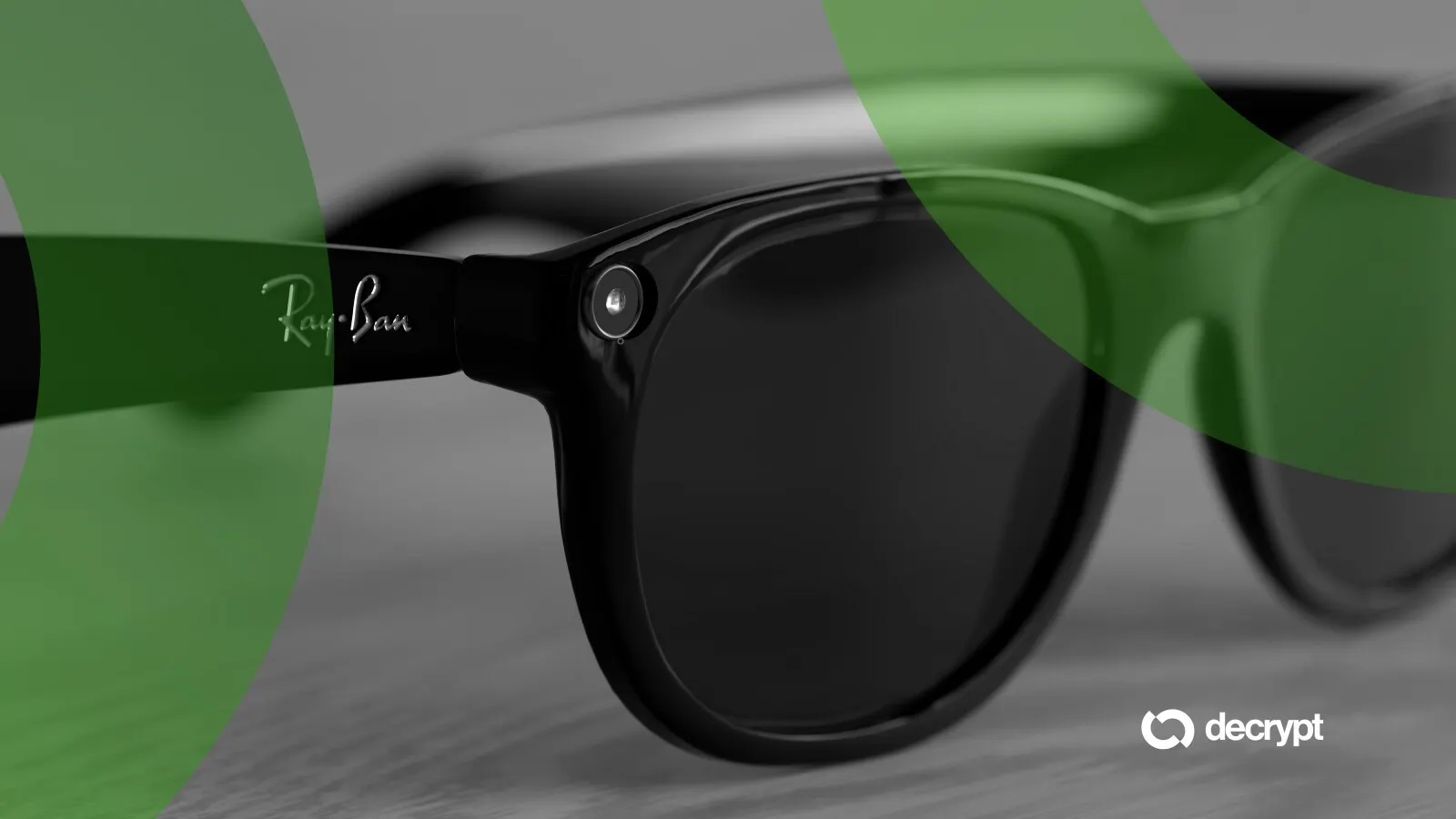
Camera System Patent Could Identify and Log Individuals by Face
Meta Platforms Technologies, the division responsible for Meta’s research and development and hardware intellectual property, has filed a patent for a camera system capable of identifying individuals by their faces and recording their actions.
The patent application details how cameras would feed footage into an artificial intelligence system that tags individuals within the frame, detects their activities, and compiles this information into media clips that can be accessed on demand via a phone or headset.
This concept is not entirely new for Meta. The company’s smart glasses, developed in partnership with EssilorLuxottica and launched in 2023, have been worn by users for years. These glasses, which have drawn criticism and are sometimes referred to as “pervert glasses” online, can record first-person video and allow wearers to query an AI about what they are seeing.
The same Meta entity that developed these smart glasses and the Quest headsets is behind this new patent filing. The accompanying drawings depict a glasses wearer observing a room full of people. The proposed facial recognition technology would elevate the hardware’s capability from simply “recording what I point at” to “knowing and naming who is in the room.”
The patent outlines a four-step process. First, cameras capture live or recorded footage and transmit it to the system. A facial recognition layer then analyzes the frames to identify specific individuals present, not just the presence of a person.
A separate action detection layer operates in conjunction with facial recognition, identifying movements such as picking up an object, leaving a room, or a group gathering. Finally, the system consolidates its findings into individual media files, each tagged with the identified person, their action, or both.
What distinguishes this system from a standard smart doorbell is its integrated assistant layer. The patent describes footage retrieval as a conversational process, where a connected device can request specific video content through a query. The system would then generate the response using the tagged clips, eliminating the need for manual scrubbing through footage. The drawings illustrate both server-side and on-device processing workflows, with a natural language understanding pipeline feeding into the clip composer.
The most contentious aspect of this patent is its potential capability to identify and log specific individuals by face without their explicit consent. This mirrors concerns previously voiced by Democratic senators who questioned Meta about facial recognition technology in its smart glasses. As previously reported, these senators warned that real-time facial identification could increase the risk of stalking and harassment.
Meta’s existing hardware is already at the center of this debate. Owners of the recently released Ray-Ban smart glasses from Meta have been able to record strangers in public, and contractors have reviewed private footage. A wearable camera that also identifies individuals by name would further amplify the disparity between Meta’s portrayal of its technology as a “helpful assistant” and its actual capabilities, prompting public apprehension and the development of countermeasures.
It is important to note that this is a patent filing, not a released product. The patent is currently in the “Ready for Examination” stage, with Patentlyze assessing the likelihood of its grant as medium. Meta has previously filed patents for similar computer vision technologies for glasses, and its publication signifies that the idea is officially documented, not that the feature is under development or approved for release.
Leave a Reply