Banks Forge Shared Tokenized Deposit Network to Counter Stablecoins
JPMorgan Chase, Citigroup, Bank of America, and Wells Fargo are collaborating on a shared Tokenized Deposit Network (TDN), a move aimed at challenging the dominance of stablecoins in the financial landscape. The initiative, spearheaded by The Clearing House, targets a launch in the first half of 2027, with the Federal Reserve identified as a key audience.
The stated objective of the TDN is to enhance efficiency through instant, 24/7 settlement, programmable payments, and blockchain-speed money movement. However, the underlying strategic aim appears to be maintaining control. By owning the tokenized settlement layer, these banks aim to preempt the development of a government-issued retail Central Bank Digital Currency (CBDC) and limit the space for stablecoin issuers within the institutional payment ecosystem.
A tokenized deposit is not a novel asset class; rather, it represents a standard bank deposit recorded on a shared ledger instead of a bank’s proprietary system. The credit risk, regulatory treatment, and accounting standards remain unchanged. The fundamental alteration lies in the settlement infrastructure.
Current systems like Fedwire and RTP operate on batch cycles or near-real-time windows with defined cutoffs. The TDN, in contrast, will facilitate continuous on-chain settlement, encompassing weekends and federal holidays. This operational gap has been precisely where stablecoins have carved out their corporate use cases. For instance, treasury teams managing cross-border settlements with USDC value the ability to transact at any hour, a capability not consistently offered by traditional banking rails.
The TDN aims to bridge this gap by enabling 24/7 settlement without moving funds outside the regulated banking system. Elements of this infrastructure are already in place. JPMorgan’s Kinexus platform, for example, processes institutional payments using JPM Coin on a private blockchain. Earlier in 2026, the bank also introduced a tokenized deposit token on Base, Coinbase’s public Layer 2 solution, for institutional clients, focusing on cross-border payments, intraday liquidity, and programmable payouts. Citigroup’s Token Services facilitates real-time digital transfers between major financial hubs like New York, London, and Hong Kong.
The TDN is envisioned as the interoperability layer that will consolidate these disparate bank-led efforts into a unified institutional liquidity pool, effectively creating a regulated settlement network at the scale of the U.S. banking system.
David Watson, CEO of The Clearing House, described the project as a “big move for the lenders” and highlighted that the industry is heading towards a “radically different” future for on-chain payments. This framing is both accurate and strategically advantageous, as the banks proposing the network stand to be most impacted by a government-run CBDC or a stablecoin that captures significant institutional dollar flows.
Strategic Implications and Competitive Landscape
Congressional support for a Federal Reserve-issued retail CBDC is currently minimal, largely due to concerns over surveillance, political considerations, and bipartisan opposition. Banks are aware of this political climate, and the TDN is designed to capitalize on it. By offering 24/7 tokenized dollar settlement through regulated bank deposits, the private sector could undermine the policy rationale for a government-issued digital dollar.
This development offers the Federal Reserve a modernized payment infrastructure without the political complexities of issuing a retail CBDC. For banks, it ensures deposits remain within their system, while stablecoin issuers face increased pressure. The regulated banking system as a whole stands to benefit, with the exception of major stablecoin issuers like Tether and Circle.
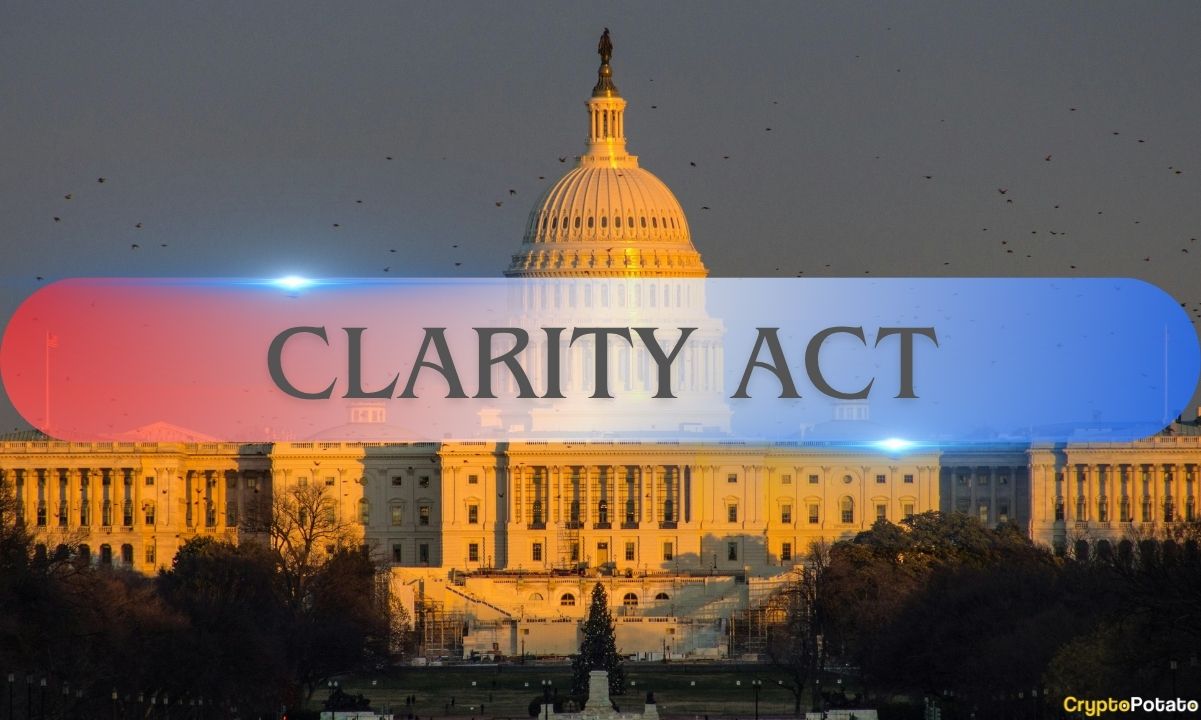
The ongoing legislative efforts surrounding the CLARITY Act in Washington add another layer of pressure. Banks are reportedly opposed to provisions that could permit interest-bearing features on stablecoins, which would directly compete with bank deposit rates. A functional TDN would strengthen the banks’ position in this debate, as they would already offer programmable, blockchain-native deposits with FDIC-equivalent protections, diminishing the political argument for allowing non-bank stablecoin issuers to offer yield.
Shahmir Khaliq, Citi’s head of services, characterized the network as a step that “effectively cements” the role of banks in financing, money management, and capital markets. This statement can be interpreted as a strategic assertion of market dominance rather than a mere product description.
Ultimately, the banks are seeking to protect the monetary transmission layer – the critical infrastructure through which dollar liquidity flows from the Federal Reserve to the broader economy. By tokenizing this layer on bank-controlled rails, they aim to preserve their gatekeeper status in an increasingly blockchain-native financial system.