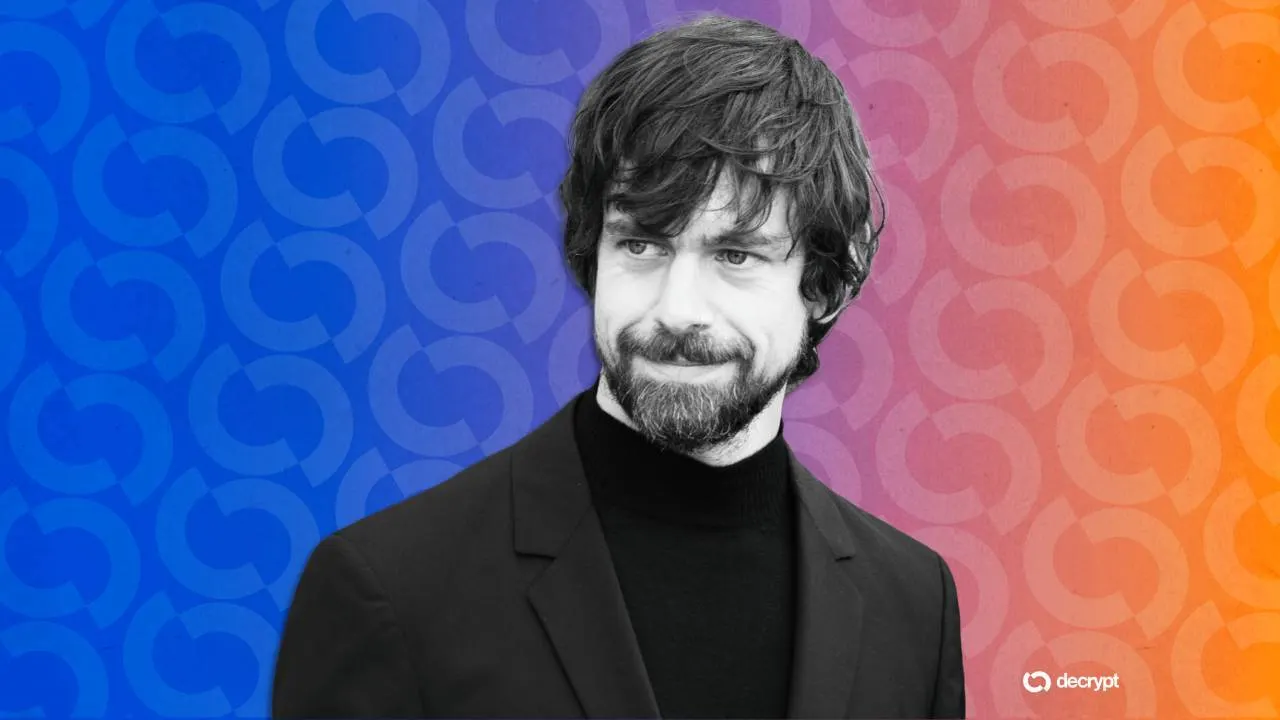
Jack Dorsey’s Block has introduced Buzz, a new free, open-source group chat platform designed to foster collaboration between human employees and AI agents. The platform aims to offer an alternative to established tools like Slack and GitHub, integrating features such as channels, threads, direct messages, voice, media sharing, code repositories, and automated workflows into a unified interface.
Buzz is characterized as model-agnostic and decentralized, employing Nostr for identity management. This approach allows both AI agents and human users to possess their own cryptographic identities and permissions, ensuring that an agent’s identity, history, and reputation can be portable across any Nostr-compatible system. According to Block, this addresses a fundamental challenge in multi-agent work: identity. Each interaction, from messages and reactions to workflow steps and code reviews, is recorded as a signed event in a single log, creating a verifiable audit trail.
Available under an Apache 2.0 license, Buzz allows teams to self-host or utilize Block’s managed version. Currently in early development and shipping as version 0.4.21, Buzz provides desktop builds for macOS, Windows, and Linux, though mobile clients remain unfinished. While framed as decentralized, each workspace operates on a single relay, which the project’s repository identifies as its “single source of truth.”
Internal Development and AI Integration
Block employees have been testing Buzz internally for months, with the platform itself reportedly developed using AI agents. This internal development process, including the interface, was described as being “more sculpted over time than designed up front.” The objective, according to Bradley Axen, Block’s head of AI capabilities, is to create a space where “humans and agents work together,” questioning whether such a platform would be proprietary or open.
Buzz supports agents powered by various large language models (LLMs) and harnesses, including Anthropic’s Claude Code, OpenAI’s Codex, and goose, an open-source agent framework previously released by Block. Agents within Buzz can perform user-level actions via CLI commands, create their own channels, and update their memories, with users able to set specific rules for each agent within channels or threads. Experimentation with features like AI-generated shared whiteboards for threads aims to improve context handoffs.
Broader Context and Future Outlook
The launch of Buzz aligns with Jack Dorsey’s ongoing commitment to open-source and decentralized technologies since his departure from Twitter. He has supported various tools built on Nostr, a protocol he personally funds, including Bitchat and OtherStuff. This move into collaboration tools for AI agents also comes in the context of Block’s recent restructuring, which included significant job cuts in February, with Dorsey noting at the time that AI “fundamentally changes what it means to build and run a company.”
While Buzz aims to reduce dependency on existing tools like Slack and GitHub, its early stage of development (v0.4.21) and the reliance on a single relay per workspace are points to note. The platform’s success will likely depend on its ability to integrate seamlessly into existing workflows and demonstrate tangible benefits for human-AI collaboration, potentially reshaping how teams operate.
Why This Matters
The materials describe a narrow update: Block launched Buzz, a free, open-source group chat platform designed for collaboration between human employees and AI agents. The exact date of the Block job cuts and stablecoin announcement (implied to be 2026 based on context).